
This Quiet State Park In Nevada Is The Perfect Place To Recharge And Unwind
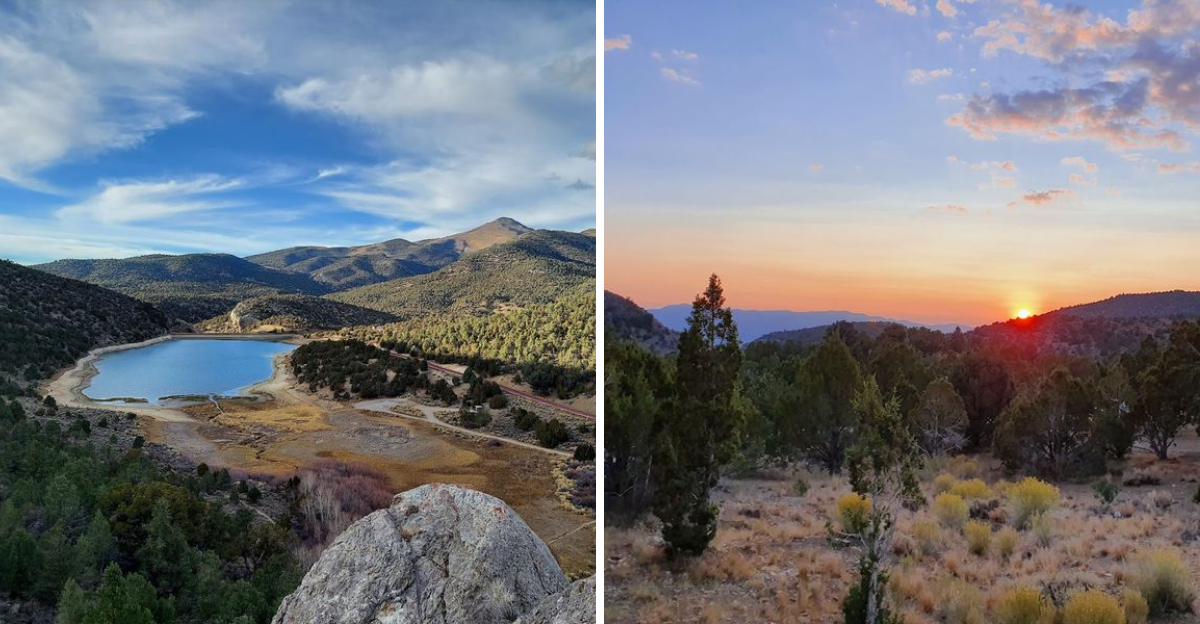
Sometimes the best reset starts with a road that climbs away from noise and ends beside cold, clear water. Nevada has a mountain escape where the air feels lighter, the trees take over, and your phone suddenly seems less important.
At more than 7,000 feet, the whole place moves at a calmer pace. You can fish, paddle, hike, camp, or sit near the shoreline and let the view do the talking.
After years of work on the dam, the reservoir is back, giving visitors a fresh reason to return. The peaks reflect in the water, the crowds feel far away, and a simple afternoon can turn into the quiet break you did not know you needed.
The 32 Acre Reservoir Is The Heart Of The Park
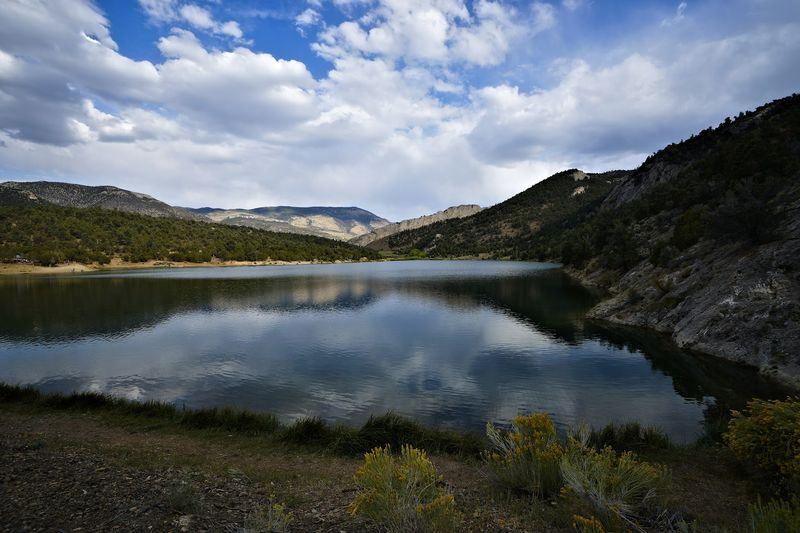
At the center of Cave Lake State Park lies a 32-acre reservoir that serves as the focal point for nearly every activity here. The lake was created by damming Steptoe Creek, and its waters now provide habitat for fish, a place for boats and paddleboards, and a scenic backdrop that changes character with the seasons.
The shoreline is accessible from multiple points, and the water itself sits calm most days, protected by the surrounding ridges.
The reservoir reaches its best condition in late spring and early summer when snowmelt keeps it full and the surface temperature climbs into the comfortable range for swimming. By late summer, water levels can drop slightly, but the lake remains functional for all its intended uses.
The clarity of the water varies depending on recent weather, but on still mornings, the reflections of the surrounding peaks are sharp and undisturbed.
The lake attracts anglers, families, and anyone looking for a place to sit quietly by water. It anchors the entire park experience.
Cave Lake Sits High In Nevada’s Schell Creek Range
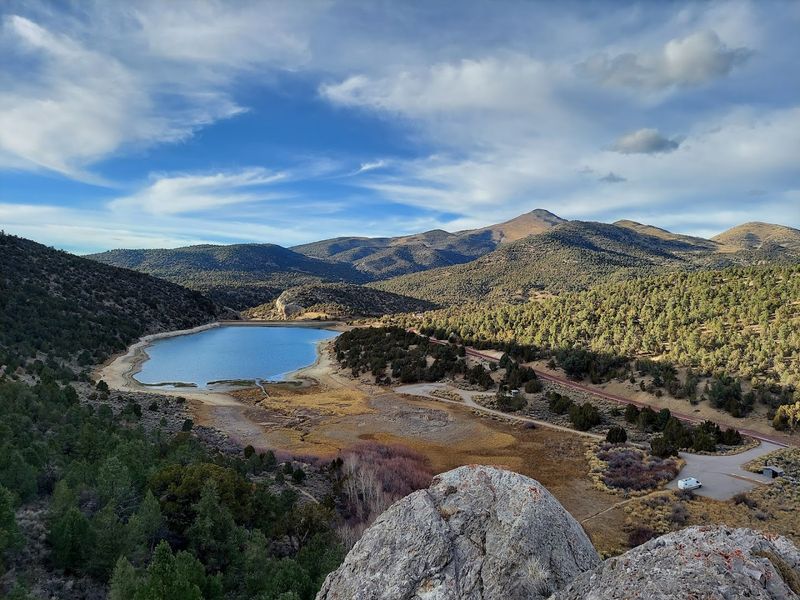
Cave Lake State Park occupies more than 4,500 acres in the Schell Creek Range, a mountain system that rises sharply from the valley floors of eastern Nevada. The elevation here hovers around 7,300 feet, which means cooler temperatures in summer and a landscape dominated by juniper, pine, and aspen rather than the sagebrush common at lower altitudes.
The air feels thinner and cleaner, and the light has a particular brightness that comes with altitude.
The park sits just off US Highway 93, roughly 15 miles southeast of Ely. Most travelers pass through this stretch without noticing the turnoff, which keeps the park relatively uncrowded even during peak summer months.
The mountain setting creates a natural buffer from the heat and dust of the lower desert, making Cave Lake feel more like a Rocky Mountain escape than a typical Nevada recreation area.
Visitors arriving from Ely gain elevation steadily, watching the landscape shift from open range to forested slopes. The transition feels deliberate and earned.
The Lake Recently Returned After Years Of Dam Work
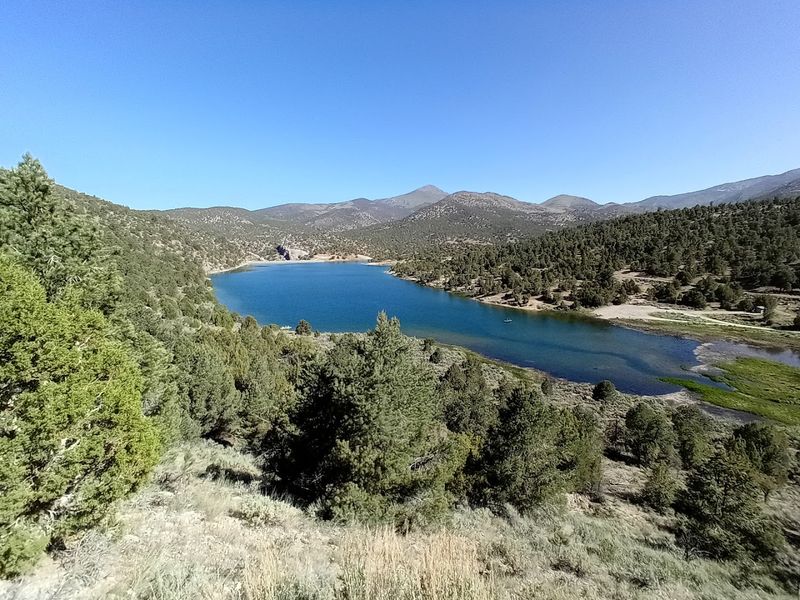
For several years, Cave Lake sat empty while the Nevada Division of State Parks undertook a major dam reconstruction project. The old dam had reached the end of its functional life, and rather than risk failure, the state drained the reservoir entirely and rebuilt the structure from the ground up.
During that period, the park remained open, but the experience felt incomplete without the water that gave the place its name and purpose.
The dam work concluded recently, and the reservoir has refilled to capacity. The return of the lake has brought back the full range of activities that make Cave Lake a destination rather than just a stopover.
Fish have been restocked, and the ecosystem is beginning to reestablish itself. The new dam is built to modern standards, which means the lake should remain stable and full for decades to come.
Visitors who remember the park before the closure have expressed relief and satisfaction at seeing the water back where it belongs. The park feels whole again.
Fishing Is Coming Back In A Big Way
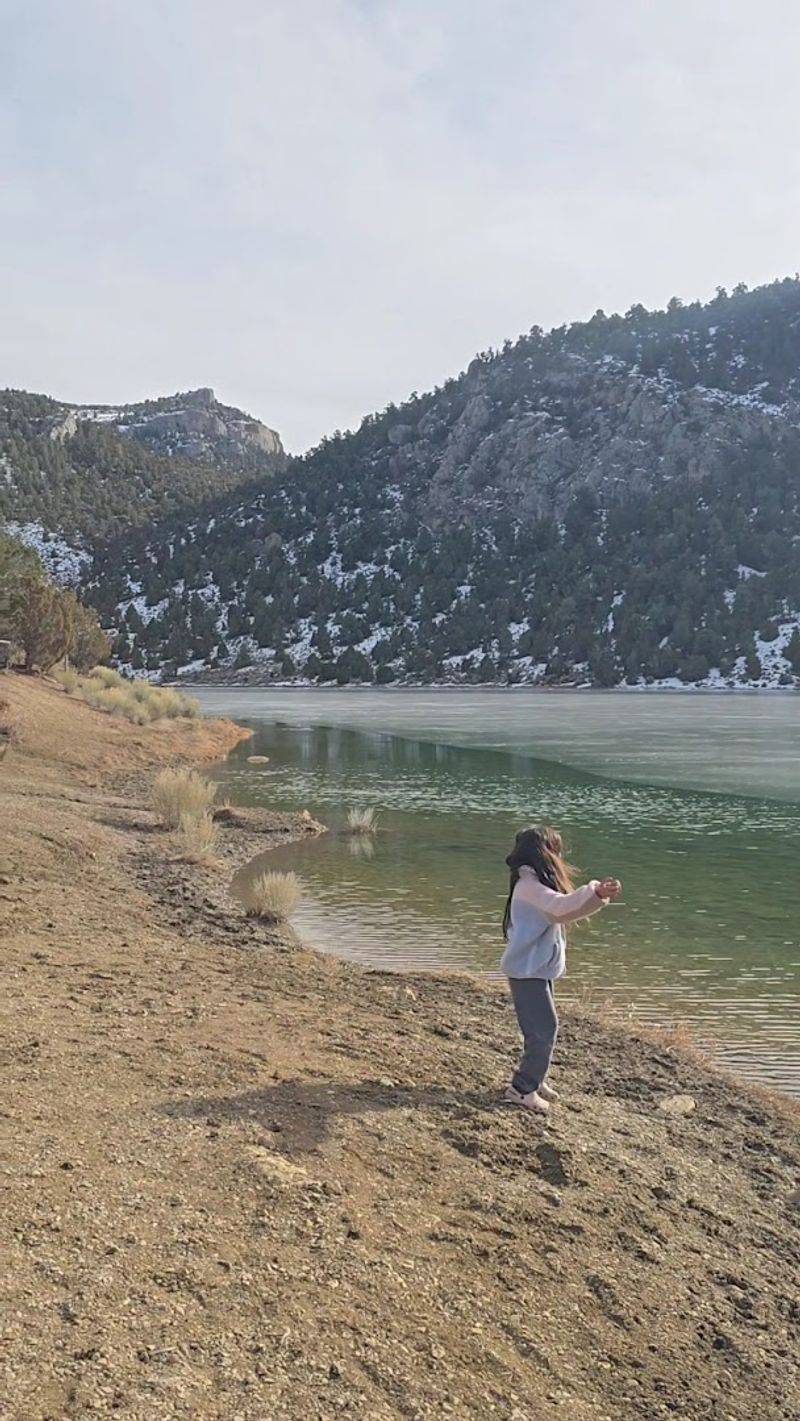
With the reservoir refilled and restocked, fishing at Cave Lake is regaining its reputation as one of the better mountain angling spots in eastern Nevada. The Nevada Department of Wildlife has stocked the lake with rainbow trout, and early reports suggest the fish are adapting well to the restored habitat.
The cooler water temperatures at this elevation create ideal conditions for trout, and the lake’s size allows for healthy populations without overcrowding.
Anglers can fish from the shore in multiple locations around the reservoir, or they can launch small boats and canoes to reach deeper water. The park does not allow motorized boats, which keeps the lake quiet and reduces disturbance to the fish.
Fly fishing works well here, particularly in the early morning and late evening when surface activity picks up.
The return of fishing has brought a noticeable increase in visitors, particularly on weekends. Local anglers from Ely and surrounding communities have returned to the lake, and word is spreading among fishing circles that Cave Lake is back in business.
The Mountain Setting Makes The Whole Park Feel Peaceful
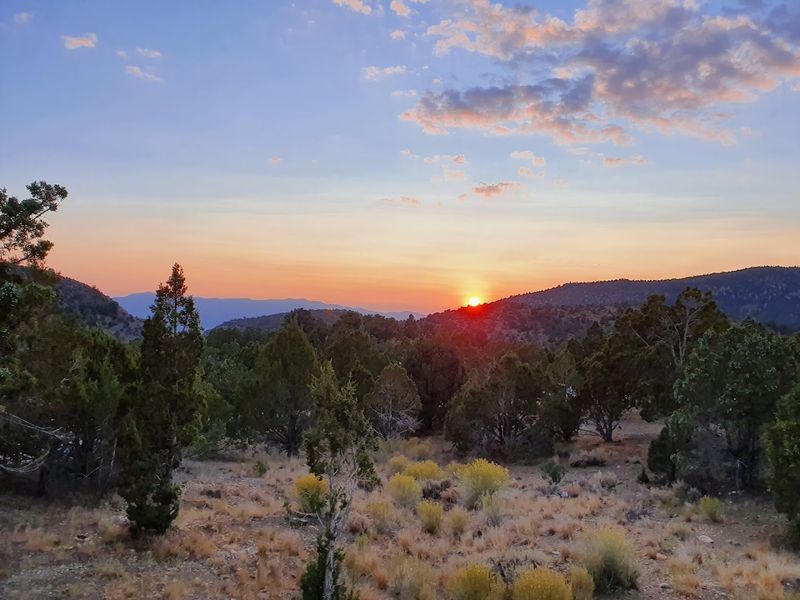
The geography of Cave Lake State Park creates a natural sense of seclusion that distinguishes it from many other Nevada recreation areas. The park sits in a bowl formed by surrounding ridges, which means the views are consistently framed by forest and rock rather than open desert.
The trees here grow thick enough to provide shade and privacy, and the elevation keeps temperatures moderate even when the valleys below are sweltering.
Sound carries differently at this altitude, and the combination of distance from major highways and the absorbing quality of the forest means that most of the park remains remarkably quiet. Birdsong is common, and in the evening, the rustle of wind through pine branches becomes the dominant sound.
The lake itself adds to the calm, particularly on windless days when the water sits still and reflective.
Visitors looking for solitude often find it here, even during busy summer weekends. The park’s design spreads activity across multiple areas, so crowding rarely becomes an issue.
The mountain setting enforces its own kind of pace.
Swimming And Paddleboarding Make Summer Feel Easy
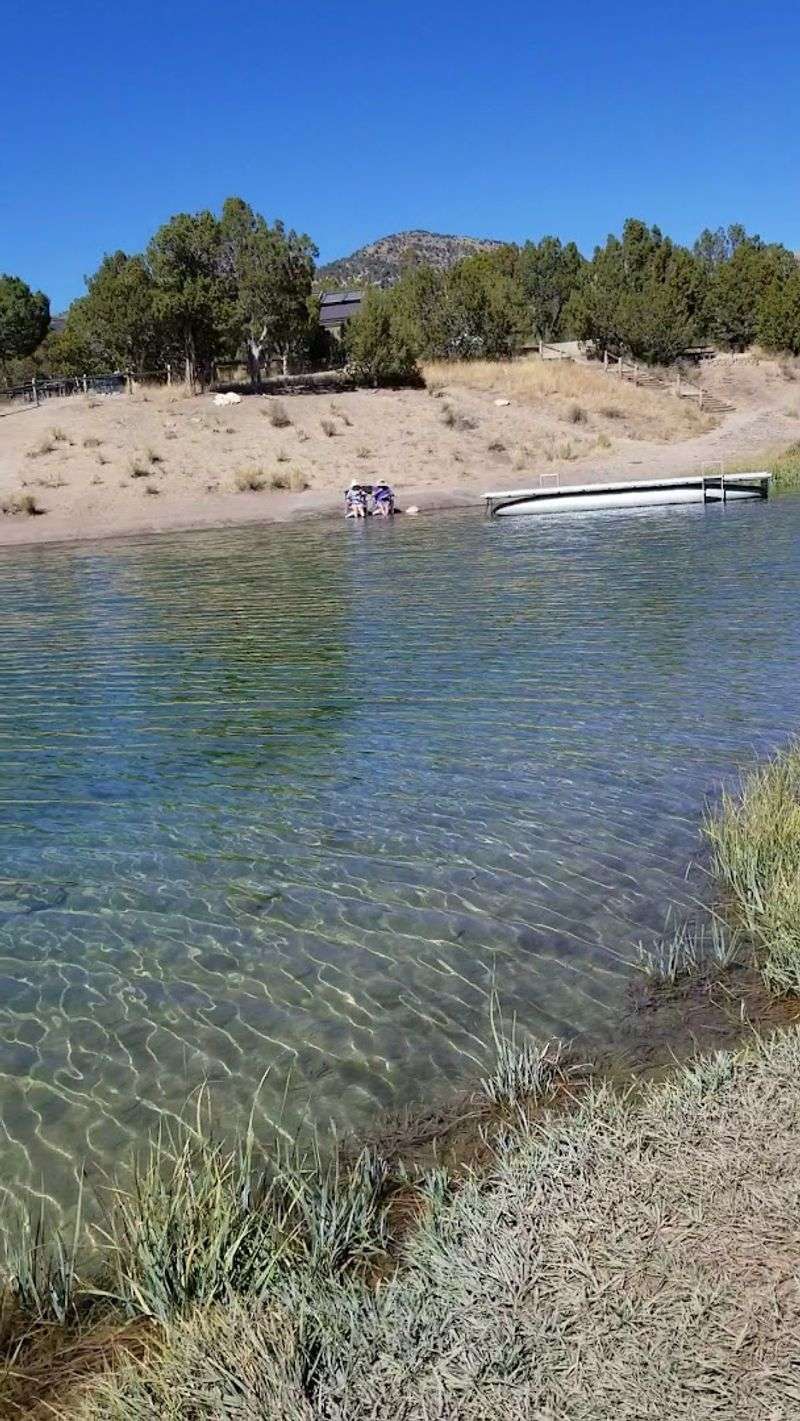
Summer at Cave Lake brings swimmers and paddleboarders to the reservoir, where the water warms enough for comfortable immersion by mid-June. The lake’s size and depth make it suitable for swimming, and several access points along the shore provide easy entry.
The water remains cooler than desert lakes at lower elevations, but most visitors find it refreshing rather than prohibitive.
Paddleboarding has become increasingly popular here, as the calm conditions and scenic surroundings create an ideal environment for the activity. The lake’s relatively small size means paddlers can explore the entire shoreline in a single outing without exhausting themselves.
Kayaks and canoes also work well, and the no-motor rule ensures that the water stays peaceful and safe for all users.
Families with children often set up near the shore, combining swimming with picnicking and general lakeside lounging. The park provides picnic tables and basic facilities, but the real draw is the water itself and the ease with which visitors can spend an entire afternoon simply enjoying the lake.
Hiking Trails Give Visitors More Than A Lake Day
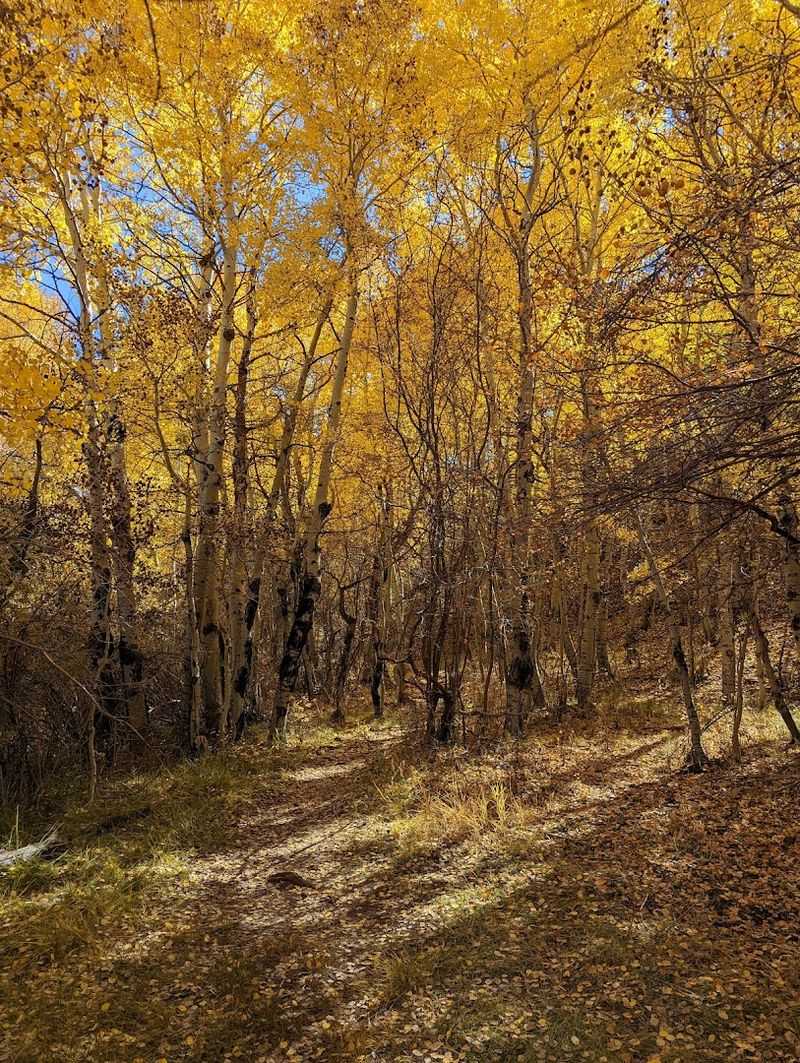
Cave Lake State Park offers a network of hiking trails that extend the visitor experience beyond the shoreline. The trails range from easy walks suitable for families to more demanding climbs that reward effort with expansive views of the surrounding ranges.
The park’s elevation and terrain create conditions that feel more alpine than desert, and the trails reflect that character with steady grades, forested sections, and occasional rocky outcrops.
The trail system connects to broader regional routes, which means serious hikers can use the park as a starting point for longer backcountry excursions. Most visitors, however, stick to the shorter loops that stay within park boundaries.
These trails provide enough variety to keep things interesting without requiring advanced skills or excessive time commitments.
Trail conditions vary with the season, but summer and early fall generally offer the best hiking weather. Spring can bring lingering snow at higher elevations, and winter transforms some trails into cross-country skiing routes.
The park maintains clear signage and basic maps at trailheads.
The Cave Lake Loop Offers Big Views In Under Four Miles
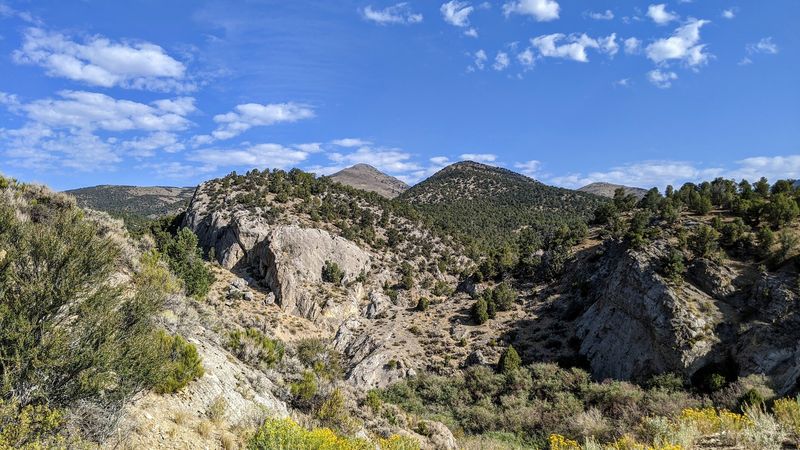
The Cave Lake Loop stands out as the park’s signature hike, delivering substantial scenery in a manageable distance. The trail covers just under four miles and includes enough elevation change to feel like genuine mountain hiking without becoming punishing.
The loop can be hiked in either direction, but most experienced hikers recommend going clockwise to spread the steepest climbs over a longer distance.
The trail climbs steadily from the trailhead, gaining roughly 800 feet over the course of the loop. The payoff comes in the form of overlooks that reveal the lake, the surrounding peaks, and the valleys stretching toward Ely and beyond.
On clear days, the views extend for miles, and the perspective on the park itself shifts dramatically from the higher vantage points.
The trail surface varies from packed dirt to rocky sections, and proper footwear makes a noticeable difference. The hike typically takes between two and three hours, depending on pace and how much time hikers spend at the viewpoints.
Water and sun protection are essential, as shade is inconsistent along the route.
Campgrounds Turn A Quick Visit Into A Quiet Overnight Escape
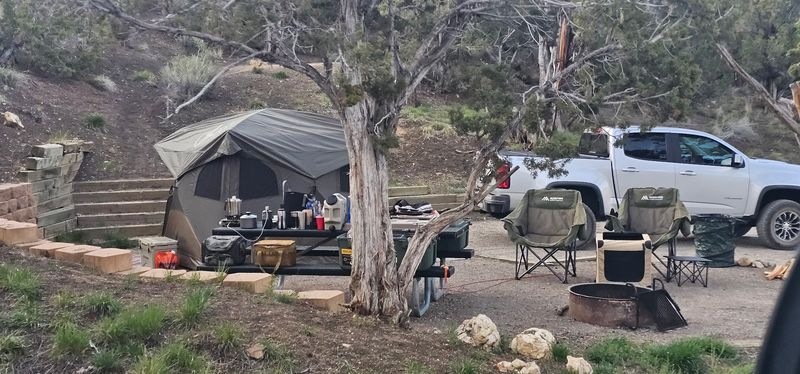
Cave Lake State Park operates two campgrounds, Lakeview and Elk Flat, which together provide roughly 40 campsites for tents and smaller RVs. The campgrounds are designed for simplicity rather than luxury, with basic amenities that include water spigots, flush toilets, and hot showers.
The sites vary in size, and the narrow access roads make maneuvering large rigs difficult, so the park works best for tent campers and those with smaller trailers.
Lakeview Campground sits closer to the reservoir and offers views of the water from several sites. Elk Flat is positioned slightly higher and provides more tree cover and privacy between sites.
Both campgrounds fill quickly on summer weekends, and reservations are strongly recommended during peak season. The park enforces a seven-day camping limit within any thirty-day period.
The camping experience here emphasizes quiet and simplicity. Generators are allowed but discouraged, and most campers respect the peaceful atmosphere.
The combination of mountain air, proximity to the lake, and the general sense of remoteness makes staying overnight feel distinctly different from day use.
Wildlife And Forest Scenery Keep The Park Feeling Wild
The forest and lake environment at Cave Lake supports a variety of wildlife that visitors encounter regularly during their time in the park. Mule deer are common, particularly in the early morning and evening when they move through the campgrounds and along the shoreline.
Birds are abundant, with species ranging from waterfowl on the lake to raptors circling above the ridges. Coyotes are heard more often than seen, their calls echoing across the valley after dark.
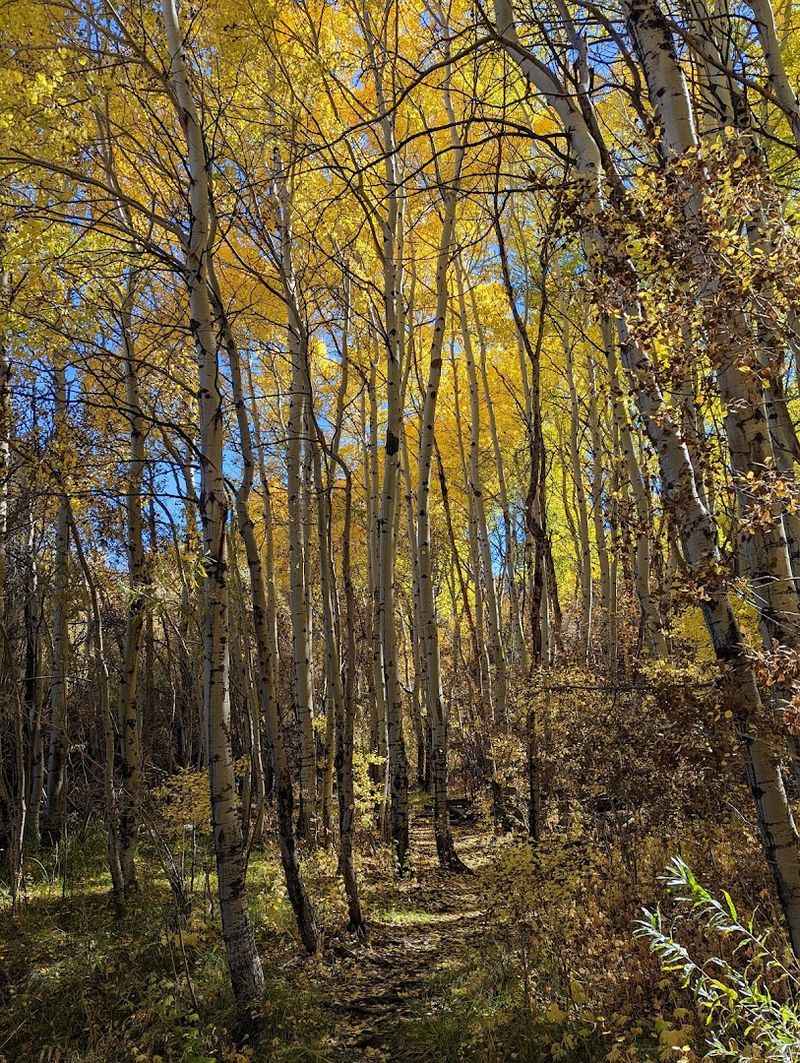
The vegetation contributes significantly to the park’s character, with stands of aspen that turn brilliant gold in the fall and evergreens that provide year-round color and structure. The combination of forest and open meadow creates habitat diversity, which in turn supports the variety of wildlife.
The park’s elevation and location place it at a transition zone between different ecological communities, which adds to the biological richness.
Visitors who spend time quietly observing often see more than those who rush through. The park rewards patience and attention, and the sense of wildness remains intact despite the presence of developed facilities.
Winter Brings A Completely Different Kind Of Adventure
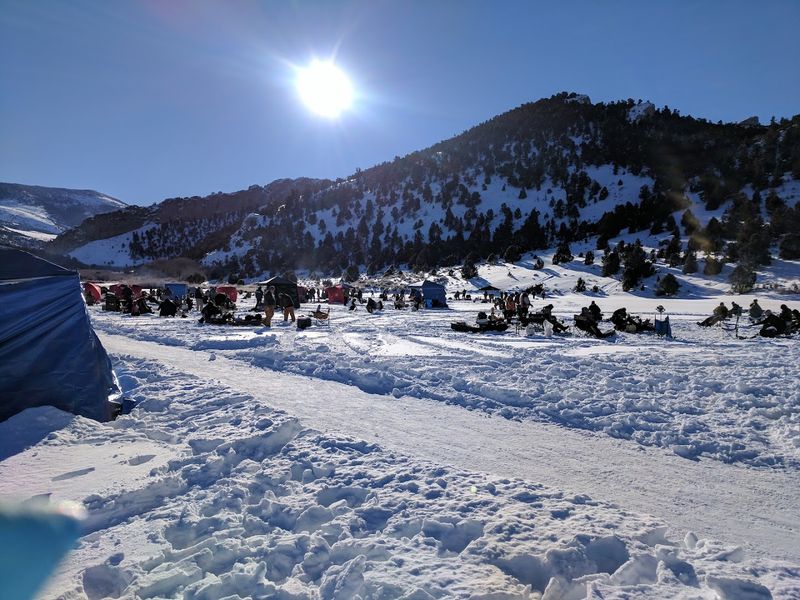
When snow arrives at Cave Lake, the park transforms into a winter recreation area that attracts a different set of visitors. The lake freezes solid in most years, creating opportunities for ice fishing and ice skating.
Cross-country skiing becomes possible on the trails, and the quiet that defines the park in summer becomes even more pronounced under a blanket of snow. The elevation ensures reliable winter conditions, and the park remains accessible throughout the cold months.
Ice fishing draws dedicated anglers who set up shelters on the frozen lake and fish for the trout that remain active beneath the ice. The winter fishery can be productive, and the solitude appeals to those who prefer their angling without crowds.
Skiing and snowshoeing work well on the maintained trails, and some visitors simply come to experience the park in its winter stillness.
The campgrounds close for the season, but day use continues year-round. Winter visitors should come prepared for cold temperatures and changing conditions, but those who make the effort find a version of the park that few others experience.