
This Quiet Utah River Town Has The Kind Of Small-Town Warmth Visitors Notice Right Away
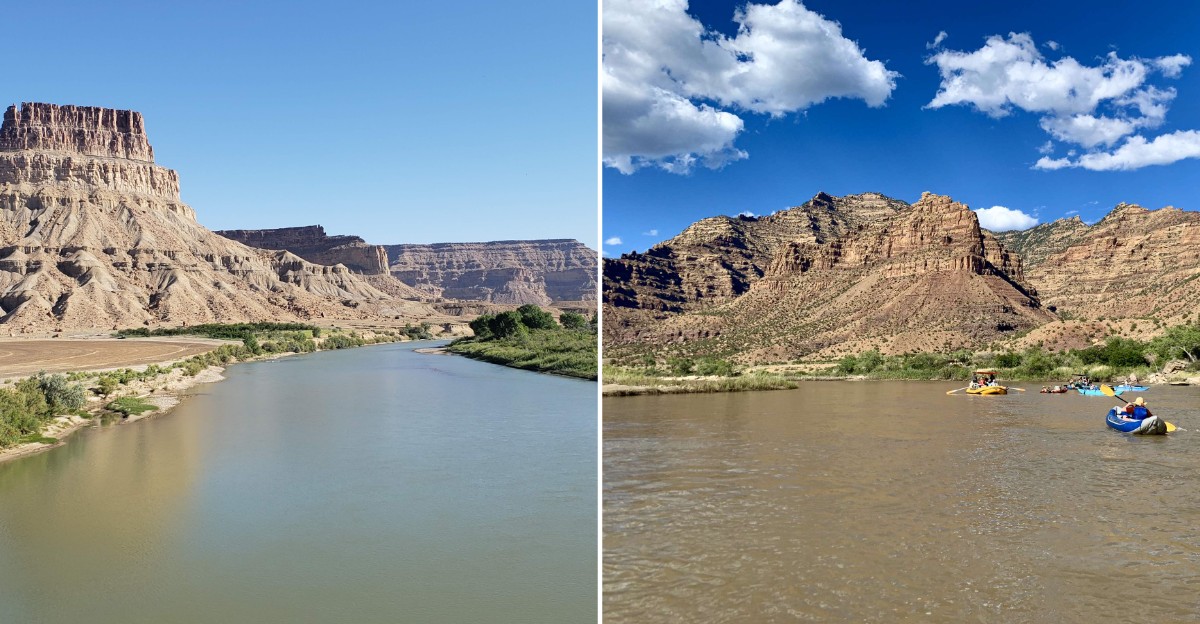
A getaway to a small town is exactly what we dream about while rushing to work every day, dealing with stress and noise that never lets up. This quiet Utah river town offers exactly that kind of warmth, the kind visitors notice the moment they arrive.
Streets stay quiet without feeling disconnected from the conveniences residents actually need day to day. Neighbors know each other in a way bigger cities rarely allow for anymore.
Local shops and restaurants sit within easy reach of most townhomes. Nothing about the pace here rushes, letting daily life move slower than most places nearby.
This town proved that small-town warmth still exists for anyone willing to slow down and notice it.
A River That Shaped Everything
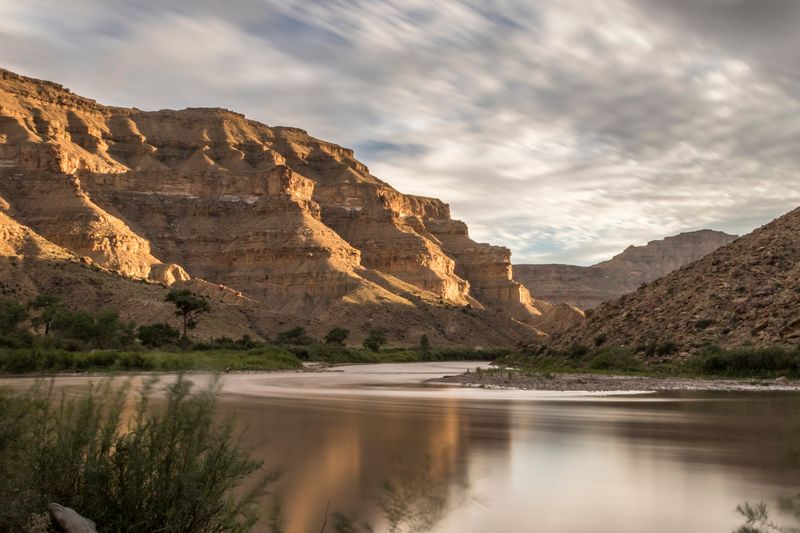
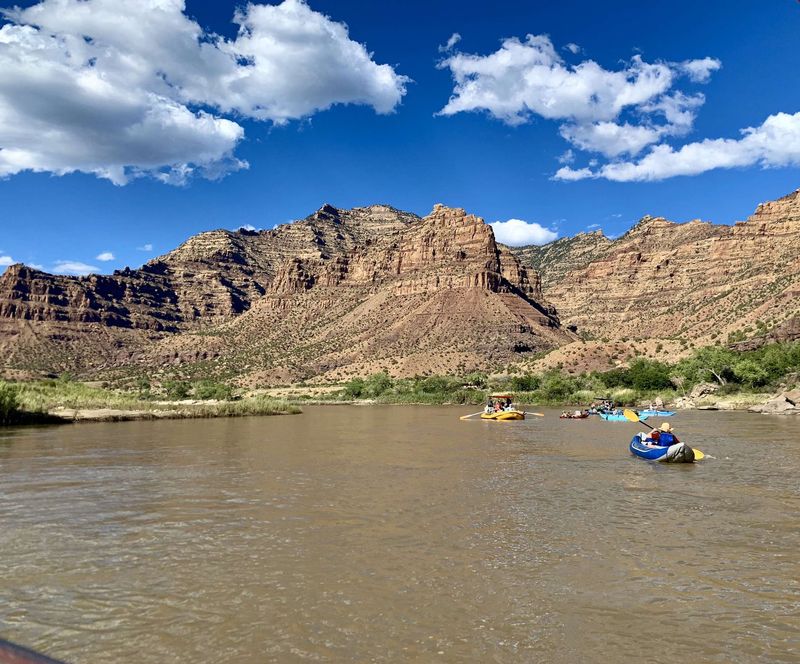
Utah has plenty of streams, but the Green River is the biggest of them all. It slices through mountains, canyons, and open desert before eventually meeting the Colorado.
The water here has kept people alive for thousands of years. Ancient communities settled along its banks, and later farmers used it to turn a dry patch of desert into productive fields.
Today the river does double duty as a recreation hub. Rafters, paddlers, and swimmers all show up during warmer months, and the town’s economy leans on that steady flow of visitors.
Gray Canyon sits just upstream and has a reputation as a friendly stretch for beginners. The rapids stay mellow enough that families with kids can float through without white knuckles.
Multi-day trips launch from here too, heading into Labyrinth Canyon where the walls climb high, and cell service disappears completely. That silence is part of the appeal.
What makes the river feel different from other Utah waterways is how central it is to daily life. Street names, the town name, the museum, the festivals all of it circles back to the water.
Fishing is popular, and so is simply sitting on the bank watching the current move. No ticket required for that one.
You’ll find the town in Emery County along Interstate 70 at Green River, Utah, USA.
Book Cliffs And Wide Desert Horizons
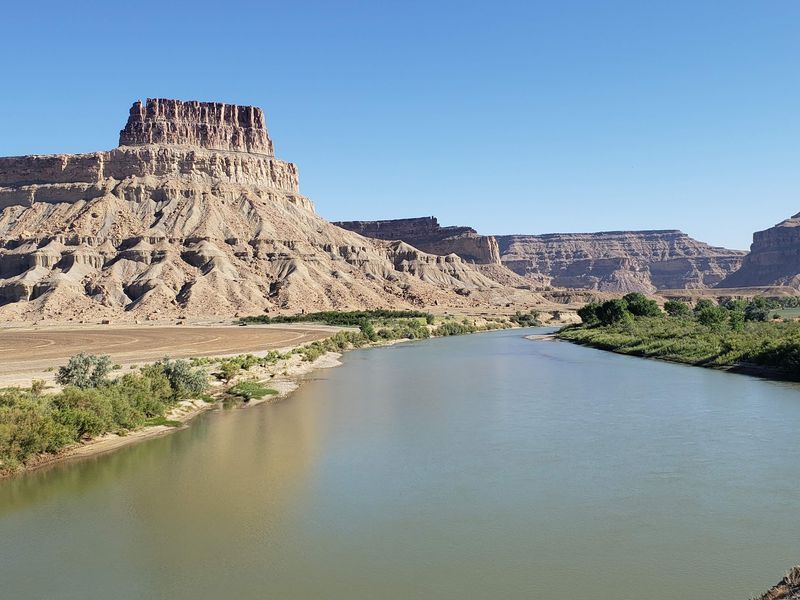
North of town, a long wall of layered sandstone runs across the horizon for miles. People named it the Book Cliffs because the terraces genuinely look like rows of giant books lined up on a shelf.
Morning light turns them pale gold. By late afternoon, they shift toward deep orange and rust, and photographers hang around just to catch it.
The desert surrounding the town has that wide-open, empty quality the American West is famous for. Distances play tricks here, and a mesa that looks close might be twenty miles off.
Drive south and the San Rafael Swell opens up, a massive dome of rock buckled and carved by erosion into slot canyons and buttes. Geologists love the place, and so do people who just like weird rocks.
Sego Canyon sits a short drive away and holds rock art panels from several different cultures spanning thousands of years. The figures painted on those walls are genuinely strange and memorable.
What surprises most first-timers is how quickly the scenery changes. Farmland gives way to bare desert within a few minutes of driving.
Bring water, a full tank of gas, and a paper map as backup. Service out here is unreliable, and the views are worth planning around properly.
Goblin Valley And Its Strange Stone Crowd
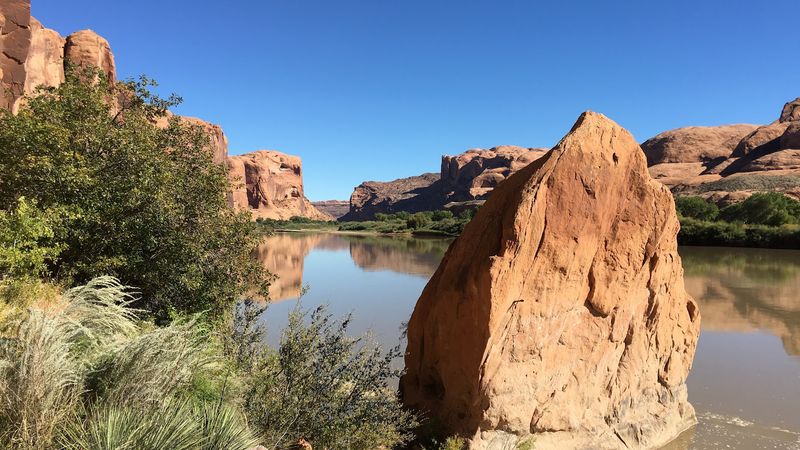
About an hour southwest sits a valley packed with thousands of squat sandstone figures. They look like mushrooms, melting snowmen, or a crowd of small creatures frozen mid-conversation.
Locals call them goblins, and the name stuck well enough to become official. Goblin Valley State Park is the kind of landscape that makes people check whether they’re still on Earth.
The best part for families is that wandering among the formations is encouraged. There are no fixed trails through the main valley, so kids can weave around the hoodoos however they want.
Getting lost is harder than it sounds since the valley is bowl-shaped and rimmed by cliffs. Still, picking a landmark before you wander in is smart.
Movie crews have filmed here, and it’s easy to understand why. The place already looks like another planet without any special effects.
Heat is the real challenge from June through August, when the rock radiates warmth like a stovetop. Early morning and late afternoon visits are far more comfortable.
Those same hours also produce the best shadows for photos. Midday light flattens everything out and makes the goblins look boring, which they absolutely are not.
Pair it with a stop at nearby Little Wild Horse Canyon if you have extra time.
Crystal Geyser And Its Orange Terraces
Most geysers shoot steam. This one is cold, which puts it in an extremely small club worldwide.
Crystal Geyser sits along the riverbank a short drive from town, and it erupts because of pressurized carbon dioxide rather than heat. Think of a shaken soda bottle rather than a boiling kettle.
The mineral-rich water has built up wild orange and rust-colored travertine terraces around the vent. Even when nothing is erupting, the ground itself is worth the trip.
Timing an eruption takes patience and a bit of luck. Intervals vary, so plan to bring snacks, a chair, and low expectations about schedules.
The road out there gets rough and can turn slick after rain, so a high-clearance vehicle helps. Two-wheel-drive cars have made it, but nobody recommends gambling on that.
History nerds get a bonus here. The geyser exists because of an old drilling attempt from the early 1900s that tapped into a pressurized underground pocket.
So this natural wonder is partly an accident, which somehow makes it better. Human error occasionally produces something beautiful.
Photographers favor the spot in late afternoon when the orange terraces glow against the darker river. It’s a genuinely odd, memorable corner of the desert that almost nobody knows about.
Stories Written Into The Land
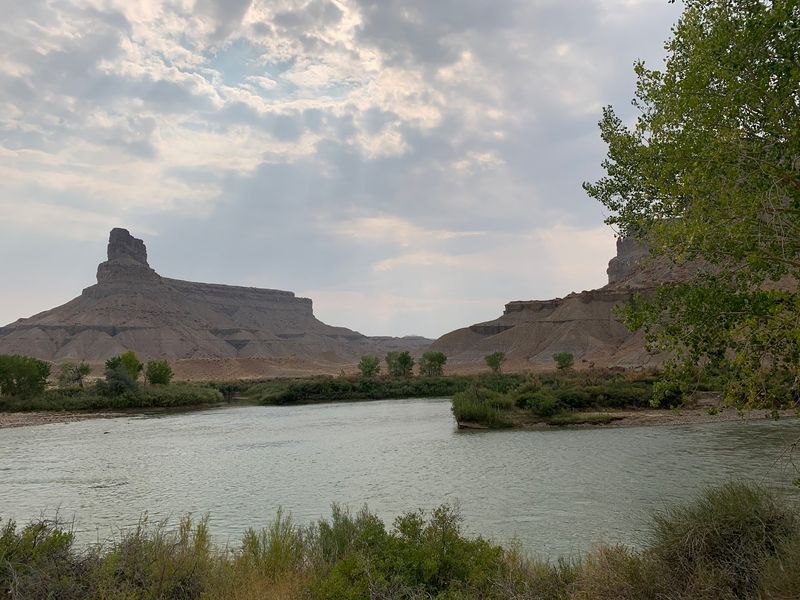
Long before highways, the Fremont Culture lived across this region from roughly 600 to 1200 A.D. They left behind petroglyphs and pictographs that still hold up on canyon walls nearby.
Shoshone and Ute people later made the river valley home, depending on its water, game, and plants. Their connection to this land runs deep and continues today.
Spanish explorers arrived and renamed the waterway the Rio Verde. The spot became a critical crossing on the Old Spanish Trail because fording a big river is no small task.
Then came 1869 and Major John Wesley Powell. His expedition mapped the river and named many of the canyons and features people still reference.
Mormon settlers built the first permanent community in 1878, planting crops and figuring out irrigation in a place that receives very little rain.
The railroad arrived and turned the town into a transportation hub, which brought jobs, travelers, and a whole different rhythm.
Uranium mining boomed from the 1940s through the 1960s, drawing prospectors and reshaping the local economy again. Traces of that era still show up in old equipment and stories passed down.
Layer all of that together and you get a small town carrying an unusually heavy load of American history.
The John Wesley Powell River History Museum
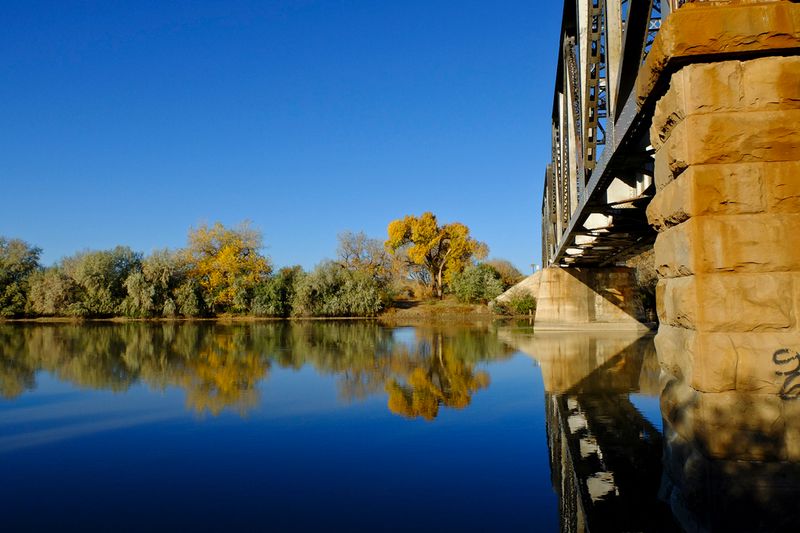
Picture a one-armed Civil War veteran rowing wooden boats into canyons nobody had mapped. That’s Powell, and this museum tells his story properly.
Inside you’ll find historic river boats, including replicas and vessels used by early runners who tackled these rapids without modern gear. Standing next to them makes the whole adventure feel considerably more insane.
Exhibits cover geology, natural history, and archaeology, with artifacts from Native American tribes who lived throughout the region. It’s a lot of ground covered in one building.
Kids usually gravitate toward the interactive displays and the river simulation area. Adults tend to linger over the maps and expedition journals.
The museum also acts as a visitor center, so staff can point you toward trailheads, road conditions, and whichever local spots are worth your afternoon.
Budget at least an hour, more if you actually read the panels. Plenty of people plan a quick stop and end up staying much longer.
What makes the place work is scale. It’s small enough to finish comfortably but detailed enough that you leave knowing something you didn’t before.
For anyone floating the river later that week, going through the museum first adds real context to what you’re paddling past.
Melon Country And The September Celebration
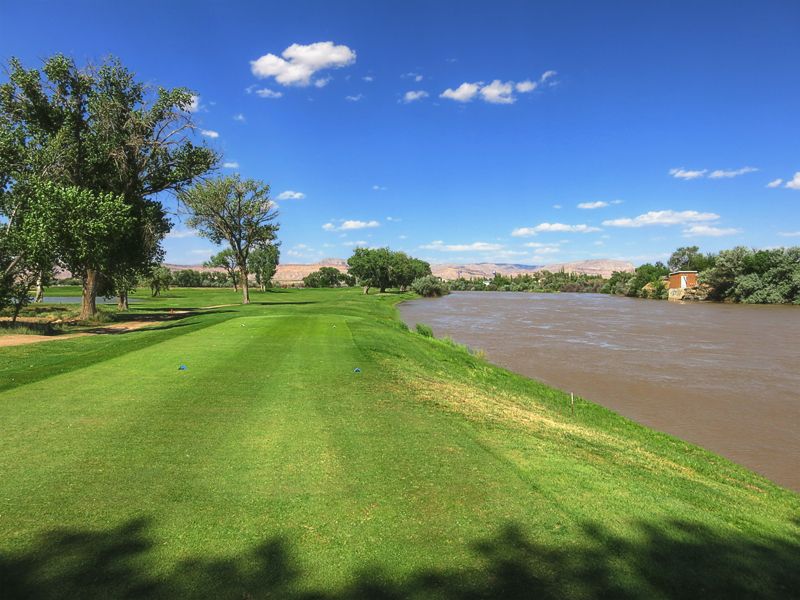
Sandy soil, gravel underneath, blazing sunny days, and warm nights. That combination produces melons here that people drive hours to buy.
The town wears the title Watermelon Capital of Utah without much argument from anyone. Cantaloupe, honeydew, and the famous winter melon all come out of these fields.
Farmers credit a mix of factors, including a touch of alkali in the soil and careful attention during the growing season. Sweetness is not accidental around here.
The tradition traces back to the early 1900s and a grower named J.H. Brown, who experimented until he figured out what worked.
His nickname eventually became Melon Brown, which is a fantastic thing to be called.
Third-generation farming families still work those same fields. Recipes and growing techniques get handed down like heirlooms.
Every September, the town throws Melon Days, a festival that has been running since 1906. That makes it older than most state fairs in the region.
Expect a parade, fair games, square dancing, and a 20-foot wooden watermelon slice float that stands ten feet tall. Subtlety is not the goal.
Roadside stands open through late summer, and buying directly from growers is the way to go. Come hungry and bring napkins.
Night Skies Worth Staying Up For
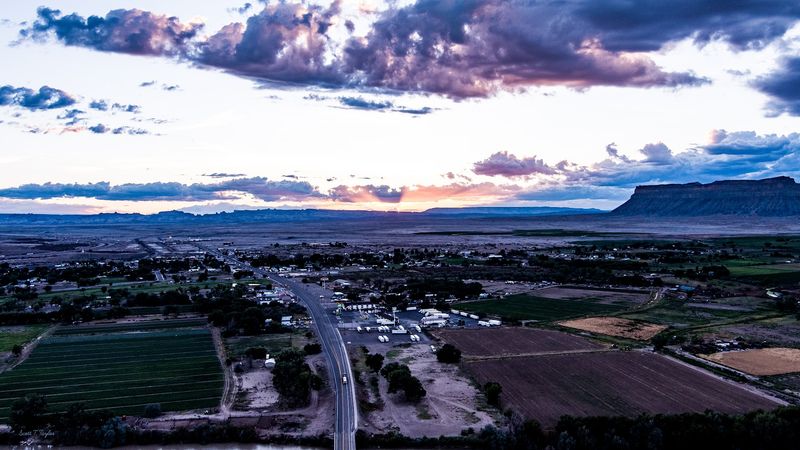
Turn off the headlights out here, and the sky does something most people have never actually seen. The Milky Way stretches across the whole dome, bright enough to cast a faint glow.
Remote location plus desert air plus elevation equals extremely clear viewing. Very little artificial light interferes.
Green River State Park is recognized as a dark sky location and rates a Bortle Class 2, which is close to as good as it gets in the continental United States.
Drive just ten or fifteen minutes out of town, and you’re already in Bortle 2 territory. Push deeper into the San Rafael Swell, and conditions approach Bortle 1.
Crystal Geyser Lookout is a popular spot because the horizon stays open in almost every direction. Goblin Valley works beautifully too, with hoodoos making surreal foreground shapes for photos.
Timing matters more than gear. Aim for a new moon and check that the weather is clear.
Let your eyes adjust for twenty minutes without looking at a phone screen. The difference is dramatic, and most people are shocked by how much more appears.
Bring layers even in summer, since desert temperatures drop hard after sunset. A folding chair and a blanket turn stargazing into something you can enjoy for hours.