
This Quirky Tennessee Museum Is One Of The Strangest Attractions In The Southeast
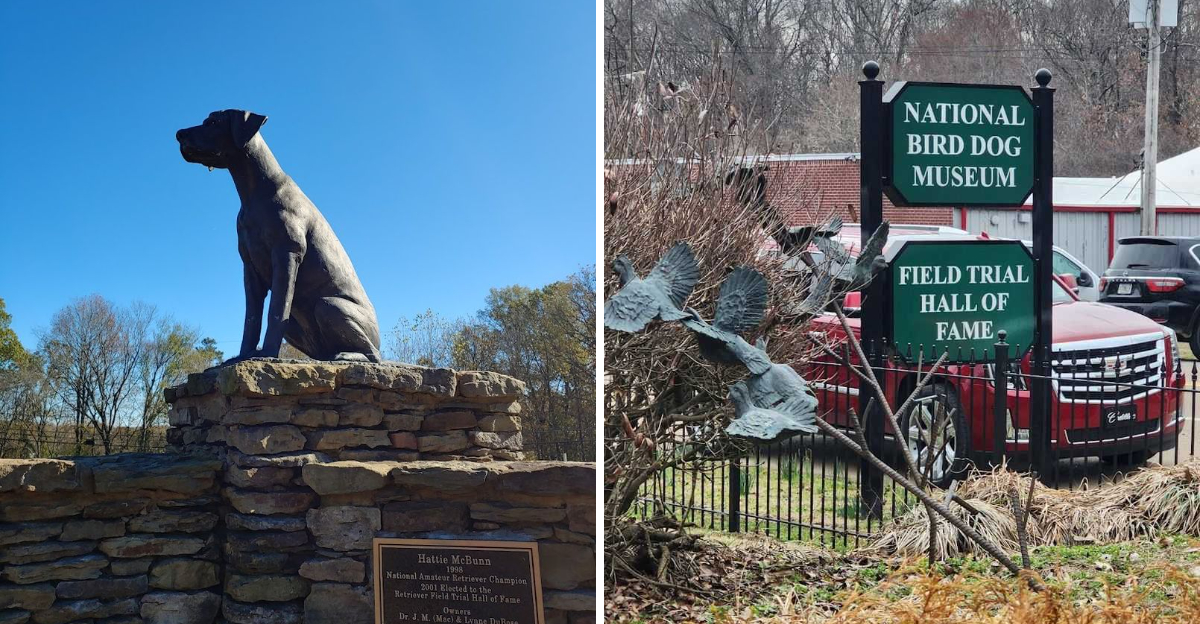
Some museums display paintings. Others display ancient fossils.
Then Tennessee has one that proudly follows a much more unexpected trail.
This attraction is wonderfully specific, deeply regional, and oddly fascinating once you realise how much history is packed inside.
It celebrates a sporting tradition, beloved animals, old photographs, trophies, memorabilia, and stories that feel unlike anything you would find in a standard museum hall.
That is exactly why it works.
Instead of trying to appeal to everyone in the usual way, this Tennessee museum leans fully into its niche. The result feels charming, strange, and surprisingly memorable.
One room can pull you into the past, while the next reminds you just how passionate people can be about outdoor traditions and loyal working dogs.
For travelers who like roadside stops with personality, this is the kind of place that turns a simple detour into a story worth retelling.
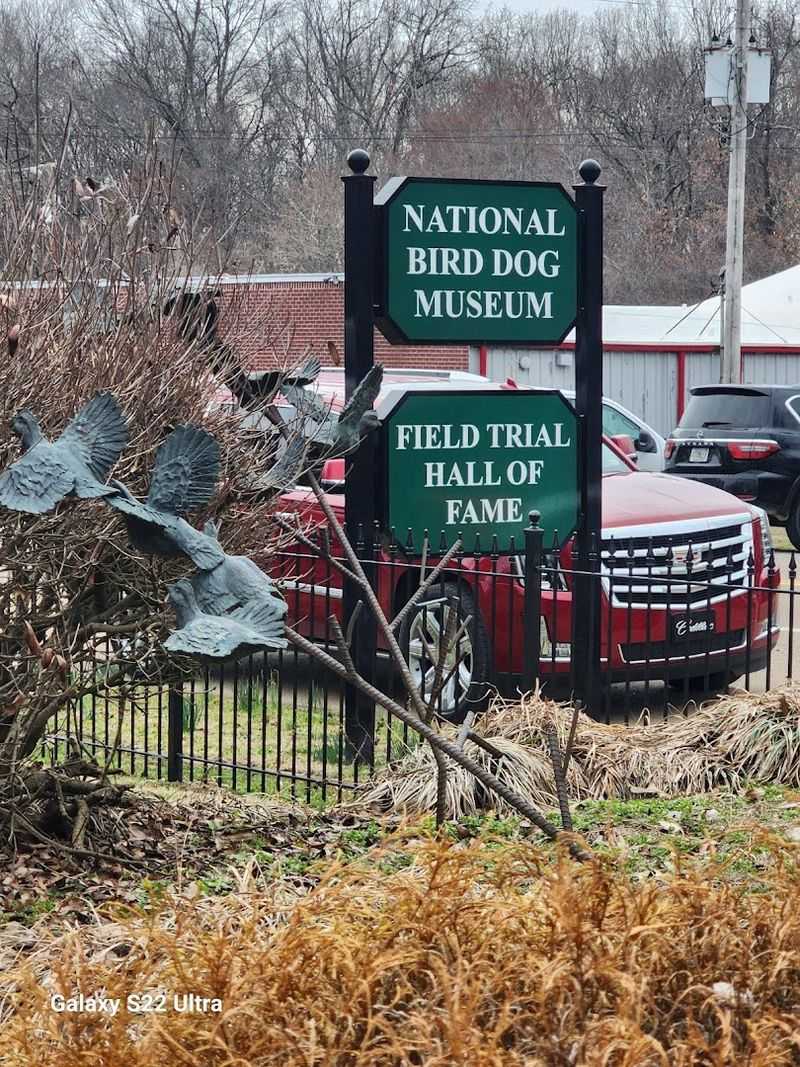
The Only Museum In America Dedicated Entirely To Bird Dogs
Most museums cast a wide net. This one does the opposite, and that focused approach is exactly what makes it so compelling.
It is the only facility in the entire United States dedicated exclusively to bird dogs and their storied history.
The building spans 30,000 square feet, which surprises most visitors who expect something much smaller. Inside, you will find halls of fame, taxidermy, artwork, photography, and memorabilia that stretch back over a century.
The sheer volume of material is staggering for a subject that most people have never considered museum-worthy.
Grand Junction itself has hosted the National Field Trial Championships since the late 19th century, making the location historically fitting. The museum earns a 4.7-star rating from visitors, many of whom arrived knowing nothing about bird dogs and left thoroughly impressed.
It is open Tuesday through Friday from 9 AM to 4 PM, Saturday from 10 AM to 4 PM, and Sunday from 1 to 4 PM. Admission is supported by donations, as the museum operates as a non-profit organization.
Call ahead at 731-764-2058 before your visit.
Count Noble: The Most Famous Preserved Dog You Have Never Heard Of
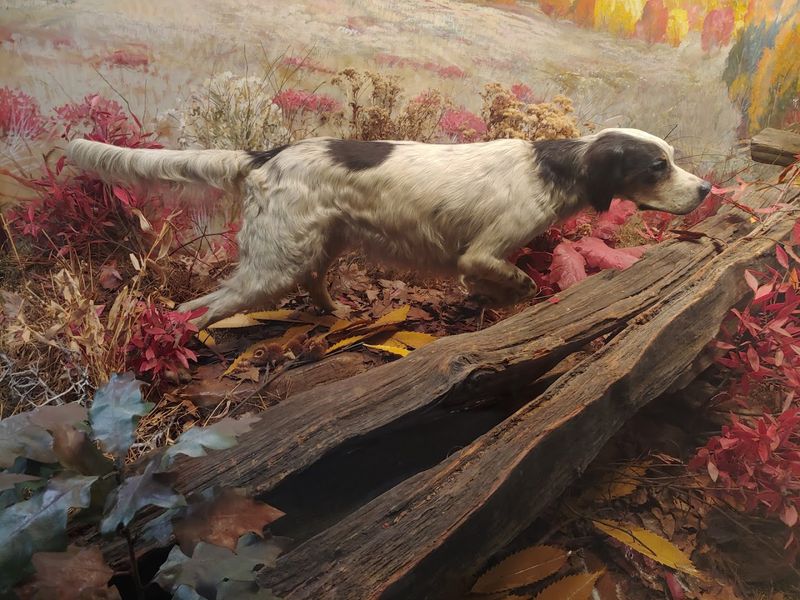
Somewhere between fascinating and unsettling lives the museum’s most talked-about exhibit. Count Noble was a legendary bird dog and his taxidermied body has been on public display for most of the time since.
Before finding a home in Grand Junction, he stood on exhibit at Carnegie Hall in New York City for decades, which tells you something about how seriously people once took exceptional dogs.
Visitors react to Count Noble in different ways. Some find the preservation touching, a lasting tribute to an animal whose reputation outlived him by well over a century.
Others find the experience a little eerie, standing face to face with a dog from the 19th century who looks almost ready to point at a bird.
Either way, Count Noble commands attention. His story represents what the entire museum is built around: the idea that certain dogs achieved something worth remembering.
He was not just a pet. He was a champion whose bloodlines influenced generations of bird dogs that followed.
Seeing him in person, even in this preserved form, carries a quiet weight that photographs simply cannot replicate. He is, without question, the museum’s most unforgettable resident.
Four Halls Of Fame Under One Roof
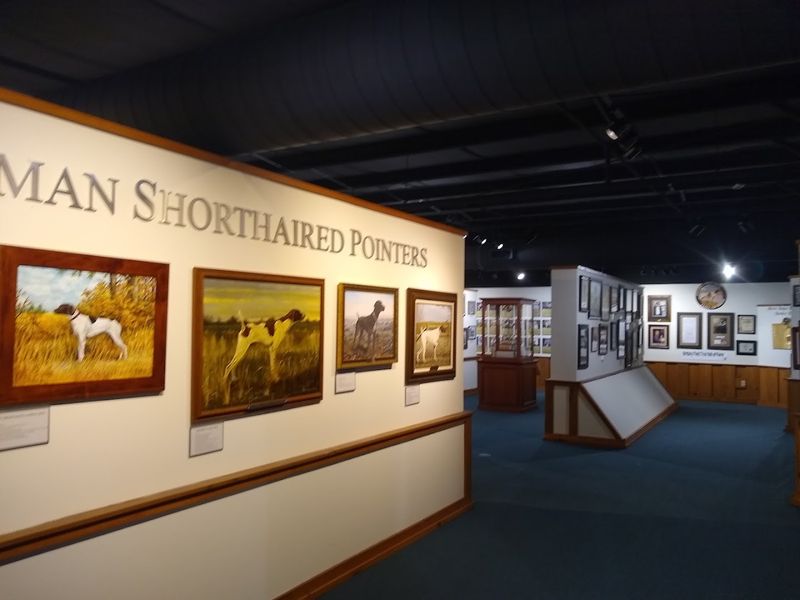
Few visitors expect to find four separate halls of fame inside a single building, but the National Bird Dog Museum delivers exactly that.
The Field Trial Hall of Fame, Sporting Dog Hall of Fame, Retriever Hall of Fame, and Wildlife Heritage Center each occupy their own dedicated space.
They honor both remarkable dogs and the humans who trained, hunted alongside, and championed them.
The scope of recognition here is broad. Canines and people share equal billing, which reflects the genuine partnership at the heart of the sport.
Handlers, owners, and breeders who devoted their lives to field trials are honored with the same care given to the dogs themselves. One visitor noted that his father is in the Retriever Hall of Fame, describing the museum as deeply meaningful and impressively assembled.
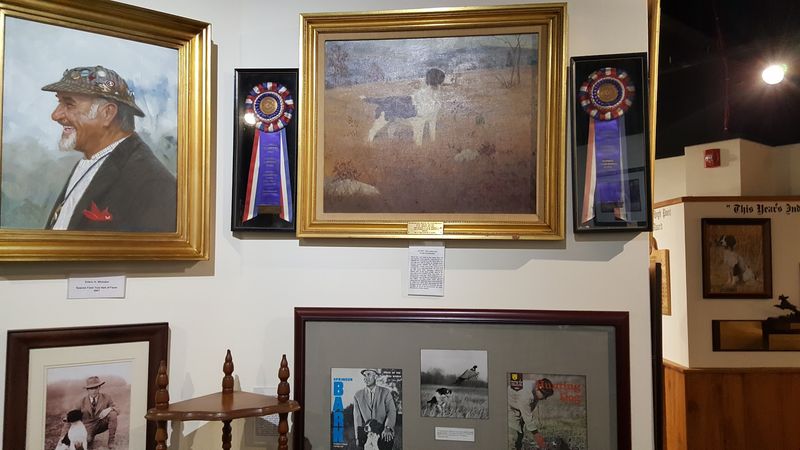
Walking through these halls gives you a real sense of how seriously this community takes its history. The plaques, portraits, and photographs accumulate into something that feels less like a trophy room and more like a family archive.
Each inductee represents years of dedication to a discipline that demands patience, skill, and an almost spiritual connection with a working animal. The halls are organized clearly, making it easy to move through them at your own pace.
The location is 505 TN-57, Grand Junction, TN 38039.
Bronze Statues That Stop You Cold
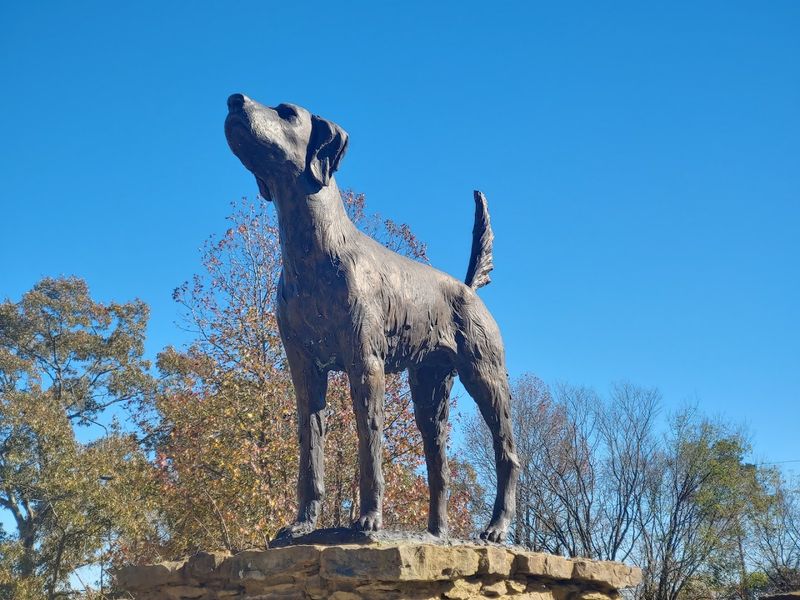
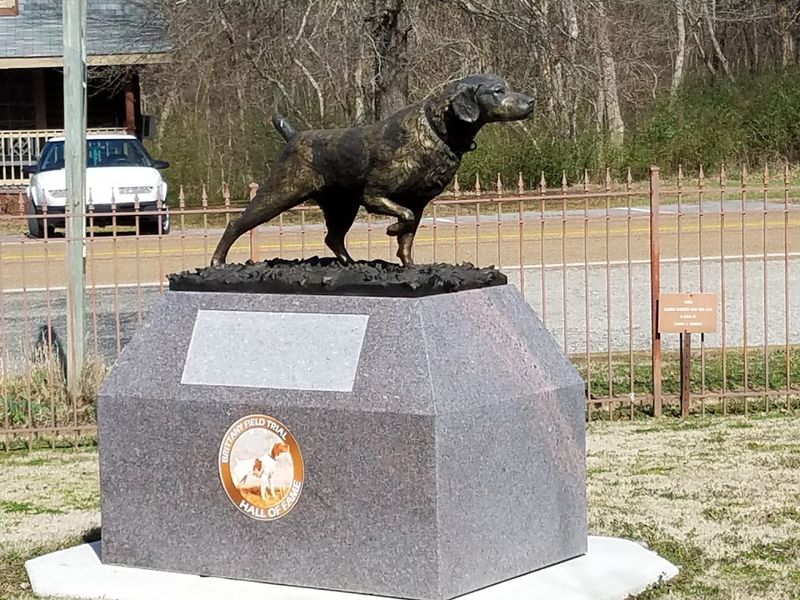
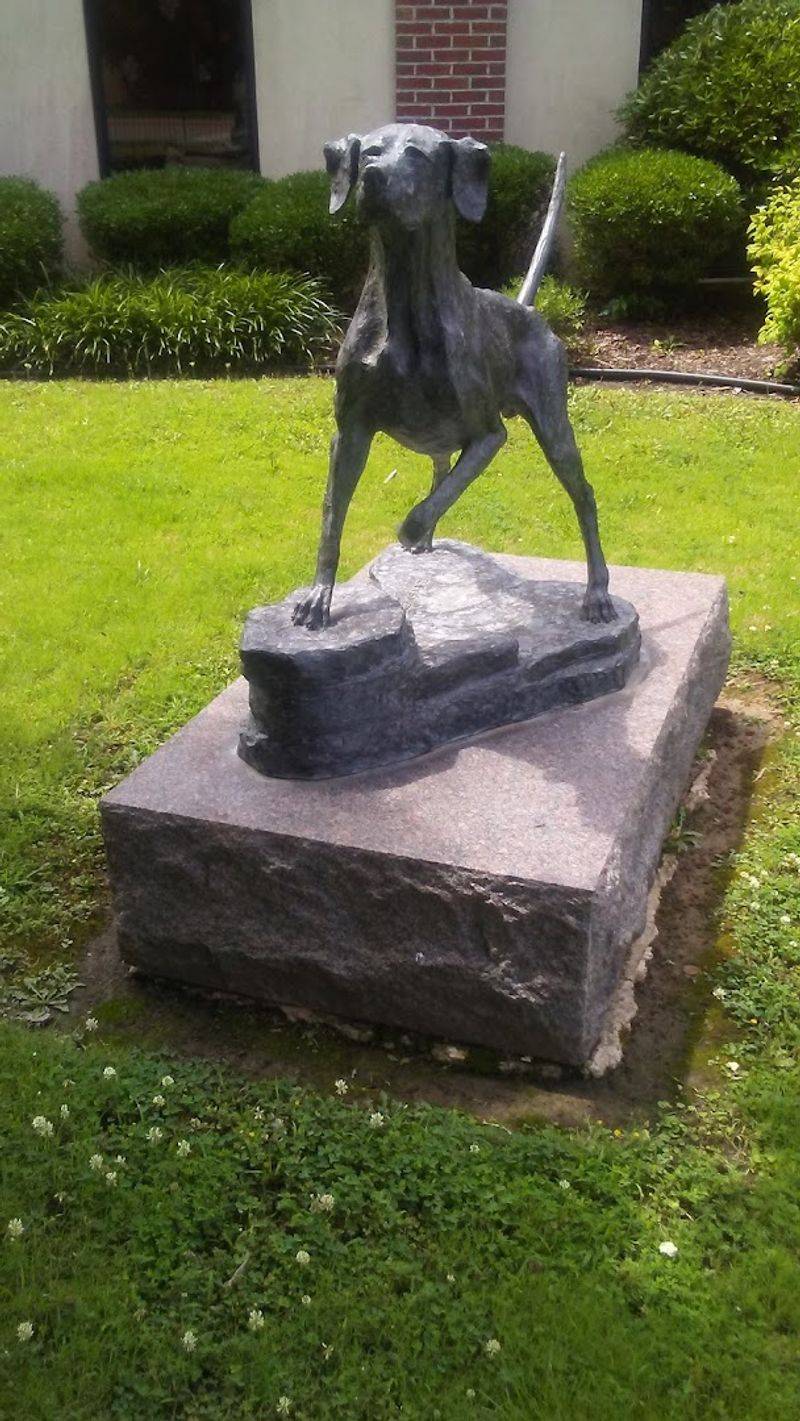
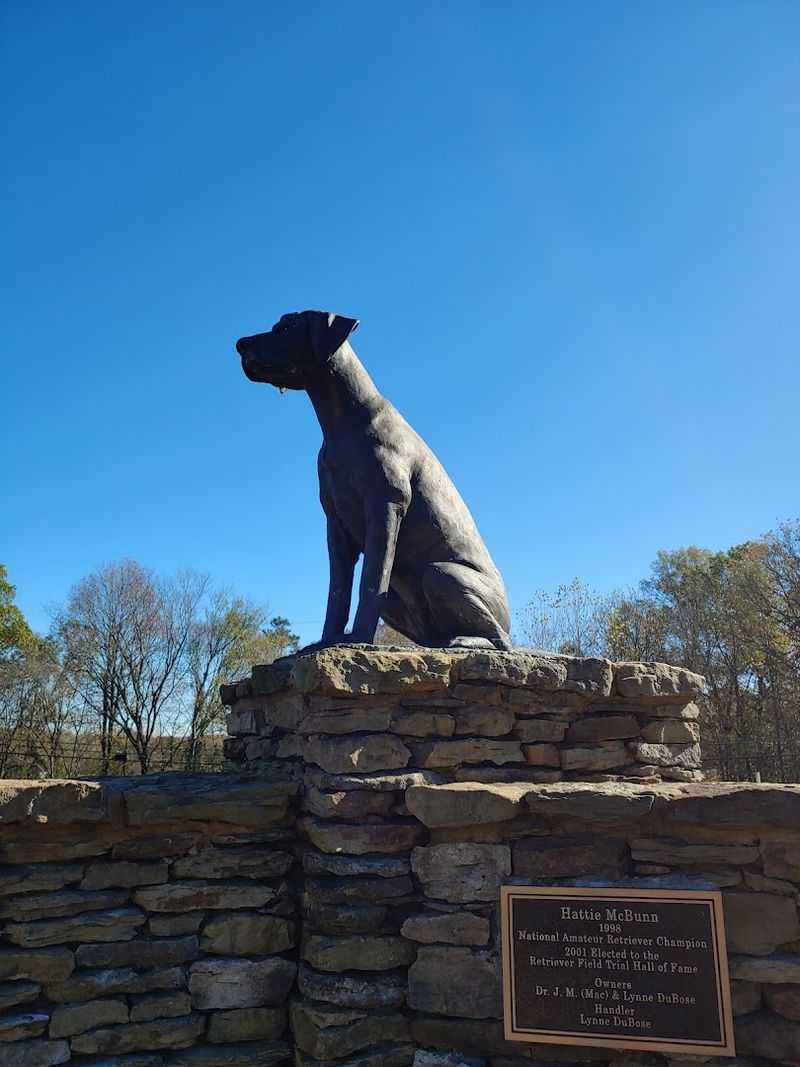
The Walk of Champions lines the grounds with life-size bronze statues of accomplished bird dogs and the hunters who worked with them. These are not decorative pieces placed for aesthetic effect.
Each sculpture represents a specific dog and handler with a documented history in the sport.
Among the standout pieces is a sculpture of John Rex Gates with a Pointer and Setter, and another depicting Robert Wehle’s celebrated dog Elhew’s Snakefoot. The craftsmanship is serious and the detail is remarkable.
A bronze dog caught mid-point, muscles taut, gaze fixed, communicates something about the sport that no photograph quite manages.
Visitors who have spent time outdoors hunting with dogs often find these statues unexpectedly moving. There is something about seeing a working relationship rendered in permanent bronze that honors both parties without sentimentality.
The grounds are well maintained, and the statues are spaced generously enough that you can appreciate each one individually. Several visitors specifically mention the outdoor sculptures in their reviews, calling them beautiful and worth the trip on their own.
Plan to spend at least 20 minutes walking the grounds before heading back inside.
Over 40 Breeds Of Bird Dogs Represented In One Place
Bird dogs are not a single breed. That surprises many people who visit the museum without a background in hunting sports.
The National Bird Dog Museum represents more than 40 distinct breeds, organized across three functional categories: pointing breeds, flushing breeds, and retrieving breeds. Each category developed for a specific purpose in the field, and the museum explains those differences clearly.
Pointing breeds freeze in place when they detect game, alerting the hunter to the bird’s location. Flushing breeds move through cover and drive birds into the air.
Retrievers bring downed birds back, often through water and difficult terrain.
Seeing all three types represented together offers a surprisingly complete picture of how hunting traditions shaped dog breeding over centuries.
The exhibit covers well-known breeds like English Pointers, Irish Setters, and Labrador Retrievers, but also introduces visitors to less familiar dogs with equally rich histories.
Photography and artwork throughout the museum show these breeds at work in the field, which helps bring the information to life in a way that wall text alone cannot.
For dog enthusiasts who have only ever owned companion breeds, this section of the museum opens up an entirely different chapter of canine history that most people never encounter.
Wooden Dog-Shipping Crates From The Early 20th Century
Long before air travel and climate-controlled vehicles, champion bird dogs traveled across the country by rail.
The museum preserves a collection of early 20th-century wooden dog-shipping crates that were specifically designed to keep dogs alive and comfortable during extended railway journeys.
These crates allowed handlers to feed and water the dogs without ever removing them from the container.
Looking at these objects, you start to appreciate the logistical complexity of competitive field trials in an era before modern transportation. Moving a prize dog from Tennessee to a trial in another state required planning, care, and equipment that was purpose-built for the task.
The crates are not glamorous, but they tell a very specific story about how seriously people took the transport and welfare of these animals.
This exhibit sits quietly among flashier displays, but it rewards patient visitors who take time to read the accompanying information. There is something grounding about a plain wooden box that once carried a dog across hundreds of miles of American countryside.
It connects the museum’s grand narrative of champions and halls of fame back to the practical, unglamorous work that made field trials possible. Exhibits like this one are why the museum feels more like a genuine archive than a simple showcase.
The William F. Brown Memorial Library: A Research Collection Unlike Any Other
Most visitors walk past libraries. At the National Bird Dog Museum, the William F.
Brown Memorial Library deserves a deliberate stop.
It holds one of the most focused collections of bird dog and game bird literature in existence.
For researchers, breeders, and serious hunting dog enthusiasts, this library is genuinely valuable. Stud books from over a century ago contain lineage records that are difficult or impossible to find anywhere else.
The periodicals trace the evolution of the sport through primary sources rather than secondhand summaries, offering a level of historical detail that academic libraries rarely prioritize.
For casual visitors, the library still carries a certain appeal.
There is something satisfying about seeing an entire room devoted to a single, highly specific subject, organized with obvious care by people who understand its importance.
The collection reflects the same philosophy that drives the entire museum: this history matters, it deserves preservation, and the people who lived it deserve to be remembered accurately.
Visiting the library, even briefly, reinforces just how deep the roots of the bird dog tradition actually run in American sporting culture.
Why Complete Strangers Keep Falling In Love With This Place
Read through the visitor reviews for the National Bird Dog Museum and a clear pattern emerges. Person after person arrives knowing nothing about bird dogs or field trials, and leaves with an enthusiasm they did not anticipate.
That kind of reaction does not happen by accident. It happens because the museum is genuinely well run, warmly staffed, and honest about what it is.
The museum is clean, organized, and larger on the inside than most people expect.
The gift shop carries reasonably priced items, the exhibits are clearly labeled, and visitors are free to move through at their own pace without feeling rushed.
For anyone passing through western Tennessee, a stop at 505 TN-57 in Grand Junction costs little more than a donation and an hour or two of your time.
What you receive in return is a completely unexpected window into a slice of American history that almost no one else is preserving.