
This Remote Colorado Lodge Is Only Accessible By A Three-Mile Hike Through The Mountains
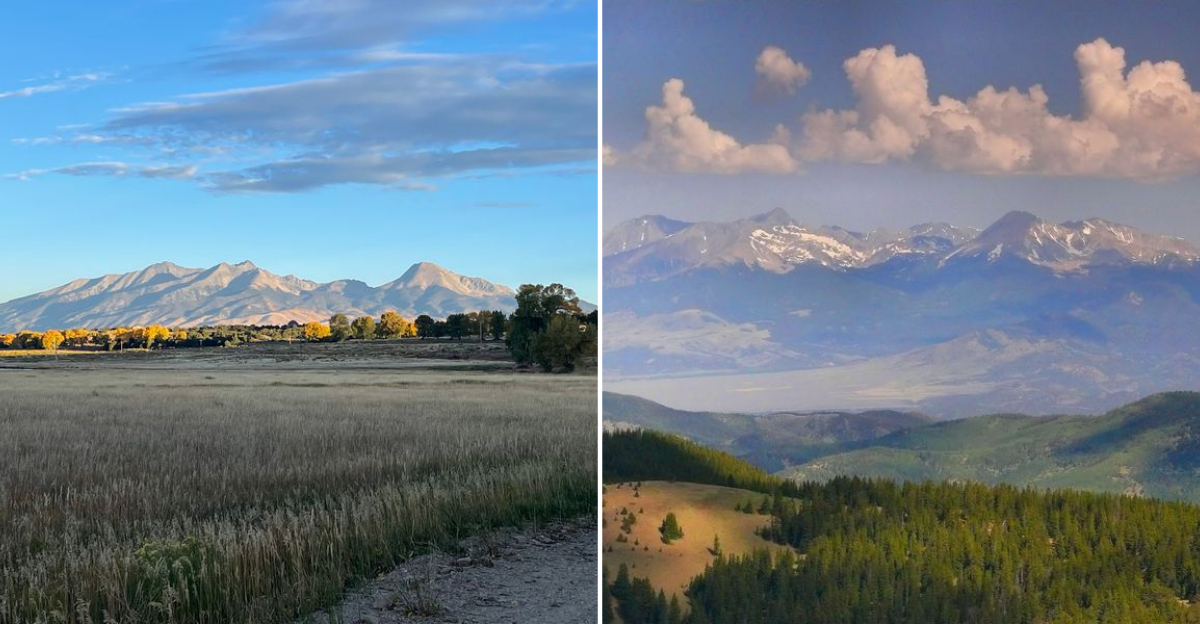
A weekend in nature after a stressful week sounds like exactly what a person needs. This remote Colorado lodge only rewards those willing to earn it, reachable solely by a three-mile hike through the mountains.
Nothing about the location caters to convenience, keeping crowds naturally smaller than typical mountain retreats. The hike itself offers scenery worth the effort, winding through terrain most visitors don’t expect this close to a lodge.
Regulars treat the walk as part of the experience rather than an inconvenience to tolerate. Once inside, the isolation becomes the entire point, offering quiet most getaways simply can’t replicate.
Nothing about the lodge feels rushed or overly commercialized despite its growing reputation. This lodge proved that sometimes the best escapes require leaving the easy path behind.
Trail Tips For A Safe And Enjoyable Mountain Hike
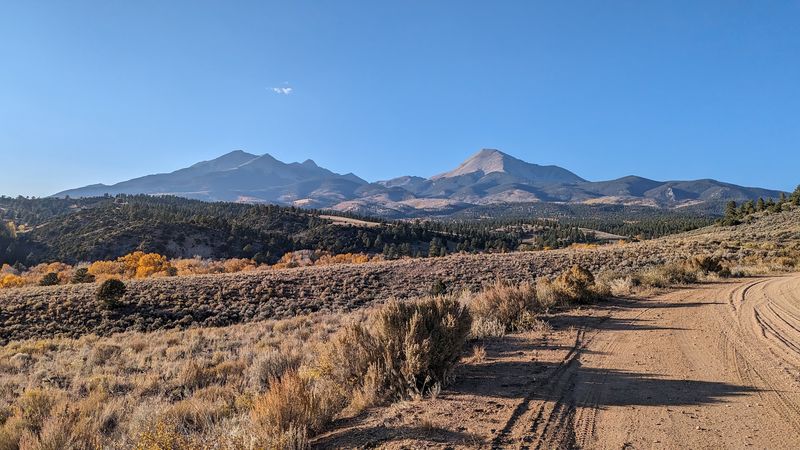
High-country hiking in Colorado rewards planning more than raw fitness. Layers matter because a sunny morning can turn into sleet by lunch, and yes, snow happens in July above the treeline.
Starting early is the single smartest move here. Afternoon thunderstorms roll in like clockwork during summer, and nobody wants to be the tallest thing on a ridge when lightning shows up.
Water is heavier than people expect, but bring plenty anyway, along with snacks that pack real calories. Trail mix beats a sad granola bar when your legs start complaining at 11,000 feet.
Altitude sickness does not care how many miles you run at home. Spending a day or two at moderate elevation before a big climb helps enormously, and drinking more water than feels necessary helps too.
Sun at this height is brutal, so a hat, sunscreen, and sunglasses are not optional. A headlamp belongs in the pack even on day hikes, because return trips run long more often than anyone admits.
Someone should always know the route and expected return time. In winter, checking avalanche conditions before setting out is genuinely a safety decision, not a formality.
The off-grid Stone Cabin sits deep in the property and can only be reached on foot, roughly a three-mile push through timber and meadow, at Trinchera Reserve & Lodge, 24492 Trinchera Ranch Rd N, Fort Garland, CO 81133.
Wildlife Watching Opportunities Near Remote Mountain Lodges
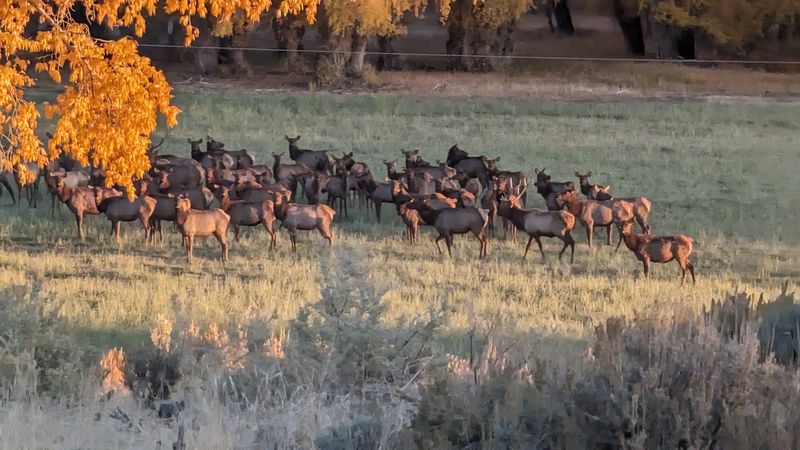
Picture 172,000 acres with almost nobody on it. That is roughly the size of the playground the animals here get, and they use every acre of it.
Elk move through the meadows in herds big enough to make people stop mid-sentence. Mule deer browse the willows in the lower valleys, and bighorn sheep pick their way across rock faces that look impossible.
Black bears live here too, mostly minding their own business and eating berries. Mountain lions and coyotes patrol the quieter corners, though sightings of the cats are rare enough to feel like winning a lottery.
The streams hold native Colorado River cutthroat trout, a fish that has lost most of its historic range across the West. Protected water like this is part of why the species still hangs on.
More than 170 animal species have been recorded across the property, which spans everything from high desert to alpine tundra. That range of habitat is exactly why the wildlife list runs so long.
Guests can sometimes tag along with the conservation team during fieldwork, tracking animal movement or checking habitat health. It turns wildlife watching into something closer to actual science.
Binoculars earn their keep out here. Dawn and dusk deliver the most action, so early mornings are worth the lost sleep.
Mountain Lodge Architecture Blending With Natural Surroundings
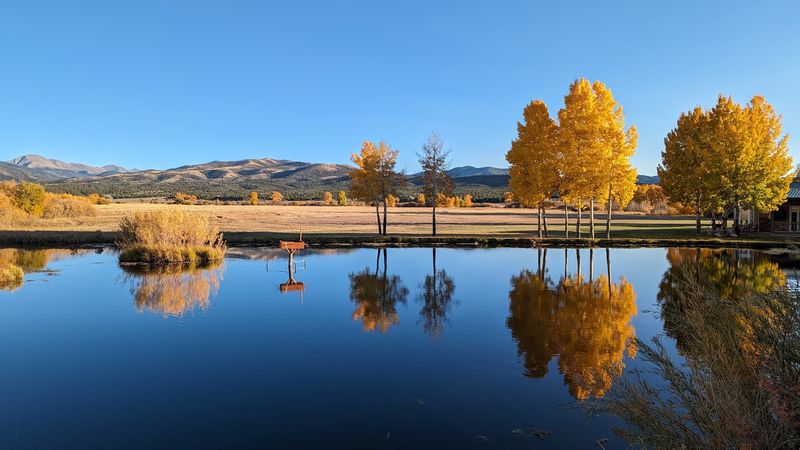
Some lodges shout. This one uses a quieter voice, leaning into Southwestern warmth with western art and vintage pieces scattered through the rooms like a well-kept family collection.
Architects Jet Zarkadas and Jen Wilson of Los Griegos Studio designed the interiors to feel as settled as the landscape outside. Calm inside, calm outside, no argument between the two.
The dining room carries a vaulted wood-beam ceiling that draws the eye upward before anyone has even sat down. It gives the space a barn-meets-cathedral feel without trying too hard.
Anchoring the Great Room is a three-sided stone fireplace, which means multiple seating areas get to claim the fire. Smart design, and a lifesaver in February.
Windows here do heavy lifting. They are positioned to pull the scenery inside, so deer grazing in a meadow or a hawk riding a thermal becomes part of the room.
There is also a chapel on the ranch, built with real intention and surrounded by open country. It has hosted weddings, and the setting does most of the decorating on its own.
Artifacts with genuine historical ties to the region appear throughout the property. The result reads less like a themed hotel and more like a place with actual memory.
Preparing For Weather Changes On Mountain Hiking Routes
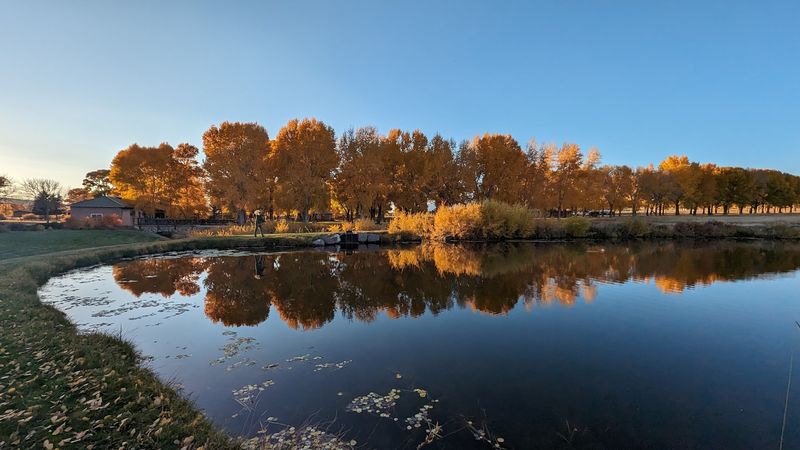
Colorado weather has a reputation for mood swings, and the mountains above the San Luis Valley live up to it. Blue sky at 9 a.m. means very little about conditions at 2 p.m.
Temperature drops roughly four degrees for every thousand feet gained. So a mild morning at the valley floor can feel downright cold once the trail climbs into thin air.
Layering solves most of this. A moisture-wicking base, a fleece or puffy vest, and a waterproof shell cover almost every scenario the range throws out.
Gloves and a warm hat sound ridiculous in July until hail starts bouncing off the rocks. They weigh almost nothing and have saved plenty of hikes.
Checking an hourly forecast for the specific area beats glancing at a regional summary. Mountain weather is stubbornly local, and one drainage can be soaked while the next stays dry.
Winter changes the calculation entirely. Heavy snow, ice, and blizzard conditions are all possible, and ranch roads may require four-wheel drive plus tire chains.
Anyone hiking the three-mile route to the remote cabin should build in extra time for weather delays. Turning back early is not failure; it is just good arithmetic.
The Importance Of Sustainable Practices In Remote Lodging
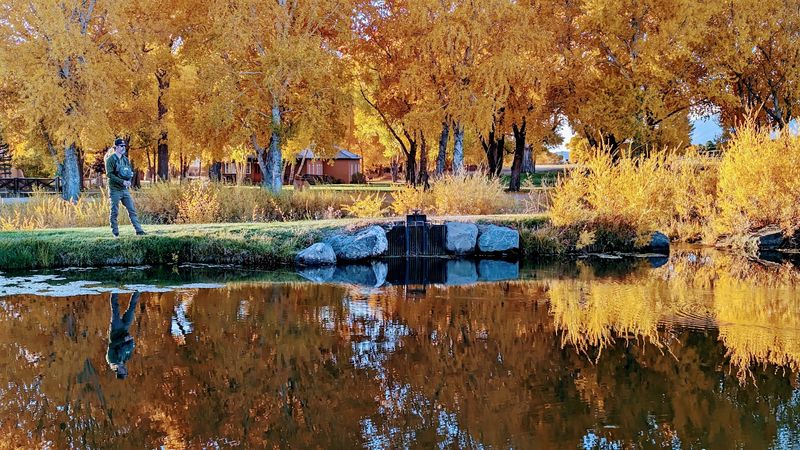
Stewardship is not a marketing line here; it is the stated purpose of the whole operation. The mission centers on sustaining and improving the property’s natural resources for the long haul.
At more than 172,000 acres, this ranks among the largest private conservation landscapes in the United States. That scale changes what land management even means day to day.
A huge share of the property is protected permanently through conservation easements. Forests, watersheds, wildlife habitat, and open space are shielded from future development, not just for now but forever.
The lodge holds DarkSky Approved Lodging certification, which means outdoor lighting is kept deliberately minimal. Nights help nocturnal animals hunt, navigate, and breed the way they always have.
That same restraint gives visitors a night sky most people never see. The Milky Way looks almost aggressive when nothing competes with it.
Universities, conservation groups, and government agencies all collaborate with the ranch on land and water projects. Data collected here travels well beyond the property lines.
The team describes the place as a living laboratory, testing management practices and sharing what works with other landowners. Good ideas spread faster when someone proves them at scale first.
Local Flora And Fauna To Spot Around The Mountain Lodge
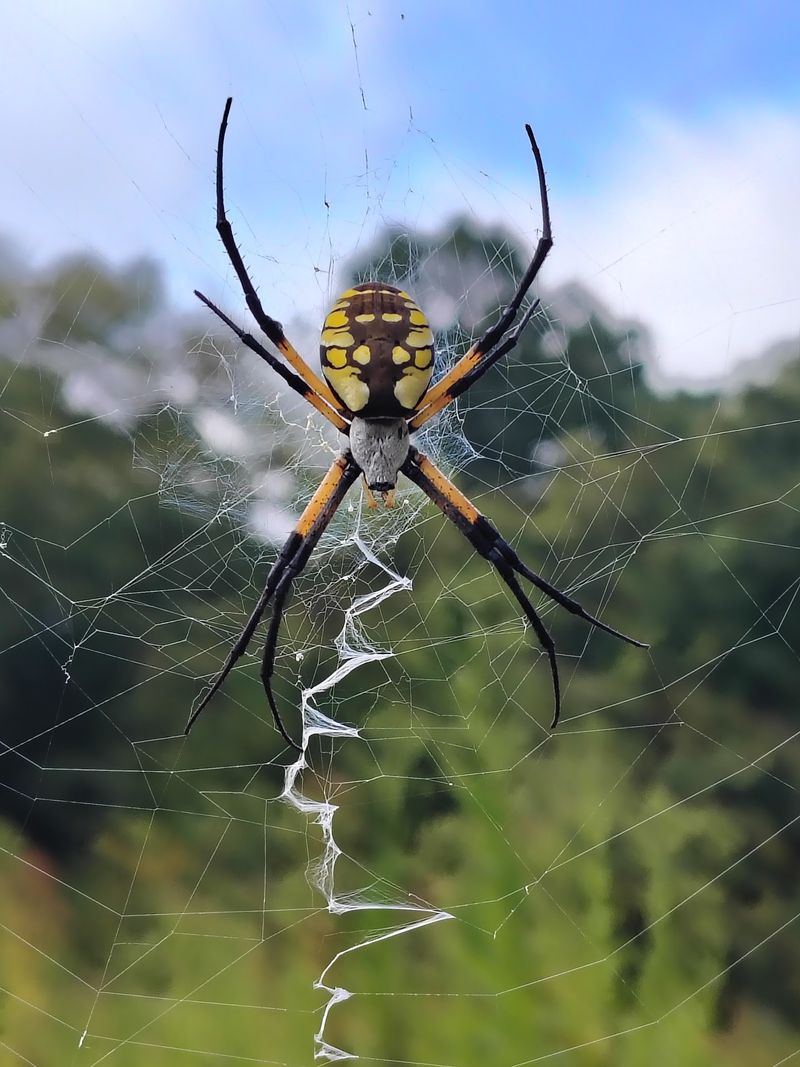
Six distinct ecological zones stack up across this land, climbing from high desert and pinyon woodland all the way to alpine tundra near 14,000-foot summits. Very few properties anywhere contain that kind of vertical range.
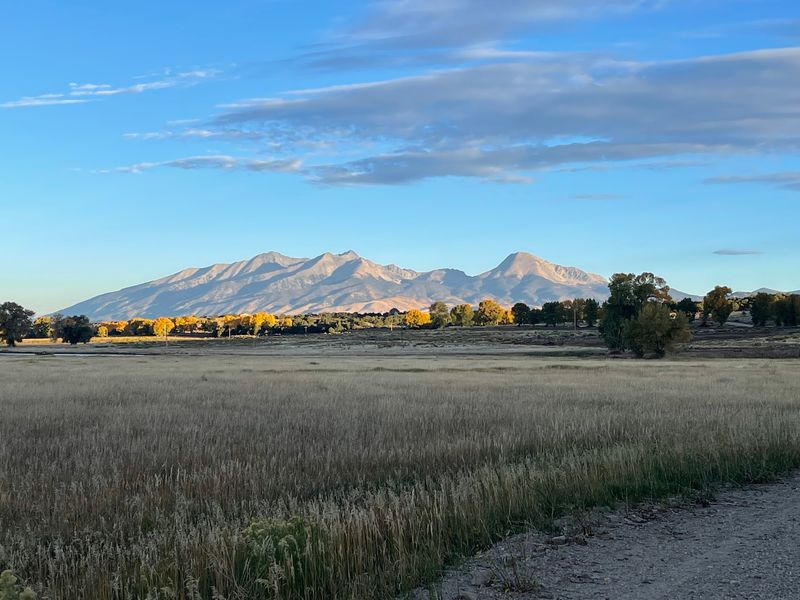
Cottonwoods trace the creeks in the lower valleys, their leaves rattling in wind that never fully stops. Wide meadows spread out beneath Blanca Peak as if someone mowed them on purpose.
Higher up, the woods thicken into heavy timber, aspen groves giving way to dark conifer stands. Fall turns those aspens into a gold that photographs never quite capture.
Along valley trails, deer show up near the willows, and fox tracks press into creekside mud. Kestrels hunt overhead, hovering before dropping fast.
Alpine terrain brings different residents. Marmots sprawl on sun-warmed rocks like tiny retirees, while peregrine falcons cut across the sky far above.
Lichens crusting the boulders deserve a second look, since they grow at a pace measured in decades. Native plants somehow flower in soil that seems like pure gravel.
Elk, black bears, bighorn sheep, coyotes, and turkeys all keep healthy populations here. Cold, clear streams shelter native Colorado River cutthroat trout, the fish that belonged here first.
How Remote Lodges Support Conservation Efforts In Colorado
In 2012, owner Louis Bacon donated a conservation easement covering 90,000 acres of this ranch to the U.S. Fish and Wildlife Service.
At the time, it was the largest easement the Service had ever accepted.
That single decision helped create the Sangre de Cristo Conservation Area. One signature, an enormous ripple effect.
Those protections now connect into a network topping 800,000 acres. Protected land runs from Great Sand Dunes National Park south into northern New Mexico, giving wildlife room to migrate.
Forests, grasslands, and streams on the property are actively managed rather than simply fenced off. Healthy land takes labor, not just good intentions.
Guests can join stewardship work instead of watching from a distance. Fieldwork days might involve habitat monitoring, tracking animal movement, or helping restore a streambank.
Guides talk openly about ongoing projects, including forest management and stream restoration. Learning why a particular stand of timber gets thinned makes the whole landscape read differently.
Operating as a living laboratory, the ranch develops and shares land and water practices with other managers across the region. Lessons learned on 172,000 acres tend to be useful everywhere else.
Conservation on this scale needs partners, and this property has spent years building them.
Unique Activities Available At Mountain Lodges Surrounded By Wilderness
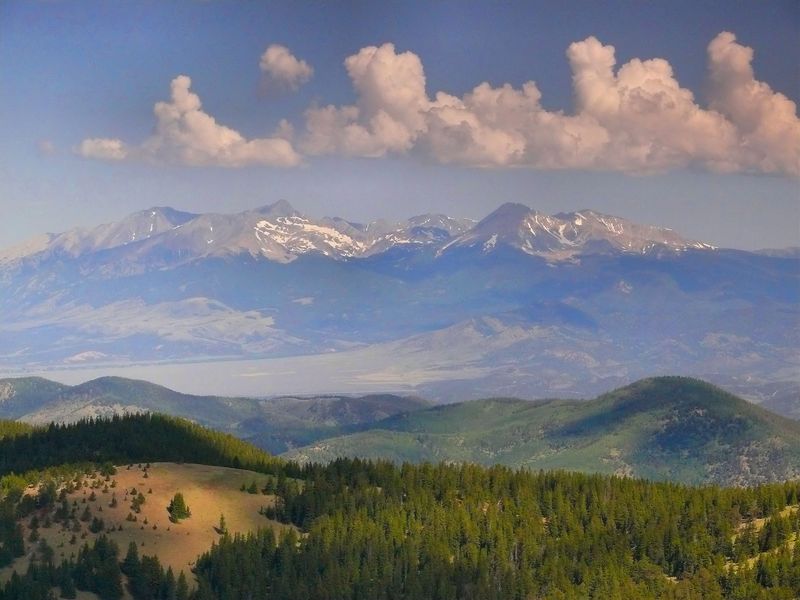
Forget a printed activity schedule. The signature offering here is called a High Alpine Safari, a guided adventure built around what guests want and what the season allows.
Ambitious visitors can aim for one of the ranch’s three 14,000-foot peaks. Others prefer casting for native cutthroat trout in creeks that see almost no pressure.
Horseback rides cover ground no vehicle reaches, and quiet wildlife watching fills the hours between. Backcountry expeditions run as full-day outings or overnight stays in remote outpost cabins, some reachable only on foot.
Back near the lodge, recovery gets serious with a sauna and cold plunge. Archery, games, and the property’s art and history collections fill slower afternoons.
Because the property carries DarkSky certification, stargazing runs year-round, and telescopes are part of the deal. Astronomers have been known to lose entire nights out there.
Meals wander away from the dining room too. A ridge-top lunch with hundred-mile views or dinner cooked over open fire changes how food tastes, honestly.
Winter swaps hiking boots for skis. Cross-country routes cross untouched meadows, snowshoe trails climb to overlooks, and pickup hockey happens on frozen natural ponds.
Conservation fieldwork remains open to guests in any season, from monitoring animals to streambank repair.