
This Remote Maine Island Has No Easy Road Access, And Its Old-Fashioned Charm Endures
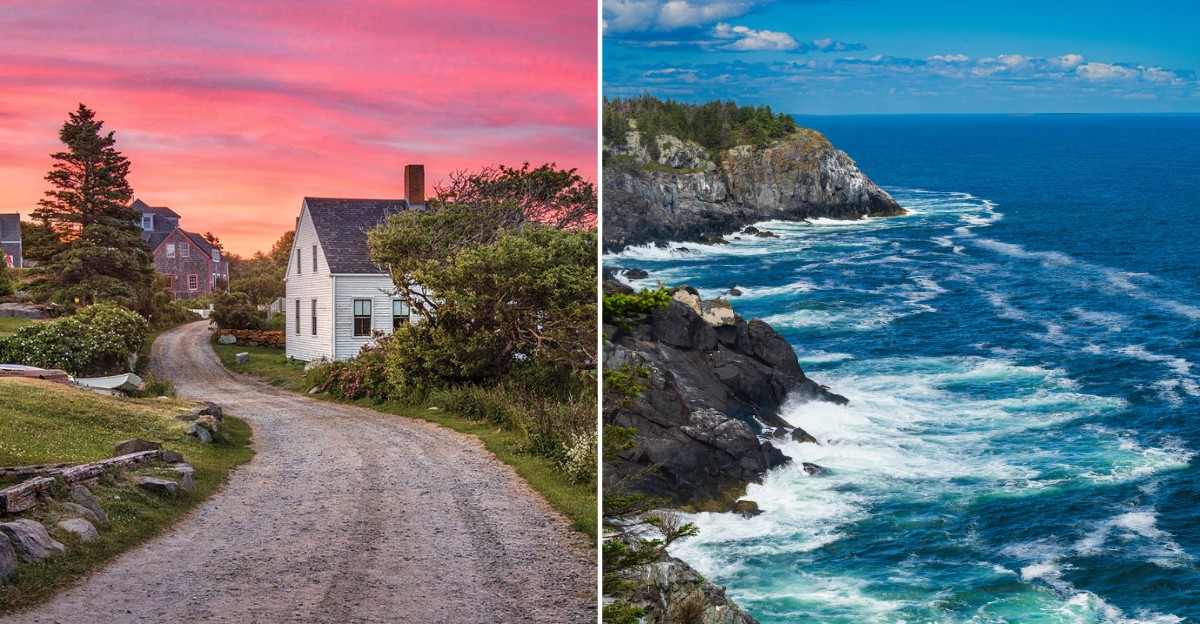
An island that looks like something out of a movie, or better yet, a fairy tale. This remote Maine island has no easy road access, and its old-fashioned charm endures because of it.
Ferries run on a schedule set by tide and weather. Weathered docks creak under lobster crates stacked at the water’s edge.
Narrow lanes wind past shingled cottages with flower boxes and clotheslines snapping in the salt wind. Bicycles outnumber cars, and most days the loudest sound is a gull.
A small general store sells coffee, penny candy, and bread baked that morning. Lobster boats leave at dawn and return with the afternoon light.
Fog rolls in and softens everything into gray and silver. Children gather shells while grandparents trade stories on porch rocking chairs.
Evenings end with sunsets that turn the harbor copper and gold. Visitors who make the crossing often find the slower pace is the real destination.
Getting There Means Riding The Waves
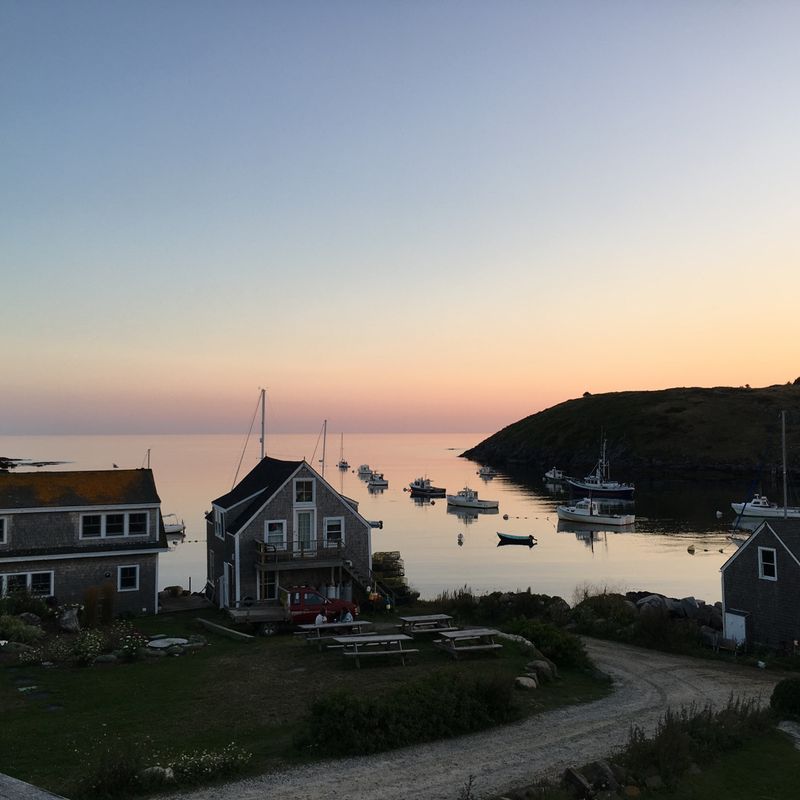
Forget the GPS and the gas station snacks. Reaching Monhegan Island means trading your steering wheel for a boat deck and a salty breeze.
No bridge links this place to the mainland, and no car ferry hauls vehicles across. Passenger boats run from Port Clyde, New Harbor, and Boothbay, and each ride is part of the adventure.
The trip usually takes about an hour, depending on the port. Water out here can get choppy, so anyone who feels queasy on a swing set should pack some motion sickness remedies.
Sunscreen is smart too, since the open ocean offers zero shade.
Once the boat docks, the island reveals its quirky rules. Walking is the main way to get around, period.
A few work trucks rumble along the dirt lanes, but they mostly haul lobster traps or carry luggage up from the dock for overnight guests.
Here is a fun bit of planning advice. Day boats leave in the afternoon, so an overnight stay gives a whole different island once the crowds sail off.
The quiet that settles in feels almost like a secret handshake.
Packing light helps a lot, because everything gets carried by hand or by a helpful truck. Sturdy shoes matter more than fancy outfits.
Comfortable layers win every time, since ocean weather changes its mind quickly.
The island sits roughly ten to twelve miles offshore, and its official spot on the map is Monhegan, ME 04852.
A Village Where Time Took A Long Nap
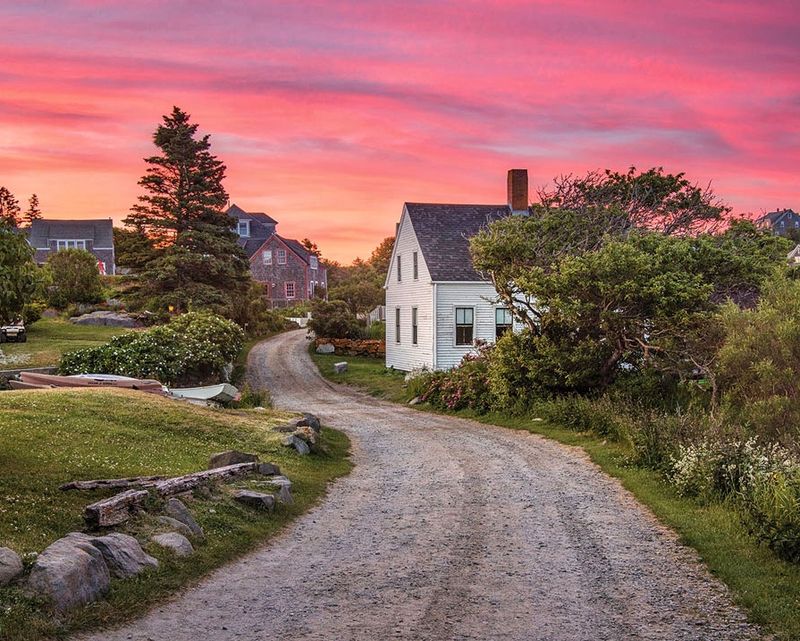
Imagine a downtown with no stoplights, no parking meters, and no honking. That is daily life in Monhegan Village, where dirt roads wander between weathered houses and tiny shops.
The village fills only about one-third of the island. Inside that small area, there is a general store, a post office, and the Monhegan Memorial Library.
Kids on the island learn in a one-room schoolhouse, which sounds like something straight out of an old storybook.
Many homes are covered in cedar shingles that have turned silvery gray from years of sea air. Some of these buildings date back to the early 1800s.
One famous house, called The Influence, was built by Henry Trefethen in 1826 and still stands as a local landmark.
Only about 60 to 80 people live here all year. In summer, that number jumps into the hundreds as seasonal residents and artists return.
Even then, it never feels like a crowded theme park.
Fishing, especially lobstering, has kept this community going for generations. Tourism adds to the mix, but the island still runs like a working village first.
Visitors should treat it like a neighbor’s backyard and stay polite.
Fish Beach, a small sandy spot right in the village, is a favorite place to watch the sun sink low. Bring a snack, find a rock, and let the evening glow do its thing.
Cliffs That Make Your Knees Wobble
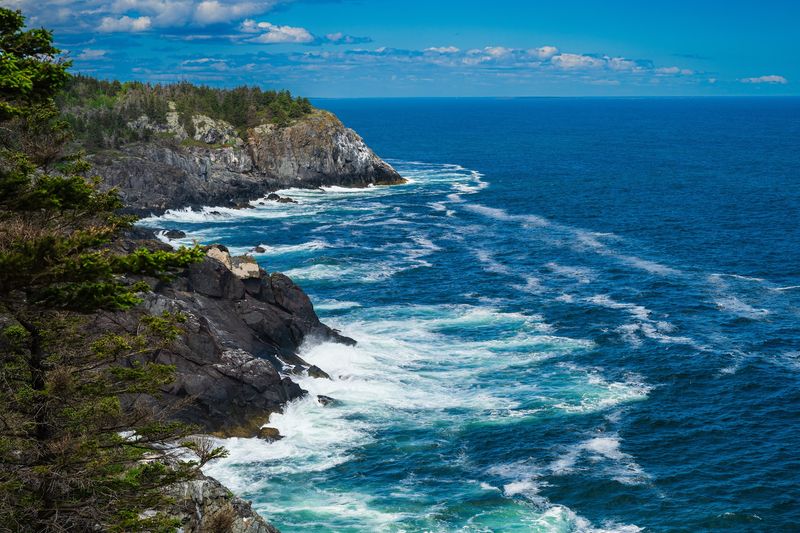
Some of the tallest ocean cliffs in all of Maine rise right here, and they do not mess around. On the eastern side, granite walls climb up to about 160 feet above the Atlantic.
The Cliff Trail loops around much of the island, hugging those dramatic edges. Spots like White Head and Black Head offer jaw-dropping views of waves smashing into rock below.
On rough days, those waves can reach six to eight feet tall.
Clear weather brings a bonus. From the high bluffs, faraway islands like Isle au Haut and Matinicus can sometimes peek over the horizon.
It is like the ocean is showing off its collection.
Now for the serious part. These trails can be steep, rocky, and slippery, so good hiking shoes are a must.
Flip-flops on a granite cliff are a story nobody wants to tell later.
Staying back from the edge is just plain smart. Wind gusts out here can surprise even experienced hikers.
Kids should stay close, and pets need leashes.
A good plan is to start near the shipwreck at Lobster Cove, then work north toward White Head and Black Head. That route hits many of the big views without wandering into the less exciting northern tip.
Bringing water and a small snack helps too. Shops are back in the village, and the cliffs have no vending machines, sadly.
Fairy Houses Hidden In Cathedral Woods
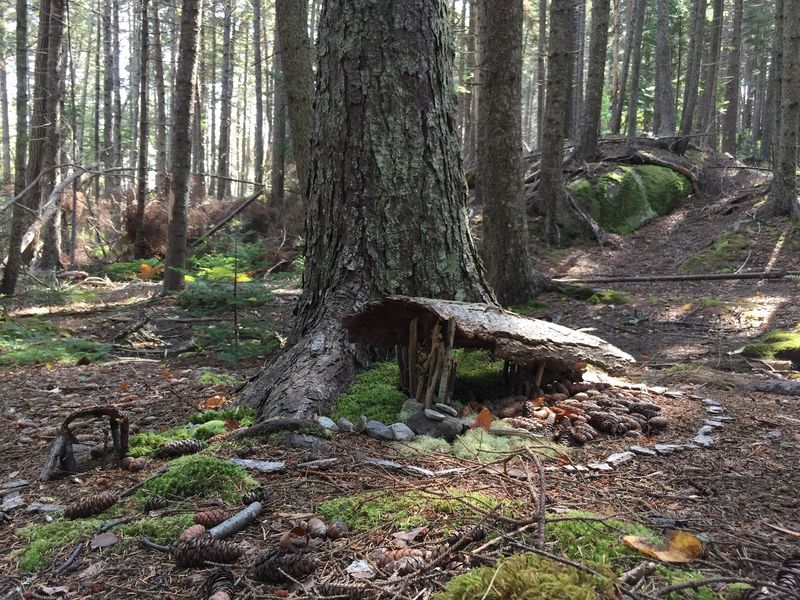
Tiny doors. Moss rooftops. Pinecone chimneys. Cathedral Woods might be the only forest in Maine where the residents are rumored to be about two inches tall.
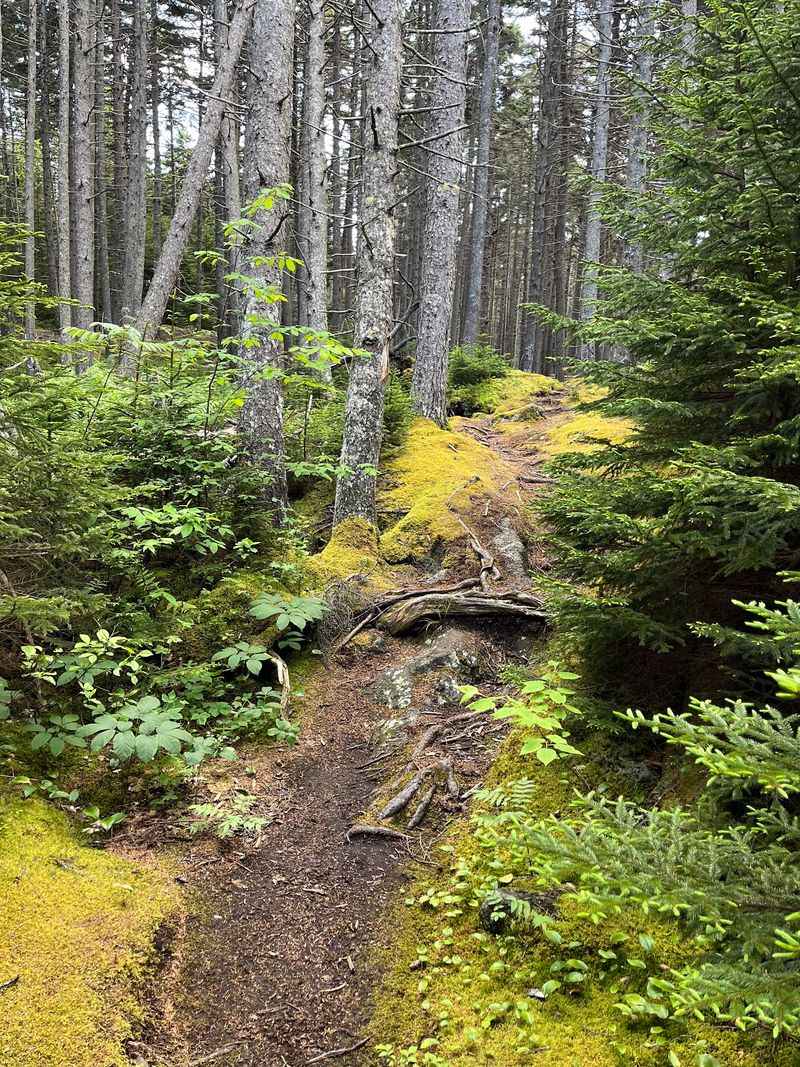
This inland forest is famous for its towering spruce and balsam fir trees. Their tall, slim trunks form arches overhead, which is how the woods earned the name.
Sunlight filters through in thin beams, and the ground stays soft and spongy underfoot.
The fun part is the fairy house tradition. Visitors build little homes using only natural, non-living materials like bark, fallen sticks, shells, and pebbles.
Nobody knows for sure if fairies move in, but nobody can prove they do not.
There are rules, and they matter. Living plants, moss still growing, and wildflowers should never be picked.
The Monhegan Associates follows a Leave No Trace policy, so building should be gentle and respectful.
Kids usually go wild for this activity. Adults tend to pretend they are only helping, then spend twenty minutes perfecting a twig balcony. No judgment here.
The woods are also wonderfully quiet. The main sounds are rustling needles, chirping birds, and maybe faraway waves.
It feels like the volume knob for the whole world got turned down.
Trails through the forest are easier than the cliff paths, making this a great pick for families. Even so, roots can trip careless feet, so watching each step is wise.
Lighthouse Views And A Museum Full Of Stories
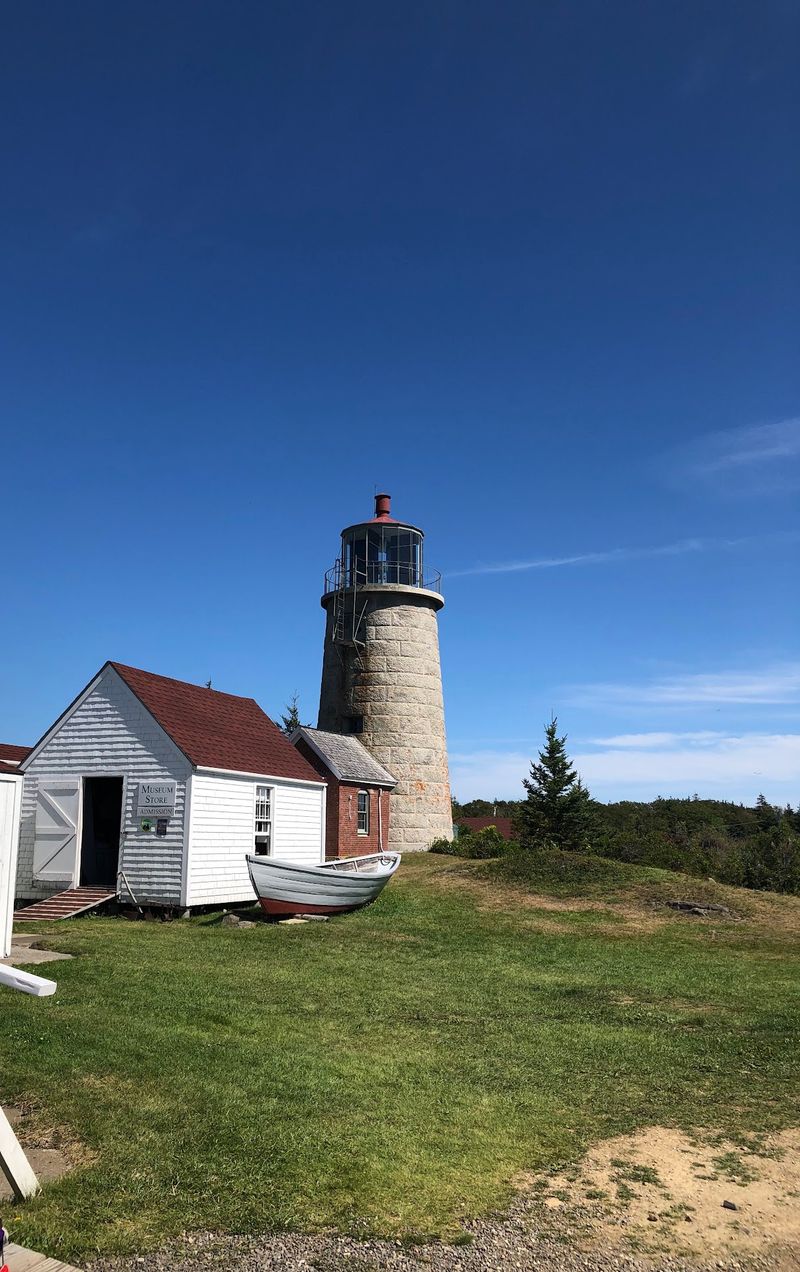
Back in 1824, someone decided one of the highest points on the island needed a lighthouse. Good call, because the view from up there is outstanding.
The Monhegan Lighthouse sits on a hill above the village. From the top of that hill, the harbor, rooftops, and nearby Manana Island spread out like a tiny model town.
The light became automated in 1959, so no keeper climbs the stairs every night anymore.
Next door, the old keeper’s house has a new job. It now holds the Monhegan Museum of Art and History.
Inside, visitors can learn about island life, fishing traditions, and the artists who made this place famous.
History buffs will find plenty to chew on. Native Americans fished here long before Europeans showed up.
The name Monhegan comes from an Algonquin word meaning island of the sea.
Explorers Samuel de Champlain and Captain John Smith both visited and mapped the island in the early 1600s. A permanent European settlement followed in 1619.
Later came French and English squabbles, plus legends of pirates and buried treasure.
Yes, treasure. Some tales say a pirate stashed loot somewhere on the island.
Digging holes is definitely not allowed, so imaginations will have to do the searching.
The walk up the hill is short but a bit steep. Taking it slowly makes sense, and the reward at the top is worth every puff.
An Art Colony with Over A Century Of Brushstrokes
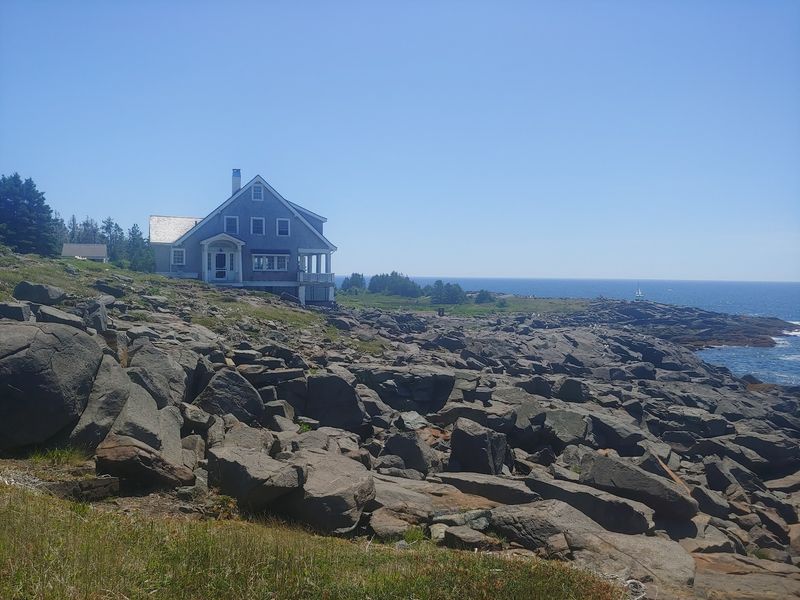
Edward Hopper painted here. So did Rockwell Kent, Robert Henri, and Jamie Wyeth.
That is a pretty impressive guest list for an island smaller than many city parks.
For more than a hundred years, artists have hauled their easels across the water to capture Monhegan. They come for the light, which seems clearer and sharper out on the open sea.
The rugged rocks, crashing surf, and weathered shacks make excellent subjects too.
Today, the tradition keeps rolling. Small galleries line the dirt lanes of the village, showing work by both local and visiting artists.
Wandering in and out of them makes a lovely rainy-day plan.
Early mornings are a special treat. Before the day boats arrive, painters often set up outdoors along the shore or near the village.
Watching quietly from a polite distance can feel like seeing a masterpiece being born.
Bringing a sketchbook is a fun idea, even for people who draw stick figures. The island has a way of making everyone want to create something.
Photographers and writers feel the pull as well.
Here is a quirky thought. Some of the same rocks Hopper painted are still sitting right where he left them.
Rocks are patient like that.
Asking artists before snapping photos of their work is good manners. Most are happy to chat if they are not deep in concentration.
Seals Shipwrecks And Wild Things Everywhere
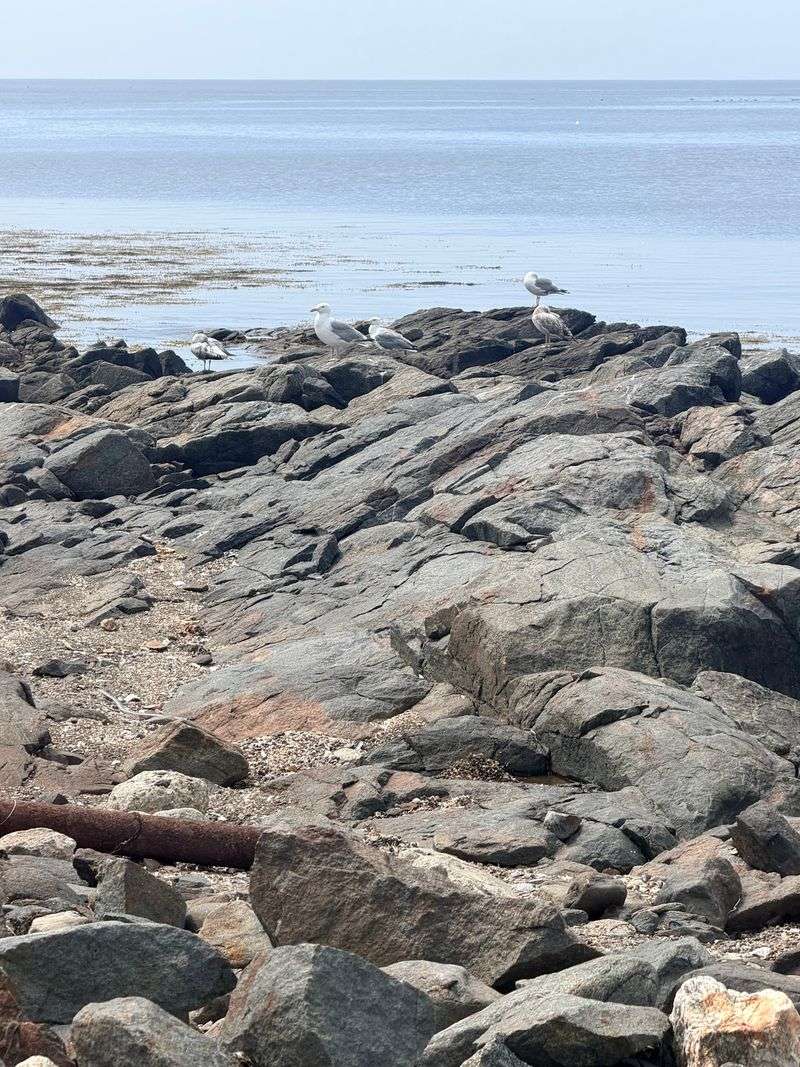
Rusty metal sits scattered on the rocks at Lobster Cove, and it has a wild backstory. A tugboat called the DT Sheridan wrecked there in 1948, and its remains still rest on the shore.
The walk to the wreck is one of the easier coastal strolls on the island. Tide pools nearby hold small crabs, snails, and seaweed waiting to be discovered.
Swimming here is a hard no, though, because undertows and big surf make the water dangerous.
Wildlife fans have plenty to look for. Seals often lounge on rocky ledges like they are on permanent vacation.
Spotting one feels like winning a tiny prize.
Birders, get excited. Monhegan is a famous stop during spring and fall migration, when tired birds rest here before crossing more ocean.
Binoculars are basically required gear.
The flowers put on their own show. The island boasts somewhere between 400 and 500 kinds of wildflowers.
Beach roses and seaside goldenrod add bright pops of color along the trails.
In 1966, Monhegan was named a National Natural Landmark, partly because of its lush plant life. That is a big honor for a place about one square mile in size.
Across the harbor, Manana Island once served as sheep pasture. It also has mysterious rock markings that some people believe could be ancient.
Mysteries make everything better.
Protecting The Quiet For Future Generations
Most islands this pretty would be covered in condos by now. Monhegan stayed wild on purpose, and that took some serious planning.
About three-quarters of the island, roughly 350 acres, is protected wildland. A nonprofit group called the Monhegan Associates looks after it.
Theodore Edison, son of inventor Thomas Edison, bought up land and donated it to keep builders away.
Thanks to that effort, the trails still wind through untouched forest and along open headlands. Somewhere between 9 and 17 miles of paths crisscross the island.
Trail maps are easy to find around the village.
Visitors play a part too. Leave No Trace means carrying out every wrapper, staying on marked paths, and leaving flowers where they grow.
It is like borrowing a friend’s favorite sweater and returning it spotless.
The community stays close-knit and values simple living. Phones may barely work, and TVs are rare.
Islanders have worked to bring internet access for practical needs, while still guarding the old-fashioned feel.
That balance is what makes Monhegan special. It offers just enough modern help to function, without losing its quiet soul.
The hush here is broken mostly by waves, wind, and the occasional chatty bird.
Showing respect goes a long way. Locals live and work here every day, so friendly greetings and patience are always welcome. Treat the island kindly, and it will stay magical.