
This Remote Texas Mountain Town Is So Easy To Miss, Even Locals Overlook It
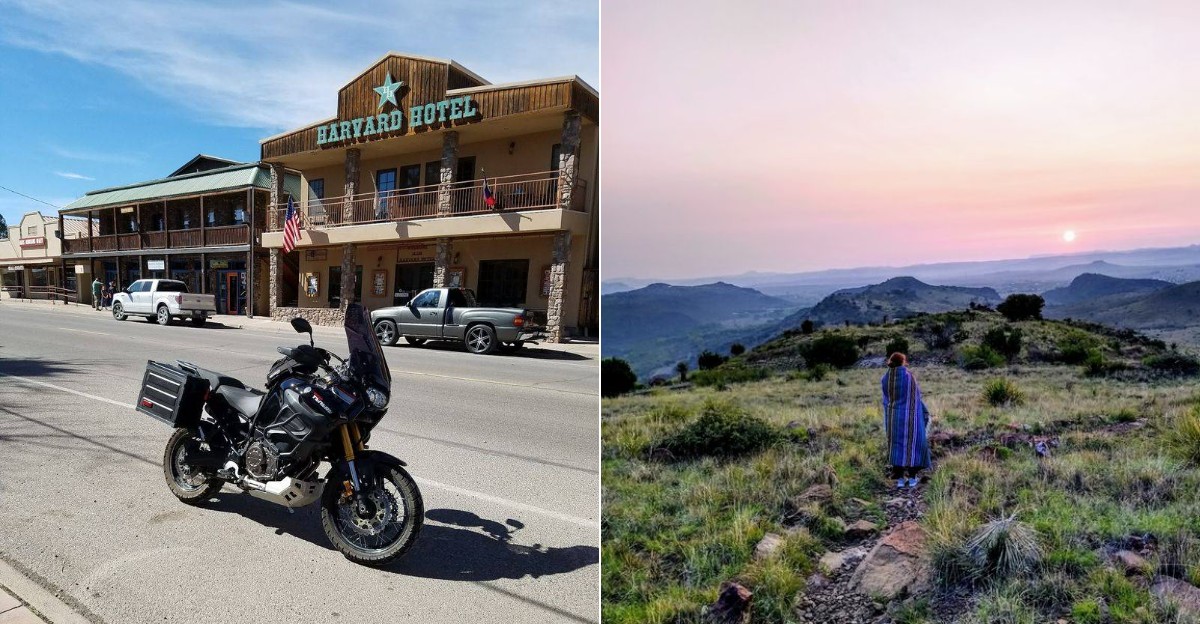
Past the last stretch of busy roads, the Texas landscape starts to climb. Hills replace the flat horizon, the air feels cooler, and the scenery suddenly looks nothing like the Texas most travelers expect.
A quiet mountain town waits beyond the usual tourist routes, with wide-open views and plenty of room to slow down. Ever driven farther than planned and found yourself glad you did?
This is the kind of detour that can make the extra miles worthwhile.
After sunset, the sky becomes the main attraction. Stars fill the darkness, trails grow still, and quiet porches invite visitors to forget about the clock.
Pack a flashlight and do not count on perfect cell service. The slower pace is part of the adventure, especially once night settles over the hills.
Sky-High Escape From Summer Heat
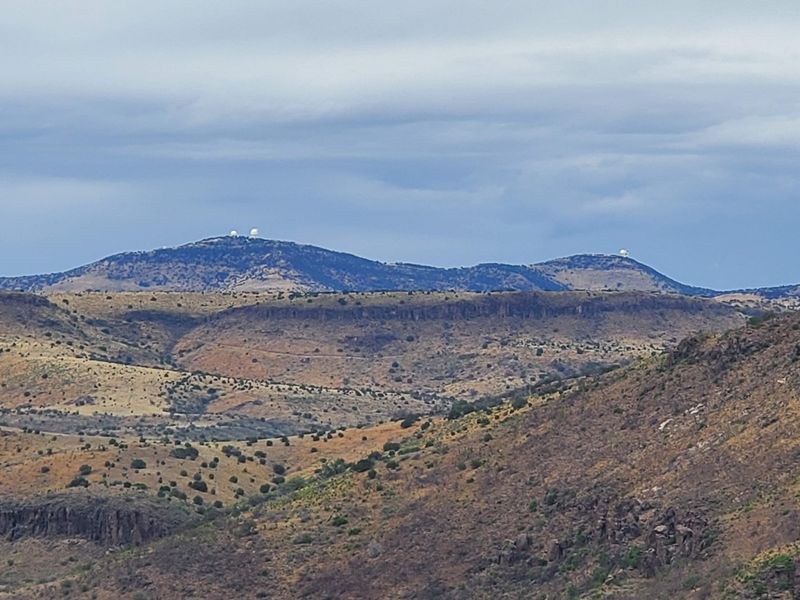
Climb high enough in West Texas, and the thermometer finally starts behaving itself. Fort Davis sits at roughly 4,982 feet above sea level, making it one of the highest towns in the entire state.
Summer afternoons here feel breezy instead of brutal.
People living down in the lowlands often drive right past the turnoff without a second thought. The town counts around a thousand residents, one short main street, and mountains standing guard on every side.
Nobody arrives here by accident, and that is exactly the appeal.
Mornings usually start cool enough for a light jacket, even in July. Afternoons warm up, then the sun drops behind the peaks and the air cools again in a hurry.
Pack layers, because that temperature swing surprises first-time visitors.
The air feels thinner and cleaner than in any big Texas city. Hikers notice it on the first uphill stretch, so carry water and slow your pace.
Give yourself a day to adjust before tackling anything steep.
Would you trade a crowded beach weekend for a quiet mountain porch and a long view? Plenty of travelers do exactly that, returning year after year for the calm.
Even holiday weekends rarely feel rushed here.
Fuel up before you arrive, since stations become scarce once you leave the main highway. Cell service also fades inside the canyons, so download your maps ahead of time.
Frontier Fort Frozen In Time
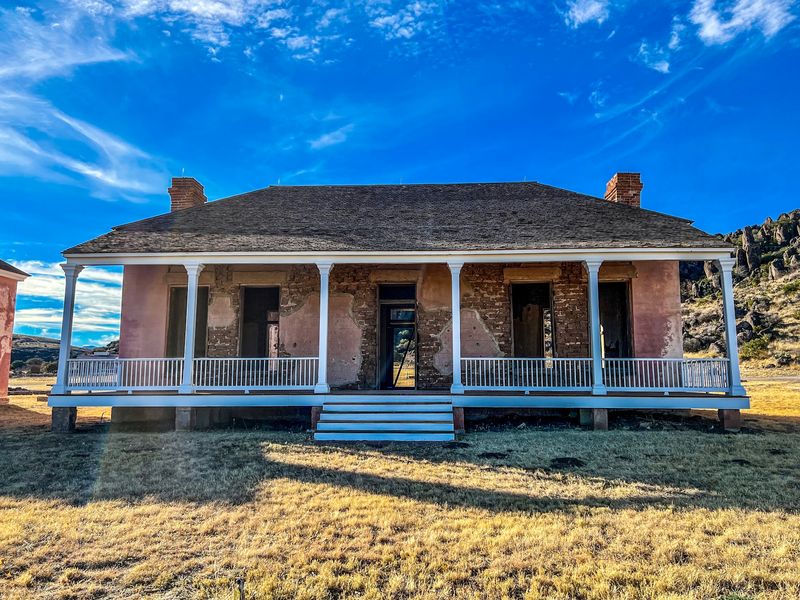
Adobe walls, wooden porches, and a bugle call drifting across an empty parade ground. Fort Davis National Historic Site dates back to 1854 and ranks among the best-preserved frontier military posts in the American West.
More than twenty buildings still stand, along with a scattering of stone ruins.
Soldiers stationed here protected travelers, mail carriers, and freight wagons moving along the San Antonio to El Paso road and the Chihuahua Trail. From 1867 to 1885, the post housed Buffalo Soldiers, the African American regiments who served across the frontier.
Their story runs through the whole site.
Restored rooms are furnished the way they looked in the 1880s, down to officers’ bedding and barracks bunks. Living history programs put costumed interpreters on the grounds during parts of the year.
Check the schedule first, because program dates shift with the seasons.
A short trail climbs the ridge behind the post for a bird’s-eye look at the entire layout. From up there, the geometry of the parade ground suddenly makes sense.
Wear a hat, since shade is scarce on that climb.
Which building would you peek inside first, the hospital or the commanding officer’s quarters?
Budget two hours at minimum. History fans routinely lose half a day without noticing.
The visitor center bookstore makes a smart first stop for maps.
Star Parties Under Endless Skies
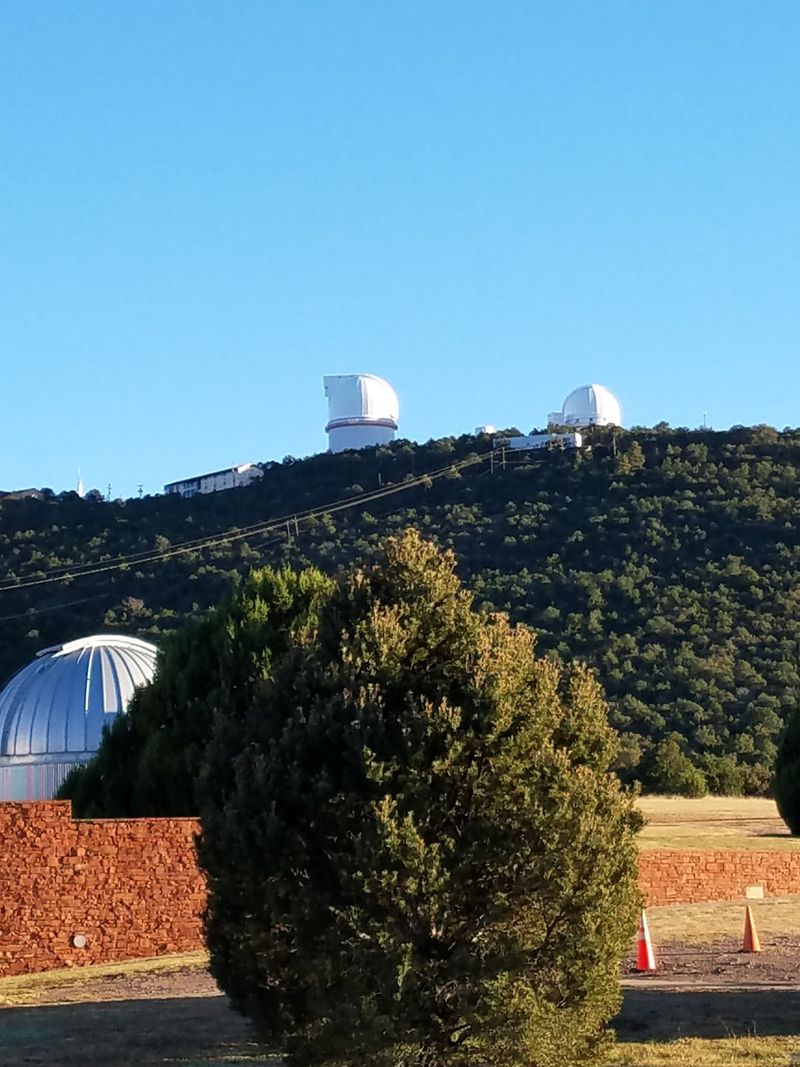
Nighttime out here is genuinely dark, the kind of dark most people never get to experience. The McDonald Observatory crowns Mount Locke and Mount Fowlkes as a research unit of the University of Texas at Austin.
Its white domes gleam against the ridgelines, visible from miles away.
Daytime tours walk visitors through working research telescopes, including some of the largest anywhere. Solar viewing lets you watch the sun safely, spots and flares included.
Guides explain the science in plain language, so no astronomy degree is required.
Evening Star Parties are the headliner. Staff trace constellations with a laser pointer, then turn the crowd loose on a row of telescopes aimed at planets, nebulae, and star clusters.
Saturn’s rings through a big lens draw actual gasps.
Tickets sell out fast, especially near holidays and new moons, so book well ahead. Programs run on set nights and clouds can cancel them, so confirm details before driving up the mountain road.
Dress warmer than seems necessary. The summit sits high, the wind moves, and standing still in the dark gets chilly even in summer.
Ever watched the Milky Way stretch from one horizon clear to the other? On most clear nights here it happens without any telescope at all.
A red flashlight helps your eyes adjust.
Mountain Trails And Pueblo Walls
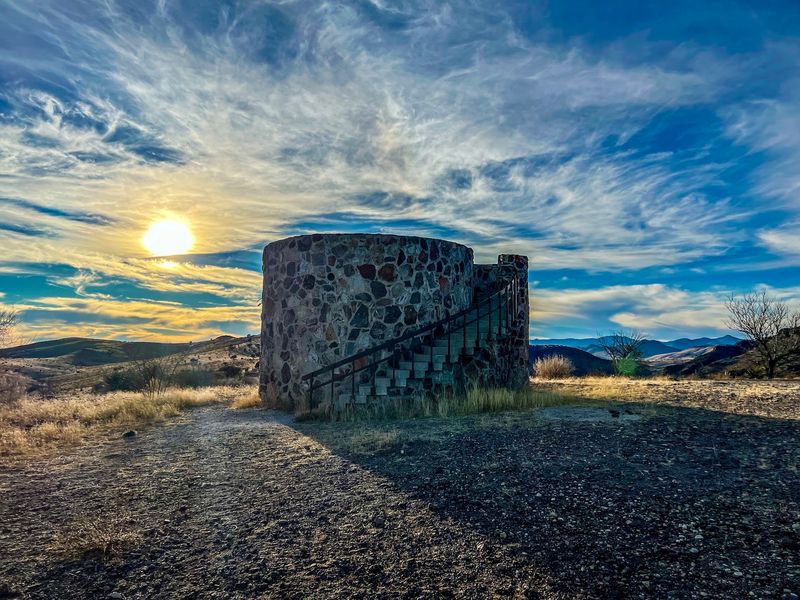
Only minutes from town, Davis Mountains State Park spreads across grassy slopes and rocky canyons. Trails suit casual walkers and also people who want their calves to complain.
Mountain bikers and birders share the same easy access.
Birding here is a serious pursuit. Montezuma quail, acorn woodpeckers, and hummingbirds by the dozen show up at the viewing stations.
Bring binoculars, or claim a bench and let the birds come to you.
The Skyline Drive trail climbs to overlooks that stare straight down at the historic fort. Sunset from the top turns the whole valley copper and gold.
Start early enough to walk back before full dark.
Indian Lodge sits inside the park, a pueblo-style hotel built by the Civilian Conservation Corps in the 1930s. Thick white walls, hand-carved furniture, and cool tiled floors give it character no chain hotel can copy.
Rooms go quickly, so reserve far in advance.
Deer wander through the campground most evenings, unbothered by tents and lawn chairs. Javelina occasionally show up too, so store food properly and keep your distance.
Would you rather sleep under canvas or behind those thick adobe walls? Either way, trailheads sit just steps from your door.
Park entry fees apply, and front desk hours vary by season. Mornings up here smell like juniper and cool stone.
Seventy-Five Miles Of Pure Views
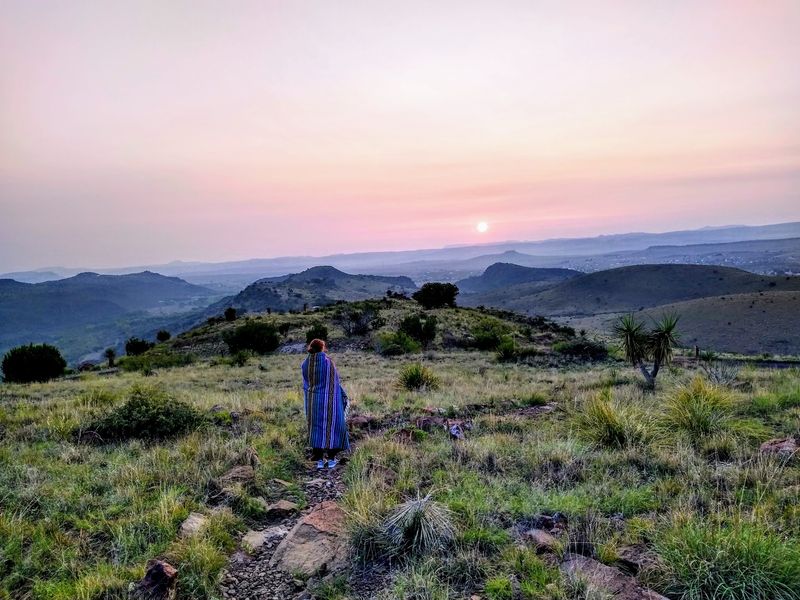
Seventy-five miles of pavement, almost no traffic, and views that keep escalating. The Davis Mountains Scenic Loop leaves town, passes the observatory, and swings back through wide-open ranch country.
Two hours of driving, or a full day if you keep stopping.
Geologists describe these mountains as an ancient volcanic sky island, cooler and greener than the desert below. That means grasslands, oak groves, and rock towers shaped like melted candles.
Texas rarely looks like this anywhere else.
Pullouts appear right when you want them. Some frame the peaks, others drop into canyons where hawks ride the updrafts.
Antelope sometimes graze along fence lines in the flatter stretches.
Fill your tank first. Services along the loop are basically nonexistent, and help can be a long way off.
Glance at your spare tire while you are at it.
Early morning and late afternoon light does the heavy lifting for photographers. Midday flattens the colors, so plan around it if pictures matter to you.
What is the ideal road trip snack for a drive with zero convenience stores? Pack more than you think you need, plus extra water.
Weather flips fast at this elevation. Summer storms dump rain in minutes and low spots flood, so never drive through moving water.
Cyclists love this route too, so give them room.
Desert Plants With Serious Attitude
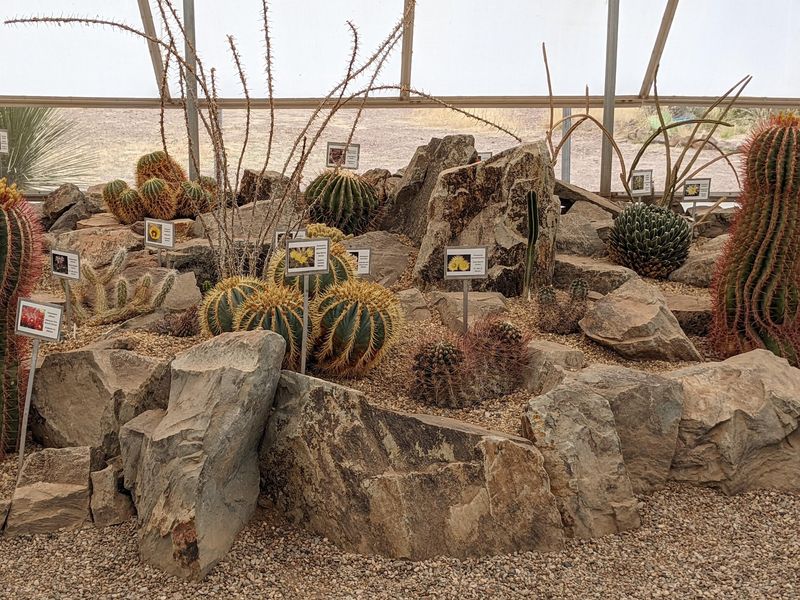
Cactus does not usually earn top billing on a vacation, but stay with me. The Chihuahuan Desert Nature Center and Botanical Gardens occupies a large protected stretch of land south of town.
Trails, gardens, and bird blinds fill an easy morning.
The cactus greenhouse holds hundreds of species, some spiky, some fuzzy, some shaped like green boulders. Labels explain how each one survives on almost no rain.
Kids always find the strangest ones first.
Outside, a path winds into Modesta Canyon and drops toward springs where cottonwoods grow tall and shade feels precious. The climb back out earns you a seat on the porch.
Carry water even on short loops.
Bird blinds let you sit quietly while hummingbirds, orioles, and sparrows work the feeders. Photographers get close without disturbing a thing.
Patience pays off within minutes here.
Spring wildflowers and autumn seed pods give the gardens two completely different personalities. Native plant sales run on certain weekends.
Hours change seasonally, so verify before driving out.
Which desert plant looks weirdest to you, the fishhook cactus or the ocotillo waving its skinny wands? Both grow here, side by side.
Historic Rooms, Hometown Plates
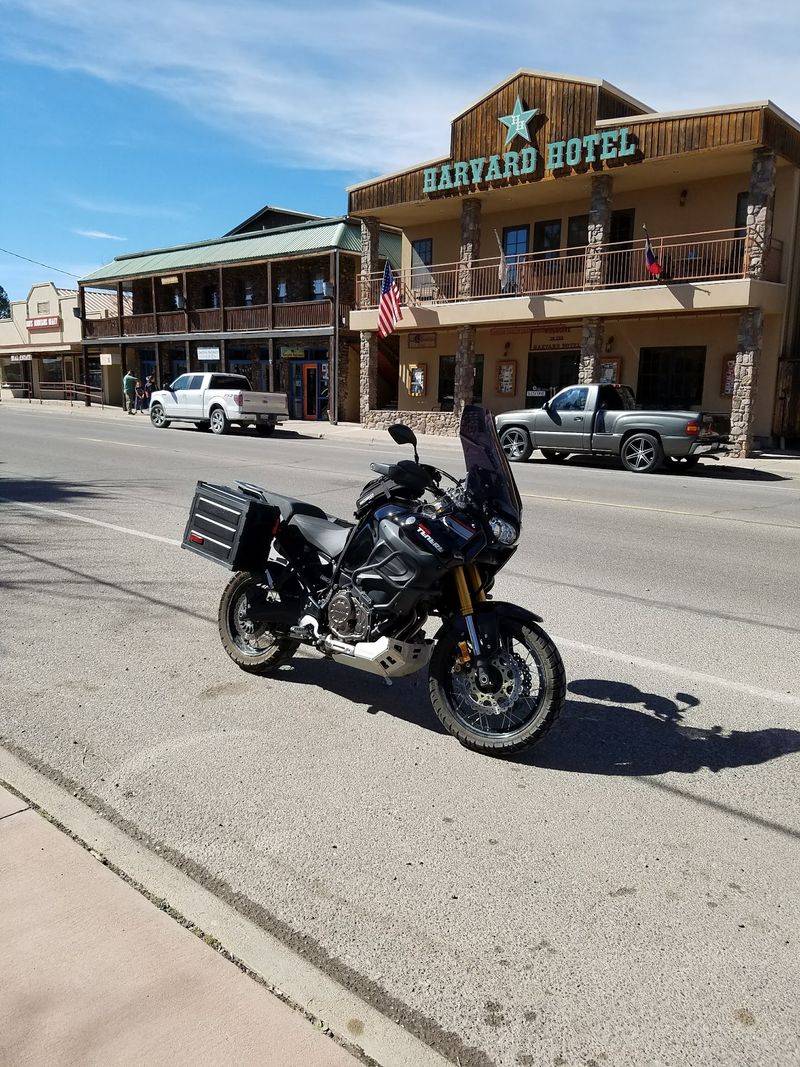
Old hotel floors that creak in a friendly way, ceiling fans turning slowly overhead. The Hotel Limpia opened in 1913 and still welcomes travelers with period furnishings and shady porches.
Mountainside Inn offers a simpler, budget-friendly stay for anyone watching costs.
Guest ranches, small inns, and vacation rentals round out the choices. Everything books solid during star party weekends and spring break.
Reserve early, or you may end up driving an hour to find a bed.
Food here punches well above the town’s size. Homemade Mexican plates, slow-smoked barbecue, deli sandwiches, and contemporary regional cooking at The Sleeping Lion all sit within a few blocks.
Portions lean generous, which trail-weary legs appreciate.
Kitchens keep small-town schedules and sometimes close for private events or seasonal breaks. Calling ahead counts as smart planning, not rudeness.
Mid-afternoon can be a quiet gap between service times.
Grab breakfast tacos before a sunrise hike and a slice of pie afterward. Coffee shops brew it strong, which helps after a late night under the stars.
What sounds better after a long day outdoors, brisket or green chile enchiladas? Nobody will judge you for ordering both across two nights.
Stock a cooler too, since the nearest large grocery store sits far away in Texas ranch country. Small markets in town cover the basics.
Planning Your Far West Getaway
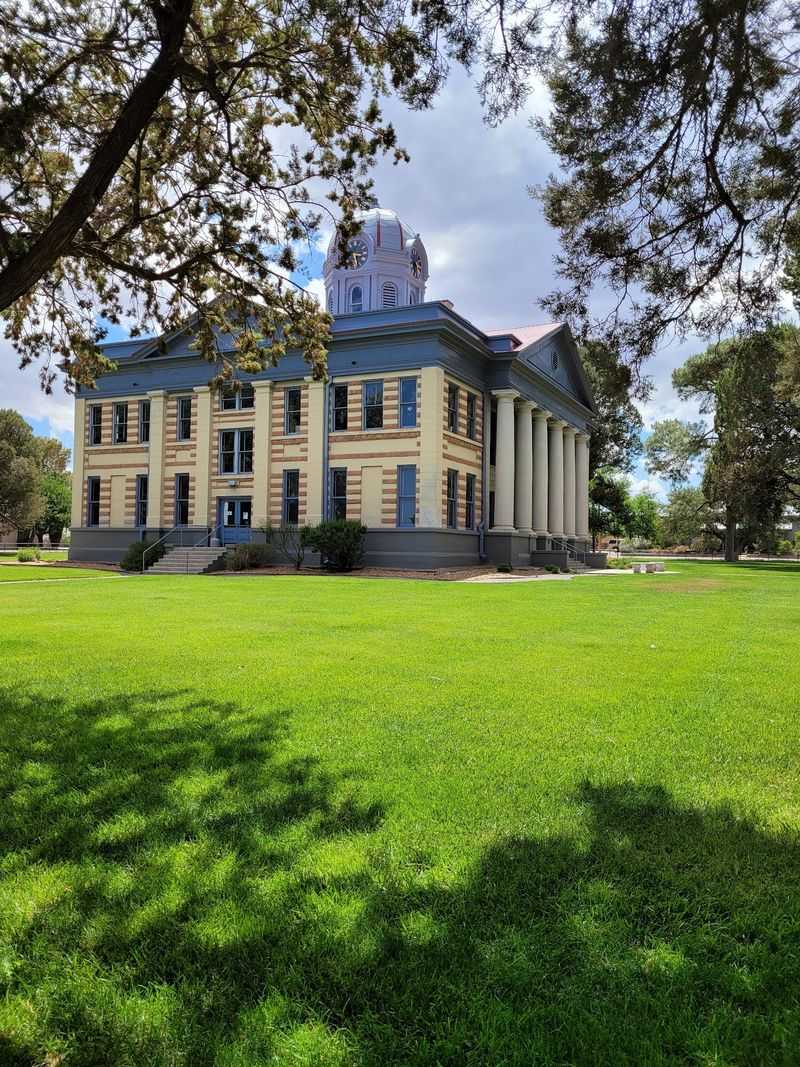
Getting here takes commitment, and that is half the reason the place stays peaceful. Fort Davis serves as the seat of Jeff Davis County at Fort Davis, Texas 79734, roughly three hours from Midland and a bit more from El Paso.
No commercial airport, no interstate, no traffic signals competing for your attention.
Spring and fall deliver the most comfortable weather. Summer stays cooler than the rest of Texas though afternoon storms roll through, and winter can bring a surprise dusting of snow.
Every season repaints the mountains.
Two nights is the honest minimum. Three lets you fit the fort, the state park, the loop drive, and an evening at the observatory without rushing anything.
Hours for attractions, programs, and restaurants shift with the calendar, so confirm everything a day or two ahead. Holiday closures happen.
One short phone call prevents a long, disappointed drive.
Bring layers, sunscreen, a refillable bottle, and a real flashlight with a red filter. Download offline maps, because signal drops between the ridges.
Ready to let a small mountain town reset your pace? The stars alone justify the mileage, and the quiet keeps people returning.
Drive slowly on ranch roads at dusk, since deer and javelina cross without warning. Then park, step outside, and look up.