
This Romantic Island Castle In New York Looks Like It Belongs In Europe
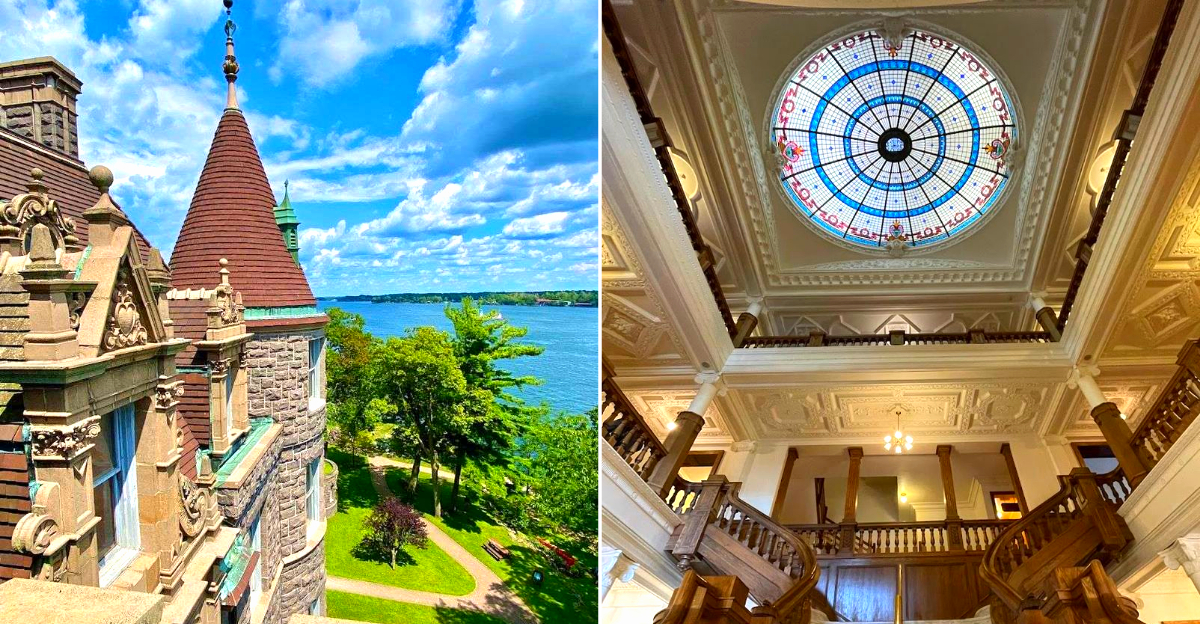
You would never guess a castle like this exists in New York… until you see it rising straight out of the water. Stone towers rise above the water.
Arched windows catch the light. It looks far more like a European castle than something you would expect to find in this state.
Set on its own island, this striking landmark has a quiet, romantic presence that draws people in straight away. The setting does most of the talking.
Water in every direction. Open views. A sense of calm that makes the whole place feel a little removed from everything else. Walk a little closer and the details start to stand out. The architecture.
The symmetry. The way it all comes together so effortlessly. It is the kind of place that makes you pause, take it in, and wonder how it stayed under the radar for so long.
The Love Story That Launched A Castle
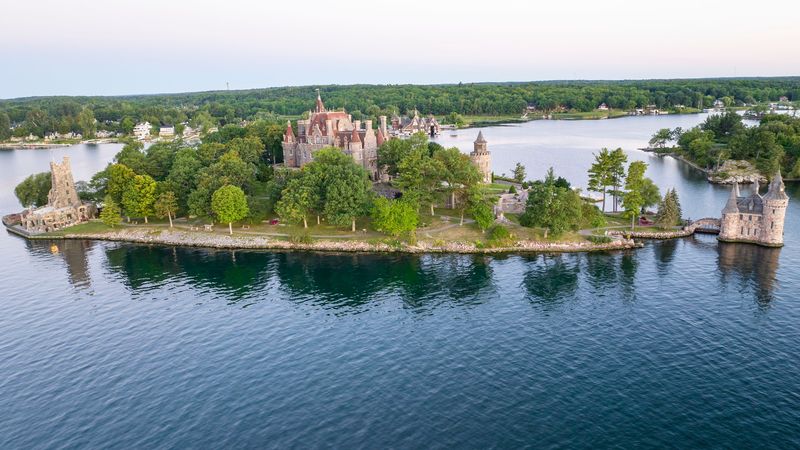
George Boldt was not a man who expressed affection with flowers and a card. He was the kind of person who decided that the appropriate way to say “I love you” was to commission a six-story Rhineland-style castle on a five-acre island and dedicate it entirely to his wife, Louise.
By any reasonable standard, that is a significant romantic gesture.
Construction began in 1900, and at its peak, more than 300 workers were on-site simultaneously. George had the island itself reshaped into a heart to honor Louise, a detail that reveals just how thorough his commitment to the theme really was.
Heart motifs were worked into the architecture, the decor, and the stonework throughout the building.
Then, in January 1904, Louise passed away unexpectedly. George sent a single telegram to the island halting all construction immediately, and he never returned.
The castle sat untouched for 73 years, weathering seasons and slowly losing its interiors to time and vandalism. The Thousand Island Bridge Authority eventually took ownership in 1977 and began the long work of restoration that continues carefully to this day.
A Castle That Genuinely Stopped People Mid-Sentence
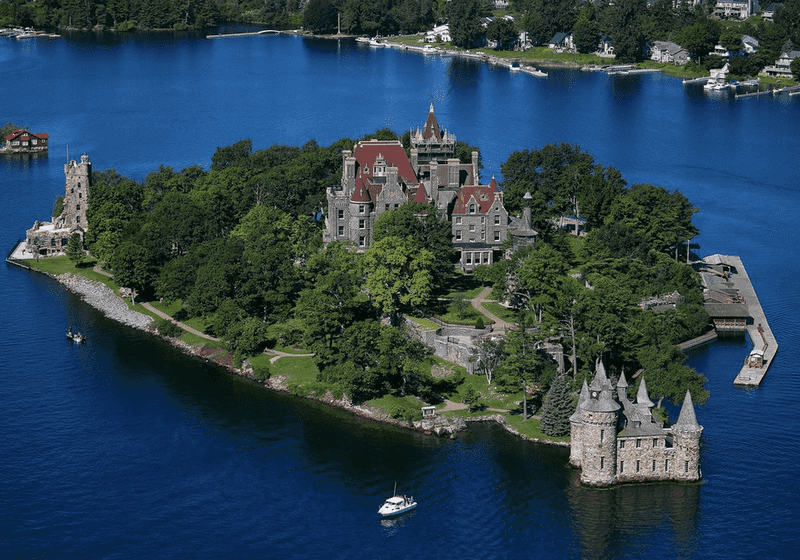
It sounds like something you would only come across in Europe, not New York. A full-on Rhineland-style castle sits on its own island, and surprisingly, most people have no idea it even exists.
Boldt Castle sits on Heart Island in the Thousand Islands region, and the moment it comes into view from the water, jaws tend to drop without any prior warning.
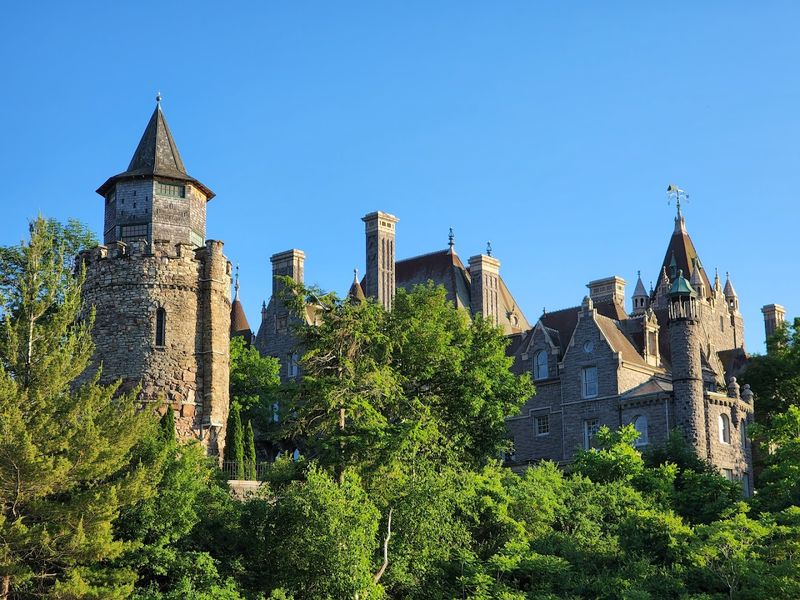
The structure is massive, stone-built, and turreted in a way that makes you genuinely question whether someone quietly relocated a piece of Germany overnight.
The setting adds an extra layer of drama. Water surrounds the island on all sides, the sky opens wide above the St. Lawrence River, and the castle rises from the greenery with a kind of composed authority.
It does not shout for attention. It simply stands there, looking spectacular, fully aware of what it is.
First-time visitors often describe the initial boat approach as one of those rare moments where reality quietly outperforms expectation.
Getting There Is Half The Experience
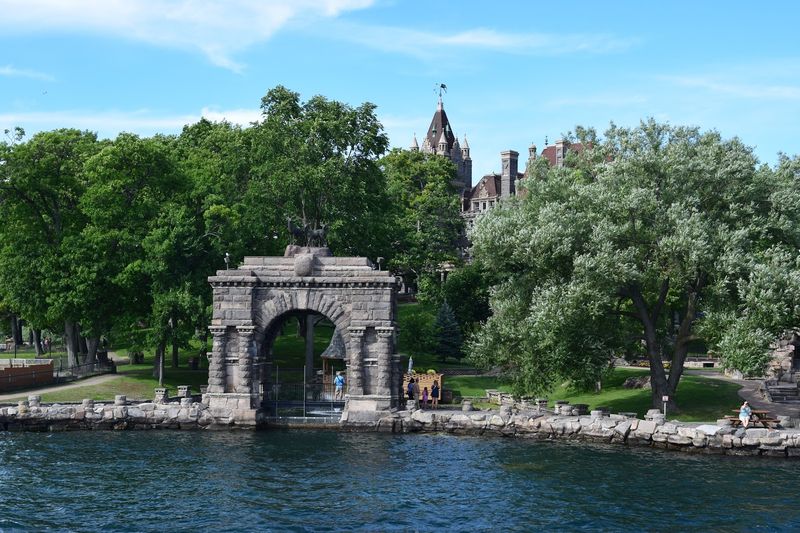
Reaching Boldt Castle requires a short ferry ride, and that short journey does more atmospheric work than any welcome sign ever could. The castle comes into full view as the boat crosses the water, growing larger and more detailed with every passing minute.
By the time you step onto the dock, you have already had a few moments to absorb the scale of what you are about to walk through.
The castle is located at 1 Heart Island, Alexandria Bay, NY 13607, and ferry services run from multiple departure points including Alexandria Bay and Rockport. Tickets for the self-guided tour run around $30 at the time of writing this article, and include access to the castle, the grounds, and the Boldt Yacht House.
The ferry itself is included in that price, which surprises a fair number of first-time visitors who expect an extra charge.
Ferries run approximately every fifteen minutes, so there is no need to rush or crowd onto a single departure. Parking near the yacht house is free, though the walk from the lot to the ferry dock covers a stretch of gravel, which is worth keeping in mind if mobility is a consideration.
The whole setup is straightforward and well-organized from the moment you arrive.
What The Grounds Actually Look Like Up Close
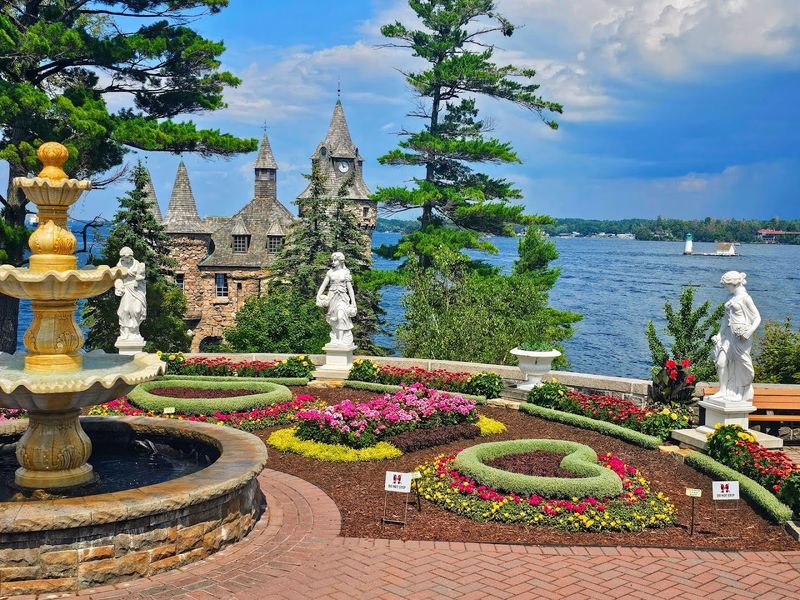
Walking the grounds of Heart Island feels less like visiting a tourist attraction and more like stepping into a well-maintained estate that happens to be open to the public. The landscaping is meticulous, with flower beds in full color during summer months, trimmed lawns stretching between stone outbuildings, and views of the river visible from nearly every angle of the island.
The gardens were designed as a formal complement to the castle itself, and the ongoing restoration work has brought them back to a condition that reflects the original ambition of the project.
Vibrant seasonal plantings line the paths, and the overall effect is one of quiet, unhurried beauty rather than the kind of manicured perfection that feels sterile or overdone.
Multiple structures beyond the main castle building dot the island, including a powerhouse, an alster tower, and a hennery, each of which tells its own small story about the scale of what George Boldt originally intended. The grounds are easy to navigate using the provided map, and most visitors find the outdoor exploration just as rewarding as the interior tour.
Comfortable walking shoes are genuinely recommended, not just as a courtesy suggestion.
Inside The Walls, Room By Room
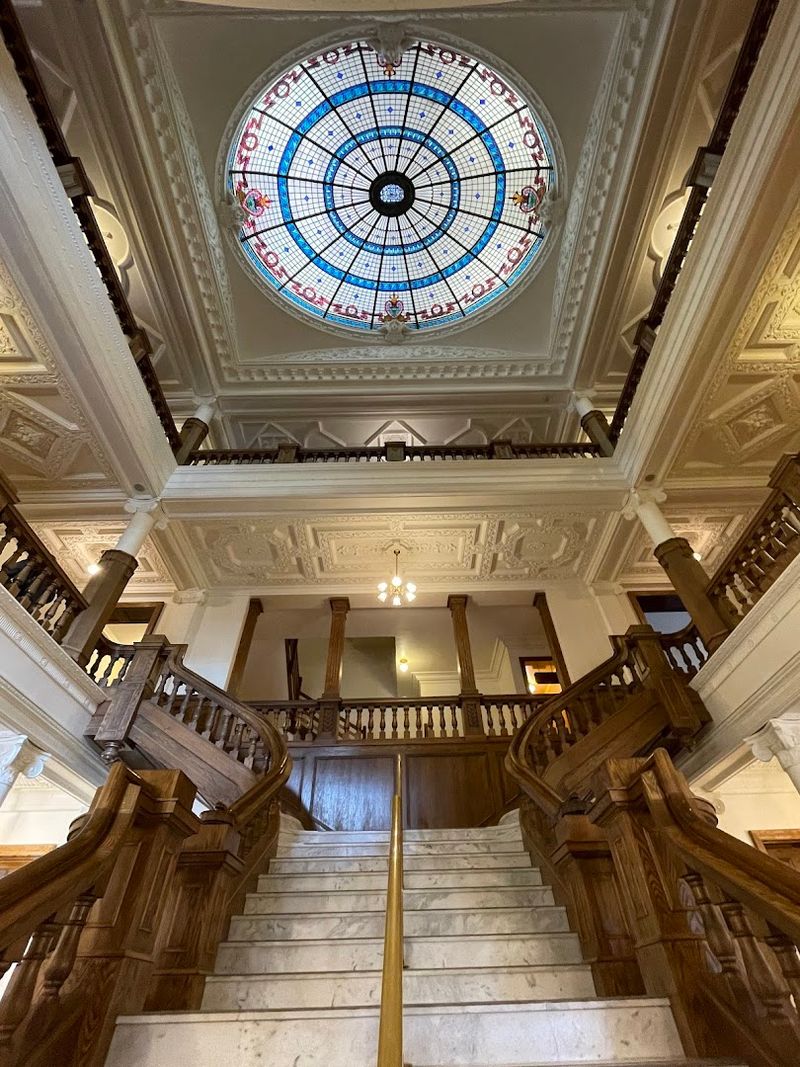
Stepping inside the castle for the first time carries a specific kind of quiet. The restored rooms on the lower floors reflect the design intentions of the original 1900 construction, with woodwork, period furnishings, and architectural details that communicate wealth without veering into the gaudy.
The grand organ is a particular standout, and the historic kitchen is the kind of room that makes you stop and look at everything twice.
The self-guided audio tour, available as a downloadable app, provides context for each room without overwhelming the experience with narration. Visitors move at their own pace, which means you can linger in the rooms that hold your attention and move quickly through the ones that do not.
Program guides in both English and French are available near the entrance and serve as a useful supplement to the audio content.
The upper floors remain unrestored, and visitors are allowed to walk through them as they currently stand. There is something genuinely arresting about moving from a polished, furnished room directly into a raw, unfinished space where construction stopped more than a century ago.
That contrast, more than anything else in the building, communicates the weight of the story behind the place.
The Yacht House Deserves Its Own Paragraph
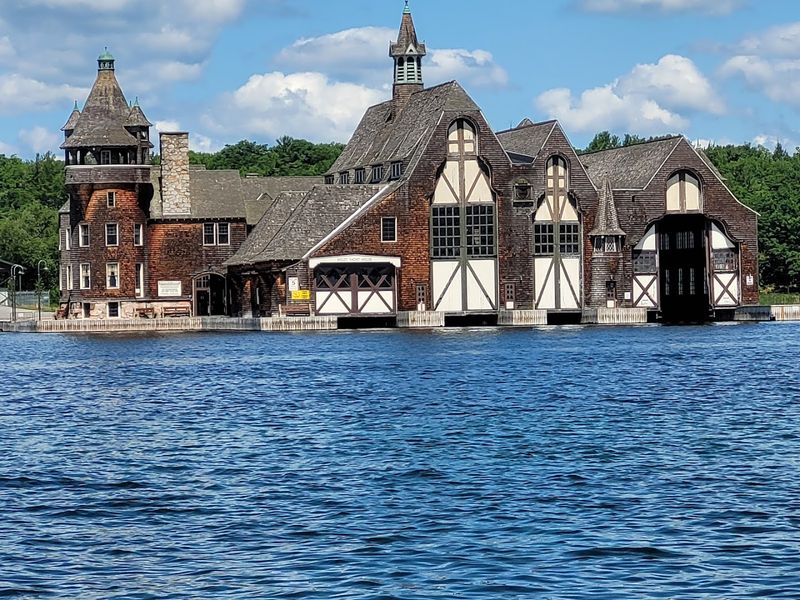
Most visitors arrive focused entirely on the main castle, which is completely understandable.
But the Boldt Yacht House, located a short distance away and included in the standard admission price, has a habit of becoming the unexpected highlight of the day for a significant number of people who walk through its doors.
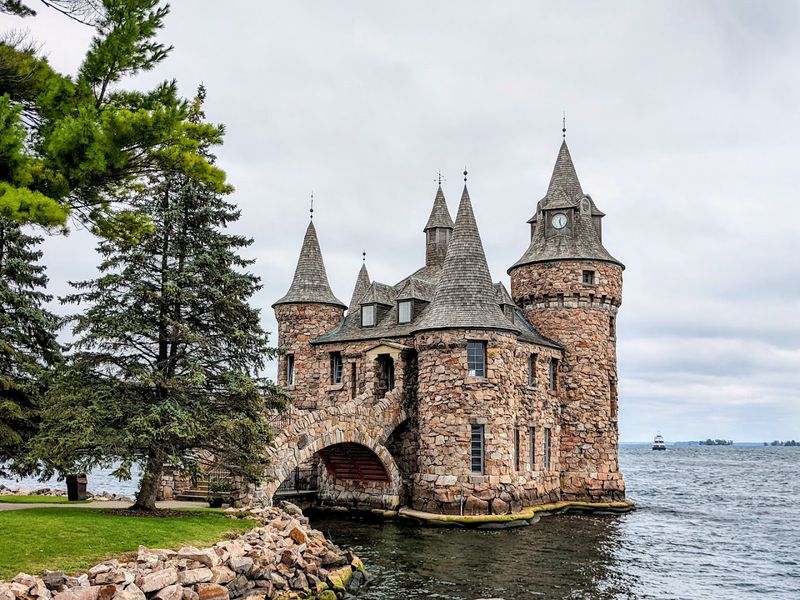
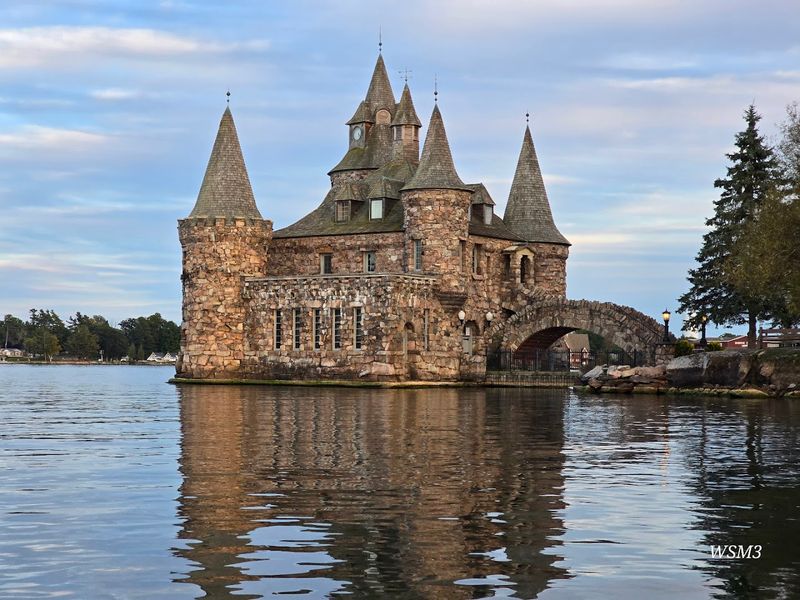
The structure itself is architecturally impressive, built in the same Edwardian spirit as the castle and sitting directly on the water. Inside, a collection of historic wooden boats is displayed with obvious care, and the craftsmanship of the vessels is the kind of thing that holds attention even for people who would not normally describe themselves as interested in maritime history.
Staff at the yacht house are notably enthusiastic and knowledgeable, willing to answer questions in detail and clearly invested in the material they are presenting.
The combination of architecture, boat collection, and riverfront setting makes the yacht house a destination worth budgeting extra time for rather than treating as a quick afterthought.
Several visitors have noted that a full appreciation of both the castle and the yacht house comfortably fills an entire afternoon, which is a reasonable estimate based on the amount of ground both sites cover.
The Views From Every Window Tell Their Own Story
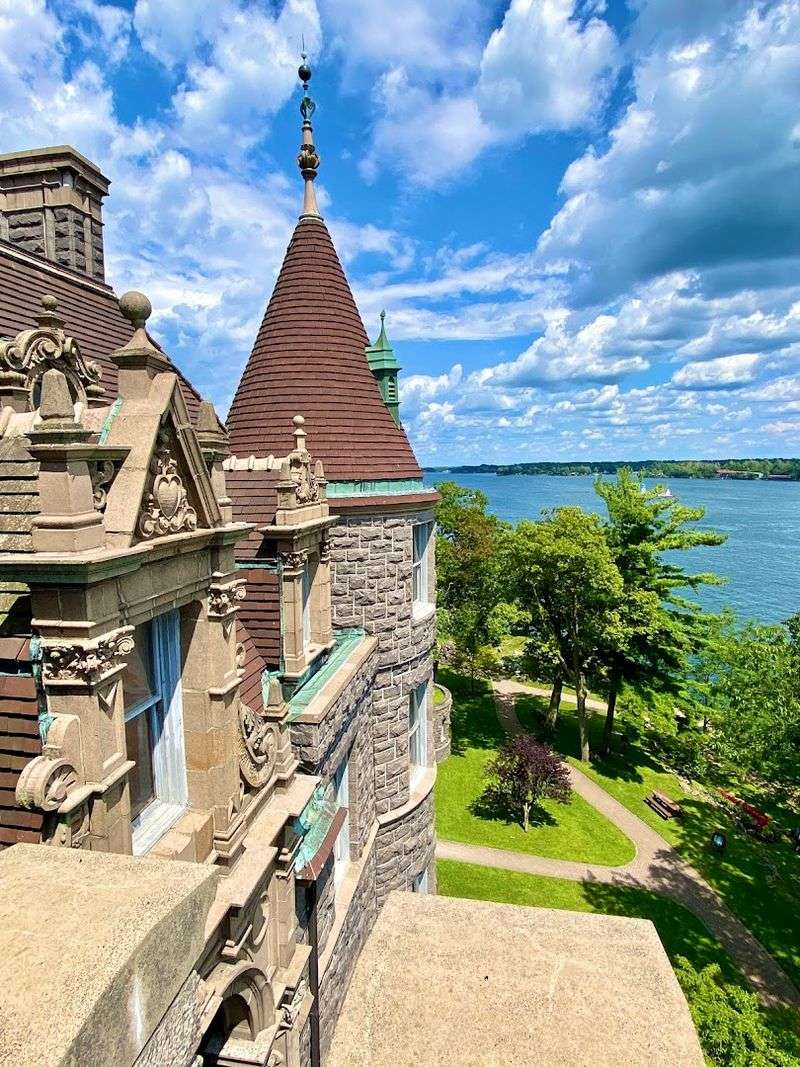
One of the more quietly remarkable things about Boldt Castle is the relationship between the interior spaces and the landscape outside. Nearly every window in the building frames a view of the St. Lawrence River or the surrounding islands, and that consistency feels deliberate rather than accidental.
George Boldt chose the location with a clear understanding of what water and light could do for a building.
From the upper accessible floors, the views extend across the river in multiple directions, offering a sense of the sheer geographic breadth of the Thousand Islands region.
The mix of stone walls and distant island silhouettes produces an atmosphere that is calm and genuinely cinematic without requiring any effort on the visitor’s part to appreciate.
Photographers, both serious and casual, tend to find the castle extremely cooperative as a subject. Every angle offers something worth framing, from the exterior towers reflected in the water to the interior rooms lit by windows that have been doing this job for well over a century.
Bringing a proper camera rather than relying solely on a phone is advice that more than a few visitors have offered after the fact, having wished they had done exactly that.
Restoration Work That Respects The Original Vision
The Thousand Island Bridge Authority has been overseeing the restoration of Boldt Castle since 1977, and the approach throughout has been to restore the building as closely as possible to George Boldt’s original architectural plans.
That fidelity to the source material is evident in the finished rooms, where the details feel historically grounded rather than generically period-appropriate.
The lower two floors and select second-floor rooms are fully restored and open to the public, and the quality of the work is consistently noted by visitors as exceptional.
The upper floors remain in their unfinished state, preserved rather than reconstructed, which serves as an honest record of where the project stood when construction halted in 1904.
Ongoing restoration plans mean that the castle continues to evolve, and returning visitors have noted meaningful changes between visits separated by just a few years. That sense of a living restoration, rather than a static museum exhibit, gives the castle an energy that many comparable historic sites lack.
The fifteen-minute introductory film available on-site provides a clear and well-constructed overview of the castle’s history, the Boldt family, and the scope of the restoration effort, making it a worthwhile first stop before beginning the self-guided tour.
Practical Tips That Will Make Your Visit Smoother
A few practical points can make the difference between a good visit and a great one. Arriving on a weekday significantly reduces the number of other visitors on the island, and the difference in atmosphere between a quiet Tuesday and a busy Saturday is substantial enough to justify planning around it if the schedule allows.
Tickets purchased online in advance include a QR code for each individual ticket, which streamlines the entry process considerably.
The self-guided tour takes most visitors between one and a half and two hours to complete thoroughly, though spending a full three hours or more is entirely reasonable if you plan to explore every building, walk the full grounds, and spend time at the yacht house.
Comfortable footwear is worth emphasizing because the paths include gravel sections and uneven stone surfaces that make casual sandals a poor choice.
A light layer is advisable even in summer, since the river breeze can be cooler than expected once you are out on the water.
Food options on the island include a small cafeteria-style counter near the castle, so arriving hungry is not a problem, though the selection is limited to basic items rather than a full dining experience.
Why This Castle Stays With You After You Leave
There are historic sites you visit, absorb, and move on from without much residual impression. Boldt Castle is not one of those places.
The combination of the architectural scale, the completeness of the love story behind its construction, and the visible evidence of what was left unfinished creates an experience that occupies the mind for longer than a typical afternoon outing.
The fact that George Boldt never returned after Louise passed away, that hundreds of workers were sent home mid-project, and that the building sat empty for nearly three-quarters of a century before anyone took on the work of bringing it back, gives the place a layer of meaning that no amount of restoration can fully smooth over. That incompleteness is not a flaw.
It is, in a quiet and unhurried way, the most honest part of the story.
Visitors who have returned after years away consistently note how much the restoration has progressed, and there is genuine anticipation built into the experience of knowing that the work continues. Boldt Castle is not a finished destination waiting to be checked off a list.
It is a place in the middle of becoming what it was always meant to be, and that ongoing quality gives every visit its own particular weight.