
This Scenic Small Town In New Hampshire Combines Natural Beauty With A Low Cost Of Living
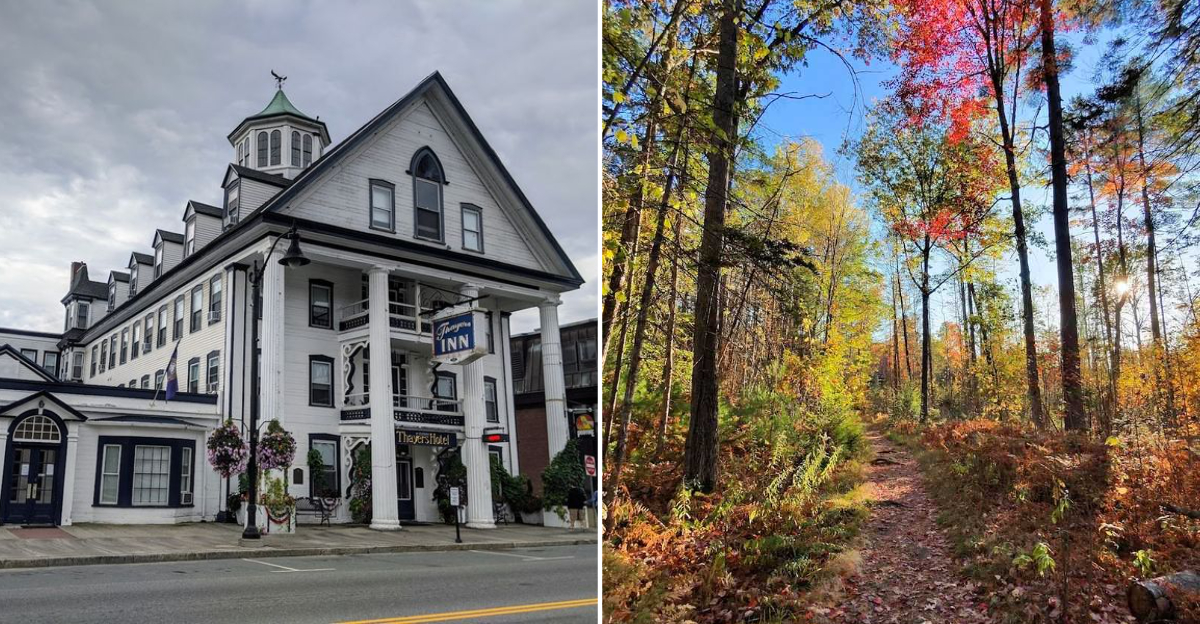
New England has a reputation for being beautiful and expensive in equal measure. New Hampshire carries that reputation in certain places and quietly ignores it in others.
This small town belongs to the second category and has been doing so without drawing much attention to itself. That combination is rarer than it should be.
The mountains define the horizon without dominating it. The main street moves at a pace suggesting nobody is late for anything important.
Old architecture that stayed because nobody had a reason to replace it. The cost of living reflects a place that has not been discovered in a way that changes prices permanently.
Housing that makes sense. A community built around the people who stayed.
New Hampshire rewards those who look past the well-known towns and drive a little further into what the state actually is. This town has been here the whole time.
Overview Of Scenic Landscape Features
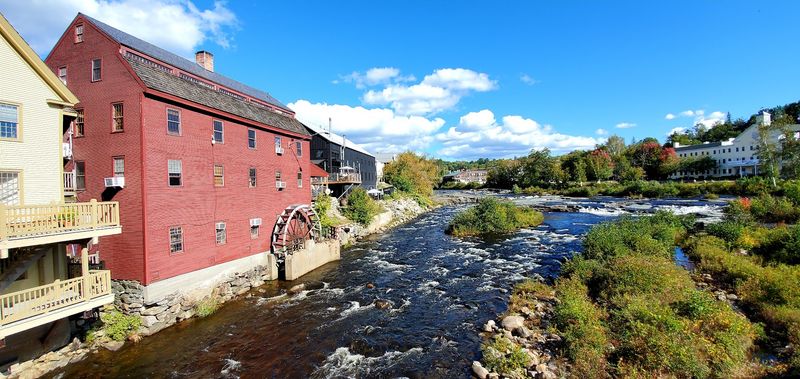
This spot sits right at the northern edge of the White Mountains in Grafton County, New Hampshire. The town borders the Connecticut River to the northwest.
That alone tells you the scenery is not ordinary.
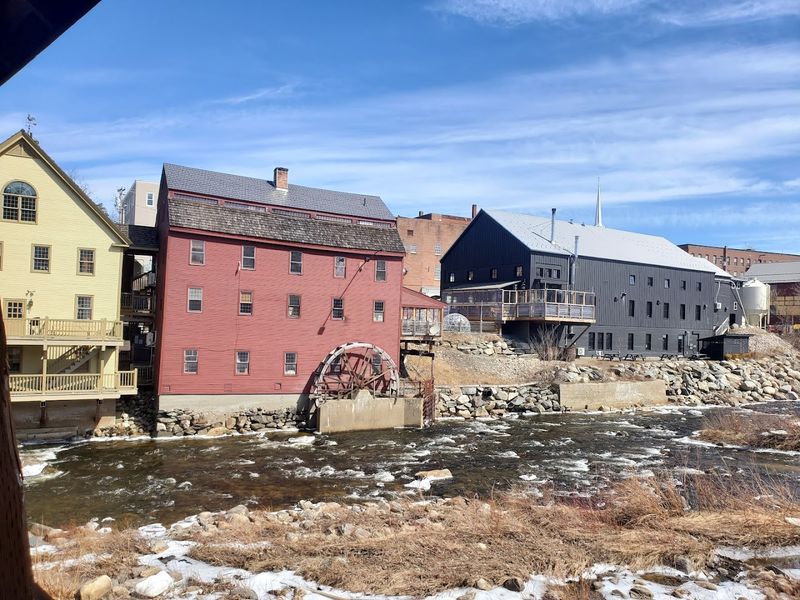
The Ammonoosuc River runs right through downtown. You can walk along it, have a picnic near it, or just sit and watch the water move.
There is even a covered pedestrian bridge crossing it.
Kilburn Crags gives you sweeping views of the Ammonoosuc River Valley and the Presidential Range. On a clear day, it is genuinely jaw-dropping.
You do not need to travel far to feel like you are inside a postcard.
The town itself is walkable. The downtown area is compact but full of character.
Mountains frame every direction you look.
Franconia Notch State Park is just a short drive away. Cannon Mountain and its aerial tramway are nearby, too.
Littleton acts as a natural gateway to one of the most beautiful regions in the entire Northeast.
The population was 6,005 at the 2020 census. Small enough to feel personal, large enough to have real amenities.
Affordable Housing Options
Housing costs in Littleton are genuinely competitive and sit well below the New Hampshire state average. That gap makes a real difference for anyone looking to put down roots without overstretching their finances.
For renters, the numbers are even more encouraging. Average rent here comes in dramatically lower than the national average, offering real value in a state that can otherwise be pricey to live in.
Advertised rentals cover a solid variety of apartment styles and home sizes across a budget-friendly range. You get real options without stretching your budget thin.
Household bills in Littleton run noticeably below the U.S. median, which means everyday living costs less here than in most comparable communities. That kind of consistent saving across multiple expense categories adds up meaningfully over time.
Organizations like AHEAD actively work to create pathways to safe, affordable housing in the area. Their efforts help keep the community stable and accessible.
Rural revitalization is a real priority here.
New Hampshire has no general sales tax, which saves money on everyday purchases without you even trying. It is one of those financial perks that quietly adds up over time.
The housing market in Littleton genuinely works for a wide range of income levels, whether you are buying or renting. That inclusivity is part of what makes this community feel welcoming and financially sustainable for the long term.
Local Recreational Activities And Outdoor Adventures
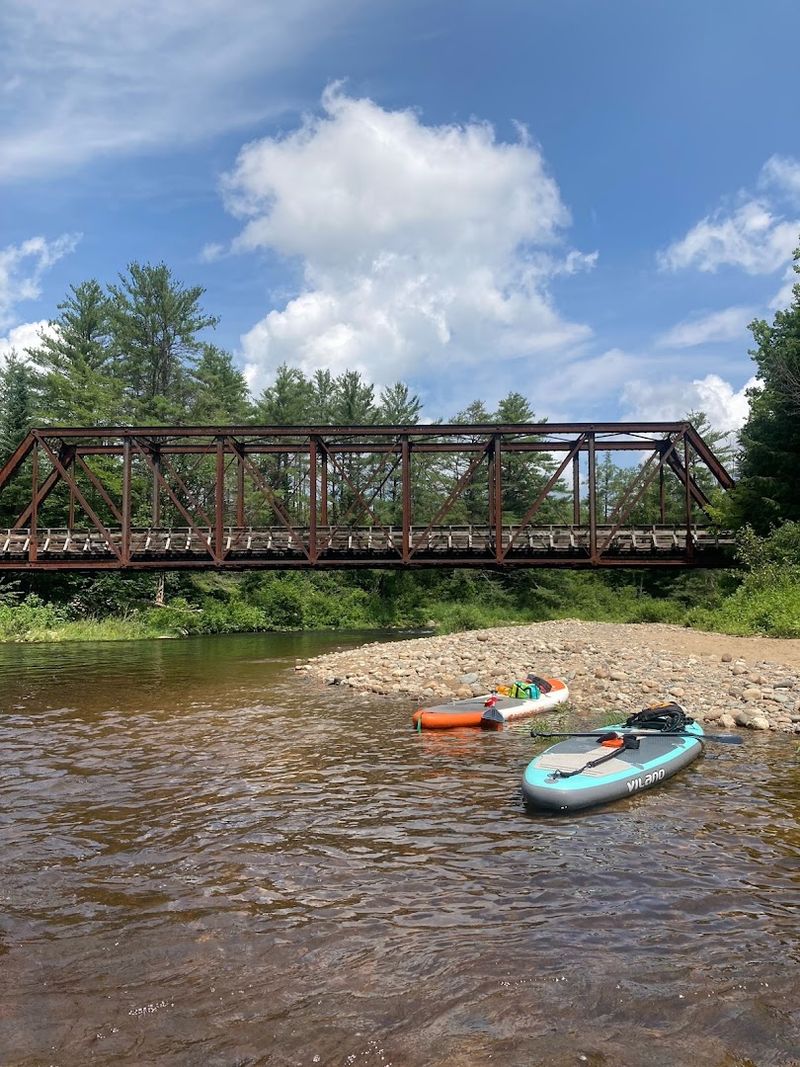
Moore Dam Lake, also called Moore Reservoir, is New Hampshire’s largest man-made lake. It is perfect for kayaking, paddleboarding, and fishing.
The views of the Connecticut River from out on the water are hard to beat.
The Ammonoosuc Rail Trail is a multi-use path great for biking and walking. It connects to the Cross New Hampshire Adventure Trail.
That gives you access to a much larger network of outdoor routes.
Parker Mountain Trails offer a biking network for all skill levels. Whether you are a beginner or an experienced rider, there is a route for you.
The terrain keeps things interesting without being punishing.
Remich Park and The Dells are local favorites for hiking and exploring. These spots feel like hidden gems, even though they are close to town.
Families use them regularly throughout the year.
Winter brings a whole different energy to Littleton. Mount Eustis Ski Area is community-focused and welcoming.
Cannon Mountain, Bretton Woods, and Loon Mountain are all within a short drive.
The Ammonoosuc River is popular for picnicking along its banks. The covered pedestrian bridge crossing it adds a charming, old-school vibe.
It is the kind of spot you end up returning to often.
Year-round adventure is not a marketing slogan here. It is just the reality of living near the White Mountains.
Community Events That Celebrate Natural Surroundings
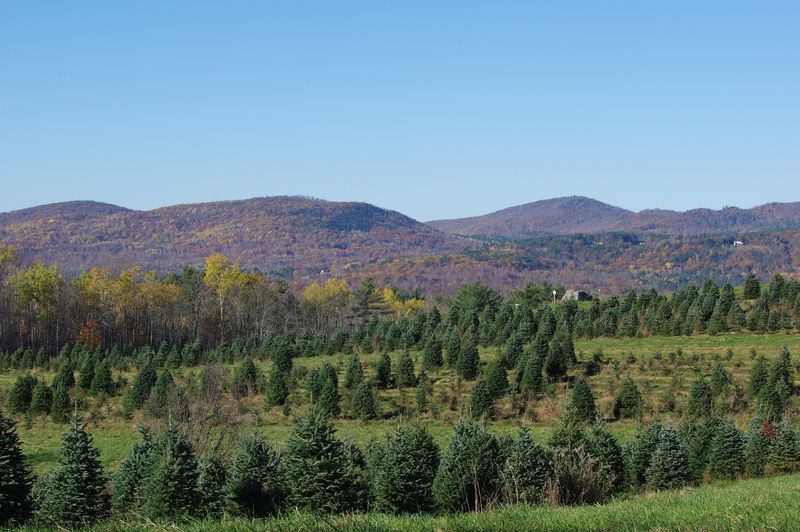
Littleton takes its natural surroundings seriously. Community events here are designed around the landscape, not despite it.
That makes them feel more grounded and genuine than typical town gatherings.
The downtown area along the Ammonoosuc River serves as a natural gathering space. Events regularly use the riverfront as a backdrop.
It gives even simple gatherings an elevated atmosphere.
Seasonal celebrations follow the rhythm of the White Mountains. Fall foliage brings out locals and visitors alike.
The mountains put on a show, and the town leans into it fully.
Winter events embrace the cold rather than hiding from it. Skiing, snowshoeing, and outdoor markets keep the community active.
There is no hibernating when you live this close to great terrain.
Spring and summer bring river-focused activities back to life. Picnics, outdoor markets, and trail events draw people out.
The Ammonoosuc River becomes the social center of the warm season.
Local organizations regularly coordinate events that highlight conservation and outdoor stewardship. These are not just fun gatherings.
They also build awareness about protecting the land that people enjoy.
Community pride in Littleton is rooted in the land itself. Residents genuinely care about keeping the environment intact.
That shared value makes events here feel purposeful, not performative.
Wildlife Habitat Preservation And Support Efforts
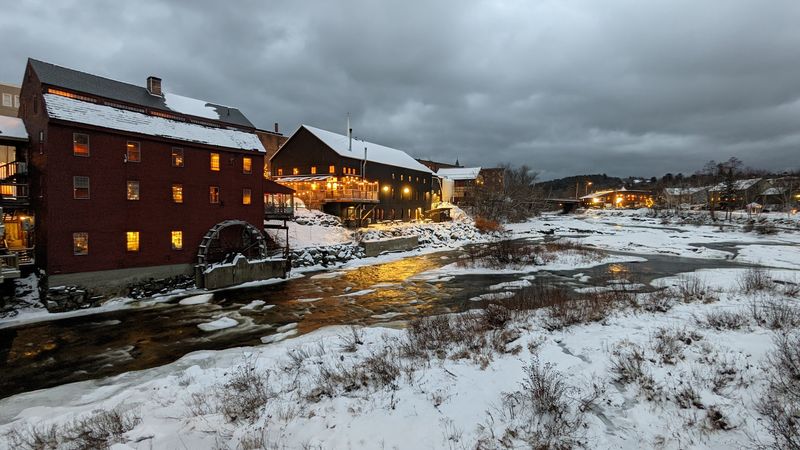
Littleton’s location near White Mountain National Forest puts it in the middle of serious wildlife country. Black bears, white-tailed deer, and various bird species are regular residents of the surrounding forests.
This is not a zoo situation. This is just nature doing its thing nearby.
The forests surrounding the town act as natural buffers for wildlife movement. Undeveloped land along the Connecticut River corridor supports migratory birds and aquatic species.
Protecting these corridors is a priority for local conservation groups.
Remich Park and The Dells preserve green space close to the town center. These areas provide habitat for smaller mammals and woodland birds.
Having protected green space this close to downtown is genuinely valuable.
The Ammonoosuc River supports native fish populations, including brook trout. Clean water initiatives keep the river healthy and productive.
Local anglers and conservationists share a common interest in maintaining river quality.
White Mountain National Forest itself covers over 750,000 acres of protected land. Much of that land borders or surrounds Littleton’s region.
That level of protected wilderness creates a stable ecological foundation for the whole area.
Community awareness around habitat preservation runs high here. Residents understand that the natural beauty driving tourism also requires active stewardship.
Protecting wildlife is not just an environmental cause. It is a practical one tied to the quality of life and local economy.
Access To Nature Trails And Hiking Opportunities
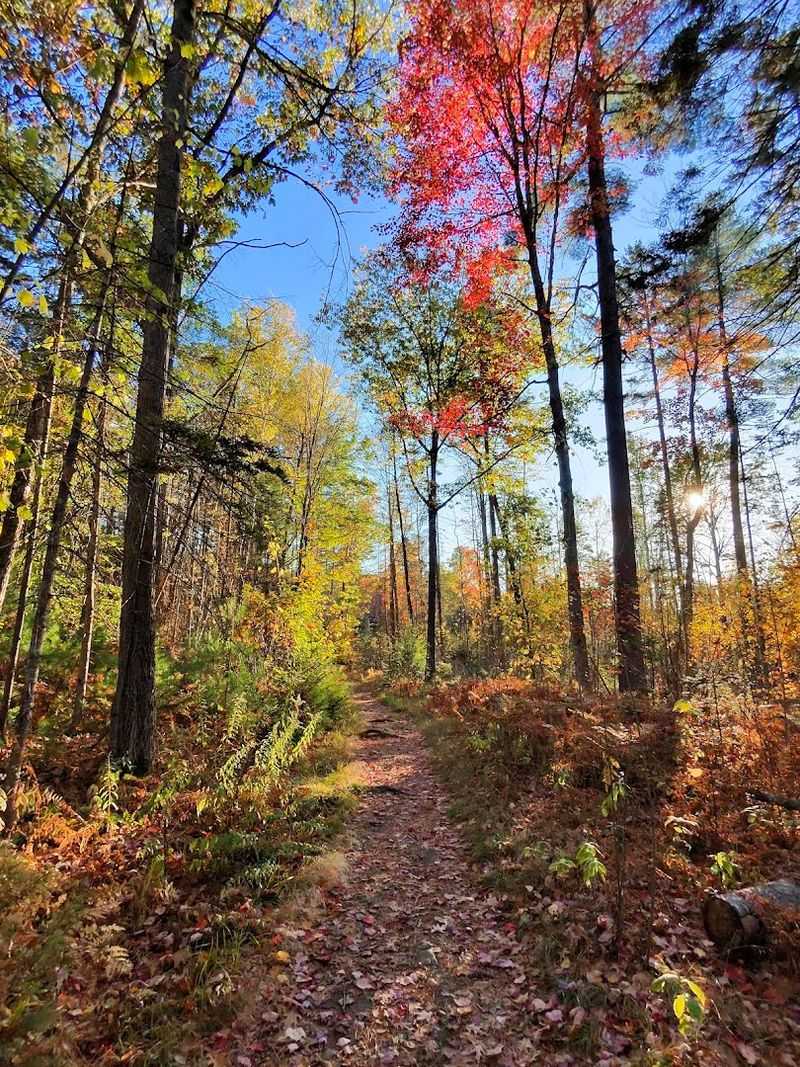
Kilburn Crags is one of the best hikes near Littleton. The trail rewards you with panoramic views of the Ammonoosuc River Valley and the Presidential Range.
It is not an exhausting climb, but the payoff feels massive.
Remich Park offers accessible trails for all fitness levels. The Dells area nearby adds more wooded paths to explore.
Both spots are close to town, which makes spontaneous hikes very easy to pull off.
Franconia Notch State Park is a short drive from Littleton. It holds some of the most iconic hiking in all of New England.
The Flume Gorge and Cannon Mountain trails are world-class experiences.
The Ammonoosuc Rail Trail doubles as a flat, easy walking path. It follows the river and connects to larger trail networks.
Beginners and families find it approachable and scenic at the same time.
White Mountain National Forest trails start practically in the backyard of Littleton residents. Hundreds of miles of marked trails fan out from the surrounding region.
The variety is staggering for a town this size.
Mount Washington Cog Railway is also within reach from Littleton. It takes you to the highest peak in the Northeast.
Even non-hikers can experience the summit that way.
Trail access here is not a weekend luxury. For Littleton residents, it is just a normal Tuesday option.
Economic Factors Supporting Low Cost Of Living
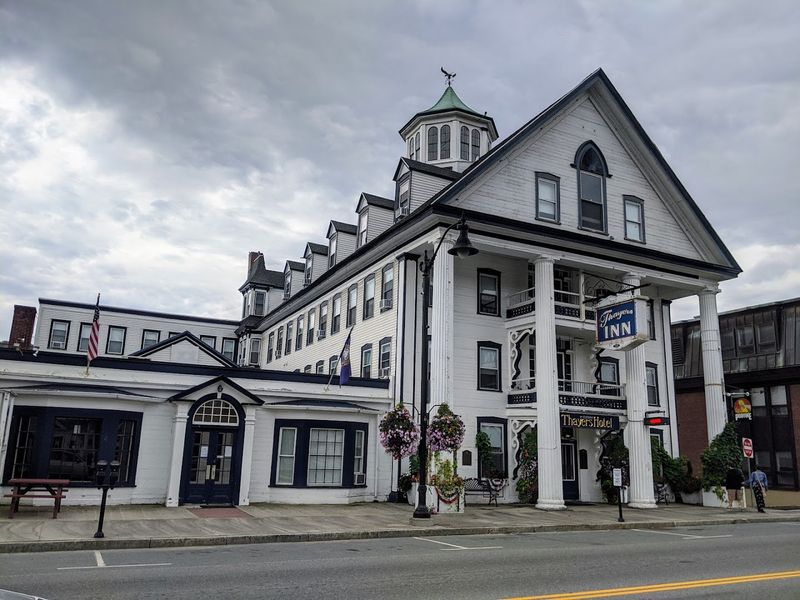
New Hampshire has no general sales tax, which means every purchase you make in Littleton automatically costs less than it would in most other states. That policy adds up quietly but consistently over time.
Housing costs in Littleton run below the national average and sit well below the state average, too. That gap matters a lot when you are building a budget and trying to make your money work harder.
Household bills here come in lower than the U.S. median, and for a small mountain town, that is a genuinely pleasant surprise. Every day living is manageable in a way that scenic areas do not always deliver.
Local incomes and local costs align reasonably well here, which is not something you can say about every charming small town in America. The financial math actually works, and that is worth paying attention to.
Grocery and utility costs in the region track close to or below national averages. Everyday expenses do not quietly drain your wallet, and that makes a real difference in monthly cash flow.
The local economy benefits from tourism tied to outdoor recreation. Seasonal visitors support local businesses without dramatically inflating permanent resident costs.
That balance helps keep the town economically stable.
Small-town infrastructure costs are also lower here. Less congestion, shorter commutes, and lower property density all contribute to reduced daily expenses.
Living close to nature turns out to have genuine financial advantages.
Climate Impact On Lifestyle And Outdoor Enjoyment
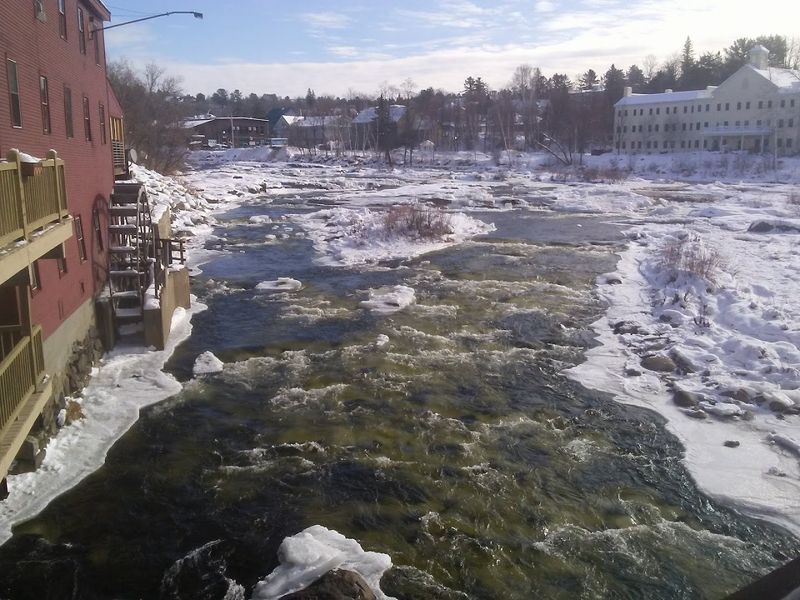
Littleton experiences all four seasons in full force. Winters are cold and snowy, which is great news if you ski or snowshoe.
Summers are warm but not brutal, which keeps outdoor activity comfortable.
Average winter temperatures drop well below freezing. Snowfall is reliable and often heavy near the White Mountains.
That makes Littleton a legitimate winter sports destination, not just a summer retreat.
Spring brings rapid change to the landscape. Snowmelt feeds the Ammonoosuc River and surrounding streams.
Trails that were frozen in February become lush and green by May.
Summer temperatures are mild compared to much of the country. Highs typically stay in the 70s and low 80s.
That keeps hiking, biking, and paddling comfortable without needing to start at dawn to beat the heat.
Fall is arguably the most dramatic season here. The White Mountains turn into a canvas of red, orange, and yellow.
Leaf-peeping season draws visitors from across the region every year.
The climate encourages year-round outdoor activity rather than limiting it to one season. Residents build their routines around the seasonal shifts.
There is always a reason to be outside, regardless of the month.
Cold winters and warm summers create a lifestyle rhythm that feels distinctly New England. That rhythm is part of what makes Littleton feel like a real place, not just a postcard destination.