
This Secluded Lake In Minnesota Offers Total Privacy And Calm Waters
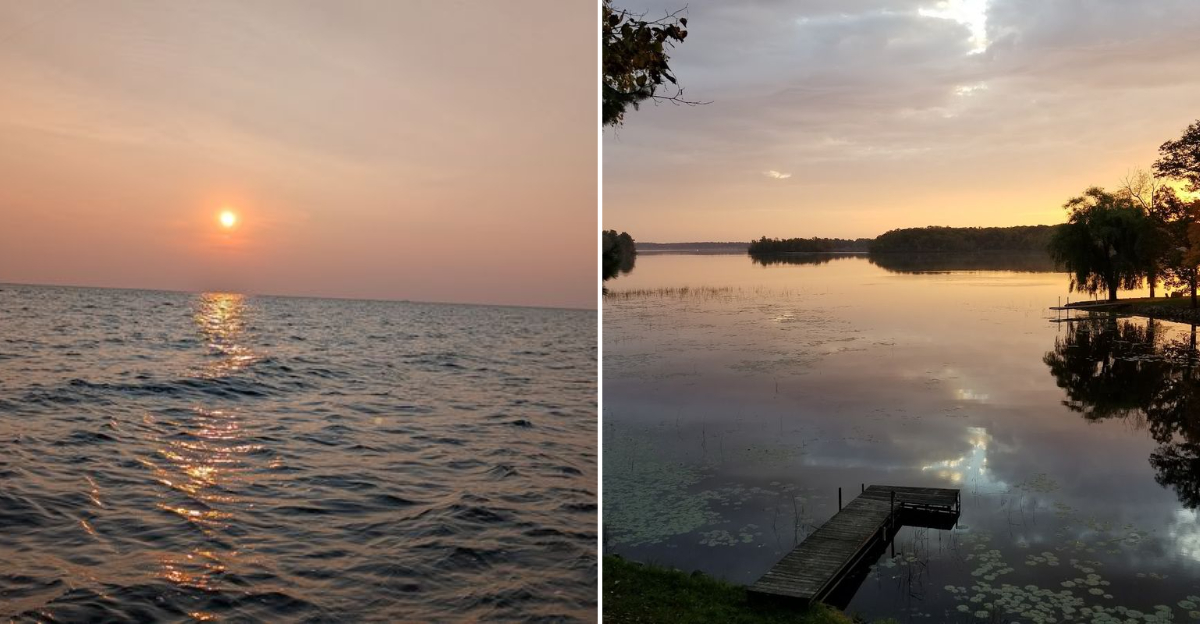
Most Minnesota lakes are a summer circus. This one never got the memo and nobody corrected it.
Pull up on a Saturday afternoon in July and you will not find a single jet ski. No floating coolers chained together.
No bass-heavy speakers competing across the water. Just the kind of quiet that the state used to be famous for before everyone discovered it.
The water here is the kind of calm that makes you want to sit and stare at nothing for an unreasonable amount of time. Glassy in the morning.
Still enough by evening to reflect the tree line like a painting. Locals who know about this lake are not rushing to share it.
The ones who stumbled onto it by accident consider it one of the better accidents of their lives. No crowds.
No noise. No competition for a good spot on the shore.
Just a lake doing exactly what a lake is supposed to do.
Exploring The Unique Ecosystem Of The Lake
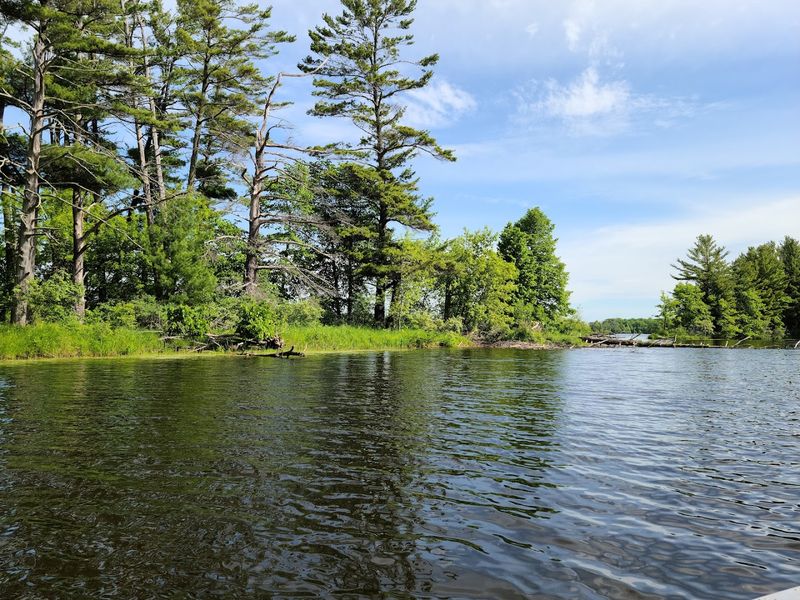
A lake like this has an ecosystem that rewards curious visitors. The lake covers about 1,259 acres and reaches a maximum depth of only 15 feet.
That shallow profile shapes everything about how life thrives here.
Back in 1989, a rehabilitation project improved water clarity significantly. Aquatic vegetation was restored, bringing back important habitat for fish and wildlife.
The lake became healthier because of that effort.
The water can appear tannin-stained in spring and greenish in summer. That coloring comes from natural organic materials, not pollution.
It is completely normal for this type of lake environment.
Lily pads and aquatic plants grow along the shallower edges. These plants provide critical shelter for juvenile fish and insects.
Without them, the food chain here would look very different.
Fish species in Knife Lake include walleye, northern pike, largemouth bass, crappie, and bluegill. That variety keeps anglers coming back season after season.
It also signals a balanced and productive aquatic system.
Best Times Of Year To Enjoy Calm Waters
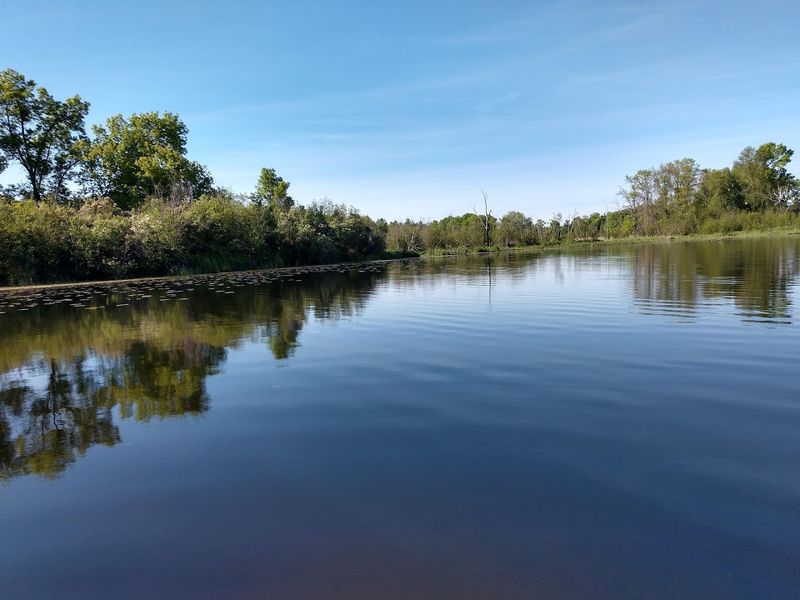
Timing your visit to Knife Lake makes a real difference. The calmest water conditions typically happen in the early morning.
Wind picks up later in the day, so early risers get the best experience.
Late spring and early fall are arguably the best seasons overall. Crowds thin out, temperatures stay comfortable, and the lake feels genuinely peaceful.
Summer weekends bring more boat traffic, which changes the vibe noticeably.
A No Wake Zone is enforced near the Knife River inlet and outlet. That zone keeps water conditions calm in those specific areas year-round.
It is a smart place to paddle or fish if you want stillness.
Winter transforms the lake entirely. Ice fishing becomes a popular activity once the surface freezes solid.
Snowmobiling around the lake is another cold-weather option locals enjoy.
Forecasts for Knife Lake frequently predict calm conditions, which is a good sign for planning outdoor trips. Checking wind reports before heading out is always a smart move.
Light wind days make paddling and fishing far more enjoyable.
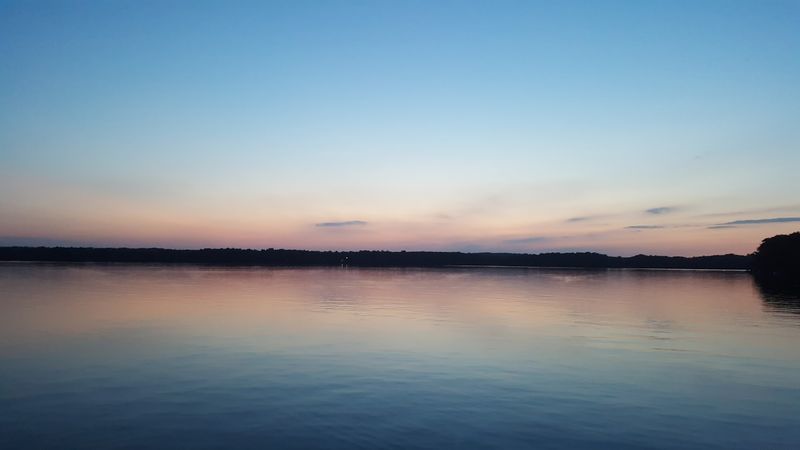
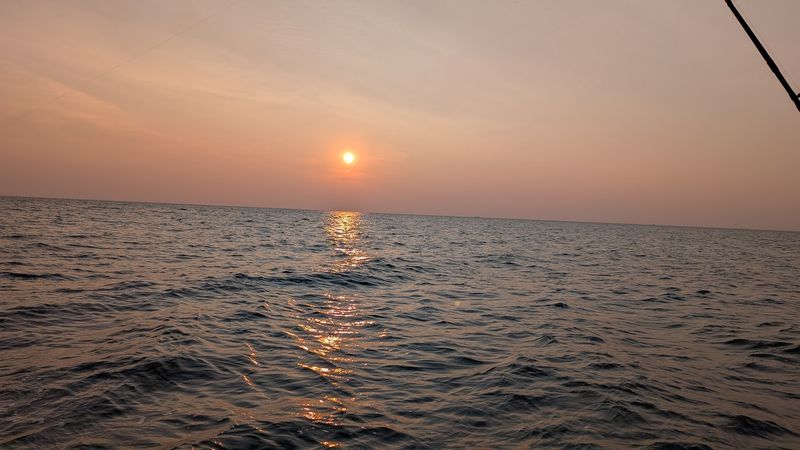
Summer evenings offer something special, too. Sunsets over Knife Lake are consistently beautiful, with colors reflecting across the calm surface.
Arriving an hour before sunset on a weekday almost guarantees a quiet, private experience worth remembering.
Wildlife Observations Along The Shoreline
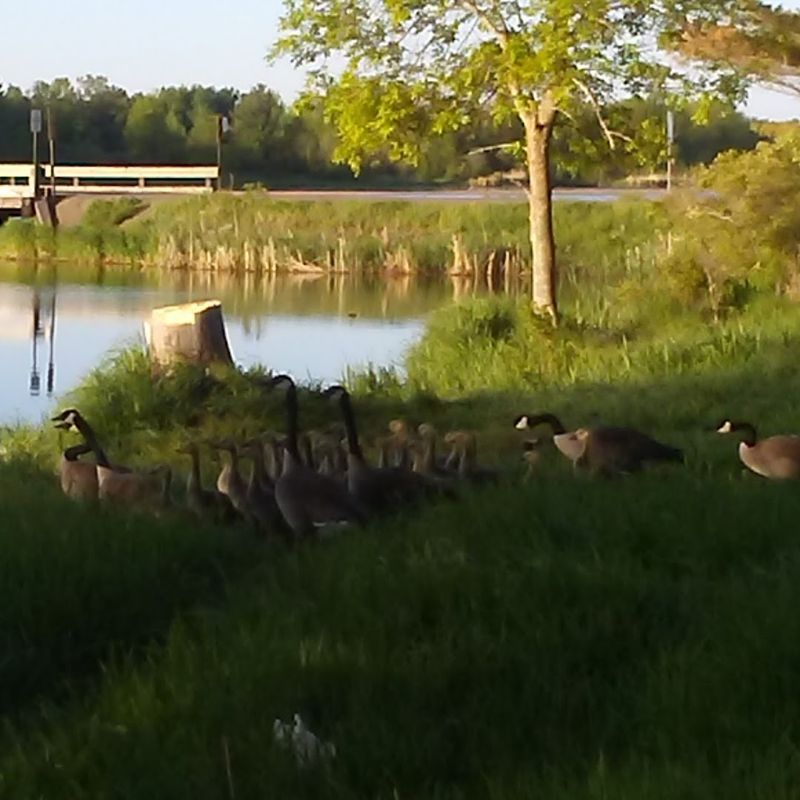
Knife Lake is a genuine wildlife corridor. The forested shoreline and shallow waters attract a surprising variety of animals.
You do not need binoculars to spot most of them, though they help.
Loons are one of the most iconic sightings here. Their haunting calls carry across the water in the early morning.
Hearing a loon at dawn on a quiet lake is genuinely unforgettable.
Ospreys patrol the lake regularly, diving headfirst to catch fish. Watching an osprey hunt is like seeing a nature documentary in real time.
They are fast, precise, and impressive every single time.
Great blue herons wade along the shallower edges of the shoreline. They stand completely still for minutes before striking.
Their patience is honestly embarrassing compared to most human anglers.
Beavers are also active around Knife Lake. Their dams and lodges appear near the inlet and outlet areas of the Knife River.
Spotting beaver activity is easiest during early morning or dusk hours.
The surrounding forests add even more wildlife opportunities. Deer, foxes, and various songbirds move through the tree line regularly.
Walking the shoreline slowly and quietly gives you the best chance of close-up wildlife encounters without disturbing their natural routines.
Tips For Maintaining Privacy While Visiting
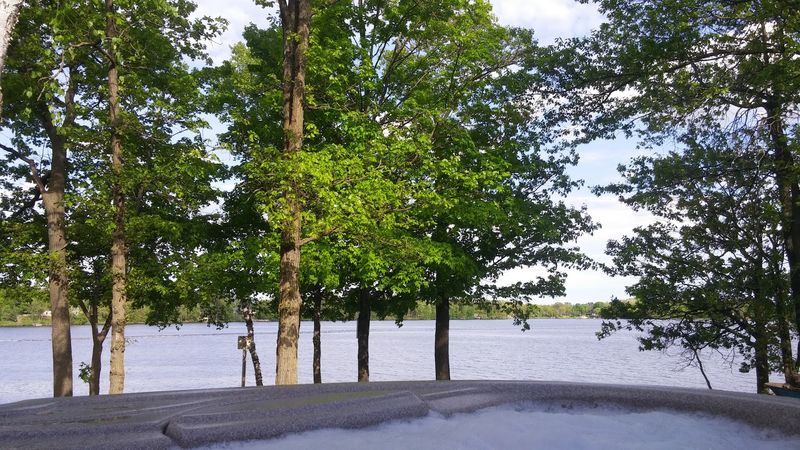
Privacy at Knife Lake is very achievable with a little planning. The lake has two public boat landings, so knowing which one is less busy helps.
The steeper landing tends to see less traffic on average.
Weekday visits are significantly quieter than weekend trips. Most boat traffic and campers arrive Friday evening and leave Sunday afternoon.
Arriving Monday through Thursday almost guarantees a calmer, less crowded experience.
Choosing a campsite farther from the main access points adds natural distance from other visitors. The forested shoreline creates natural buffers between sites.
Trees and vegetation do a lot of the privacy work for you.
Paddling rather than using a motorized boat keeps your presence quiet. A canoe or kayak lets you access coves and shoreline areas that powerboats cannot easily reach.
Those spots tend to stay emptier throughout the day.
Arriving early in the morning is probably the single best privacy tip. Most visitors sleep in, which means the lake belongs to early birds for at least a couple of hours.
That window of solitude is genuinely valuable.
Staying off social media about your exact location also helps preserve the secluded feel. The fewer people who know about your favorite quiet cove, the longer it stays your favorite quiet cove.
Selfish? Maybe.
Smart? Absolutely.
Activities That Complement A Quiet Lake Setting
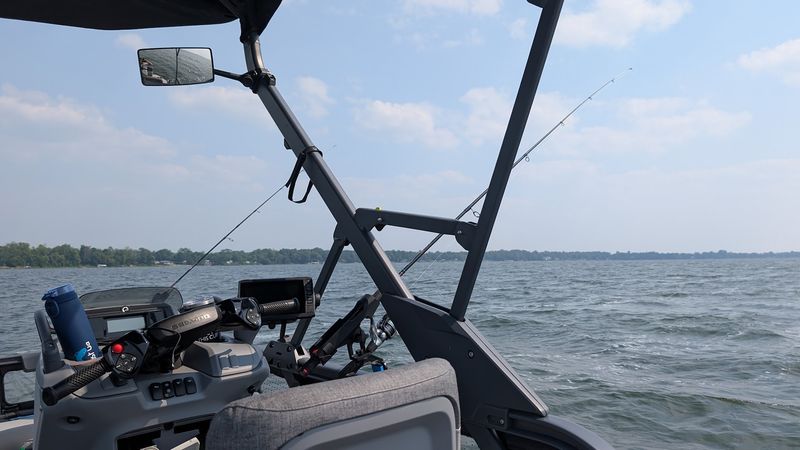
Knife Lake is built for low-key outdoor fun. The calm, shallow water makes it ideal for kayaking and canoeing.
You can cover a lot of shoreline without ever feeling rushed or crowded.
Fishing is probably the most popular activity here. Walleye, northern pike, largemouth bass, crappie, and bluegill all live in the lake.
Casting from a dock or drifting in a small boat both work well.
Swimming is possible in designated areas, though some spots require you to be at least 500 feet from shore. The lily pad zones near the edges can feel thick and weedy.
Open water areas away from vegetation are more comfortable for swimmers.
Camping along the lake lets you extend your stay naturally. Waking up to the sound of loons and water lapping against the shore is a genuinely restorative experience.
Several campgrounds serve the area around Knife Lake.
Photography is another activity that thrives here. Sunsets over the lake produce dramatic colors that reflect beautifully on calm water.
Early morning fog shots are also worth setting an alarm for.
The 4th of July brings a boat parade and fireworks display to the lake. That event adds a festive, community-oriented energy to the usually quiet setting.
It is a fun contrast to the typical peaceful atmosphere Knife Lake offers.
Essential Gear For A Peaceful Lake Experience
Packing smart makes a real difference at Knife Lake. The right gear turns a good trip into a great one.
Starting with the basics saves you from avoidable frustrations on the water.
A quality kayak or canoe is worth bringing if you have access to one. The calm, shallow water is perfect for paddling.
Rentals may not always be available nearby, so planning matters.
Fishing gear is essential for most visitors. A medium-action rod with a versatile tackle selection covers walleye, bass, and panfish effectively.
A valid Minnesota fishing license is non-negotiable before you cast a single line.
Insect repellent is genuinely important in this region. Minnesota summers come with mosquitoes, and the forested shoreline amplifies that reality.
Applying repellent before reaching the water saves a lot of discomfort later.
Binoculars dramatically improve wildlife watching along the shoreline. Loons, ospreys, and herons are easier to observe without disturbing them.
A compact pair fits easily in a daypack without adding much weight.
Sunscreen matters even on cloudy days near open water. UV reflection off calm lake surfaces increases sun exposure noticeably.
Bringing a reusable water bottle, a hat, and a light rain jacket rounds out your packing list for a comfortable and well-prepared day at Knife Lake.
Environmental Benefits Of Preserving Secluded Lakes
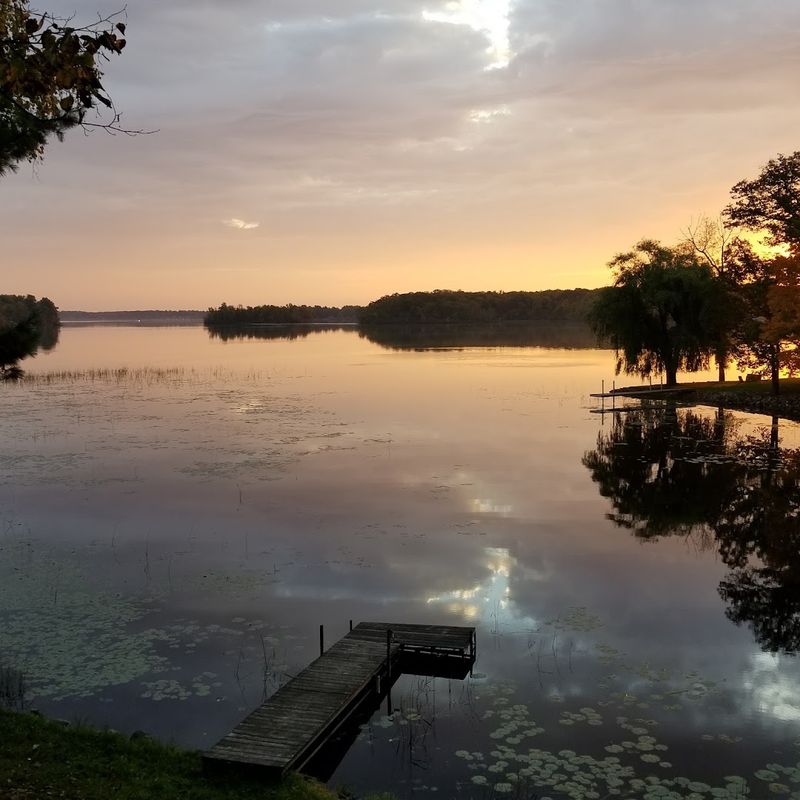
Secluded lakes like Knife Lake do more environmental work than most people realize. They filter water, support biodiversity, and regulate local temperatures.
Protecting them protects entire regional ecosystems.
The 1989 rehabilitation project at Knife Lake is a strong example of intentional conservation. Water clarity improved, and aquatic vegetation returned after that effort.
That single project had lasting positive effects on the lake’s health.
Aquatic plants along the shoreline stabilize sediment and prevent erosion. Without them, the lake bottom shifts and water quality drops.
Healthy vegetation is essentially the lake’s natural filtration system, working quietly every day.
Wetland areas connected to the lake also serve as carbon sinks. They absorb and store carbon dioxide from the atmosphere.
That function makes healthy lakes a meaningful part of addressing broader climate concerns.
Wildlife corridors depend on undisturbed lake environments. Loons, ospreys, beavers, and fish all rely on consistent habitat to thrive.
Disrupting one layer of that system creates ripple effects throughout the entire food web.
Keeping human impact minimal at places like Knife Lake is a shared responsibility. Packing out trash, avoiding shoreline damage, and respecting no-wake zones all contribute to long-term preservation.
Small individual actions add up to meaningful environmental protection over time, and future visitors will benefit from the choices made today.
Local Regulations Impacting Lake Use And Access
Knowing the rules at Knife Lake before you arrive makes your visit smoother. Regulations exist to protect both the environment and other visitors.
Ignoring them can result in fines and damaged relationships with local communities.
A No Wake Zone is in place near the Knife River inlet and outlet. Boaters must reduce speed significantly in those areas.
That zone directly protects shoreline vegetation and keeps water conditions calm for everyone nearby.
Minnesota requires a valid fishing license for anyone over 16 years old. Licenses are available online through the Minnesota DNR website.
Buying one before you leave home saves time and prevents an awkward situation at the boat landing.
Invasive species prevention is taken seriously in Minnesota. Boats must be drained, cleaned, and dried before entering any new body of water.
This rule applies at Knife Lake and is enforced at both public access points.
Campfire regulations vary depending on current fire risk conditions. Always check with the Minnesota DNR or local campground management before starting a fire.
Dry summer conditions can trigger temporary fire bans without much advance notice.
Swimming rules require staying at least 500 feet from shore in certain lake areas. This protects both swimmers and shoreline habitat.
Checking posted signage at the access points gives you the most current and location-specific guidance before you head out on the water.