
This Secluded North Carolina Foothills Village Feels Undiscovered
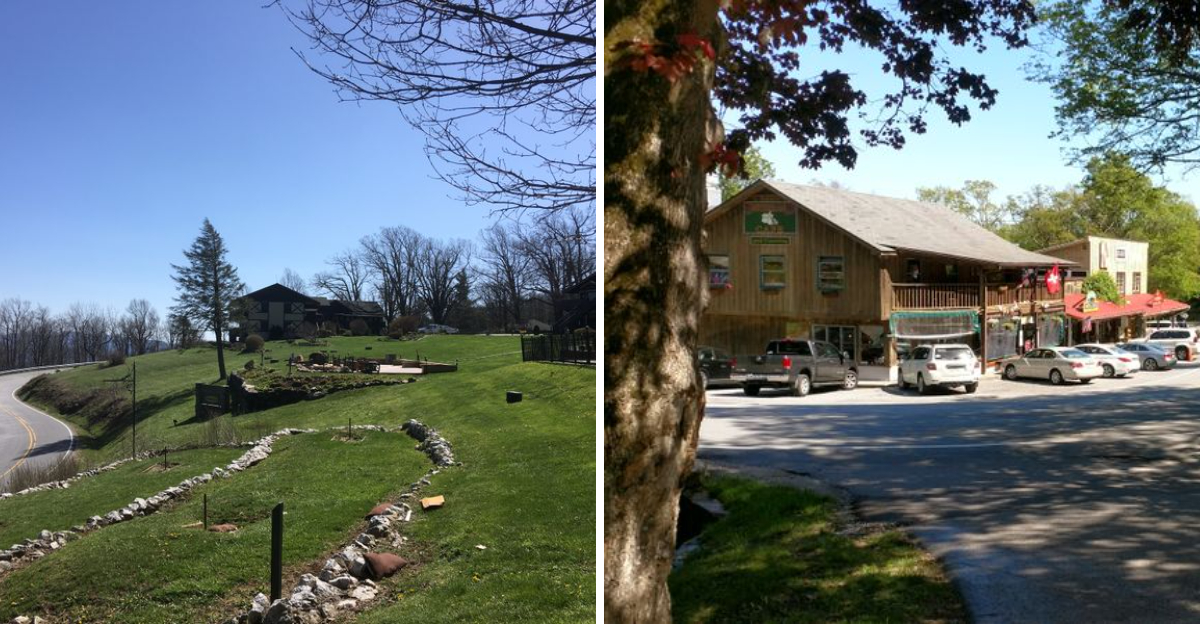
Little Switzerland sits quietly at 3,468 feet above sea level, tucked into the folds of the Blue Ridge Mountains where McDowell and Mitchell counties meet.
Most people zoom past it on their way to bigger destinations, never realizing what they’ve missed.
This unincorporated village along Highway 226A offers something increasingly rare: a mountain retreat that hasn’t been overrun, overdeveloped, or overhyped.
If you’re looking for a place that still feels like a secret worth keeping, Little Switzerland might just be the foothills village you didn’t know you needed.
A Village Most Travelers Only Pass Through
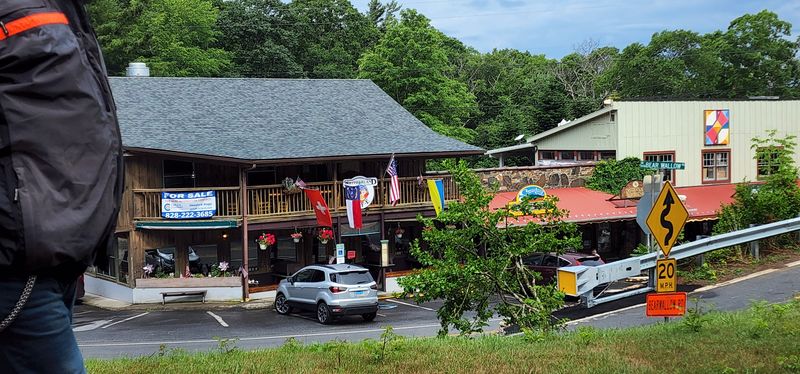
Highway 226A cuts through Little Switzerland like a thread through fabric, connecting travelers to larger mountain towns without much fanfare.
Most drivers barely glance at the handful of buildings clustered along the roadside.
They’re headed somewhere else—somewhere with more signs, more lodging options, more of everything.
But those who do pull over discover something unexpected.
This isn’t a place designed to grab your attention.
It earns it slowly, through quiet charm and genuine mountain character.
Located directly north of Marion and south of Spruce Pine, Little Switzerland occupies a geographic sweet spot that’s easy to overlook.
Its position along the Blue Ridge Parkway should make it famous.
Instead, it remains refreshingly anonymous, known mostly to those who seek it out deliberately rather than stumble upon it by accident.
Perched High Above The Foothills, Far From The Crowds
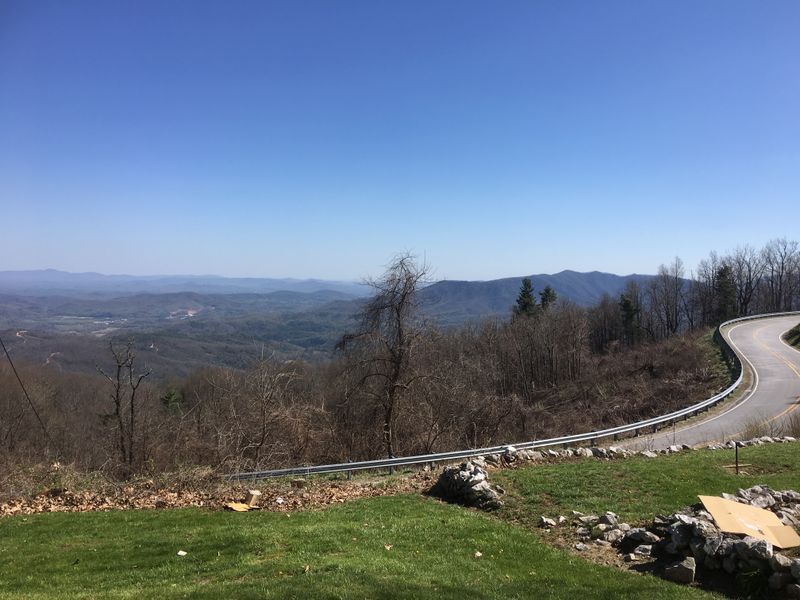
Elevation changes everything in the mountains, and Little Switzerland proves the point beautifully.
At 3,468 feet, the air feels cleaner, the temperatures drop a few merciful degrees, and the views stretch farther than you’d expect.
This isn’t summit territory, but it’s high enough to feel removed from the lowland heat and congestion.
Geography keeps the crowds at bay here.
There’s no interstate exit, no major ski resort, no outlet mall to draw the masses.
What remains is a village that exists primarily for those who live there and the occasional visitor who values solitude over spectacle.
Standing at the edge of town, you can see ridge after ridge rolling into the distance.
It’s the kind of vista that reminds you why people settled in these mountains to begin with.
Peace isn’t just a marketing slogan here—it’s the prevailing condition.
A Community That’s More Residential Than Touristy
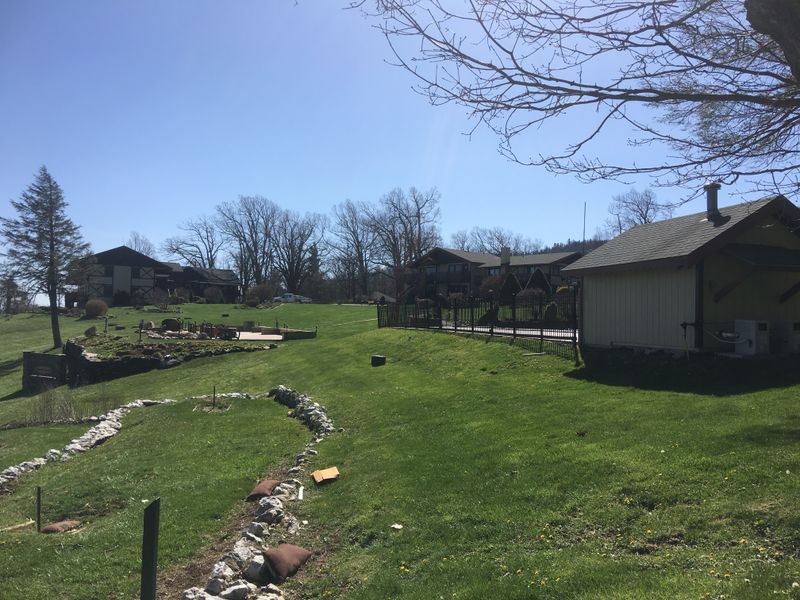
Walk through Little Switzerland and you’ll notice something immediately: it doesn’t feel staged.
There are no themed storefronts, no clusters of souvenir shops, no carefully curated downtown designed to separate tourists from their wallets.
Instead, you see homes, modest lodges, and a few practical businesses that serve locals first.
This isn’t a village that reinvented itself for the travel industry.
It’s a place where people actually live year-round, dealing with mountain winters and enjoying the cooler summers without much fanfare.
The residential character gives it authenticity that tourist towns often lose.
You won’t find gift shops on every corner or restaurants competing for your attention with neon signs.
What you will find are quiet streets, well-kept properties, and a sense that this community exists for itself, not for visitors.
That distinction makes all the difference when you’re seeking something genuine.
The Blue Ridge Parkway Brings Views—Not Crowds
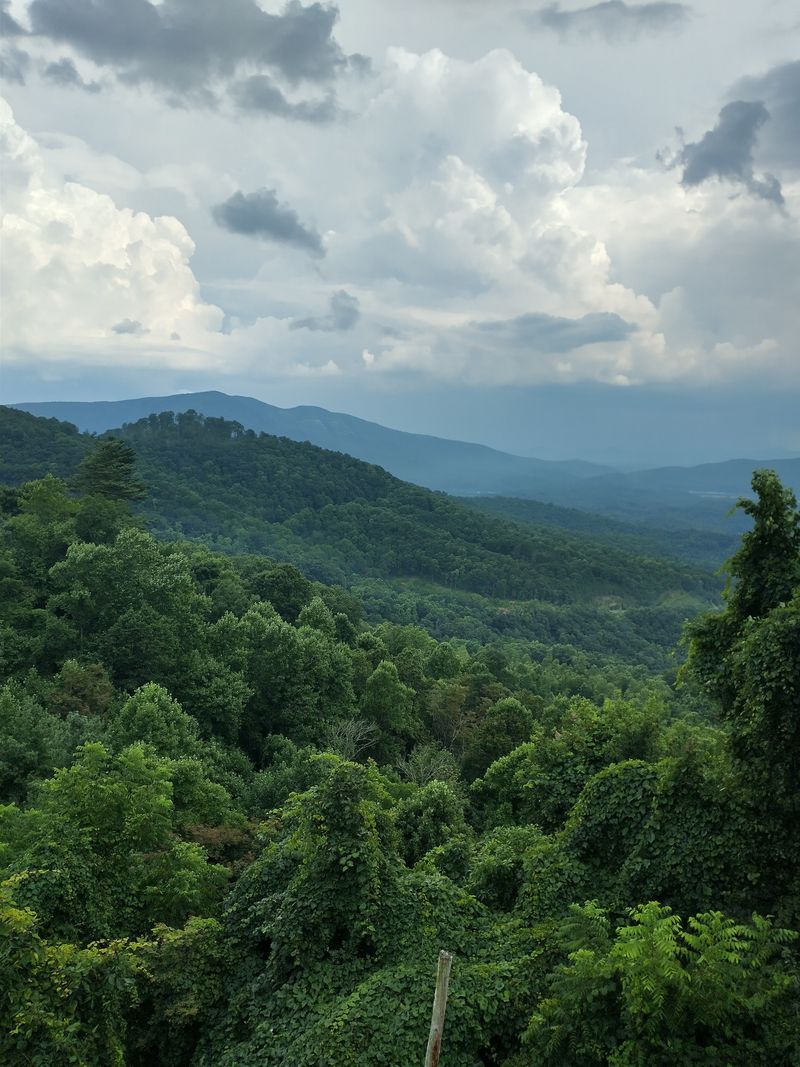
The Blue Ridge Parkway runs just outside Little Switzerland, offering some of the finest mountain scenery in the eastern United States.
Yet somehow, the village itself remains a quiet footnote rather than a major stop.
Travelers pull over at overlooks, snap photos, and drive on without ever exploring the community itself.
This proximity to the Parkway should theoretically flood Little Switzerland with visitors.
It doesn’t, largely because the village lacks the aggressive marketing and commercial infrastructure that other Parkway towns have developed.
There’s no visitor center plastered with brochures, no billboards promising adventure around every bend.
What remains is the best of both worlds: easy access to one of America’s most scenic drives without the accompanying tourist chaos.
You can enjoy the Parkway’s vistas, then retreat to a village that feels untouched by the very road that made it accessible.
Few places manage that balance so gracefully.
Small, Walkable, And Intentionally Low-Key
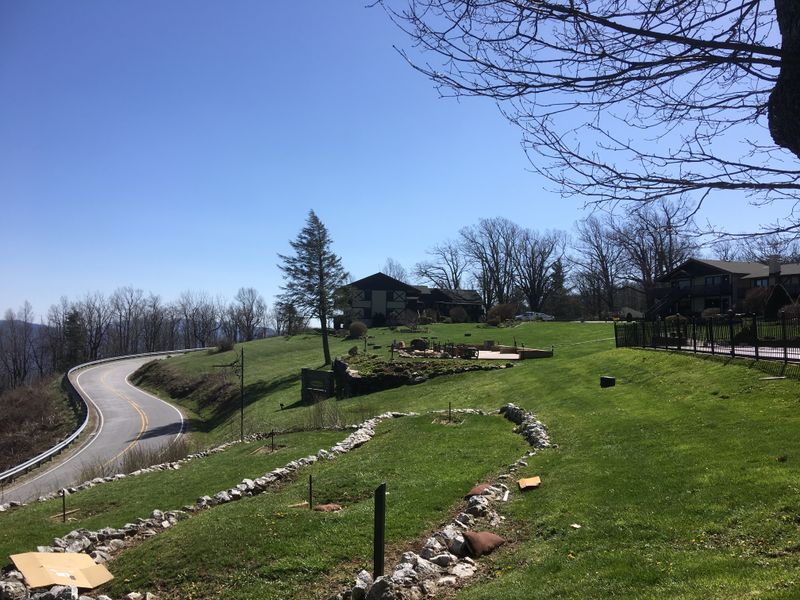
Size matters when you’re talking about mountain villages, and Little Switzerland keeps things deliberately manageable.
You can walk from one end to the other in less time than it takes to find parking in most tourist towns.
This isn’t a place that sprawls or tries to be more than it is.
Everything feels within reach here, both literally and figuratively.
The scale is human, the pace unhurried, and the ambition modest.
There’s no pressure to see everything or do everything because there simply isn’t that much to check off a list.
That restraint feels intentional rather than accidental.
Little Switzerland hasn’t expanded aggressively or courted big development.
It remains a village in the truest sense—small, walkable, and content to stay that way while other mountain towns chase growth and all the complications that come with it.
Surrounded By Forest, Not Development
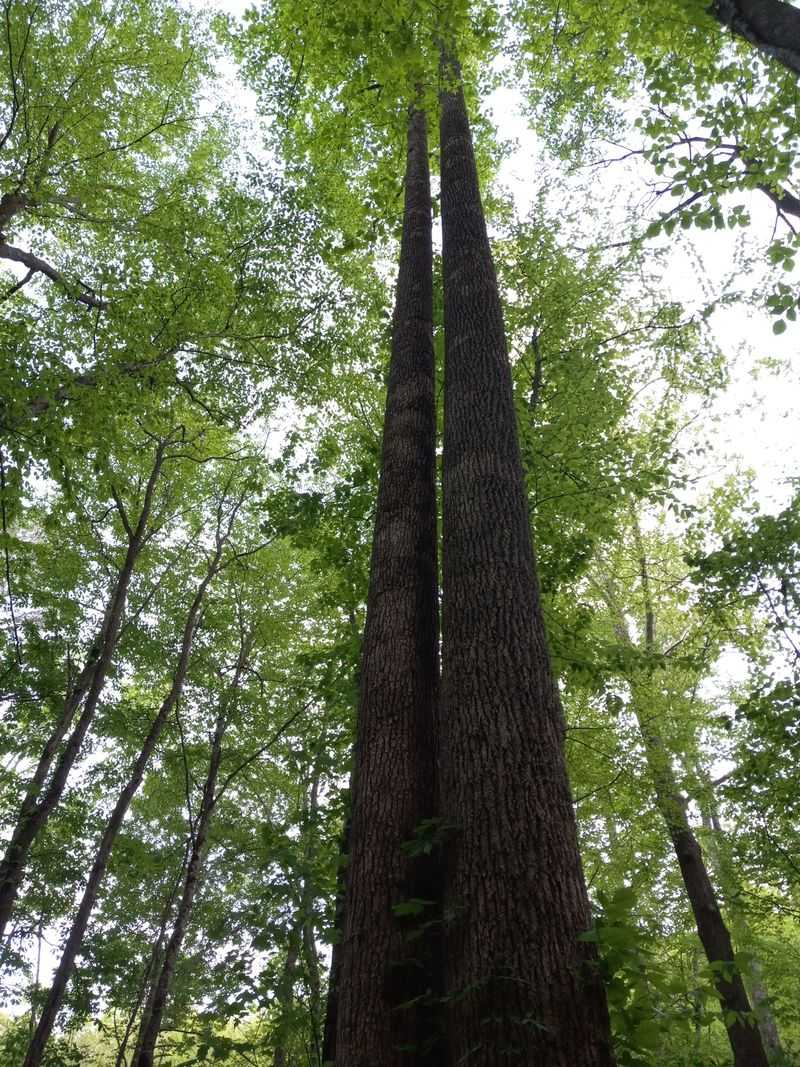
Step away from the main road in Little Switzerland and you’re immediately swallowed by forest.
There are no suburban neighborhoods creeping up the hillsides, no condo complexes carved into the ridges, no golf courses interrupting the tree line.
The wilderness here isn’t decorative—it’s dominant.
This lack of development isn’t just scenic good fortune.
It’s a reflection of the village’s remote location, limited infrastructure, and apparent lack of interest in becoming the next Asheville or Boone.
The forest presses close, a constant reminder that nature still holds the upper hand here.
When you look out from Little Switzerland, you see trees, not rooftops.
You hear birdsong, not traffic.
The village exists within the forest rather than replacing it, a distinction that becomes more precious as mountain development accelerates elsewhere in North Carolina’s high country.
A Slower Pace That Hasn’t Changed Much Over Time
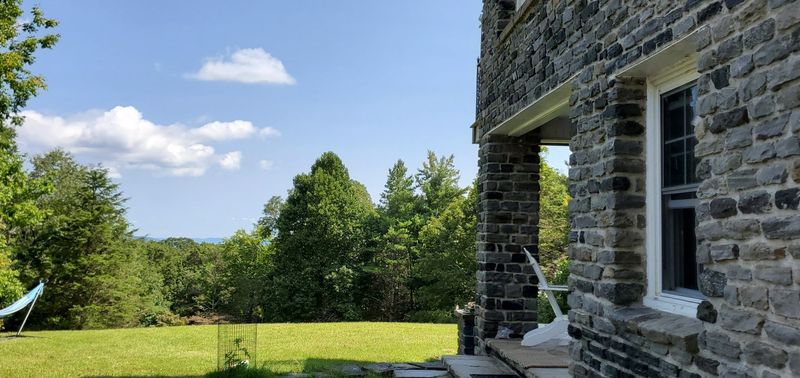
Time moves differently in Little Switzerland, or perhaps it simply moves less urgently.
There’s no rush here, no sense that the village is racing to keep up with trends or modernize beyond recognition.
What worked decades ago still works now, and nobody seems particularly interested in fixing what isn’t broken.
This continuity creates a rare comfort for visitors.
You’re not navigating constant change or trying to find places that have closed or relocated.
The village maintains its character year after year, season after season, without the dramatic reinventions that plague more commercially ambitious towns.
Some might call this stagnation.
Others recognize it as preservation—not of buildings or landscapes alone, but of a pace and quality of life that’s increasingly difficult to find.
Little Switzerland hasn’t changed much because it doesn’t need to, and that stability is part of its appeal.
A Place That Feels Discovered Only By Those Who Stay
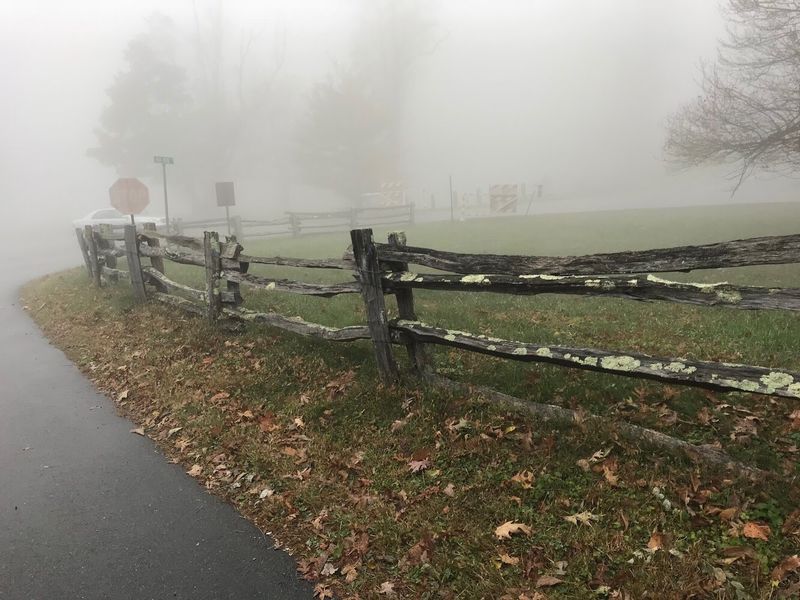
Passing through Little Switzerland reveals almost nothing about the place.
You have to stay—at least overnight, preferably longer—to understand what makes it special.
The village doesn’t broadcast its charms from the roadside.
Guests who spend time here begin to notice things that drivers miss entirely.
The way morning fog settles into the valleys below.
The particular quality of silence after dark.
The friendly nods from locals who recognize a face they’ve seen twice.
This isn’t a destination that rewards quick visits or checklist tourism.
It asks for patience and presence, offering its best qualities only to those willing to slow down and pay attention.
In that sense, Little Switzerland remains perpetually undiscovered by the majority who never pause long enough to actually see it.
Quiet Even During Peak Travel Seasons
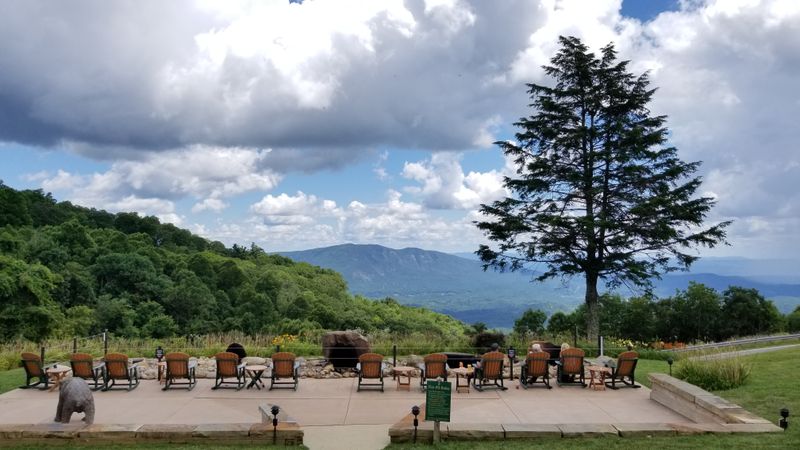
October brings leaf-peepers to the Blue Ridge in droves, clogging popular overlooks and filling every hotel room within fifty miles of Asheville.
Yet Little Switzerland remains surprisingly calm even when the Parkway traffic picks up.
The village simply doesn’t have the capacity—or the desire—to accommodate mass tourism.
Summer weekends see families heading to bigger mountain destinations with water parks and attractions.
Winter brings skiers to resorts farther north.
Little Switzerland sits quietly between these seasonal rushes, attracting only those who specifically seek peace over entertainment.
This year-round tranquility is increasingly rare in mountain communities.
Most have at least one busy season when crowds overwhelm the local character.
Little Switzerland has managed to avoid that fate, remaining a refuge even when surrounding areas buckle under tourist pressure.
Views That Rival Famous Mountain Towns—Without The Noise
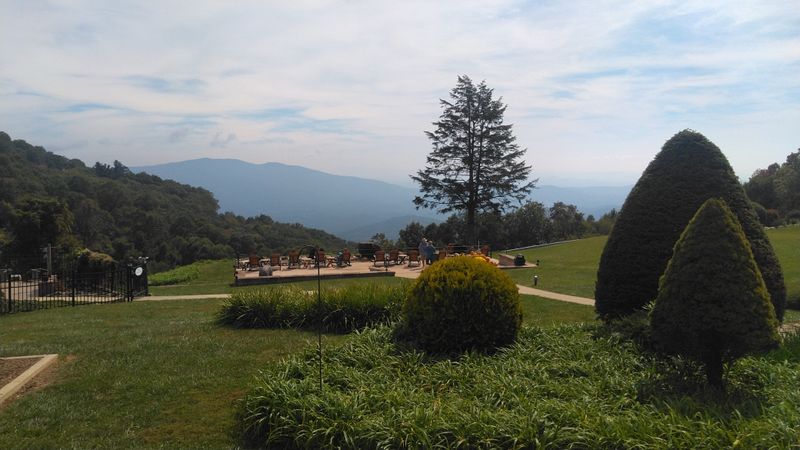
Stand at the right spot in Little Switzerland and you’ll see views that match anything Asheville or Blowing Rock can offer.
The difference isn’t the scenery—it’s the absence of tour buses, crowded viewing platforms, and the constant hum of commercial activity.
Here, the mountains speak without competition.
Famous mountain towns trade heavily on their vistas, building entire economies around scenic overlooks and photo opportunities.
Little Switzerland has the views but not the infrastructure or marketing machine to monetize them aggressively.
The result is scenery you can enjoy without fighting for elbow room.
These mountains don’t need narration or interpretation.
They simply exist, ridge after ridge, exactly as they’ve existed for millennia.
Experiencing them from a quiet village rather than a crowded tourist platform changes everything about how you perceive and appreciate them.
More About Atmosphere Than Attractions
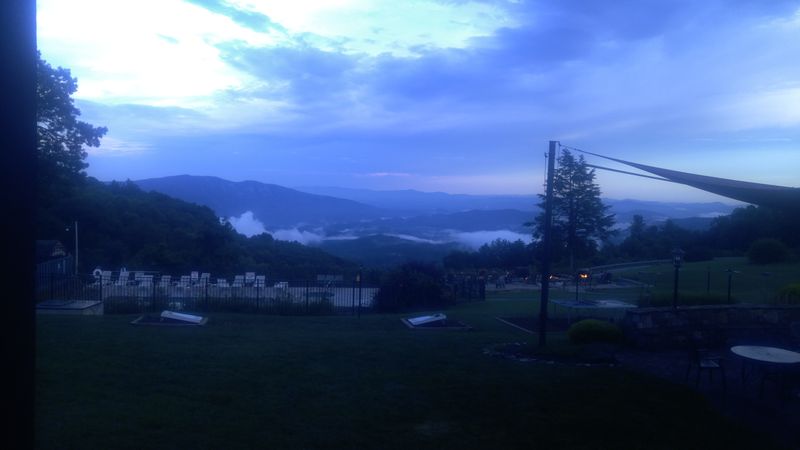
Little Switzerland offers no major attractions in the conventional sense.
There’s no amusement park, no famous restaurant, no museum drawing visitors from across the region.
What it offers instead is something harder to quantify but easier to feel—a particular mountain atmosphere that’s become increasingly scarce.
Atmosphere doesn’t photograph well or fit neatly into travel brochures.
It’s the sum of small details: clean air, genuine quiet, unhurried conversations, and the sense that nobody’s trying to sell you anything.
These qualities accumulate into an experience that can’t be replicated by adding more amenities or attractions.
Visitors expecting entertainment will likely leave disappointed.
Those seeking respite from constant stimulation will find exactly what they need.
Little Switzerland succeeds precisely because it prioritizes atmosphere over attractions, offering something that can’t be manufactured or marketed into existence.
Why It Still Feels Like A Hidden Foothills Village
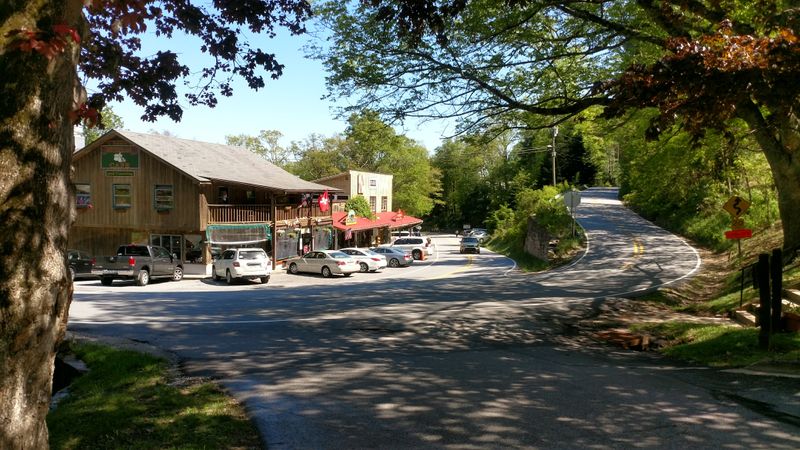
Geography explains part of Little Switzerland’s continued obscurity.
The village sits just far enough off the main tourist circuits to avoid casual discovery.
But location alone doesn’t keep a place hidden—plenty of remote towns have been found and transformed by tourism.
What truly preserves Little Switzerland’s hidden quality is its apparent lack of interest in being found.
There’s no aggressive tourism board, no rebranding campaign, no effort to compete with flashier mountain destinations.
The village seems content with its current state, accepting visitors without courting them.
This restraint creates a self-fulfilling cycle.
Without extensive promotion, only those who actively seek quiet mountain villages discover Little Switzerland.
Those visitors tend to respect and preserve the very qualities that attracted them, helping the village maintain its hidden character despite existing in plain sight along North Carolina Highway 226A.