
This Secluded Oregon Lodge Has Wild Caught Salmon That Visitors Say Is Worth The Journey Alone
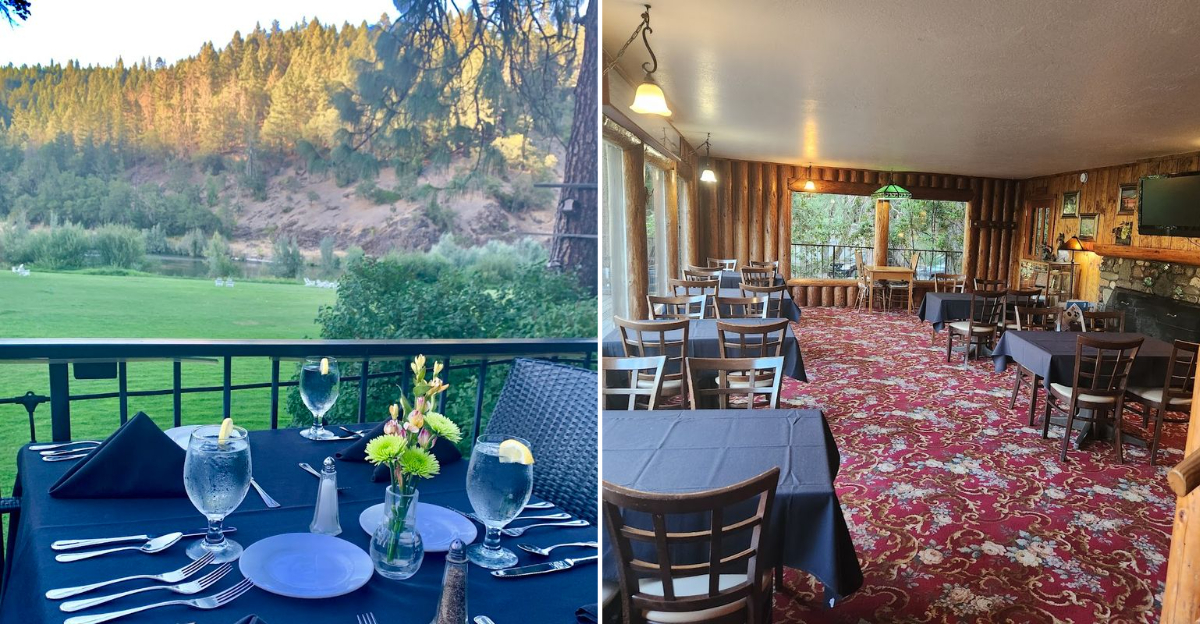
Somewhere along the Oregon coast, a lodge is serving wild-caught salmon so fresh that it has regulars booking return trips immediately. The drive out there is long, the roads get narrow, and not a single person has ever called it a mistake.
The lodge itself feels lifted from a different era entirely. Exposed timber, crackling fireplaces, river views, and a kitchen that treats local ingredients like the main event rather than an afterthought.
Chefs source directly from local fishermen, which means what lands on your plate was still swimming that same morning. Oregon has no shortage of scenic dining experiences, but most of them rely heavily on atmosphere alone.
This lodge backs every bit of that atmosphere with food that genuinely earns the conversation. Visitors consistently single out the salmon as the kind of dish that redefines what fresh actually means.
That reputation alone keeps the tables full season after season.
Sourcing The Freshest Wild Salmon From Oregon Waters
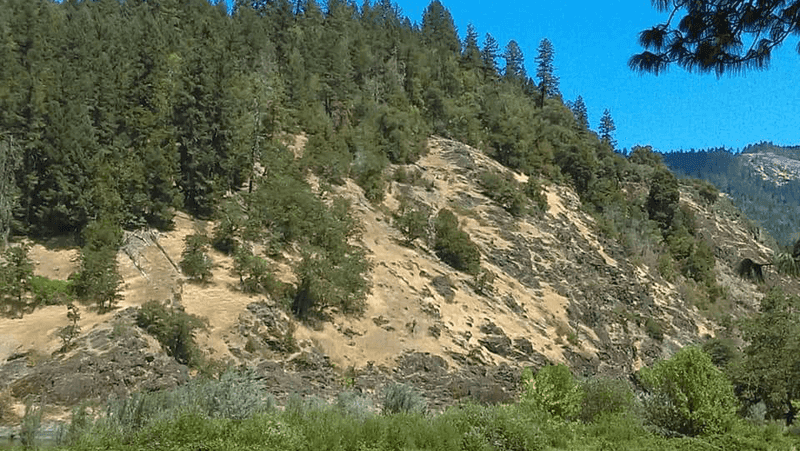
The Rogue River does not mess around when it comes to salmon. Morrisons Rogue Wilderness Lodge sits right on its banks, which means the fish does not travel far before it reaches the kitchen.
That proximity changes everything about freshness.
The Rogue River is globally recognized for fall Chinook, coho, and springer salmon runs. Anglers have been chasing wild steelhead and Chinook here for over 70 years.
The lodge has been part of that fishing culture since it opened in 1945 and 1946 as a dedicated fishing resort.
Wild salmon sourced directly from Oregon waters carries a flavor that farmed fish simply cannot match. The fish feed naturally, swim hard against strong currents, and develop rich, firm flesh as a result.
That muscle and diet show up clearly on the plate.
Guides at the lodge know exactly where the best runs appear each season. They read the river the way experienced locals do, understanding water temperature, flow levels, and migration patterns.
That local knowledge is how the freshest fish ends up at your table.
When a lodge has operated on a legendary salmon river for nearly eight decades, sourcing becomes less of a challenge and more of a daily routine. Fresh, wild, and local is not a marketing phrase here.
It is just how things work at Morrisons. Visit this spot at 8500 Galice Rd, Merlin, OR 97532.
Seasonal Techniques For Preparing Wild Salmon Dishes
Wild salmon is not a year-round constant at Morrisons Rogue Wilderness Lodge. Each season brings a different species, a different fat content, and a different flavor profile.
The kitchen adjusts its approach to match what the river delivers.
Spring Chinook, often called springers, are prized for their high fat content and buttery texture. Fall Chinook run larger and carry a deeper, bolder flavor.
Coho salmon, which appear in autumn, offer a milder taste that responds well to lighter preparations and citrus-forward seasoning.
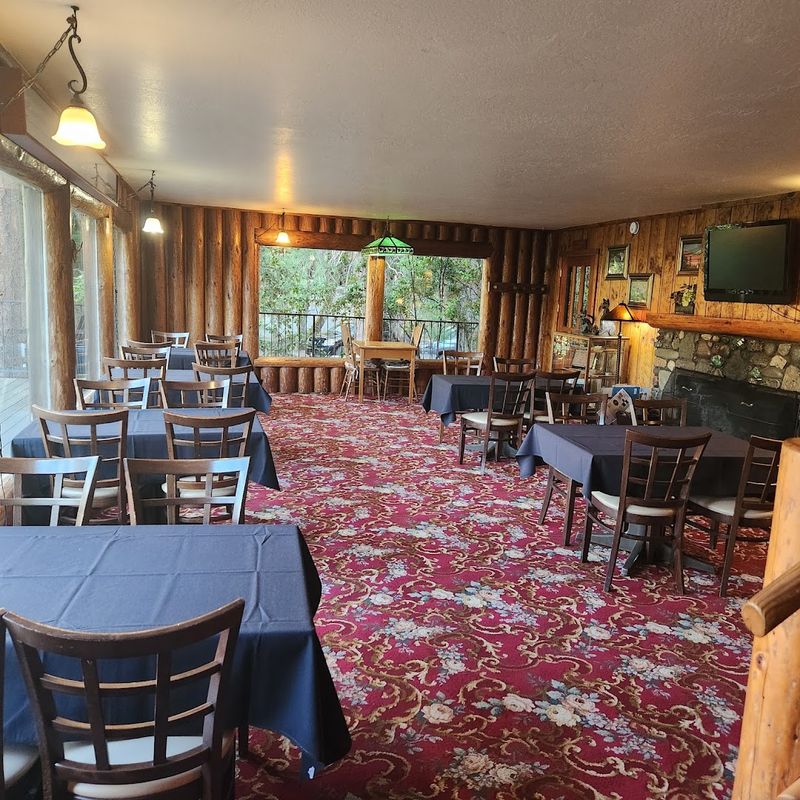
The lodge dining room operates with a rotating seasonal menu. Entree choices are sometimes selected in advance, which allows the kitchen to prepare each dish with focused attention.
That planning is not bureaucratic. It is how fine dining in a remote riverside lodge actually works well.
Preparation techniques shift with each fish. Springers often shine with simple preparations that let the natural fat do the work.
Fall fish hold up better against bold spice rubs, hardwood smoke, or slow roasting methods that concentrate their flavor. The chef reads the fish before deciding how to cook it.
Riverside dining at Morrisons adds another layer to the experience. Eating wild salmon above the Rogue River, surrounded by canyon walls, makes the meal feel deeply connected to the landscape.
Pairing Sides And Flavors To Enhance Wild Salmon Meals
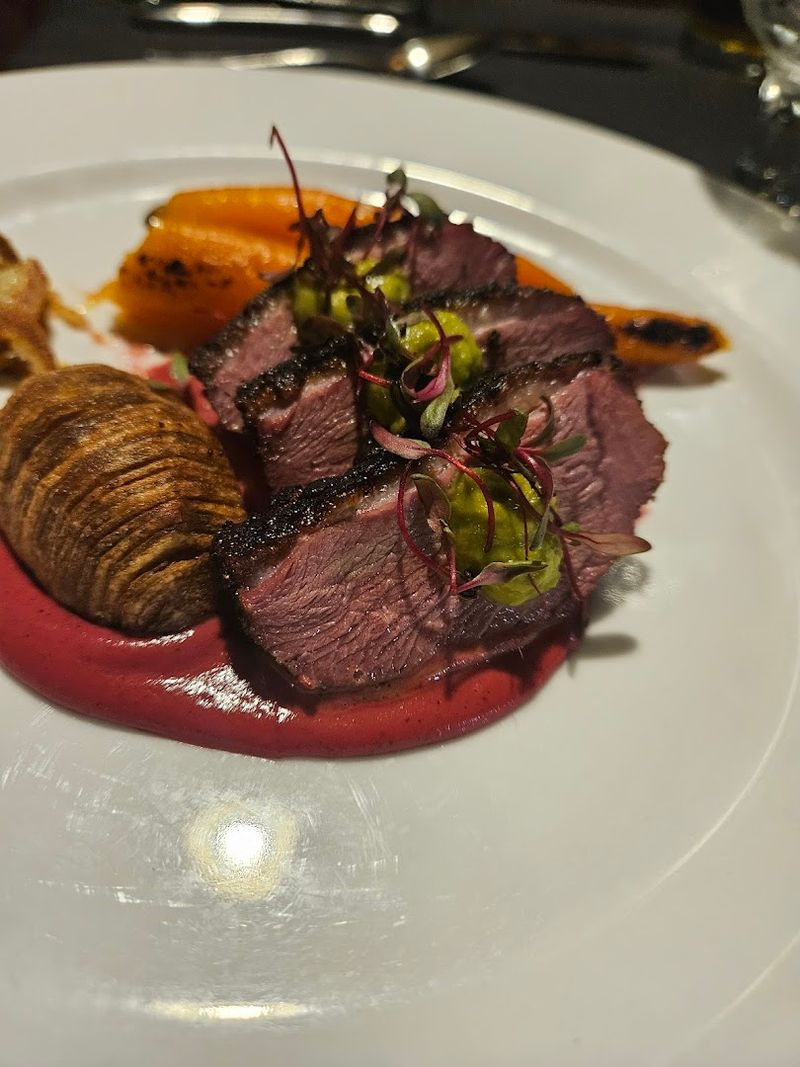
Wild salmon has a strong personality on the plate. Pairing it well means choosing sides that complement rather than compete.
At Morrisons Rogue Wilderness Lodge, the four-course dinner structure gives the kitchen room to build a full flavor arc around the fish.
Bright, acidic sides work especially well with fatty salmon cuts. Think roasted tomatoes, lemon-dressed greens, or pickled vegetables that cut through the richness.
The kitchen at Morrisons draws on local, regional ingredients to build those contrasting flavors into each plate.
Root vegetables bring earthiness to the meal. Roasted beets, parsnips, or sweet potatoes ground the richness of wild salmon without overwhelming it.
Those earthy notes create a balance that makes the fish taste even more vibrant by comparison.
Herb-based sauces are another classic pairing. Fresh dill, tarragon, and chervil have long histories alongside salmon in Pacific Northwest cooking.
A well-made herb sauce adds brightness and aroma without masking the natural flavor of wild-caught fish from Oregon waters.
Bread service at a lodge dinner is often underestimated. Morrisons has been noted for orange rolls that add a warm, slightly sweet element to the beginning of the meal.
That small touch sets a tone of care and creativity that carries through every subsequent course. Good pairing is about the whole meal, not just the main event.
Sustainability Practices In Salmon Fishing
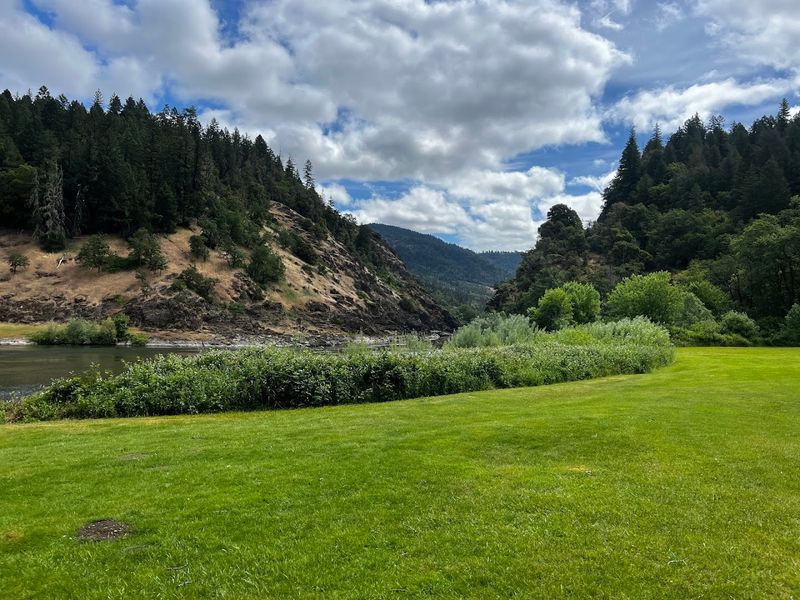
Oregon takes salmon conservation seriously, and the Rogue River is a prime example of that commitment. Morrisons Rogue Wilderness Lodge has long supported sustainable fishing practices as part of its identity as a river resort.
Multi-day fishing trips at the lodge often follow a catch-and-release policy for wild fish. Guides help guests identify wild fish versus hatchery fish by checking for a clipped adipose fin.
Hatchery fish may be kept, while wild fish go back into the river to continue their run and spawn.
That distinction matters enormously for wild salmon populations. Chinook and coho runs on the Rogue River have faced pressure from habitat changes and historical overfishing.
Catch-and-release practices for wild fish help protect the genetic diversity and long-term health of those runs.
The lodge also benefits from the Rogue River’s dam-release water management system. Flow levels stay relatively consistent throughout summer, which supports fish migration and reduces stress on salmon populations during critical movement periods.
Stable water conditions are better for fish and better for anglers.
Being the only Orvis-endorsed fly fishing lodge in Oregon comes with responsibility. Orvis endorsement requires lodges to meet standards for conservation, guide quality, and ethical fishing practices.
Morrisons has maintained that status, which reflects a long-standing commitment to keeping the Rogue River healthy for future generations of fish and fishermen alike.
Why You Should Consume Wild-Caught Salmon
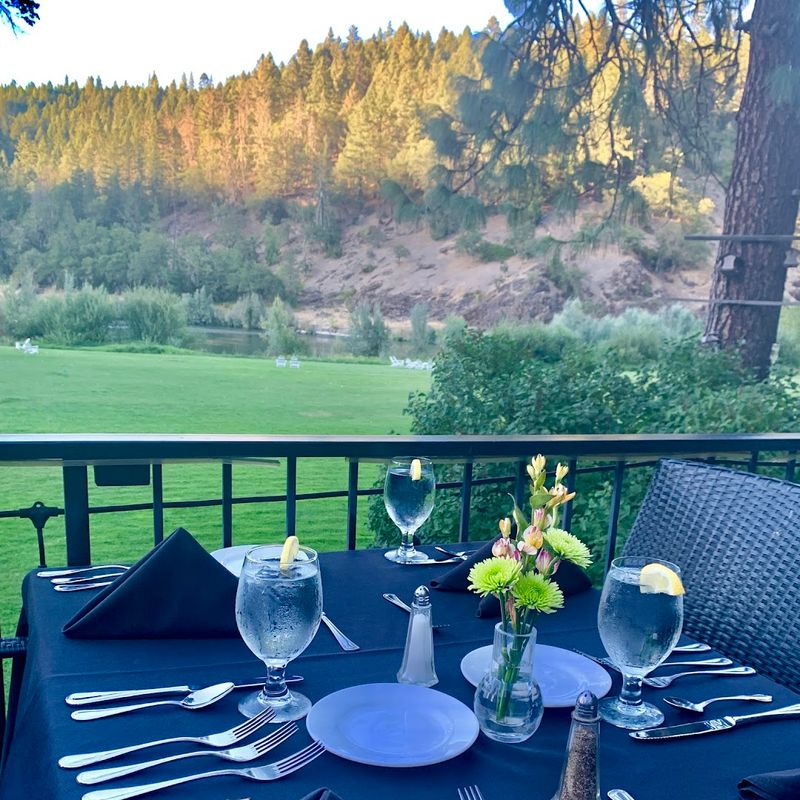
Wild-caught salmon and farmed salmon are not the same food. The difference shows up in color, texture, flavor, and nutritional content.
Wild salmon from Oregon rivers like the Rogue earns its reputation through biology, not marketing.
Wild Chinook salmon contains some of the highest omega-3 fatty acid levels of any fish. Those healthy fats support heart health, brain function, and inflammation reduction.
The fish accumulate those nutrients naturally by feeding on smaller fish and crustaceans throughout their ocean life cycle.
The color of wild salmon tells part of the story. That deep orange-red hue comes from astaxanthin, a powerful antioxidant found naturally in the krill and shrimp that wild salmon eat.
Farmed salmon often receive synthetic astaxanthin in their feed to mimic that color. Wild fish earn it the hard way.
Protein content in wild salmon is also notably high. A single serving delivers substantial protein with less total fat than farmed varieties.
For people focused on lean, nutrient-dense eating, wild-caught fish from a river like the Rogue represents an excellent choice.
Beyond nutrition, there is something satisfying about knowing exactly where your food comes from. At Morrisons Rogue Wilderness Lodge, the salmon on your plate likely came from the same river you can see from your dining table.
That kind of traceability is rare. It makes the meal feel honest in a way that few dining experiences can claim.
Unique Cooking Styles Featured In Lodges
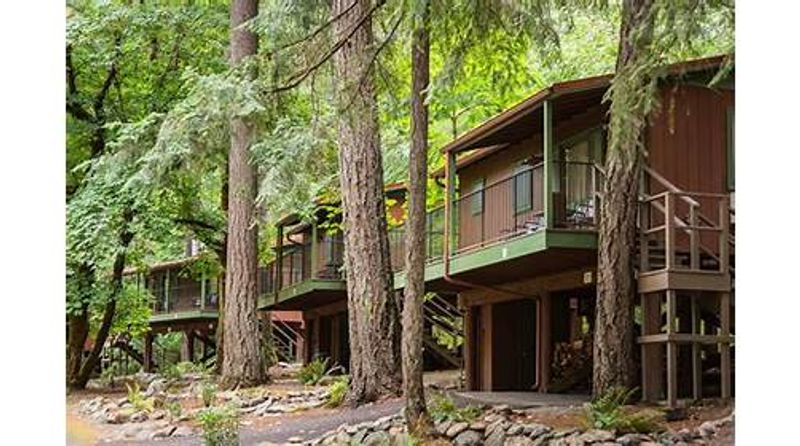
Oregon lodge cooking has its own identity. It borrows from Pacific Northwest traditions, Native American food culture, and the practical creativity that comes from cooking in remote, river-canyon locations.
Morrisons Rogue Wilderness Lodge reflects all three of those influences in its kitchen approach.
Grilling over open flame is a defining technique in this region. Guides on multi-day fishing trips have been known to grill freshly caught, legal fish streamside for meals.
That direct, fire-forward method strips away complexity and lets the fish speak for itself. Nothing fancy, just honest heat and fresh fish.
The lodge restaurant takes a more refined approach indoors. Chef-driven dinners feature multiple courses built around local ingredients and regional flavor profiles.
The cooking style has been described as international with Pacific Northwest roots, which means familiar techniques applied to ingredients that are distinctly Oregonian.
Wood smoke is a recurring theme in Oregon salmon preparation. Whether through a traditional smokehouse method or a live-fire grill, smoke adds depth and a slightly earthy quality that complements the richness of wild Chinook or coho.
It is a cooking style that has been practiced in this region for centuries.
What makes lodge cooking distinct from restaurant cooking is context. Eating a fire-grilled salmon beside the Rogue River after a day of rafting or fishing changes the way you experience flavor.
The surroundings become part of the recipe, and that is something no urban kitchen can reproduce.
Tips For Choosing The Perfect Salmon Cut For Cooking
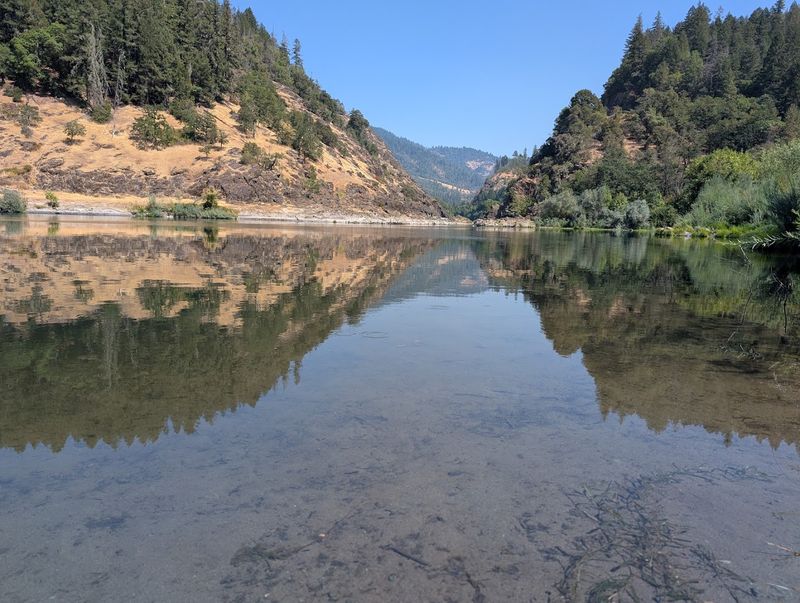
Choosing the right cut of salmon changes the entire cooking experience. Not every cut reacts the same to heat, and understanding the differences helps you get the best result whether cooking at home or dining at Morrisons Rogue Wilderness Lodge.
The belly cut is the fattiest part of the fish. It has rich marbling and a silky texture that melts under gentle heat.
Belly cuts are best suited to low-temperature methods like slow roasting or curing. High heat can cause the fat to render too quickly and leave the flesh dry.
Center-cut fillets are the most versatile portion. They have an even thickness that cooks consistently, making them ideal for pan searing, grilling, or baking.
If you are new to cooking wild salmon, the center cut is your most forgiving starting point. It looks great on the plate too.
Tail sections are thinner and cook faster than other cuts. They work well for quick, high-heat methods like a cast iron sear.
The skin on tail cuts crisps up beautifully, which adds texture contrast to the tender flesh underneath. Watch your timing closely because thin cuts go from perfect to overdone in under a minute.
Salmon steaks, cut crosswise through the whole fish, include bone and skin on all sides. They hold their shape well on the grill and are excellent for whole-fire cooking.
At a riverside lodge, a thick salmon steak over open flame is a meal worth planning your entire trip around.
Cultural Influences On Salmon Recipes In Regions
Salmon is not just food in Oregon. It is history, ceremony, and identity wrapped in one remarkable fish.
The cultural relationship between Pacific Northwest communities and salmon stretches back thousands of years before any lodge or restaurant existed on the Rogue River.
Native American tribes of the Pacific Northwest, including the Takelma and Shasta people, developed salmon preparation methods still influential today.
Cedar plank cooking, which infuses the fish with woody, aromatic flavor, originated with Indigenous communities along Pacific salmon rivers. That technique is now a staple of Pacific Northwest cuisine.
Asian culinary traditions have also shaped Oregon salmon recipes significantly. Japanese influences show up in miso glazes, soy marinades, and raw salmon dishes, reflecting Oregon’s ties to Japanese fishing communities along the Pacific Coast.
Those flavor profiles are now deeply embedded in regional cooking.
European settlers brought smoking and salt-curing traditions to Oregon’s salmon culture. Scandinavian-style cured salmon, similar to gravlax, found a natural home in a region where wild fish were abundant and preservation was essential.
Those curing methods evolved into the cold-smoked and hot-smoked salmon products Oregon is famous for producing today.
At Morrisons Rogue Wilderness Lodge, the dining menu reflects this layered cultural history. Local ingredients meet international technique in a setting that sits directly on one of America’s most historically significant salmon rivers.
Every plate carries a little bit of that long story with it.