
This Secluded Waterfall Might Be The Most Stunning Spot In Tennessee
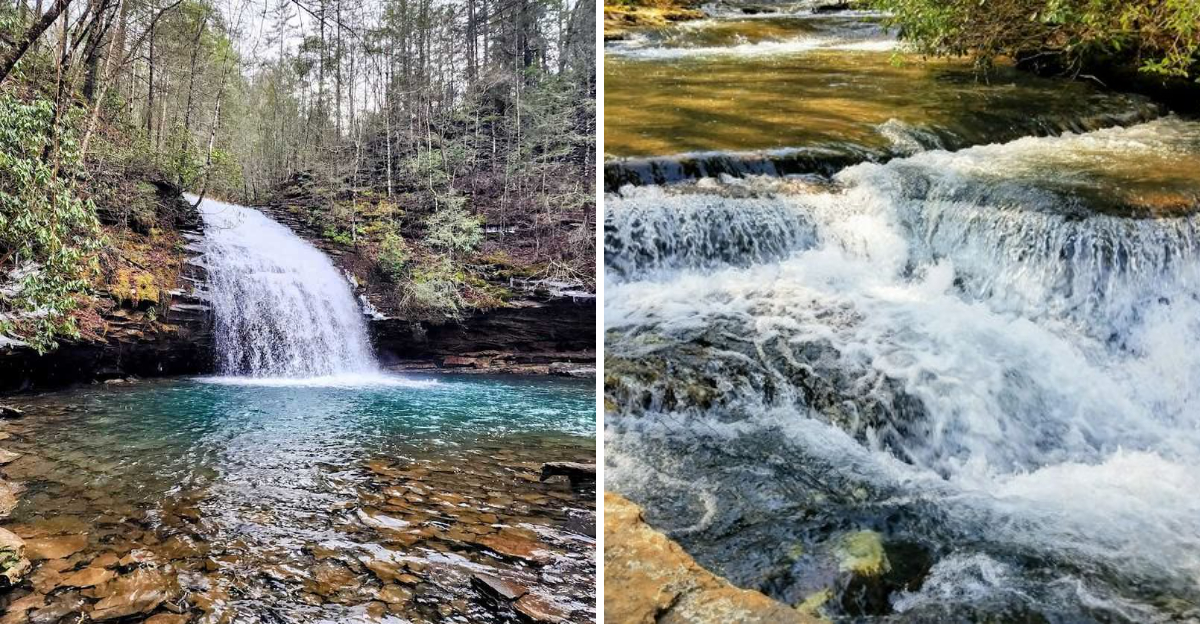
Some places make you lower your voice without even realising it. The sound of rushing water does that.
Tennessee has a waterfall that feels quiet, wild, and wonderfully removed from the usual busy stops. Reaching it takes a short walk through the woods, but the reward feels much bigger than the effort.
Trees crowd the trail, the air cools near the creek, and then the water appears, spilling over rock in a way that makes everything else seem far away.
It is not loud with crowds or packed with distractions. That is part of the appeal.
This is the kind of Tennessee spot that feels made for slow mornings, muddy shoes, and photos you will keep looking at later. Peaceful, dramatic, and surprisingly easy to love, it might just be one of the state’s most stunning natural escapes.
The Waterfall Itself: A Fan-Shaped Marvel Worth Every Step
There are waterfalls, and then there are waterfalls that stop you mid-step and make you forget you were tired from the hike. This one belongs firmly in the second category.
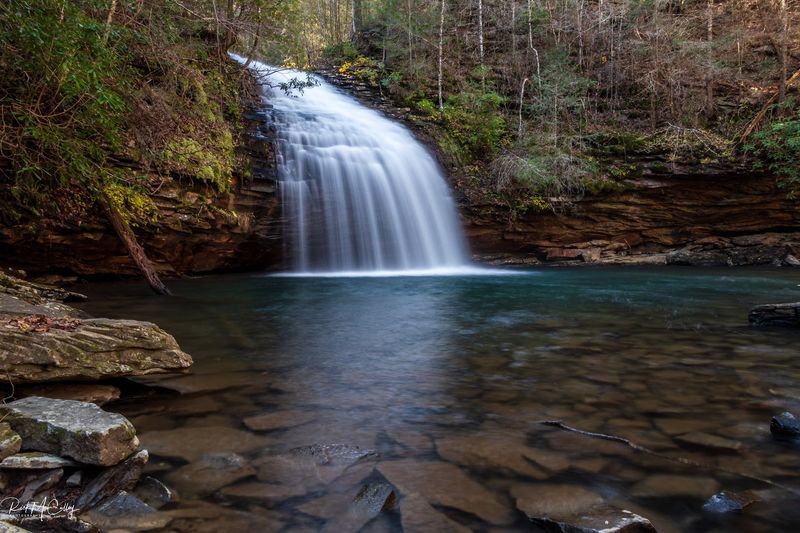
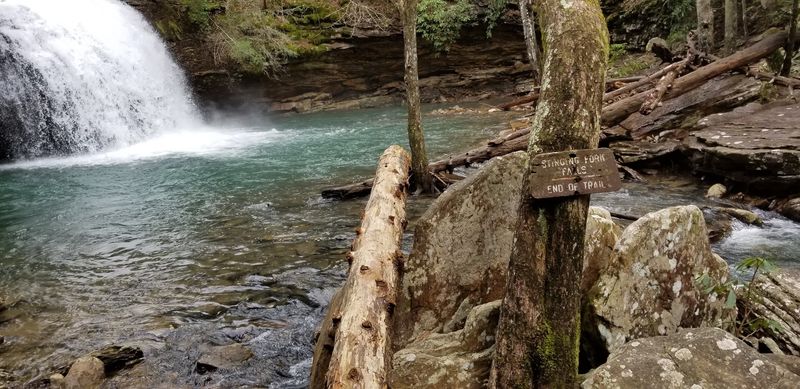
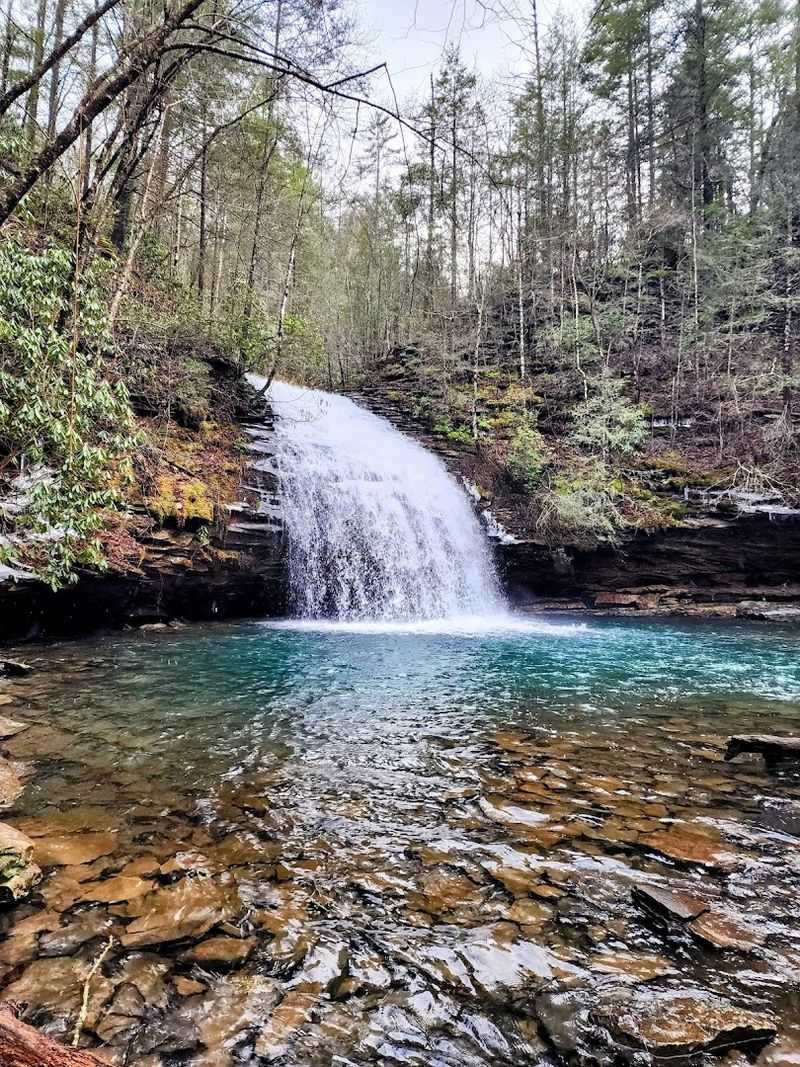
Standing at 30 feet tall, the water spreads across a broad, fan-shaped rock formation before tumbling into a pool below that appears almost impossibly clear.
The color of that pool shifts depending on the season and light.
On sunny days, it carries a translucent green or turquoise quality that photographers spend hours trying to capture accurately.
The surrounding gorge walls amplify the sound of the falling water, creating an acoustic atmosphere that feels almost theatrical.
Winter and spring deliver the most dramatic flow, when rainfall keeps the creek full and the fan shape becomes a proper curtain of rushing water. Summer visits can bring a gentler trickle, but the pool remains swimmable and the scenery loses none of its character.
The falls sit within Stinging Fork gorge in Rhea County, Tennessee, and the address is officially listed under Tennessee 37381. Visitors consistently rate the experience 4.7 out of 5 stars, which, given how understated this place is, speaks volumes.
Navigation Tips That Could Save Your Trip
Here is something several visitors have learned the hard way: following GPS navigation directly to Stinging Fork Falls will likely take you past the actual trailhead entrance.
Some navigation apps attempt to route drivers down a private logging road, which is not the correct path and can lead to genuine confusion.
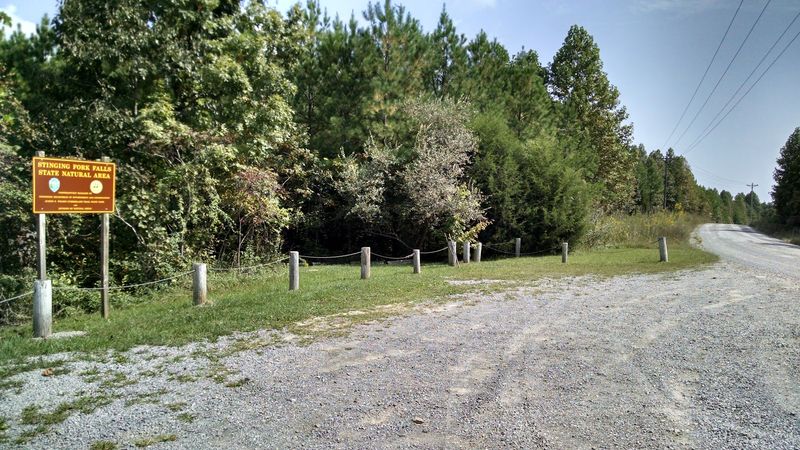
The correct approach is to look for the state natural area sign along Shut-In Gap Road, approximately five miles off Highway 68, west of Spring City in Rhea County. When you spot that sign, park there.
The trail begins just ahead, and you will not need to go further by vehicle. Arriving around midday on weekdays tends to offer the quietest experience.
One reviewer who arrived on a Sunday around 2 p.m. found only one other couple at the falls, which gives a sense of how uncrowded this spot remains.
The parking area is modest but functional, and there are no bathrooms or trash receptacles on site. That last detail matters: pack out everything you bring in.
The natural area operates on a sunrise-to-sunset schedule, so plan your arrival with enough daylight to complete the round trip comfortably.
Trail Difficulty
Moderately difficult is the official rating for the trail to Stinging Fork Falls, but that label deserves some unpacking. The first stretch of the hike is deceptively easy.
For roughly the initial half mile, the path descends gradually through forest with manageable terrain. That portion lulls some hikers into a false sense of confidence.
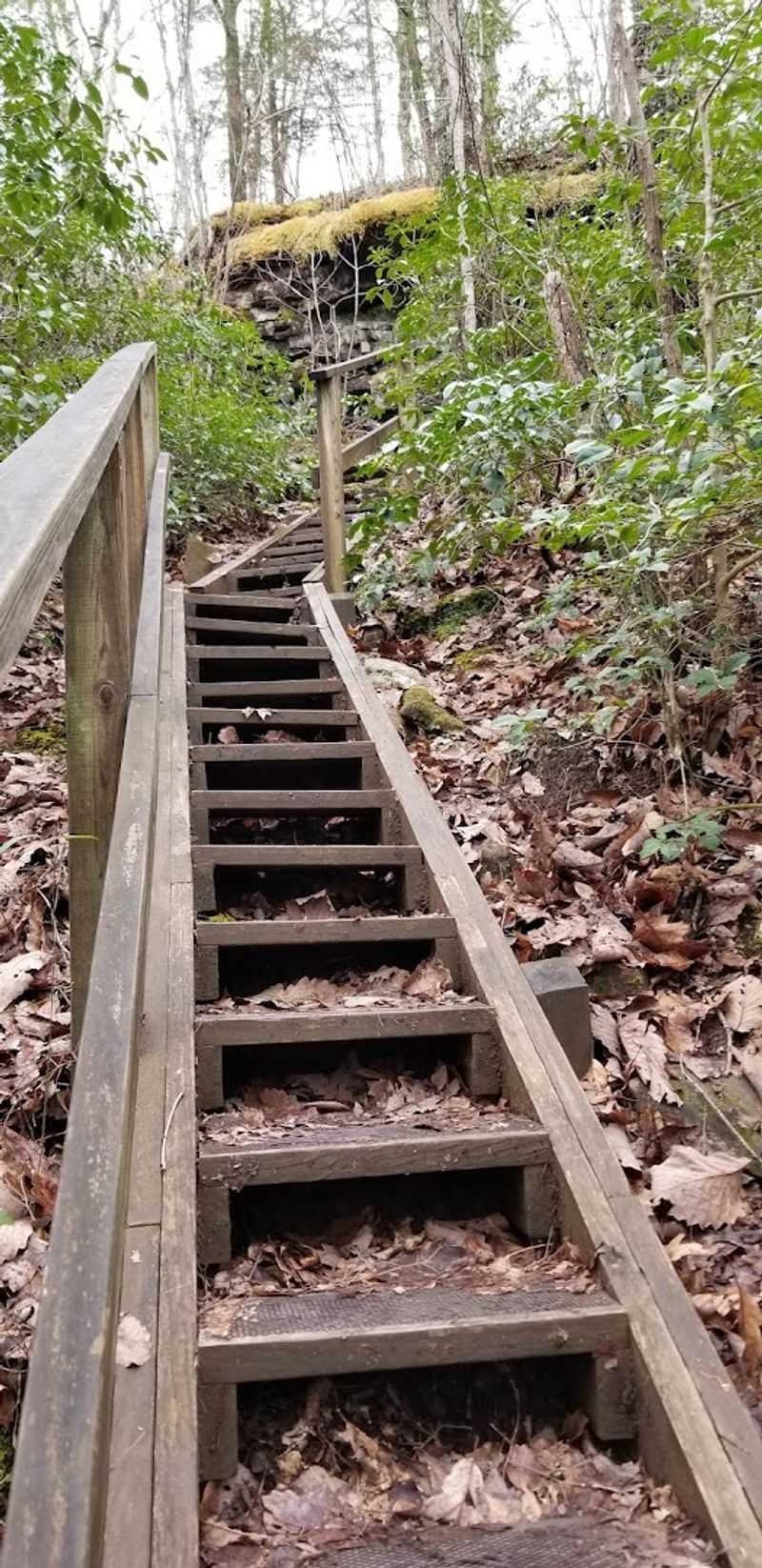
The second half changes the conversation entirely. Steep, rocky sections with wooden staircases mark the descent into the gorge.
Some steps have exposed rebar, so watching your footing carefully is not optional.
The rocks can be slick when wet, and certain trail sections narrow considerably, requiring focused movement rather than casual strolling.
The real challenge, as many reviewers note, is the return trip. Going down into the gorge feels manageable.
Coming back up, with tired legs and possibly wet shoes, is where the elevation gain makes itself known. One visitor described stopping multiple times to catch their breath despite being fairly active.
If you have significant knee problems or ankle instability, this trail demands honest self-assessment before you commit.
Children who are reasonably fit can complete it, as one family brought along a six and eight-year-old successfully, but proper footwear is absolutely essential for everyone.
Swimming In The Pool
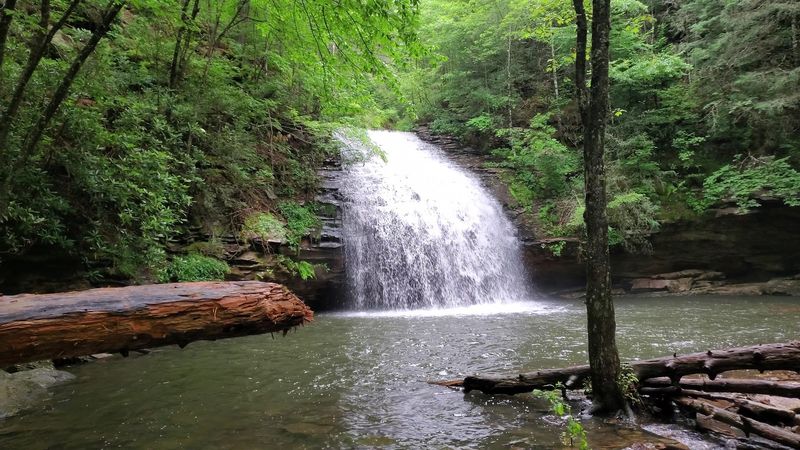
Swimming at the base of Stinging Fork Falls is one of those experiences that earns its own separate conversation.
The pool below the falls is described consistently across visitor accounts as crystal clear, with a color that veers between turquoise and green depending on the sky overhead.
It is genuinely beautiful water.
Cold is the word that appears most frequently in swimming accounts. One visitor called it ice cold but still spent time in it and described the experience as memorable.
Another noted it felt more manageable than colder swimming holes they had encountered elsewhere in the region. Water shoes are a smart addition to your pack, since the rocky bottom requires careful footing when wading in.
Fishing is also permitted within the natural area, making the pool attractive to anglers as well as swimmers. The activity feels fitting in a place this removed from ordinary trail crowds.
Swimming is best enjoyed from late spring through early fall, when air temperatures make the cold water feel refreshing rather than punishing.
After a warm hike down through the gorge, stepping into that pool carries a particular kind of satisfaction that no photograph fully communicates.
Bring a towel, and consider a dry bag for valuables.
Best Time To Visit
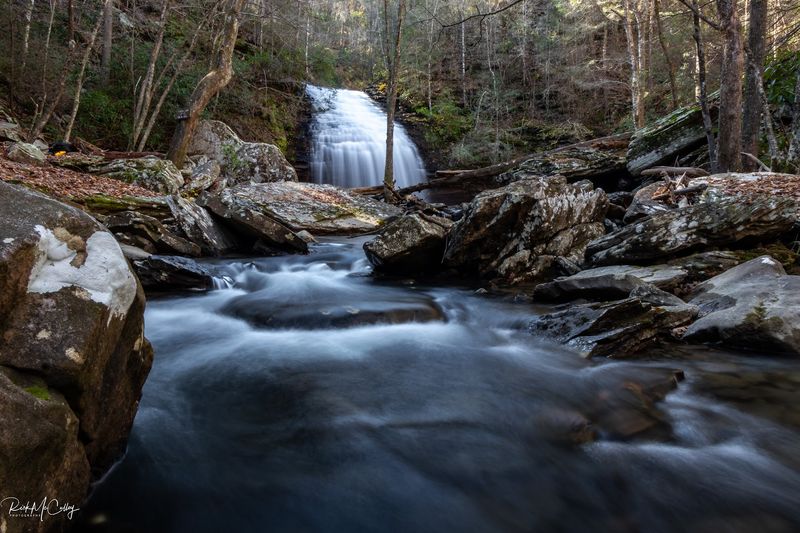
Timing a visit to Stinging Fork Falls requires some thought, because the waterfall changes dramatically with the seasons. The heaviest and most photogenic flow occurs during winter and spring, when rainfall keeps Stinging Fork Creek running full.
That fan-shaped rock formation becomes genuinely impressive when the water volume is high, and the pool fills to a satisfying depth.
Summer brings warmer air temperatures and more comfortable swimming conditions, but the waterfall itself may reduce to a trickle during extended dry spells.
One visitor noted that four weeks without rain left only a thin stream descending the rocks, though the swimming hole remained usable and the scenery held its character.
Fall can be similarly dry, but the changing leaf color along the gorge adds a different kind of visual reward.
March through October is the recommended window for trail conditions, though the path is hikeable year-round for those prepared for cold or wet weather.
Mountain laurel blooms in late spring, and at least one visitor called that display breathtaking in its own right, separate from the falls entirely.
Arriving after a period of steady rainfall almost always guarantees the most dramatic waterfall experience, so checking a weather forecast before you go is genuinely useful planning.
The Gorge And Forest: More Than Just A Walk To The Water
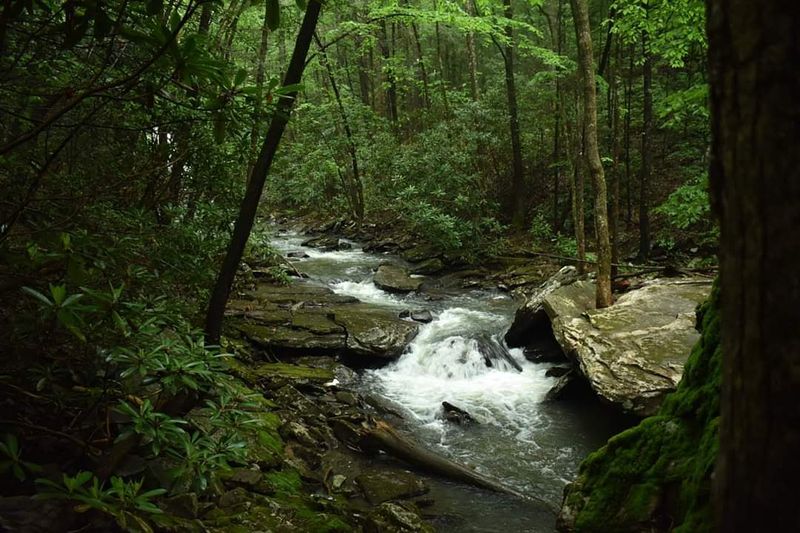
Focusing entirely on the waterfall would mean overlooking the remarkable landscape surrounding it.
The Stinging Fork gorge cuts through 783 acres of protected natural area, with steep cliffs, smaller bluffs, and a forest composition that shifts noticeably as you descend.
The upper sections feature an oak-pine forest along the gorge bluff, while the lower areas transition into second-growth mixed mesophytic forest with a denser, more layered canopy.
Moss covers many of the boulders along the lower trail, and the creek runs alongside portions of the path before the final descent to the falls.
The combination of rock, water, and dense vegetation creates an atmosphere that feels genuinely removed from the surrounding Tennessee landscape.
It is the kind of forest that rewards slow walking.
Indian Head Point offers a particularly striking perspective: a viewpoint above the gorge where the creek sits 160 feet below. That elevation differential gives the gorge a genuine sense of scale that flat trail maps cannot convey.
Visitors who spend time looking around rather than rushing to the waterfall and back tend to describe the experience with considerably more enthusiasm.
The natural area has character well beyond its headline attraction, and the gorge itself is worth the hike independently of the falls.
Indian Head Point
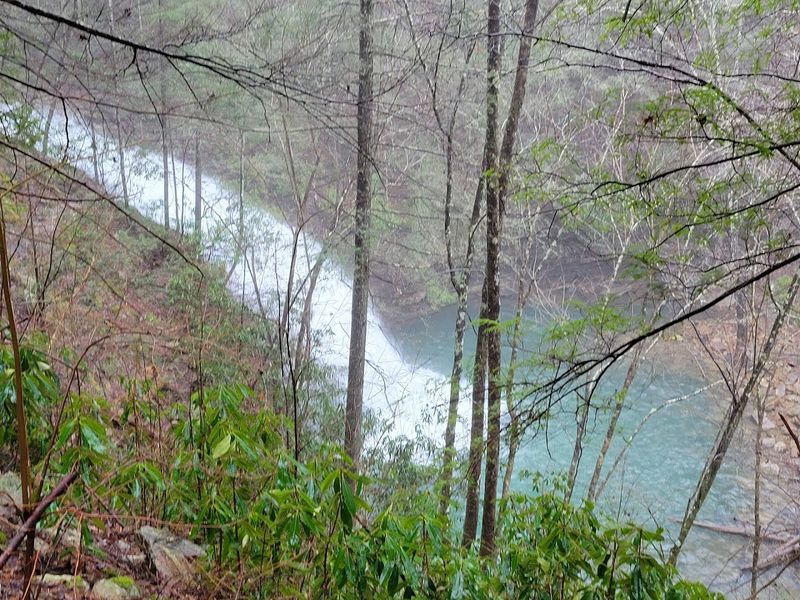
Most visitors head straight for the waterfall and consider the mission complete once they reach the pool. Indian Head Point offers a compelling reason to extend the exploration.
This overlook sits above the Stinging Fork gorge and provides a view down to the creek running 160 feet below, a perspective that reframes the entire landscape you just hiked through.
From that elevation, the gorge reveals its true depth and width in a way that the trail itself never quite communicates. The creek looks like a narrow ribbon from above, and the forest canopy stretches across the gorge walls in an unbroken green expanse.
It is a quieter, more contemplative reward than the waterfall, but no less striking in its own way.
One practical note for visitors: the trail signage at the trailhead has caused some confusion in the past. At least one reviewer noted that the first trail branching to the left does not lead to the Indian rock overlook as expected, but continues several miles into the woods instead.
Following trail markers carefully and staying on the marked path avoids this issue entirely.
The Cumberland Trail system connects through this natural area, offering additional mileage for those wanting a longer day on the trail beyond the falls and overlook.
The Gear That Makes This Hike Comfortable
A hike to Stinging Fork Falls is short enough that packing feels almost optional, until you realize what the trail actually demands. Footwear is the most critical decision.
The rocky, sometimes slick descent into the gorge requires shoes with genuine grip.
Hiking boots or trail shoes with solid traction are strongly recommended, and multiple visitors specifically call out slippery rocks as the primary hazard.
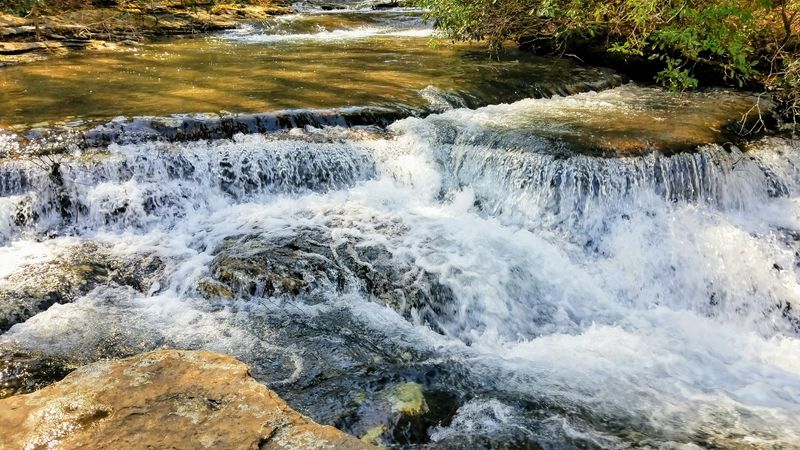
Water shoes earn their place in the pack if swimming is part of the plan. The pool bottom is rocky, and wading in bare feet is uncomfortable at best.
A dry bag for electronics and valuables protects against splashes near the falls and wet crossings along the lower trail section.
Bug spray deserves special emphasis. One visitor described an unusually heavy insect presence that made the experience notably less pleasant without protection.
Bringing an adequate supply and applying it before starting the trail is straightforward advice that pays off immediately. Water is essential since there are no facilities on site, and snacks for the return climb help considerably.
The hike back out is uphill the entire way, and the elevation gain catches people off guard.
A small first aid kit, particularly for ankle support supplies, rounds out a sensible pack for this particular trail.
Rules And Etiquette
Stinging Fork Falls State Natural Area operates under a specific set of rules that exist for straightforward reasons.
The area is open from sunrise to sunset only, which means planning your arrival with enough time to complete the hike and return before dark.
Underestimating the return trip time is a common mistake, particularly for first-time visitors unfamiliar with how long the uphill climb takes.
Camping is not permitted within the natural area. This is a day-use destination, full stop.
Dogs are welcome on leash, which makes it accessible to hikers who bring their pets along on outdoor trips. Fishing is permitted in the creek, and the pool below the falls sees regular use from anglers as well as swimmers.
There are no trash receptacles anywhere on site.
The pack-it-in, pack-it-out principle applies strictly here, and the natural area’s unspoiled condition reflects the fact that most visitors take that responsibility seriously.
Staying on marked trails is another non-negotiable.
Three separate groups at the falls were observed taking an unofficial shortcut on one visit, and all three reported an unpleasant descent as a result.
The marked trail exists for good reason, and the wooden staircases and rock placements along it represent genuine infrastructure investment in visitor safety.
Why This Spot Stays Off The Radar And Why That Matters
Stinging Fork Falls does not appear on most Tennessee travel lists. It does not have a gift shop, a visitor center, or a paved parking lot.
There is no entry fee and no ranger station. What it has instead is a 30-foot waterfall, a pool of exceptionally clear water, and a gorge that most of the state has never heard of.
That obscurity is part of what makes the experience feel genuinely rewarding. Visitors regularly report encountering only one or two other groups, even on weekend afternoons.
The absence of crowds allows the place to feel like a personal discovery rather than a scheduled attraction, which is increasingly rare in outdoor recreation.
The 783-acre natural area near Spring City in Rhea County, Tennessee, is protected precisely because it deserves to be. The combination of gorge ecology, old forest structure, and a waterfall with an unusual fan shape creates a location that earns its protection on multiple grounds.
Sharing it responsibly, staying on trail, packing out waste, and respecting the sunrise-to-sunset access rules, ensures it remains this way for future visitors. Some places stay worth visiting because people treat them with care.
Stinging Fork Falls is one of those places, and that relationship between visitor behavior and lasting quality is not incidental.