
This Secret Florida Car Museum Is So Fascinating You Could Spend Hours Inside
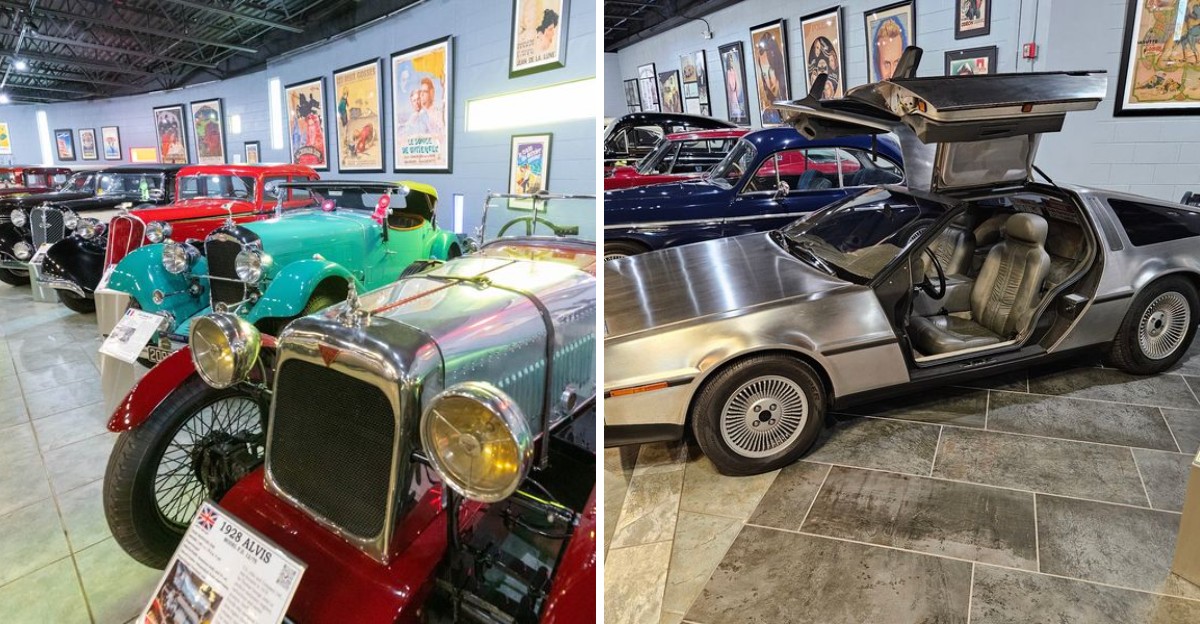
You know a museum has you hooked when you check the time and realize an hour disappeared somewhere between the first row of cars and the next room. In Florida, one lesser-known collection does exactly that, especially if vintage machines, unusual designs, and automotive history are your weakness.
Rows of beautifully preserved vehicles invite closer inspection, and every corner seems to hold something you did not expect to see. Even people who are not serious car fans can easily get pulled into the details.
Florida is famous for big-name destinations, yet this quiet museum proves the state still has surprises capable of stealing an entire afternoon. Give yourself more time than you think you need, because leaving quickly may be the hardest part.
Thirteen Cars That Exist Nowhere Else On Earth
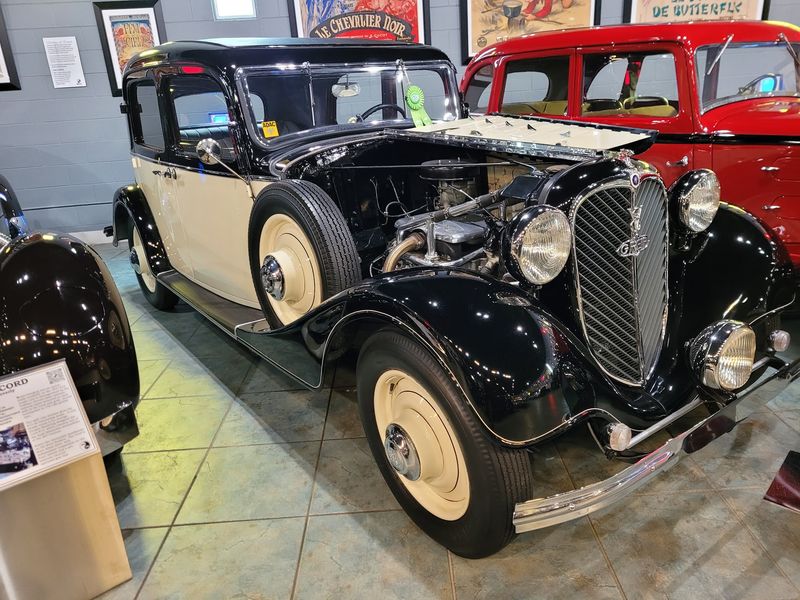
Imagine standing beside a car that has no twin anywhere on the planet. That is the situation roughly thirteen times over inside this gallery.
Each of those survivors wears a gold star on its information card. The marking means it is the last known example of that make or model still in existence.
Hunting for gold stars turns the whole floor into a treasure map. Kids love it, and honestly, so do adults who claim they came only for the engines.
Some of these vehicles came from small European workshops that built just a handful of cars. When the workshops closed, their creations vanished, except for the ones parked here.
Reading the placards slowly is worth the effort. They explain who built the car, where it came from, and why it barely survived.
The rarity is not just bragging material. It means the Tampa Bay Automobile Museum protects mechanical ideas that would otherwise be lost to history.
Take photos, but take notes too. You will want to look these up later.
Front-Wheel Drive Pioneers From The 1920s And 1930s
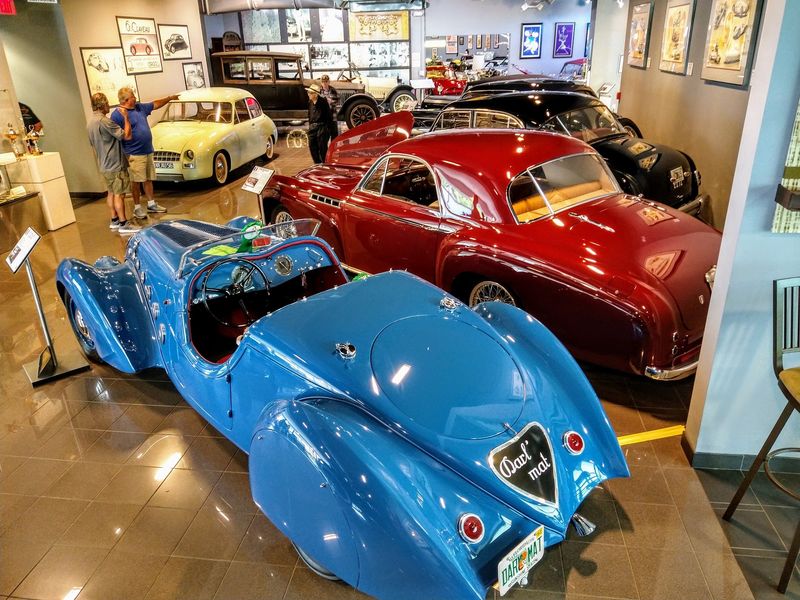
Front-wheel drive feels modern, yet inventors were chasing it a hundred years ago. The collection leans hard into that story, and it is a good one.
Engineers in France, Germany, and the United States all tried pulling cars instead of pushing them. Their solutions were clever, complicated, and sometimes gloriously strange.
Seeing several attempts side by side makes the idea click. You start noticing how each builder solved the same puzzle a different way.
Cutaway displays and diagrams help explain what is happening under those long hoods. No engineering degree required, just curiosity.
The 1920s and 1930s were a wild stretch for automotive design. Nothing was standardized yet, so builders experimented freely and often beautifully.
Art deco curves, hand-shaped fenders, and polished trim appear throughout. These cars were meant to look expensive, and they still do.
Ask a museum historian about the drivetrain differences if you get the chance. They enjoy the technical questions far more than the small talk.
Plan extra time in this area. It rewards slow looking.
The Steam Car Exhibit In Its Own Room
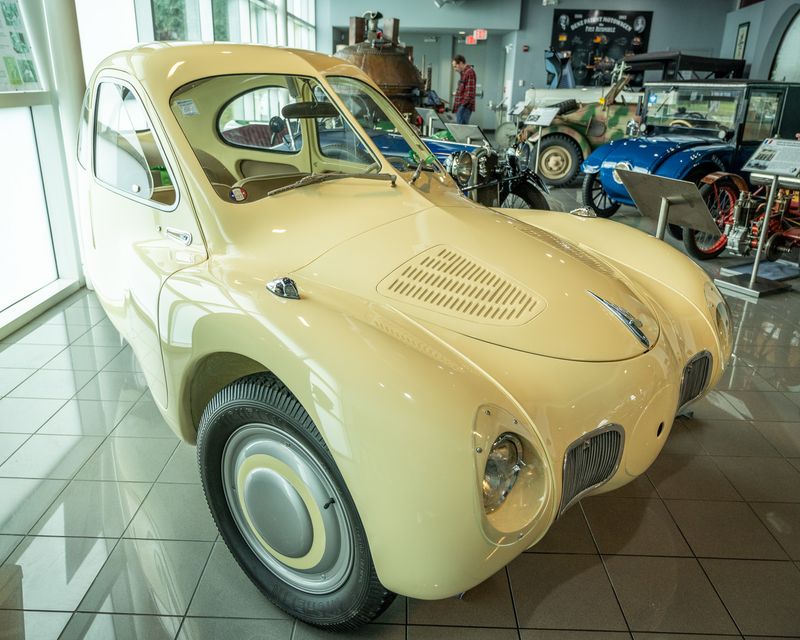
Gasoline did not win the road right away. Steam once looked like the future, and this collection gives that chapter its own dedicated space.
A separate exhibit room houses the steam vehicle, keeping it away from the main gallery bustle. The quiet setting suits a machine that ran on boiling water.
Staff members explain how the boiler, burner, and pistons worked together. Hearing it described out loud makes far more sense than reading about it.
Steam cars needed patience. Drivers waited for pressure to build before going anywhere, which sounds unbearable in a world of instant ignition.
The oldest steam engineering represented here reaches back astonishingly far, well before gasoline engines existed. French inventors were experimenting with steam-powered road vehicles in the 1700s.
Brass fittings, copper lines, and heavy iron parts make the machine look like a workshop come to life. It is oddly beautiful.
Do not skip this room because it sits apart from everything else. Guests who find it usually call it a highlight.
Working Engine Displays You Can Actually Watch Turn
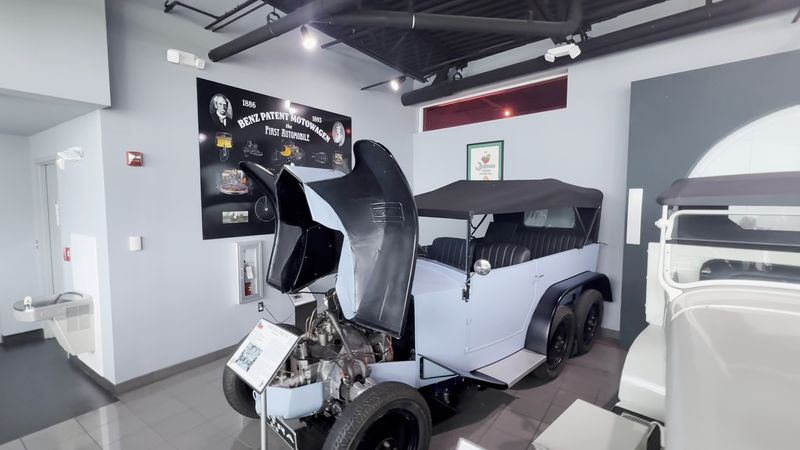
Most car museums show you sculpture. This one shows you motion, and that changes everything.
A working display lets you watch a Wankel rotary engine operate. The triangular rotor spins in its housing, and suddenly the concept stops being abstract.
Nearby, the sleeve-valve engine gets similar treatment. Instead of poppet valves, sliding sleeves control airflow, and seeing it move explains it instantly.
Interactive stations sit throughout the gallery, covering early ignition systems and transmission designs. They are simple, sturdy, and genuinely educational.
Short videos add context without turning the place into a theater. You can watch or wander as you prefer.
Anyone who has ever wondered how an engine actually breathes will linger here. Teenagers who claim museums are boring tend to get quiet.
The rotary exhibit is a newer addition, so even repeat guests find fresh material. That kind of updating keeps the collection alive.
Bring a curious kid and let them turn the cranks. Hands-on learning beats a textbook every single time.
Cars Gathered From Across The Globe
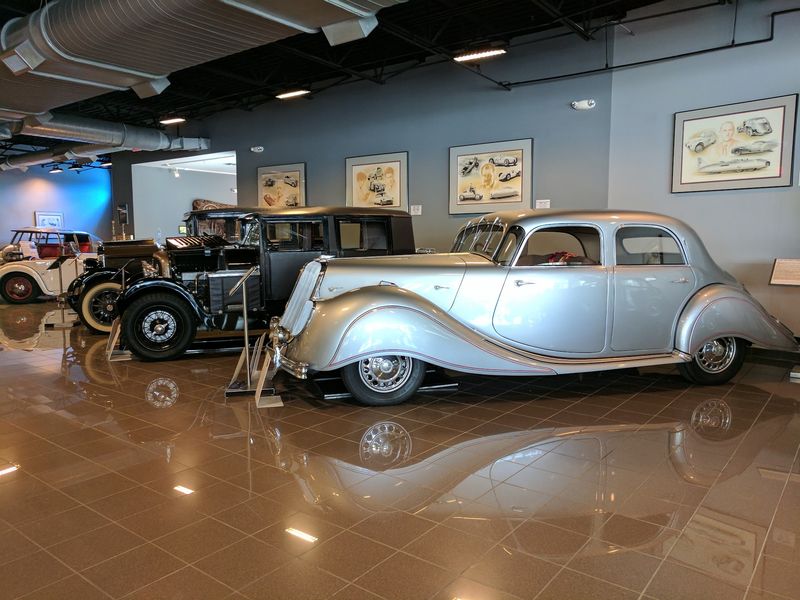
Ever notice how most car museums tell an American story? This one crosses borders constantly, and the variety is the whole point.
French, German, Czech, British, and American builders all appear on the floor. Some of these marques never sold a single car in this country.
Comparing national styles is half the fun. French designers favored bold shapes, while German engineers chased precision and efficiency.
Placards list the country of origin alongside the technical details. Following the geography turns your walk into a world tour.
Small independent manufacturers dominate the lineup rather than famous giants. That choice reflects a collector who valued innovation over name recognition.
You will meet badges you have never heard of and probably cannot pronounce. Staff members are happy to help with both.
The Tampa Bay Automobile Museum keeps roughly 75 vehicles on display at a time. Cars get rotated about twice a year, so the mix shifts.
Return trips genuinely look different. That rotation is a quiet gift to members.
A Quiet Address With A Loud Collection Inside
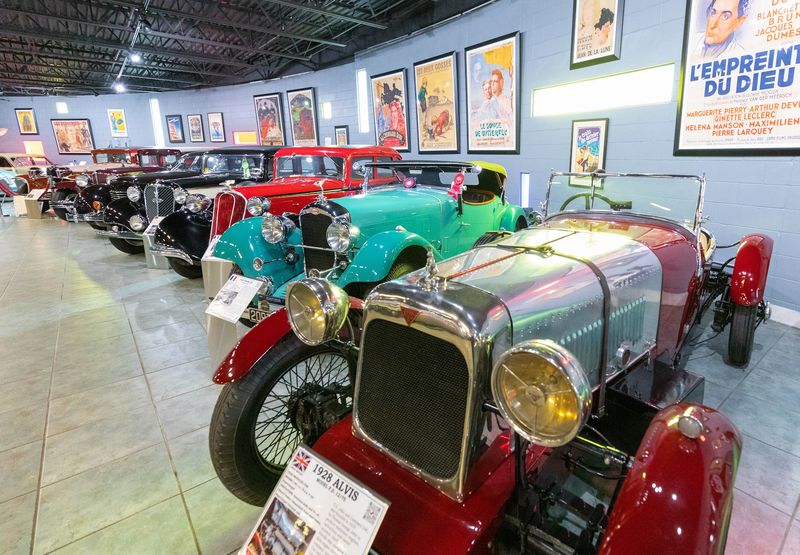
Nothing about the street hints at what waits behind the glass doors. The building sits at 3301 Gateway Centre Blvd in Pinellas Park, Florida surrounded by warehouses and tidy landscaping.
Parking is plentiful and free, which is a small miracle in this part of the state. The entrance is level and accessible, so wheelchairs and strollers roll in without trouble.
Doors open Wednesday through Saturday from 10 AM to 4:30 PM, plus Sunday afternoons from noon. Mondays and Tuesdays are closed, so plan around that before you drive over.
Admission stays refreshingly affordable, with discounts for seniors, students, and military members. An annual membership runs about fifty dollars, which pays off quickly for repeat trips.
The Tampa Bay Automobile Museum is privately owned, and that shapes everything about it. There are no corporate sponsors, no flashing screens, just carefully chosen machines and clear explanations.
Arrive early in the day if you want unhurried time with the exhibits. Closing hour comes fast when you are reading every placard.
Museum Historians Who Turn Metal Into Storytelling
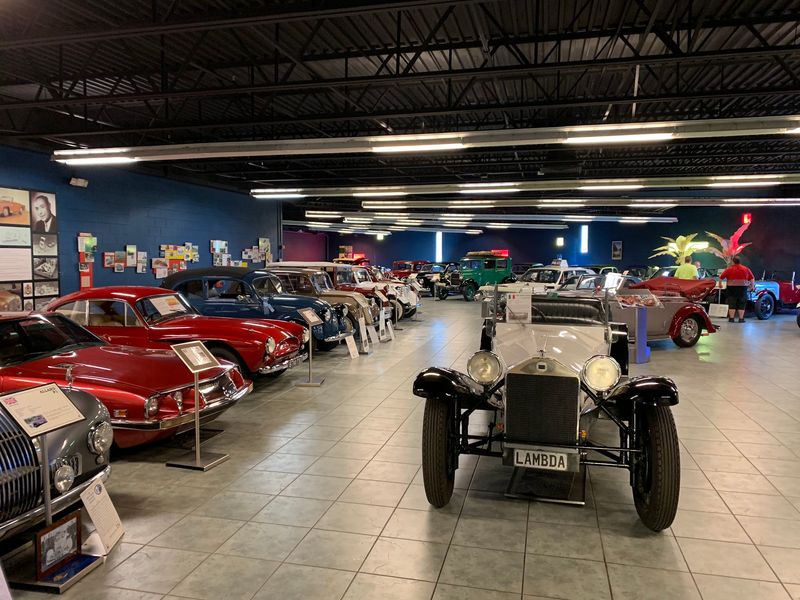
The cars are remarkable. The people explaining them are the reason guests stay four hours.
Museum historians circulate through the gallery, ready to answer questions or launch into a story. They know provenance, engineering quirks, and rescue histories by heart.
Nobody delivers a canned script. Conversations wander wherever your interest goes, which is exactly how learning should feel.
Ask about how a particular vehicle arrived here. The answers often involve barns, auctions, and years of patient searching.
Front desk staff typically introduce a few cars near the entrance before letting you loose. It is a warm start that sets the tone.
Technical questions get technical answers, and simple questions never get condescending ones. Both kinds of guests leave satisfied.
Enthusiasm like this cannot be manufactured. These folks clearly care about the machines they stand beside.
If you are shy, just linger near a car with a puzzled expression. Someone will come over and start talking.
Bring your curiosity. It is the only admission requirement that matters.
A DeLorean You Might Get To Sit Inside
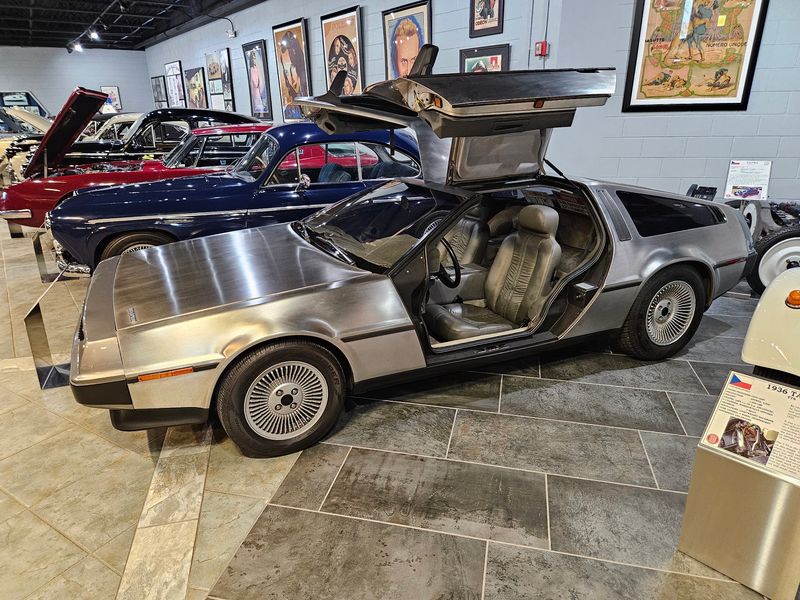
Stainless steel, gull-wing doors, and instant recognition. The DeLorean parked here needs no introduction to anyone who owns a television.
What makes it special is the occasional invitation to climb inside. Sitting behind that wheel is a memory people talk about for years.
The car itself is a genuine piece of automotive history beyond the movie fame. Its brushed stainless body was never painted, which was radical in 1981.
Those upward-swinging doors required serious engineering to work reliably. Standing beside them, you understand why so few cars ever tried the trick.
Seating opportunities depend on staffing and conditions, so treat it as a bonus rather than a guarantee. Asking politely never hurts.
Placing a 1980s icon among 1930s pioneers might seem odd at first. Then you realize both represent builders who refused to follow the crowd.
Photos here turn out great thanks to the reflective panels. Watch your fingerprints, though.
Younger guests often head straight for it. Let them.
Surprises Like An All-Wheel Drive Mustang
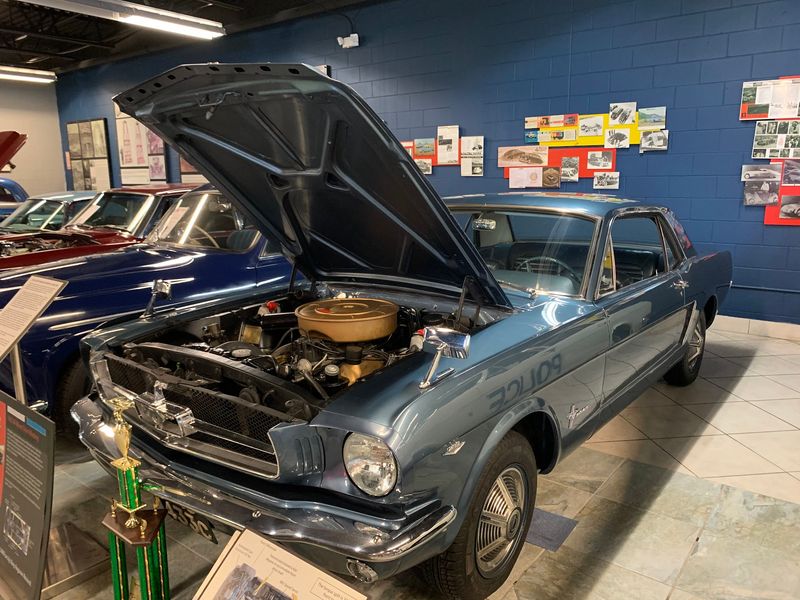
Here is a sentence that stops enthusiasts mid-step: Ford built an all-wheel drive Mustang. One of them lives in this gallery.
Almost nobody knows the experiment happened, which is precisely why the car earns its floor space. It represents an idea that never reached showrooms.
Prototypes and one-off experiments appear throughout the collection. Together they tell the story of engineering roads not taken.
Failed ideas often teach more than successful ones. You see what designers were reaching for, even when the market disagreed.
The signage explains the background without drowning you in jargon. Short, clear, and genuinely interesting.
Spotting oddities becomes a game after a while. Odd door arrangements, unusual engine placements, and strange steering setups keep appearing.
Guests who assume they have seen every car worth seeing get humbled here. In the best possible way.
Slow down in the corners of the gallery. The strangest machines are rarely the ones nearest the entrance.
Curiosity pays real dividends in this building.
Art, Gifts, And Reasons To Come Back Again
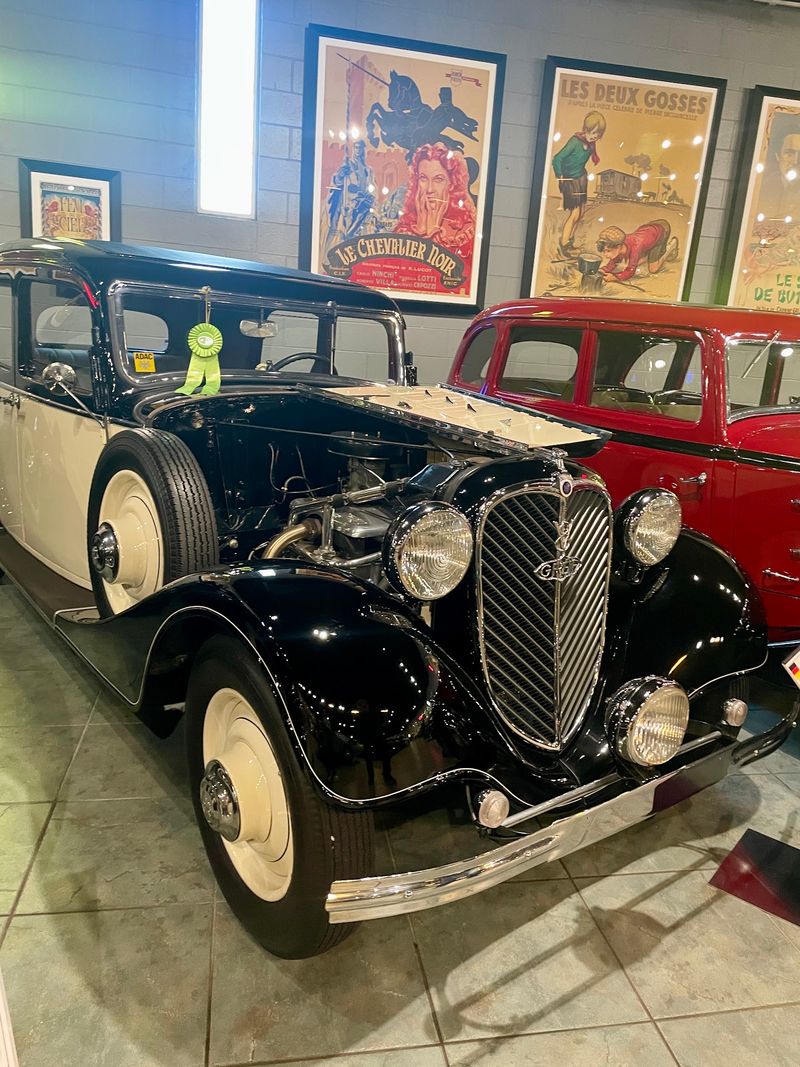
Automobiles are not the only artwork on these walls. Paintings and sculptures hang throughout, chosen to complement the machines below them.
The blend is deliberate. A collector who saw beauty in engineering naturally collected beauty in other forms too.
A wall of founders explains the families and craftsmen behind these vehicles. Reading it first makes the whole gallery make more sense.
The gift shop stocks books, models, prints, and small keepsakes. It is genuinely good, not the usual afterthought rack.
Since roughly half the collection rotates twice yearly, membership starts looking practical. Fifty dollars covers a year of drop-in exploring.
Groups and families do well here because the pace is entirely yours. Nobody herds you through on a timer.
Give yourself at least two to three hours, and more if you read placards. Guests regularly run out of time and return later.
The Tampa Bay Automobile Museum rewards patience more than any checklist attraction nearby. Come once, and you will already be planning the next trip.