
This Serene Arizona Desert Village Is The Escape You Didn’t Know You Needed
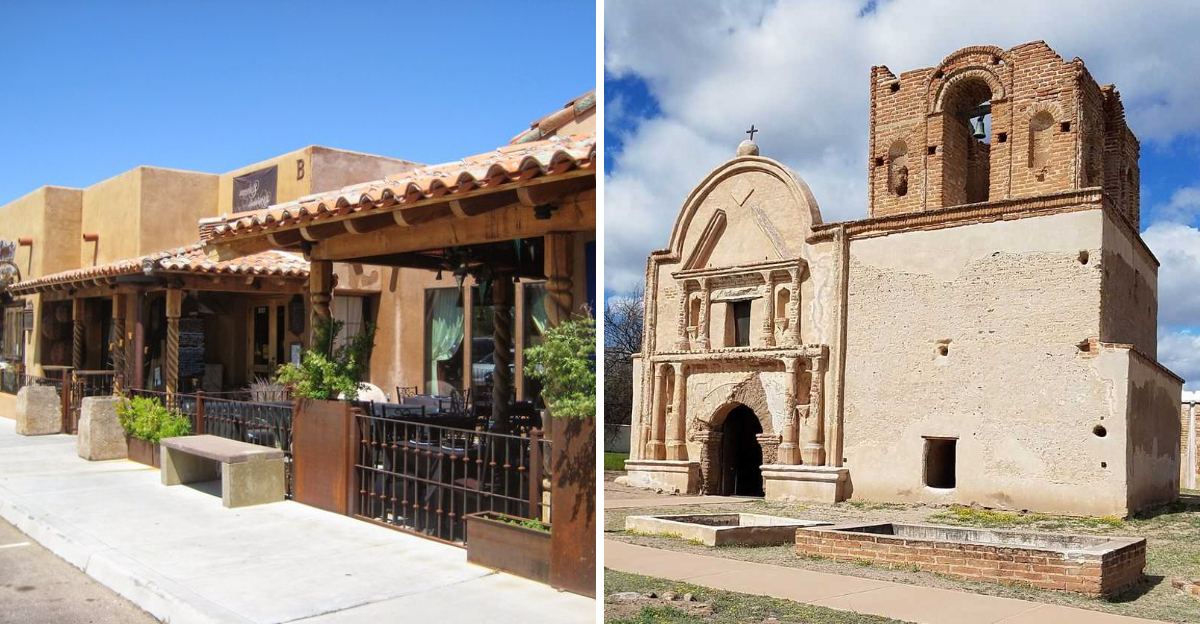
In the Santa Cruz River Valley, just an hour south of Tucson, Tubac is a hidden gem waiting to be discovered. This small village, home to just over a thousand residents, offers a serene escape with its art galleries, historic sites, and stunning natural beauty.
It’s a place where time seems to stand still, giving visitors a glimpse of life from decades past. But what makes Tubac truly unique, and why should it be your next getaway?
Keep reading to find out why this underrated town is a must-visit for travelers in search of something extraordinary.
A Historic Desert Village Steeped In Arizona’s Art Legacy
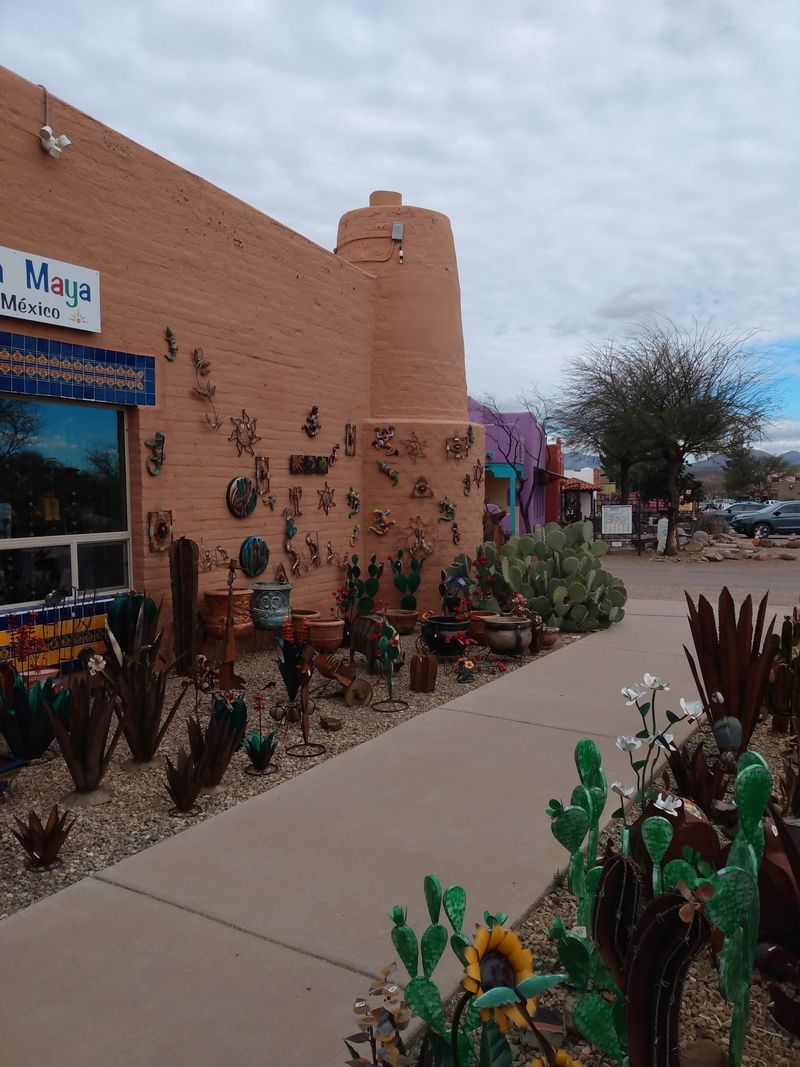
Tubac holds the distinction of being Arizona’s first European settlement, established as a Spanish presidio in 1752. The military outpost protected settlers and missionaries traveling between Mexico and missions farther north.
Today, those centuries of history create an atmosphere that feels both preserved and lived-in.
Artists discovered Tubac in the 1940s and 1950s, drawn by affordable property, inspiring landscapes, and distance from urban centers. The School of American Research helped establish the village as an art colony.
Painters, sculptors, and craftspeople set up studios in old adobe structures.
Now more than 100 galleries and shops occupy the compact village center. You can watch glassblowers shape molten material, see potters work at wheels, and talk with painters about their process.
The art here reflects desert surroundings, indigenous traditions, and contemporary experimentation.
February brings the Tubac Festival of the Arts, one of the Southwest’s largest outdoor art shows. Thousands of visitors arrive for the week-long event featuring hundreds of artists.
The Heart Of Arizona’s Cultural Renaissance
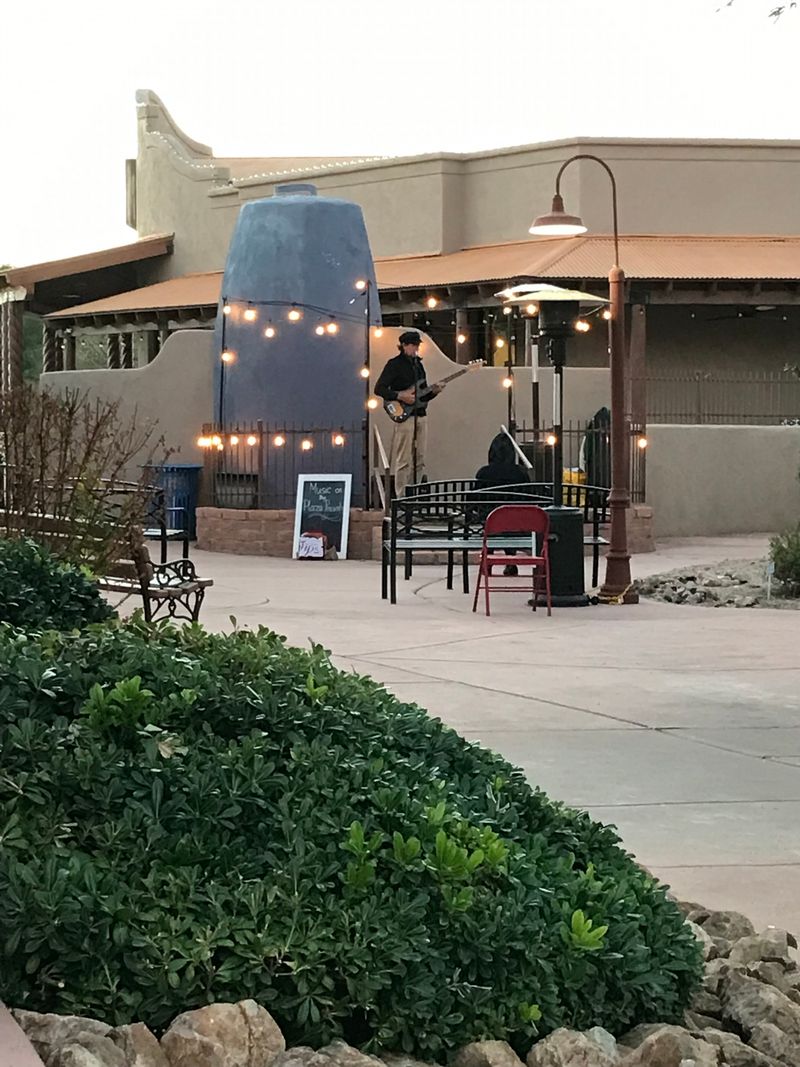
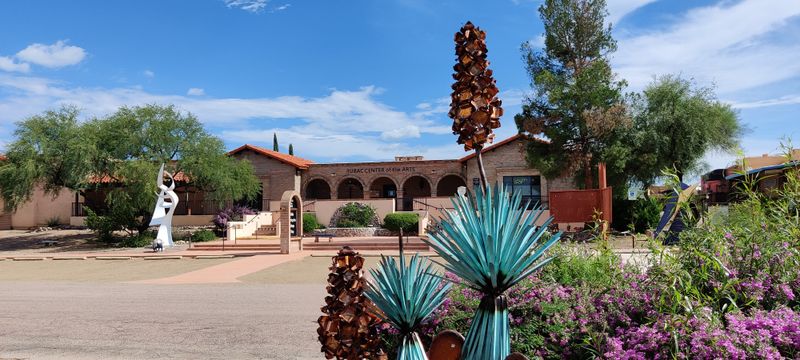
Cultural vitality in Tubac extends beyond visual arts into music, theater, and literary events. The Tubac Center of the Arts, located at Plaza Road, presents rotating exhibitions, concerts, and educational programs throughout the year.
This community arts organization has operated since 1972, providing space for both established and emerging artists.
Live performances happen regularly at various venues around the village. Classical guitarists, folk musicians, and jazz ensembles perform in intimate settings.
The acoustics in some of the older adobe buildings create unexpected warmth for musical performances.
Theater productions and film screenings draw audiences from surrounding communities. Writers gather for readings and workshops, sharing work inspired by desert landscapes and border culture.
The creative energy here feels genuine rather than manufactured for tourism.
Many artists maintain working studios open to visitors. You can observe creative processes, ask questions, and purchase directly from makers.
This accessibility distinguishes Tubac from destinations where art remains behind glass or ropes.
Endless Exploration: Outdoor Adventures Await You In Tubac
Tubac Presidio State Historic Park protects archaeological remains and interprets the Spanish colonial period. Walking paths lead through excavated foundations and reconstructed buildings.
Interpretive displays explain daily life at the presidio, relationships between Spanish soldiers and indigenous peoples, and the strategic importance of this location.
Juan Bautista de Anza National Historic Trail passes through Tubac, commemorating the 1775-1776 expedition that established an overland route to California. Hiking sections of this trail offers perspectives on the challenges faced by early travelers.
Desert vegetation, wildlife, and geological formations create constantly changing scenery.
The Santa Cruz River, though often dry on the surface, supports riparian vegetation that attracts birds and other wildlife. Birdwatchers record impressive species lists here, particularly during migration seasons.
Spring wildflowers transform hillsides into temporary gardens.
Mountain biking trails wind through surrounding hills. The terrain varies from gentle paths suitable for beginners to technical routes that challenge experienced riders.
Guided horseback rides provide another way to explore the landscape.
A Charming Walkable Village Perfect For Strolling
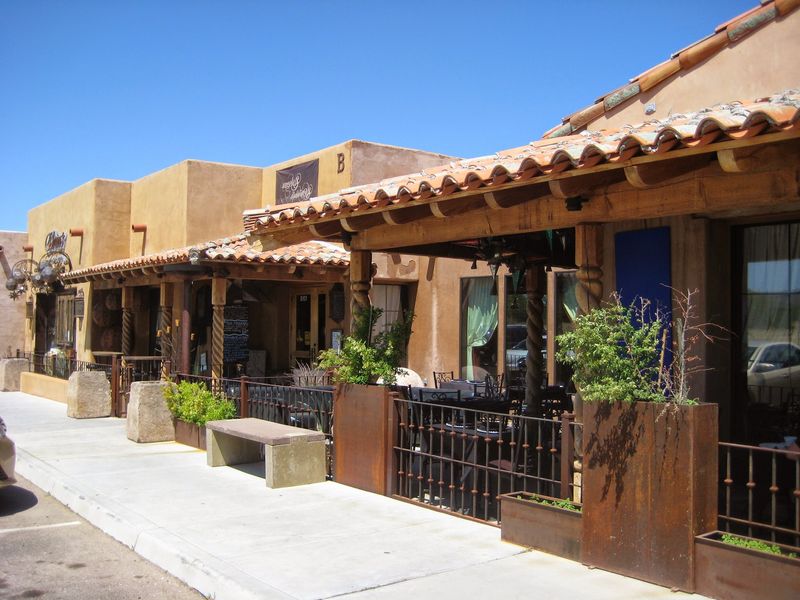
Tubac’s compact layout makes exploration on foot both practical and pleasant. Most galleries, shops, and restaurants cluster within a few blocks along Tubac Road and surrounding streets.
Shaded walkways and benches provide rest spots. The absence of chain stores and corporate signage maintains visual coherence.
Architecture reflects various periods and influences. Adobe structures with thick walls and small windows stand beside territorial-style buildings with covered porches.
Some newer construction respects traditional forms while incorporating modern amenities. Courtyards tucked behind street-facing buildings offer quiet spaces for contemplation.
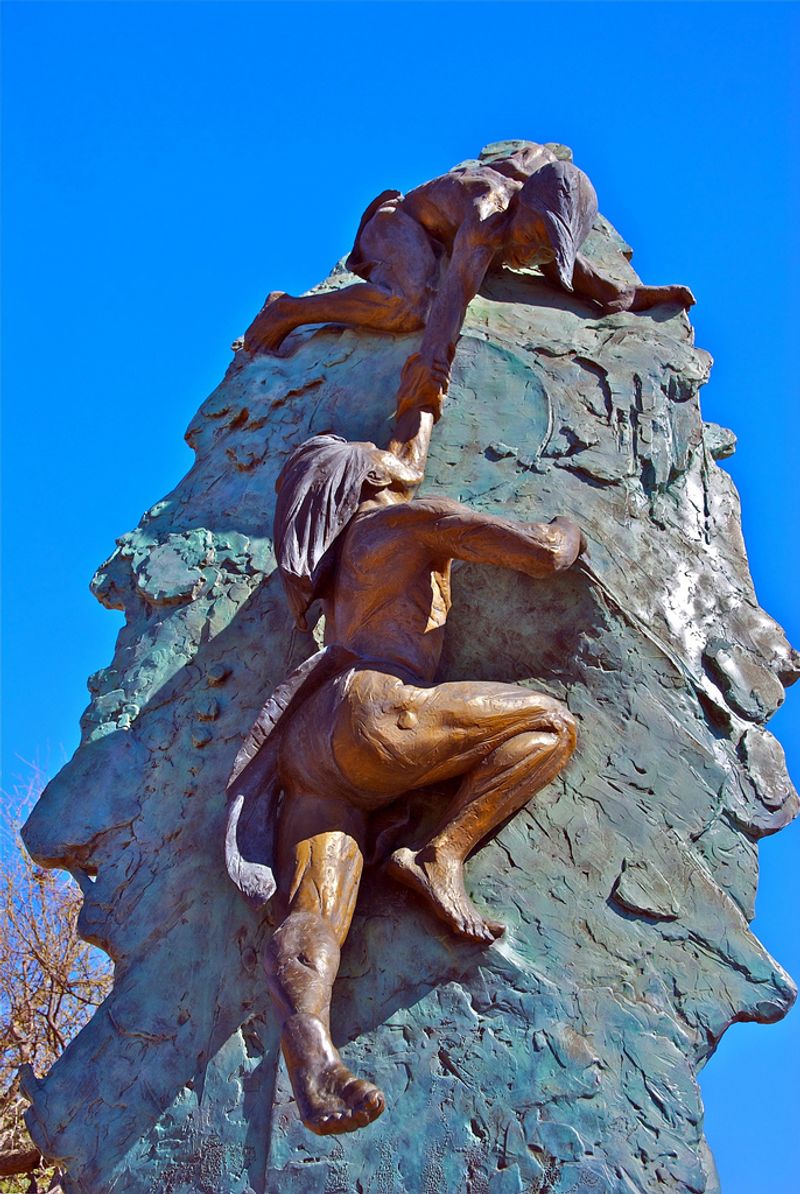
Public art installations appear throughout the village. Sculptures, murals, and mosaics add visual interest without overwhelming the setting.
Many pieces reference local history, indigenous cultures, or natural subjects. These works change periodically as new artists contribute.
Traffic moves slowly through the village center, and parking lots remain small and unobtrusive. The scale feels human rather than automobile-oriented.
You can easily spend several hours wandering without covering much distance, discovering details that reward close attention.
Unique Local Art And Handmade Goods You Won’t Find Anywhere Else
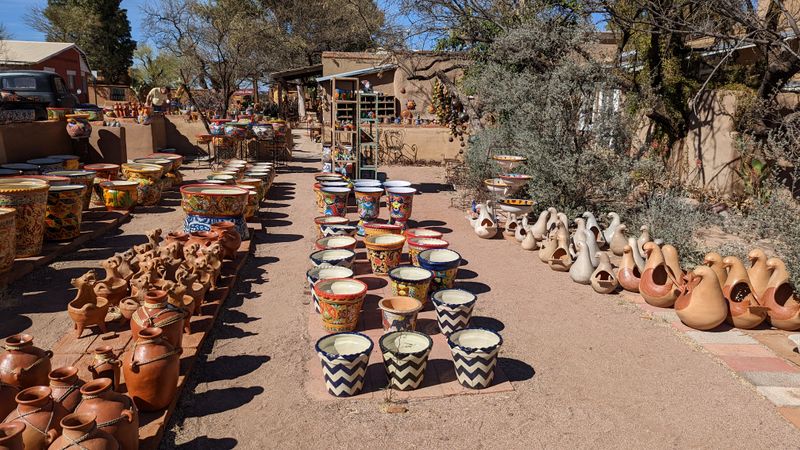
Functional pottery ranges from rustic earthenware to refined porcelain. Potters work with local clays and traditional techniques, creating pieces for daily use and display.
Glazes reflect desert colors: terracotta, sage, ochre, and deep blue. You can find everything from coffee mugs to large garden vessels.
Metalwork includes jewelry, sculpture, and architectural elements. Silversmiths create pieces incorporating turquoise, coral, and other stones.
Iron workers forge gates, furniture, and decorative objects. The craftsmanship shows attention to detail and understanding of materials.
Textile artists weave rugs, wall hangings, and wearable art. Some work with traditional looms and natural dyes.
Others experiment with contemporary techniques and synthetic materials. The results range from representational to abstract, all showing technical skill.
Woodworkers craft furniture, boxes, and sculptural forms from mesquite, ironwood, and other regional species. The wood grain patterns create natural beauty.
Glass artists produce blown vessels, fused panels, and cast sculptures. Watching hot glass being shaped remains mesmerizing regardless of how many times you observe it.
A Foodie’s Paradise: Discover Tubac’s Flavorful Offerings
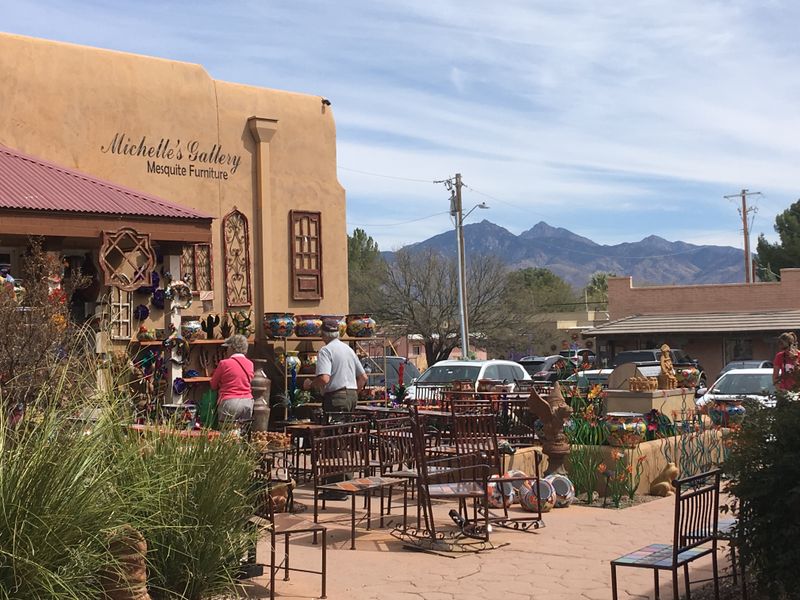
Tubac restaurants serve food that reflects both regional traditions and contemporary creativity. Mexican and Sonoran influences appear in many menus, with dishes featuring chiles, corn, beans, and locally raised meat.
The proximity to Mexico means authentic ingredients and techniques rather than Americanized approximations.
Several establishments focus on farm-to-table approaches, sourcing produce from nearby growers. Seasonal menus change as different crops become available.
The high desert climate supports surprising agricultural diversity, from citrus to stone fruits to winter vegetables.
Casual cafes provide breakfast and lunch options. You can find excellent coffee, fresh pastries, and sandwiches made with care.
Outdoor seating lets you enjoy mild weather while watching village activity. Some places offer live music on weekends.
Fine dining options present sophisticated preparations in intimate settings. Wine lists emphasize Arizona wineries and regional producers.
The cooking shows respect for ingredients without unnecessary elaboration. Portions tend toward generous, and service maintains friendliness without formality.
Reservations help during busy seasons.
Tubac’s Rich History: From Spanish Settlers To Artists
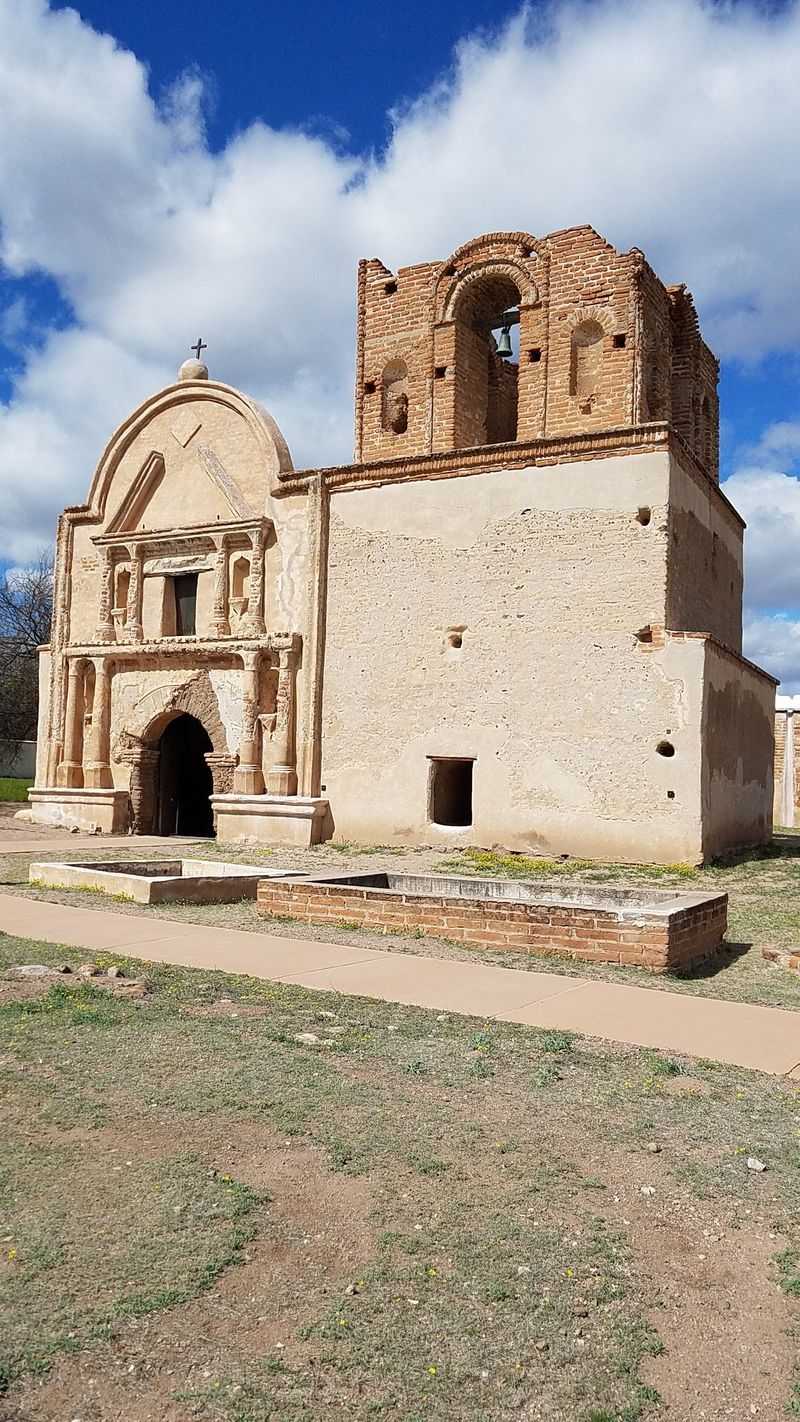
Spanish explorers passed through the Santa Cruz Valley in the 1500s, but permanent settlement came later. Father Eusebio Kino established nearby missions in the late 1600s.
The presidio at Tubac was founded in 1752 following a Pima uprising, making it the first European military installation in what would become Arizona.
Juan Bautista de Anza served as presidio commander before leading his famous expedition to California. The settlement grew slowly, facing constant threats from Apache raids.
After Mexican independence, Tubac became part of Sonora, then passed to the United States following the Gadsden Purchase in 1854.
Mining boomed briefly in the 1850s and 1860s, but Apache conflicts drove most residents away by the 1860s. The village remained nearly abandoned until ranching families arrived in the early 1900s.
The transformation into an art colony began mid-century.
Tubac Presidio State Historic Park preserves this layered history. Archaeological excavations continue revealing details about daily life across different periods.
The underground portions of the original presidio remain visible beneath protective structures.
The Ultimate Peaceful Getaway For Nature And Culture Lovers
Mornings in Tubac begin quietly. Birds call from mesquite and cottonwood trees.
The air smells of creosote and dust. As galleries open, you can wander without crowds or pressure.
Shop owners often work on their own projects between customers, creating an atmosphere of shared creative space rather than commercial transaction.
The pace here discourages hurrying. Conversations develop naturally.
People share recommendations about trails, restaurants, or upcoming events. The sense of community extends to visitors who show genuine interest in the place and its people.
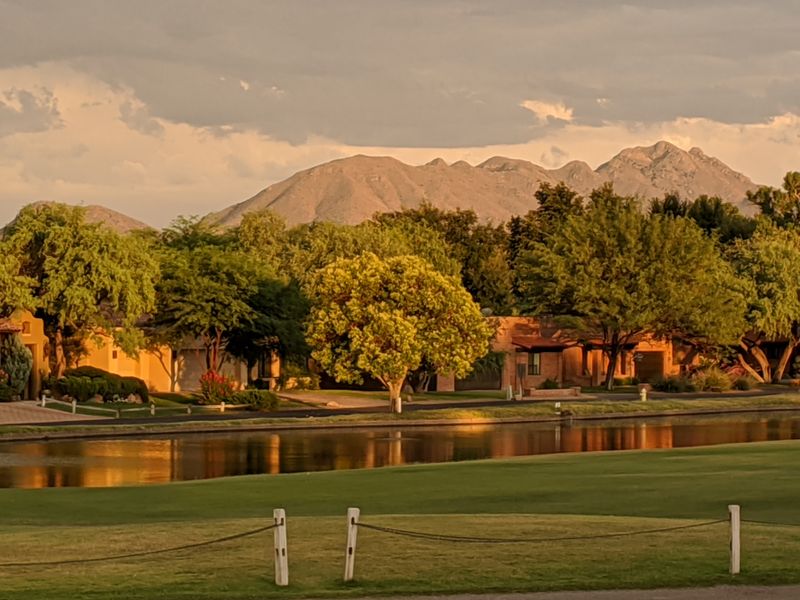
Natural beauty surrounds the village. Mountains rise to the east and west, their colors shifting with changing light.
Desert vegetation shows subtle variations: different cactus species, flowering shrubs, tough grasses adapted to scarce water. Wildlife includes javelina, coyotes, numerous bird species, and occasional larger mammals.
Evenings bring spectacular sunsets. The low angle of light turns ordinary scenes dramatic.
Temperatures drop pleasantly. Restaurants fill with locals and visitors sharing tables and stories.
The darkness reveals impressive star displays, undiminished by urban light pollution.
Tubac’s Laid-Back Vibe: The Anti-Stress Escape You’ve Been Searching For
Nothing in Tubac demands urgency. Shops keep irregular hours.
Meals arrive when ready rather than rushed. Conversations meander through topics without agenda.
This unhurried quality initially feels strange to visitors accustomed to packed schedules and constant connectivity, but most people adjust quickly and appreciate the change.
The village attracts people seeking alternatives to conventional tourism. You won’t find amusement parks, nightclubs, or luxury resorts.
Entertainment consists of looking at art, walking trails, eating good food, and talking with interesting people. These simple activities become surprisingly satisfying.
Cell phone reception varies. Some areas have strong signals while others drop calls.
Many visitors report this spotty connectivity as a feature rather than a problem. The forced disconnection from constant digital input creates space for attention to immediate surroundings.
Stress visibly decreases during even short visits. Shoulders relax.
Breathing deepens. The mental chatter that accompanies daily life quiets.
People often extend their planned stays, finding reasons to linger another day or two. The place exerts a gentle pull that makes departure difficult.
Planning Your Tubac Getaway: Where To Stay, Eat, And Play
Accommodations range from bed-and-breakfasts in historic buildings to modern vacation rentals. Several properties offer casitas with private patios and full kitchens.
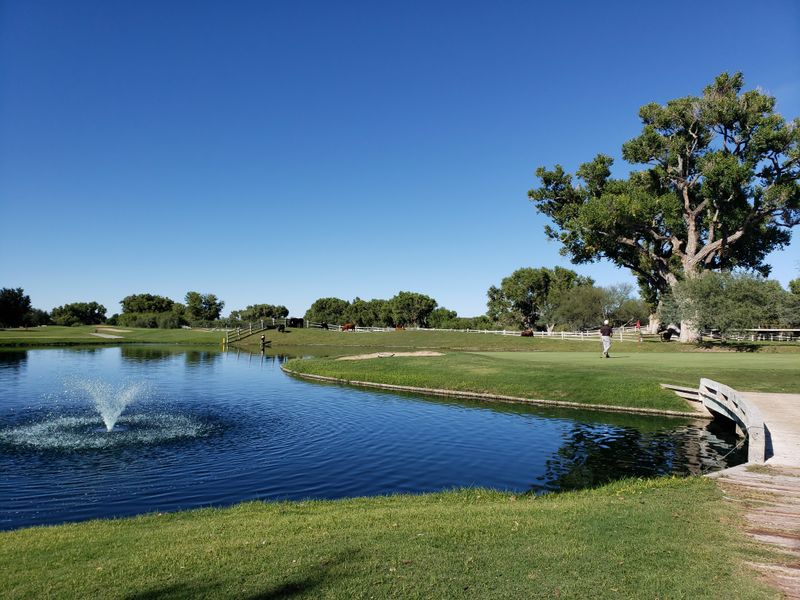
The Tubac Golf Resort provides more traditional hotel amenities plus an 18-hole course. Most lodging emphasizes character over luxury, with regional decor and personal service.
Advance reservations help during peak seasons, particularly February through April and October through November. Summer brings intense heat but fewer visitors and lower rates.
Many establishments close or reduce hours during the hottest months.
Tubac sits roughly 45 miles south of Tucson via Interstate 19. The drive takes about an hour through scenic desert and grassland.
Nogales, Arizona, and the Mexican border lie another 20 miles south. Phoenix sits about two hours north.
Most visitors spend one to three days exploring the village and surrounding areas. This allows time to visit galleries without rushing, take a hike or two, enjoy several meals, and absorb the atmosphere.
Longer stays reveal deeper layers and encourage connections with residents. The village rewards patience and attention.