
This Small Massachusetts Zoo Is An Easy And Affordable Pick For A Family Day Out
Looking for a family outing that won’t break the bank? Massachusetts has a small zoo that fits the bill perfectly.
It’s not sprawling or overwhelming, and that’s exactly the appeal. Kids can wander from exhibit to exhibit without exhausting themselves or their parents.
Animals here range from playful and curious to calm and sleepy, giving visitors plenty of variety in a compact space. Admission stays reasonable, parking is simple, and the whole visit feels manageable rather than draining.
Parents appreciate not needing an entire day to see everything worthwhile. Kids appreciate getting up close to creatures they’d normally only see in books.
There’s a relaxed rhythm to the whole experience, one that leaves room for snack breaks and slow strolls instead of rushing between exhibits.
Massachusetts offers no shortage of larger attractions, but sometimes smaller really does mean better, especially when a family just wants an easy, affordable day together.
A Journey Into Wild Discovery
A visit to Capron Park Zoo feels less like a typical attraction and more like an outdoor living classroom. The 8-acre grounds hold roughly 100 animals representing 44 species from across the globe.
That number might sound modest, but the variety on display is genuinely impressive for a zoo of this scale.
From the moment you pass through the entrance, there is a sense of calm purpose to the place. Paths wind naturally between exhibits, and nothing feels rushed or overcrowded.
The layout encourages you to slow down, read the colorful plaques, and actually absorb what you are looking at.
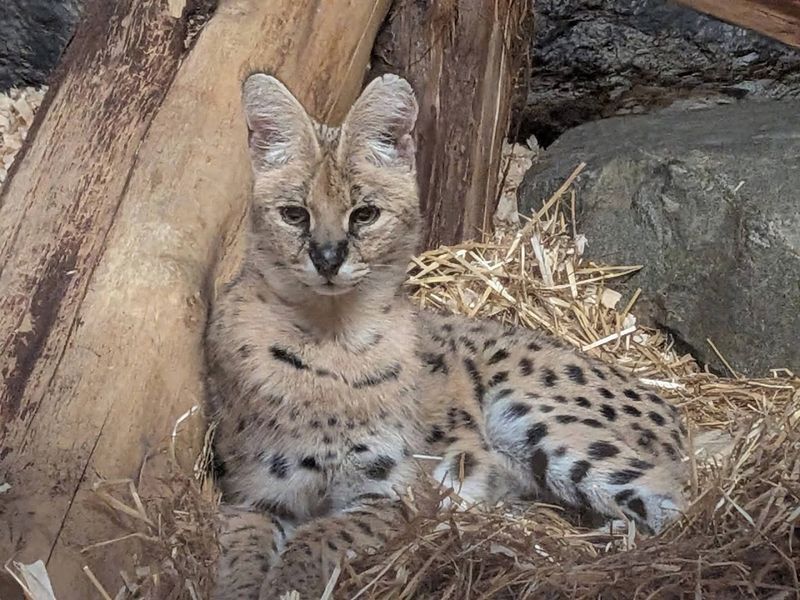
Animals here include residents from North and South America, Asia, Africa, and Australia.
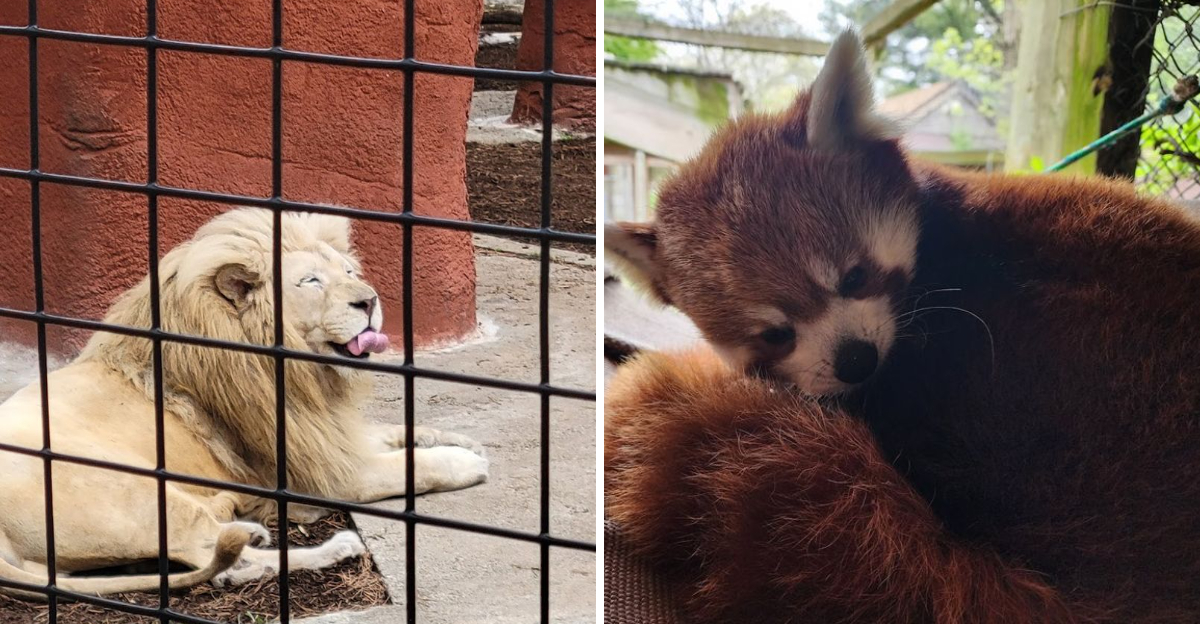
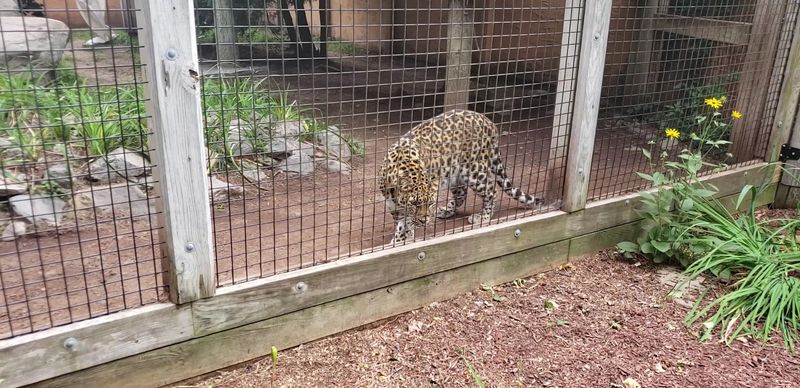
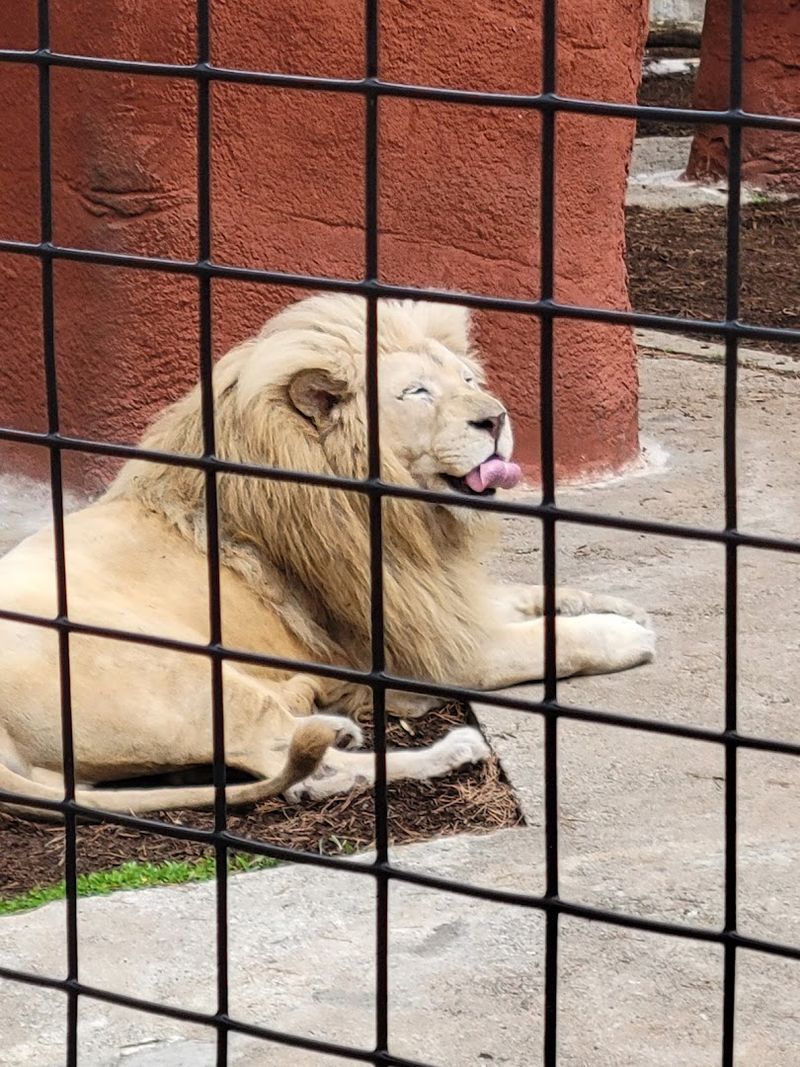
A white lion named Ramses draws considerable attention, as does Lacey, an Amur leopard whose enclosure is designed to reflect her natural habitat.
The zoo holds AZA accreditation, meaning its standards for animal care and conservation meet rigorous national benchmarks. For a family looking for a meaningful outing, this place delivers far more than its modest size might initially suggest.
Origins Of A Community’s Menagerie

The story of how this zoo came to exist is one of the more charming origin tales in New England. In 1925, Attleboro schoolchildren launched a penny drive to help fund a public park.
That grassroots effort, combined with a generous land donation from the Capron family, set the foundation for what would eventually open as Capron Park Zoo in 1937.
The park grounds were designed by the firm of Frederick Law Olmsted, the same landscape architects responsible for some of America’s most beloved public spaces.
That heritage gives the grounds an unhurried, considered quality that larger commercial zoos rarely manage to replicate.
Significant renovations in the mid-1980s led to a full reopening in 1990, modernizing facilities while preserving the park’s original character.
The education department followed in 1991, cementing the zoo’s role as a community learning resource rather than just an entertainment destination.
Most recently, the Nocturne Exhibit completed a full renovation in the fall of 2024, bringing fresh life to one of the zoo’s most intriguing indoor spaces. Understanding this history adds a layer of appreciation to every corner of the property.
A World Of Wonder, Intimately Explored
One of the quiet surprises at Capron Park Zoo is the number of indoor exhibit buildings packed into its 8 acres. There are several distinct structures, each with its own theme and atmosphere.
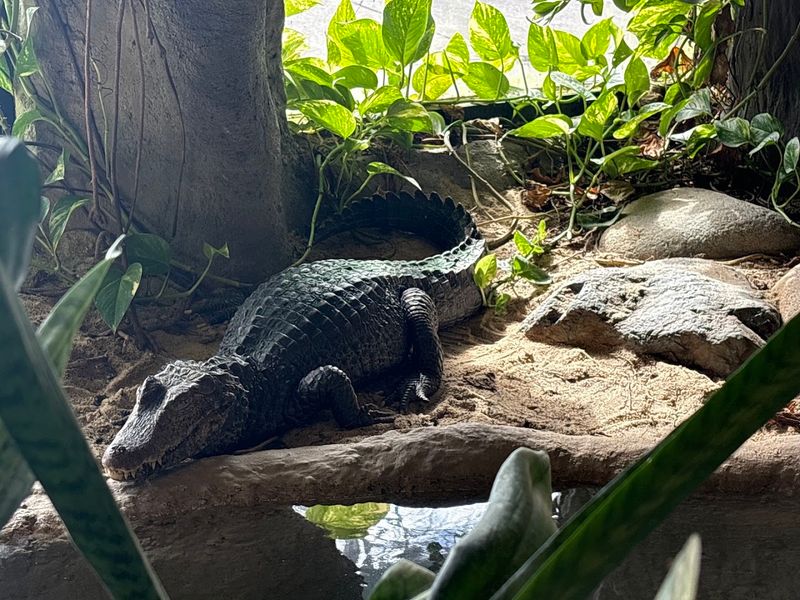
The indoor rainforest habitat is a particular standout, featuring a waterfall, various tropical birds, and a caiman that rests with the confidence of an animal that knows it is the most interesting thing in the room.
The recently renovated Nocturne Exhibit reverses day and night cycles to showcase animals that are most active in the dark.
It is a genuinely effective concept, and spending time in that dimly lit space offers a perspective on nocturnal wildlife that most outdoor exhibits simply cannot provide.
Another building explores animal adaptations, focusing on the fascinating variety of skin, armor, and protective features found across species.
Each indoor space offers a distinct experience, which means the zoo rewards a thorough, unhurried walk rather than a quick loop.
For families with younger children who need occasional breaks from the sun, these buildings serve a practical purpose too. The overall experience feels layered and thoughtful, with each exhibit adding something the previous one did not.
Wildlife Encounters For Every Age
Capron Park Zoo does something many larger institutions struggle with: it makes the animals feel accessible.
Enclosures are designed to replicate natural habitats, and keepers actively enrich the animals’ environments by hiding food in containers rather than simply placing it in a bowl.
That behavioral enrichment means animals are often moving, searching, and engaging, which makes for far more interesting observation.
The zoo is home to critically endangered species including Red Ruffed Lemurs and Black Lemurs from Madagascar, as well as an Australian marsupial of the Bettongia genus.
Fruit bats, meerkats, sloth bears, kangaroos, and otters round out a roster that keeps every age group engaged for the duration of a visit.
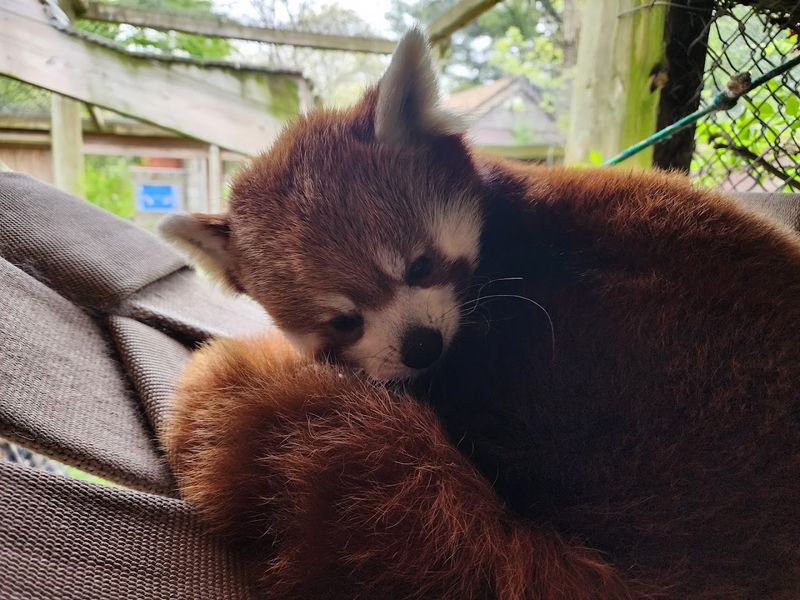
For those wanting a closer connection, the Red Panda Encounter offers a behind-the-scenes experience for an additional fee. The petting zoo area allows hands-on interaction with goats, sheep, and rabbits, which tends to be a highlight for younger children.
Zoo staff are frequently visible at exhibits, tending to animals and answering questions with genuine enthusiasm.
That human element, the sense that the people working here genuinely care, adds warmth to an already inviting experience.
Conservation’s Heartbeat Within The City
Capron Park Zoo participates in the Species Survival Plan, a program coordinated by AZA member institutions to manage the breeding and care of endangered species.
That participation places this small Attleboro zoo in the company of much larger facilities working toward the same conservation goals.
It is a meaningful distinction for a park of this size.
The zoo holds several critically endangered animals, including the Amur leopard, one of the rarest big cats on the planet. Each animal’s story and origin is documented on colorful plaques throughout the grounds.
Some animals arrived at the zoo due to injury or circumstances that made life in the wild impossible, a fact that adds a layer of genuine narrative to what might otherwise feel like a simple display.
The education department, established in 1991, supports these conservation efforts through guided tours, classes, summer programs, vacation week sessions, and story hours.
Animal ambassadors are frequently used in these programs to foster a personal connection between young learners and the species they are studying.
The zoo also holds accreditation from both AZA and AZAD, reflecting a commitment to professional standards that goes well beyond what its modest admission price might imply.
Playful Oasis For Young Explorers
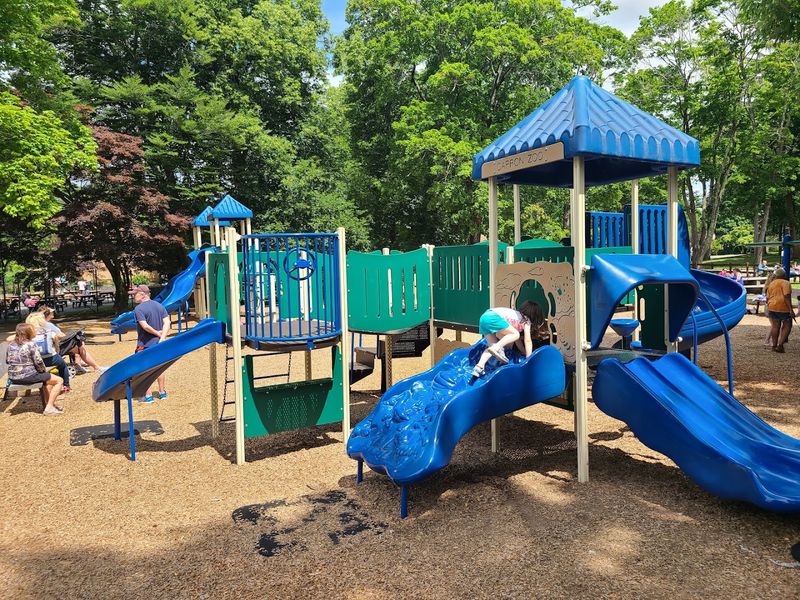
Beyond the animal exhibits, Capron Park Zoo offers recreational features that make it a full-day destination rather than a quick stop.
The SplashPad is a zero-depth water playground included with general admission during summer months.
For families with energetic toddlers, it functions as a perfectly timed reward after the animal loop, keeping younger children happy and cool on warm afternoons.
Outside the zoo gates, a large public playground and picnic areas are available free of charge, even when the zoo itself is closed. That setup gives families the flexibility to extend their outing without any additional cost.
Packing a lunch and settling into the picnic area after exploring the zoo is a straightforward way to stretch the day comfortably.
A pollinator garden near the pond includes a book walk, which adds a quiet, educational element for children who enjoy reading as they wander.
The grounds are clean, well-maintained, and stroller-friendly, which matters considerably when navigating with young children.
Parking is complimentary, which removes one of the most common friction points of a family day out.
All of these features combine to create an environment that feels genuinely designed with families in mind, rather than just tolerant of them.
Accessible Adventures For Families

The manageable scale of Capron Park Zoo is one of its most practical advantages. An adult walking at a comfortable pace can cover the entire grounds in roughly 30 to 45 minutes.
With children who stop to engage with exhibits, ask questions, or linger at the petting zoo, that extends to around an hour and a half. That kind of predictable timing makes planning the day considerably easier.
Admission is structured with affordability as a clear priority. For non-Attleboro residents, adult tickets for those 13 and older are $13.00, youth tickets for ages 3 to 12 are $11.50, and children under 3 enter free.
Seniors pay $10.75, and military personnel with identification are admitted for $6.50. Attleboro residents receive reduced rates with proof of residency.
The zoo operates daily from 9:00 AM to 4:00 PM, with the last ticket sale at 3:30 PM. Winter hours vary, and the zoo is closed on Thanksgiving, Christmas, and New Year’s Day.
Concessions are available during warmer months, and the gift shop stocks reasonably priced educational books, toys, and animal-themed merchandise.
The phone number for the zoo is +1 774-203-1840, and more information is available at capronparkzoo.com.
Seasons Of Enchantment And Learning
Capron Park Zoo shifts its personality with the seasons in ways that reward repeat visits. Summer brings the SplashPad, outdoor concessions, and the full energy of families making the most of warm weather.
Cooler months offer a quieter, more contemplative experience, with shorter lines and the chance to observe animals that are often more active in lower temperatures.
The zoo’s educational programming runs year-round, covering guided tours, classroom-style sessions, summer camps, vacation week programs, and story hours.
These initiatives are designed to build genuine curiosity about wildlife and conservation, using animal ambassadors to make abstract concepts tangible for young learners.
The education department has been operating since 1991, which means it has had decades to refine what works.
Special encounters, like the Red Panda Encounter, are available for an additional fee and provide a behind-the-scenes perspective that standard admission does not include.
New exhibits are periodically added, and ongoing habitat improvements signal that the zoo is invested in its own future.
For families in eastern Massachusetts looking for an outing that is low-stress, high-quality, and genuinely affordable, Capron Park Zoo at 201 County Street in Attleboro consistently delivers a rewarding experience across every season of the year.