
This Small Minnesota Shack Has Fried Fish Everyone Talks About
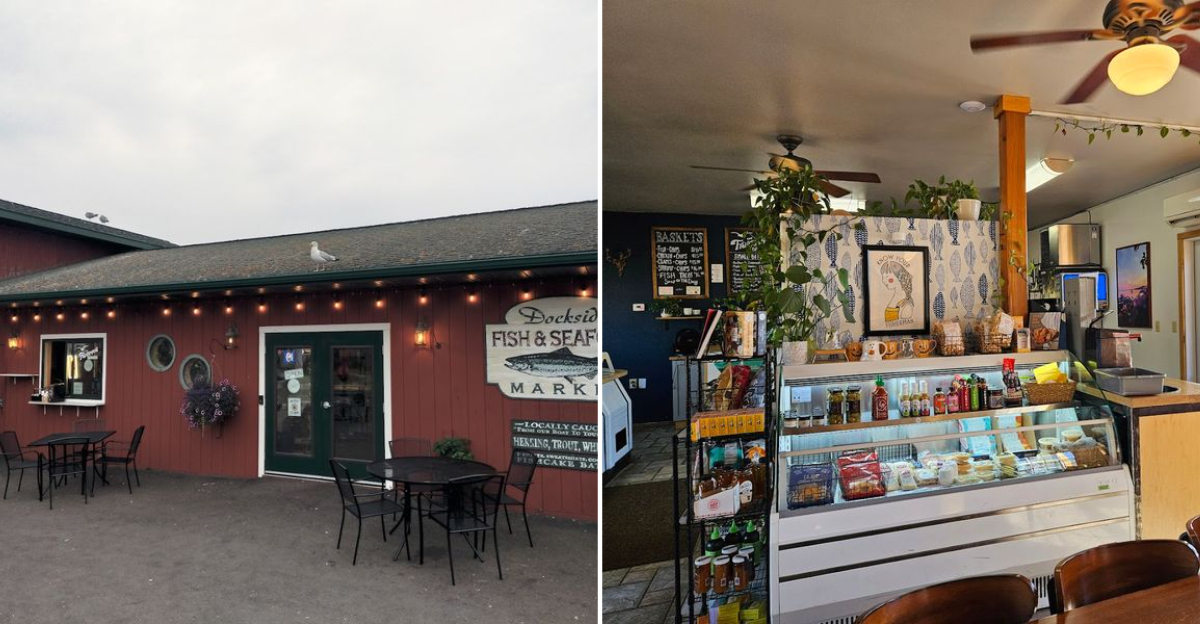
There is an old saying among chefs that the best fried fish in America is never served somewhere you would expect. Standing outside this Minnesota shack, waiting for an order in the cold, that saying starts to make a lot of sense.
It does not look like much from the road. Honestly, it does not look like much up close either.
But the line of people waiting outside on a Tuesday afternoon tells you everything the building cannot. No white tablecloths.
No host greeting you at the door with a smile and a twenty-minute wait for a table you reserved three days ago. Just a shack, a fryer, and fried fish that people drive across the state for without a second thought.
The ones who have been coming here for years will tell you the same thing. The place has not changed.
That is exactly the point. And in a state full of spots trying to reinvent a classic, this little shack is proof that some things are better left alone.
History Of Fried Fish In Minnesota
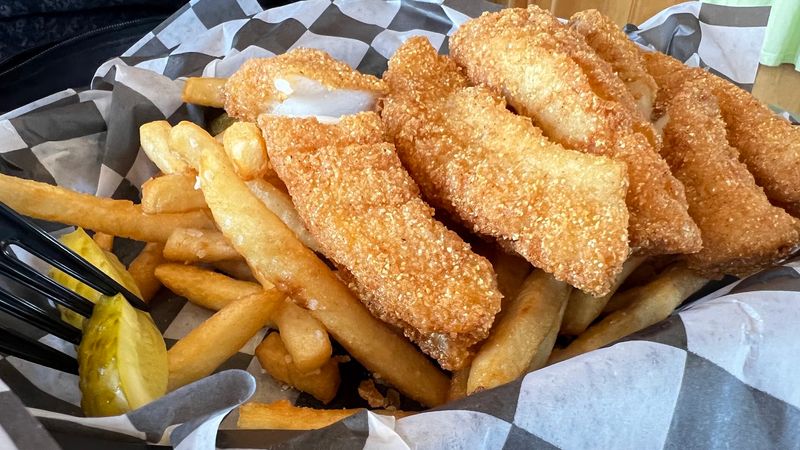
Minnesota has a long, proud history of fried fish that goes back generations. The state sits on some of the most fish-rich freshwater in North America.
Lake Superior alone has fed entire communities for centuries.
Indigenous communities along the North Shore were the first to master cooking local fish over an open fire. European settlers later brought their own frying traditions, blending techniques over time.
Fried fish became a staple at family gatherings, church fish fries, and lakeside shacks.
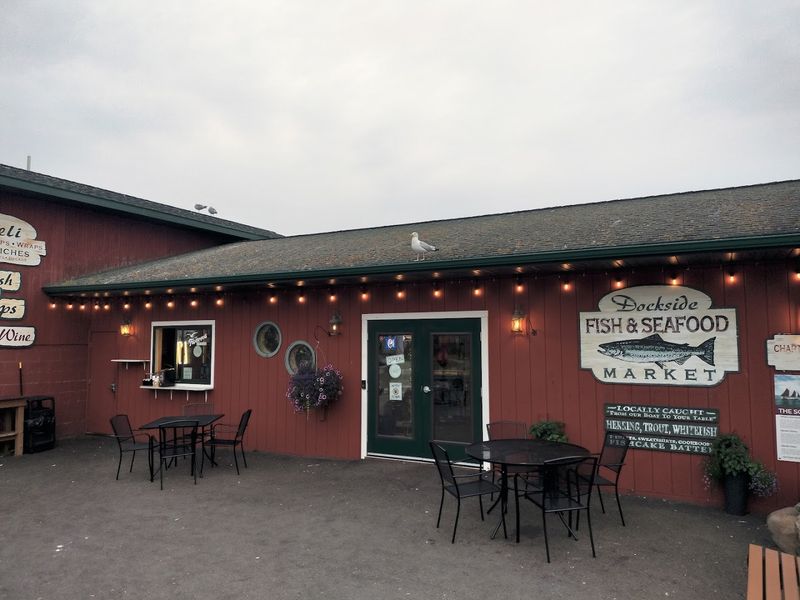
Dockside Fish Market has been part of this tradition since 1998. It started as a family-run operation focused on fresh and smoked fish from Minnesota’s North Shore.
The business reopened as The Fisherman’s Daughter in June 2020, carrying that same legacy forward.
Located at 418 MN-61, Grand Marais, MN 55604, the spot sits at the base of the Gunflint Trail. It honors everything Minnesota’s fish culture stands for.
History here is not just on the walls. It is on the plate, fresh from the lake every single day.
Popular Varieties Used For Frying
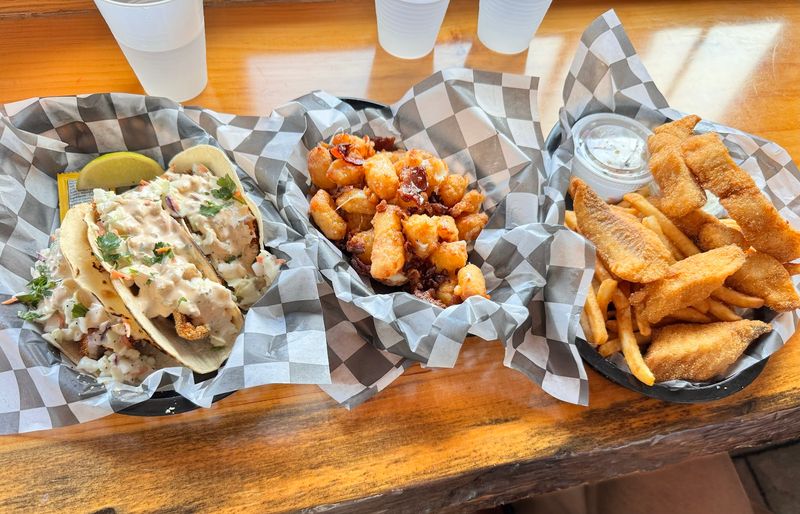
Not all fried fish are created equal, and The Fisherman’s Daughter knows that better than anyone. The menu rotates based on the week’s catch, which keeps things fresh and exciting.
You never quite know which fish will be starring that day.
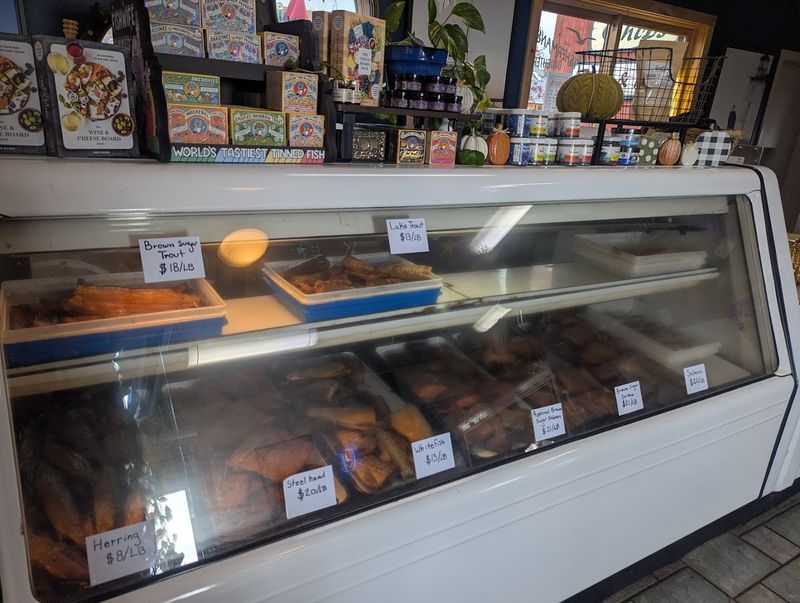
Lake Superior herring is a fan favorite. It fries up light and crispy with a clean, mild flavor.
Whitefish is another top pick, golden on the outside and flaky on the inside.
Lake trout brings a richer taste that pairs perfectly with fluffy fries and tangy tartar sauce. Menominee is a rarer option that locals truly appreciate.
Canadian walleye rounds out the lineup with its sweet, delicate flavor.
Each variety gets its own moment to shine on the menu. The fish is locally caught, which means freshness is never a question.
When you bite into any of these options, you taste the lake itself. That is not something you can fake, and it is exactly why people keep coming back for more.
Unique Breading Techniques For Crispy Texture

Crispy fried fish is an art form, and the breading technique makes or breaks the whole experience. Heavy, doughy coatings suffocate the fish and leave you feeling weighed down.
The Fisherman’s Daughter takes a completely different approach.
The breading here is light and airy. It hugs the fish without smothering it.
That means every bite delivers crunch without greasiness.
The key is using a thin batter that lets the natural sweetness of the fish come through. Some spots overseason their breading to hide lower-quality fish.
Here, the coating is a complement, not a cover-up.
Temperature control during frying also plays a big role in texture. Too cool, and the fish absorbs oil.
Too hot and the outside burns before the inside cooks. Getting that balance right takes real skill and practice.
The result at this shack is consistently golden, crispy fish that stays moist inside. Each piece comes out with that satisfying crunch you hear before you even take a bite.
It is the kind of fried fish that sets a new standard in your mind for everything else you try afterward.
Essential Tips For Perfect Frying Temperature
Temperature is the single most important factor in frying fish correctly. Get it wrong, and you end up with soggy, oily fish or a burned exterior with a raw center.
Neither is acceptable when you are working with fresh Lake Superior catch.
The sweet spot for frying fish sits around 350 to 375 degrees Fahrenheit. At this range, the breading sets quickly and locks in moisture.
The fish cooks through evenly without soaking up excess oil.
Letting the oil drop too low is a common mistake. When you add cold fish to the pan, the temperature dips.
Cooking in smaller batches helps keep the heat steady throughout the process.
A reliable thermometer is your best tool in the kitchen. Guessing by eye alone leads to inconsistent results.
Professional kitchens monitor oil temperature constantly for a reason.
Resting fish briefly on a wire rack after frying also matters. Paper towels trap steam underneath, which softens that hard-earned crust.
A wire rack keeps air circulating and maintains the crunch. These small details separate average fried fish from the kind that people drive across Minnesota to eat on a Tuesday afternoon.
Side Dishes That Complement Fried Fish Well
A great piece of fried fish deserves equally great company on the plate. The wrong sides can overwhelm the delicate flavor of fresh lake fish.
The right ones make the whole meal feel complete.
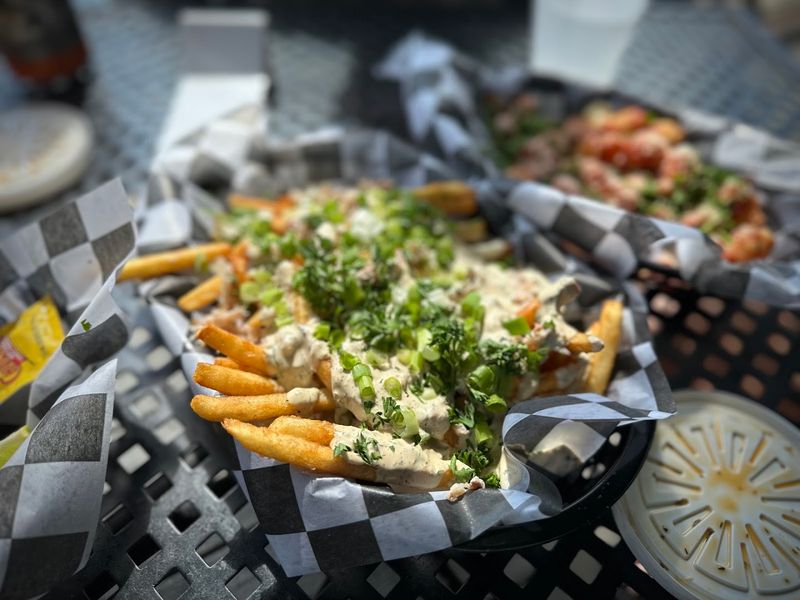
Fries are the classic partner, and The Fisherman’s Daughter does them right. They come out crisp on the outside and fluffy inside.
Seasoned well, they hold their own alongside the fish without competing.
Coleslaw brings a cool, creamy contrast to the heat of freshly fried fish. The crunch of cabbage balances out the soft, flaky texture of the fillet.
It is a combination that has worked for decades and still works today.
Tartar sauce is the glue that ties everything together. The version here is tangy and house-made, with just the right amount of zip.
Malt vinegar is also available, which is a nod to the classic British fish and chips tradition.
Smoked salmon chowder is another standout option on the menu. It works beautifully as a starter before your fried fish basket arrives.
Crab fries are a fun wildcard that surprises first-timers every single time they order them.
Fishing Practices Supporting Local Supply
The fish at The Fisherman’s Daughter does not come from a distant warehouse or a frozen shipment. It comes from Lake Superior, one of the largest freshwater lakes in the world.
That proximity makes a genuine difference in quality and taste.
Local fishing on the North Shore follows sustainable practices that protect fish populations for future generations. Commercial fishermen work within regulated seasons and catch limits.
This keeps species like herring, whitefish, and lake trout thriving in the lake.
Supporting local fishermen means the money stays in the community. Grand Marais is a small town, and every dollar spent at a locally sourced restaurant helps keep that economy alive.
It is a simple but powerful chain of support.
The menu at this shack changes week to week based on what was actually caught. That is not a marketing gimmick.
It is a direct reflection of real fishing conditions on Lake Superior.
Canadian walleye also makes an appearance on the menu, broadening the variety available to diners. Every fish that lands on your plate has a story that starts in the water.
Knowing that makes every bite feel a little more meaningful and a lot more delicious.
Why Should You Consume Fried Fish

Fried fish gets a bad reputation sometimes, but when it is done right with fresh ingredients, it is genuinely worth eating. Lake Superior fish like whitefish and walleye are packed with lean protein and omega-3 fatty acids.
Your body and your taste buds both benefit from that combination.
Fresh fish holds far more nutritional value than fish that has been frozen and thawed multiple times. The Fisherman’s Daughter sources locally, which means the fish on your plate is as fresh as it gets.
That freshness translates directly into better flavor and better nutrition.
Light breading, as used here, adds minimal extra fat to the fish. The goal is a crispy shell, not an oil-soaked coating.
When frying is done at the right temperature, oil absorption stays low.
Fish is also one of the most versatile proteins available. It works as a taco filling, a chips companion, or a standalone basket.
The variety on the menu means you can eat here multiple days in a row without repeating yourself.
Beyond the nutrition, eating great fried fish outdoors by Lake Superior is just genuinely good for the soul. Some meals are about more than calories.
This one qualifies easily.
Seasonal Variations In Fried Fish Availability
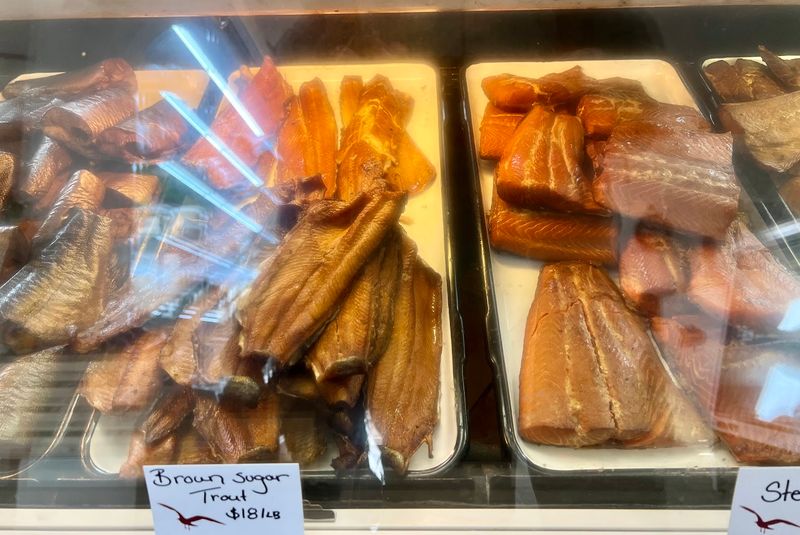
One of the most interesting things about eating at The Fisherman’s Daughter is that the menu genuinely changes with the seasons. Lake Superior fishing follows natural cycles, and the kitchen here respects that completely.
What is available in July might be totally different from what shows up in October.
Summer brings peak variety, with herring, whitefish, and walleye all showing up regularly. The patio fills up fast during warm months.
Eating fried fish with a harbor view on a sunny afternoon is a hard experience to beat.
Fall brings cooler temperatures but equally excellent fish. The crowds thin out, and the lake takes on a dramatic, moody look.
Some regulars actually prefer visiting in the fall for that reason.
Winter keeps the shack open year-round, which is a commitment worth appreciating. Not every lakeside spot stays operational through a Minnesota winter.
The Fisherman’s Daughter does, and loyal locals show up for it.
Spring signals the return of longer hours and fuller menus as fishing picks back up. Each season brings its own character to the experience.
The fish changes, the light changes, and the vibe shifts just enough to make every visit feel like its own thing entirely.