
This Small Ohio College Is Home To Both A Liberal Arts School And A Music Conservatory
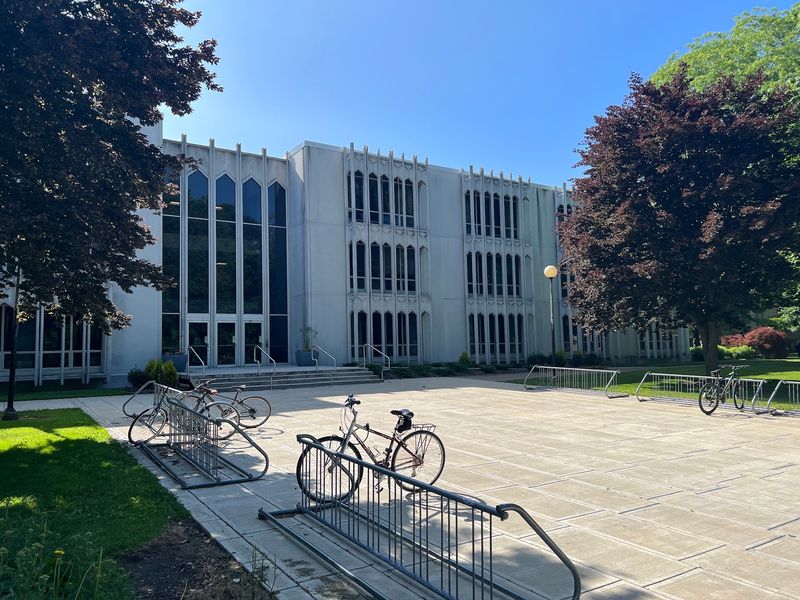
More than 240 Steinway pianos live on one small campus in Ohio. That’s not a typo, and it’s not a piano store.
The school went all-Steinway back in 1877. Today it also hosts more than 500 performances a year, and most of them cost nothing to attend.
I like that a college this serious about music keeps its doors so open.
The twist is that the music is only half the story. A full liberal arts college shares the same grounds, with students crossing between lecture halls and practice rooms every day.
Some even earn two degrees at once.
Add a respected art museum, an arboretum, and a walkable town with deep roots. Suddenly a weekend drive sounds pretty appealing.
How many free concerts could your family catch in one Saturday?
Two Schools Sharing One Leafy Ohio Campus
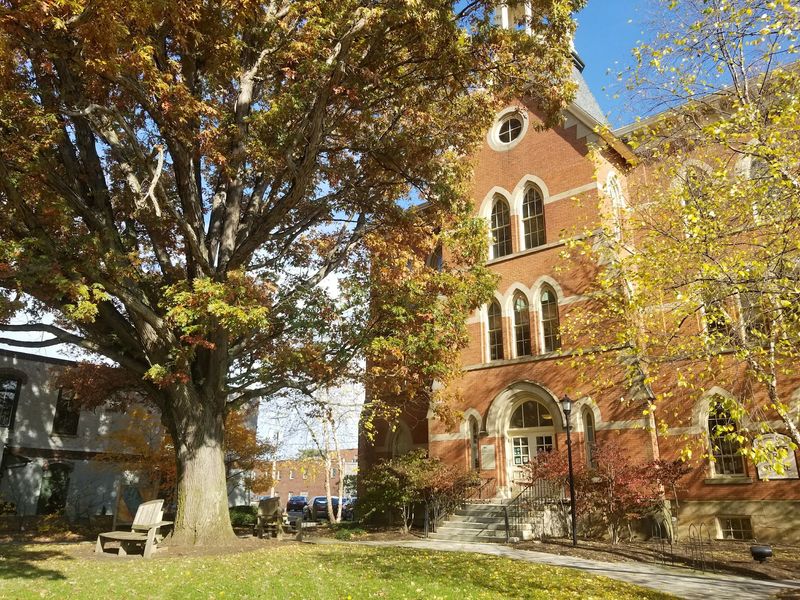
Oberlin College & Conservatory sits in the small town of Oberlin, Ohio, in Lorain County. It’s a private school that pairs a College of Arts and Sciences with the Oberlin Conservatory of Music.
That pairing is rare. Plenty of universities have music departments, but few put a top professional conservatory beside a leading undergraduate college on a single campus.
The campus covers about 440 acres. Families coming from Cleveland will find it a manageable drive west and south, which makes it an easy pick for a day trip or a college visit.
The College of Arts and Sciences offers more than 60 majors, minors, and concentrations. Meanwhile, the conservatory provides private study in 42 applied areas and supports over 30 student ensembles.
So who walks these sidewalks? Future biologists, historians, and writers share space with cellists, composers, and opera singers.
Some students are both at once, which we’ll get to in a bit.
For visitors, that mix means the campus rarely feels one-note. You can tour a museum in the morning and hear a recital by evening.
Not a bad way to fill a Saturday in northeast Ohio, especially when the leaves start turning.
A Founding Story That Changed American Education
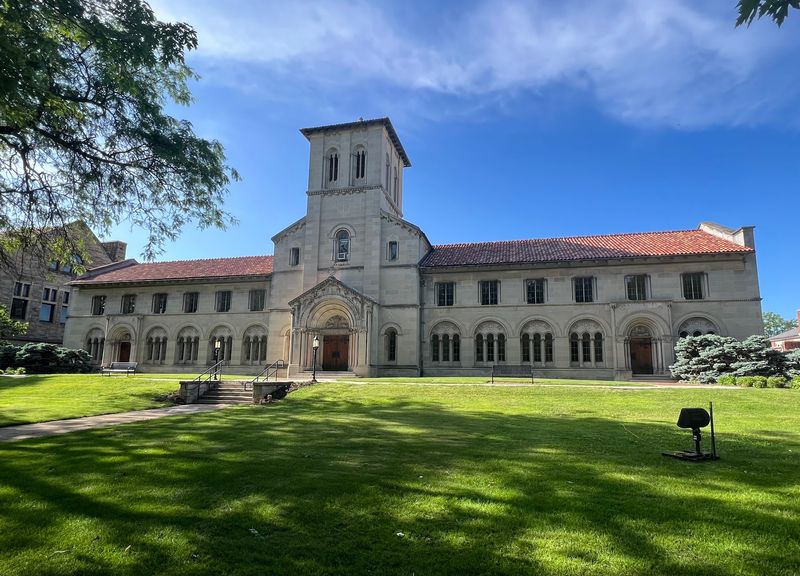
Back in 1833, the school opened as the Oberlin Collegiate Institute. Few founders could have guessed how much history would follow.
Oberlin is the oldest coeducational liberal arts college in the United States. It’s also the second-oldest continuously operating coeducational institution of higher learning in the world.
The firsts kept coming. In 1835, it became one of the first colleges in the country to admit African Americans.
Two years later, in 1837, it became the first to admit women. That commitment to access and social engagement still shapes how the school describes itself today.
Music joined the story in 1865. That’s when the Oberlin Conservatory of Music was established, and it remains the oldest continuously operating conservatory in the country.
Kids who groan at history lessons might perk up here. It’s easier to care about dates when you’re standing on the actual ground where they happened.
A stroll around campus gives parents a natural chance to talk about fairness and education. Who got to go to college, and who didn’t?
Oberlin answered that question differently from most schools of its era, and the town still carries that pride.
All Those Steinways And Sunlit Practice Rooms
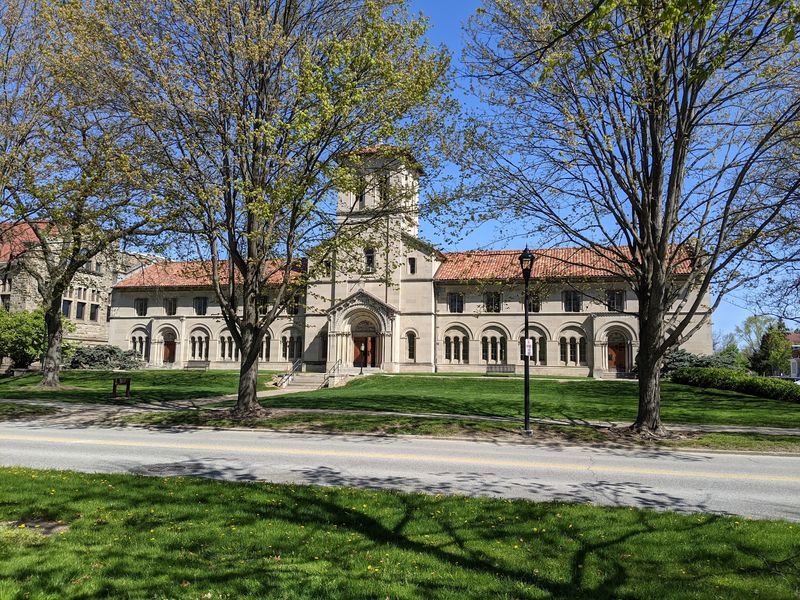
Here’s a number to repeat at dinner: more than 240 Steinway pianos. Oberlin has been an all-Steinway school since 1877, long before most colleges thought about such things.
Pianos need places to live, of course. The conservatory has 150 practice rooms, and they’re naturally lit.
That detail matters more than it sounds. Hours of scales go down a lot easier with daylight coming through the window.
Performers also have 11 performance venues across campus. That range gives students room to play everything from a solo recital to a full ensemble concert.
Young musicians in your car might find this section the most exciting part of the trip. Seeing where serious players train can make home practice feel a little more meaningful.
The conservatory’s quality has earned national notice too. In 2009, the Oberlin Conservatory of Music received the National Medal of Arts, a major honor for contributions to the arts.
Not every building is open to wander through, so plan around public events and official tours. Still, catching a concert in one of those venues is the simplest way to hear what all those Steinways can do.
Free Concerts Almost Every Night Of The Week
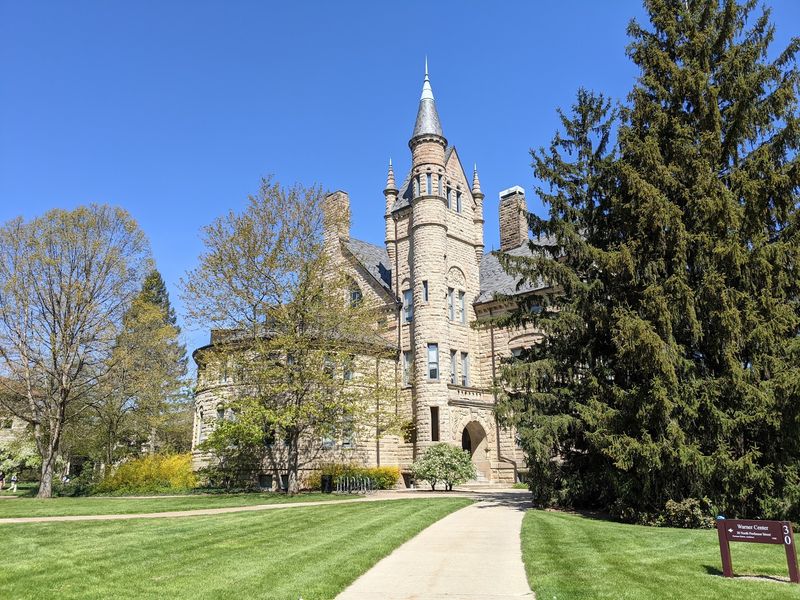
More than 500 performances happen at the conservatory each year. Most of them are free, which is music to any parent’s wallet.
That’s the big draw for families who aren’t shopping for colleges. You get student-level talent at a professional-level school without buying expensive tickets.
With over 30 student ensembles, the lineup changes often. One night might bring an orchestra, while another features a small chamber group or a solo recital.
Short programs can work well for younger kids. A recital is a gentle way to introduce live classical music without a three-hour commitment.
Schedules shift with the academic calendar, so check the conservatory’s event listings before you drive. Summer and breaks will likely be quieter than the fall and spring semesters.
Arrive a little early for popular shows. Free events in Ohio college towns can fill up, especially on weekends when parents and alumni are around.
Bring a snack for the car ride home. After an evening of strings and brass, the kids might hum the whole way back to Cleveland, or at least argue about which instrument was the coolest.
Electronic Sounds Born At A Very Old School
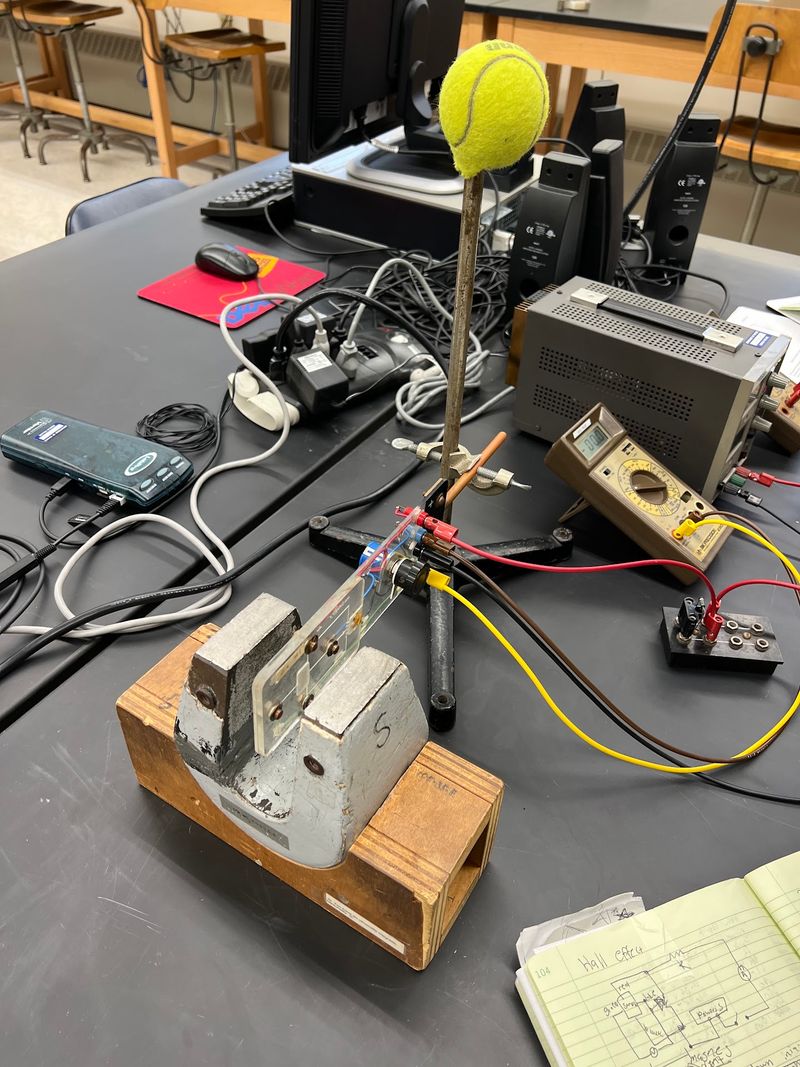
Not every note at Oberlin comes from a violin. In 1967, the conservatory launched TIMARA, short for Technology In Music And Related Arts.
It was the world’s first conservatory program of its kind. Think synthesizers, computers, and sound experiments mixed right in with centuries of tradition.
That combination says a lot about the school’s personality. A place proud of its 1877 piano decision also jumped early into electronic music.
For tech-minded teens, this is a fun angle. It shows music can be a computer-science-adjacent hobby, not just hours of scales on a bench.
Visitors may not tour the studios on a casual walk. However, keep an eye on the performance calendar, since experimental and electronic works can show up among the many events each year.
The program also fits Oberlin’s larger habit of mixing fields. Students in the arts and sciences college and the conservatory both benefit from that curiosity.
It’s a good reminder for kids who think classical music feels stuck in the past. At this small Ohio school, the past and future share the same stage, and sometimes the same speaker cable.
Five Years, Two Degrees, One Very Busy Student
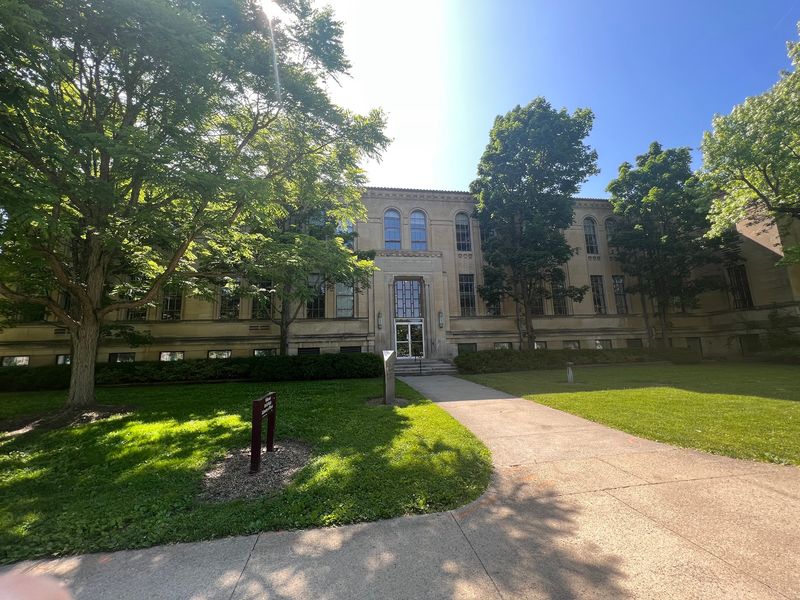
Can’t choose between chemistry and the clarinet? Oberlin’s Double-Degree program lets students skip that heartbreak.
Over five years, participants earn both a Bachelor of Music and a Bachelor of Arts. It’s the clearest example of the two schools working together.
That setup draws students who refuse to drop a passion. A future doctor might keep performing, while a composer might also dig into history or physics.
Families touring colleges should ask about this option directly. Admissions for the College of Arts and Sciences sits at 38 E.
College St., while Conservatory Admissions is at 39 W.
College St.
Even students in just one school benefit from the overlap. Liberal arts majors who play an instrument can often find bands and musical groups to join.
The Experimental College, known as ExCo, adds another twist. There, students can teach for-credit classes to their peers.
Picture a teenager realizing they could teach a class someday. That’s the kind of idea that sticks during a campus visit.
Oberlin seems built for people who like a little of everything, and who don’t mind a packed planner.
An Art Museum And Arboretum Worth The Detour

Music gets the headlines, but the visual arts hold their own. The campus is home to one of the country’s finest academic art museums.
For families, a museum stop is an easy add-on. It gives everyone a break from walking and a chance to see art without leaving town.
Outdoors, there’s an arboretum for a slower stroll. Kids can stretch their legs while parents enjoy the trees and quiet paths.
The buildings themselves are part of the scenery. Many styles mix across campus, so the place avoids that cookie-cutter look some schools have.
Spring and fall are probably the prettiest times to visit in Ohio. Winter walks can be chilly, so the museum makes a smart indoor anchor that time of year.
Hours and admission details can change, so confirm before heading out. Stroller users should plan for older paths and steps around historic spots.
Pair the museum with a free concert, and you’ve built a full arts day. That’s a lot of culture for a town this size, and the kids may not even notice they’re learning something.
Getting There, Parking, And Planning Your Day
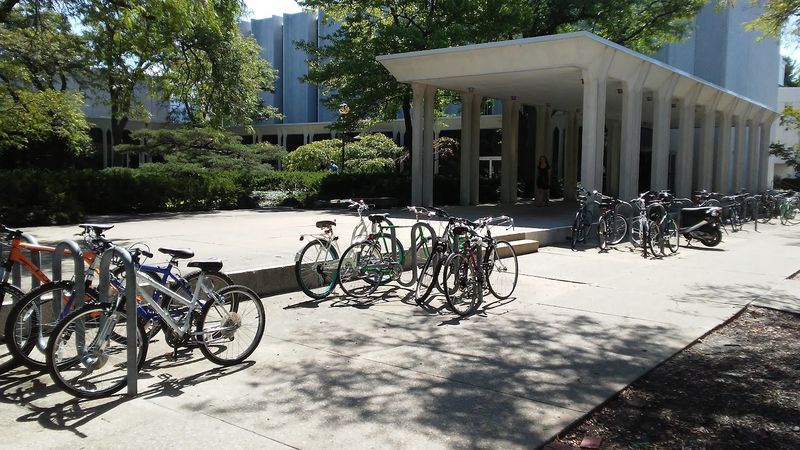
Plug 173 W Lorain St, Oberlin, OH 44074 into your GPS. That address puts you right at the college in the heart of town.
Oberlin sits in Lorain County, an easy drive from Cleveland and reachable from Akron or Toledo. It works well as a day trip from much of northern Ohio.
Campus events and sports bring extra traffic on some weekends. Street parking near the center may be limited, so give yourself time to circle.
The college bookstore, run by Barnes and Noble College Booksellers, sells official merchandise. A souvenir sweatshirt might be the treat that wins over a reluctant teen.
Campus buildings don’t keep tourist-style hours, and access can vary. Public events, the museum, and outdoor spaces are your best bets for a casual visit.
Planning a college tour instead? Contact the admissions offices ahead of time, since schedules fill up during busy seasons.
Downtown shops sit close to campus, so lunch and a quick browse fit nicely into the day. Some businesses may open later in the morning, so an afternoon arrival can make the most sense.
Why This Ohio Town Deserves A Spot On Your List
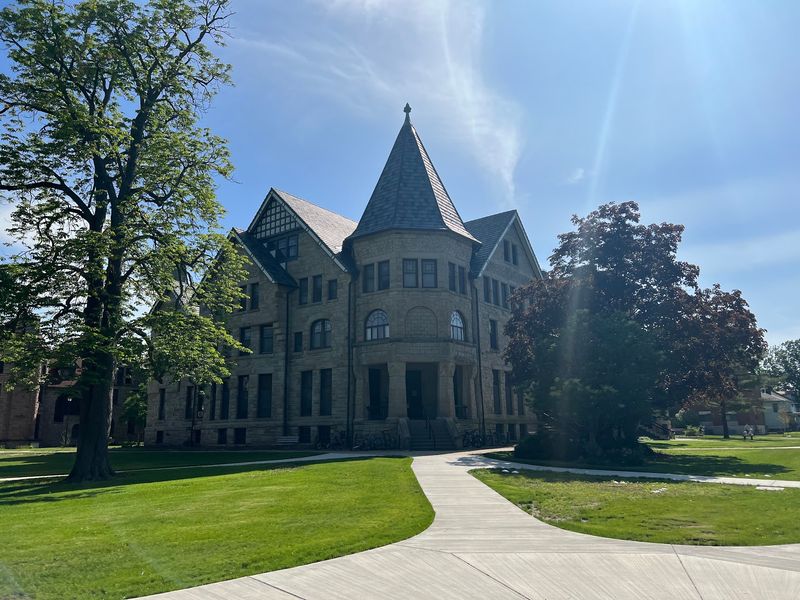
Few small towns can offer free concerts, a fine art museum, and nearly two centuries of history within a short walk. Oberlin manages it without much fuss.
Music lovers will find the most to enjoy here. Between the Steinways, the ensembles, and hundreds of yearly performances, there’s rarely a quiet week during the school year.
History buffs get plenty too. The story of early coeducation and admission for African Americans gives the whole campus real weight.
Students considering college should look closely at both schools. A teen torn between music and academics may find the Double-Degree program surprisingly appealing.
Younger kids might just love the trees, the museum, and a short recital. That’s enough for a happy day in my book.
Just remember this is a working campus first. Respect classes in session and plan around the academic calendar.
Oberlin College & Conservatory proves a small Ohio town can carry a big cultural voice. I believe it’s one of those places that makes you glad you took the exit, and maybe a little inspired to dust off that old keyboard at home.