
This Small Ohio Town Feels Like A Secret Locals Don’t Want To Share
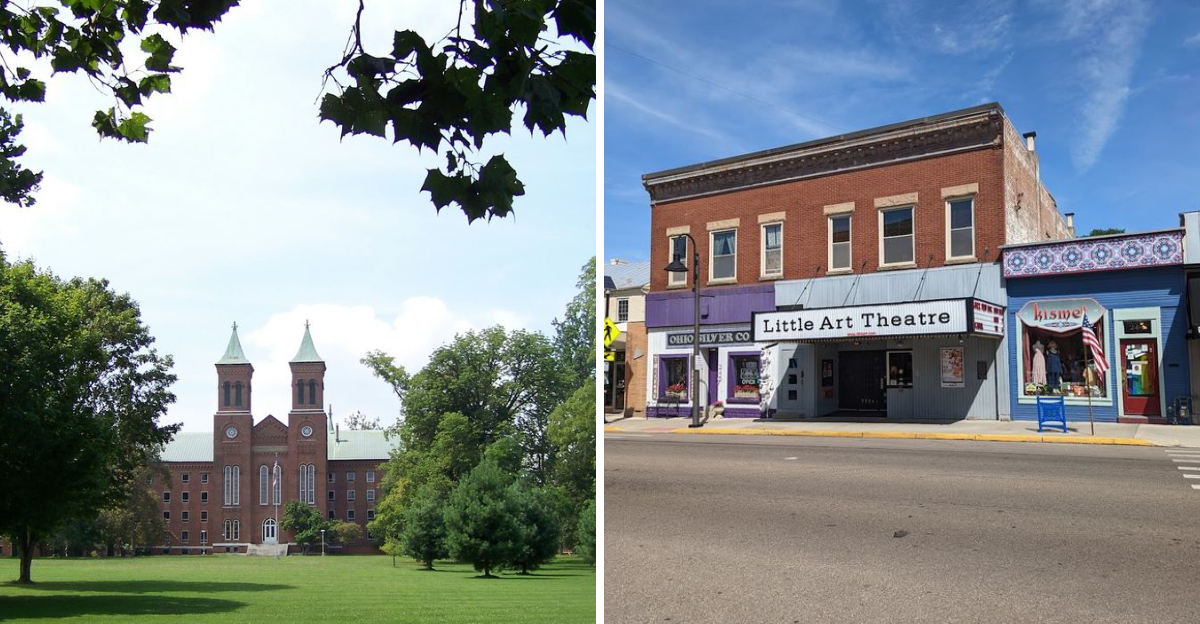
Blink and you might miss it on the map, but spend an afternoon here and you’ll wonder how it stayed under your radar for so long. Yellow Springs, Ohio may have fewer than 4,000 residents, yet this Greene County village carries a personality that feels far bigger than its footprint.
Wooded trails wind through dramatic gorges, independent bookshops invite slow browsing, and live music drifts onto the pavement on warm evenings. It’s creative, relaxed and just a little bit unexpected.
After one visit, it becomes obvious why the people who call Yellow Springs home are in no rush to broadcast the secret.
A Walkable Downtown Filled With Independent Shops And Colourful Murals
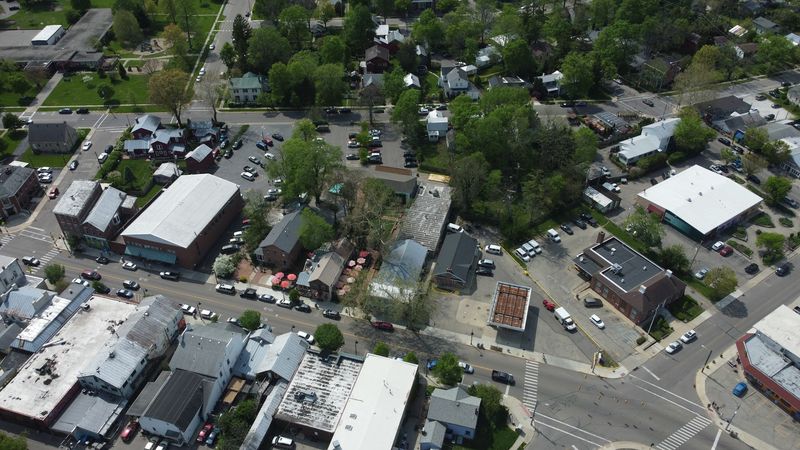
Xenia Avenue is the beating heart of Yellow Springs, and walking its length on any given afternoon feels like flipping through a scrapbook assembled by an entire community. The storefronts here belong to real people with real ideas, not franchise headquarters in distant cities.
Every shop window tells a different story, from handmade jewelry to vintage clothing to locally printed books.
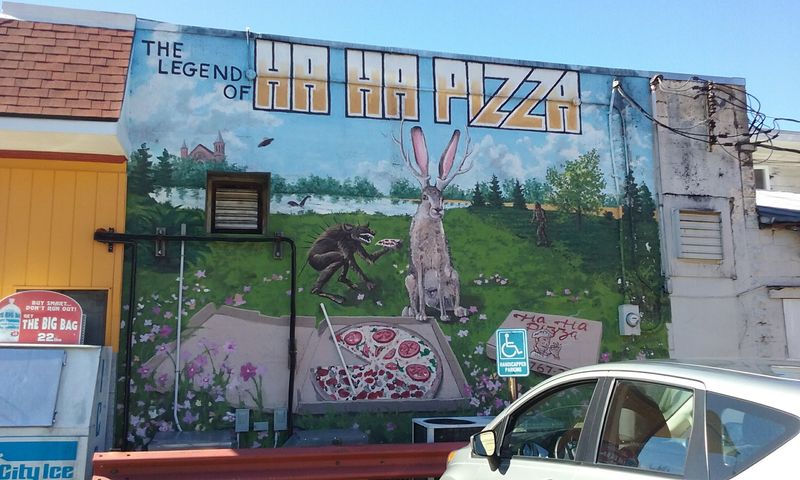
The murals scattered across building walls add a visual rhythm to the street that keeps your eyes moving and your pace slow. Artists from within the community painted many of them, and their styles range from bold geometric shapes to soft, narrative scenes drawn from local history.
Nothing feels placed here for the sake of tourism.
Spending a morning wandering this downtown without a fixed agenda is one of the most satisfying things Yellow Springs offers. The village sits at Miami Township, OH 45387, and its walkable core makes a car feel entirely unnecessary once you arrive.
Glen Helen Nature Preserve Feels Like A Hidden Forest Escape
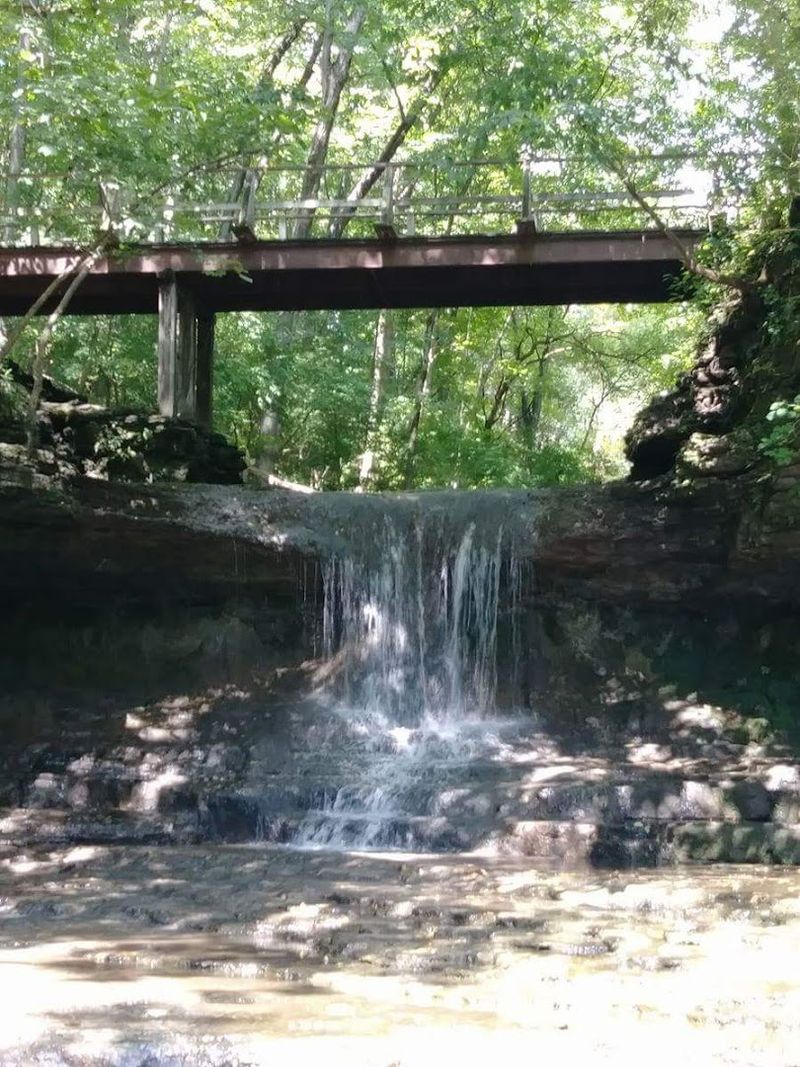
Glen Helen Nature Preserve covers 1,000 acres of woodland just east of the village center, and the moment you step onto its trail system, the noise of ordinary life fades with surprising speed. Antioch College has managed this land since 1929, and that long stewardship shows in the health and density of the forest.
The trees here have had decades to grow tall and undisturbed.
A clear, spring-fed stream runs through the gorge at the preserve’s core, and the sound of moving water follows you along most of the main trails. The Yellow Spring itself, a mineral-rich natural spring that gave the village its name, flows here and stains the surrounding rocks with a warm ochre color that looks almost painted.
Hikers of all experience levels find something rewarding in Glen Helen. Trails range from easy streamside walks to more rugged routes that climb the gorge walls and reward you with elevated views of the canopy below.
John Bryan State Park Offers Dramatic Cliffs And Scenic Hiking
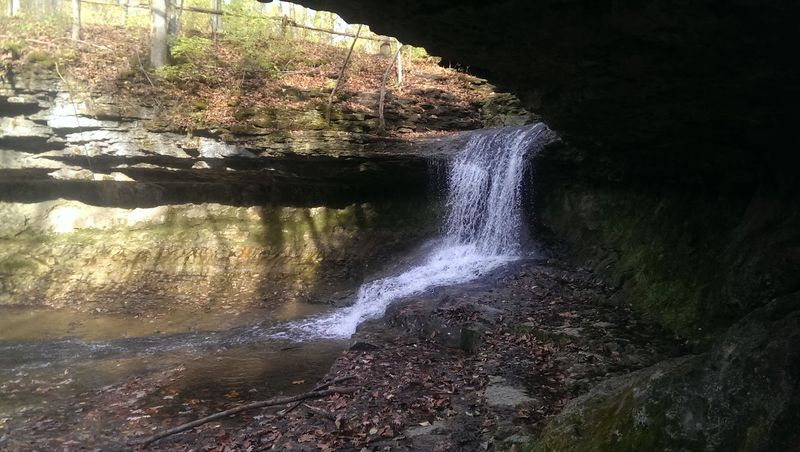
John Bryan State Park sits just south of Yellow Springs along the Little Miami River, and its landscape carries a kind of geological drama that feels out of place in the flat Midwest. Exposed dolomite and limestone cliffs rise sharply from the riverbanks, some reaching heights that make you stop and reconsider your footing.
The park covers roughly 750 acres and connects directly to Clifton Gorge State Nature Preserve.
Hiking trails here vary in difficulty, but the most memorable routes follow the gorge rim and drop into the valley floor, giving walkers a chance to experience the park from multiple elevations. Wildflowers appear in remarkable variety during spring, drawing botanists and casual observers alike to the same narrow paths.
Camping is available within the park, which means the experience does not have to end at sunset. Spending a night here, with the river moving quietly below the ridge, gives the park a completely different character that day visitors rarely get to appreciate.
Clifton Gorge Is One Of Ohio’s Most Underrated Natural Wonders
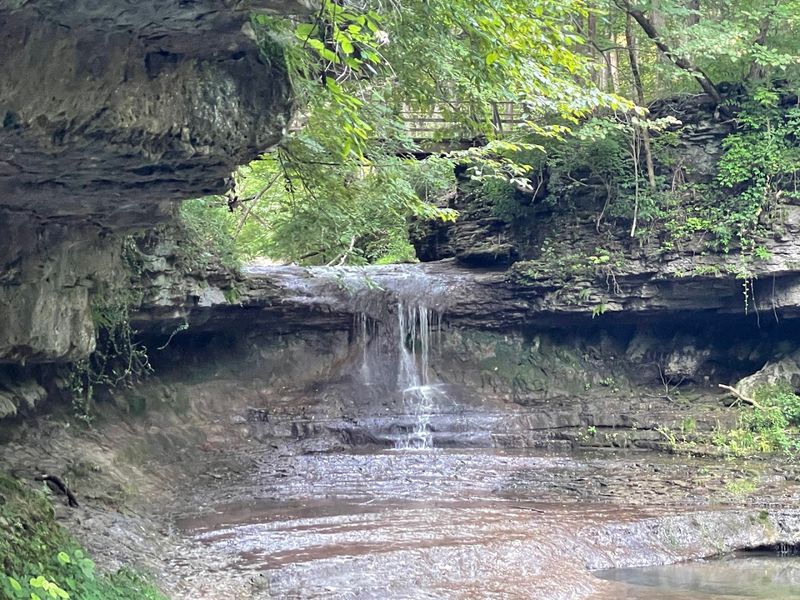
Clifton Gorge State Nature Preserve holds a stretch of the Little Miami River that cuts through ancient limestone with a force and precision that took thousands of years to achieve. The gorge is narrow in places, and standing at its edge while water churns through the passage below gives you an immediate sense of how powerful moving water can be over geological time.
Ohio does not advertise this place nearly enough.
The preserve protects a rare assemblage of plant species, many of which survive here because the gorge microclimate stays cooler and more humid than the surrounding landscape. Botanists have documented plants in Clifton Gorge that are more commonly found in regions far north of Ohio, making it a site of genuine scientific interest beyond its visual appeal.
Trails along the gorge rim are well-maintained but demand attention, particularly where the path runs close to the edge. The experience rewards careful, unhurried walkers who take time to read the interpretive signs and observe the layered rock walls up close.
A Food Scene That’s Eclectic, Local, And Anything But Chain
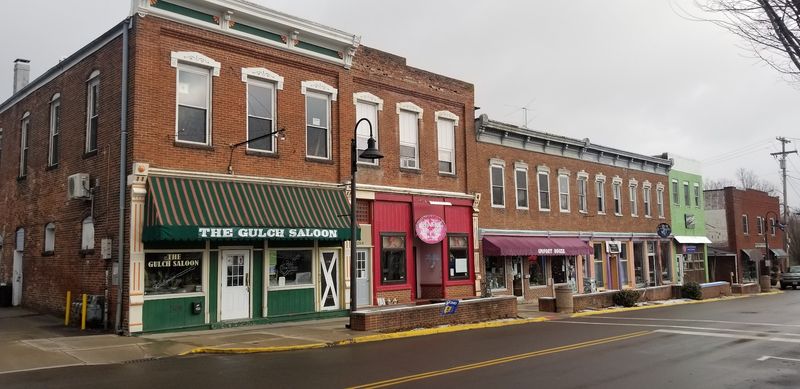
Yellow Springs has no chain restaurants. That is not an accident or an oversight.
The village has long resisted the kind of commercial homogenization that flattens the personality out of small towns, and the food scene reflects that resistance with genuine conviction. What you find instead is a rotating cast of locally owned cafes, bakeries, and restaurants that change with the seasons and respond to what local farmers are actually growing.
Sunrise Cafe on Xenia Avenue has been a morning institution for decades, serving breakfast with the kind of unhurried pace that reminds you food is supposed to be a social experience. Other spots around the village lean into vegetarian menus, global flavors, or farm-sourced ingredients without making a performance of it.
Eating in Yellow Springs feels like participating in something rather than simply consuming it. The people behind the counters often know the farmers who grew the vegetables on your plate, and that connection comes through in the care taken with every dish.
Street Festivals And Community Events Bring The Town To Life
Yellow Springs has a long tradition of public gatherings that feel nothing like the sanitized events common to larger towns. The village hosts the Yellow Springs Street Fair twice a year, drawing tens of thousands of visitors to a community of fewer than 4,000 permanent residents.
The fairgrounds fill with artists, musicians, food vendors, and an audience that seems genuinely pleased to be part of something together.
Beyond the Street Fair, the village calendar includes art walks, film screenings, live music series, and seasonal celebrations that rotate through the year with reliable energy. Many of these events are organized by local nonprofits and volunteer groups rather than commercial promoters, which gives them a character that feels earned rather than manufactured.
Attending one of these events is one of the fastest ways to understand what Yellow Springs actually values. The crowd is multigenerational and genuinely mixed, and the atmosphere carries a warmth that is difficult to fabricate and easy to appreciate once you have experienced it firsthand.
A Strong Arts And Music Culture That Feels Authentic
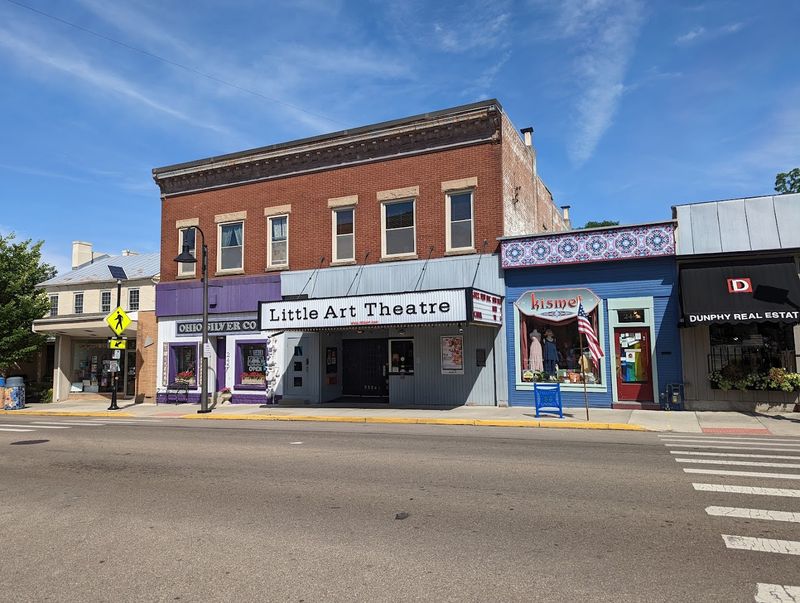
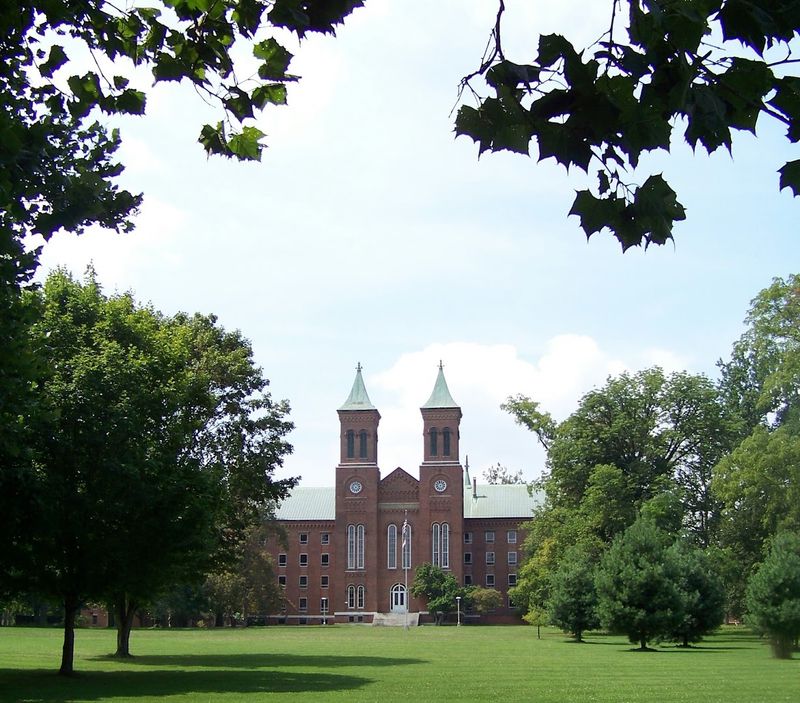
Antioch College has shaped Yellow Springs in more ways than one, and its influence on the arts community is particularly visible. The college brought a steady stream of creative thinkers to the village over decades, and many of them stayed, opened studios, and built a cultural infrastructure that continues to sustain itself.
The result is an arts scene that does not rely on outside investment to stay alive.
Live music in Yellow Springs happens in small venues where the distance between performer and audience is measured in feet rather than rows. The Emporium, a long-running community gathering space, has hosted countless shows that range from folk and jazz to experimental sounds that resist easy categorization.
Audiences here actually listen.
Visual art is equally present, displayed in galleries, coffee shops, and on the walls of public buildings throughout the village. Local artists show their work in spaces that feel accessible rather than intimidating, which makes engaging with the art feel like a natural part of spending time in town.
A Free-Spirited History That Still Shapes The Town Today
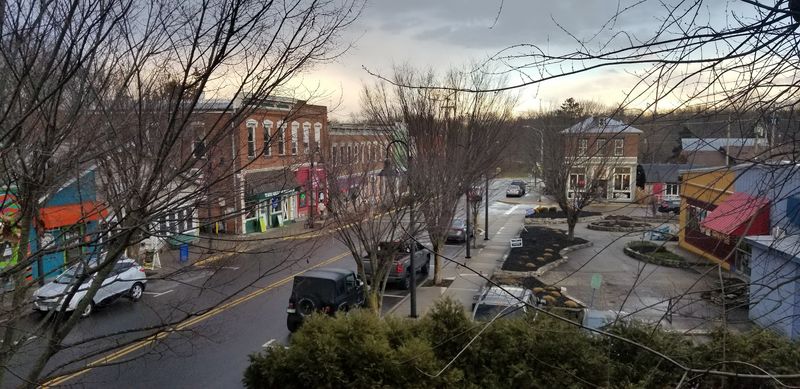
Yellow Springs has been doing things its own way for a long time. Antioch College, founded in 1853, was among the first institutions in the United States to admit students regardless of race or gender, and that founding philosophy left a permanent mark on the community surrounding it.
The village developed a reputation for independent thinking that attracted activists, artists, and unconventional minds across several generations.
During the civil rights movement, Yellow Springs residents organized sit-ins and marches at a time when such actions carried real personal risk. The town has also been home to figures like Coretta Scott King, who attended Antioch College before becoming one of the most recognized voices in American civil rights history.
That legacy is not merely decorative here.
Walking through Yellow Springs today, you sense that its progressive identity is not a marketing position but a lived practice. The conversations you overhear at coffee shops and the signs in shop windows reflect a community that still takes its values seriously and applies them to current events without apology.
Bike Trails That Connect You To The Surrounding Countryside
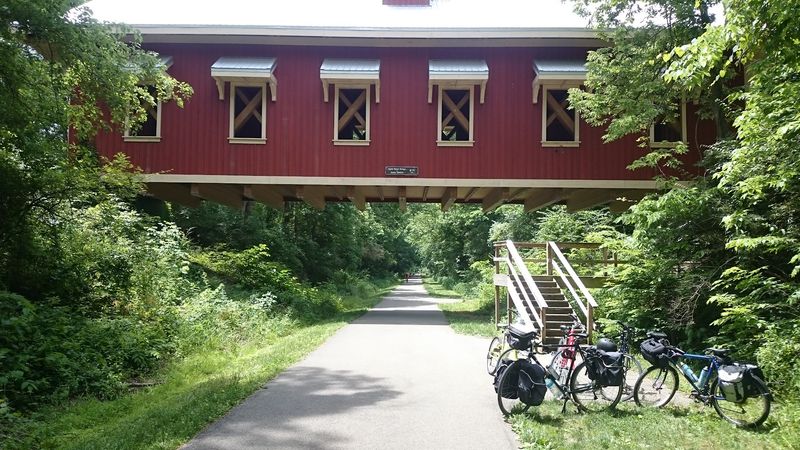
The Little Miami Scenic Trail passes through Yellow Springs and extends for miles in both directions, offering one of the most pleasant cycling experiences in southwestern Ohio. The trail is paved, well-maintained, and runs largely along the river corridor, which keeps the scenery varied and the shade generous during warmer months.
Cyclists of all ages use it regularly, and the pace tends to be relaxed rather than competitive.
From Yellow Springs, the trail connects north toward Springfield and south toward Xenia, where it links into a broader network of multi-use paths that eventually reach Cincinnati. Riding the full corridor in a single day is ambitious but achievable, and several small towns along the route offer stopping points for food and rest.
Renting a bicycle in the village is straightforward, and the flat terrain makes the trail accessible even for occasional riders. The experience of leaving downtown Yellow Springs on two wheels and arriving in open farmland within minutes is one of those simple pleasures that stays with you longer than you expect.
Locally Owned Businesses That Give It A Close-Knit Feel
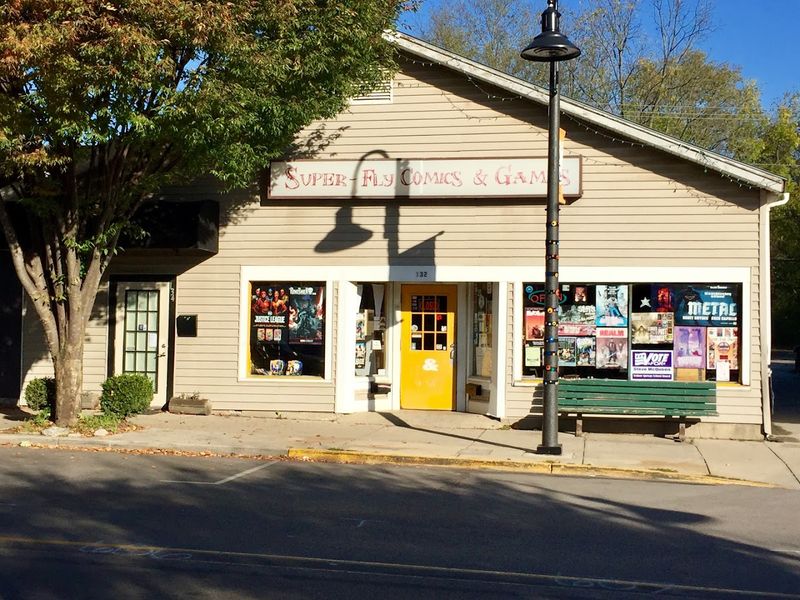
Walking into a business in Yellow Springs, you are almost always greeted by the person who owns it. That is not a coincidence or a customer service strategy.
It reflects the scale and philosophy of a village where commerce is still conducted on a human level, and where the person selling you a book or a cup of coffee has a genuine stake in whether you enjoy it. The difference in atmosphere compared to chain retail is immediate and hard to ignore.
Current Cuisine, Dark Star Books, and several other long-standing local establishments have built loyal followings not through advertising but through consistency and character. Regulars return because they know what to expect and because the experience of being known by name in a shop is something most people quietly miss in modern life.
Supporting these businesses feels less like a consumer decision and more like participating in the ongoing project of keeping a particular kind of community alive. Yellow Springs understands that, and so do most of the people who visit and return.
Nearby Clifton Mill Adds Old-World Charm To The Experience
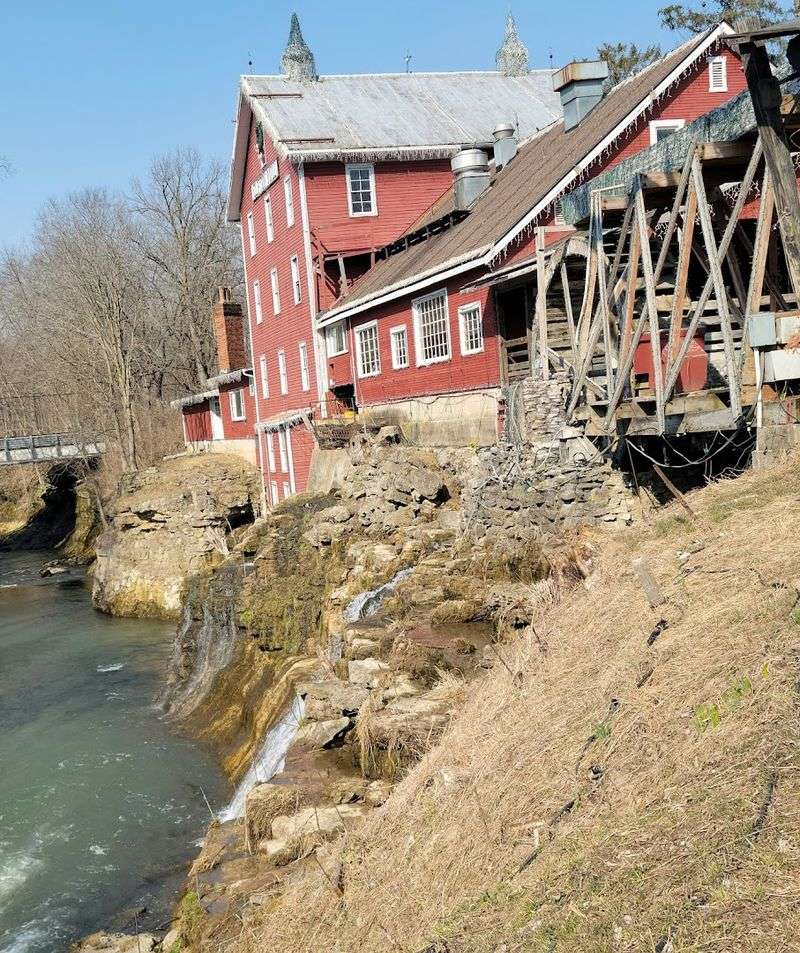
A short drive from Yellow Springs along the Little Miami River brings you to Clifton, Ohio, home to one of the largest operating grist mills in the United States. Clifton Mill has been grinding grain since 1802, and the building itself sits directly above a waterfall that powers the old millstone machinery.
Watching the water move through the mill race and the wooden gears turn inside the structure is a genuinely absorbing experience.
The mill operates as a working museum and restaurant, serving stone-ground grits, pancakes, and other dishes made from grain processed on-site. Breakfast at Clifton Mill is a particular draw, especially on weekend mornings when the dining room fills with visitors from across the region who have made the trip specifically for the food and the setting.
During the winter holiday season, Clifton Mill becomes something else entirely. The property is decorated with millions of lights that transform the mill, the covered bridge, and the surrounding grounds into a scene that draws crowds from well beyond Greene County every year.
A Pace Of Life That Makes You Want To Stay Longer
Some places communicate urgency the moment you arrive. Yellow Springs communicates the opposite.
The village operates at a tempo that feels deliberately chosen rather than accidental, and spending even a few hours here begins to recalibrate your sense of how a day should feel. People walk slowly, conversations last longer than expected, and nobody seems to be checking their phone with the anxious frequency common to larger cities.
Part of this comes from the physical scale of the place. When everything you need is within walking distance and the streets are lined with shade trees rather than parking structures, the body naturally adjusts its speed.
Part of it also comes from the culture that Antioch College and generations of independent-minded residents built here over more than a century.
Visitors who plan a day trip to Yellow Springs frequently find themselves revising that plan by mid-afternoon. The village, located in Miami Township, OH 45387, has a way of making the return journey feel less urgent with every hour you remain inside it.