
This Small Tennessee Lake Has No Crowds And The Fishing Here Is Something Else Entirely
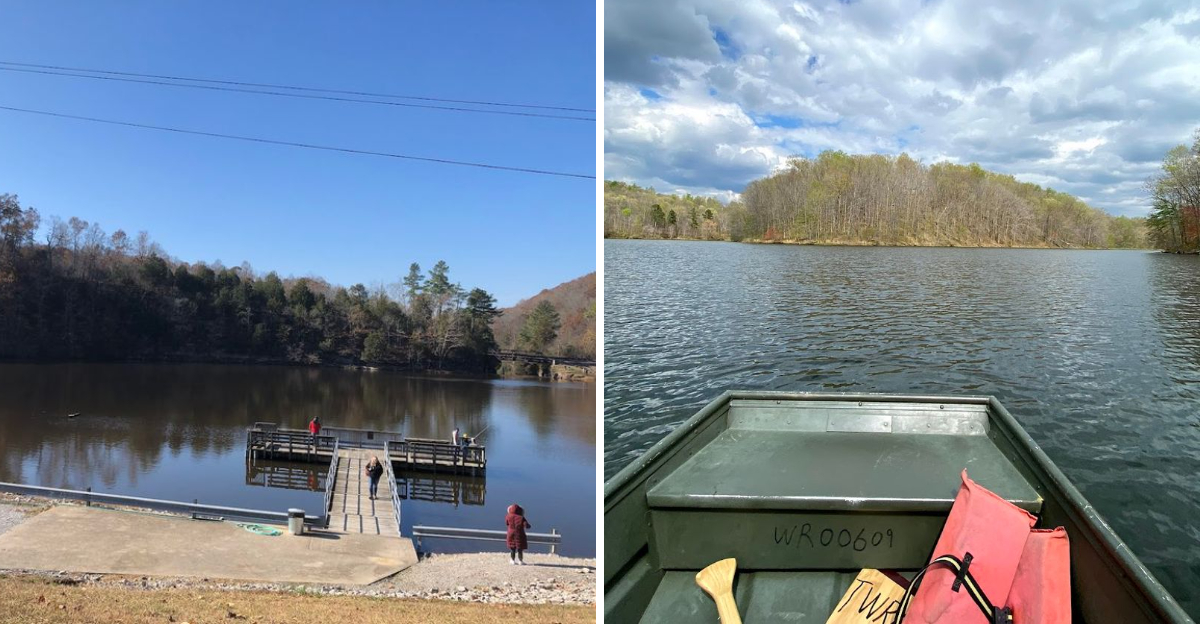
Some lakes are loud. Boats everywhere, weekenders staking out every shoreline, coolers competing for space on the dock. And then there are the ones that never got famous, and that’s exactly the point.
Tennessee has a lot of water. Most people drive past the smaller ones without a second thought. That’s a mistake. Because the fishing at a place like this, quiet and largely overlooked by the crowds chasing the big-name reservoirs, hits differently.
Bass, catfish, crappie. The kind of haul that makes you wonder why you ever bothered with the packed spots. No jet skis roaring past your line.
No waiting for a launch spot. Just still water, decent weather, and the kind of afternoon that reminds you fishing is supposed to feel like this.
Small lakes don’t get enough credit in this state. This one makes a strong case for itself.
A 60-Acre Spring-Fed Lake That Punches Way Above Its Weight
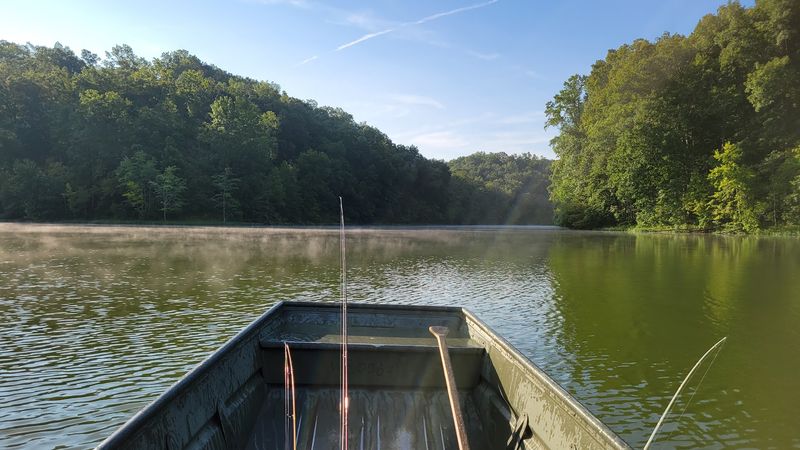
Size can be deceiving on the water. This lake covers just 60 acres, but its depth reaches up to 40 feet in certain spots, with creek channels running beneath the surface and approximately half the lake filled with standing timber.
That underwater structure creates ideal habitat for a surprising variety of fish species. The lake is managed by the Tennessee Wildlife Resources Agency and sits roughly 15 miles north of Nashville.
Natural springs feed the lake year-round, keeping water temperatures cooler than most similar bodies of water in the region. That cooling effect supports both warm-water and cold-water species, which is genuinely unusual for a lake this size.
Visitors consistently mention the clarity of the water, which stands out compared to other Tennessee fishing spots nearby. The standing timber gives the lake a slightly wild, undisturbed character that larger, more developed lakes simply cannot replicate.
For anglers who understand how fish relate to structure, this lake reads like a well-written map. Every submerged tree, every creek channel, and every spring-fed pocket holds real potential on any given morning.
The Fish Species List Reads Like A Stocked Grocery Store
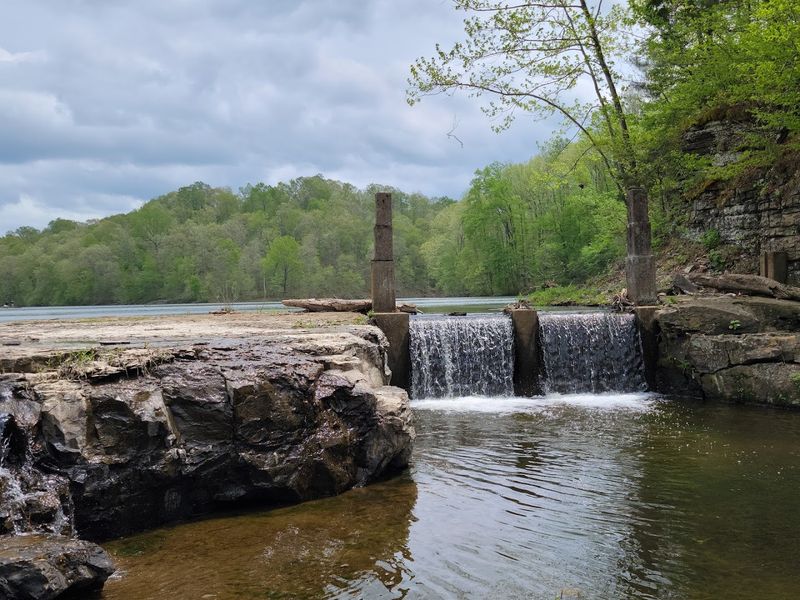
Rainbow trout sharing water with largemouth bass is not something most Tennessee lakes can offer. Marrowbone Lake does exactly that, thanks to its natural springs maintaining cooler temperatures throughout the year.
The TWRA stocks rainbow trout during December, January, and February, giving winter anglers a legitimate reason to brave the cold.
The warm-weather species list is equally impressive. Largemouth bass, crappie, bluegill, redear sunfish, warmouth, blue catfish, and channel catfish all call this lake home.
The bass fishery has produced a lake record exceeding 13 pounds, which is a serious number for a 60-acre impoundment. Regulars describe the lake as having reproduction rates comparable to a fish hatchery.
That said, fishing here can run hot and cold depending on conditions. Several visitors note that when the fish are feeding, limits come quickly.
When they are not, the scenery more than compensates for the slow action. The variety of species means anglers can adjust their target mid-session without changing locations, which keeps the experience interesting across different seasons and skill levels.
Bringing multiple rigs and a flexible mindset is genuinely good advice here.
Fishing Regulations Worth Knowing Before You Launch
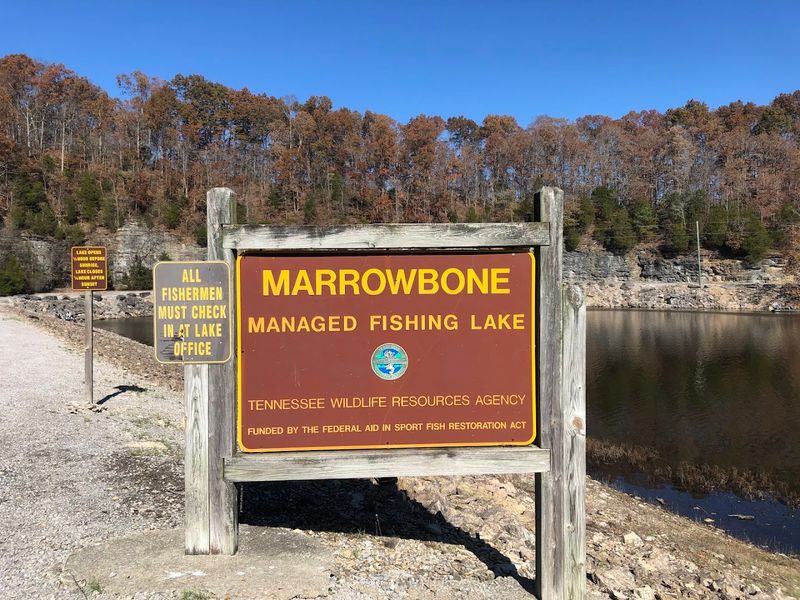
Knowing the rules before you arrive saves real frustration at the gate. Marrowbone Lake at 6200 Marrowbone Lake Rd in Joelton operates under specific TWRA regulations that differ from standard Tennessee state fishing rules, so reviewing them in advance is genuinely useful.
The daily bag limits as of April 2026 are as follows: largemouth bass at 10 per day with no length limit, bluegill with no creel or length limit, and redear sunfish at 20 per day.
Crappie regulations set a 15-fish daily limit with a 10-inch minimum length requirement. Blue and channel catfish are limited to 5 per day in combination, with no length restriction.
Rainbow trout carry a 7-fish daily limit during the stocking season. These numbers are generous compared to many managed lakes, which reflects the lake’s historically strong fish population.
A valid Tennessee fishing license is required for anyone over the age of 13, along with a separate lake permit. That permit costs $6 per day or $48 annually and must be purchased online before arriving.
Showing up without it means you cannot fish, regardless of how far you drove. The TWRA website handles permit sales, and the process is straightforward once you know where to look.
Permits, Pricing, And What It Actually Costs To Fish Here
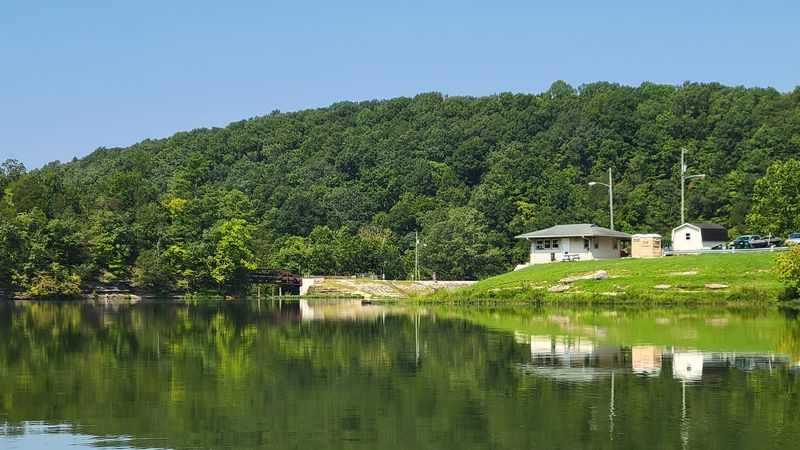
Budget-conscious anglers will find Marrowbone Lake surprisingly reasonable once they understand the full cost structure. The daily lake permit runs $6 per person, and an annual permit costs $48, making frequent visits genuinely economical for locals.
Both must be purchased online before arriving, as the lake does not sell permits on-site in the traditional sense.
Boat rentals add to the overall cost but remain affordable by most standards. Jon boats with paddles rent for around $10, while adding a trolling motor brings the total to approximately $35.
One reviewer noted renting a boat with a trolling motor for $25, suggesting pricing may vary slightly by season or availability. The bait and tackle shop on-site sells licenses, permits, live bait, and refreshments, covering most of what an angler needs for a full day.
One important detail worth flagging: the lake requires a fishing license for every person entering the property, regardless of actual intent to fish. Families bringing non-fishing members should account for that cost.
Some visitors found this policy frustrating, particularly when combined with per-person boat rental pricing. Planning ahead and understanding the fee structure before arrival makes the experience far smoother and prevents any unwelcome surprises at the entrance.
Electric Motors Only, And That Rule Makes All The Difference
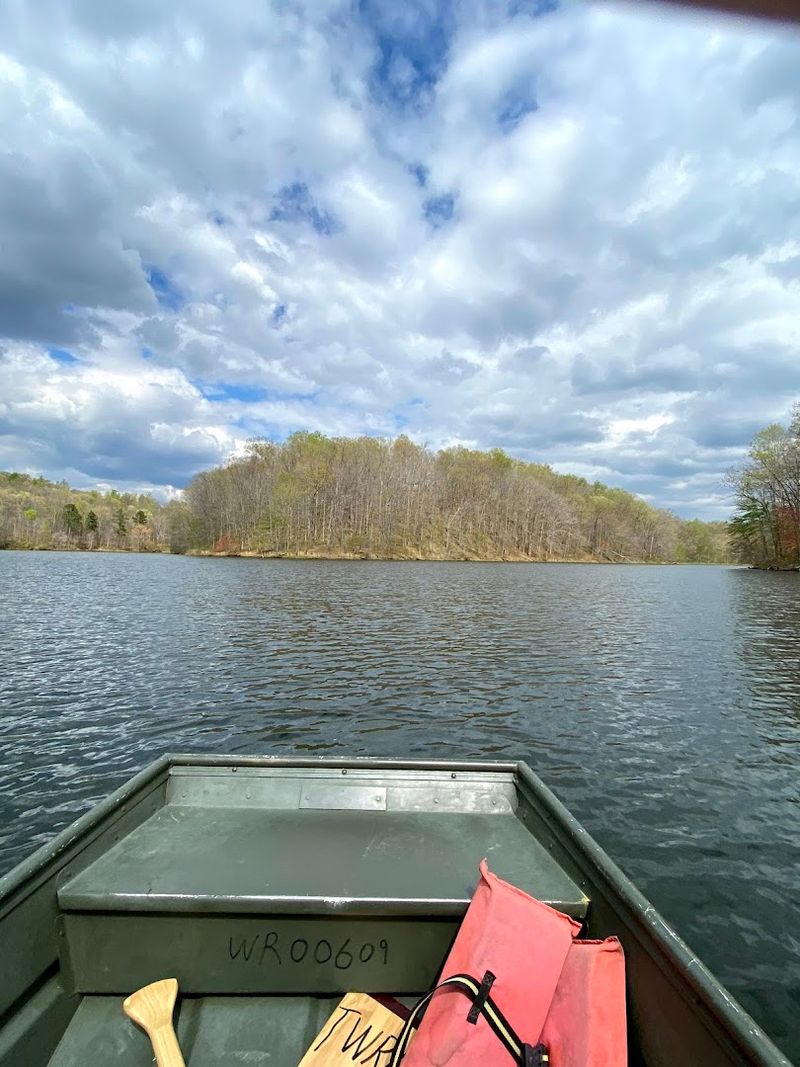
Gasoline motors are strictly prohibited on Marrowbone Lake. Only electric trolling motors are allowed, and that single regulation transforms the entire atmosphere on the water.
There are no engine sounds, no fuel smells, and no wake from passing boats disrupting your line. The lake stays genuinely quiet from the moment it opens until the moment it closes.
That calm translates directly into better fishing conditions. Fish in pressured lakes often go deep or stop feeding when boat traffic increases.
At Marrowbone, the water stays undisturbed, which keeps fish more active and more accessible throughout the day. Kayaks and canoes are also popular here, and the flat, sheltered water makes paddling easy even for beginners.
Visitors consistently describe renting a boat as the best way to experience the lake. The standing timber and creek channels accessible by boat reveal parts of the lake that bank anglers simply cannot reach.
Several reviewers specifically recommend getting on the water early, before the shop opens, and fishing the quiet morning hours when activity is highest.
The combination of calm water, excellent structure, and trolling-motor-only access creates conditions that genuinely favor the angler willing to arrive before sunrise and stay patient.
Bank Fishing, Docks, And Accessibility At The Lake
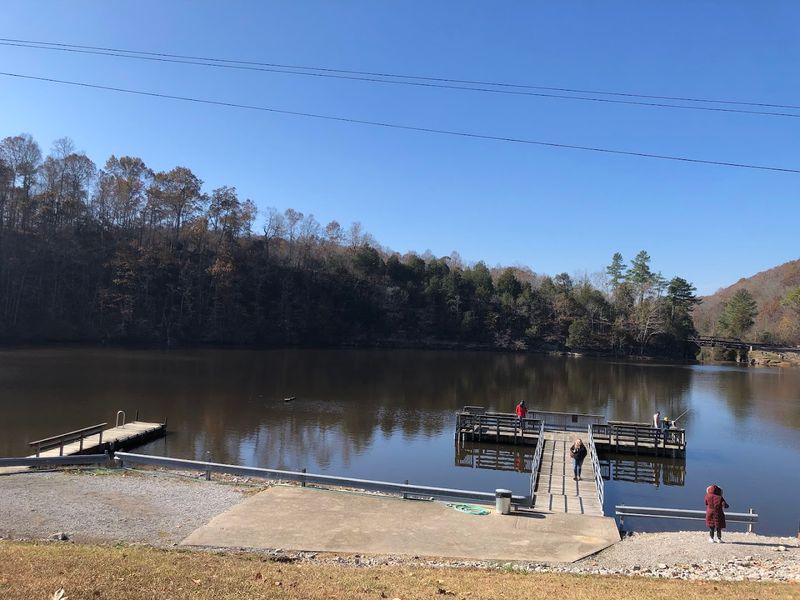
Not every visit to Marrowbone Lake requires a boat. The lake offers multiple bank fishing options, including approximately six docks and platforms spread around the shoreline.
A handicapped-accessible fishing pier provides a comfortable and practical option for visitors with mobility limitations, which is a detail that distinguishes this lake from many informal fishing spots in the region.
Picnic areas and portable restrooms are available on-site, making it a reasonable choice for families spending a full day outdoors.
Parking is plentiful, and a recently paved road and improved parking area have made access noticeably easier for visitors arriving with trailers or larger vehicles. A boat launching ramp accommodates those bringing their own vessels.
Bank fishing from the docks produces catfish, sunfish, and occasional crappie throughout the warmer months. Some visitors report that the bank can get busy on weekend mornings, particularly near the more accessible platforms.
Arriving early or choosing a weekday visit significantly improves your chances of finding open space along the shoreline.
The lake opens 30 minutes before sunrise and closes 30 minutes after sunset daily, giving early risers a meaningful advantage over those who show up mid-morning expecting an empty dock to themselves.
Winter Trout Stocking Turns This Lake Into A Cold-Weather Destination
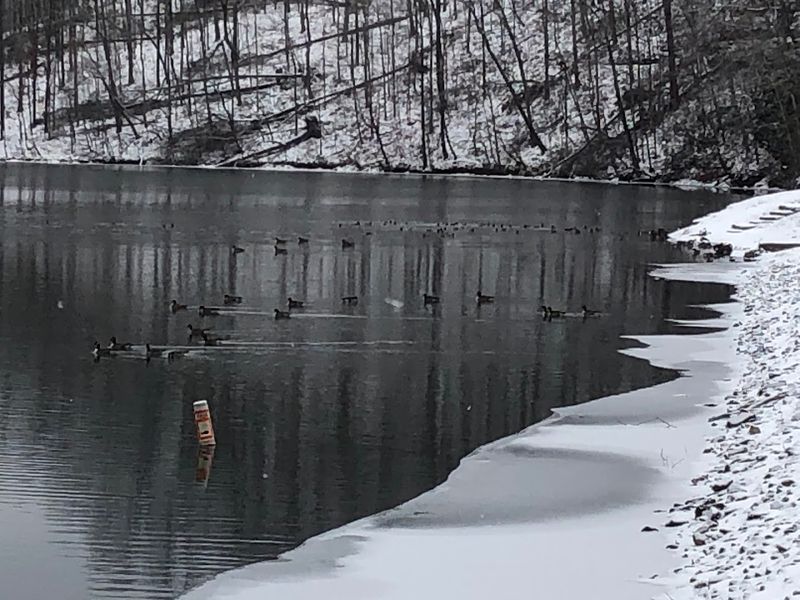
Most Tennessee anglers pack away their gear once temperatures drop. At Marrowbone Lake, winter is actually one of the more productive seasons on the calendar.
The TWRA stocks rainbow trout during December, January, and February, drawing a different crowd than the warm-weather bass and crappie regulars. Trout fishing in a lake that also holds largemouth bass is an experience that few spots within driving distance of Nashville can offer.
The natural springs that keep the lake cooler in summer also prevent it from becoming inhospitably cold in winter, at least from the fish’s perspective. Trout thrive in those conditions, and the 7-fish daily limit gives winter anglers a genuinely productive target.
Light tackle with small spinners, PowerBait, or live worms tends to produce consistent results during the stocking period.
Cold mornings on the lake carry a different kind of quiet than summer visits. Fewer people show up, the mist sits low over the water, and the fish are often more aggressive than expected.
Several anglers who visit year-round consider the winter trout season the most underrated aspect of Marrowbone Lake. If you have not fished here between December and February, you are missing a genuinely worthwhile experience just north of the city.
What Visitors Actually Say About A Day On The Water Here
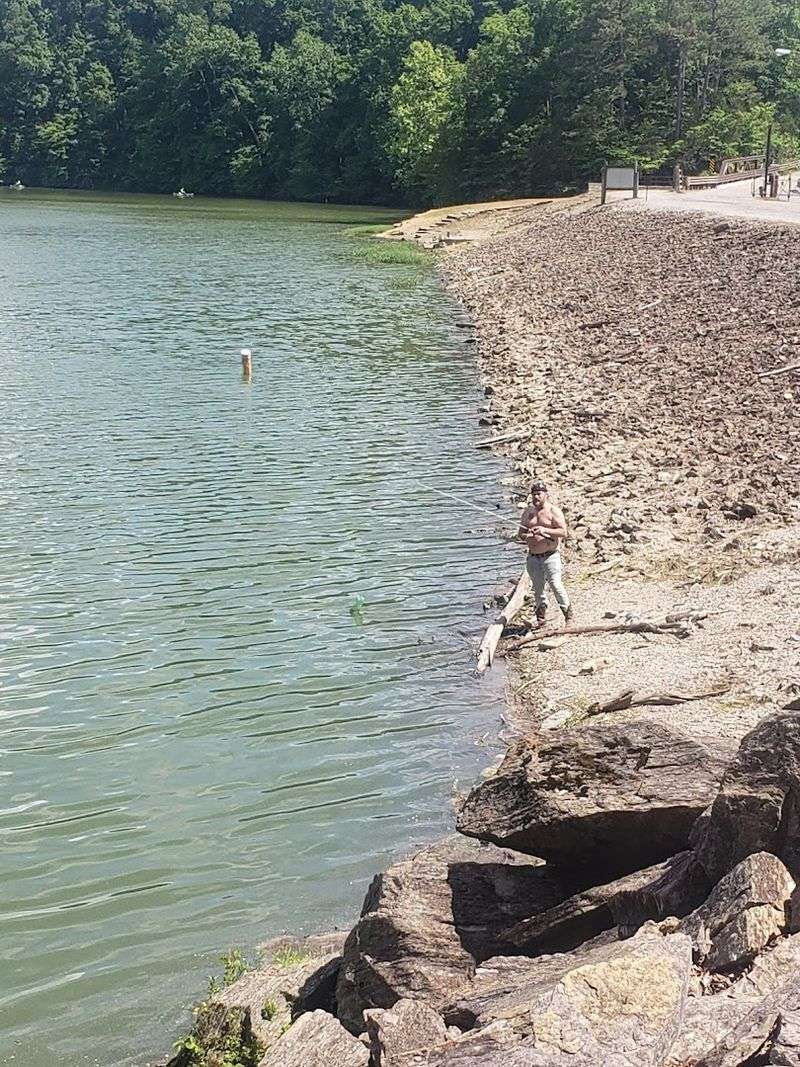
Marrowbone Lake has built a reputation quietly. Visitors keep coming back for the calm atmosphere, the clear water, and pricing that doesn’t sting.
For a spot sitting this close to Nashville, the fact that it stays this relaxed is the real draw. Most people expect chaos near a major city. This delivers the opposite. Several visitors mention returning repeatedly, which says more than any single review.
A few recurring criticisms are worth acknowledging honestly. Some visitors report inconsistent staff experiences, with a handful of reviewers describing unhelpful or unwelcoming interactions at the onsite office.
The cash-only policy at certain times has also caught visitors off guard. One reviewer noted the per-person licensing requirement for non-fishing family members as an unexpected expense that made a casual family outing more costly than anticipated.
On the fishing side, opinions split predictably between those who arrived on a hot bite day and those who did not. Several long-time visitors mention that the lake has felt more pressured in recent years, with fewer large fish than in past decades.
That said, reviews from kayakers and casual anglers remain overwhelmingly positive. The scenery, the quiet, and the accessibility from Nashville consistently earn praise regardless of whether the fish cooperated on any given visit.
Planning Your Visit To Marrowbone Lake The Right Way
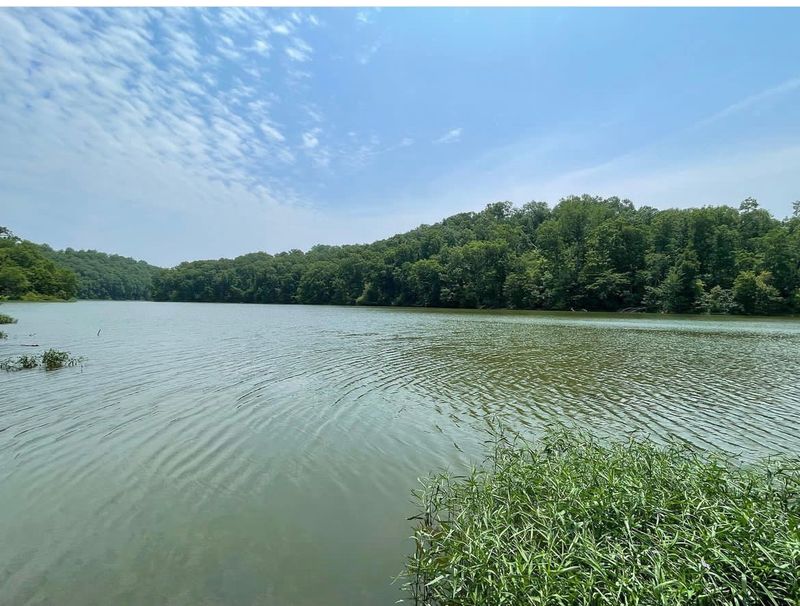
A successful trip to Marrowbone Lake starts with preparation, not optimism. Purchase your lake permit online before leaving home, as the $6 daily fee cannot be paid on arrival without prior registration through the TWRA system.
Confirm that your Tennessee fishing license is current, and bring cash for any bait, refreshments, or boat rentals at the on-site shop.
Arriving early on weekdays gives you the best combination of open docks, cooperative fish, and minimal competition for boat rentals. Weekend mornings can draw larger crowds, particularly during the spring crappie season and winter trout stocking period.
The lake is located at 6200 Marrowbone Lake Rd, Joelton, TN 37080, and can be reached by calling ahead at +1 615-410-6193 to confirm current conditions or rental availability.
Bring a trolling motor if you own one, or plan to rent a jon boat on-site to access the standing timber and creek channels away from the bank. Light to medium tackle covers most species effectively.
A cooler, sunscreen, and a packed lunch round out the essentials for a full-day outing. The lake closes 30 minutes after sunset, so plan your departure accordingly and leave yourself enough time to clean up and load the vehicle before the light fades completely.