
This Small-Town Massachusetts Sewing Studio Teaches Beginners How To Make Their Own Clothes
What if your favorite outfit wasn’t something you bought at a store, but something you made with your own two hands? That might sound intimidating if you’ve never touched a sewing machine, but everyone has to start somewhere.
One small Massachusetts sewing studio is proving that making your own clothes isn’t nearly as complicated as it might seem.
Here, beginners can learn how to thread a needle, handle a sewing machine, work with fabric, and gradually build the confidence to create pieces they can actually wear.
There’s something incredibly satisfying about watching a simple piece of fabric turn into something useful, especially when you’re the person making it happen.
Mistakes? They’re just part of learning.
With patient instruction, creative projects, and plenty of opportunities to practice, students can develop skills that last a lifetime.
And who knows? That first handmade project might be the beginning of a whole new hobby, or even a wardrobe filled with personal creations.
A Studio Stitched Together By A Lifelong Love Of Sewing
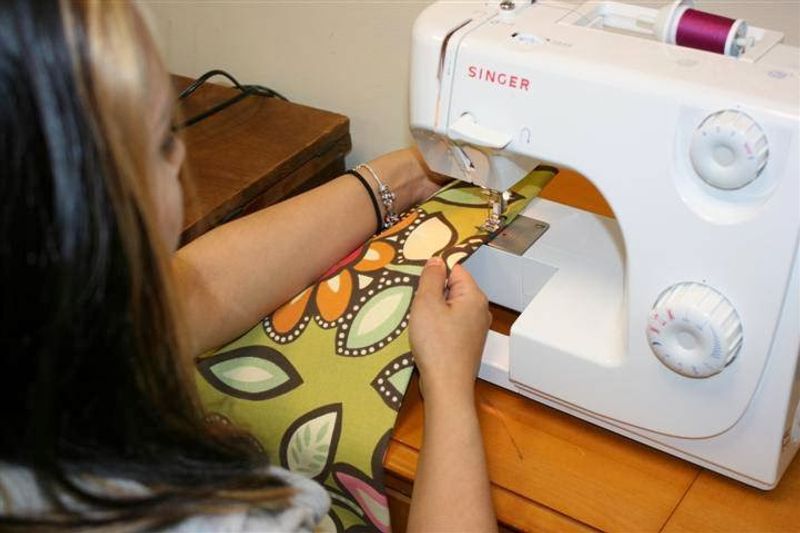
Some people find their passion in college. Mikala Cash found hers at age six, sitting near a sewing machine. That early spark grew into a business that now teaches others the same joy.
The Creative Sewing Studio opened in 2007. It started small, focused on custom handbags and clothing. Over time, it grew into a lively hub for sewing, art, and wellness classes for adults.
Mikala is a North Attleboro native, so this studio is truly a hometown story. She trained at the Massachusetts College of Art and Design.
That kind of background gives her lessons a strong, practical base.
Her resume does not stop at art school. She also worked as a stitcher and dresser for theatre and fashion companies across New England.
Backstage work teaches speed, care, and clever fixes under pressure.
Why does this matter to a beginner? A teacher with real-world experience knows the shortcuts and the common mistakes. She can explain why a seam puckers before you even notice it happening.
The studio grew from one person’s love of fabric and thread. Today, it shares that love with students of every age and skill level. Not bad for a hobby that began with a curious six-year-old.
Sewing 100 Turns Total Beginners Into Machine Masters
Threading a sewing machine can feel like solving a puzzle with no picture on the box. Good news, though. Sewing 100 exists for exactly this moment.
This starter course is built for people who have never touched a machine. Students learn how to thread it, wind a bobbin, and sew a straight line. Those small wins add up fast.
The class runs as a short series, often four sessions of two hours each. That gives you time to practice without feeling rushed. You get to absorb each skill before the next one arrives.
Projects are simple but useful. Past students have made items like a pocket tissue holder and a throw pillow. Finishing something real in your first class is a big confidence boost.
Beyond the machine, you also learn how to measure, cut, and mark fabric. These basics sound boring, but they matter a lot. A careful cut is the secret behind a neat finished piece.
Here is a helpful tip before class. Bring your own machine if you have one, since learning on it makes home practice easier. Check the studio website first to see what supplies are needed.
Many people leave Sewing 100 feeling ready for more. Some even go out and buy their first machine right after.
Sewing 101 And 102 Build Skills Like Stepping Stones
Learning to sew is a bit like learning to ride a bike. Once you can balance, you want to go farther. Sewing 101 and Sewing 102 are the next stretch of road.
These classes build directly on Sewing 100. Students start reading sewing patterns, which can be trickier than they look. Pattern symbols and markings are like a secret language, and these courses help you crack it.
Projects get more interesting at this stage. One past project in Sewing 101 was a stuffed teddy bear. Curved seams and stuffing teach skills you will later use on clothing.
Each level adds a few new tools to your kit. You learn more terms, more stitches, and smarter ways to finish edges.
Step by step, the machine starts to feel like a friend.
Small class sizes help here too. Sewing classes usually top out at eight students. That means the teacher can check your work and answer questions quickly.
A smart approach is to take the levels in order. Skipping ahead might seem tempting, but each class prepares you for the next. Patience now saves you from tangled thread later.
By the end of this series, you have a solid base. You are ready for the exciting part, making your own clothes.
Clothing Classes Where Patterns Finally Make Sense
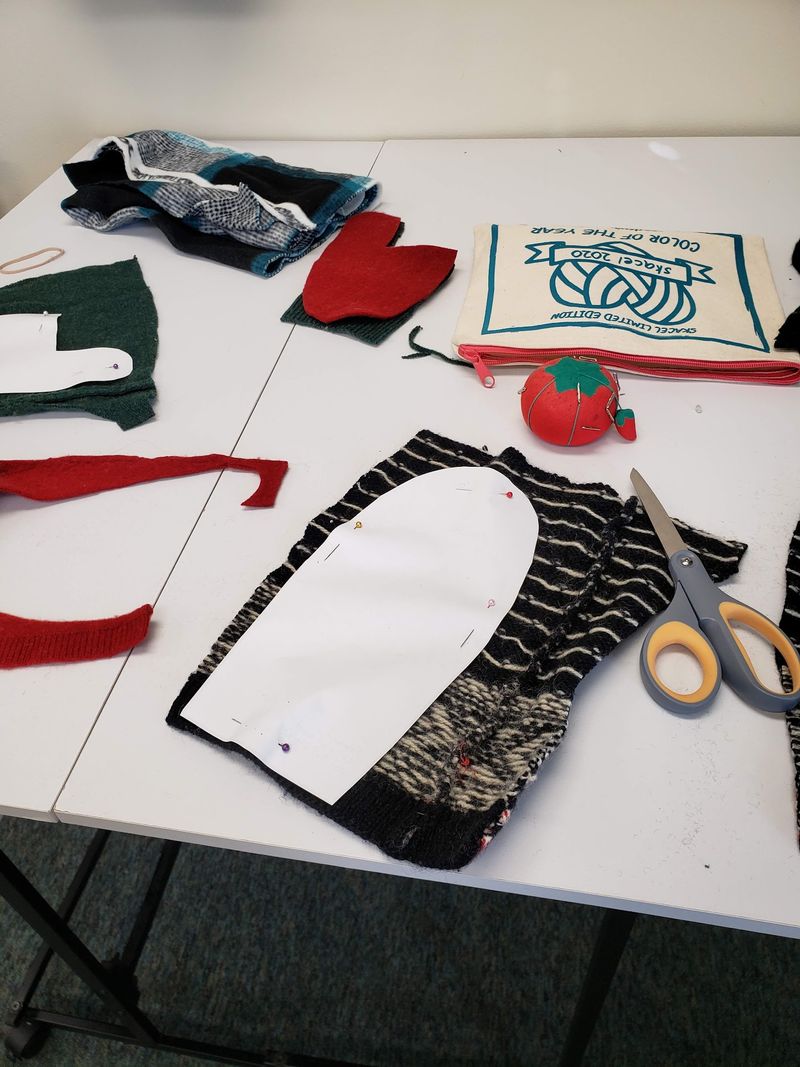
Store-bought clothes are made for an average body. The trouble is, nobody is actually average. The Creative Sewing Studio offers clothing classes that solve this problem.
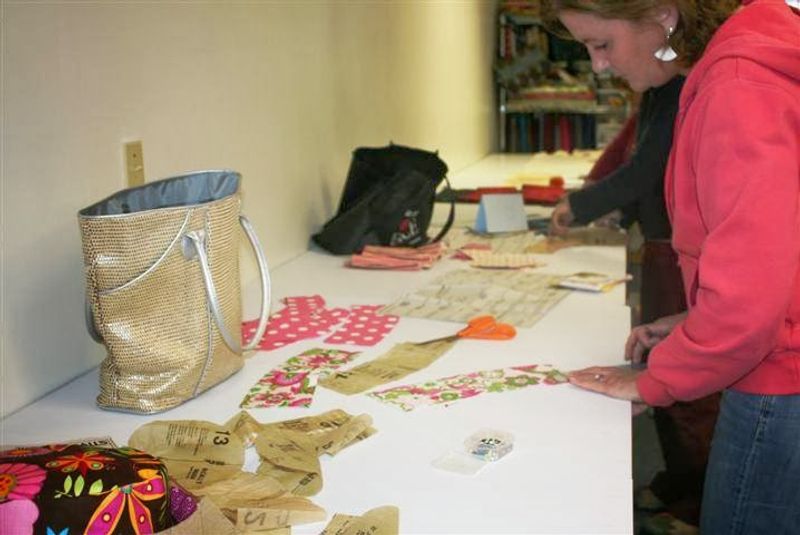
Students learn how to read manufactured clothing patterns. These are the paper guides you find at fabric stores. They come packed with lines, notches, and size charts.
Picking the right size is the first big lesson. Pattern sizes often differ from the sizes on store tags. Measuring yourself carefully is the only way to know for sure.
Next comes fitting, which many sewists call the hardest part. Classes teach how to adjust patterns to match your own measurements. A small change at the waist or shoulder can make a huge difference.
Think of it as tailoring before you even cut fabric. You fix the fit on paper first. That way, your finished garment hangs just right.
Here is a practical habit worth building. Write your measurements down and update them every few months. Bodies change, and your patterns should keep up.
This skill is what turns sewing from a craft into a wardrobe tool. Once you can fit a pattern, you can make clothes that feel like they were made only for you. Because, well, they were.
From Cozy Pajamas To Wrap Dresses
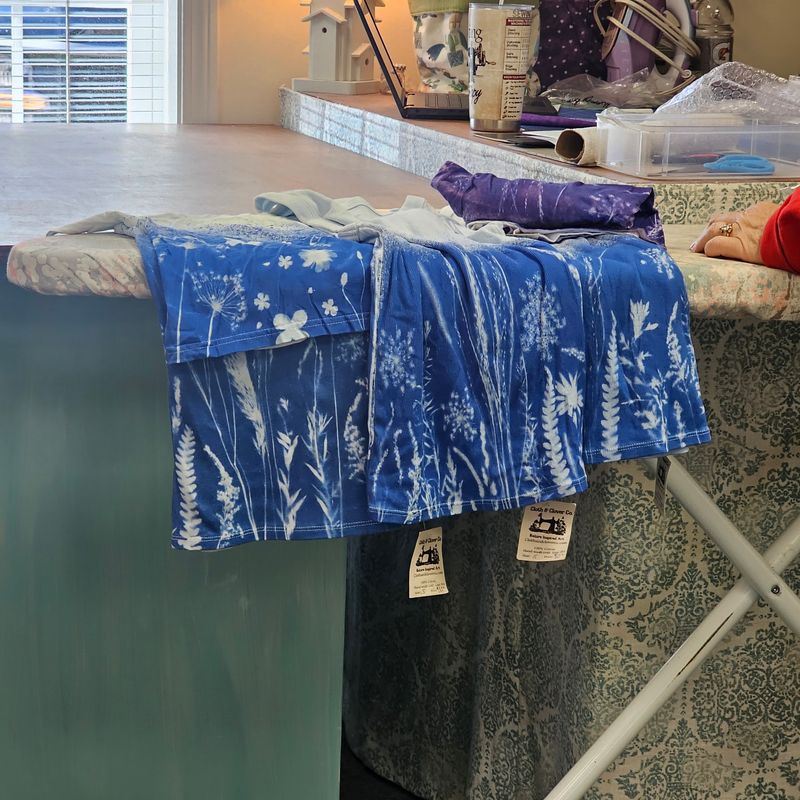
Pajama pants are the friendliest first garment in the world. They are forgiving, comfy, and nobody judges your bedtime seams. That makes them a popular starting point in clothing classes.
From there, projects can grow more stylish. Students have worked up to pieces like elegant wrap dresses. Skirts, vests, and even cozy sweaters have come out of these lessons too.
Each project teaches finishing techniques that make clothes look professional. These include hemming, serged edges, facings, and topstitching. Those details separate a homemade look from a handmade one.
A facing, by the way, is a piece of fabric that neatly finishes edges like necklines. It hides raw edges on the inside.
Fun fact, many store-bought tops use facings you have never noticed.
Topstitching is another clever trick. It is a visible line of stitches on the outside of a garment. It looks sharp and also helps seams lie flat.
Want a simple tip for success? Pick a project you will truly wear. Excitement about the finished piece keeps you motivated when a seam needs redoing.
With each garment, your skills stack up. Before long, you might reach into your closet and grab something you made yourself.
Fabric Lessons That Tame Stretchy, Slippery Materials
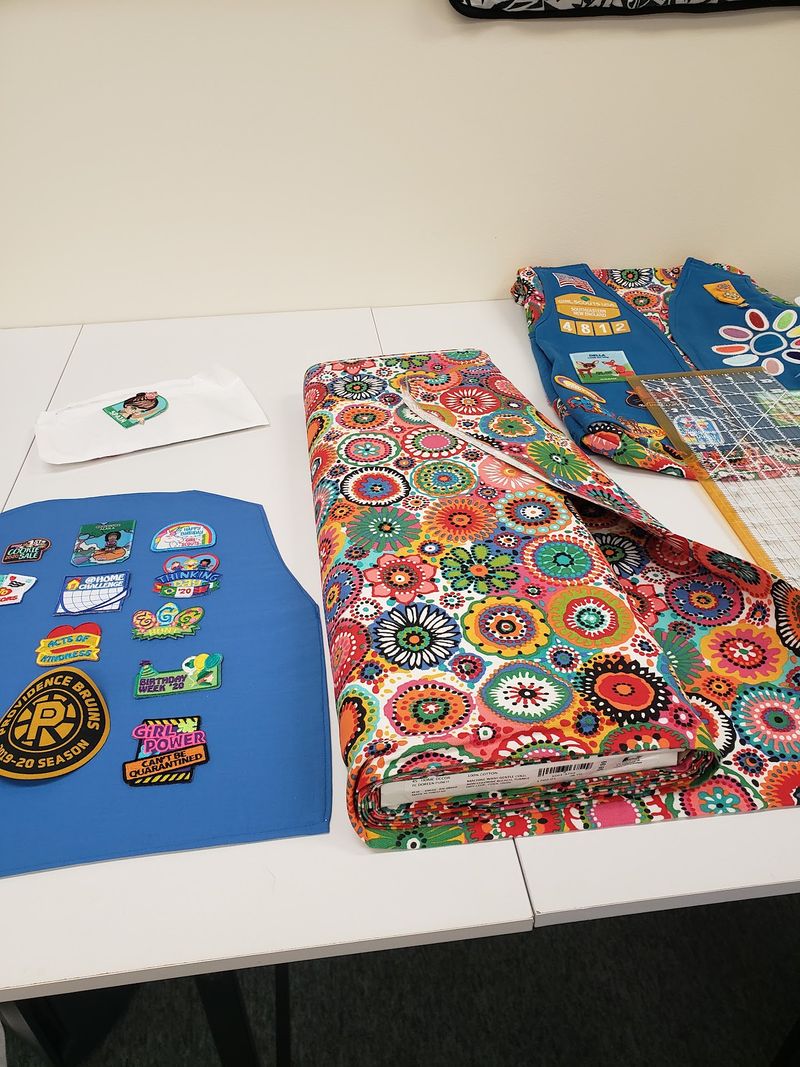
Not all fabric plays nice. Cotton behaves like a calm puppy, while sheer fabric slides around like it is on ice. Knowing the difference saves a lot of frustration.
Clothing courses at the studio explore many fabric types. Students work with sheers, stretch materials, and knits. Each one acts differently under the needle.
Knits are the fabric of T-shirts and leggings. They stretch, so they need special stitches that can stretch too. Use the wrong stitch, and seams may pop when you move.
Sheer fabrics bring their own challenge. They are thin, light, and easy to see through. Careful pinning and slower sewing help keep them in line.
Here is a beginner-friendly tip. Always test a stitch on a fabric scrap first. It takes a minute and can rescue a whole project.
Classes also cover sewing terms tied to fabric. Words like grain, selvage, and bias start to make sense. Fun fact, cutting on the bias lets woven fabric drape and stretch more.
Learning about fabric makes shopping more fun too. You start touching bolts at the store and knowing what each one can become. That is when sewing really starts to feel creative.
More Than Garments: Quilts, Upcycling, And Art Workshops
Sewing clothes is only one door in this house. The studio opens plenty of others. Its schedule stretches far beyond garment making.
Workshops cover tailoring, quilting, and home decor. You might make pillows, bags, or pieces for your living room. These projects use the same skills you learned in beginner classes.
Upcycling and repurposing classes are especially clever. They turn old items into something fresh and useful. Recycled wool mittens are one project students have tackled.
The studio also runs art and wellness workshops. Options have included weaving, flower frames, glass etching, and even a hat bar.
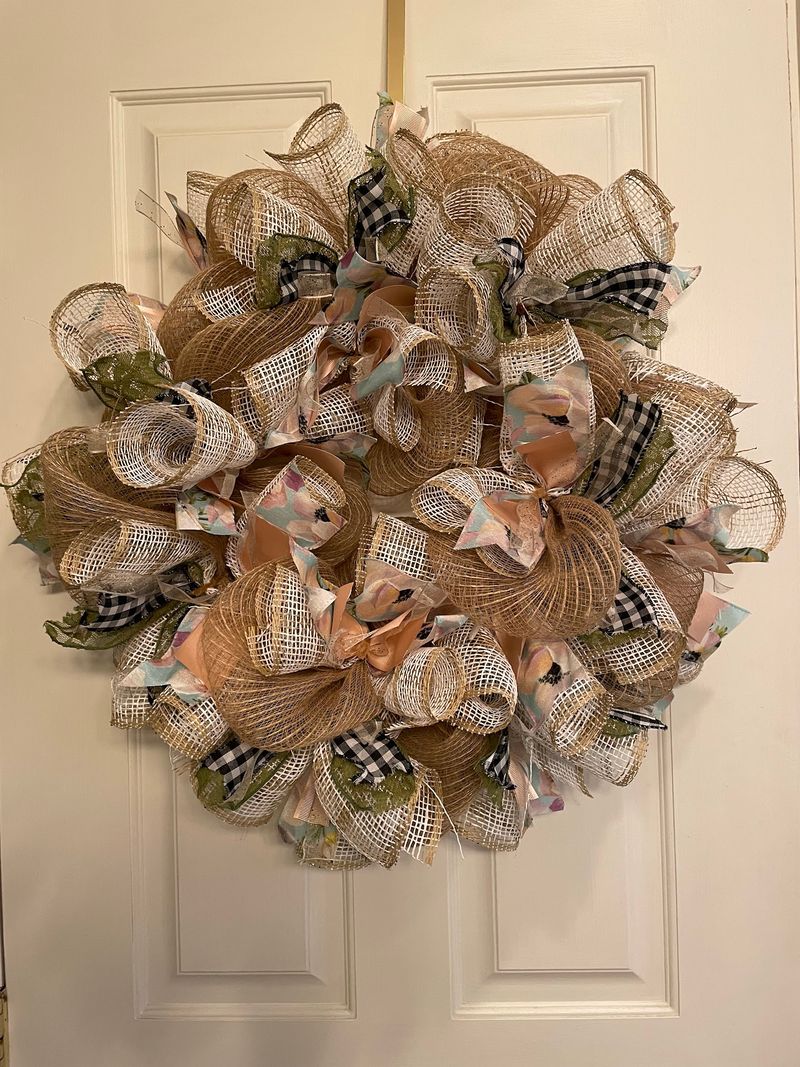
Ribbon wreath classes have been a seasonal favorite too.
Why mix sewing with art? Trying new crafts keeps your creative energy fresh. A weaving class might even inspire the colors in your next dress.
The address is 420 South Washington Street, Unit 1, in North Attleboro. It sits in southeastern Massachusetts, close to the Rhode Island line. That makes it easy to reach from many nearby towns.
A smart move is to check the class calendar often. Workshops change with the seasons, and popular ones fill up fast. Sign up early when something catches your eye.
Small Classes, Calm Vibes, And A Phone-Free Break
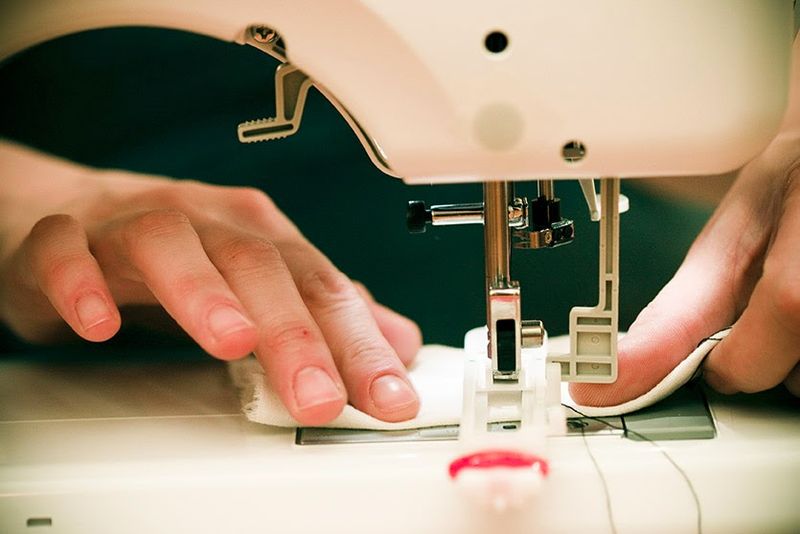
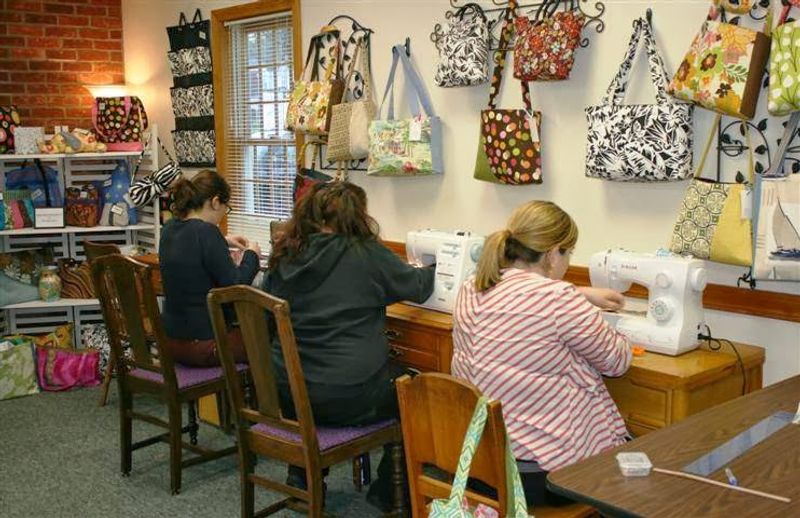
Picture a room where nobody is scrolling. Instead, sewing machines hum and people chat while they work. That is the mood The Creative Sewing Studio aims for.
Classes stay small, with sewing lessons usually capped at eight students. This boutique setup means more personal help. Nobody gets lost in the back row.
The space is designed to feel calm and positive. World music plays softly, and the decor keeps things lively. The goal is for everyone to leave feeling better than when they arrived.
Classes are also a device-free zone. Putting the phone away helps you focus on your stitches. It also gives your brain a real rest from screens.
Sewing with others has a bonus too. You meet people who share your hobby. Friendships can grow right alongside your fabric pile.
Here is a simple way to make the most of class. Ask questions, even ones that feel silly. Small groups exist so you can get answers without waiting.
Massachusetts has plenty of places to shop for clothes. Far fewer teach you to make them in such a friendly setting.
Here, beginners are welcomed, guided, and cheered on with every new seam. Your next favorite outfit might start right here.