
This Small-Town Tennessee Marketplace Sells Amish Butter And Pickled Beets Locals Keep Coming Back For
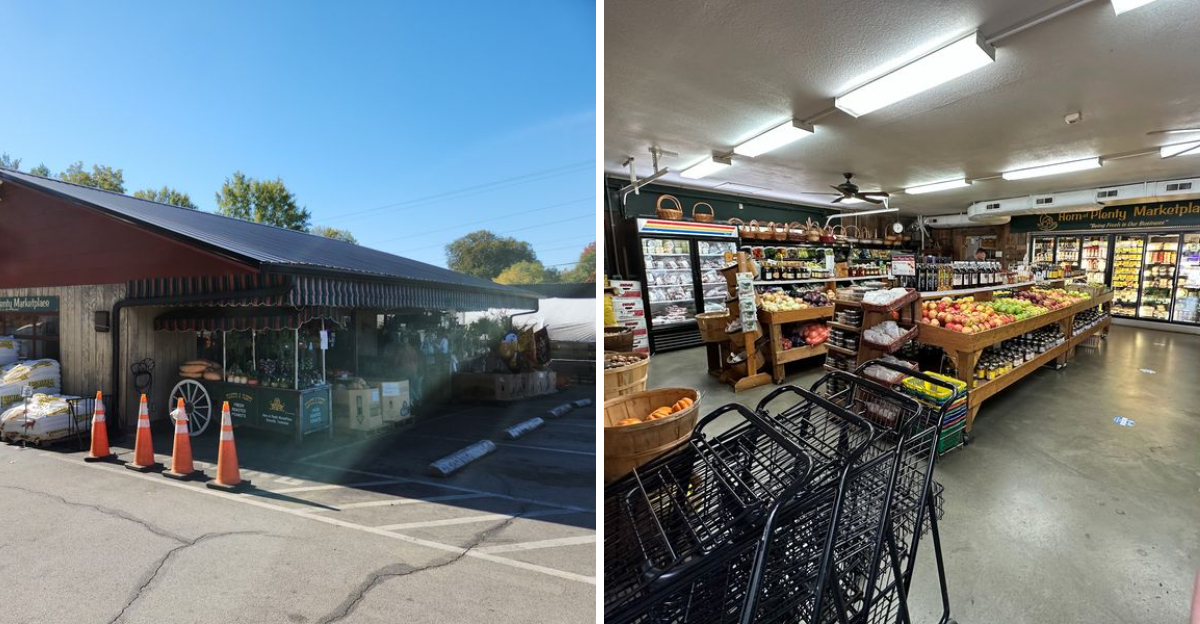
Pickled beets shouldn’t be the reason someone plans their whole weekend around a grocery run, but here in Tennessee, they are. This market built a following one jar, one loaf, and one block of Amish butter at a time.
Customers show up for the produce and stay for everything else stacked around it. Sourdough bread gets baked so often the smell becomes part of the building.
Cheese cases hold flavors that surprise first time visitors, from herb blends to something sharper. Honey jars line the shelves next to jams that taste like someone’s actual kitchen made them.
People drive well past closer grocery stores just to reach this one. That says something. A trip inside rarely takes five minutes, mostly because there’s too much worth stopping for.
Fresh, local, and a little old fashioned in the best way, this market keeps earning its return visitors one bag of groceries at a time.
The Amish Butter That Makes Plain Toast Worth Talking About
Butter usually plays a supporting role. Here, it steals the whole scene.
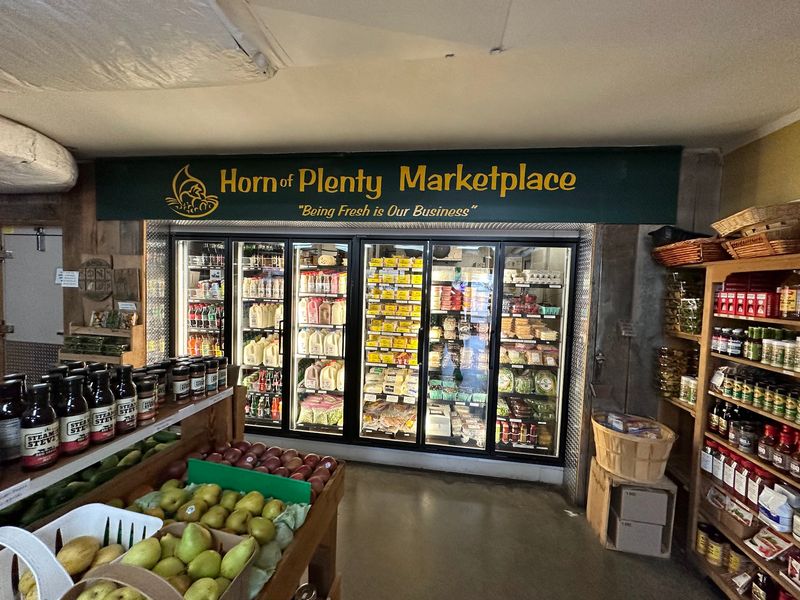
The Amish butter sold at Horn of Plenty Marketplace carries a higher butterfat content than most supermarket sticks. That extra richness gives it a deeper, creamier flavor that spreads like a dream.
Traditional churning methods make the difference. Cream from grass-fed cows also contributes a golden color and a slightly sweet finish.
Practical tip: let it soften on the counter for twenty minutes before serving. Cold butter tears bread, while soft butter melts right into the crumb.
Bakers love it too. The lower water content means flakier pie crusts and richer shortbread cookies.
Try it simply first. A thick slice of fresh bread and a generous swipe tells you everything you need to know.
Storage matters as well. Keep it wrapped tightly in the refrigerator, or freeze extra rolls for later baking projects.
Once people taste the difference, regular butter starts to feel a bit thin. That is the honest truth behind the loyalty this dairy case inspires.
Pair it with local honey or sorghum molasses for a breakfast worth waking up early for.
Pickled Beets With A Sweet And Tangy Punch
Ruby jars line the shelves like small stained glass windows. Inside waits one of the market’s most requested items.
The pickled beets balance sweetness against a bright vinegar tang. That combination turns a humble root vegetable into something people crave.
Preserving beets is an old Appalachian habit. Families put up jars in summer so winter meals still tasted like the garden.
Serving ideas are easy. Slide a few slices onto a green salad, or chop them into potato salad for color and zip.
They also pair beautifully with sharp cheese. The acidity cuts through richness and resets your palate between bites.
Keep an open jar refrigerated and use it within a couple of weeks. The brine keeps working, so flavors deepen over time.
Beets bring real nutrition too, including fiber, folate, and natural nitrates that support healthy blood flow.
One friendly warning: the juice stains. Use a light hand near white shirts and pale countertops.
Alongside the beets you will often spot sauerkraut, another tangy classic that keeps shoppers loading their baskets.
Produce That Never Traveled Far To Reach You
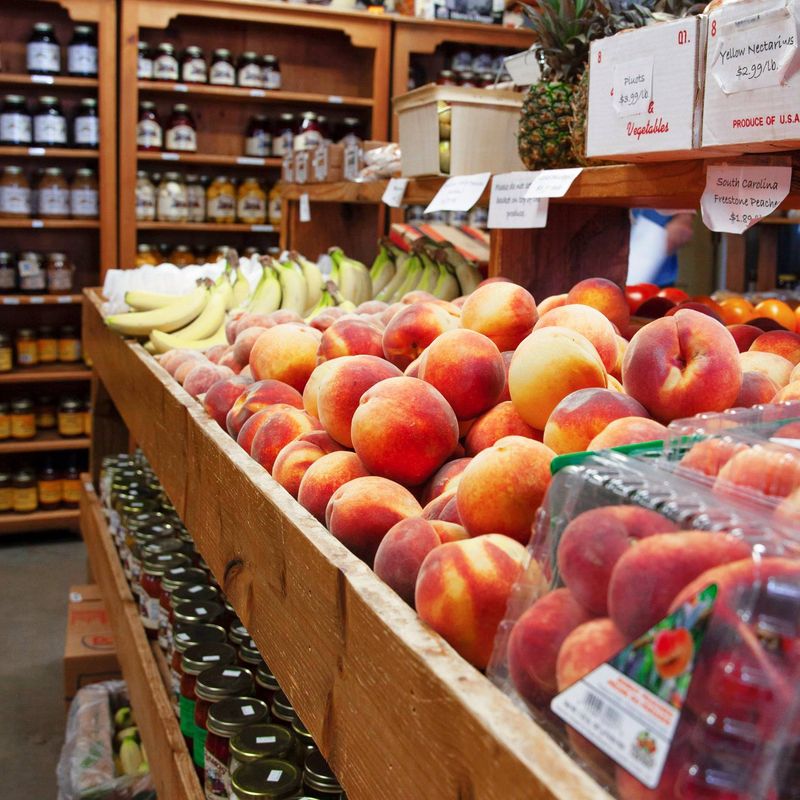
Freshness has a short shelf life, and short travel helps. Much of the produce here arrives from farms just a short drive away.
You will find the address at 924 W Broadway Ave in Maryville, Tennessee, where the tables shift with the growing calendar. Crisp greens appear in spring, then sweet corn takes over by midsummer.
Strawberries draw particular attention. Shoppers regularly comment on their unusual size and deep red centers.
Winter brings a different lineup. Hardy squash, root vegetables, and storage apples fill the bins instead.
Buying seasonally saves money. Peak-season crops cost less because supply is high and shipping distance is short.
Local restaurants source produce here too, which says plenty about consistency. Professional kitchens rarely gamble on quality.
Shop with a flexible plan. Decide dinner after you see what looks best rather than before.
Ask questions while you browse. Staff can tell you what came in that morning and what will taste better tomorrow.
Prices sometimes run above chain stores, but the flavor gap explains the difference clearly.
Bread Baked Fresh Enough To Perfume The Aisles
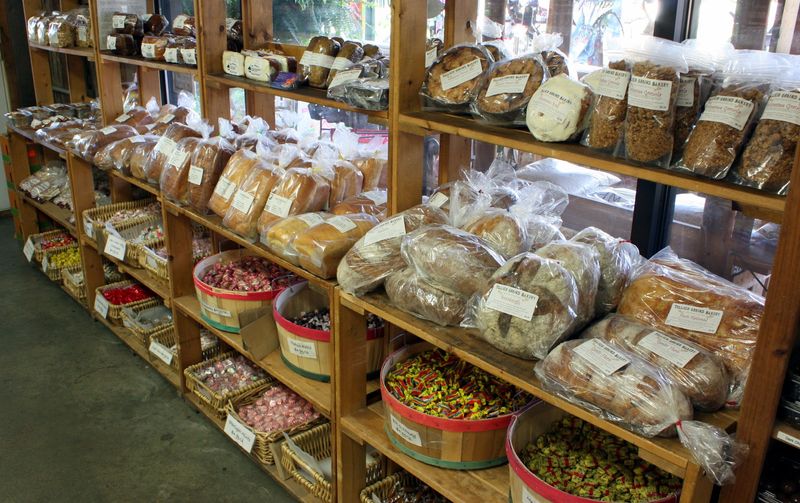
Smell hits you before sight does. Warm crust and toasted flour greet shoppers near the front of the store.
Sourdough loaves anchor the bread selection. Their chewy interiors and crackling crusts hold up to butter, soup, and sandwich duty alike.
Baguettes are another favorite. The texture leans crisp outside and airy inside, which is exactly what a good baguette should do.
Sweet options share the shelf. Pastries and small treats give the bread counter a bakery feel rather than a grocery one.
Storage advice helps here. Keep artisan bread in paper for a day or two, then slice and freeze the rest.
Stale bread never needs tossing. Cube it for croutons, blitz it for breadcrumbs, or build a savory bread pudding.
Timing matters if you want the best selection. Morning shoppers generally see the fullest baskets.
Pair a loaf with local cheese and those pickled beets for an easy, honest supper. No cooking required, and no complaints expected either.
Bread this good rarely lasts until dinner, so consider buying two.
These Local Cheeses Deserve Their Own Cheese Board
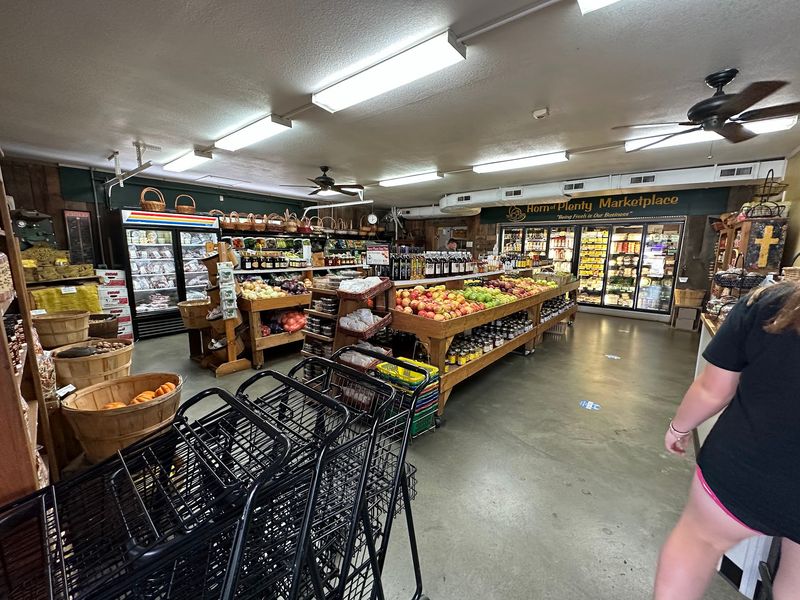
Cheese lovers, slow down in this aisle. The dairy case holds names that mean something in this part of the state.
Sweetwater Valley Farm cheeses appear regularly, alongside dairy from Cruze Farm. Both come from within the region, which keeps the supply chain refreshingly short.
Flavored varieties widen the options. Garlic, herb, and pimento styles give cooks quick shortcuts to bold taste.
Building a simple board is easy. Choose one mild cheese, one sharp cheese, and one spreadable option for balance.
Serving temperature changes everything. Let cheese rest at room temperature for half an hour so the flavors open up.
Storage tip worth remembering: wrap cheese in parchment rather than plastic. It needs to breathe a little to stay pleasant.
Pair choices thoughtfully. Sharp cheddar loves tart apple slices, while pimento style belongs on crackers or warm toast.
Gourmet chocolates and organic spices sit nearby, which makes wandering dangerous for the grocery budget. Consider yourself warned in the friendliest way.
Ask for a recommendation if you feel stuck. Staff here genuinely enjoy pointing people toward something new.
Honey, Sorghum, And Jars Of Sweet Tradition
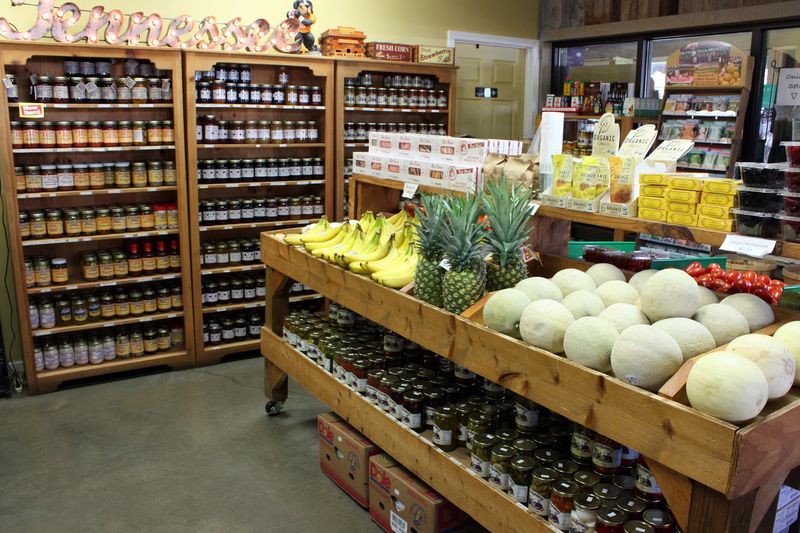
Sugar has never been the only sweetener in Appalachia. Sorghum molasses held that job for generations.
Bottles of it sit near the local honey, both offering deep flavor that plain syrup cannot match. Sorghum tastes earthy and slightly tangy, while honey leans floral.
Jams and preserves round out the lineup. Fruit gets captured at its best moment and saved for colder months.
Cooking uses go well beyond biscuits. Sorghum glazes roasted carrots beautifully and adds depth to barbecue sauce.
Honey works hard too. Stir it into tea, whisk it into salad dressing, or drizzle it over that Amish butter on warm bread.
Storage is simple. Keep honey in a cool cabinet rather than the refrigerator, since cold speeds up crystallizing.
If honey does turn grainy, do not worry. Set the jar in warm water and stir until smooth again.
These jars also make thoughtful gifts. A honey, a jam, and a loaf of bread create a bundle anyone appreciates.
Small labels tell local stories, which makes the pantry feel connected to the surrounding farmland.
This Plant Nursery Will Tempt You To Start Gardening
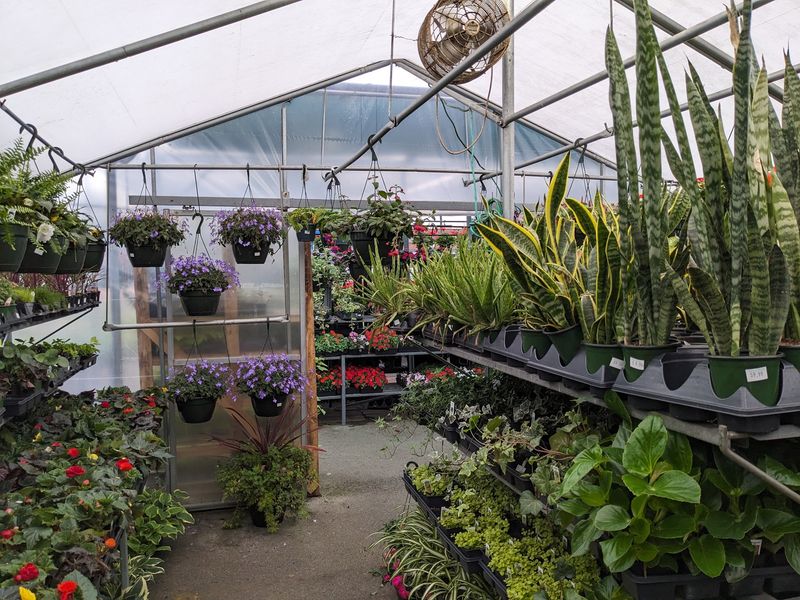
Groceries are only half the story here. Step toward the plants and a whole different appetite kicks in.
The nursery selection at Horn of Plenty Marketplace runs impressively deep. Perennials, herbs, and flowering shrubs fill the tables in tidy rows.
Every plant is grown within the area, which is a real advantage. Local growing means the roots already know this climate and soil.
Native perennials deserve special attention. Options like monarda support pollinators while asking very little in return.
Herb shoppers do well too. Basil, rosemary, and thyme grown nearby transition into home gardens with less shock.
Check the tag for sun requirements before falling in love with a bloom. Placement decides success more than talent does.
Staff knowledge helps beginners enormously.
Water new plants deeply rather than often. Roots reach downward when they need to, and that builds resilience.
Come with a rough plan and a measuring tape. Empty spaces get filled fast once inspiration takes hold.
These Shelves Are Packed With Finds You Won’t Expect
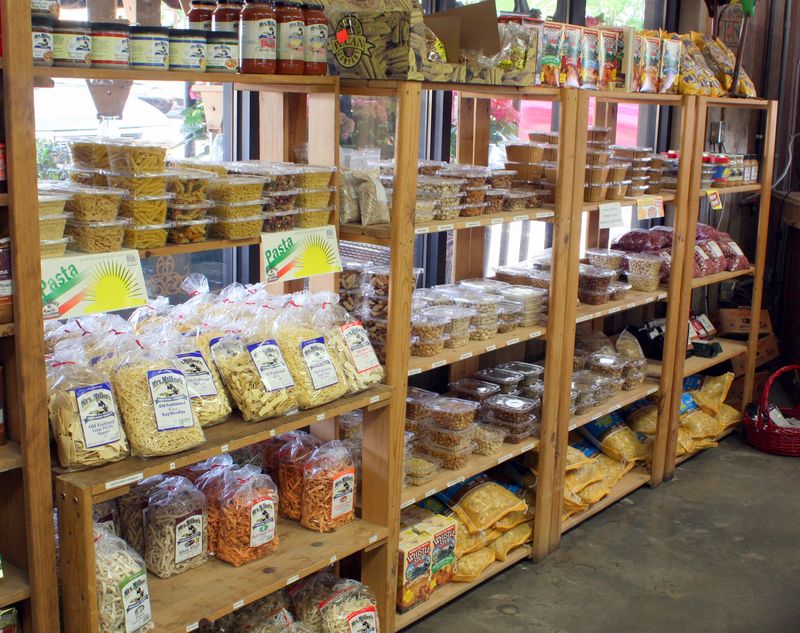
Some markets stop at the basics. Not this one.
Between the produce and the dairy sit shelves of gourmet chocolates, organic spices, and condiments you will not find at a chain store. The variety rewards slow browsing.
Hard-to-find items pop up regularly. Duck eggs have appeared here, which delights bakers chasing richer custards.
Meats and everyday staples are stocked as well. Many shoppers finish an entire grocery list without a second stop.
Organization deserves credit. Aisles stay neat and clearly arranged, so exploring feels relaxing instead of chaotic.
A smart approach is to build meals around one new item per trip. That keeps costs reasonable while expanding your cooking range.
Spices lose punch over time, so buy smaller amounts more often. Freshly opened cumin or paprika transforms simple dishes.
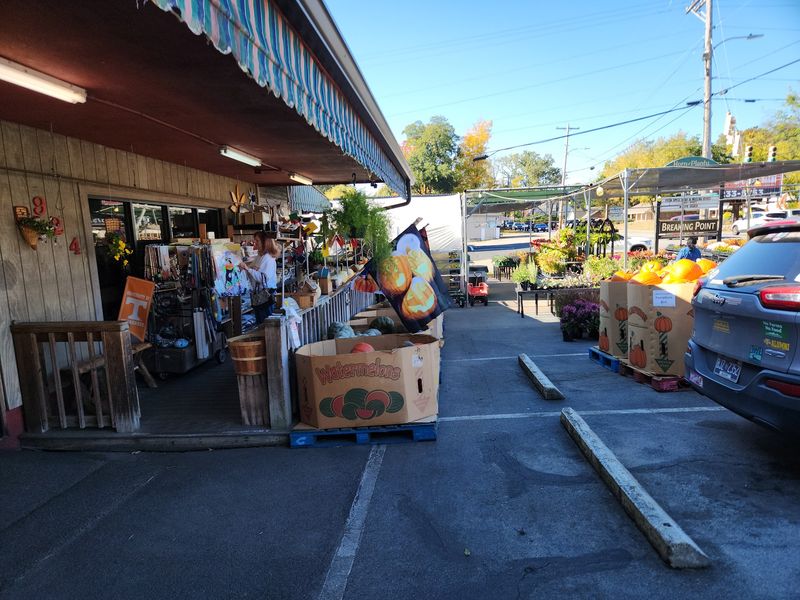
Decor items and seasonal flags share space too. The mix gives the store a general-store personality that feels genuinely old-fashioned.
Payment options include cash, credit, debit, and mobile wallets, with a posted card fee. Cash shoppers sidestep it easily.
Decades Of Loyalty And Doors Open Six Days A Week
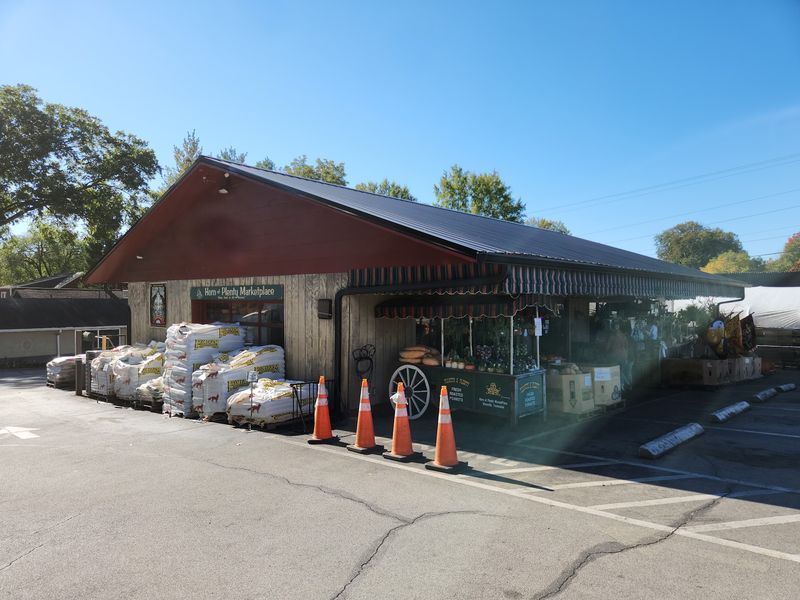
Longevity is the loudest endorsement a small store can earn. Some shoppers have been coming through these doors for thirty years or more.
Horn of Plenty Marketplace sits at the busy corner of Broadway and Magnesia in Maryville, Tennessee and it stays lively. Traffic outside proves the point on most afternoons.
Hours run Monday through Saturday, nine in the morning until six in the evening. Sunday is the day off.
The building is wheelchair accessible, so everyone can browse comfortably. Wide, tidy aisles help with that as well.
Call ahead if you are hunting something specific. The number is 865-984-4719, and seasonal stock changes quickly.
Weekday mornings tend to feel calmer than weekend rushes. Early arrivals also get first pick of bread and produce.
Bring reusable bags and a cooler in summer. Butter, cheese, and greens all appreciate a shady ride home.
Plan on staying longer than expected. Nobody leaves this market in a hurry.