
This South Carolina Waterfront Spot Has Been Quietly Serving The Best She Crab Soup For Years
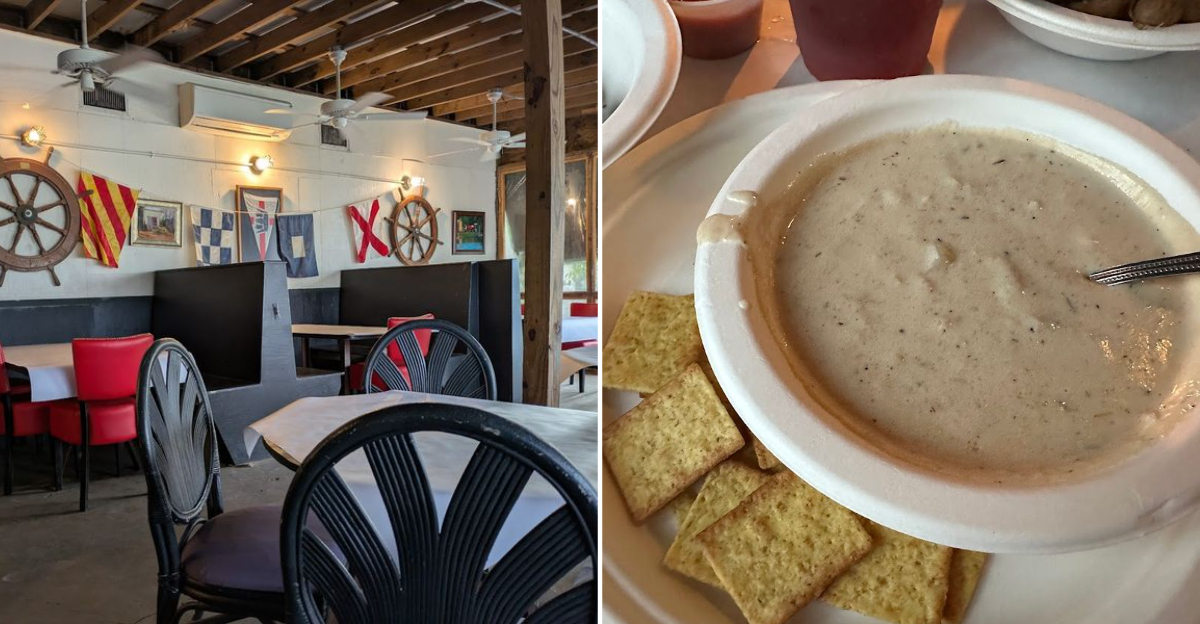
Waterfront restaurants draw people in with the view alone, but when the food matches the scenery, it is clear why they stay full. On the South Carolina Waterfront, there is one spot that has built its reputation on exactly that balance.
It looks like a postcard at sunset, yet what keeps people coming back is a steaming bowl of crab soup. Locals and travelers talk about it long after they leave.
Some say they first discovered places like this while traveling through South Carolina, where unexpected places often surprise you most naturally. It is the experience that stays with you long after the trip ends.
Here, however, the ocean is the main character. Waves set the rhythm, conversations slow down, and every table feels like part of the shoreline itself.
It is not just dinner, it is a moment you remember.
Origins And Evolution Of She Crab Soup
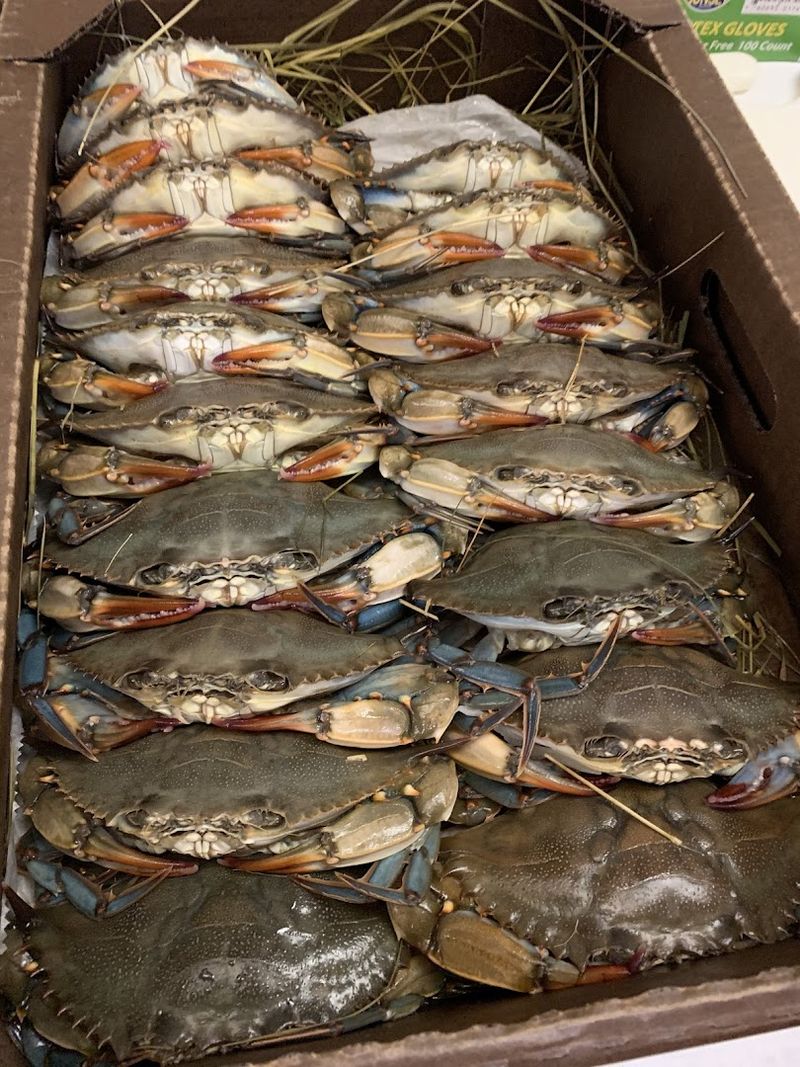
She crab soup has a story as rich as the soup itself. It was born in Charleston, South Carolina, and most food historians point to the early 1900s as its starting point.
The dish was reportedly created to impress President William Howard Taft during a visit, when a resourceful cook added crab roe to a basic cream soup and changed everything.
The “she” in the name refers to female blue crabs, prized for their flavorful orange roe. That roe is what gives the soup its signature depth and slightly briny sweetness.
Over the decades, the recipe spread across the Lowcountry and became a defining dish of coastal Carolina dining culture.
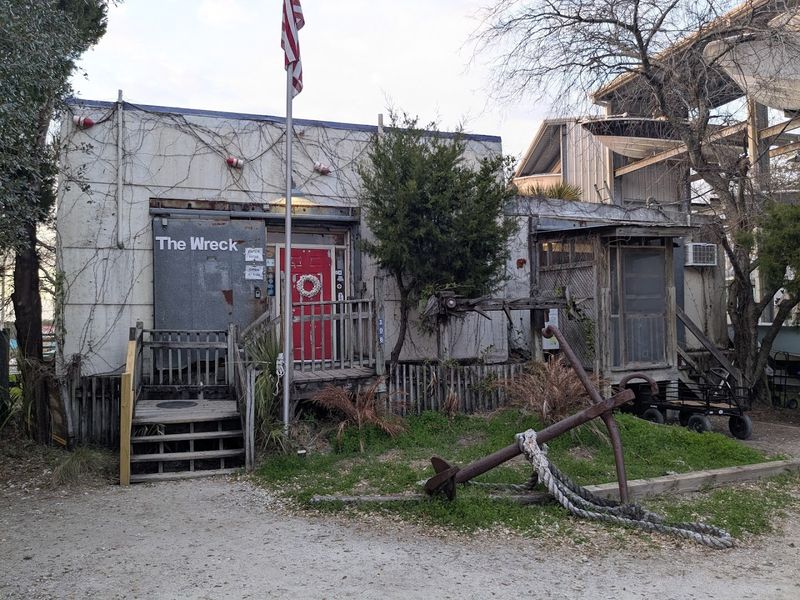
At Wreck of the Richard and Charlene, located at 106 Haddrell St, Mt Pleasant, SC 29464, the soup honors those roots while feeling completely alive and current. The kitchen has refined the recipe over the years of service without stripping away its soul.
Every bowl feels like a small piece of culinary history served warm.
Key Ingredients That Define The Soup
Great she crab soup starts with blue crab meat, and not just any crab. Ideally, female blue crabs are caught fresh from local South Carolina waters.
The Roe is the secret weapon here. Without it, you have a decent cream soup.
With it, you have something unforgettable.
Heavy cream forms the base and creates that velvety texture everyone chases. A splash of dry sherry is traditional and adds a subtle warmth that rounds out the flavor beautifully.
Old Bay seasoning, onion, butter, and a pinch of cayenne round out the classic profile without overpowering the star ingredient.
What makes the version at Wreck of the Richard and Charlene stand out is the quality of each component. The crab is never frozen when it can be avoided.
The cream is full-fat and real. Nothing in the bowl feels like a shortcut.
When you taste it, you notice the difference immediately. Each spoonful has layers: briny, buttery, slightly sweet, and warming all at once.
Simple ingredients, treated right, produce extraordinary results every single time.
Cooking Techniques To Achieve Creamy Texture

Achieving that signature silky texture in she crab soup is not an accident. It takes patience, technique, and a serious commitment to not rushing the process.
The base starts with a roux of butter and flour cooked together until smooth, which gives the soup its body without making it heavy.
Cream is added gradually while stirring constantly. This keeps the soup from breaking or turning grainy.
Temperature control matters more than most people realize. Too much heat too fast will cause the cream to separate, and once that happens, there is no saving it.
The crab meat and roe go in last, near the end of cooking, so they stay tender instead of turning rubbery. A good cook knows that seafood does not need long in the pot.
At Wreck of the Richard and Charlene, the soup is made fresh and served at the right temperature every time. You can taste the care in every bowl.
The consistency is the kind of thing that takes years to perfect. When a kitchen gets it right this reliably, it says a lot about the people behind the stove.
Seasonal Seafood Choices That Complement The Recipe
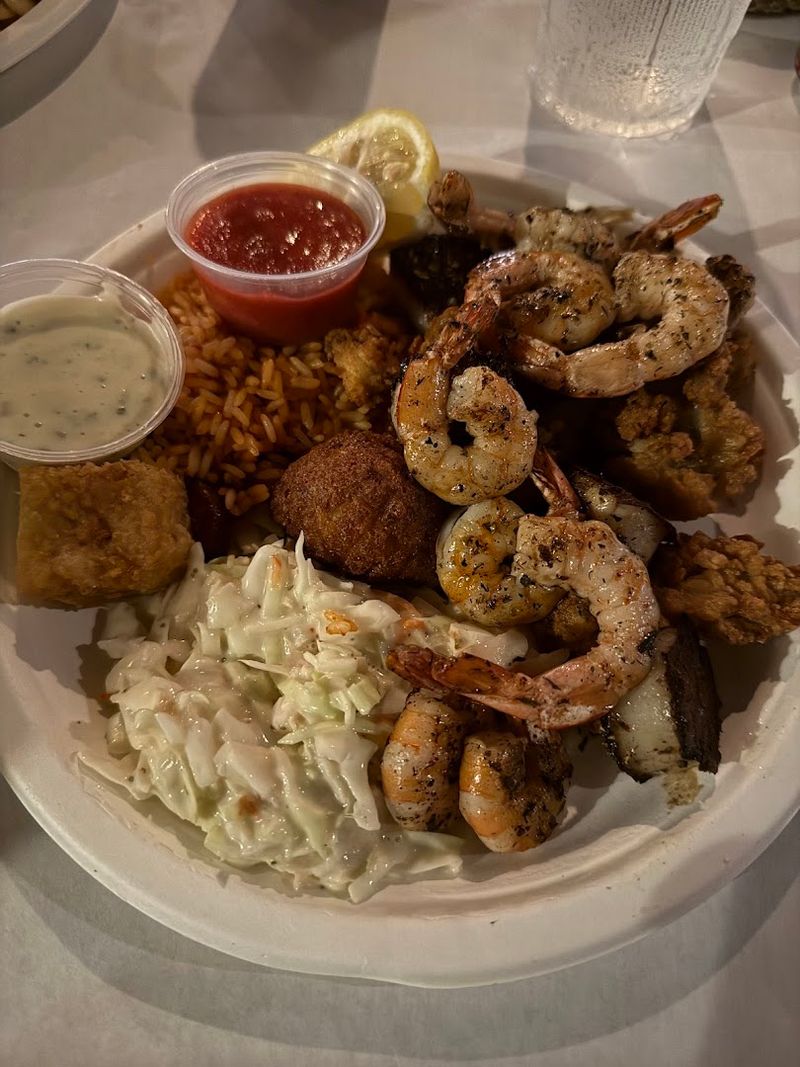
Blue crab season in South Carolina generally peaks in warmer months, running from late spring through early fall. That timing is not a coincidence.
Warmer water temperatures make crabs more active and their meat more flavorful. Smart coastal kitchens plan their menus around this natural rhythm.
Beyond crab, other seasonal options often appear alongside she crab soup in Lowcountry restaurants. Fresh shrimp from local trawlers, oysters pulled from nearby beds, and flounder caught in coastal inlets all make appearances when the timing is right.
Pairing these with a bowl of soup turns a meal into an experience.
Wreck of the Richard and Charlene takes advantage of what is available and fresh rather than forcing ingredients that are out of season. The menu reflects what the water is offering at any given time of year.
That flexibility keeps the food honest and genuinely delicious. Eating seasonally also means you are getting ingredients at their peak flavor rather than something that has traveled far and sat too long.
Fresh seafood has a brightness to it that no amount of seasoning can fake.
Cultural Significance Of Seafood In Coastal Dining
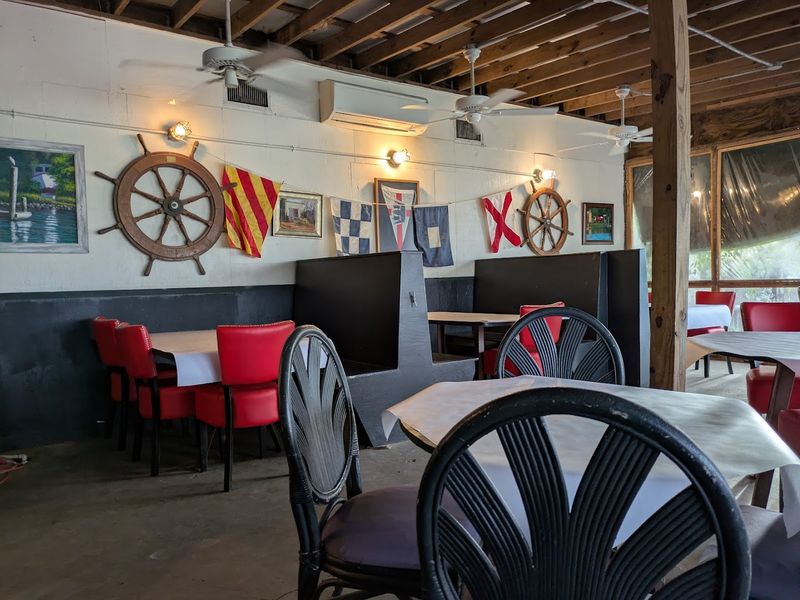
Seafood is not just food along the South Carolina coast; it is identity. Coastal communities here have built their entire way of life around the water for centuries.
Fishing families, dock workers, and restaurant owners have all played roles in shaping a food culture that is deeply personal and fiercely proud.
She crab soup sits at the center of that culture as a dish that represents the Lowcountry better than almost anything else. It shows up at family gatherings, restaurant menus, and community events.
Locals do not just eat it, they compare versions, debate recipes, and argue about who makes it best with genuine passion.
Wreck of the Richard and Charlene fits naturally into this tradition. The name itself nods to the maritime history of the area.
The atmosphere carries the weight of that history without being heavy about it. Eating there feels connected to something larger than just a meal.
It feels like participating in a living coastal culture that has survived and thrived for generations. That meaning is rare in a restaurant, and it is part of what keeps people coming back again and again.
Drink That Enhance Flavor Profiles
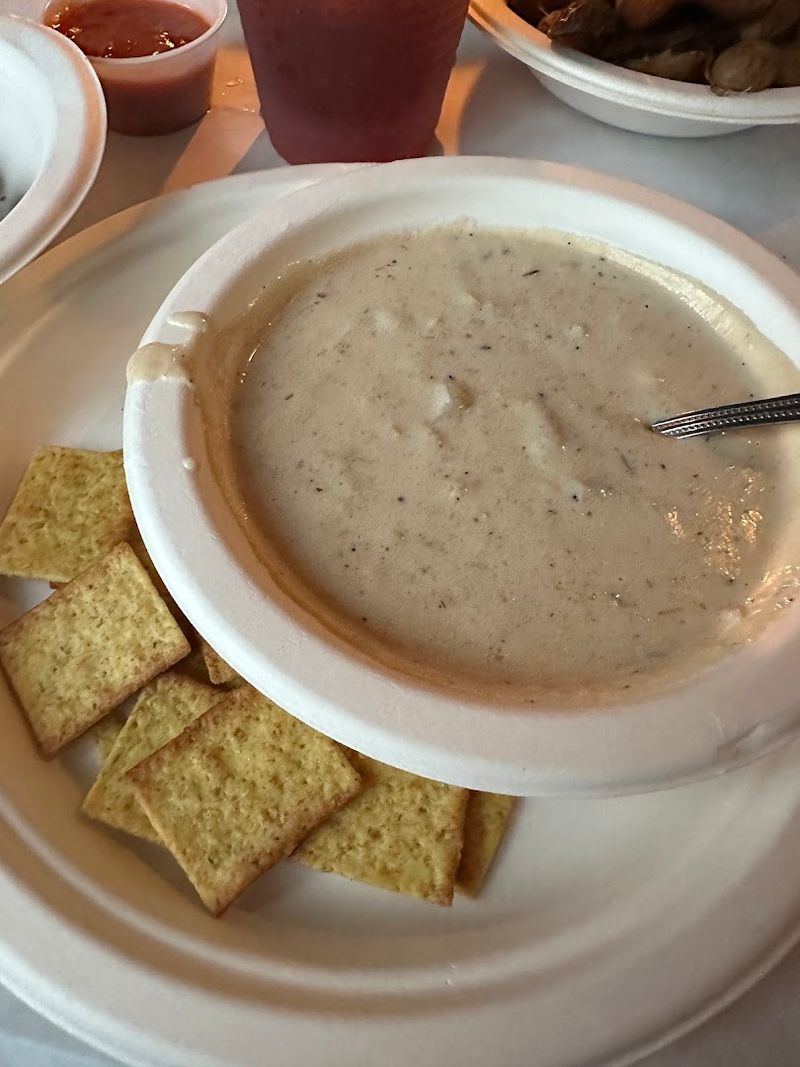
Pairing the right drink with she crab soup can genuinely elevate the experience. The soup is rich, creamy, and slightly briny, so you want something that either cuts through that richness or plays alongside it without competing.
Getting this right makes the whole meal feel more intentional.
Sweet iced tea is the classic South Carolina choice for a reason. The sweetness balances the savory depth of the soup, and the cold temperature refreshes your palate between spoonfuls.
Fresh lemonade works similarly, with its tartness providing a bright contrast to the cream base.
Sparkling water with citrus is another smart pick if you want something light and clean. The carbonation helps reset your palate so each bite of soup feels as good as the first.
At Wreck of the Richard and Charlene, the non-alcoholic options are thoughtful and well-suited to the food being served. A cold glass of something refreshing alongside a steaming bowl of she crab soup is a simple combination that delivers real satisfaction.
The right pairing does not overshadow the food. It makes the whole experience more enjoyable from start to finish.
Local Fishing Practices That Support Freshness
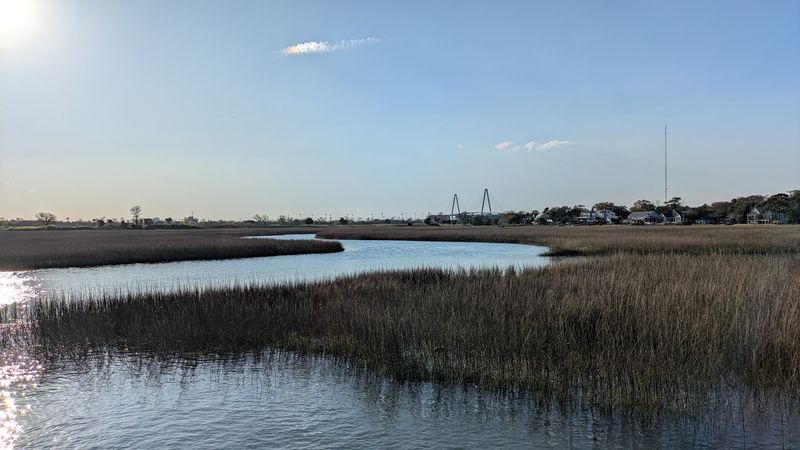
Freshness in seafood is everything, and the fishing practices happening right outside the door in Mt Pleasant make a real difference. Local crabbers work the waters around the Charleston Harbor and nearby estuaries using traditional crab pots.
These traps are checked regularly, which means crabs spend minimal time in captivity before reaching the kitchen.
That speed from water to plate is what separates genuinely fresh crab from the kind that has been sitting in a tank or a cooler for days. You can taste the difference immediately.
Fresh blue crab has a sweetness and a firmness that older crab simply cannot replicate.
Wreck of the Richard and Charlene benefits from being located in a community where fishing is still a working part of daily life. The proximity to local docks and suppliers means the kitchen can source ingredients with a short supply chain.
Short supply chains mean less time in transit, better quality, and more accountability. When a restaurant is close to its source, the food shows it.
The she crab soup here tastes like it was made from crabs caught this morning, because often enough, it was.
Sustainability Efforts In Seafood Harvesting
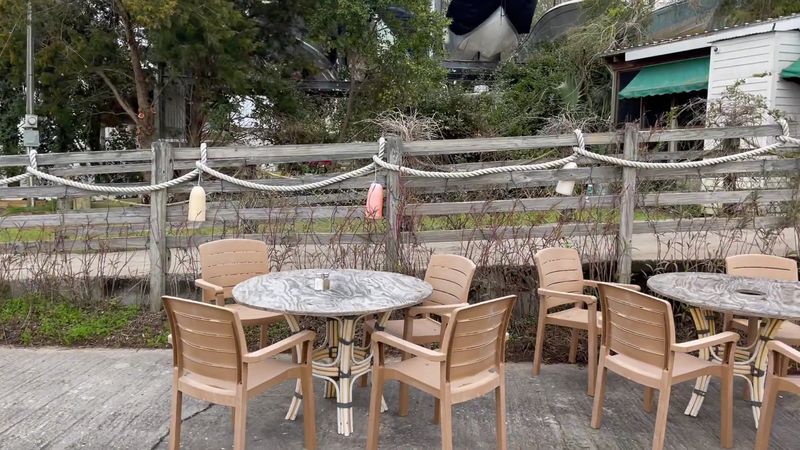
Sustainability in seafood harvesting is a serious topic along the South Carolina coast, and it matters more now than ever. Blue crab populations can fluctuate based on water temperature, salinity changes, and harvesting pressure.
Responsible fishing practices help ensure there will be crabs to catch for future generations.
South Carolina has regulations in place that protect female blue crabs carrying eggs, limit harvest sizes, and set seasonal boundaries.
These rules exist because scientists and fishermen both understand that taking too much too fast collapses the very resource everyone depends on. Respecting those limits is not just good ethics; it is good business.
Restaurants like Wreck of the Richard and Charlene that source locally are naturally connected to these sustainability conversations.
When your supplier is a local fisherman, you hear directly about water conditions, population health, and seasonal availability. That relationship creates accountability on both sides.
Choosing to eat at places that care about where their food comes from is one of the most direct ways diners can support sustainable practices.
Every bowl of she crab soup ordered from a responsible kitchen sends a clear message about what matters to the people eating it.