
This South Dakota Dig Site Has Mammoth Bones Still Sitting In The Ground Where They Fell
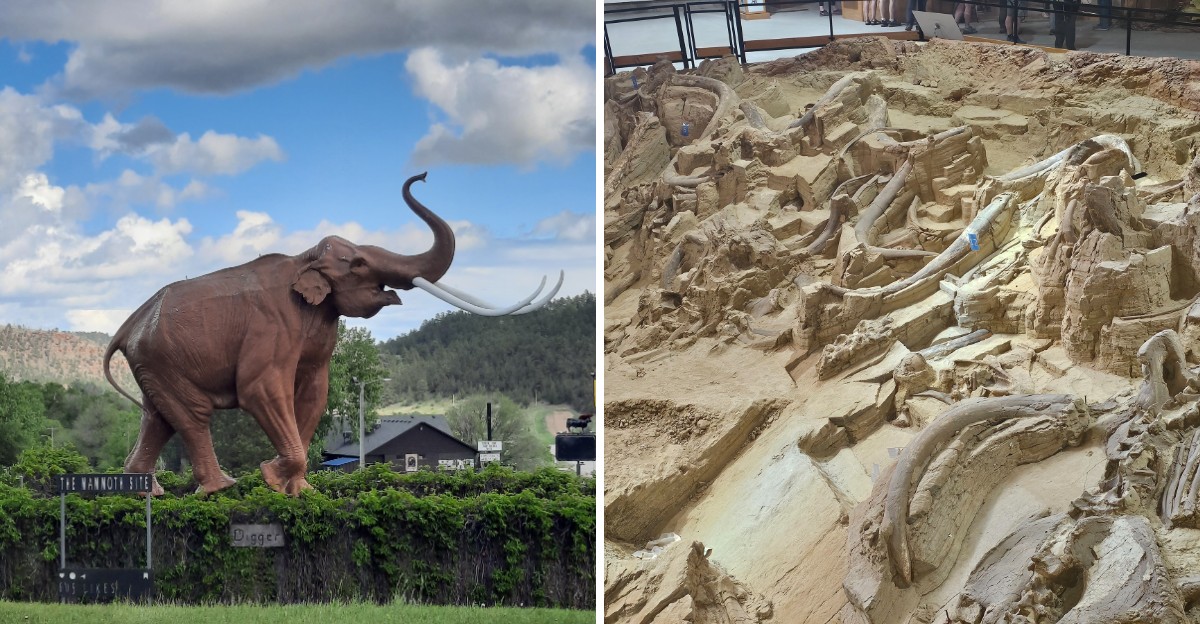
Giant tusks cross each other in the dirt, right where they fell. No glass cases, no fancy mounts, just raw Ice Age drama beneath your feet.
Imagine a warm pond that looked like the perfect drink stop for mammoths. Instead, the slick walls turned into a trap nobody could climb out of.
South Dakota kept that secret buried until a bulldozer blade scraped the hill and struck something massive.
Now you can stroll the railings above a real dig site and peek at bones still sitting in the ground.
Scientists still brush away sediment below, and every visit might reveal a fresh surprise. There is more under that roof than mammoths alone.
Your next South Dakota road trip deserves a little time with these gentle giants.
A Bulldozer Blade Hit Something Big
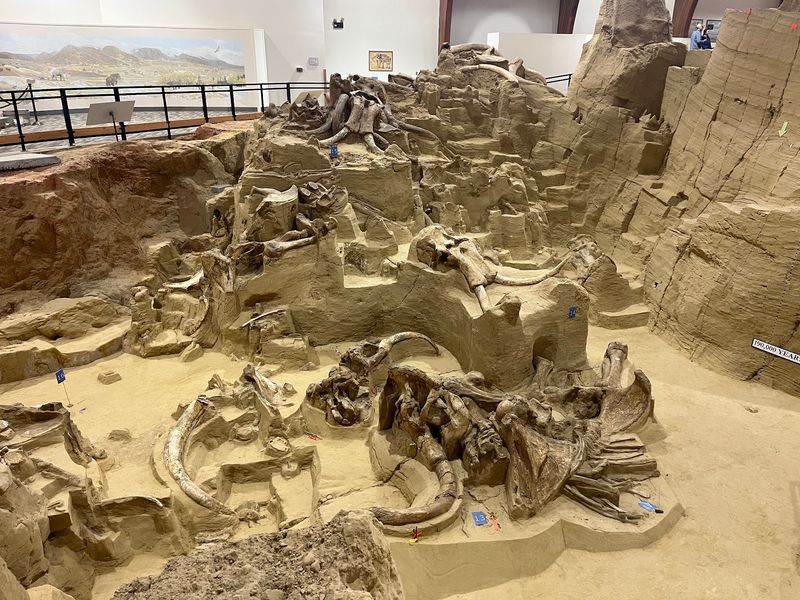
Talk about a lucky scrape. In June 1974, a heavy equipment operator was leveling a hill for new homes.
His blade struck something hard and unusual. A closer look revealed a long tusk sliced in half, with more big bones nearby.
Work on the housing project soon stopped. The landowner realized this dirt held far more value than any row of houses.
Scientists and volunteers arrived to see what else lay hidden. Each new layer seemed to reveal another surprise.
That chance find grew into The Mammoth Site, a research center and museum in Hot Springs. The spot now draws curious visitors every year.
The story shows how discovery can happen in ordinary places. A normal workday in South Dakota ended up changing Ice Age science.
Visitors can learn this origin story right at the start of their trip. A short film near the entrance helps set the scene.
Watching it first makes the bonebed far easier to understand. Guests walk in knowing why the tusks and bones matter.
So take those few minutes before heading inside. The rest of the visit will feel like a story unfolding page by page.
How A Warm Pond Became A Trap
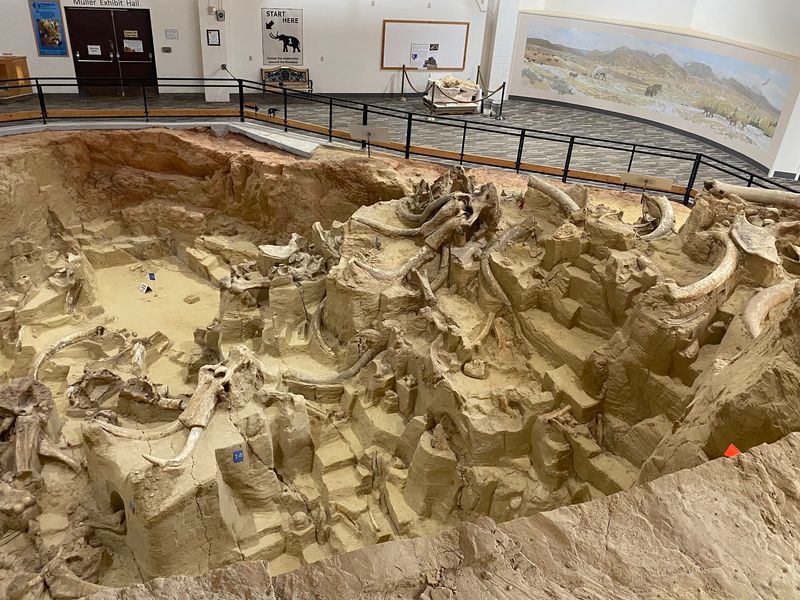
Ever wonder why so many giants ended up in one spot? The answer starts deep underground.
Long ago, an underground cavern in limestone collapsed. That collapse left a steep-sided sinkhole in the land around present-day Hot Springs.
Warm water from artesian springs slowly filled the hole. Green plants likely grew around its edges, making the pond look inviting.
Here comes the tricky part. The sides were steep and slick with shale, so climbing out proved nearly impossible.
Animals that waded in for water or food often could not get back up. Over many years, their remains piled up at the bottom.
Fine silt kept drifting in and covering everything. That slow filling protected the bones in their original positions.
Scientists estimate the sinkhole formed well over one hundred thousand years ago. Exact dates can vary between studies, so treat them as estimates.
At The Mammoth Site, displays explain this process in clear steps. Diagrams show how the pond changed over time.
Understanding the trap makes the bonebed far more meaningful. Suddenly, each tusk tells part of a slippery, ancient story.
Bones Resting Right Where They Settled
No shuffling, no stacking, no fancy mounts. The bones here stay exactly where nature left them.
Scientists call this keeping fossils in situ. It means the remains sit in the same spot and position where they came to rest.
Most museums move bones into cases or build full skeletons. The Mammoth Site takes a different path and leaves the ground mostly untouched.
That choice lets visitors see how animals lay inside the sinkhole. Tusks cross over each other, and skulls tilt at odd angles.
These details help researchers study how the animals entered the pond. Bone positions can hint at what happened long ago.
For guests, the view feels raw and real. The dirt, the cracks, and the curves all stay part of the scene.
Bring a phone to scan the QR codes at each stop. The codes unlock audio and text details that add even more depth to the printed signs along the route.
Take time at the railings. The longer anyone looks, the more hidden teeth and bones start to appear in the sediment.
The Biggest Mammoth Crowd Around
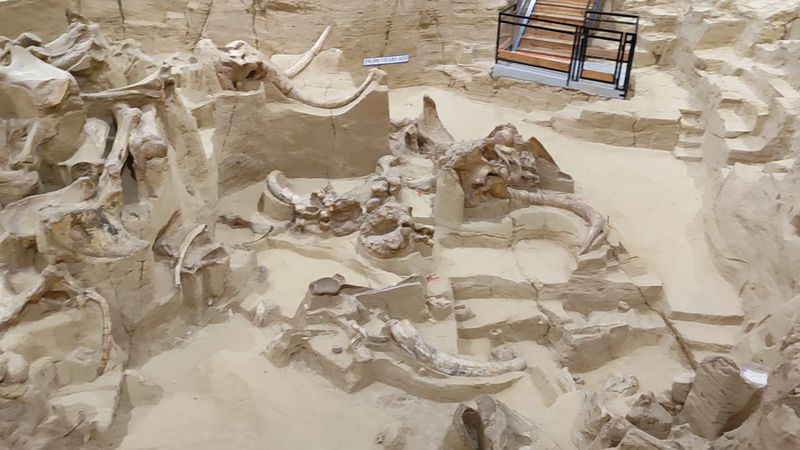
More than sixty mammoths. That number alone makes jaws drop faster than a tusk in soft mud.
Researchers have identified dozens of individual mammoths at The Mammoth Site. Most are Columbian mammoths, which grew to enormous sizes.
A few woolly mammoths turned up as well. They were smaller than many people expect, which often surprises visitors.
Scientists say this ranks as one of the largest collections of mammoth remains found in their original spot. South Dakota truly hit the fossil jackpot.
Studies of teeth suggest many of these animals were young adults. Researchers also believe many were males.
One idea points to young males wandering alone, much as some elephants do today. That behavior may have led them toward the risky pond.
Exhibits compare mammoths with modern elephants side by side. The size difference helps visitors picture these giants on the move.
Look closely at the teeth in the bonebed. Their ridged surfaces helped mammoths grind tough grasses across the ancient plains.
It is a crowd with plenty of personality, even after all this time.
Bears, Camels, And Tiny Critters Too
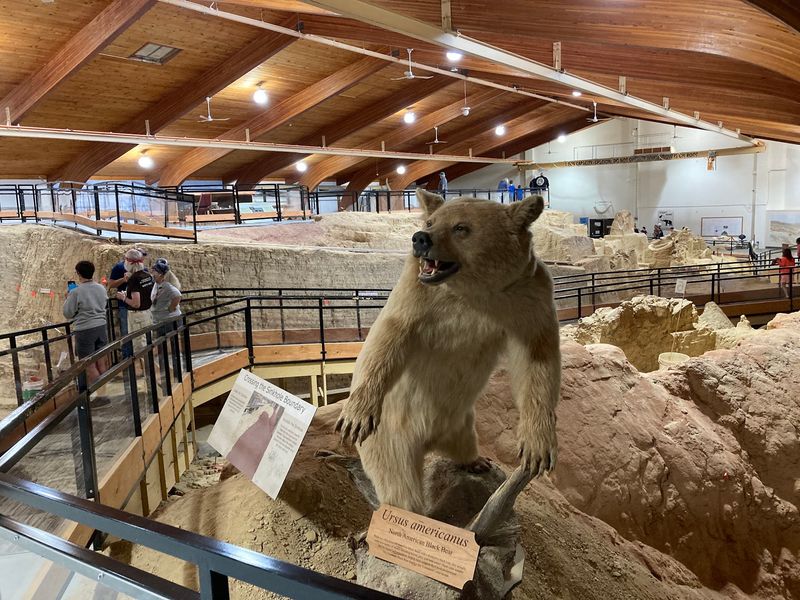
Mammoths may steal the spotlight, but they had company. Plenty of other creatures left clues in the sinkhole.
A giant short-faced bear stands out among the finds. This powerful animal ranked among the largest meat-eating mammals of its time.
Researchers have also found signs of camels, llamas, and wolves. Smaller animals like prairie dogs, voles, and birds appear too.
Even snails and clams add details. Tiny shells help scientists figure out the climate and water conditions long ago.
Together, these finds show a busy Ice Age world in South Dakota. The plains held far more than grass and mammoths.
The Mammoth Site uses exhibits to bring these animals into focus. Replica skeletons help visitors compare sizes and shapes.
Kids often love the bear display most. Standing beside its frame makes the ancient landscape feel less like a textbook.
Spend a moment on the smaller cases as well. Little bones and shells tell big stories about life around the pond.
Every tiny tooth adds one more puzzle piece to the picture.
Watch Real Scientists Brush Away Time
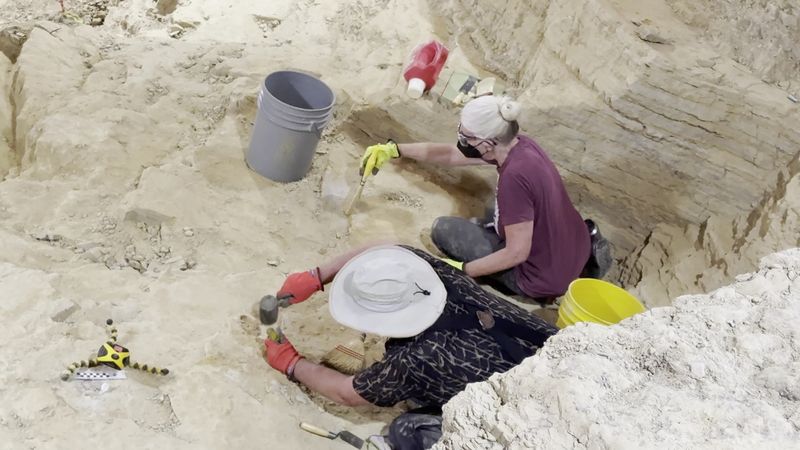
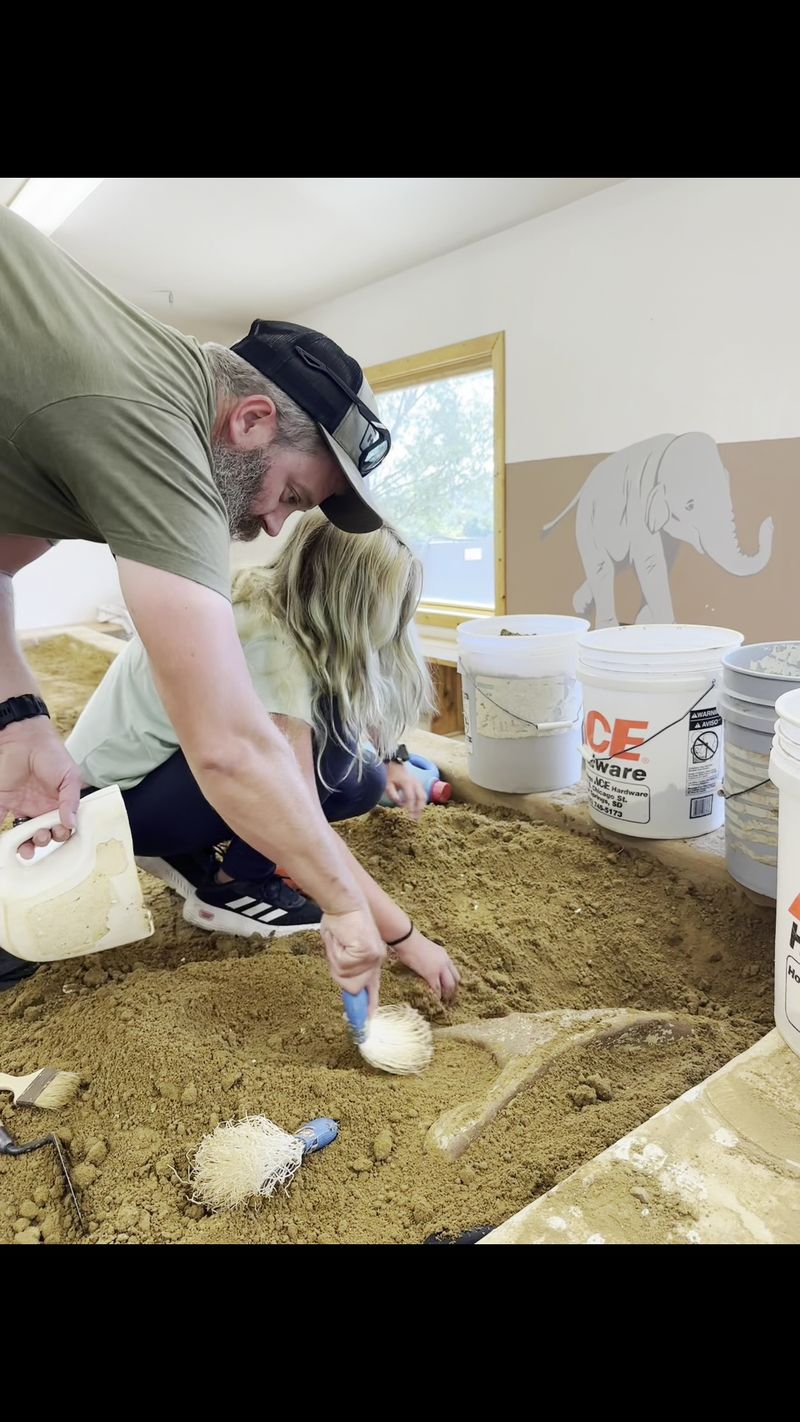
Brush, scrape, repeat. Paleontology looks slow, but every stroke might reveal something new.
The Mammoth Site works as a museum and an active dig at the same time. Research continues, so the bonebed keeps changing.
During busier seasons, visitors often see scientists and volunteers working below. Crews carefully remove sediment with small tools.
Many guests get a chance to ask questions. Workers often explain what they are uncovering and how they protect it.
Schedules can vary, so digging is not guaranteed on every visit. Summer usually offers the best odds of seeing work in action.
Arriving early can help. Crowds tend to grow later in the day, and quiet mornings make watching easier.
Only part of the sinkhole has been dug so far. That means more fossils likely remain hidden deep under the surface.
Return visitors often notice fresh progress since their last trip. New bones and cleaned areas keep the story growing.
It feels a bit like peeking into a lab that never closes its chapter on the past.
Walkways Above The Ancient Pit
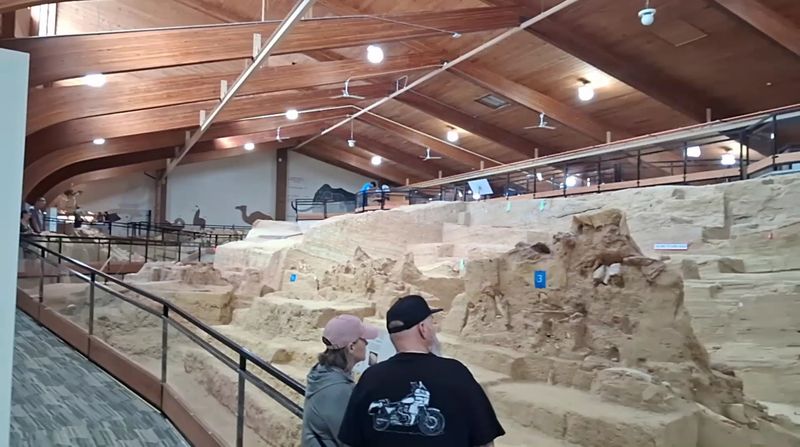
Rain, snow, or blazing sun, the dig stays comfy. A large building covers the entire bonebed.
That climate-controlled space protects fossils and visitors alike. It also means the site can welcome guests throughout the year.
Self-guided tours follow elevated walkways around the sinkhole. Each viewpoint shows the bones from a new angle.
Some spots let guests get surprisingly close. Details like cracks in tusks and teeth stand out clearly.
The Mammoth Site is also a National Natural Landmark. That status highlights its importance to science and the nation.
A few ramps feel steep, so plan accordingly. Free wheelchairs are available, and staff may offer golf cart rides from parking.
Budget at least an hour for the walk. Many visitors spend two hours or more with the audio tour.
Comfortable shoes help on the ramps. So does a charged phone for scanning codes along the route.
Pause at the far corners before leaving. Sometimes the best view waits where fewer people stop.
Hands On Fun For Young Explorers
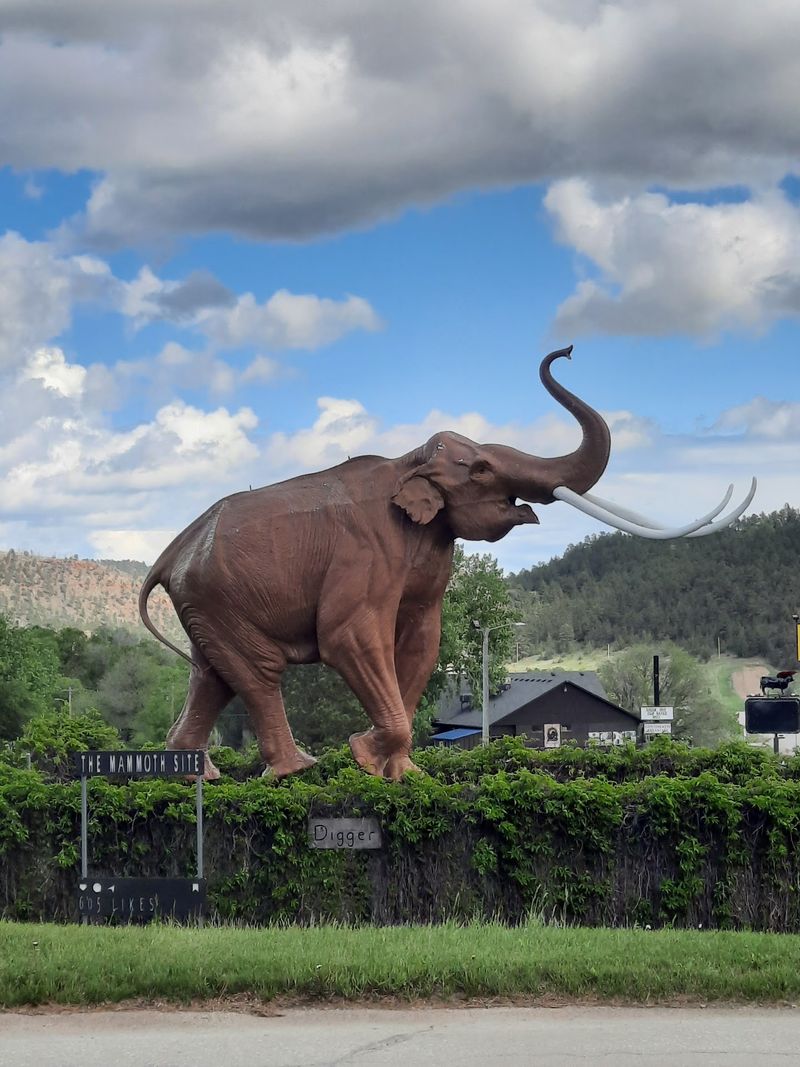
Kids get restless around glass cases. Luckily, plenty of exhibits here beg to be touched.
The Mammoth Site includes replica bones that guests can handle. Some displays let visitors move and compare pieces up close.
Interactive features may include an augmented reality sandbox. Young visitors can shape landscapes and watch colors shift.
A kids area gives little ones space to play and learn. Families often linger here longer than planned.
Educational programs also run at the site. Groups like scouts and school classes can join hands-on lessons.
Some programs include a practice dig. Kids learn how scientists record and protect every find.
Birthday parties and private tours are sometimes offered too. Details change, so checking ahead makes sense.
The site is accredited by the American Alliance of Museums. That shows a strong focus on quality learning.
Let children lead the pace. Curious questions often spark the best discoveries of the whole trip.
Exhibits That Go Beyond The Bonebed
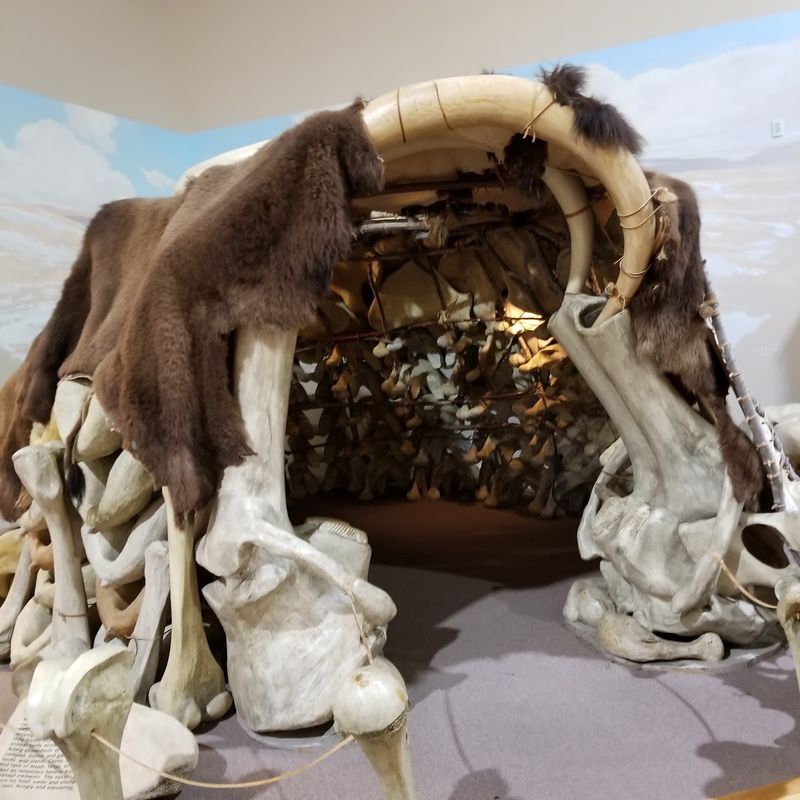
Done with the pit already? Not so fast, because more exhibits wait just around the corner.
The Mammoth Site offers displays about Ice Age life beyond the sinkhole. Replica skeletons show animals from the same era.
Visitors may spot giant creatures that roamed North America long ago. These displays help place the mammoths in a wider world.
Newer rooms add information on local animals and history. The museum keeps growing its exhibits over time.
A theater room shows a short film. It gives helpful background before or after walking the bonebed.
The gift shop carries books, toys, and souvenirs. Many families leave with a stuffed mammoth tucked under an arm.
Snack options may vary by season. A small food truck sometimes parks near the entrance during busy months.
The museum sits at 1800 US-18, Hot Springs, SD 57747, in South Dakota. Plenty of parking makes arrival easy.
Pair the stop with other sights in the southern Black Hills for a full day of adventure.
A Story Still Being Written
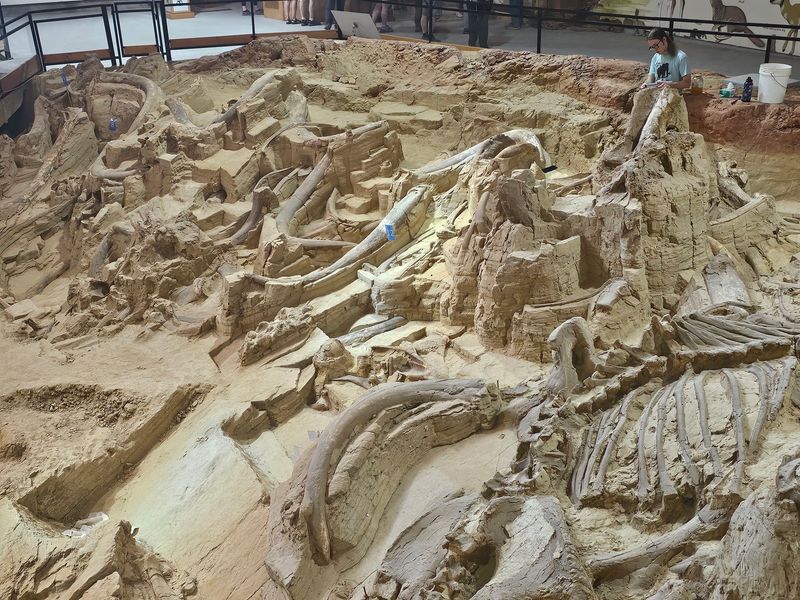
Endings are rare at a dig like this. Every season could add a new line to the tale.
Only a portion of the deep sinkhole has been excavated. Scientists believe many secrets still rest below the surface.
The Mammoth Site focuses on research, preservation, and teaching. That mission keeps the work steady year after year.
The bones here are not fully turned to stone. Fine silt helped protect them, which gives researchers useful details.
This careful preservation makes the site valuable to scientists everywhere. Studies from Hot Springs help explain Ice Age life.
For travelers, each visit can feel a little different. New finds and new exhibits keep the experience fresh.
The museum runs as a nonprofit. Visits and gift shop purchases help support ongoing research.
Leaving the building, many guests glance back at the hill. It looks ordinary now, yet it hides a giant history.
South Dakota holds plenty of wonders. Few feel as close to the Ice Age as this quiet spot where mammoths still rest in the ground.