
This Spectacular Minnesota State Park Is One Adventure Worth Driving For
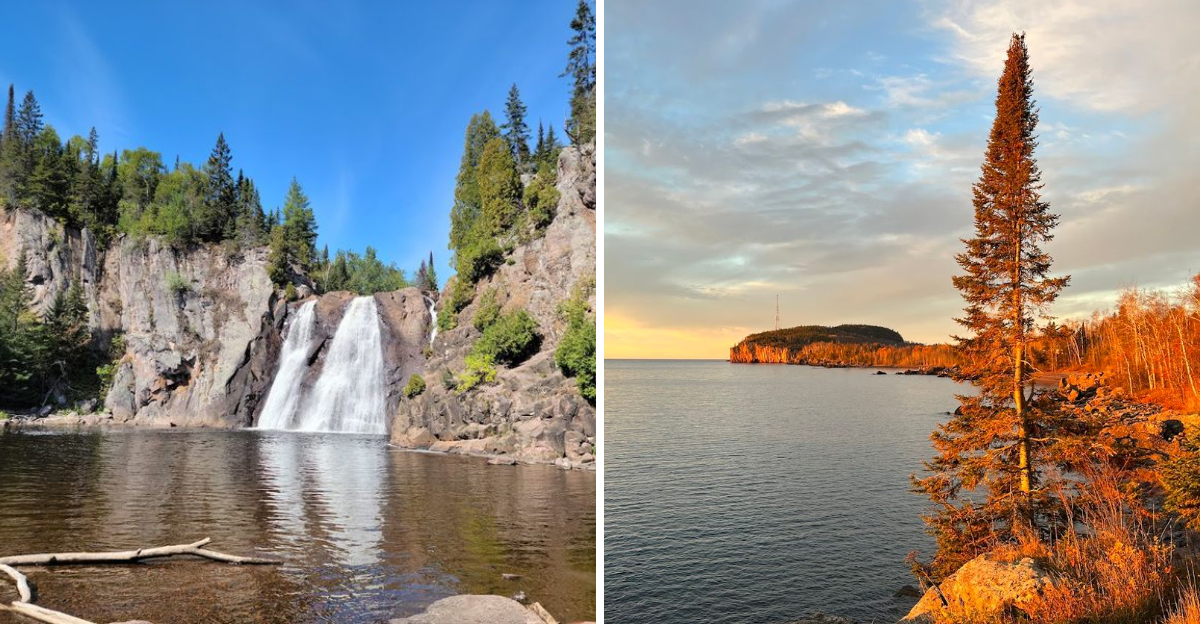
Along Minnesota’s North Shore, a remarkable state park waits for anyone willing to make the drive. Spread across more than 9,000 acres, the landscape shifts dramatically from dense boreal forest to towering cliffs, quiet inland lakes, and deep river gorges carved through ancient rock.
The variety alone makes the journey worthwhile. Hikers follow scenic trails, climbers test themselves on rugged stone walls, and campers settle in for peaceful nights surrounded by wilderness.
No matter the season, this destination offers the kind of outdoor experience that reminds visitors exactly why Minnesota’s North Shore has become so legendary.
Lake Superior’s Dramatic North Shore Landscape
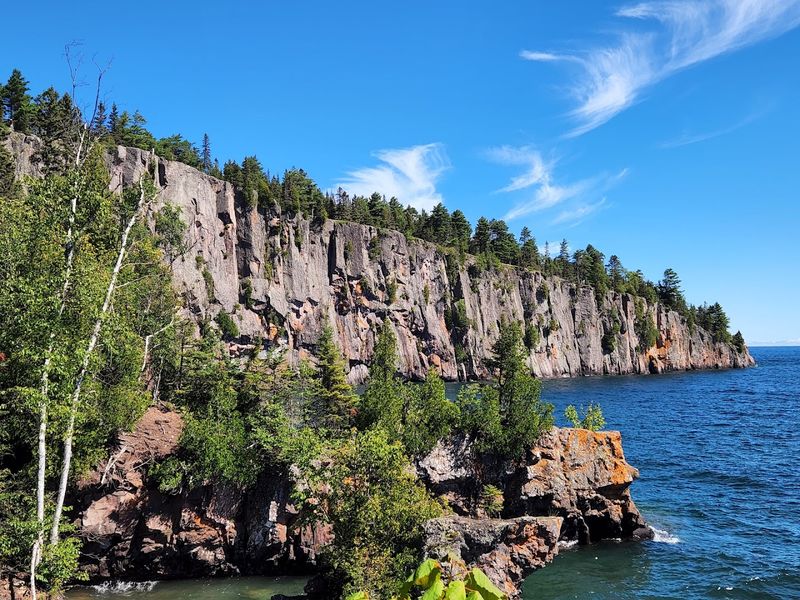
Few landscapes in the American Midwest carry the raw, geological confidence of Lake Superior’s North Shore at Tettegouche State Park. The shoreline here is not sand and gentle waves but fractured volcanic rock, ancient lava flows, and cliffs that drop directly into cold, intensely blue water.
Standing at the lake’s edge, you feel the scale of the place immediately.
The North Shore corridor along Highway 61 has long drawn travelers who appreciate scenery with some backbone, and Tettegouche represents one of its most dramatic chapters. The park’s coastal terrain shifts between exposed headlands and sheltered coves, giving each vantage point a distinct character.
Geologists estimate the rocks here formed roughly a billion years ago during a period of massive volcanic activity. That context adds weight to every step you take along the shoreline.
The landscape does not need embellishment; its age and scale speak clearly enough on their own.
High Cliffs With Incredible Lake Views
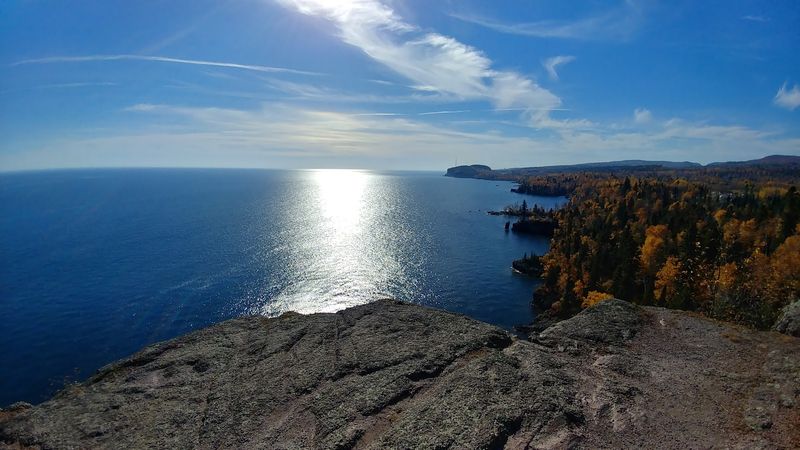
The cliffs at Tettegouche rise sharply above Lake Superior, offering some of the most commanding views available to anyone willing to lace up a pair of hiking boots. From certain vantage points, the lake spreads to the horizon without interruption, and on clear days the water shifts through at least four distinct shades of blue depending on depth and light.
What makes these overlooks particularly satisfying is that they reward effort. You earn the view through trail work, stair climbing, and a little patience with the terrain.
That exchange between physical effort and visual payoff is one of the more honest transactions in outdoor recreation.
The park opens daily from 8 AM to 10 PM, giving visitors ample time to reach the high points during good light. Early morning and late afternoon tend to produce the richest colors along the cliffs, especially when the sun angles low across the water’s surface.
Waterfalls Hidden Along Forest Trails
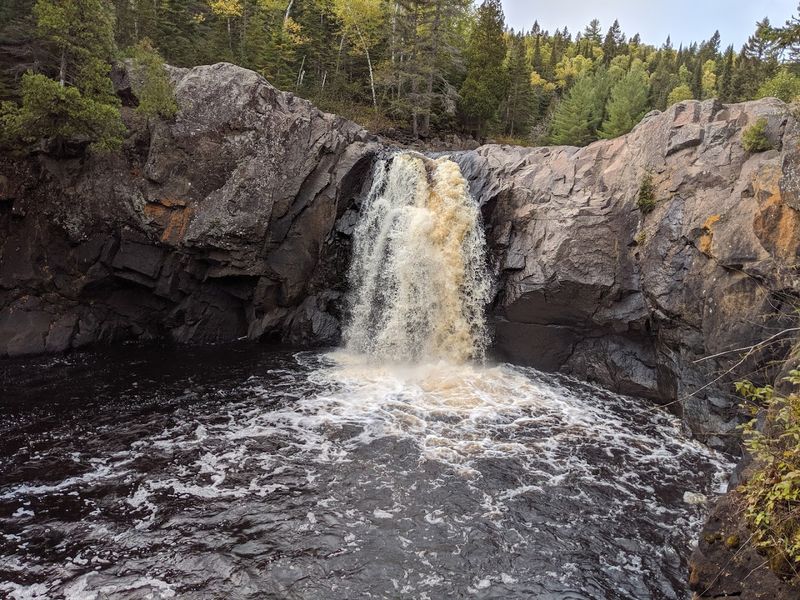
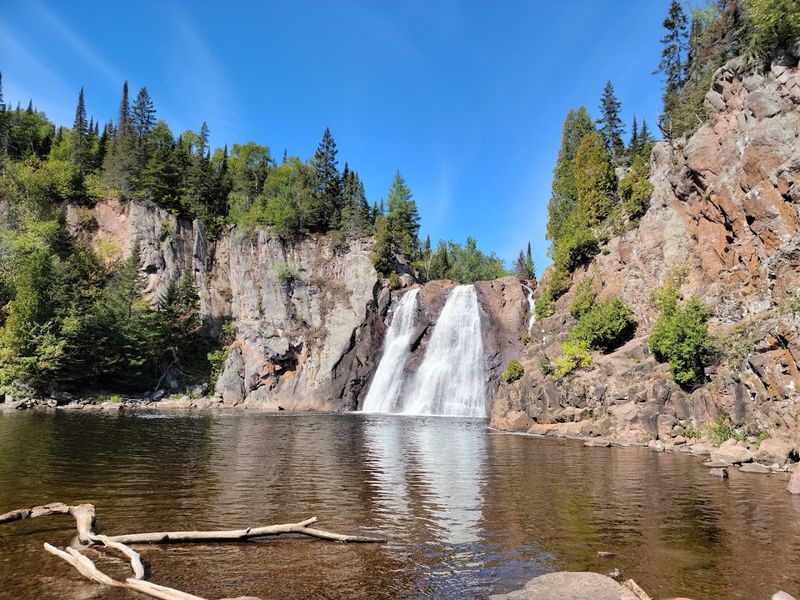
Tettegouche is home to the High Falls of the Baptism River, which at approximately 70 feet stands as the tallest waterfall entirely within Minnesota’s borders. The trail leading to it winds through thick forest, crosses uneven terrain, and requires steady footing on sections of exposed root and stone.
The gorge through which the water moves is narrow and deep, amplifying the sound considerably before you ever see the falls themselves. That auditory buildup creates a sense of anticipation that the actual waterfall more than justifies.
The surrounding rock walls are streaked with mineral deposits in shades of rust, gray, and ochre.
Visitors planning the hike should wear footwear with solid ankle support and bring trekking poles if they have them. The trail is not technically difficult, but the footing demands attention, particularly after rain.
Arriving with the right preparation means you spend your energy appreciating the falls rather than managing the terrain.
Shovel Point’s Scenic Hiking Trail
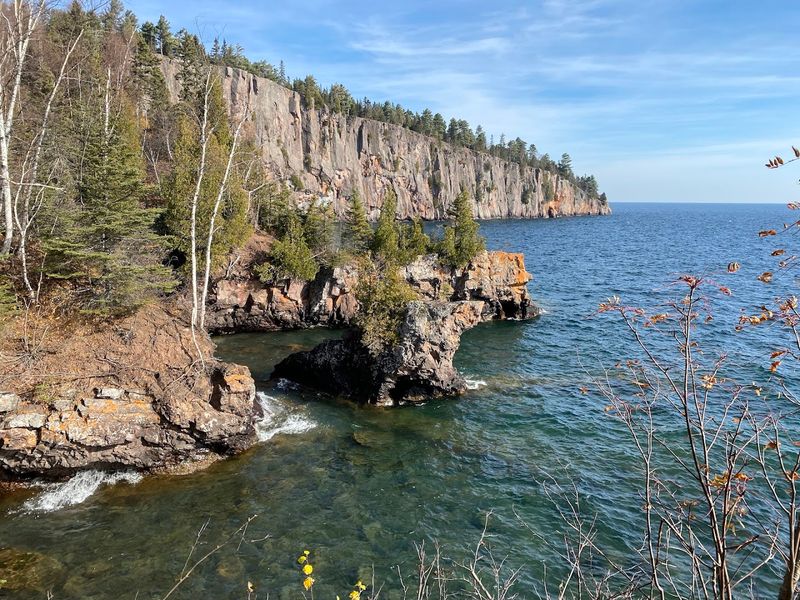
Shovel Point is a rocky peninsula that extends into Lake Superior and offers one of the most satisfying short hikes in the entire park. The trail covers roughly two miles out and back, involves a notable number of stairs, and delivers coastal scenery that holds your attention from the first step to the last.
The path follows the cliff edge closely enough that you feel the exposure without ever feeling unsafe, provided you stay on the marked route. Views of Palisade Head appear across the bay from several points along the trail, adding a sense of depth and scale to an already impressive panorama.
Most visitors complete the hike in under an hour, but few actually rush it. The combination of turquoise water, layered basalt, and open sky tends to slow people down in the best possible way.
Shovel Point is the kind of trail that converts casual walkers into committed hikers without any persuasion required.
Palisade Head’s Famous Overlook
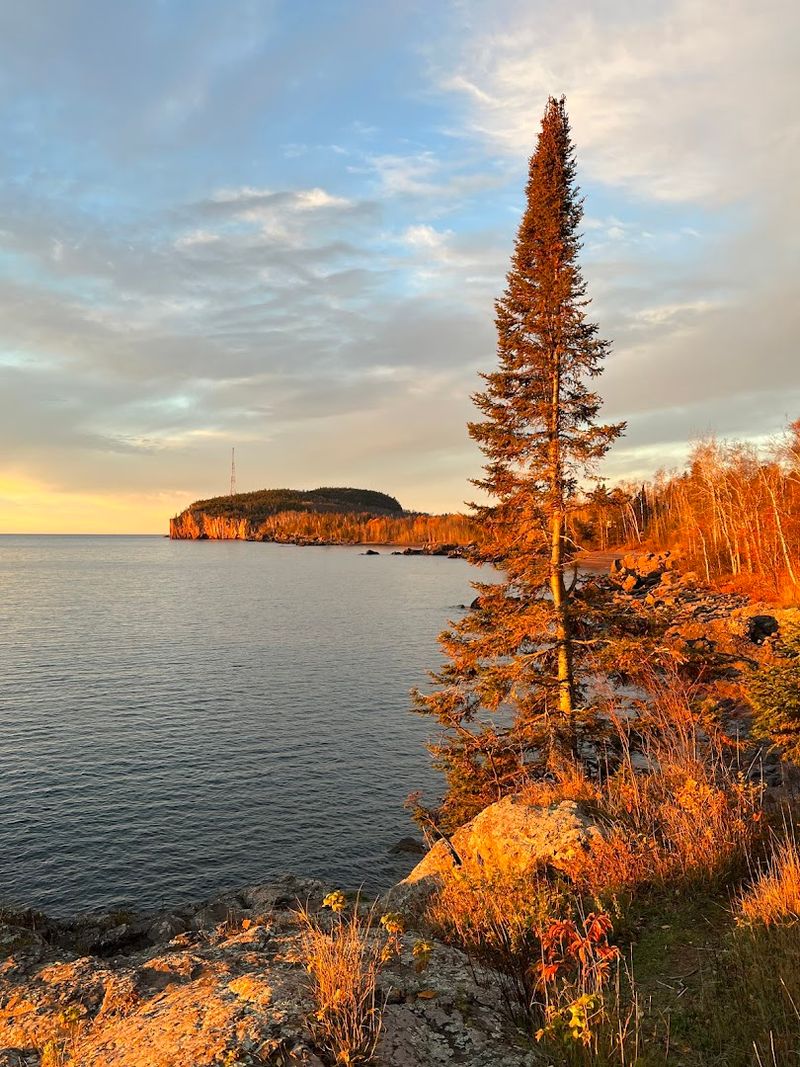
Palisade Head sits just outside the main park boundary but falls within Tettegouche’s managed area, and it represents one of the most visually arresting roadside stops on the entire North Shore. The cliff rises about 350 feet above Lake Superior and is composed of rhyolite, a volcanic rock that gives the face a distinctive reddish hue that deepens in afternoon light.
A short drive up a winding road brings you to a parking area from which the view opens without warning. The drop is immediate and the lake stretches out below in a shade of blue that seems almost implausible for a freshwater body.
On calm days, the water’s clarity is visible even from that height.
Rock climbers have long regarded Palisade Head as one of the premier climbing destinations in the Midwest, and its vertical faces attract experienced climbers throughout the warmer months. For everyone else, the overlook alone justifies the brief detour from Highway 61.
The Baptism River Runs Through The Park
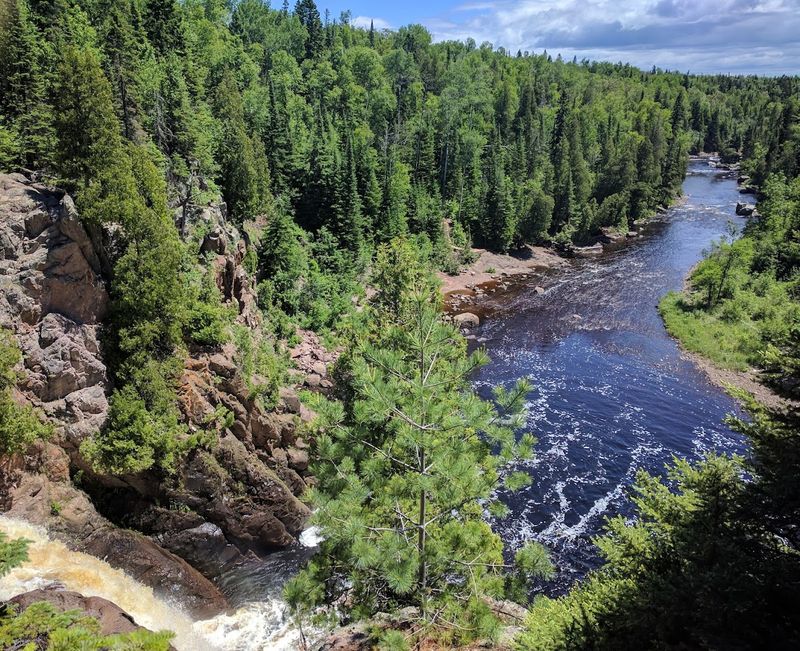
The Baptism River is the central waterway of Tettegouche, and its presence shapes the park’s character more than any single trail or overlook. The river originates in the highlands west of the park and descends toward Lake Superior through a series of cascades, pools, and gorges that collectively form one of the most scenic river corridors in Minnesota.
Hiking alongside the Baptism means moving through constantly shifting scenery. The water changes pace frequently, moving from calm stretches to churning rapids within a short distance, and the surrounding forest crowds the banks in a way that makes the path feel intimate even when other hikers are nearby.
Trout fishing is permitted in designated stretches of the river, and anglers who know the Baptism speak of it with genuine affection. The river’s cold, clear water supports healthy fish populations, and the solitude of a morning on the bank here is the kind of quiet that is increasingly difficult to locate.
Winter Trails For Snowshoeing And Skiing
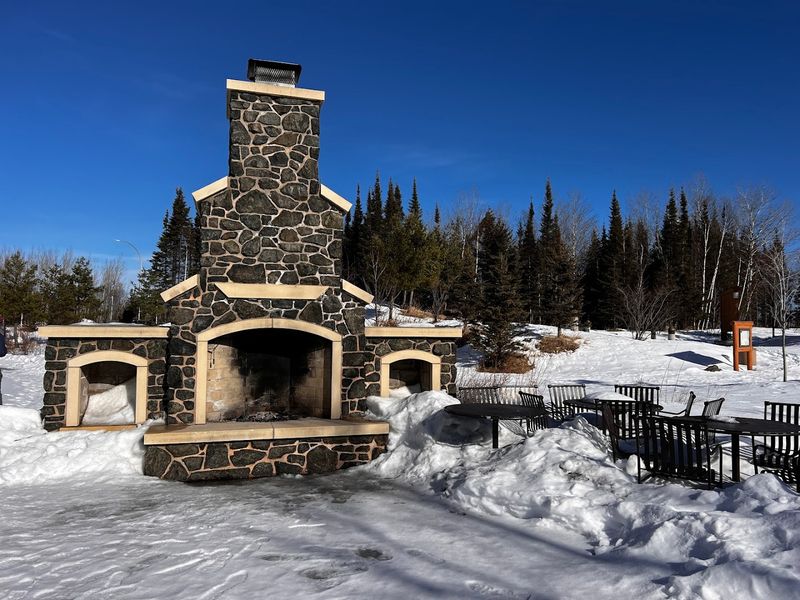
Tettegouche transforms considerably once the snow arrives, and the park’s winter identity is every bit as compelling as its warmer months. The trail network shifts into a system of groomed cross-country ski routes and designated snowshoe paths that wind through forest and along frozen river corridors.
Snowshoe rentals are available at the visitor center for a modest fee, which makes the winter experience accessible to visitors who did not arrive fully equipped. The park staff keeps the trails in good condition, and the silence of a snow-covered forest in January is the kind of atmosphere that genuinely resets a person’s thinking.
Cross-country skiers appreciate the varied terrain, which includes both flat lakeside sections and more challenging wooded climbs. The park is open daily until 10 PM year-round, so a late afternoon ski with the light dropping through the trees is entirely achievable.
Winter at Tettegouche is not a consolation prize; it is a distinct and worthwhile experience on its own terms.
Rock Climbing On Rugged Cliffs
The volcanic rock formations at Tettegouche and the adjacent Palisade Head have made this corner of Minnesota a genuine destination for rock climbers. The rhyolite and basalt faces offer a range of routes from beginner-friendly lines to serious technical climbs that demand experience, proper gear, and a clear head about exposure.
Climbers who visit for the first time often comment on how the combination of vertical challenge and horizontal lake views creates an experience unlike anything available at inland crags. The sensation of clinging to ancient volcanic rock while Lake Superior fills your peripheral vision is not something easily replicated elsewhere in the Midwest.
The park recommends that all climbers check current conditions before approaching any cliff face, as freeze-thaw cycles and moisture can affect rock stability. Tettegouche’s climbing community is experienced and generally responsible, which helps maintain the access that makes these routes possible.
Respect for the rock and the environment keeps this activity available for everyone who follows.
Backcountry Camping In The Wilderness
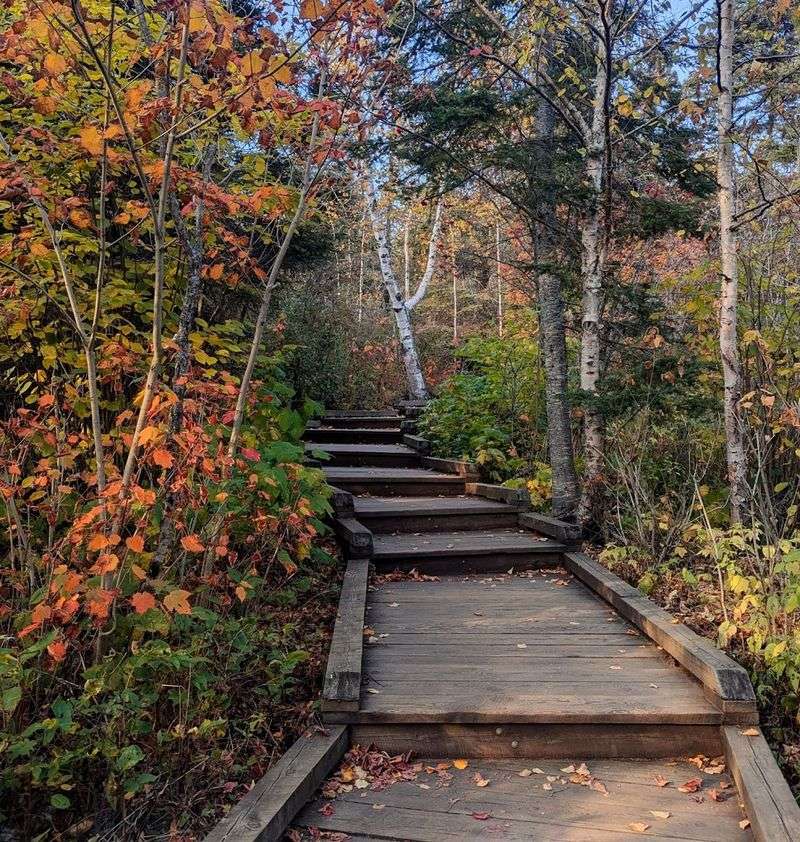
Tettegouche offers backcountry camping options that move well beyond the standard campground experience. The park contains four inland lakes accessible only by trail, and the hike-in campsites positioned near these lakes provide a level of privacy and quiet that drive-in campgrounds simply cannot match.
Reaching these sites requires carrying your gear through several miles of forested trail, which naturally limits the crowd and enhances the atmosphere considerably. The lakes are clear and cold, the surrounding forest is dense with white spruce and birch, and the absence of road noise creates an evening stillness that becomes genuinely memorable.
The historic Tettegouche Camp, a cluster of log buildings from the early 20th century, sits in this backcountry zone and adds a layer of historical character to the wilderness experience. Reservations through the Minnesota DNR are recommended well in advance, particularly for summer weekends.
The effort of getting there is precisely what makes the experience feel earned and worthwhile.
Beautiful Sunrises Over Lake Superior
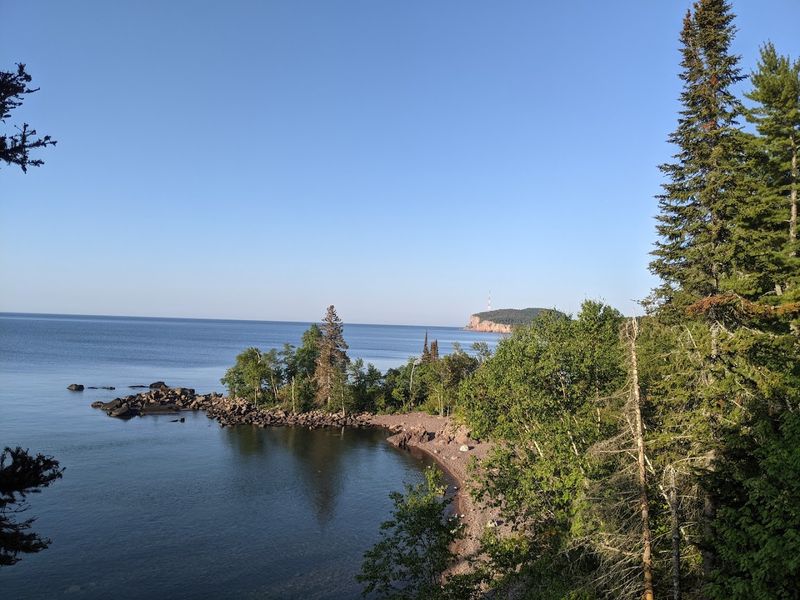
Lake Superior faces east from the North Shore, which means Tettegouche is positioned almost perfectly for watching the sun come up over the water. On clear mornings, the light arrives gradually, first as a pale band above the lake’s horizon, then as a slow wash of orange and gold that catches the cliff faces and tree lines before reaching the ground.
Photographers who plan their visits around sunrise often arrive in the dark to secure a good position on the rocks. The effort is proportionate to the reward; a clear sunrise over Superior from this section of the shore produces images that require very little editing to look extraordinary.
Even for those without cameras, the experience of standing on ancient volcanic rock while the day assembles itself above one of the world’s largest freshwater lakes carries a quiet significance. It is the kind of morning that tends to recalibrate your sense of proportion in useful and lasting ways.