
This Storybook New York Hiking Trail Feels Like A Fairytale In Springtime
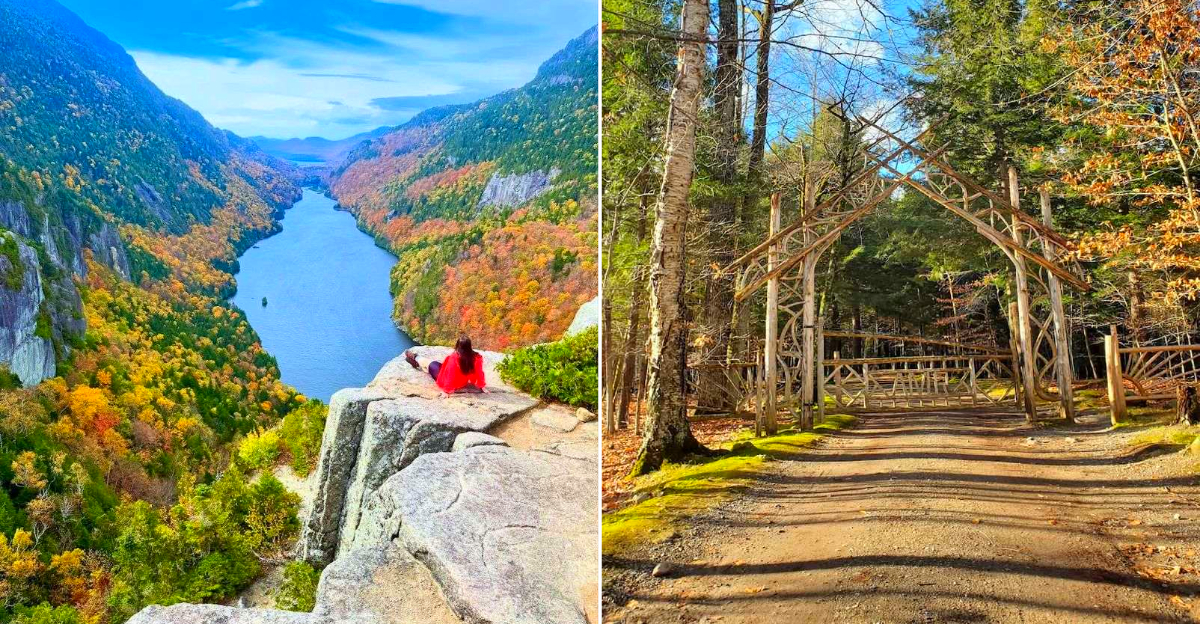
Spring has a way of transforming certain places, and this storybook hiking trail in New York feels especially magical once the season arrives. Fresh greenery begins to fill the forest, soft sunlight filters through the trees, and the entire path takes on an atmosphere that feels almost dreamlike.
As you follow the trail, the scenery seems to unfold like pages from a fairytale. Gentle streams, mossy rocks, and quiet woodland views appear along the way, creating a setting that invites you to slow down and take it all in.
The hike itself remains peaceful and rewarding, offering just the right mix of beauty and calm. In springtime, this New York trail truly feels like stepping into another world.
A Trail That Earns Its Reputation Before You Even See The Summit
Not every trail announces itself with drama. Some earn their reputation quietly, through miles of forest, the sound of rushing water, and the gradual sense that something magnificent is ahead.
Indian Head Trailhead in Keene Valley, New York operates exactly that way, building anticipation with each step rather than delivering everything at once.
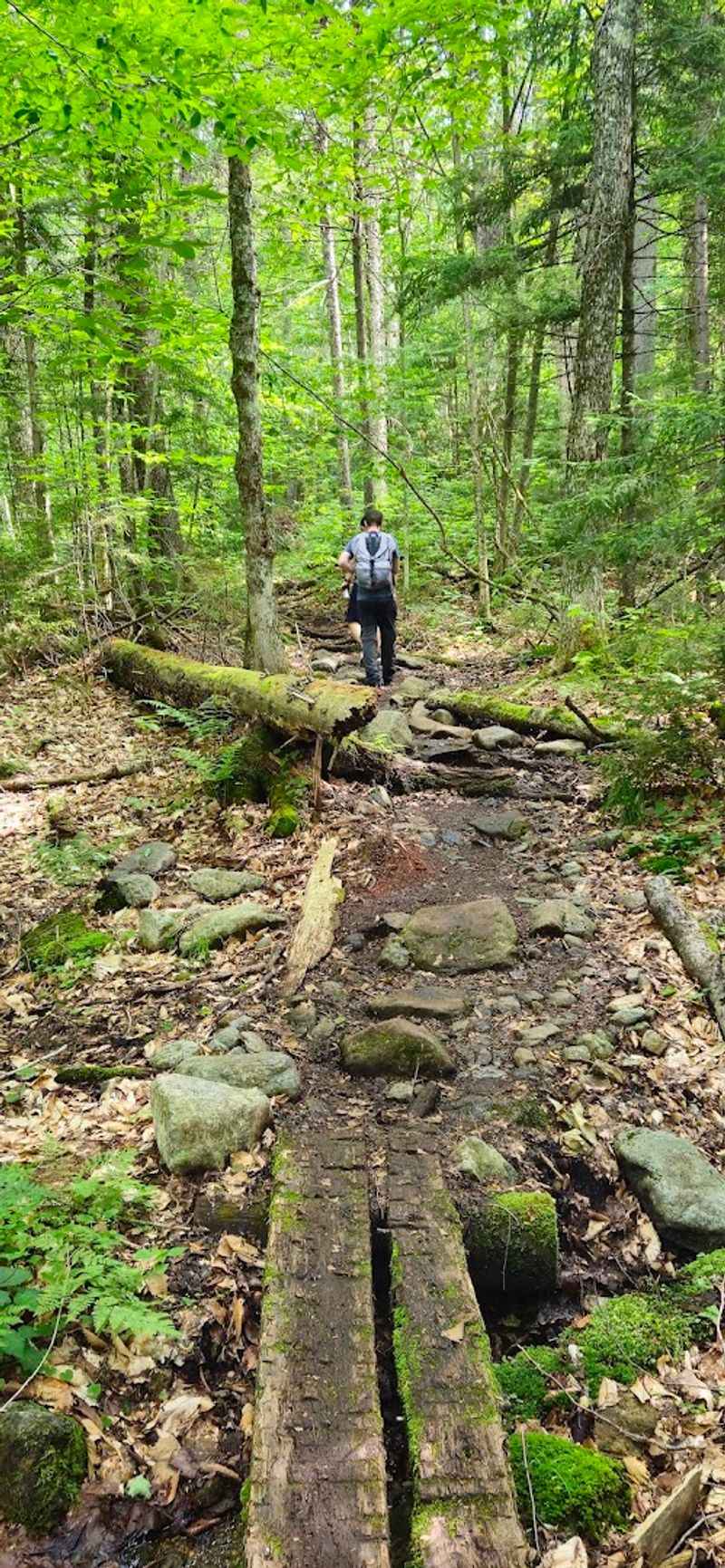
The journey begins along Lake Road, a wide gravel path that eases hikers into the experience without demanding too much too soon. This opening stretch gives your legs time to warm up while your eyes adjust to the depth of the surrounding forest.
Tall trees form a canopy overhead, and the light filters through in patterns that shift as the morning moves forward.
Springtime adds a particular energy to this section of the trail. The ground is soft, the air smells of damp earth and new growth, and small streams cross the path with a cheerful persistence.
Many hikers underestimate how much pleasure this early section offers before the real climbing begins. Arriving prepared with solid footwear and enough water makes the whole experience far more enjoyable from the very first mile onward.
The Gill Brook Trail And Why Experienced Hikers Swear By It
There is more than one way to reach the Indian Head overlook, and the route you choose shapes the entire character of your day. The Gill Brook Trail is the path that seasoned hikers tend to recommend with particular enthusiasm, and for good reason.
It follows a mountain stream through dense forest, offering a gradual ascent that feels earned rather than punishing.
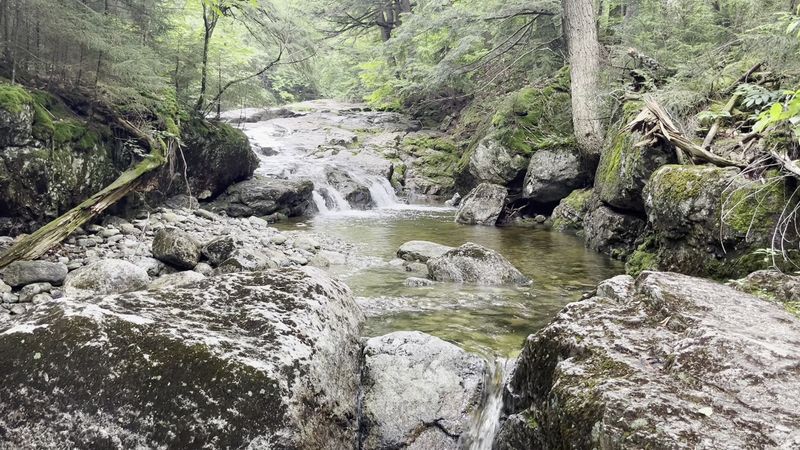
Walking alongside Gill Brook in spring is one of those small pleasures that stays with you. The water runs fast and clear after the winter snowmelt, tumbling over smooth stones and collecting in shallow pools along the way.
The trail stays close to the stream for a generous stretch, and the sound of moving water becomes a kind of steady companion as the elevation increases.
The path eventually pulls away from the brook and climbs more directly toward the ridge, but the transition feels natural rather than abrupt. Root systems and exposed rock begin to appear underfoot, requiring a bit more attention and care with each step.
Trekking poles are genuinely useful here, especially if the ground is still damp from recent rain. The Gill Brook approach rewards hikers who appreciate scenery over speed.
Beaver Meadow Falls Arrives Like A Reward You Did Not Know Was Coming
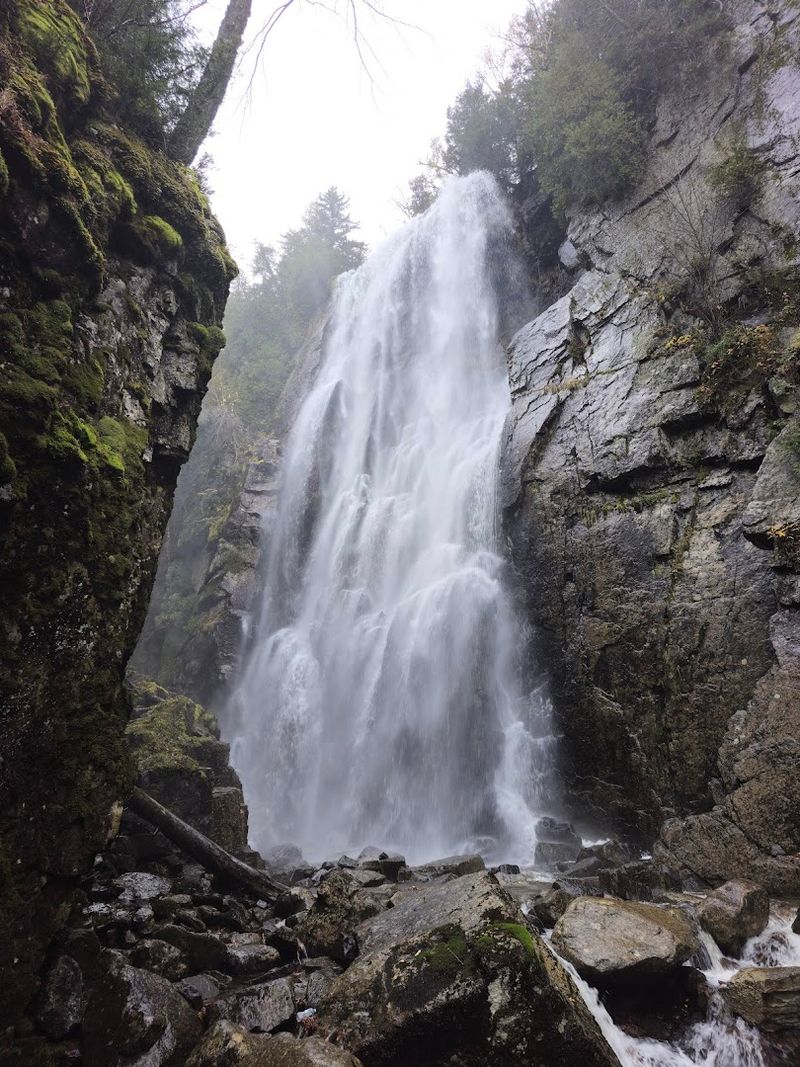
Few things on a long trail create as much genuine surprise as a waterfall you were not fully expecting. Beaver Meadow Falls has that effect on hikers who encounter it for the first time, stopping them mid-stride with the sheer volume of water pouring over its broad, tiered face.
In spring, when snowmelt swells every stream in the Adirondacks, this waterfall operates at full capacity.
The falls sit within a pocket of forest that feels noticeably cooler than the surrounding trail, a welcome sensation during a long uphill push. Mist drifts outward from the base, catching the light in ways that make the whole scene feel slightly unreal.
The rocks around the base are slippery and should be treated with respect, but there are plenty of dry vantage points from which to take it all in without risk.
Spending a few extra minutes here rather than rushing past is always the right call. The sound alone justifies the pause, a deep, continuous roar that fills the clearing and drowns out everything else.
Beaver Meadow Falls is not the final destination on this trail, but it functions as a natural checkpoint that reminds you exactly why you laced up your boots and came out here in the first place.
Rainbow Falls And The Moment The Trail Becomes Genuinely Unforgettable
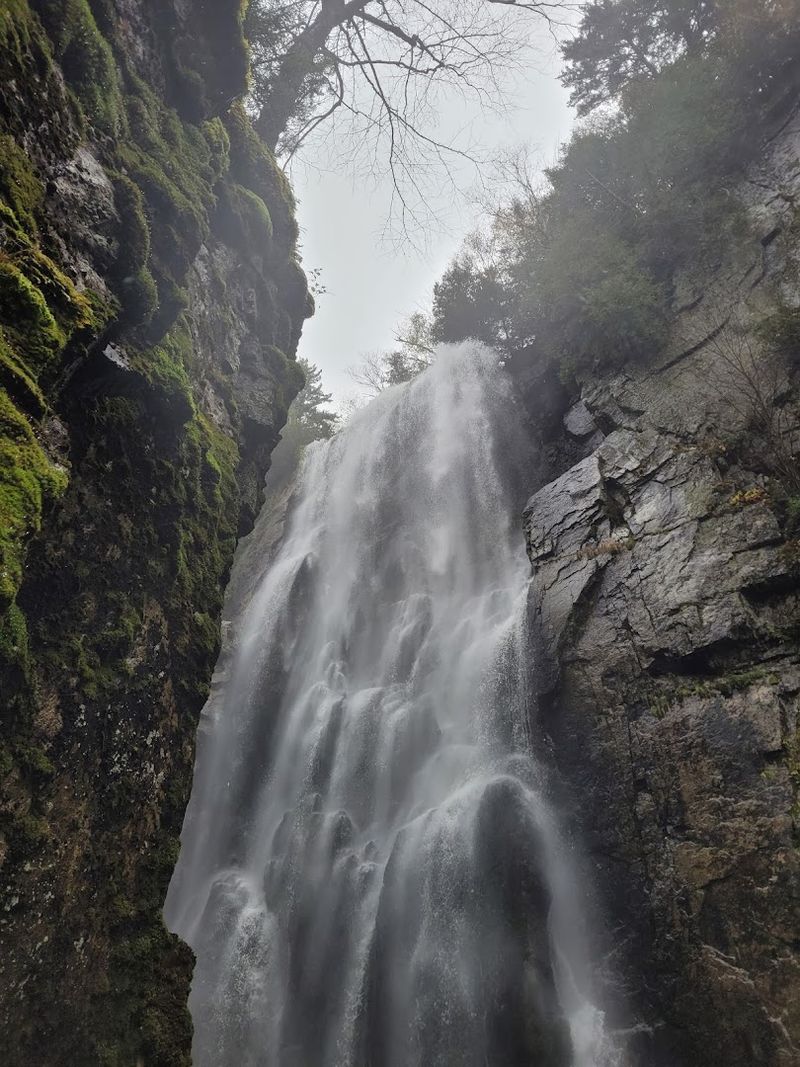
Rainbow Falls occupies a special place in the memory of nearly everyone who has walked to it. The waterfall drops with considerable force down a sheer rock face, and on sunny mornings the mist at its base catches the light and scatters it into brief, vivid arcs of color.
It is the kind of sight that makes you reach for your camera and then put it away again, realizing that no photograph will quite capture what you are looking at.
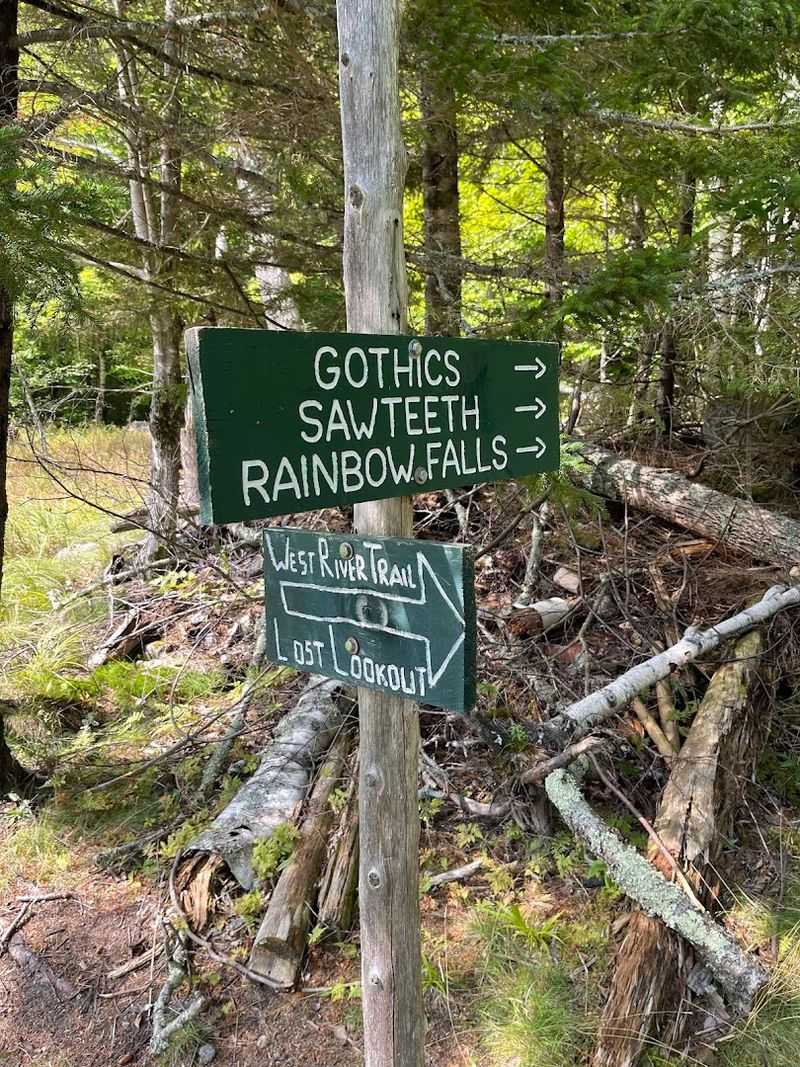
Reaching Rainbow Falls requires a short detour from the main route, but skipping it would be a genuine mistake. The extra distance adds meaningful time to an already long day, but the payoff is entirely worth the effort.
Spring is the optimal season to visit, as the water volume is at its highest and the surrounding forest is in full, exuberant bloom.
The trail leading to the falls passes through a section of particularly beautiful woodland, with ferns beginning to unfurl along the path edges and birdsong filling the gaps between the sound of rushing water. Standing at the base of Rainbow Falls and looking upward, the scale of the thing becomes clear in a way that photographs never quite convey.
It is one of the finest moments the Adirondacks have to offer any visitor willing to walk far enough to find it.
The Indian Head Overlook And The View That Makes Everything Make Sense
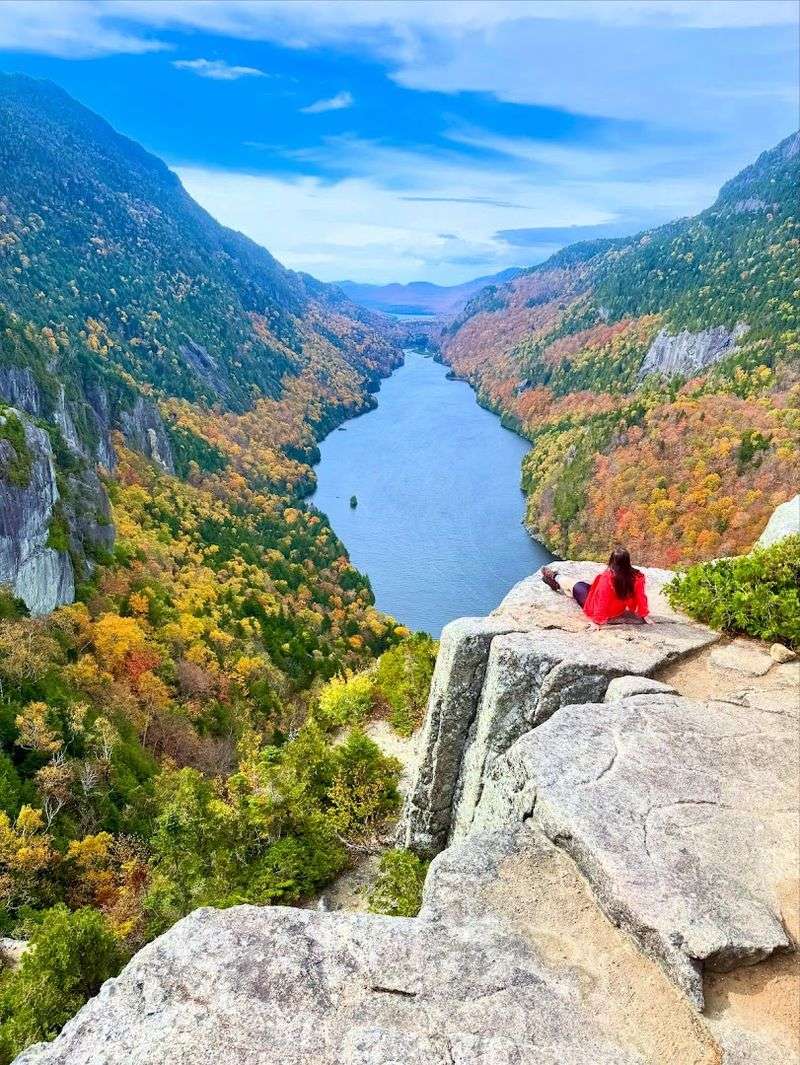
After miles of forest walking, stream crossings, and steady climbing, the Indian Head overlook arrives with the quiet authority of something that has been patiently waiting for you.
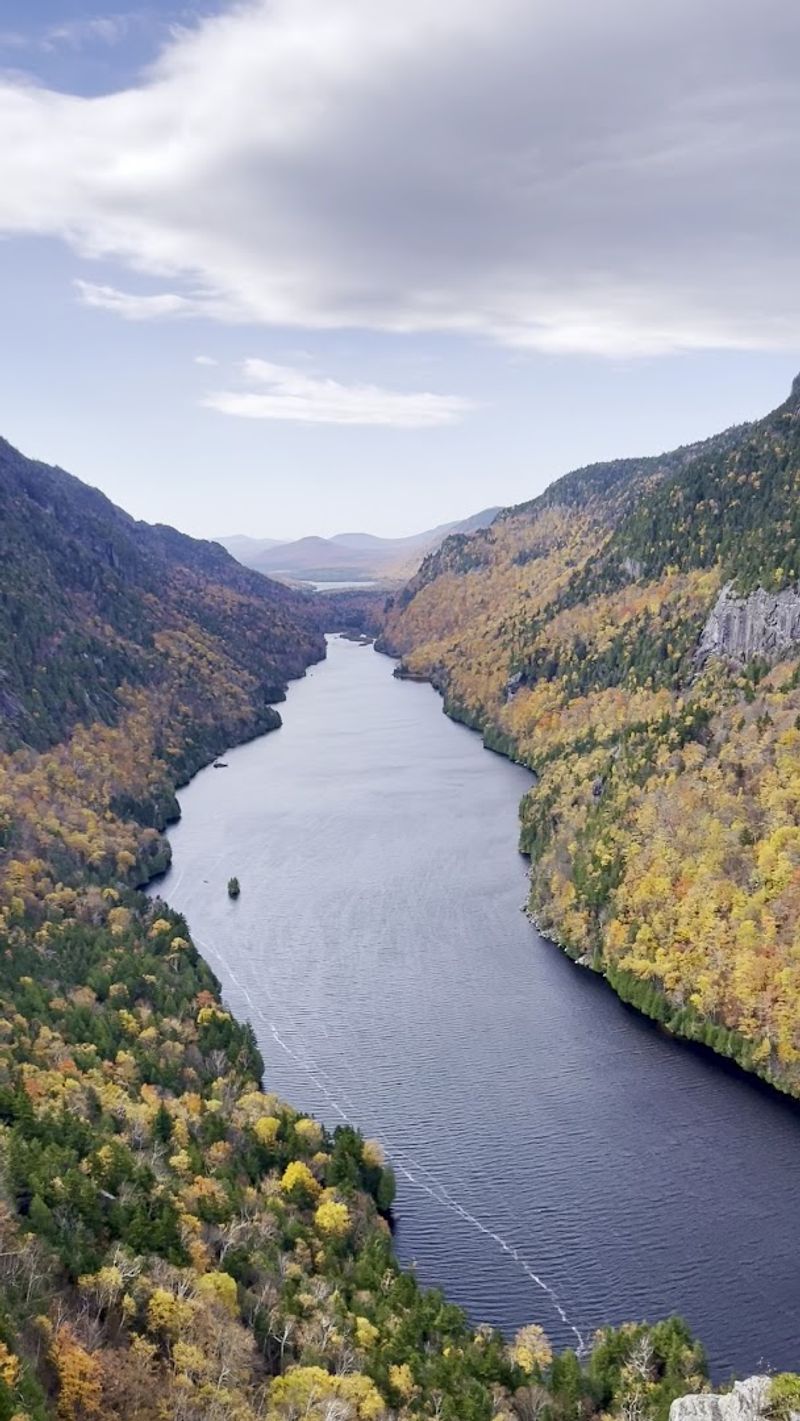
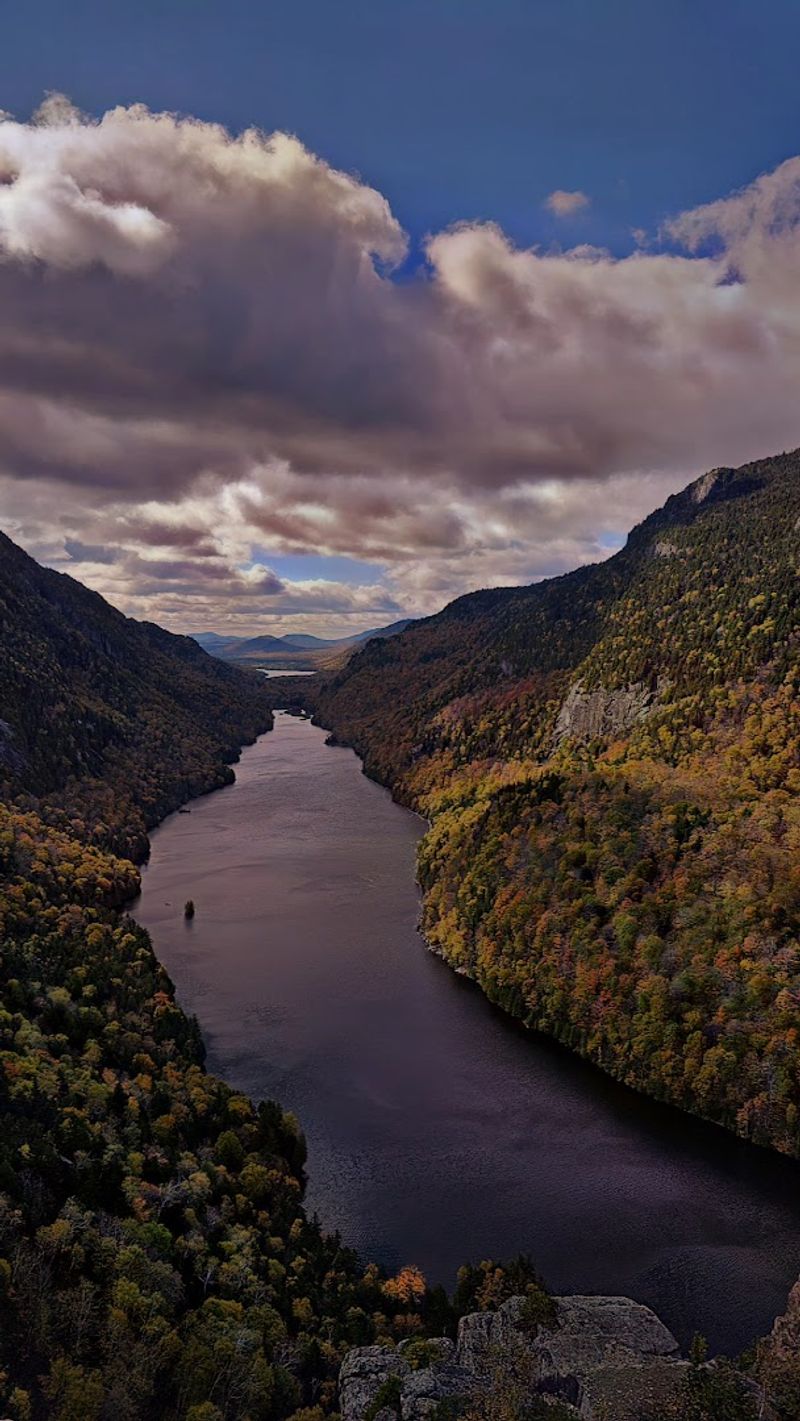
The view from the rocky promontory extends across a wide valley floor, with mountain ridges stacked in soft layers toward the horizon and the sky opening up in a way that feels genuinely expansive after hours beneath the trees.
The overlook sits on a broad, flat rock that accommodates a good number of hikers at once without feeling crowded, particularly on weekday mornings when the trail reservation system keeps visitor numbers manageable.
Sitting down, eating a packed lunch, and simply looking out at the landscape for twenty or thirty minutes is one of the more satisfying things a person can do on a spring afternoon in New York State.
The light at this elevation changes constantly, with clouds casting moving shadows across the valley below and occasionally producing dramatic contrasts between bright meadow patches and dark forest. The sense of accomplishment that arrives here is real and well-earned, the product of a full morning of deliberate, sustained effort.
Indian Head does not hand its rewards over cheaply, which is precisely what makes standing on that overlook feel so thoroughly worthwhile.
What The Reservation System Means For Your Visit And How To Plan Ahead
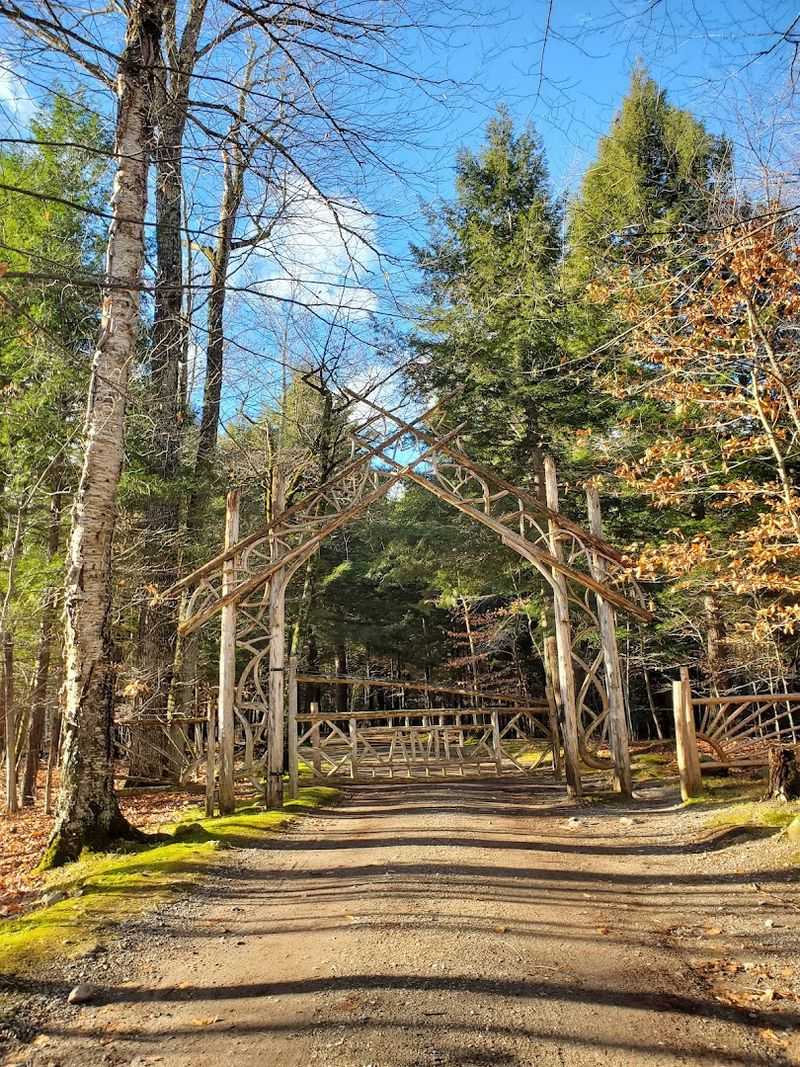
Planning a visit to Indian Head Trailhead requires a bit more preparation than simply showing up and walking in. From May 1st through October 31st, a mandatory parking reservation and trail entrance pass are required through the Adirondack Mountain Reserve, which manages access to this section of the High Peaks region.
The reservation system exists to protect the trail and the surrounding private land from the kind of overuse that has damaged other popular routes in the Northeast.
Securing a reservation well in advance is strongly advised, particularly for weekend visits during peak foliage season in October or during the lush green weeks of late May and June.
The online booking process is straightforward, and the AMR has a reputation for responsive communication when questions arise.
Hikers who arrive without a reservation have been turned away at the trailhead, which makes the advance planning step genuinely non-negotiable.
The trailhead itself is located at 24 Ausable Rd, Keene Valley, NY 12943, and parking is organized by a ranger on site during operating hours. The trail opens daily at 5 AM, which rewards early risers with quieter conditions and softer morning light.
Dogs are not permitted on the trail, as the route passes through private property managed by the Adirondack Mountain Reserve.
Spring Wildflowers And Forest Life Along The Lower Trail Sections
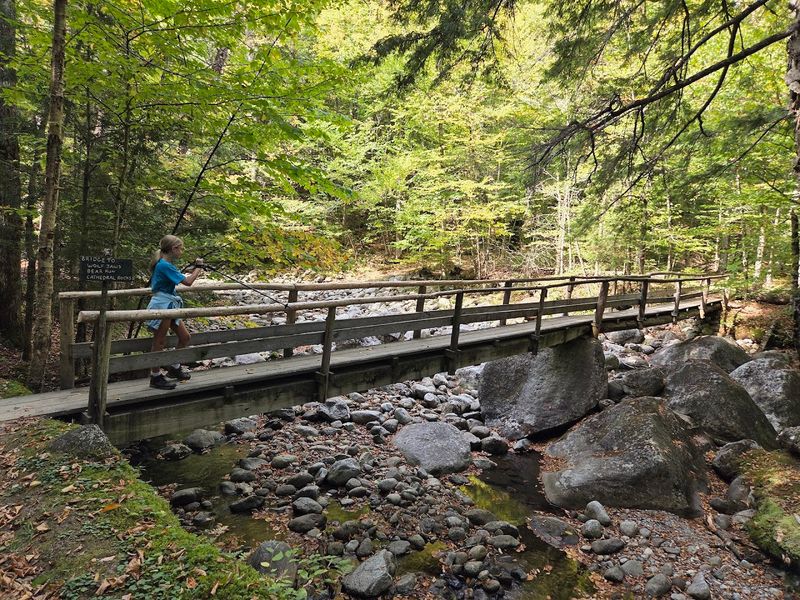
The lower sections of the Indian Head trail system come alive in spring with a botanical energy that rewards anyone who slows down enough to notice it. Trillium pushes up through the leaf litter in white and deep burgundy clusters, while ferns begin their slow unfurling along the stream banks.
The forest floor, still damp from snowmelt, supports an entire community of small plants that thrive in the brief window before the tree canopy closes overhead and blocks the light.
Birdsong accompanies the wildflower display with equal enthusiasm. Warblers arrive in the Adirondacks during late April and May, filling the treetops with color and sound that makes the walk feel genuinely festive without any human effort.
Spotting a yellow warbler or a black-throated green warbler in the branches above the trail is the kind of small, unexpected pleasure that turns a good hike into a memorable one.
The combination of running water, blooming plants, and active birdlife in spring gives the lower trail a layered richness that the same route simply does not possess in midsummer, when the forest settles into a quieter, denser green.
Carrying a small field guide or a plant identification app adds another dimension to the experience for anyone with even a passing curiosity about the natural world.
Trail Length And Physical Preparation For A Day You Will Actually Enjoy
Honesty about distance is one of the more useful things anyone can offer a prospective visitor to Indian Head.
The full loop, which typically includes the Gill Brook Trail up to the overlook and the return via Lake Road, covers roughly ten to fourteen miles depending on the specific route and any detours taken to visit the waterfalls.
That is a meaningful distance for any hiker, regardless of fitness level, and it deserves genuine respect in the planning stage.
The terrain is varied enough to keep things interesting but demanding enough to require preparation. Rocky sections, exposed roots, and stream crossings all appear along the route, and muddy conditions after rain can make footing unpredictable in places.
Waterproof hiking boots or trail runners with solid grip are not optional extras on this trail but practical necessities that protect both your ankles and your enjoyment of the day.
Carrying enough food and water for a full day is equally important. The trail offers no resupply points once you leave the trailhead, and the combination of elevation gain and total distance means your body will burn through energy reserves faster than a casual walk in a city park.
Starting early, eating regularly, and building in time for the waterfalls makes the difference between an exhausting slog and a genuinely satisfying adventure.
Wildlife And Natural Wonders That Share The Trail With You
The Adirondack wilderness surrounding the Indian Head trail system supports a broad range of wildlife, and spring is the season when animal activity is most visible and most varied.
White-tailed deer move through the forest in the early morning hours, and their tracks appear frequently in the soft mud along the lower trail sections.
Black bears are present in the region and occasionally cross the trail, though encounters are uncommon and bears typically move away from human activity without incident.
The birdlife along the route is particularly rich during the spring migration window, which runs from late April through early June. More than a hundred species pass through or breed in the High Peaks region, and the dense forest along Gill Brook is excellent habitat for wood thrushes, ovenbirds, and various flycatcher species.
Listening carefully while walking through the quieter forest sections reveals a constant, layered conversation between birds that most people never slow down enough to hear.
Aquatic life in the streams and beaver ponds adds another layer of interest for observant hikers. Brook trout are native to these cold mountain waterways and are sometimes visible in the clear, shallow sections of Gill Brook.
The presence of beaver activity along the lower trail is evident in the gnawed stumps and carefully constructed dams that appear at intervals along the streamside walking.
Why Indian Head Trailhead Stays With You Long After You Have Driven Home
Some trails are pleasant for a day and then fade from memory within a week. Indian Head is not one of those trails.
The combination of distance, varied terrain, multiple waterfall destinations, and a summit view that genuinely earns the word panoramic creates an experience with enough substance to occupy your thoughts for considerably longer than the drive back to wherever you came from.
Part of what makes the trail memorable is the way it structures effort and reward across a full day rather than concentrating everything at a single point. Beaver Meadow Falls arrives early and lifts your spirits.
Rainbow Falls deepens the experience mid-route. The overlook delivers the emotional peak at the top.
The river walk home provides a gentle, reflective close. The whole thing is paced like a well-constructed story, with each chapter earning its place in the sequence.
Returning home with tired legs, a full camera roll, and the specific kind of contentment that only comes from spending an entire day outside and moving through beautiful country is the lasting gift this trail offers.
The Adirondacks have no shortage of worthy destinations, but Indian Head has a particular way of making hikers feel that they have experienced something genuinely complete.
Planning a return visit before you have even unpacked your pack is a reliable sign that the trail has done its job well.