
This Storybook Vermont Village Could Be The Setting Of A Hallmark Movie
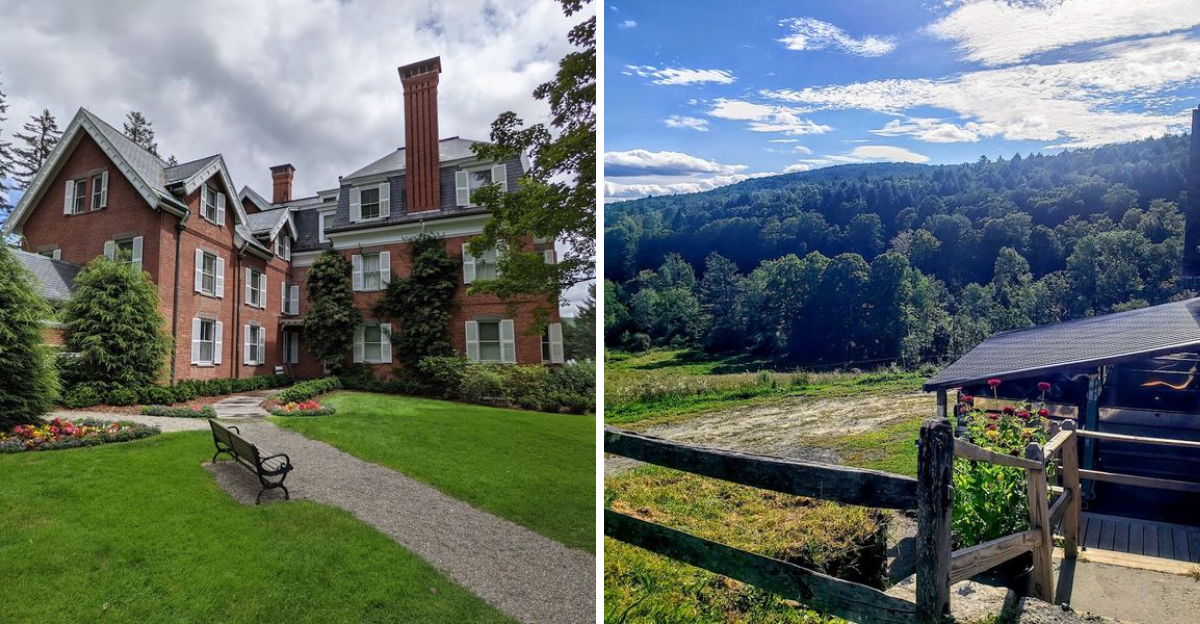
Some places look almost suspiciously perfect, like someone designed them for a Christmas movie and forgot to remove the set afterward.
This little Vermont village has that effect. White church steeples rise above the rooftops, old homes line quiet streets, and the surrounding hills make the whole scene feel almost unreal.
What gives it charm, though, is how normal it all feels. People still run errands here, neighbors stop to talk, and the village keeps its small-town rhythm even when visitors arrive with cameras in hand.
Vermont has many beautiful communities, but this one seems especially suited for a Hallmark plot. You can almost expect a bakery romance or an unexpected holiday reunion around the next corner.
In a state known for postcard scenery, this village somehow manages to look even more cinematic in person.
The Village Looks Ready For Its Opening Scene
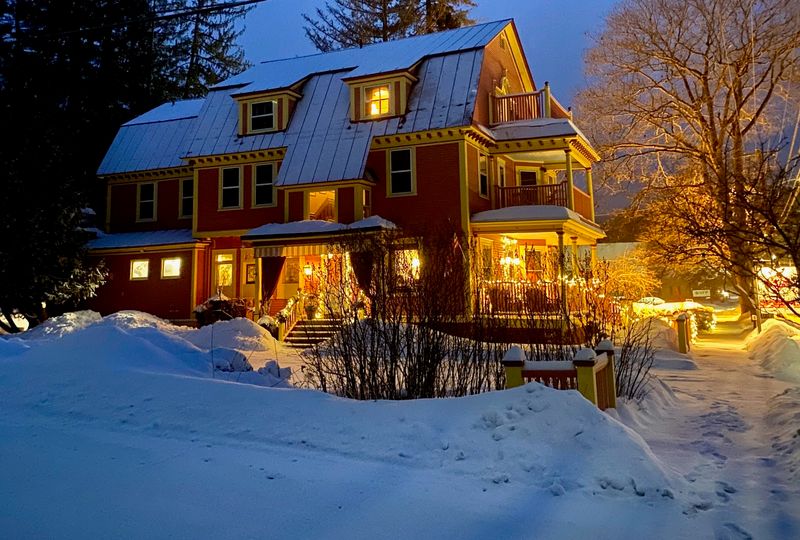
Walking into Woodstock feels like entering a carefully curated film set, except everything here is completely real. The architecture spans multiple centuries, yet somehow every building seems to belong exactly where it stands.
White clapboard houses with black shutters line streets that curve gently through the landscape, creating views that change with every few steps.
The village center radiates outward from the Green, with buildings that showcase Federal, Greek Revival, and Victorian styles all coexisting peacefully. Many structures date back to the 1800s, maintained with such care that they look simultaneously historic and fresh.
Street lamps add to the atmosphere, especially when they glow against evening skies.
Church steeples punctuate the skyline, providing vertical interest that draws your eye upward and across rooflines. The pink sandstone Norman Williams Public Library from the 1880s stands out as a particularly photogenic landmark.
Every season transforms the backdrop, but the village itself remains consistently enchanting throughout the year.
You Half Expect A Holiday Romance To Begin Here
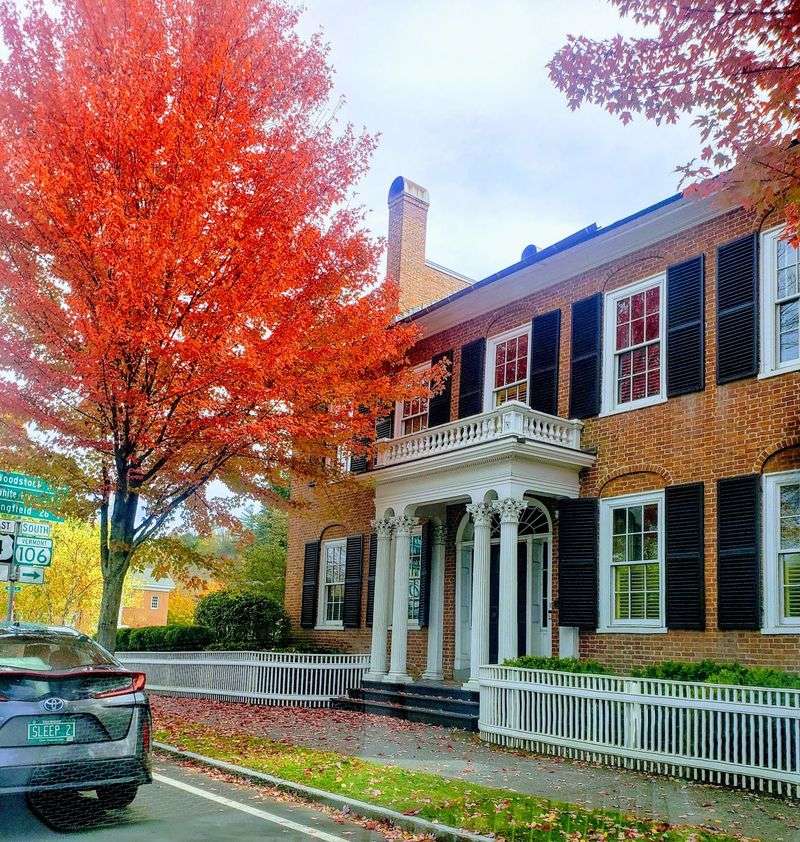
Something about Woodstock makes even the most cynical visitors start believing in possibility. Maybe it’s the way strangers nod hello on the sidewalk, or how the pace of life slows down enough that you actually notice details.
The village creates an atmosphere where chance encounters feel meaningful rather than random.
Central Street and Elm Street form the commercial heart, lined with independently owned businesses that encourage browsing. Large windows display thoughtfully arranged goods, and many shops occupy buildings with their original architectural details intact.
The scale remains human and approachable, with nothing towering or overwhelming about the streetscape.
Benches positioned throughout the village invite people to sit and watch the world go by. You might see someone sketching the scenery, couples holding hands while window shopping, or locals catching up on village news.
The whole environment seems designed to slow you down and make you present. Could you imagine a better backdrop for a story about rediscovering what matters most?
The Covered Bridge Deserves Its Own Close Up
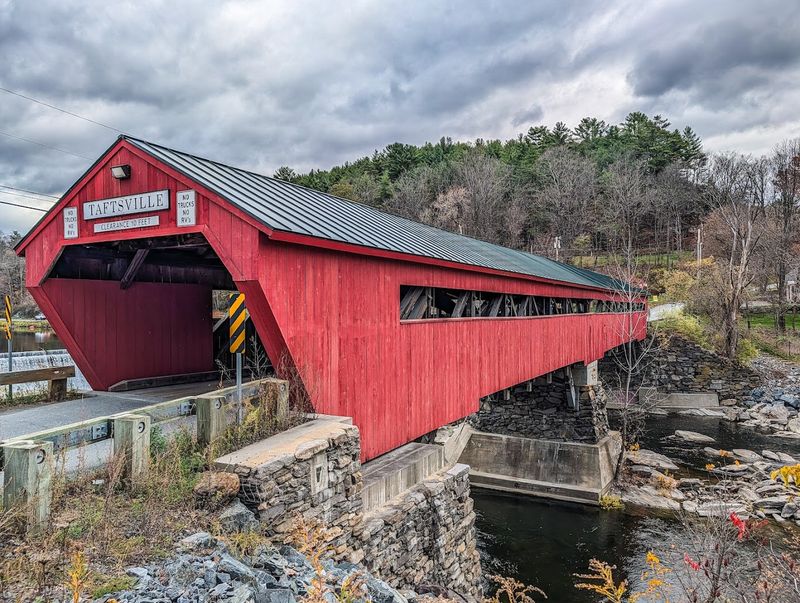
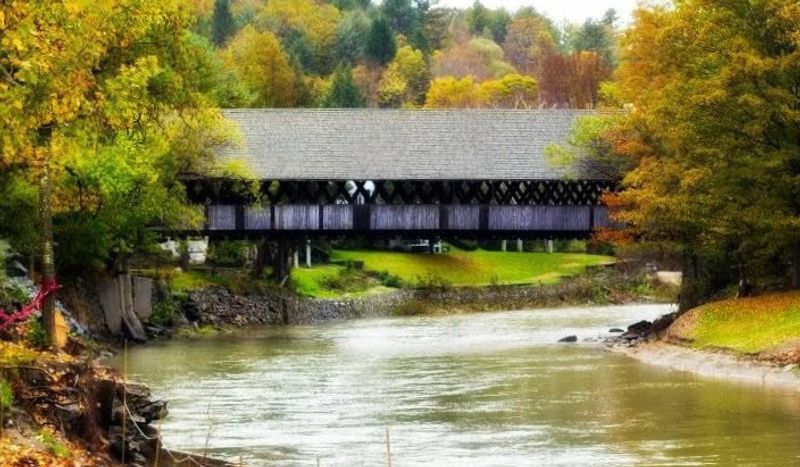
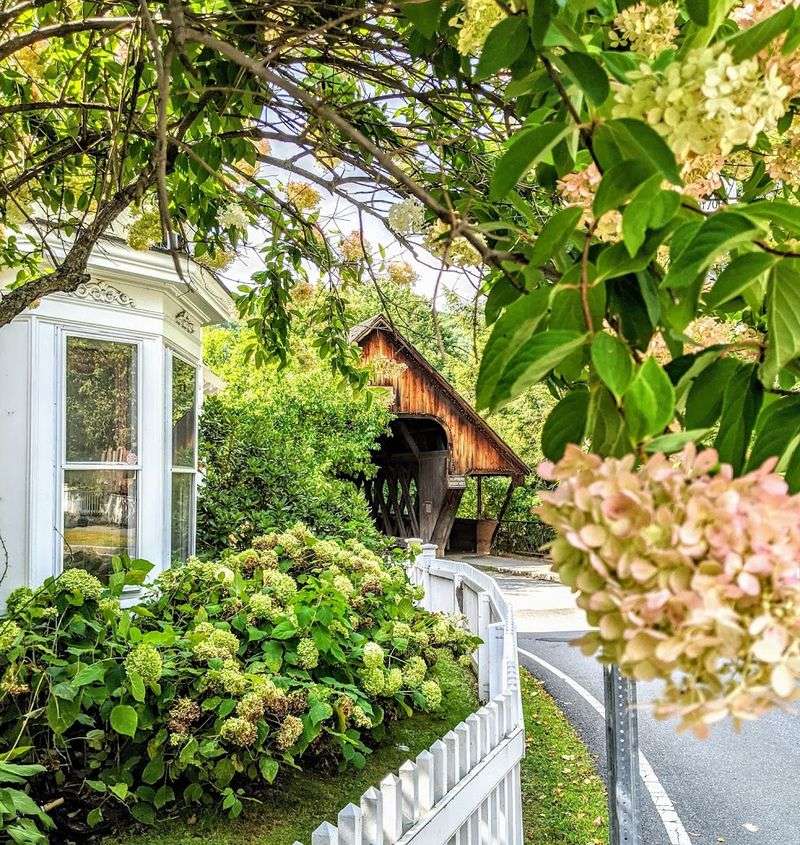
Just outside the village center, the Middle Covered Bridge spans the Ottauquechee River like it’s been waiting patiently for someone to photograph it. Built in 1969 to replace an earlier bridge, this red structure maintains traditional covered bridge design that Vermont does so well.
The wooden construction and classic proportions make it instantly recognizable as quintessentially New England.
Approaching the bridge on foot lets you appreciate details that drivers might miss. The way light filters through the openings creates patterns on the wooden floor inside.
Water flows beneath, sometimes rushing during spring melt, other times moving more gently through summer and fall.
The surrounding landscape changes dramatically with seasons, giving the bridge an entirely different character depending when you visit. Autumn brings fiery foliage that frames the red paint perfectly.
Winter snow creates contrast against the dark wood and bright exterior. Spring and summer greenery provides lush context.
The bridge isn’t just functional; it’s genuinely beautiful from every angle and in every season.
The Village Green Sets A Picture Perfect Scene
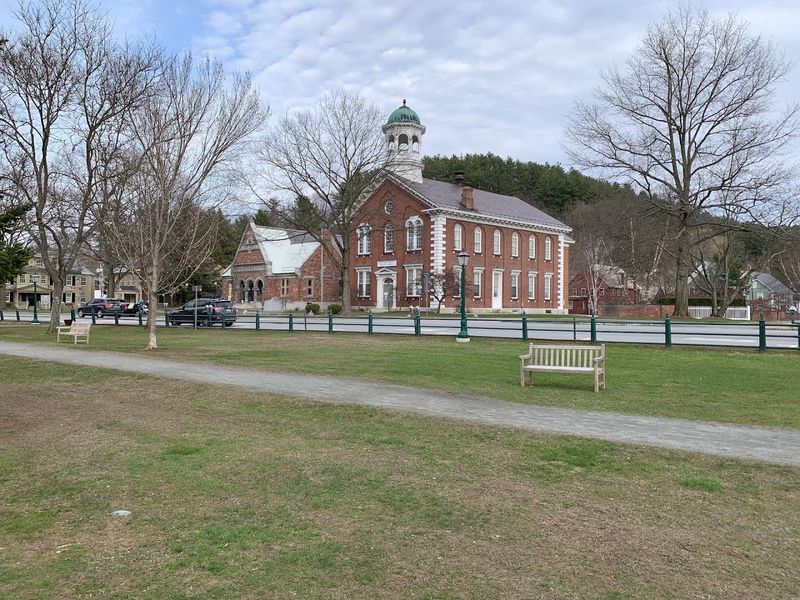
At the absolute heart of Woodstock sits the Green, an oval-shaped common that serves as the village’s living room. This open space has anchored community life for generations, hosting everything from farmers markets to concerts to casual afternoon picnics.
The grass stays impeccably maintained, inviting people to spread blankets or simply walk across.
Historic buildings frame the Green on all sides, creating an enclosed feeling without making the space feel cramped. The mix of architectural styles tells the story of Woodstock’s development over two centuries.
Trees provide shade in summer and structure in winter, their branches creating natural sculpture against Vermont skies.
People use the Green constantly but respectfully, treating it like the shared treasure it represents. You’ll see dogs on leashes, children playing, visitors taking photos, and locals cutting through on their way to errands.
The space functions as both destination and thoroughfare. Standing in the center and turning slowly in a circle gives you a panoramic view of why this village feels so special.
Historic Homes Make Every Street Worth Wandering
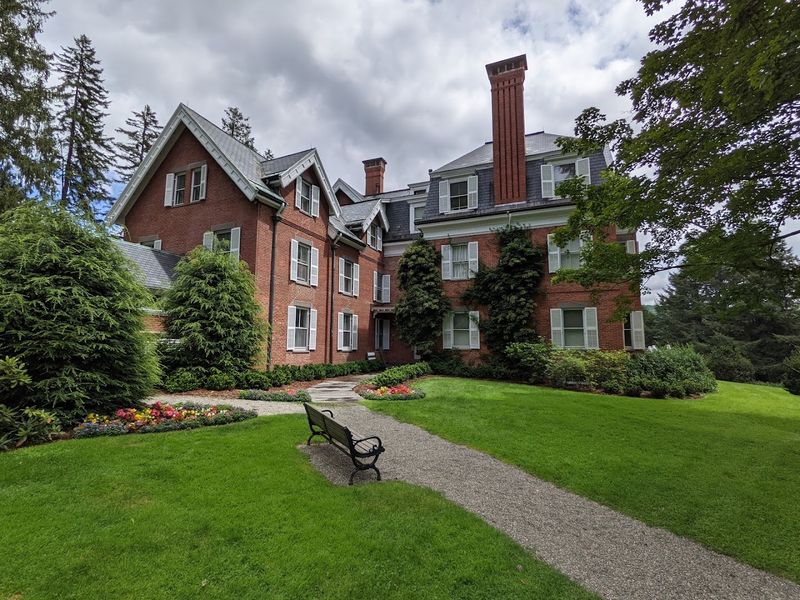
Beyond the commercial center, residential streets showcase some of the finest historic homes in Vermont. These aren’t museums behind velvet ropes but actual residences that people maintain with obvious pride and care.
Walking these neighborhoods means encountering architectural details that modern construction rarely bothers with anymore.
Many homes feature elements like fan lights over doorways, perfectly proportioned windows, and original hardware that’s been polished for decades. Front porches invite sitting and watching the world, while gardens show seasonal progression from spring bulbs through autumn mums.
The houses vary in size from modest to grand, but all share a commitment to preserving historical character.
Pleasant Street, Elm Street, and the roads radiating from the Green all reward exploration on foot. You’ll notice how homes relate to the landscape, often positioned to take advantage of views or natural features.
Paint colors tend toward traditional whites and creams, though you’ll spot the occasional historically appropriate accent color. Every block offers something worth noticing for anyone who appreciates craftsmanship and continuity.
Cozy Cafes Give You A Reason To Slow Down
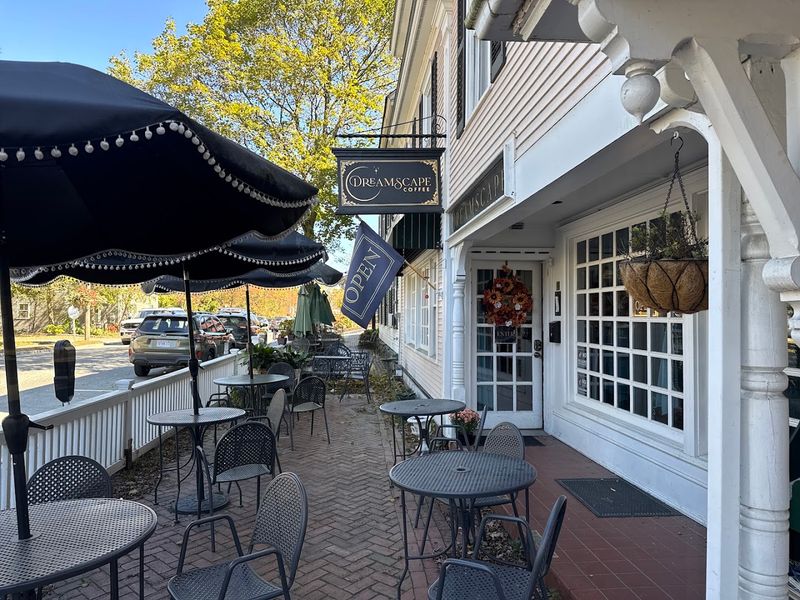
Several cafes and coffee shops scattered throughout Woodstock provide perfect excuses to pause and absorb the village atmosphere. These aren’t hurried grab-and-go operations but spaces designed for lingering over a cup and maybe a pastry.
Locals treat them as social hubs, and visitors quickly understand why.
Seating often includes comfortable chairs near windows with views of passing street life. Many establishments source ingredients locally and take pride in what they serve, whether that’s freshly baked goods or carefully prepared light meals.
The pace stays relaxed, with staff who seem happy to chat rather than rush you through your order.
You might overhear conversations about local events, see someone working on a laptop, or watch people meeting friends for a catch-up session. The cafes function as informal community centers where the social fabric of Woodstock becomes visible.
Spending an hour in one of these spots teaches you more about the village than any guidebook could. Where else can you eavesdrop on small-town life while enjoying genuinely good refreshments?
Nearby Farms Bring Classic Vermont Scenery To Life
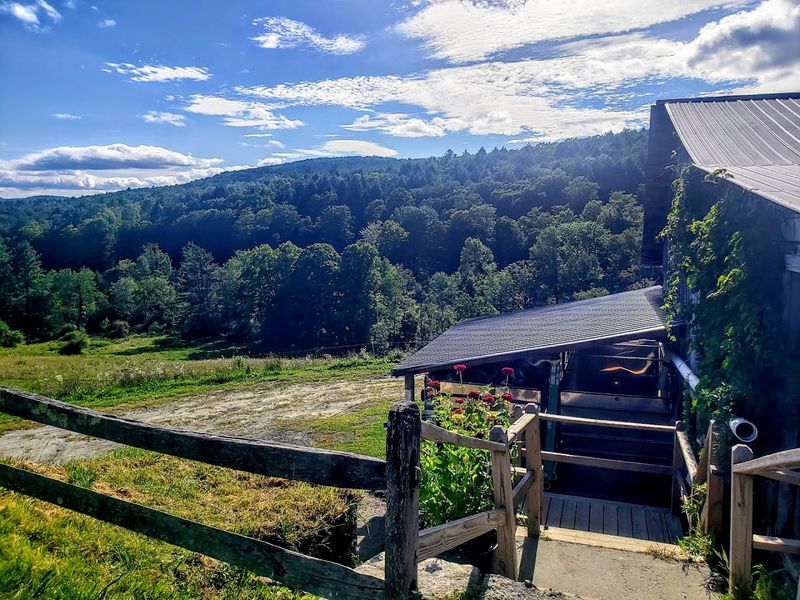
Just beyond the village limits, working farms remind you that Vermont’s agricultural heritage remains very much alive. Billings Farm & Museum operates as a functioning dairy farm while also offering visitors a window into 19th-century farm life.
The 1890 farmhouse and exhibits demonstrate how farming shaped this region’s character and economy.
Rolling pastures dotted with cows create views that define Vermont in many people’s imaginations. Red barns, white fences, and grazing livestock compose scenes that look almost too perfect to be real.
Yet these farms produce actual products and contribute to the local economy, not just the scenery.
The Marsh-Billings-Rockefeller National Historical Park surrounds Woodstock with protected land laced with trails. This conservation area preserves both natural beauty and historical significance, including an 1800s Queen Anne-style mansion.
Walking these trails means experiencing the landscape that early settlers encountered, though managed now with modern conservation principles. The farms and parkland provide essential context for understanding why Woodstock developed the way it did.
Every Season Gives Woodstock A Fresh Storyline
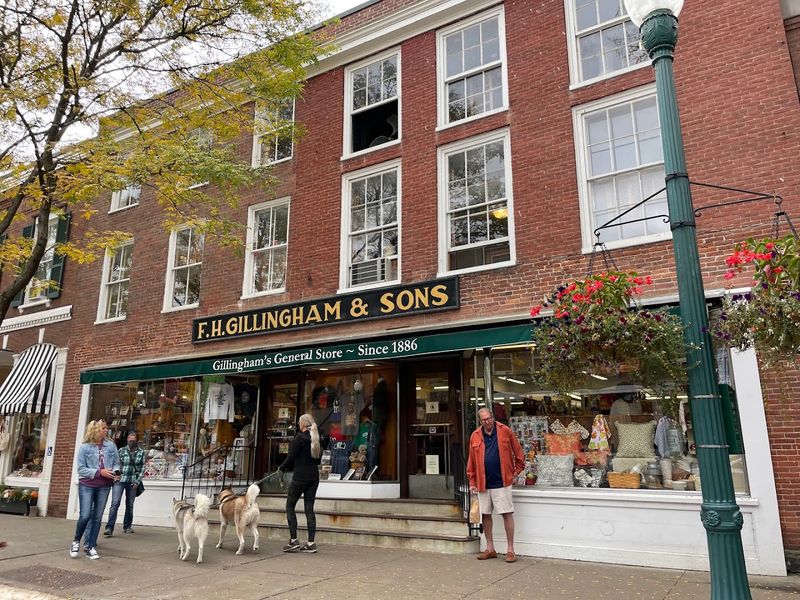
Visiting Woodstock in October means witnessing one of nature’s most spectacular color shows as maples, birches, and oaks turn brilliant shades of red, orange, and gold. The village becomes almost impossibly photogenic during peak foliage, with every vista looking like a calendar photo.
Crisp air and clear skies make this prime time for exploring on foot.
Winter transforms everything into a scene from a snow globe, with white covering rooftops and blanketing the Green. The village takes on a quieter character, though no less beautiful.
Spring arrives with mud season followed by an explosion of green as trees leaf out and gardens wake up.
Summer brings the fullest, lushest version of Woodstock, with flowers blooming and everything growing vigorously. Each season offers completely different lighting, colors, and atmosphere, yet the village remains recognizably itself year-round.
Planning visits during different seasons means experiencing essentially different destinations that happen to occupy the same geographic space. Which version would make the best movie backdrop?
You May Leave Convinced Hallmark Already Filmed Here
By the time you’ve spent a day or two in Woodstock, the Hallmark movie comparisons start feeling less like exaggeration and more like simple observation. Everything about the village aligns with what those films promise: genuine community, beautiful surroundings, and an atmosphere that makes you believe in happy endings.
The difference is that Woodstock exists year-round, not just for a two-hour runtime.
The village has actually appeared in various films and television productions over the years, though it doesn’t trade heavily on Hollywood connections. Woodstock succeeds by simply being itself rather than performing for cameras.
That authenticity shows in how locals go about their lives, maintaining their community regardless of whether visitors are watching.
You’ll leave with hundreds of photos and probably some purchases from local shops, but the real souvenir is the feeling that places like this still exist. Woodstock proves that charm and character don’t have to be manufactured or artificial.
Sometimes reality exceeds what even the most optimistic screenwriter could imagine.
The Architecture Tells Stories Spanning Centuries
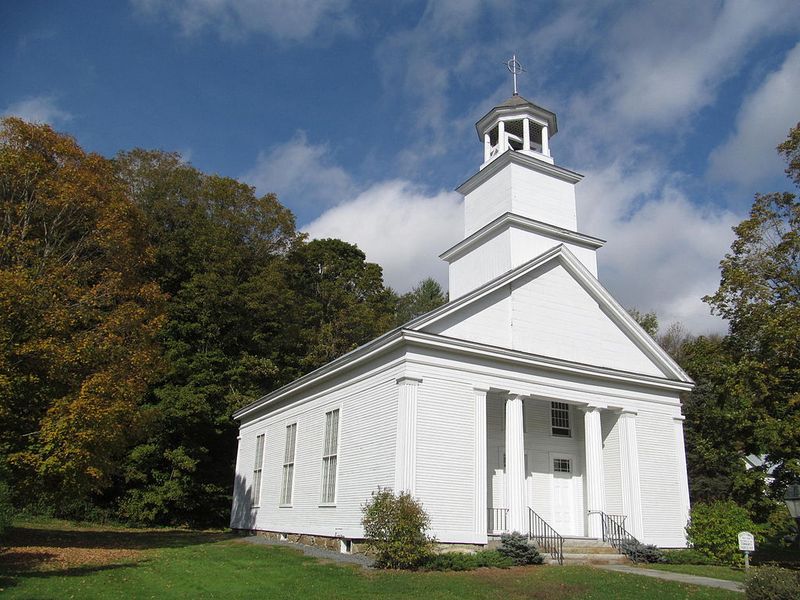
Architectural enthusiasts find Woodstock endlessly fascinating because so many building styles coexist within a compact area. Federal period structures with their symmetrical facades and refined proportions stand near Greek Revival buildings with bold columns and pediments.
Victorian homes add decorative flourishes and irregular rooflines to the mix.
What makes this diversity work is the shared commitment to quality and proportion. Even as styles changed over decades, builders maintained standards of craftsmanship that created visual harmony.
Details like window muntins, corner boards, and cornice treatments show the care invested in construction meant to last generations.
Many buildings display plaques noting their construction dates and original purposes, turning a walk through town into an informal history lesson. The 1880s pink sandstone library stands out as particularly distinctive, its Romanesque Revival style creating a focal point on the Green.
Preservation efforts have protected these structures while allowing them to remain functional rather than frozen as museums. The architecture isn’t just pretty; it’s a tangible connection to everyone who built and maintained this village across two centuries.
Local Culture Balances Tourism With Authentic Community Life
Despite attracting visitors from around the world, Woodstock maintains a genuine local culture that doesn’t feel manufactured for tourist consumption. Residents still use the post office, attend town meetings, and support local schools and organizations.
The village functions as an actual community, not a theme park version of small-town life.
This authenticity shows in subtle ways, like how locals greet each other by name or how certain cafes have obvious regular customers with their usual orders. Community bulletin boards advertise everything from piano lessons to firewood for sale to upcoming town events.
The social fabric remains intact and visible.
Visitors who approach Woodstock with respect rather than just as a photo opportunity tend to receive warmth in return. Locals appreciate genuine interest in their community’s history and character.
The balance between welcoming guests and preserving authentic village life requires constant attention, but Woodstock seems to manage it successfully. You’re welcomed to visit and enjoy what makes this place special, with the understanding that you’re entering someone’s home rather than just a tourist attraction.