
This Stunning Museum In New York Offers A Fascinating Look At The State’s Indigenous History Most People Don’t Know About
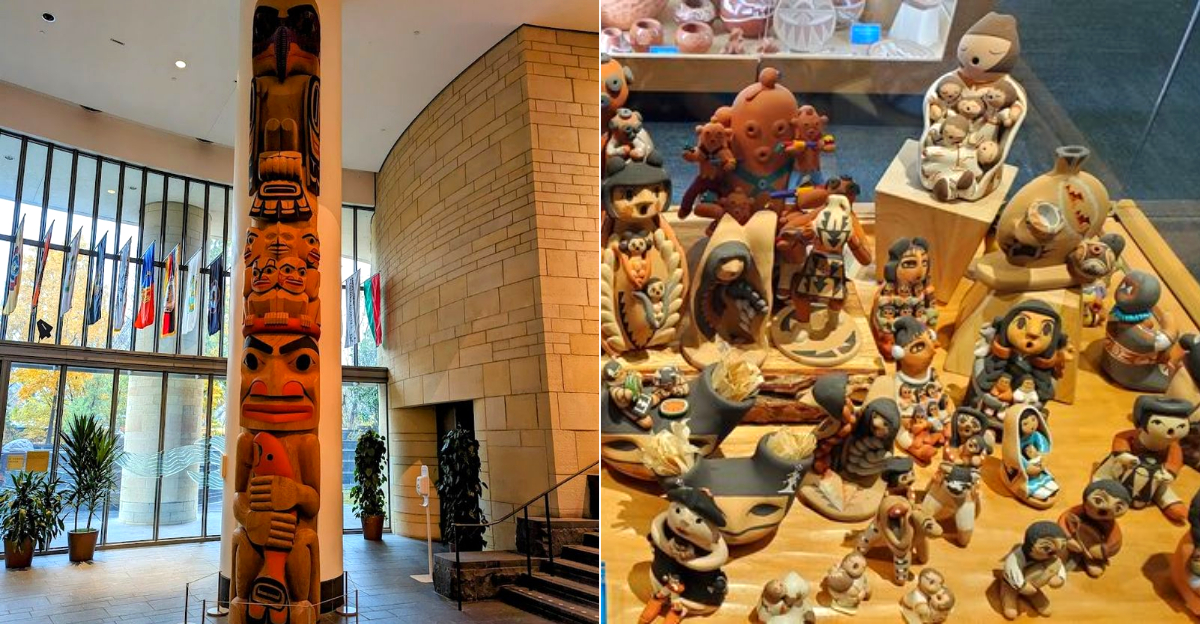
History feels different when it is told in a way that connects you to the people behind it. In New York, this stunning museum offers a deeper look into the state’s Indigenous heritage, bringing stories, traditions, and cultures to life in a way many visitors do not expect.
Carefully curated exhibits highlight everything from daily life and craftsmanship to language, art, and long-standing traditions that continue to shape communities today. The setting itself adds to the experience, creating a space that feels both respectful and engaging.
It is the kind of place that leaves you thinking long after you leave, offering a perspective on New York’s history that often goes overlooked.
A Building That Tells Its Own Story Before You Step Inside
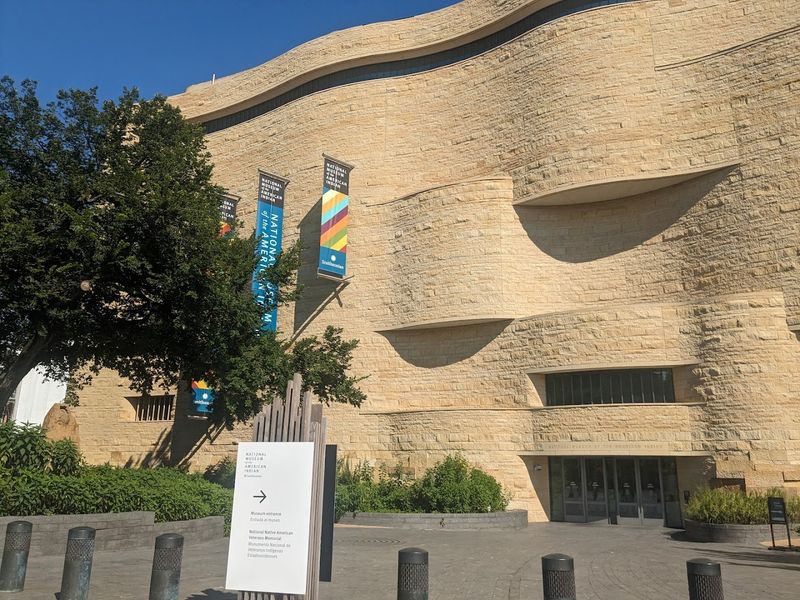
Before a single exhibit catches your eye, the building itself demands your full attention. This National Museum in New York City occupies the Alexander Hamilton U.S.
Custom House at One Bowling Green, a staggering Beaux-Arts structure completed in 1907 and designed by architect Cass Gilbert. Its limestone facade is adorned with massive columns, allegorical sculptures, and details so intricate that you could study them for an hour without seeing everything.
Standing at the entrance, you get the sense that the architecture was always meant to hold something important. The soaring rotunda inside features a painted elliptical ceiling and marble floors that echo with every footstep in the most satisfying way.
Natural light filters through in ways that feel almost deliberate, casting a warm glow across the open central hall.
What makes this setting so compelling is the contrast between the building’s original purpose as a center of American commerce and its current role honoring Indigenous peoples. That tension is not lost on the curators, and it adds a layer of meaning to every room you enter.
Arriving early gives you a quieter moment to absorb the grandeur before the crowds fill the space.
Location And Visitor Essentials
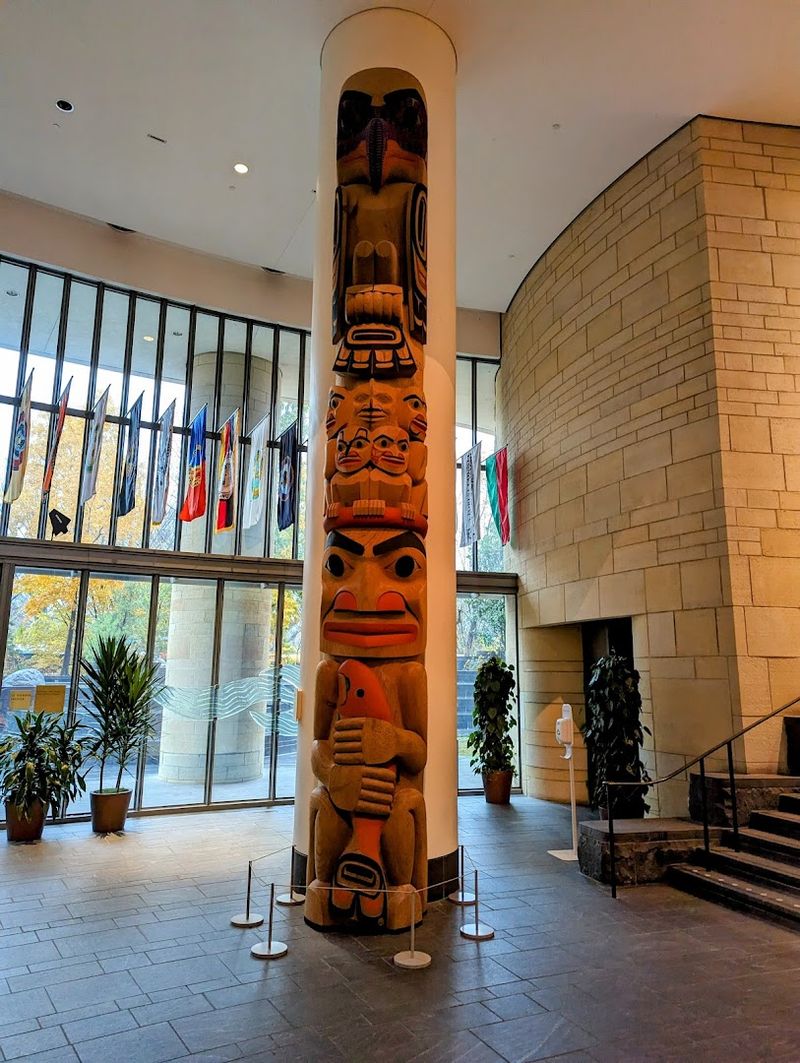
Located at One Bowling Green in Lower Manhattan, the museum is free to visit every day of the week, which makes it one of the most accessible cultural institutions in the entire city.
Hours run from 10 AM to 5 PM most days, and the location is well served by several subway lines, putting it within easy reach of most neighborhoods.
Arriving by foot from Battery Park is a pleasant option on a mild day.
As part of the Smithsonian Institution, the museum maintains the same high standard of curation and programming that the organization is known for across its many locations.
No admission fee means there is no reason to rush, and most visitors find themselves staying far longer than originally planned.
Comfortable shoes are a practical choice since the building covers considerable ground across multiple floors.
Staff members are genuinely knowledgeable and easy to approach if you want guidance on where to begin. The museum also offers public programs, performances, and rotating exhibits throughout the year, so returning visitors often find something new waiting for them.
Checking the museum’s official website before your visit helps you catch any special events or gallery openings happening during your trip.
Infinity Of Nations: A Collection That Reshapes Your Understanding Of Indigenous Art
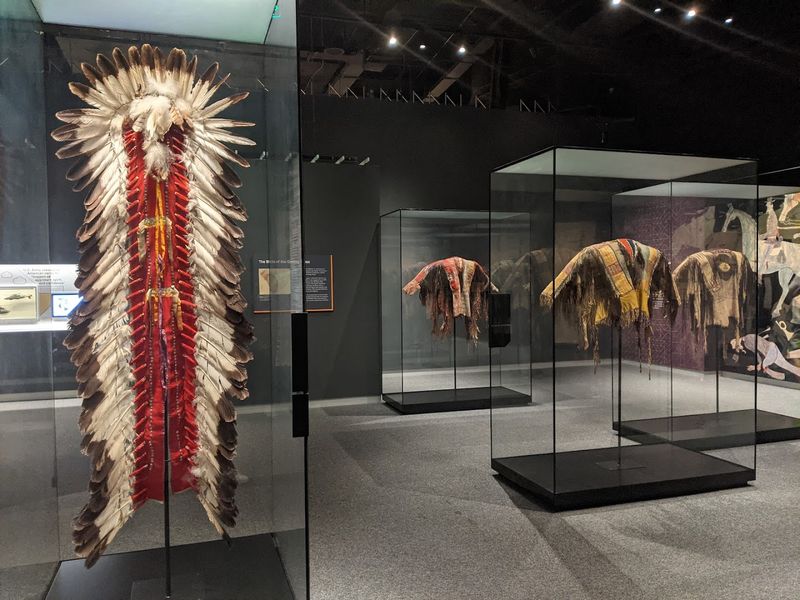
Few permanent exhibitions in any American museum carry the visual and intellectual weight of Infinity of Nations.
Spread across a dedicated gallery, this exhibition features more than 700 objects drawn from the museum’s vast holdings, representing Indigenous cultures from across North America, Central America, and South America.
Each item was selected to reflect the extraordinary diversity of Native peoples rather than presenting them as a single, uniform group.
The range of materials on display is remarkable. Intricately beaded garments sit near carved wooden objects, feathered regalia, and ceramic vessels painted with geometric precision that rivals anything produced in a formal art school.
Many pieces date back centuries, and the care with which they were preserved is evident in the vivid colors and clean lines that remain intact.
What sets this exhibition apart from similar collections elsewhere is its insistence on context. Labels explain not just what an object is but where it came from, who made it, and what role it played in daily or ceremonial life.
That level of specificity transforms the experience from passive observation into genuine learning. Spending time here with no particular agenda, moving slowly from case to case, is one of the most rewarding ways to absorb everything on offer.
The Exhibition That Brings Indigenous History Closer To Home
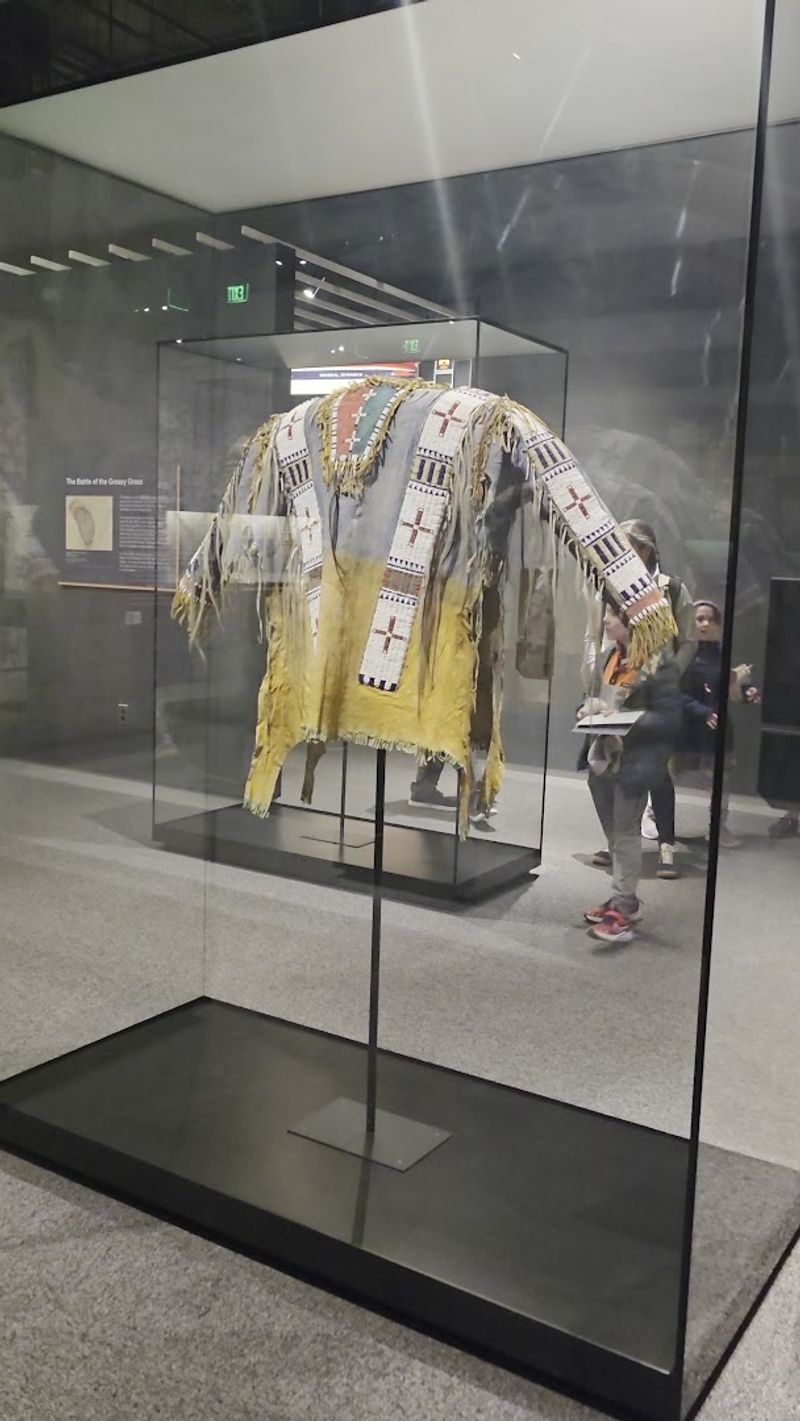
New York City carries an Indigenous history that stretches back thousands of years, and most residents have only the faintest awareness of it.
The Native New York exhibition addresses that gap with directness and depth, tracing the continuous presence of Lenape and other Native peoples across the land that became one of the world’s most recognizable cities.
The exhibition does not frame this history as something distant or concluded but as an ongoing story with living communities at its center.
Maps, photographs, artifacts, and first-person accounts combine to build a picture that feels both intimate and sweeping. Visitors often express surprise at how much they did not know, not because the history was hidden, but because it was rarely taught.
Seeing familiar place names traced back to their Indigenous origins has a quietly powerful effect on how you understand the city around you.
The exhibition also acknowledges the complex relationship between Native nations and the colonial forces that reshaped the region, doing so with clarity rather than sensationalism.
Short films embedded within the gallery add another dimension to the written panels, giving voice to community members who share their own perspectives.
Plan to spend at least 45 minutes here to absorb the full scope of what is presented.
Treaties And Broken Promises
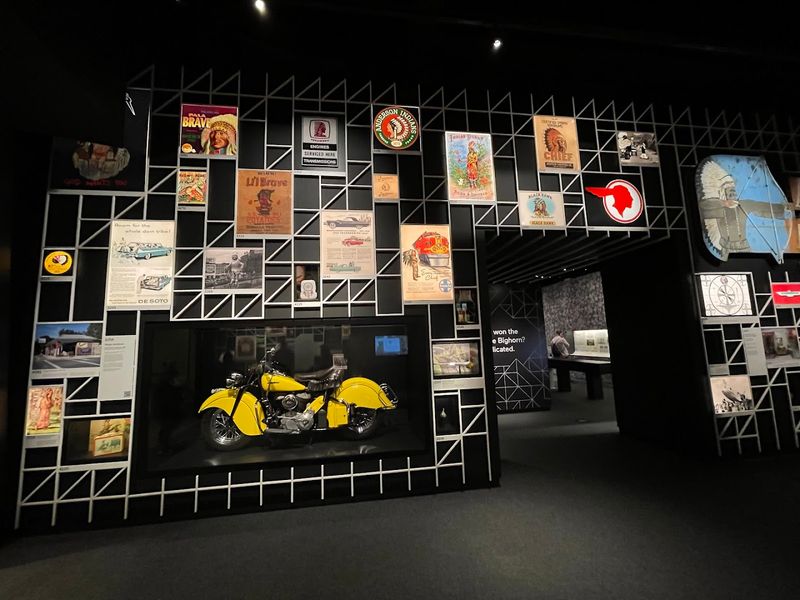
Among the most affecting areas of the museum is the section dedicated to the treaties signed between Native nations and the United States government. These legal agreements, numbering in the hundreds over the course of American history, represent promises made and systematically broken over generations.
The exhibition presents the actual language of these documents alongside the outcomes they produced, and the gap between the two is striking.
Curators have done careful work to present this material without reducing it to a simple narrative of victimhood. The intelligence and diplomatic sophistication of Native negotiators comes through clearly, as does the range of strategies different nations used to protect their interests.
The result is a far more nuanced portrait of American history than most school curricula provide.
Artifacts, audio recordings, and detailed timelines round out the presentation, giving visitors multiple entry points into material that can feel dense on first approach. The short films available within this section are particularly well produced and worth the time they require.
Many visitors report that this part of the museum stays with them long after they leave, prompting further reading and a re-examination of assumptions they had held for years. It is one of those rare museum experiences that genuinely changes how you see things.
Live Performances And Cultural Programming That Bring Tradition Into The Present
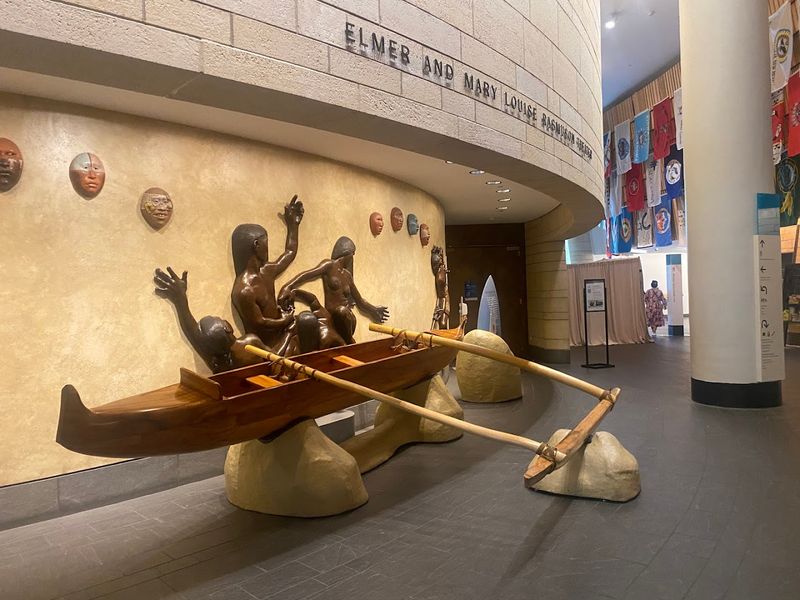
A museum that only shows objects in cases tells half a story at best, and the National Museum of the American Indian clearly understands that.
The institution regularly hosts live performances featuring music, dance, and storytelling rooted in Native traditions, and these events transform the grand rotunda into something genuinely electric.
Watching performers in full regalia move through that Beaux-Arts space creates a visual contrast that no photograph can fully capture.
Programming varies throughout the year and often ties directly to seasonal or ceremonial significance within specific Native communities. Some events are brief and spontaneous, while others are scheduled performances that draw larger audiences and reward visitors who plan ahead.
Checking the museum’s events calendar before your visit is always a good idea if live programming is something you want to prioritize.
Workshops and educational sessions are also part of the regular schedule, covering topics from traditional crafts to language preservation efforts.
Families with children find these hands-on programs particularly engaging, and the museum’s imagiNATIONS Activity Center offers dedicated interactive experiences for younger visitors.
The programming reflects a broader commitment to treating Native culture as something alive and evolving rather than a relic preserved behind glass, and that distinction shapes the entire atmosphere of the institution.
The Gift Shop And Cafe: Where The Visit Extends Beyond The Galleries
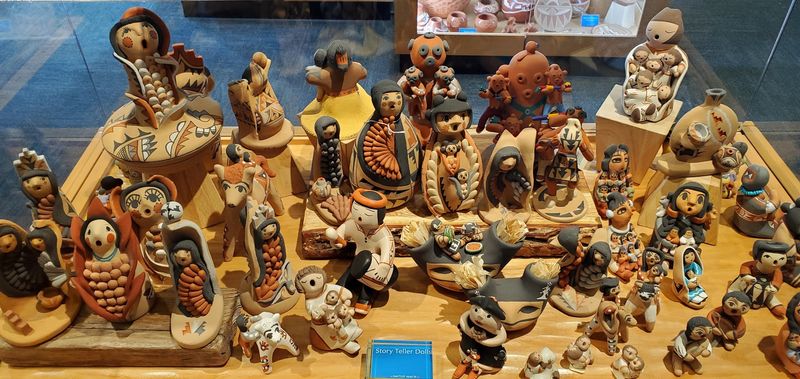
Not every museum gift shop earns a second look, but the one at the National Museum of the American Indian is a genuine destination in its own right.
The selection leans heavily toward items made by Native artists and artisans, including silver jewelry, beaded accessories, handwoven textiles, and a well-curated collection of books covering Indigenous history, art, and literature.
Prices reflect the craftsmanship involved, and many pieces come with information about the artist who created them.
Buying something here feels meaningfully different from picking up a generic souvenir, because the economic connection to Native communities is direct and transparent.
The book selection alone could occupy a dedicated reader for a long afternoon of browsing, with titles ranging from academic histories to contemporary fiction by Indigenous authors.
It is the kind of shop where you arrive planning to spend five minutes and leave forty minutes later carrying more than you intended.
The cafe on the ground floor offers food prepared with Native ingredients and culinary traditions in mind, which makes it worth a stop even for visitors who are not particularly hungry. Items like corn-based dishes and regionally inspired preparations give the menu a character you will not find at a standard museum cafeteria.
Ending your visit with a meal here rounds out the experience in a way that feels cohesive rather than incidental.