
This Stunning Nevada State Park Still Feels Like A Quiet Desert Secret
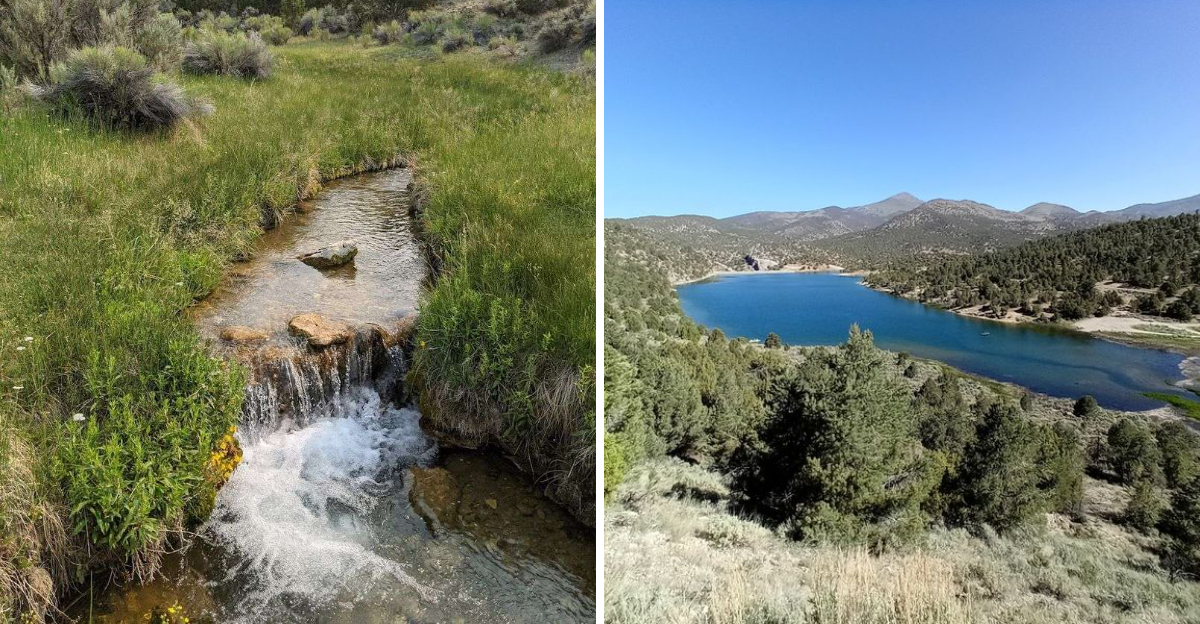
One quiet outdoor surprise in eastern Nevada sits far enough from the usual travel routes that many people simply pass by without knowing what they missed. This 4,500-acre park near Ely brings together mountain views, clear reservoir water, and the kind of peaceful space that feels harder to find every year.
Set along US Highway 93, it rewards visitors who like their nature with fewer crowds and more room to breathe. Summer brings fishing, boating, hiking, and lazy lakeside moments, while winter can turn the frozen water into a completely different kind of adventure.
It is scenic, calm, and just remote enough to feel like you have stumbled onto a Nevada secret worth keeping for yourself.
The Park Is Set In The Schell Creek Range
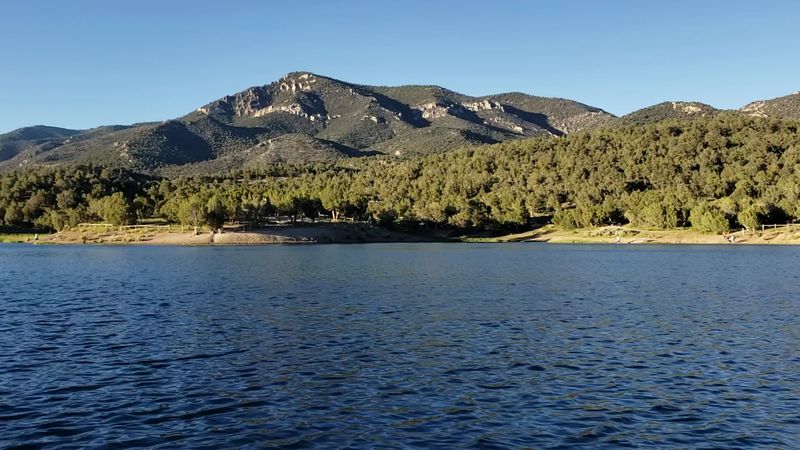
The Schell Creek Range provides the dramatic backdrop for Cave Lake, rising in rocky ridges and forested slopes that define the park’s eastern boundary. This mountain range runs roughly north to south through White Pine County, creating a natural barrier that captures moisture and supports ecosystems quite different from the surrounding valleys.
The peaks here top out above 11,000 feet, though the park itself sits considerably lower.
Limestone formations dominate the geology, which accounts for the numerous caves that give the park its name. The mountains create microclimates that support stands of aspen, mountain mahogany, and juniper alongside the more common pinyon pine.
Visitors often remark on how the terrain shifts character quickly, moving from open sagebrush to dense forest within short distances. The range itself extends for miles beyond park boundaries, offering backcountry exploration for those willing to venture further from the main recreation areas.
A 32-Acre Reservoir Gives The Park Its Scenic Centrepiece
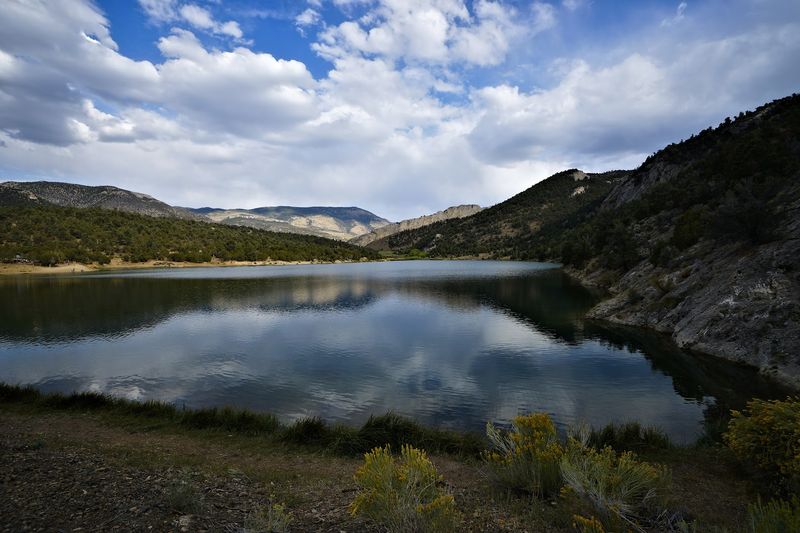
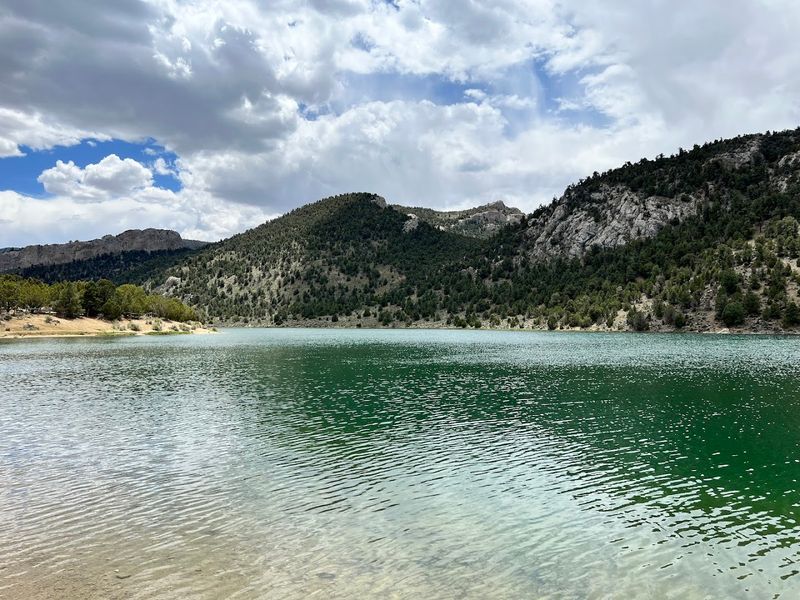
Cave Lake itself is a man-made reservoir created by damming Cave Creek, though the result looks far more natural than many artificial lakes. The 32-acre body of water sits in a mountain valley, its shores lined with vegetation that softens the typical harsh edges of desert reservoirs.
Recent dam repairs kept the lake drained for several years, but it has since been refilled and now maintains proper water levels again.
The reservoir reaches depths sufficient for healthy fish populations while remaining small enough to feel intimate rather than overwhelming. Rocky outcrops and pine trees frame much of the shoreline, creating scenic views from nearly every angle.
The water takes on different colors depending on light and weather, ranging from deep blue to greenish tones. At this elevation, the lake stays cool even during summer, which keeps both fish and swimmers comfortable during the warmest months of the year.
It Sits In Eastern Nevada Near Ely
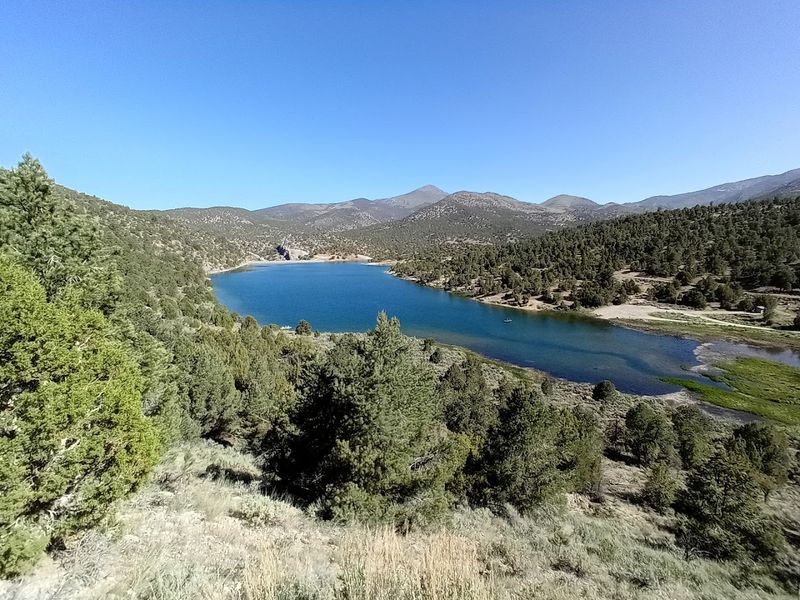
Cave Lake State Park occupies a stretch of high desert country about 16 miles southeast of Ely, accessible via US Highway 93 at Success Summit. The location puts it well off the typical tourist circuit, which explains why so many visitors describe finding it as a pleasant surprise.
Most people passing through this part of Nevada are heading somewhere else entirely.
The park sits at an elevation of 7,300 feet, which means cooler temperatures than the lower desert basins and a landscape that blends sagebrush flats with pine-covered slopes. Ely itself is a former mining town with a population under 4,000, so the area retains a genuine frontier character.
Getting here requires intentional planning rather than a casual detour, and that filters out the casual crowds that pack more accessible state parks throughout the summer months.
The Lake Is Known For Trout Fishing
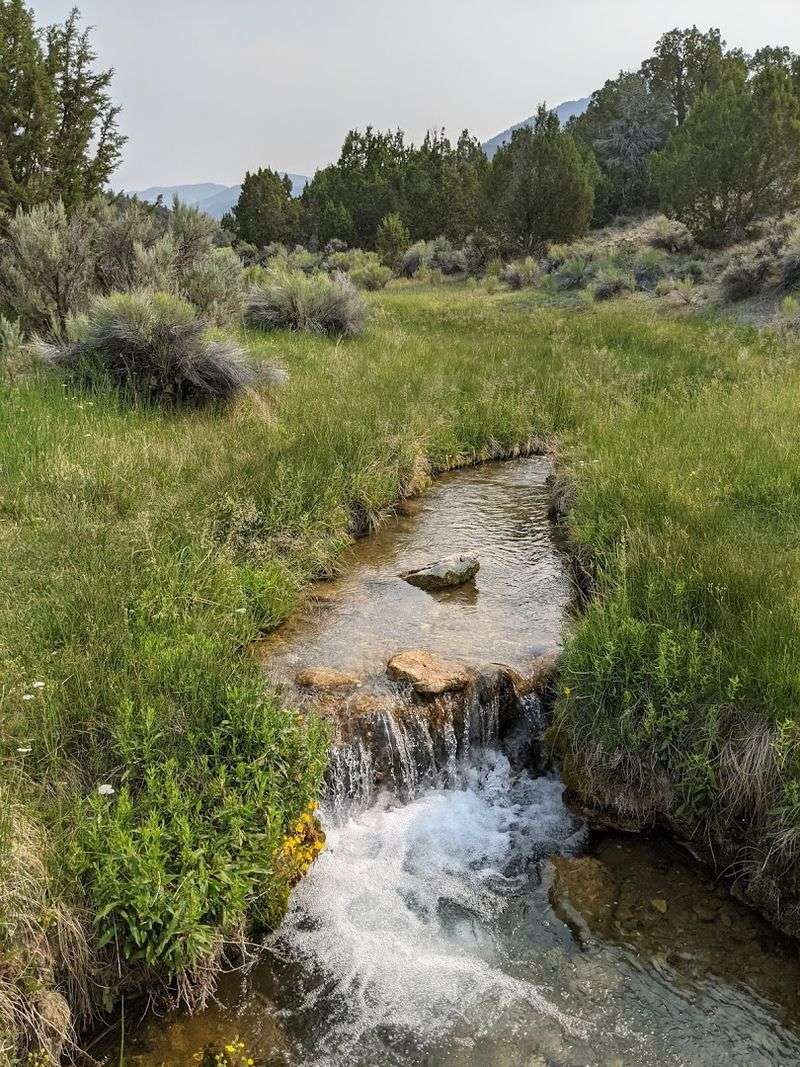
Trout fishing draws many visitors to Cave Lake, particularly during spring and fall when fish are most active. The Nevada Division of Wildlife stocks the reservoir regularly with rainbow trout, maintaining populations that give anglers reasonable chances of success.
Some larger fish do inhabit the deeper sections, though most catches fall into the planter category that works well for family outings and casual fishing.
Shore fishing remains popular and accessible around much of the lake, with several spots offering easy casting access. Anglers also launch small boats and kayaks to reach deeper water where trout tend to hold during warmer parts of the day.
The fishing slows somewhat during midsummer heat but picks up again as temperatures drop in autumn. Ice fishing becomes the primary method during winter months when the lake freezes solid, attracting a dedicated group of cold-weather anglers who drill holes and set up shelters on the ice.
Boating Stays Calm With A 5 MPH Speed Limit
A strict 5 mph speed limit keeps Cave Lake peaceful and eliminates the noise and chaos that speedboats and personal watercraft bring to many popular reservoirs. This regulation means the water stays calm, suitable for kayaks, canoes, and small fishing boats rather than high-powered recreational craft.
The quiet atmosphere appeals to paddlers and anglers who prefer their time on water without engine roar and wake turbulence.
The small size of the lake makes the speed limit practical rather than restrictive, since even at slow speeds boaters can cross from shore to shore in minutes. Most visitors launch non-motorized craft or use small electric trolling motors that comply easily with regulations.
The calm water conditions also make the lake ideal for beginning paddlers and children learning to handle small boats. On typical summer days, the surface remains glassy except for occasional breezes that ripple across from the surrounding mountains.
Swimming Adds To The Summer Escape Feel
Swimming at Cave Lake offers genuine refreshment during hot summer afternoons, though the water temperature remains brisk even in July and August due to the elevation and mountain source. No designated swimming beach exists, but several spots along the shoreline provide reasonable entry points where the bottom slopes gradually.
Families spread out along accessible sections, finding their own preferred spots rather than clustering at a single location.
The water clarity stays good throughout the season, allowing swimmers to see the rocky bottom in shallow areas. Most swimmers stay close to shore since the lake drops off fairly quickly in places, and the cold temperature discourages extended time in deeper water.
Children particularly enjoy the novelty of swimming in a mountain lake, and the small size creates a safer environment than larger bodies of water. The surrounding scenery makes even a quick dip feel more like a backcountry experience than typical reservoir swimming.
Hiking Trails Show Off The Lake And Mountain Views
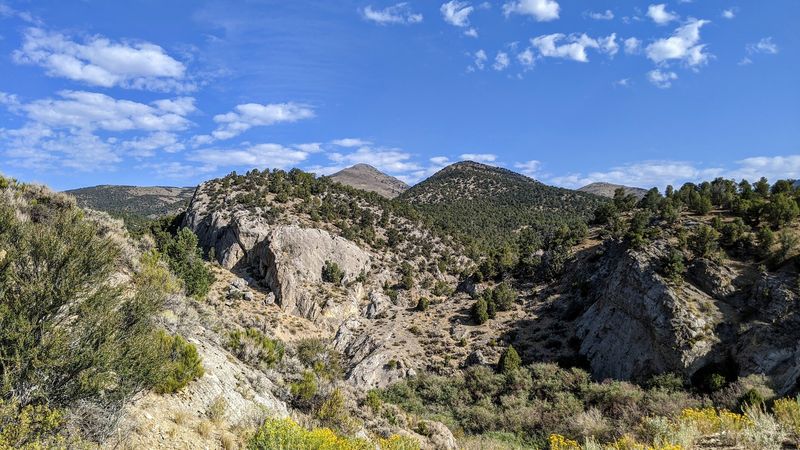
Several hiking trails wind through the park, offering routes that range from easy lakeside walks to more demanding climbs into the surrounding hills. The trails provide constant scenery changes as they move through different vegetation zones and elevation levels.
Most paths are well-marked and maintained, though some sections can be rocky and require attention to footing.
Lake views appear frequently along many routes, with the water visible through gaps in the trees or from higher vantage points that overlook the entire valley. The trails also pass interesting rock formations and occasional cave openings that give the park its name.
Wildflowers bloom along the paths during spring and early summer, adding color to the already varied landscape. Trail distances accommodate different fitness levels, from short half-hour walks to longer excursions that can fill most of a day.
The elevation means some visitors feel the altitude during more strenuous sections, particularly those coming from lower elevations.
Cave Lake Loop Offers A More Challenging Trail Option
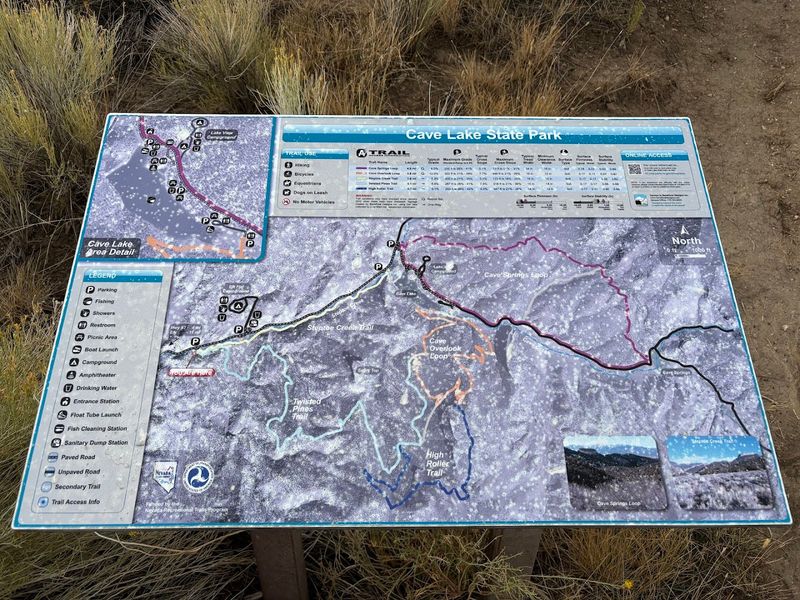
The Cave Lake Loop presents a serious challenge for hikers seeking more than a casual walk, with sections that climb at grades steep enough to require breaks and careful pacing. This trail circles the lake at higher elevation, providing panoramic views but demanding real effort to complete the full circuit.
The path follows a yellow-marked route that experienced hikers recommend tackling clockwise rather than counterclockwise, since the grade distribution favors that direction.
Signs warn of the 12 percent grade in certain sections, which translates to sustained uphill work that tests leg muscles and cardiovascular fitness. The trail surface varies from smooth packed earth to loose rock that requires careful foot placement.
Views from the higher sections reward the effort, showing the lake below and extending across the valleys beyond park boundaries. Most hikers need two to three hours to complete the loop, and carrying adequate water becomes essential since shade appears inconsistently along the route.
Campgrounds Make It Easy To Stay Overnight
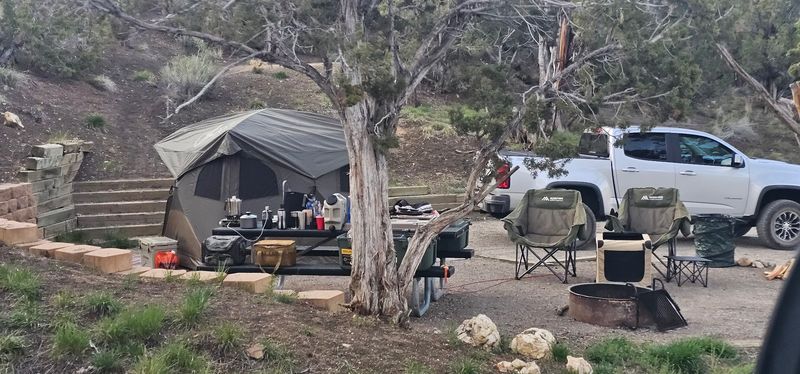
Two campgrounds serve overnight visitors at Cave Lake, with Lakeview Campground positioned closest to the water and Elk Flat Campground set slightly back in the trees. Sites accommodate both tents and smaller recreational vehicles, though the narrow, winding access roads limit the size of rigs that can navigate comfortably.
Some larger RVs do squeeze into specific sites, but advance research about site dimensions prevents arrival disappointments.
The campgrounds provide flush toilets and hot showers, amenities that elevate the experience above more primitive camping areas. Water spigots appear throughout both locations, and a dump station at Elk Flat handles RV waste needs.
Sites typically include picnic tables and fire pits, with many offering at least partial views of the lake or surrounding mountains. The camping limit runs seven days per thirty-day period, and reservations through the online system have become increasingly necessary during peak summer weekends.
Prices have risen in recent years to thirty dollars per night, reflecting the transition to the reservation system and improved facilities.
Wildlife Watching Adds To The Quiet Desert Feel
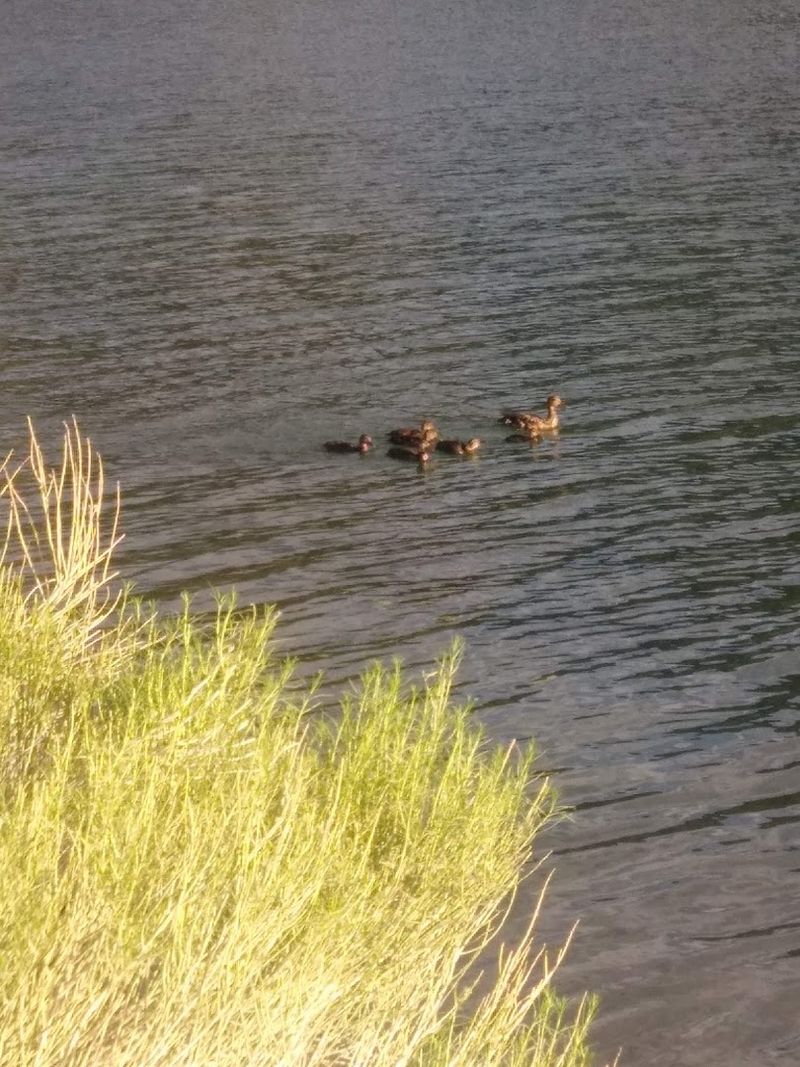
Wildlife sightings happen regularly at Cave Lake, with mule deer being the most commonly observed large mammals throughout the park. Birds populate the area in good numbers, including various waterfowl on the lake itself and songbirds in the surrounding vegetation.
Patient observers also spot smaller creatures like ground squirrels, chipmunks, and occasional rabbits moving through the sagebrush and forest edges.
Coyotes vocalize at night, their calls carrying across the valley and reminding campers of the wild character that persists here despite developed facilities. Early morning and evening hours provide the best wildlife viewing opportunities when animals are most active and visible.
The mix of habitats within the park supports diverse species, from water-dependent birds to mountain-adapted mammals. Some visitors report seeing larger predators or elk in the broader region, though these remain less common within the immediate park boundaries.
The relatively light human pressure compared to more popular parks means animals behave more naturally and appear less habituated to constant human presence.
Winter Turns The Park Into A Cold-Weather Playground
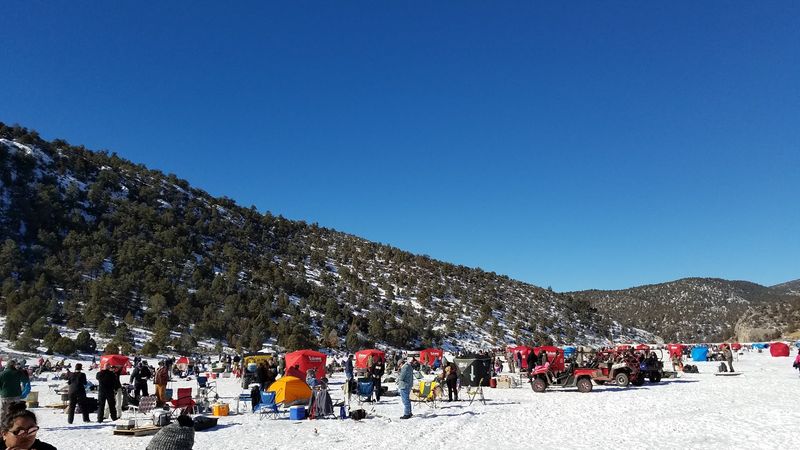
Winter transforms Cave Lake into a completely different recreation destination, with the frozen reservoir becoming the center of cold-weather activities. Ice fishing attracts dedicated anglers who set up shelters and spend hours over holes drilled through thick ice, targeting trout that remain active beneath the frozen surface.
The ice also supports skating for those who bring their own equipment, creating an unusual opportunity in a state not typically associated with frozen lakes.
Cross-country skiing becomes possible when snow covers the trails and roads, offering quiet routes through winter landscapes where sounds carry differently and wildlife tracks mark the snow. The elevation ensures reliable cold temperatures, though visitors should verify ice thickness before venturing onto the lake surface.
Winter camping remains an option for hardy souls with appropriate gear, though facilities operate on reduced schedules and some amenities close entirely. The park sees far fewer visitors during cold months, creating an almost private experience for those willing to brave the elements.