
This Stunning Washington State Park Is One Of The State’s Best-Kept Secrets
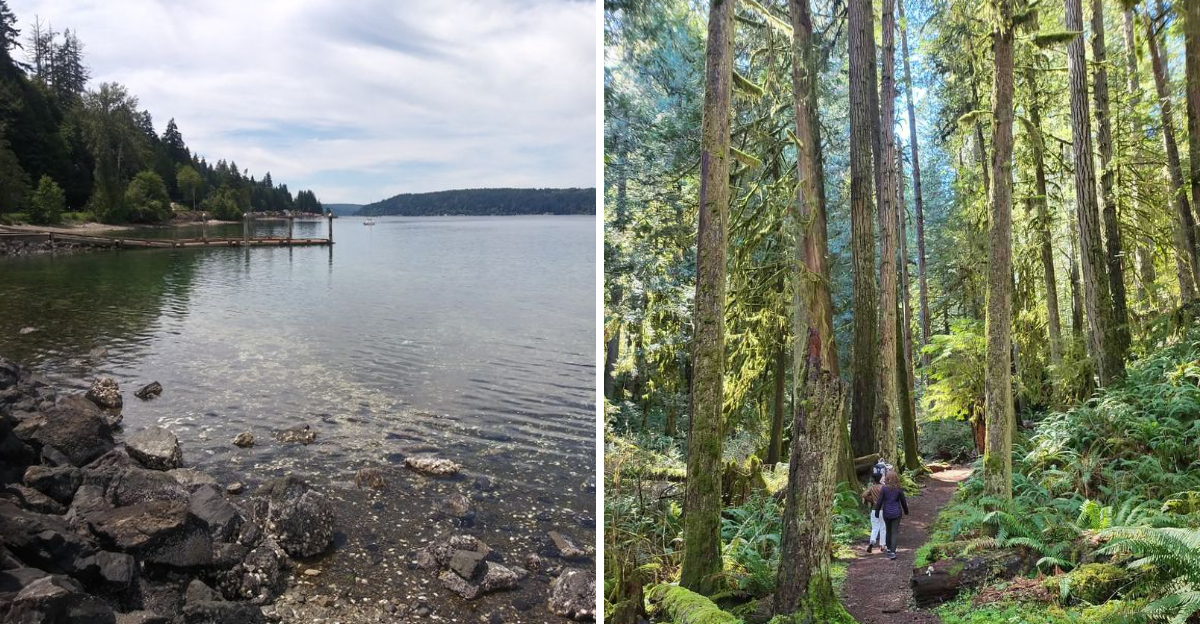
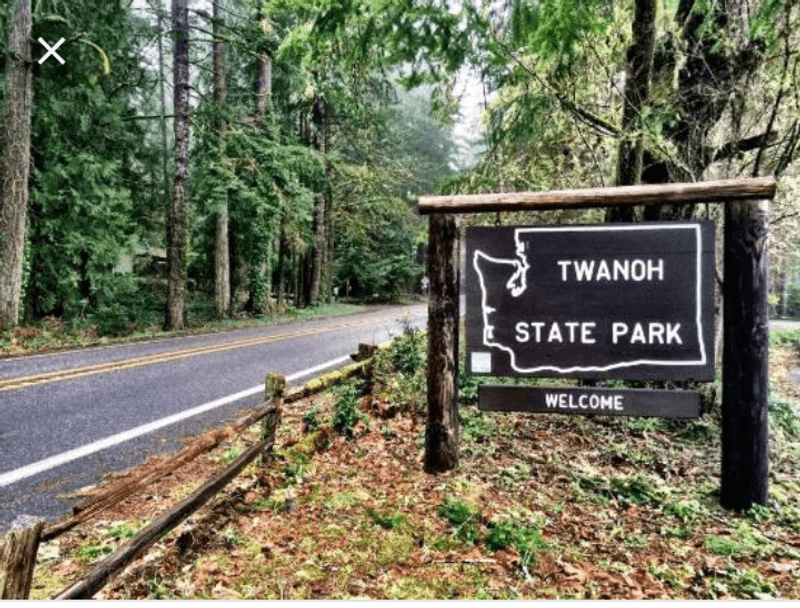
Twanoh State Park rests along the quiet shores of Hood Canal in Union, Washington, far from the crowded trails and packed beaches that dominate much of the Pacific Northwest. Most visitors to the state rush past this 182-acre gem on their way to more famous destinations, unaware that one of Washington’s most pleasant waterfront retreats sits just off Highway 106.
The park combines warm saltwater swimming, forested hiking trails, and a calm atmosphere that feels increasingly rare in an age of overtourism and constant noise.
Twanoh State Park Sits Along Scenic Hood Canal Shores
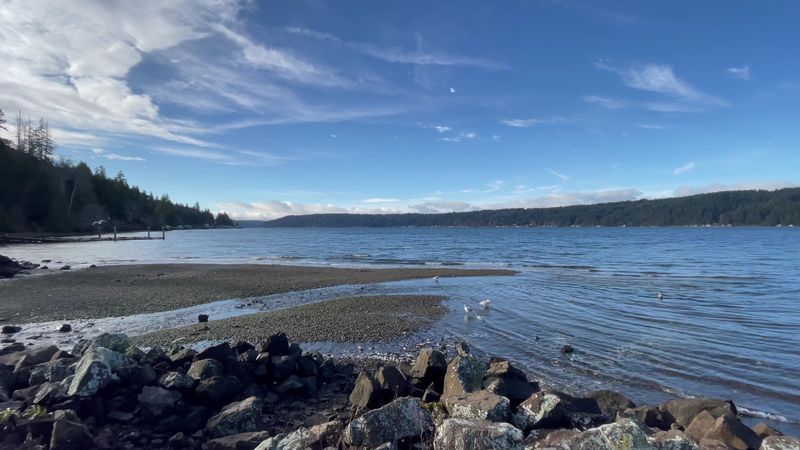
The park occupies a prime stretch of Hood Canal’s western shore, offering more than 3,000 feet of saltwater frontage. Visitors arriving at 12190 WA-106 find themselves at a place where forest meets water in a way that feels both deliberate and natural.
The canal itself functions as a fjord, carved by glaciers thousands of years ago, and its protected waters create conditions unlike those found along Washington’s outer coast.
A wooden bridge spans Twanoh Creek, connecting the day-use area with the boat launch and serving as a reminder of the Civilian Conservation Corps craftsmanship that shaped much of the park during the 1930s. The shoreline alternates between pebble beaches and areas where oyster shells crunch underfoot.
During calm mornings, the water reflects the surrounding hills with such clarity that the boundary between sky and canal seems to dissolve.
This geographic setting provides the foundation for everything else the park offers, from the unusually warm water temperatures to the sheltered conditions that make it accessible year-round.
One Of Washington’s Warmest Saltwater Swimming Spots
Hood Canal’s geography creates a microclimate that warms the water to temperatures rarely found in Pacific Northwest saltwater. Summer visitors often find conditions comfortable enough for extended swimming without wetsuits, a luxury that makes parents with young children particularly appreciative.
The shallow areas near shore heat up first, creating natural wading pools where kids can play for hours without the teeth-chattering cold that defines most Puget Sound beaches.
Jellyfish drift through the clear water during warmer months, visible but generally harmless, adding an element of marine observation to every swim. The canal’s protection from ocean swells means the water stays calm enough that even hesitant swimmers feel comfortable venturing out.
Visibility often extends several feet down, allowing swimmers to watch crabs scuttling across the bottom and small fish darting between rocks.
Multiple reviews mention the unique pleasure of swimming in warm saltwater, a combination so rare in Washington that some families return year after year specifically for this experience.
Towering Old-Growth Forest Surrounds The Park
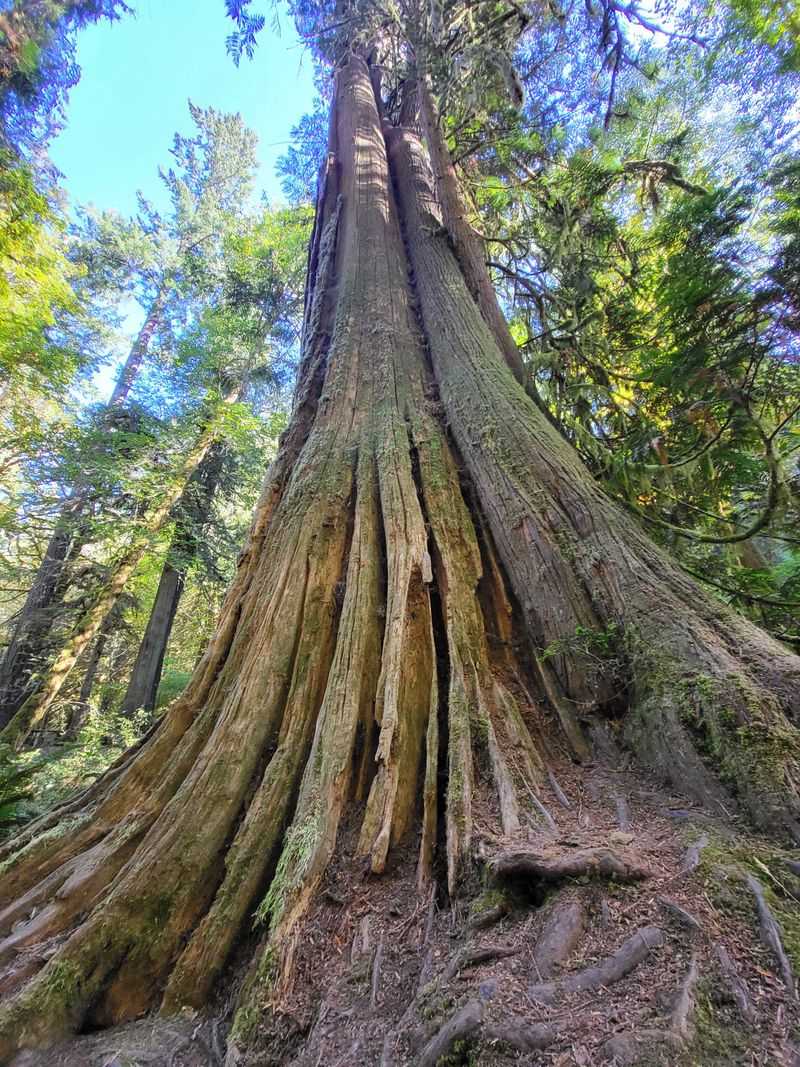
The campground and hiking trails wind through stands of Douglas fir and western red cedar that predate European settlement. These trees create a cathedral-like atmosphere, their trunks rising straight and massive before branching out far overhead.
The forest floor stays relatively clear beneath the canopy, carpeted with ferns and mosses that thrive in the filtered light.
Walking among these giants provides a stark contrast to the open beach areas just across Highway 106. The temperature drops noticeably under the trees, and the air carries the distinctive scent of conifer needles and damp earth.
During autumn, mushroom hunters find productive foraging grounds, though all harvesting must follow state regulations.
The old-growth character distinguishes Twanoh from newer parks where second-growth timber dominates. These trees survived because the land entered the state park system before logging could claim them.
Their presence adds a sense of permanence and history that newer forests cannot replicate, reminding visitors that some places still harbor fragments of the landscape that once covered the entire region.
Rare Easy Waterfront Camping Access
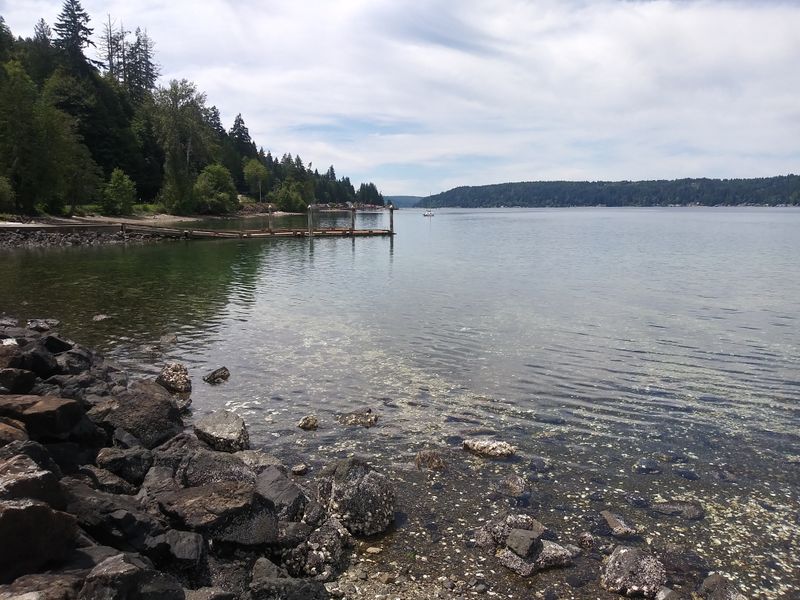
Finding a campground where you can walk directly from your site to saltwater shoreline requires effort in Washington, but Twanoh delivers this convenience with minimal fuss. The campground sits on the eastern side of Highway 106, while the beach occupies the western side, separated by nothing more than a quick road crossing.
This arrangement means campers can shuttle between forest and shore throughout the day without driving or hiking long distances.
Sites accommodate both RVs and tents, though the spaces pack together more tightly than some campers prefer. The trade-off for this density comes in the form of immediate beach access and the old-growth trees that shade each spot.
Full hookup sites serve larger rigs, while tent campers can choose from standard sites or walk-in locations that offer slightly more separation from neighbors.
Reservations fill quickly during summer months, a testament to how few places offer this particular combination of amenities. The campground operates year-round, though winter visits require tolerance for rain and cooler temperatures.
Sheltered Cove Perfect For Kayaking And Paddleboarding
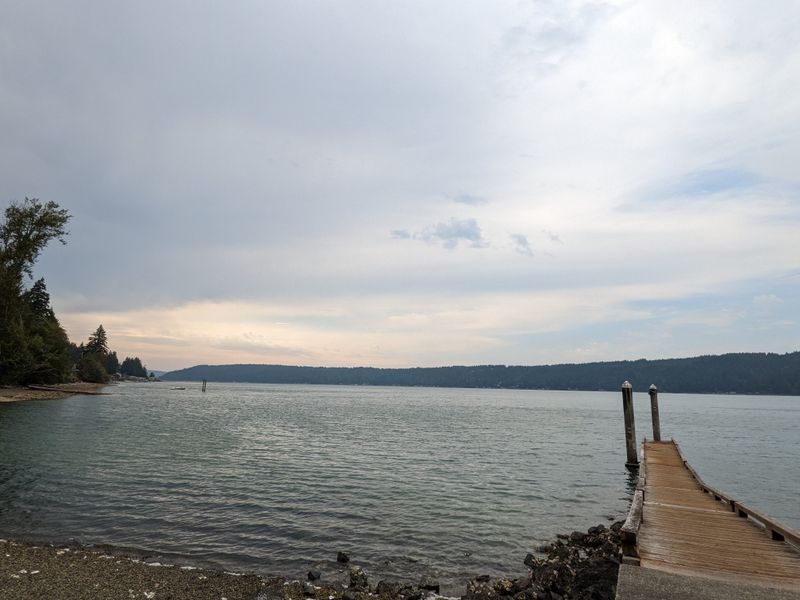
The cove at Twanoh provides conditions that paddlers of all skill levels can appreciate. Protected from the stronger currents and waves that sometimes sweep through Hood Canal, the water here stays calm enough for beginners while still offering enough space for more experienced paddlers to explore.
The boat launch handles motorized craft, but the shallow areas near shore belong primarily to human-powered vessels.
Kayakers can paddle along the shoreline, investigating the rocky areas where marine life congregates, or venture out into deeper water for a different perspective on the surrounding hills. Stand-up paddleboarders find the flat conditions ideal for building confidence or simply cruising while enjoying the scenery.
The clear water means you can watch the bottom passing beneath your board or boat, adding an element of underwater sightseeing to every trip.
Rental equipment is not available at the park, so visitors must bring their own gear or arrange rentals elsewhere. The boat launch remains open year-round, serving the small community of local boaters who use Hood Canal throughout all seasons.
Low Tides Reveal Rich Marine Life
When the tide retreats, the beach transforms into an intertidal zone teeming with creatures that spend half their lives underwater and half exposed to air. Oysters cling to rocks in clusters, their shells providing homes for smaller organisms.
Manila clams hide beneath the surface, betraying their presence with small holes in the sand. Crabs scuttle between hiding spots, and occasionally a small fish gets trapped in a tide pool until the water returns.
Harvesting shellfish is permitted when the season is open and regulations are followed, requiring a valid fishing license and adherence to size and quantity limits. Many visitors come specifically for this purpose, armed with buckets and the knowledge of how to identify legal catches.
The requirement to shuck oysters on the beach and leave the shells ensures that future generations of shellfish can establish themselves on the discarded material.
Even visitors with no interest in harvesting find the exposed beach fascinating. Turning over rocks reveals hidden ecosystems, though responsible tide pool explorers always return stones to their original positions to protect the creatures underneath.
Civilian Conservation Corps Helped Shape The Park
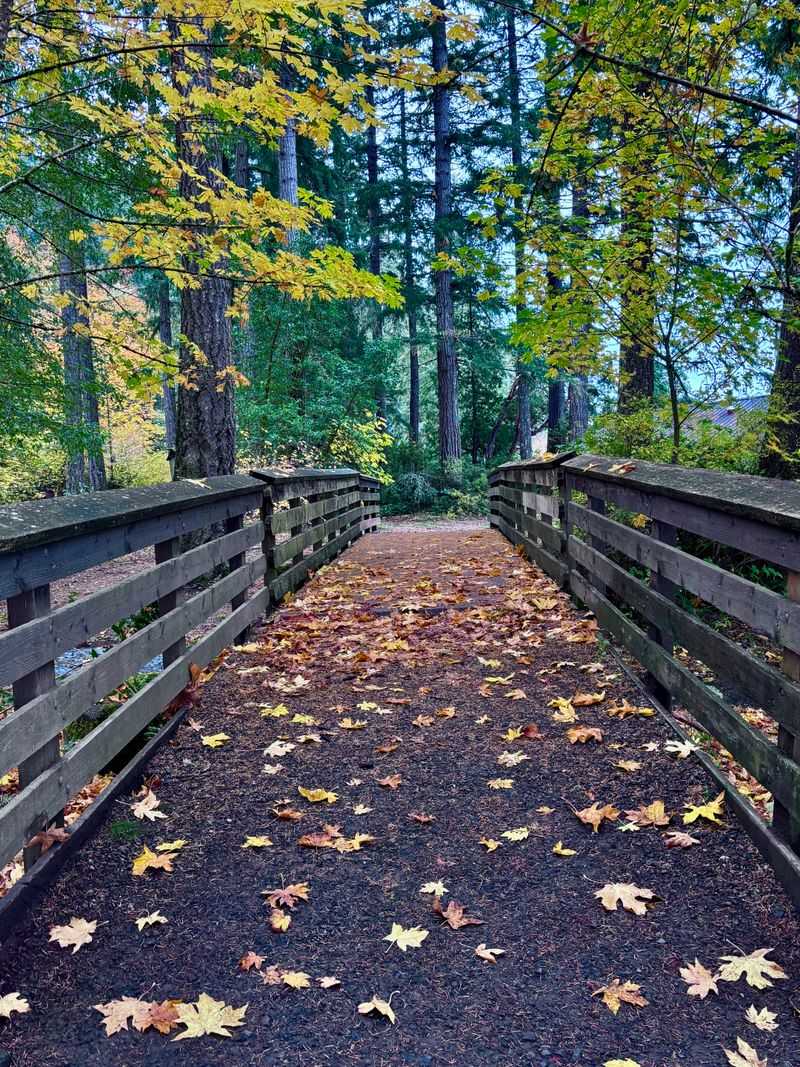
During the 1930s, young men enrolled in the Civilian Conservation Corps labored throughout Washington, building infrastructure that still serves visitors today. At Twanoh, their work included the bridge over Twanoh Creek and various structures that blend function with an aesthetic sensibility increasingly rare in modern construction.
The bridge, constructed from heavy timbers, connects different sections of the park while allowing the creek to flow freely beneath.
This Depression-era program put unemployed young men to work on conservation projects across the country, and their craftsmanship often exceeded simple utility. The structures they built were meant to last and to harmonize with their natural surroundings.
Walking across the bridge or using other CCC-built features provides a tangible connection to that era and those workers.
The park continues to maintain these historic elements while adding modern amenities where necessary. Restrooms, showers, and updated camping facilities serve contemporary visitors, but the bones of the park still reflect that earlier period of thoughtful development.
Understanding this history adds depth to a visit, transforming a simple park outing into an encounter with both natural and human history.
Quiet Picnic Areas Create A Relaxed Atmosphere
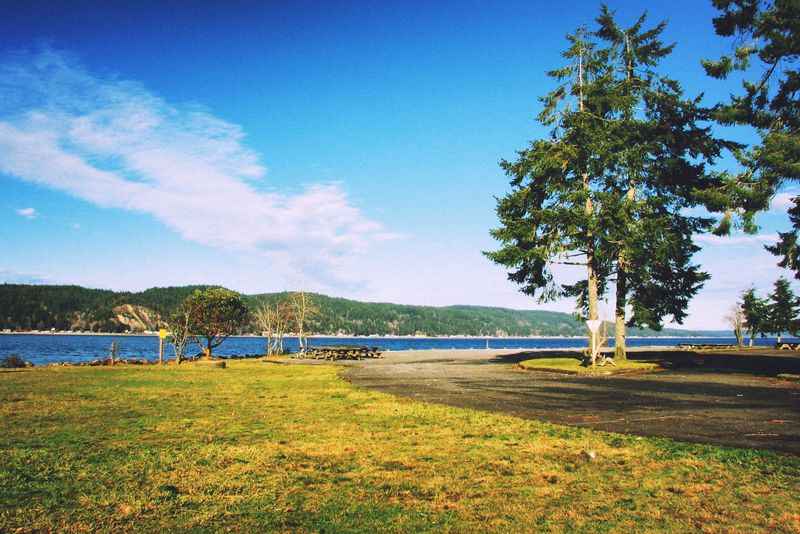
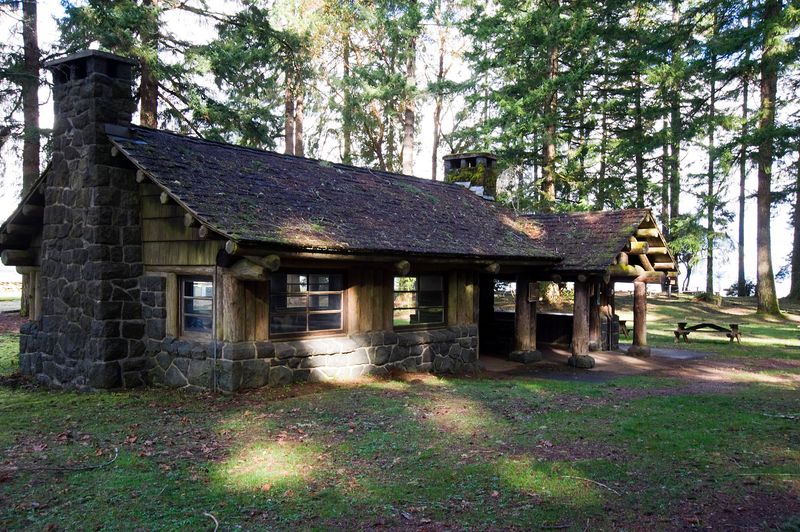
The day-use area spreads across grassy lawns punctuated by picnic tables, most positioned to catch either shade from the old trees or views of the water. A covered shelter with electricity and water serves larger groups, while individual tables accommodate families seeking a more intimate setting.
The tennis court sits nearby, though it sees less use than the beach and trails.
Unlike parks closer to major population centers, Twanoh maintains a peaceful quality even during busy summer weekends. The relatively remote location filters out casual visitors, leaving mostly people who made a deliberate choice to come here.
This self-selection creates a crowd that tends toward quieter activities and respect for shared space.
The pier extends into the canal, providing fishing access and a platform for watching the water. Children run between beach and picnic area, their voices carrying across the open space without the overwhelming noise that characterizes more crowded destinations.
The overall effect is one of relaxation rather than stimulation, a place designed for unwinding rather than seeking thrills or entertainment beyond what nature provides naturally.
Easy Hiking Trails Suitable For Most Visitors
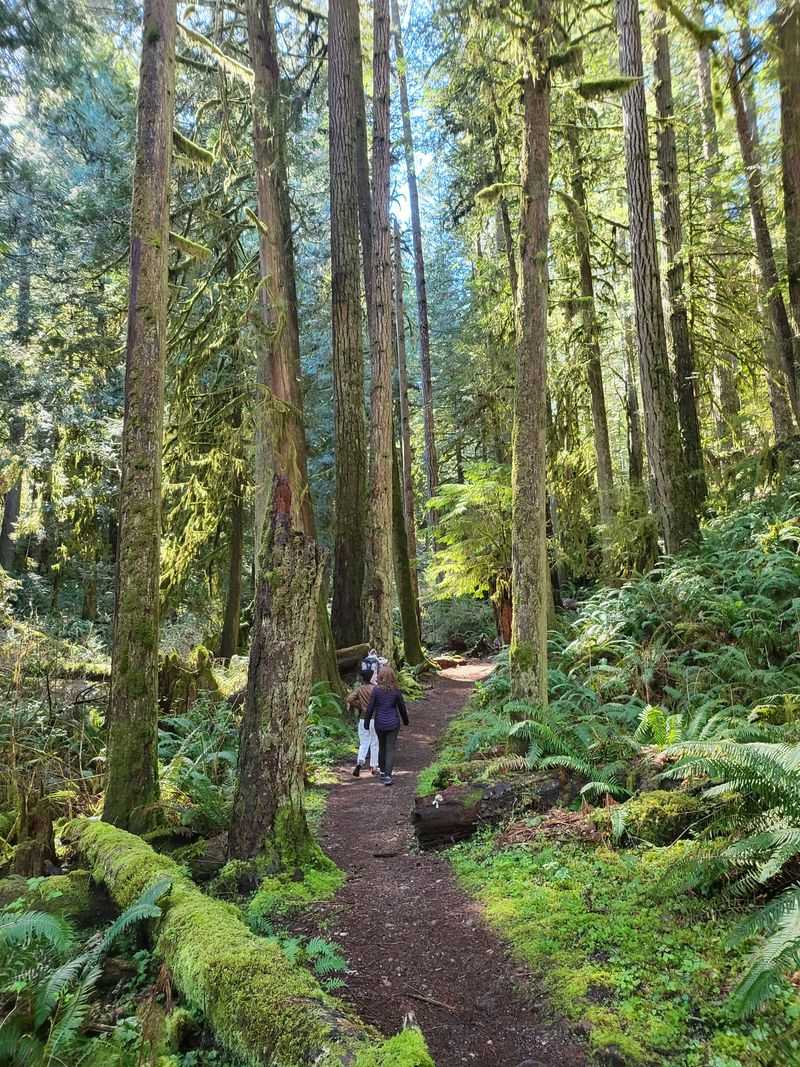
The trails at Twanoh wind through the forested section of the park, following Twanoh Creek eastward into the hills. The main loop covers roughly two to three miles, depending on which side paths you explore, with elevation gain that challenges without overwhelming.
The paths are well-maintained but not paved, requiring basic hiking footwear rather than specialized equipment.
Six-year-olds complete the hike regularly, according to multiple visitor accounts, which gives a good sense of the difficulty level. Adults seeking serious cardiovascular challenge might find the trails too gentle, but most visitors appreciate the accessible nature of the paths.
Dogs on leash are welcome, and the forest provides enough interesting scents and sights to keep canine hikers engaged.
The trails are not wheelchair accessible due to uneven terrain and natural obstacles like roots and rocks. During wet seasons, some sections can become muddy, though the tree cover prevents the paths from turning into complete quagmires.
Autumn brings excellent conditions, with fallen leaves carpeting the trail and cooler temperatures making the uphill sections more comfortable than during summer heat.
Its Secluded Location Preserves A Hidden-Gem Feel
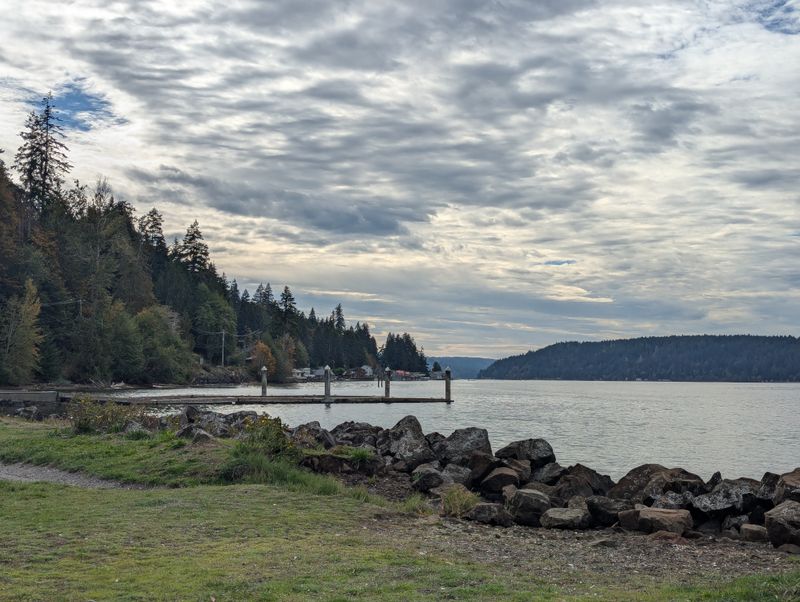
Twanoh sits far enough from Seattle, Tacoma, and Olympia that it avoids the crushing visitor numbers that plague parks within easy reach of major cities. The drive from population centers takes commitment, following Highway 106 along Hood Canal through small communities and forested stretches that feel remote despite being less than two hours from urban areas.
This distance acts as a natural filter, ensuring that most visitors arrive with intention rather than impulse.
The park’s relatively small size also limits crowds. With fewer than 200 acres and limited parking, there is a natural cap on how many people can visit simultaneously.
During peak summer days, the parking lot fills, but even then the experience rarely feels overwhelming. The split design, with beach on one side of the highway and camping on the other, helps distribute visitors across multiple areas.
This combination of location and size preserves a quality that larger, more accessible parks lose. Twanoh remains a place where you can find quiet corners, where the sound of the forest or water dominates rather than human conversation, where discovery still feels possible.