
This Tennessee Botanical Garden Is The Most Relaxing Stop For A Summer Weekend
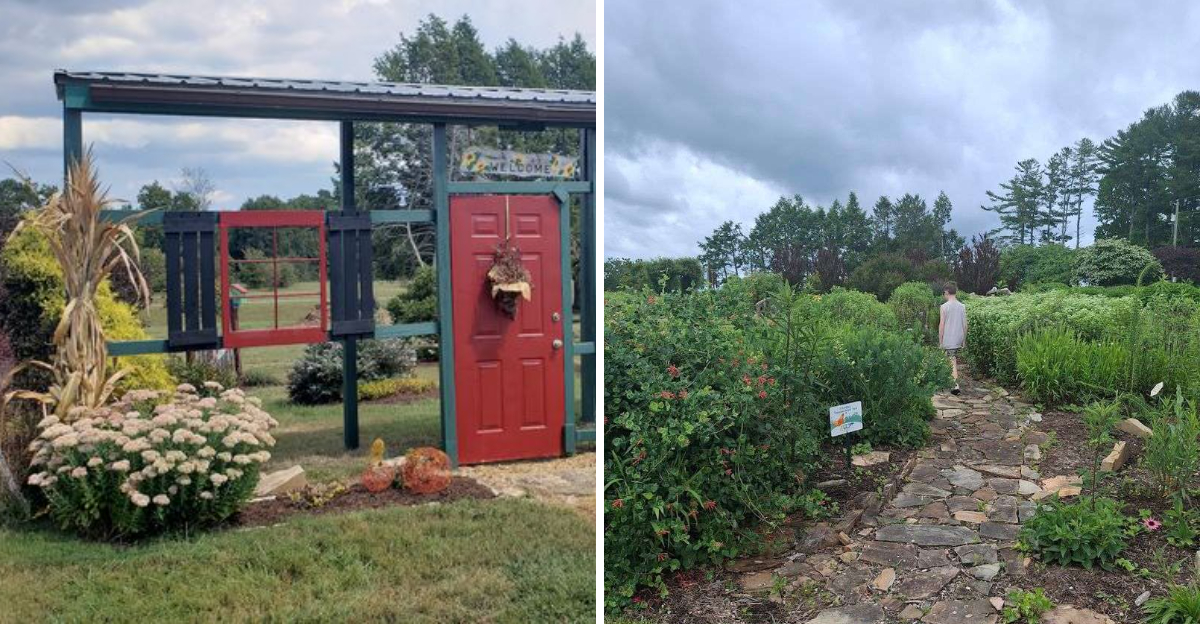
Could a garden be the easiest way to reset a summer weekend? Tennessee has a peaceful botanical stop that makes the answer feel obvious.
Paths lead past colorful blooms, native plants, quiet corners, and shady places where the day seems to slow down on its own. There is no need for a packed schedule here.
You can wander at your own pace, notice the small details, and enjoy a break that feels calm without feeling boring. Summer brings extra color, but the real charm comes through the simple rhythm of the place.
Flowers, greenery, fresh air, and open space do most of the work.
It is the kind of Tennessee outing that feels gentle, pretty, and easy to enjoy, especially when a busy week has left you needing a slower kind of escape.
Why This Botanical Stop Feels Made For A Slow Summer Stroll
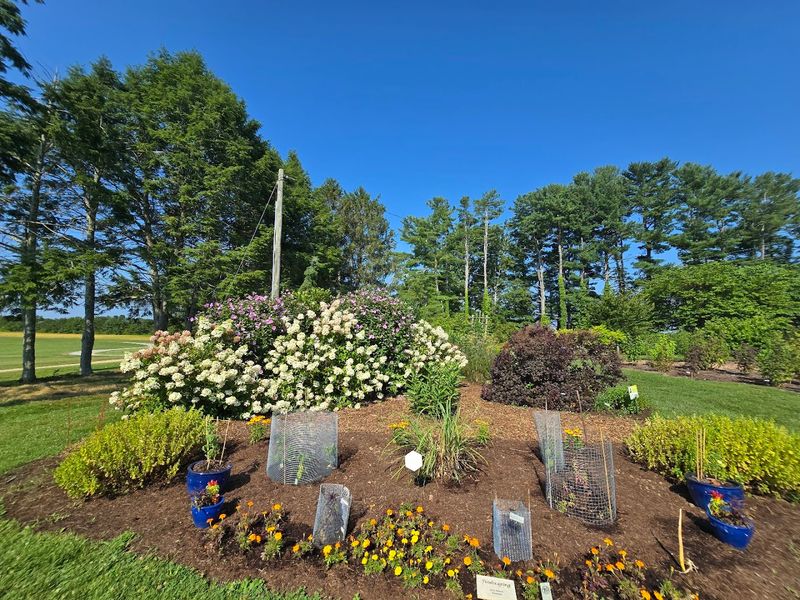
Sitting atop the Cumberland Plateau, this place operates at a different altitude than most botanical destinations in Tennessee, and that elevation shapes everything about the experience.
The cooler climate and distinct growing conditions of the plateau allow for a plant collection that feels genuinely different from what you might find in lower-lying gardens across the state.
Established in 2005 by Cumberland County Master Gardeners, these grounds began their journey as the Plateau Discovery Gardens. The transformation from a local horticultural project into a recognized institution happened steadily and purposefully over the years.
In 2013, the garden received the designation of State Botanical Garden of Tennessee, a title that reflects the depth of its mission and the quality of its collections.
As one of three official University of Tennessee Gardens locations, it carries both academic weight and genuine public appeal.
First-time visitors often arrive expecting something modest and leave genuinely impressed by the scale and variety of what grows here.
The Garden Makes Plants, Beauty, And Learning Feel Connected
Most gardens ask you to look. This one asks you to think.
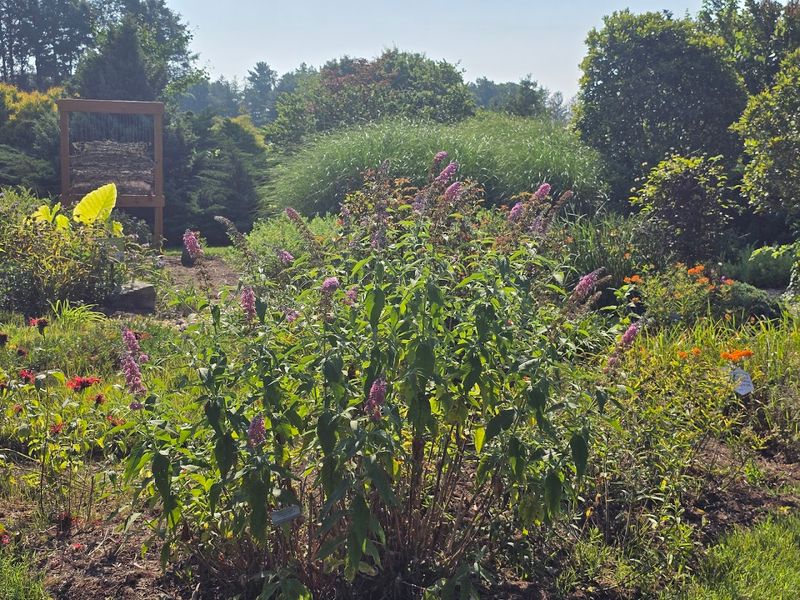
The UT Gardens in Crossville functions as a living laboratory, evaluating approximately 4,000 plant varieties each year, including annuals, perennials, herbs, tropical plants, trees, shrubs, vegetables, and ornamental grasses.
That number is not a casual estimate; it reflects a rigorous and ongoing commitment to horticultural science.
Each plant is assessed for growth vigor, bloom quality, and how well it tolerates the plateau’s specific climate conditions.
The results of these trials directly benefit home gardeners across Tennessee who want to know what will actually thrive in their own yards, not just what looks good in a catalog photograph.
The research effort involves collaboration between the Plateau AgResearch and Education Center, UT Extension Cumberland County, and the Cumberland County Master Gardeners. That partnership gives the garden a layered purpose that goes well beyond decoration.
Wandering through the trial beds, you get the sense that every plant here has earned its place through performance, not just appearance. It is a subtle but meaningful distinction that sets this garden apart from purely ornamental destinations.
Gardens For Every Sense And Season
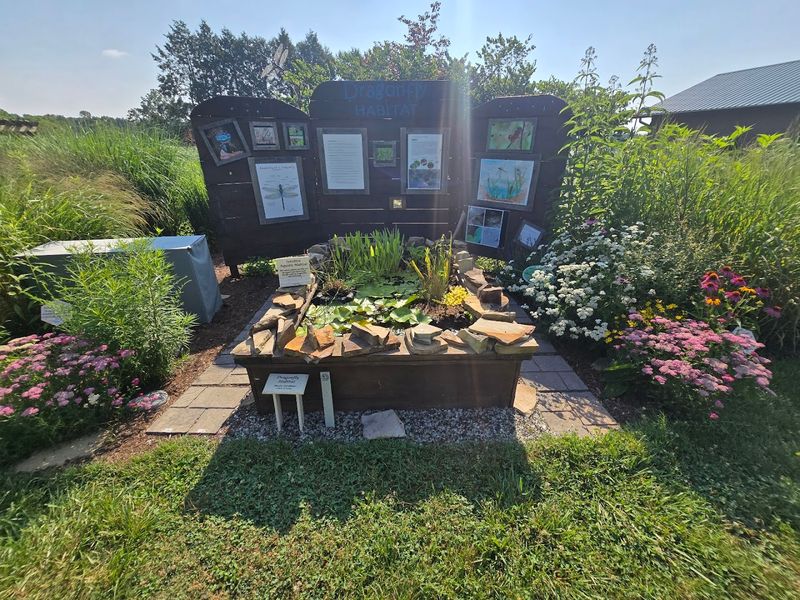
The Four Season Sensory Garden at UT Gardens, Crossville, was designed with deliberate thoughtfulness. Plants were chosen not just for visual appeal but for what they offer through touch and scent across all four seasons.
Running your fingers along a lamb’s ear leaf or catching the fragrance of a herb bed in mid-July is the kind of simple pleasure that resets the mind entirely.
Families with younger children will find real value in the KinderGarden, a certified Nature Explore Outdoor Classroom that gives kids an interactive, hands-on space to connect with the natural world.
It avoids the usual passive museum approach and instead invites participation, curiosity, and a bit of cheerful mess.
The Native Plants of Tennessee garden and the Sun Perennial Garden offer quieter pleasures for adult visitors who prefer to wander at their own pace.
The Herb Garden adds another dimension entirely, organizing its plants into culinary, sensory, tea, and medicinal categories.
A Human Sundial sits nearby, blending utility with a touch of whimsy that tends to surprise first-time visitors. There is genuinely something here for every kind of visitor, regardless of age or botanical background.
The Garden Shows How Research Can Look Beautiful Too
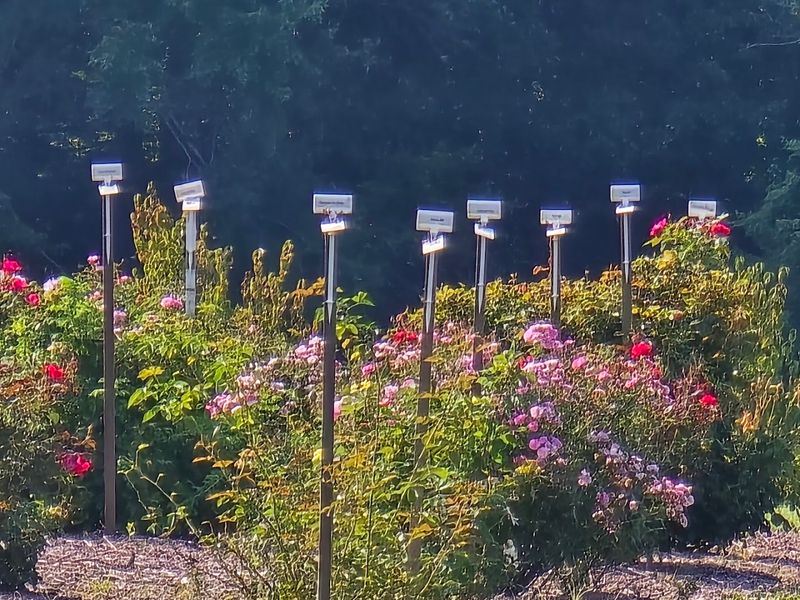
Science and beauty do not always share the same space gracefully, but at UT Gardens, Crossville, they manage it with considerable ease. The Rose Garden here is not simply a pretty collection of blooms arranged for photographs.
It actively contributes to industry research, including critical studies on Rose Rosette disease, a serious threat to cultivated roses across North America.
The Hydrangea Research Trial has spent multiple seasons meticulously evaluating numerous hydrangea varieties, measuring their performance through heat, cold, drought, and humidity.
The findings from these long-term observations carry real practical value for nurseries and home gardeners who want reliable results rather than hopeful guesses.
Then there is Mary’s Trial, named after an early garden intern, which carries a warmth that purely scientific designations rarely manage. It represents the personal investment of the people who have worked and learned within these grounds over the years.
That human element, the sense that real people with genuine curiosity have shaped every corner of this garden, gives the research areas a character that feels far more inviting than a university laboratory.
The science here is approachable, observable, and quietly fascinating to explore.
A Haven For Pollinators And Peaceful Reflection
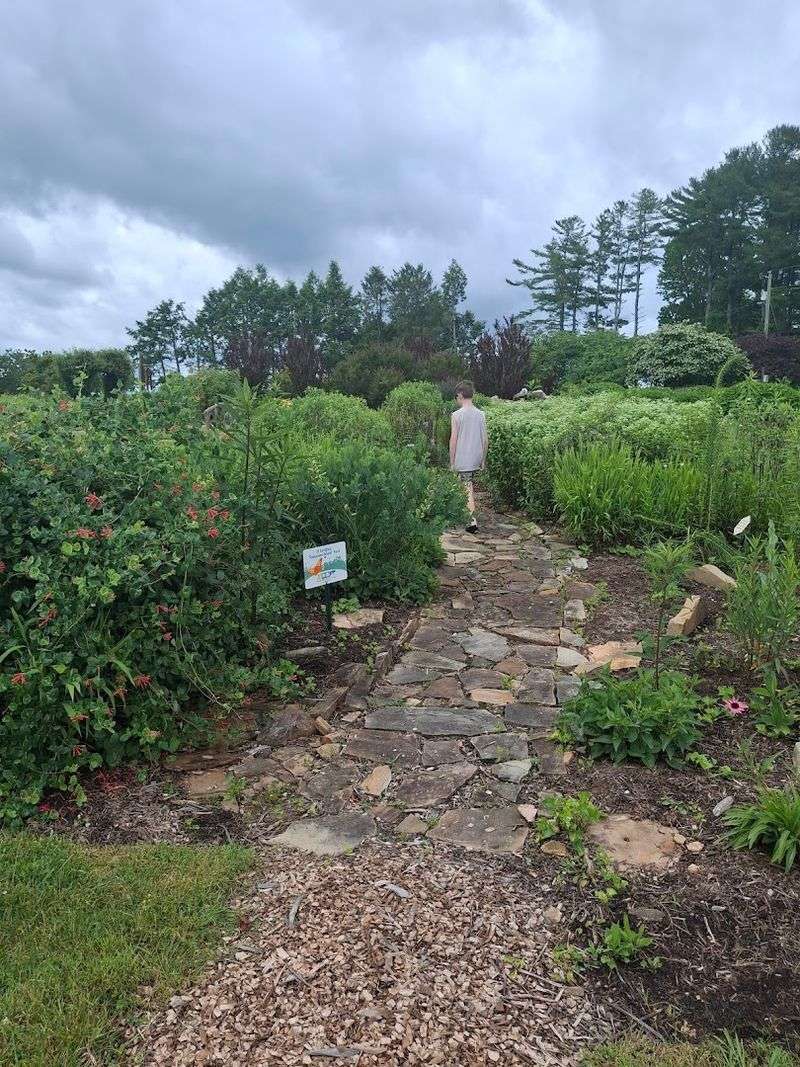
Monarch butterflies do not linger just anywhere. The fact that UT Gardens, Crossville, holds a Monarch Waystation designation tells you something meaningful about how seriously the garden takes its ecological responsibilities.
Milkweed and nectar plants are maintained specifically to support these butterflies during their long migratory journey, making the garden a genuine stop along a route that spans thousands of miles.
The Pollinator Garden expands this commitment further, combining native and non-native herbaceous perennial flowers with ornamental grasses to attract bees, beetles, flies, and other beneficial insects.
On a warm summer afternoon, the sound of buzzing fills the air in a way that feels alive rather than intrusive, a reminder that a healthy garden is never truly quiet.
For visitors who arrive seeking stillness rather than stimulation, the Celebration of Life-Conifers garden provides a contrasting kind of peace.
Recognized as a Reference Garden by the American Conifer Society, this collection of commonly planted conifers offers varied textures and layered shades of green that calm the eye and slow the breath.
The woody tree and shrub collection nearby includes specimens that predate the garden itself, adding a sense of deep, unhurried time to the experience.
The Gentle Flow Of Water And Time
Water has a way of organizing the mood of a garden more effectively than almost any other element. At UT Gardens, Crossville, the Water Feature does exactly that.
Its gentle movement draws birds and butterflies to the area with reliable consistency, turning a designed installation into a spontaneous wildlife gathering point that changes with every visit.
The surrounding groundcover planting serves a dual purpose, demonstrating effective landscaping techniques while also framing the water in a way that feels natural rather than engineered.
It is the kind of detail that a casual visitor might overlook but that a gardener will immediately recognize and appreciate.
The Aquaponics system nearby adds an entirely different dimension to the garden’s water story. Koi fish produce waste that provides nutrients for hydroponically grown plants, which in turn filter and purify the water before it returns to the fish.
The cycle is elegant in its simplicity, and watching it in action has a calming, almost meditative quality. It also makes a compelling case for sustainable growing practices without ever resorting to lectures or signage that feels preachy.
The system speaks for itself, and it speaks rather eloquently.
Horticultural Innovations And Enduring Displays
Few sights in a summer garden match the sheer visual energy of 2,250 daylily plants in bloom. The Daylily Bed and Trial at UT Gardens, Crossville, features 450 distinct varieties, and when peak bloom arrives, the effect is genuinely spectacular.
The range of colors, forms, and sizes on display makes it one of the most photographed areas on the property.
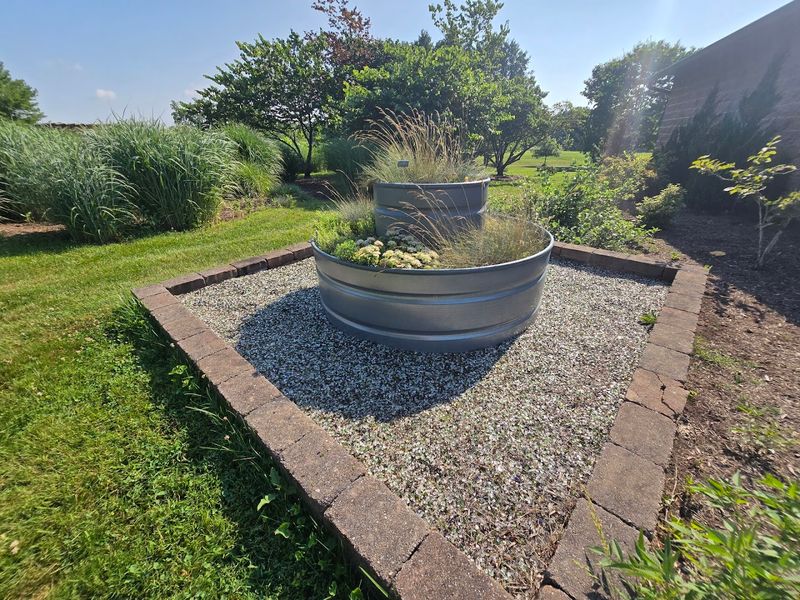
For visitors interested in creative problem-solving, the Tiered Display offers practical inspiration.
Container gardening ideas are demonstrated using recycled materials, showing that attractive, productive gardens do not require expensive supplies or elaborate equipment.
It is the kind of down-to-earth innovation that makes gardening feel accessible rather than intimidating.
The Moss Display addresses one of the most persistent challenges in residential landscaping: what to do with a shaded, humid area where turf grass simply refuses to cooperate.
By showcasing shade-tolerant mosses as a genuine alternative, the garden offers a solution that is both attractive and low-maintenance.
The Andy-Taylor Shade Garden completes this section with a demonstration of how diverse plant varieties can thrive beautifully beneath a tree canopy, turning what many gardeners consider a problem area into a genuine point of pride.
The Paths Here Invite You To Slow Down And Look Closer
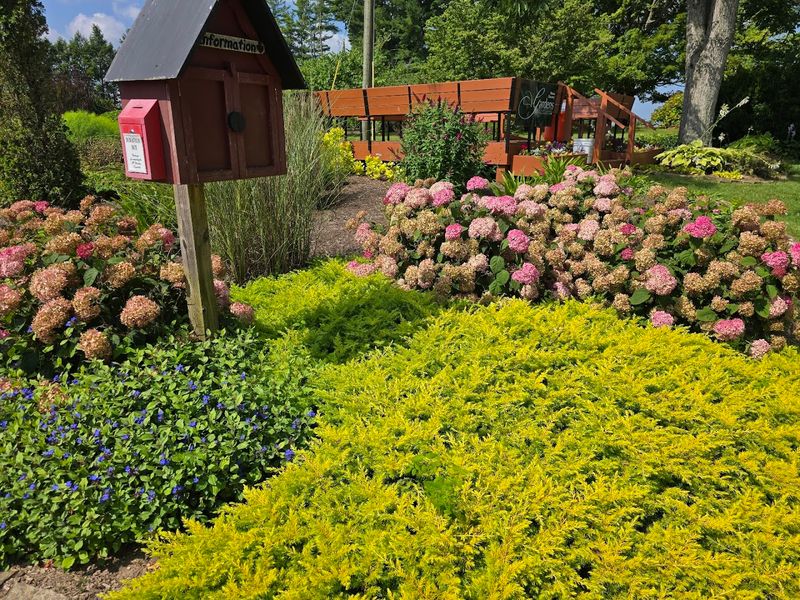
Free admission, open every day from daylight to dusk, with no reservation required. Those three facts alone make UT Gardens, Crossville, an unusually generous destination by any standard.
The decision to keep the garden accessible without cost reflects the institution’s core belief that horticultural education and natural beauty should be available to everyone, not just those who can afford a ticket.
A visitor’s guide and detailed map are available from a birdhouse near the deck area, which is a charming detail that feels entirely appropriate for a garden of this character.
The map outlines each themed area and trial section, helping first-time visitors navigate without feeling overwhelmed by the variety of spaces on offer.
Guided tours can be arranged by contacting the garden office directly, providing an option for those who want a more structured and informative walk through the grounds.
The garden sits at 320 Experiment Station Road in Crosville, within the broader Plateau AgResearch and Education Center campus, making the surrounding landscape part of the experience as well.
A summer weekend visit here does not require elaborate planning or significant expense. It requires only curiosity, comfortable shoes, and a willingness to move at a slower, more rewarding pace.