
This Tennessee Forest Hides A Free Gold Panning Scavenger Hunt Across Designated Creeks
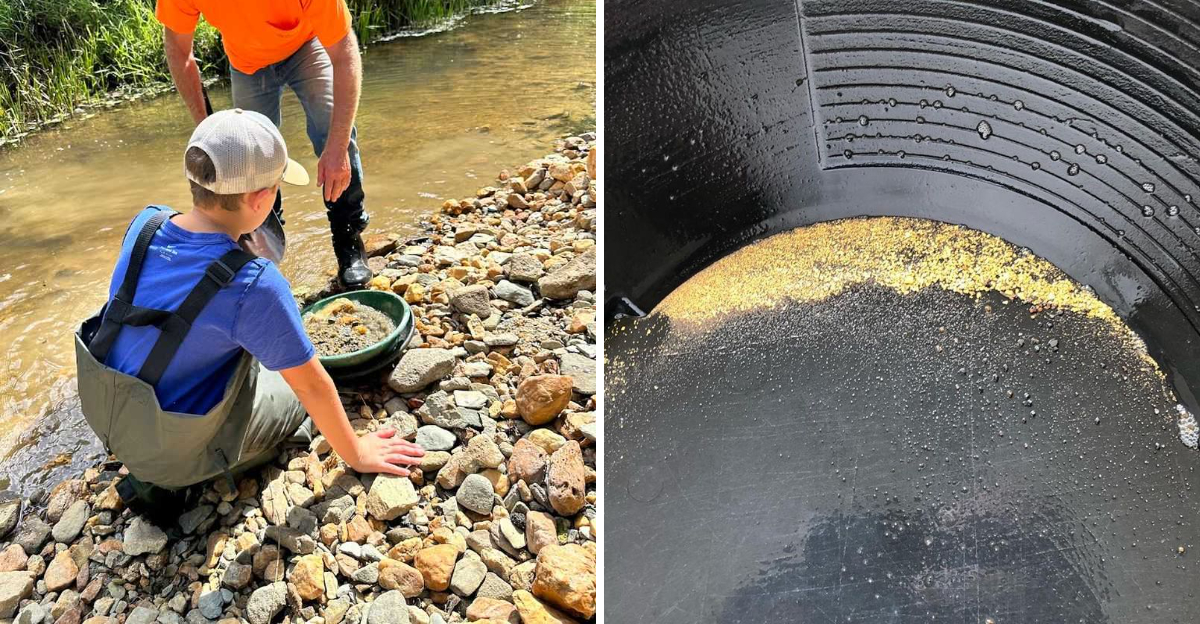
Gold fever sounds like something that belongs in an old movie, but Tennessee still lets curious visitors chase a little sparkle the old-fashioned way. A forest creek, a pan, and some patience can turn an ordinary outing into a hands-on treasure hunt.
No fancy setup needed. No big admission fee waiting at the start. Just moving water, muddy shoes, and the tiny thrill of wondering what might be sitting beneath the gravel. That is what makes this spot feel so different.
Kids can pretend they are explorers. Adults can get just as competitive, even if they refuse to admit it.
The fun comes less from striking it rich and more from trying. Tennessee has plenty of pretty trails, but this one adds a playful mission to the scenery.
Suddenly, a simple creek visit feels like a story you get to join.
The Allure Of Ancient Streams In Cherokee National Forest
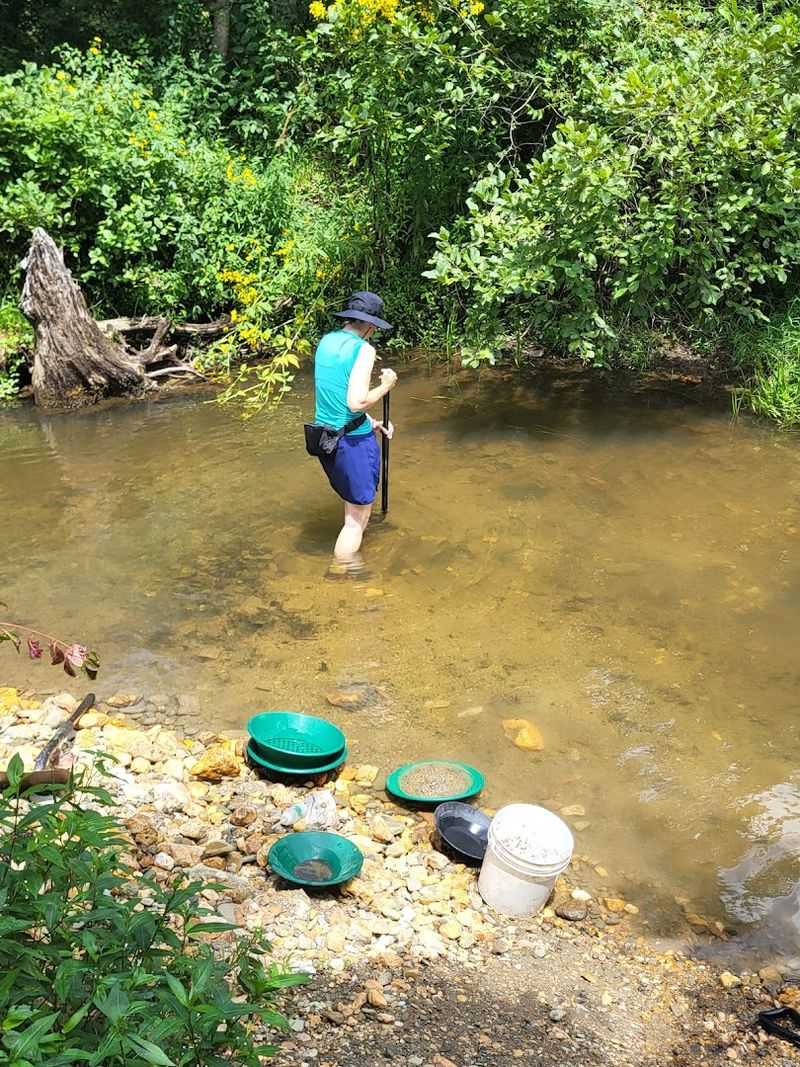
Long before anyone thought to call it a tourist activity, people were kneeling beside these creeks with pans and patience, hoping for a glint of something precious.
The Cherokee National Forest in eastern Tennessee carries that same energy today, quiet but charged with possibility.
The streams here have been yielding placer gold since the early 1800s, and the water has not forgotten its history.
Coker Creek sits at the heart of this region, drawing visitors who want more than a standard outdoor trip. The area around Tellico Plains offers a rare combination of accessible wilderness and genuine historical depth.
You are not looking at a reconstructed experience here. The gold is real, the creeks are original, and the effort required is honest.
Class 1 hand panning is permitted in designated streams within the forest, meaning anyone can participate without permits or mechanized equipment. Lyons Creek and Wildcat Creek are among the recognized collection sites.
The experience rewards those who slow down, pay attention to the current, and learn to read the subtle language of a moving streambed.
A Legacy Etched In Riverbeds Since 1827
In 1827, prospectors arrived in Monroe County with little more than ambition and a rumor of riches. What they found along Coker Creek confirmed the rumors.
By 1831, hundreds of miners were actively working the streams and gullies of this corner of Tennessee, making it one of the earliest and most active gold districts in the entire southeastern United States.
The period between 1856 and 1860 brought peak activity to the region, with prospectors converging on the uplands and creek channels in significant numbers.
Coker Creek eventually contributed a notable share of Tennessee’s total historical gold output, a fact that still anchors the identity of this small community today.
The area around 12451 TN-68, Tellico Plains, TN 37385 carries that legacy with quiet pride.
What makes this history particularly compelling is that it did not vanish. The gold did not run out.
Visitors today still find flakes and specs in the same water that drew fortune-seekers nearly two centuries ago. That continuity between past and present gives the activity a weight that most recreational pursuits simply cannot offer.
The Camp That Sits Directly On The Creek
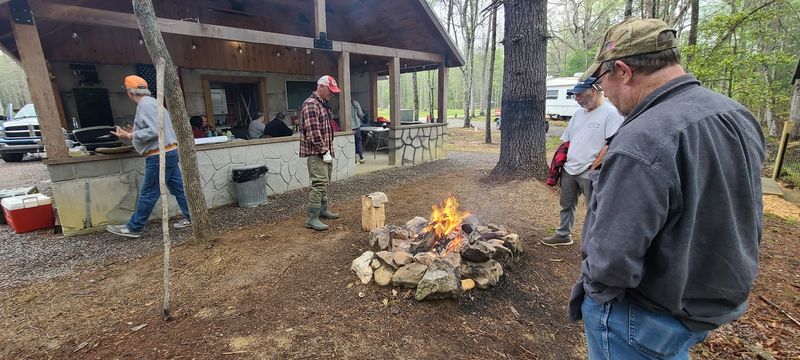
Coker Creek Gold Camp operates as both a campground and a learning center for gold prospecting, and its location along the creek is its most practical feature. Campers can walk directly from their site to the water.
That proximity removes the logistical layer that most outdoor activities require and replaces it with something more immediate.
The camp offers full hookup RV sites alongside tent camping areas, making it accessible to a range of travelers. Restrooms and showers are kept clean, hot water is available, and WiFi is on hand for those who need a connection.
Spring water is potable on site. Firewood is available for purchase, and the fire-side atmosphere in the evenings has its own appeal after a day spent working the creek.
Owners Denise and Mitch Miller run the operation with genuine hospitality and a real knowledge of the surrounding area.
Camp host Brian brings humor and hands-on instruction to the experience, helping beginners find their footing in the water without making the process feel intimidating.
The combination of practical amenities and personal attention makes this a campground that functions more like a community than a facility.
What To Bring And What To Leave Behind
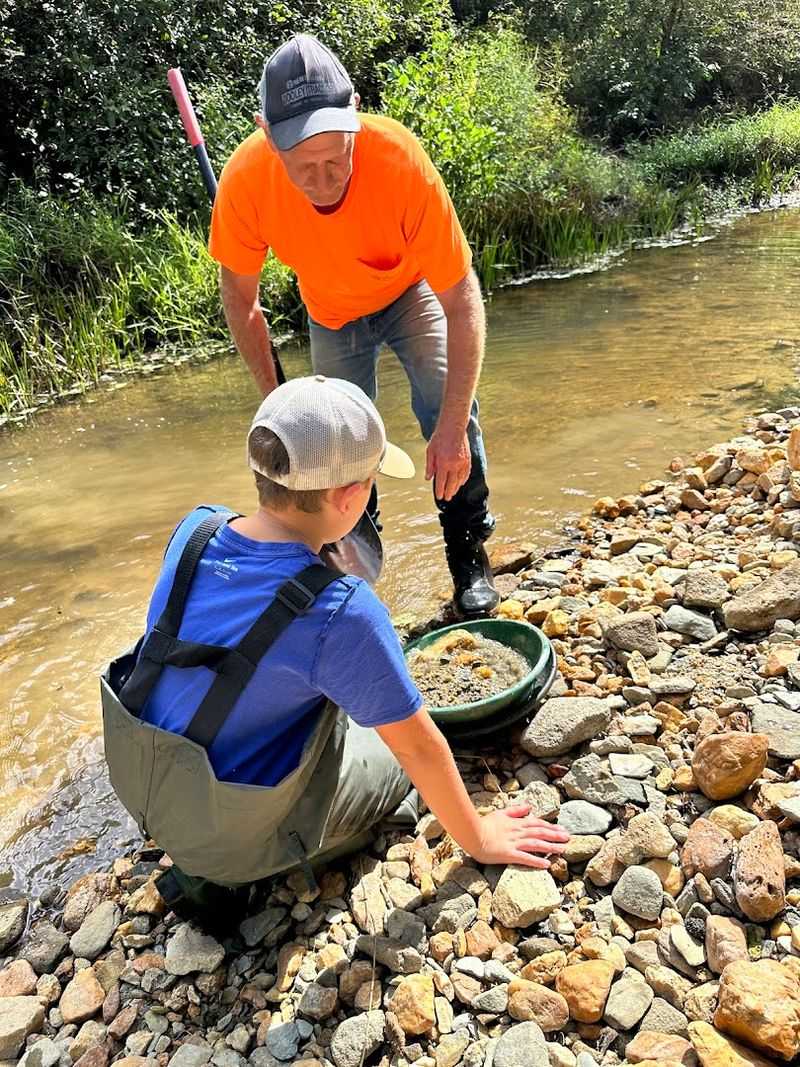
There is a satisfying simplicity to the gear list for gold panning. A round or square gold pan forms the foundation, designed with ridges that catch heavier material while lighter sediment washes away.
Beyond that, a small hand shovel, a trowel for digging into tighter spots, and a snug-lidded vial for storing any finds round out the essentials.
Optional additions include a bucket for carrying material from the creek to a working spot, a mesh screen for removing larger rocks before panning, a sniffer bottle for drawing up fine flakes, and suction tweezers for picking out individual pieces.
None of these items are complicated, and none require a significant investment.
The camp at Coker Creek also has equipment available, so first-timers do not need to purchase anything before arriving.
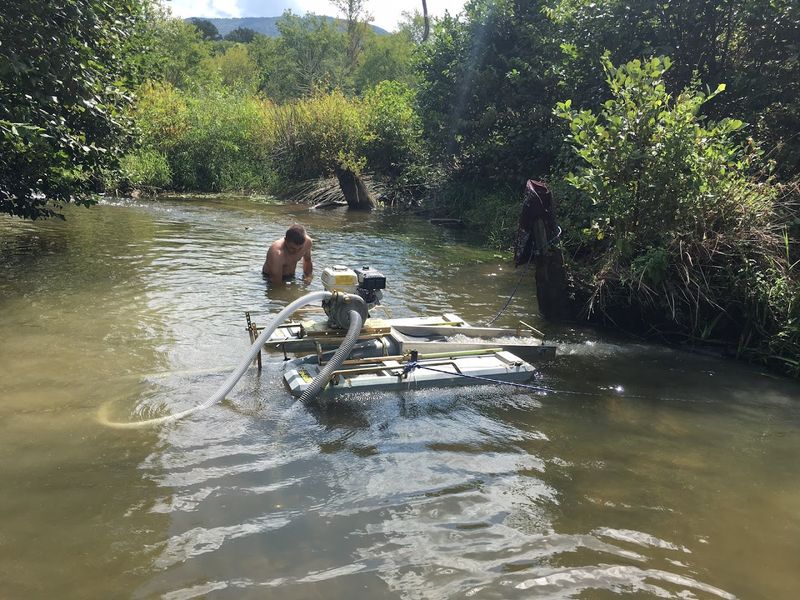
Leave behind any motorized or mechanized equipment, as these are prohibited under Class 1 prospecting guidelines.
Excavation must stay within the streambed below the waterline, and digging within twelve inches of the bank is not permitted.
Following these rules protects the environment and keeps the experience available for future visitors.
Reading The Creek Like A Seasoned Prospector
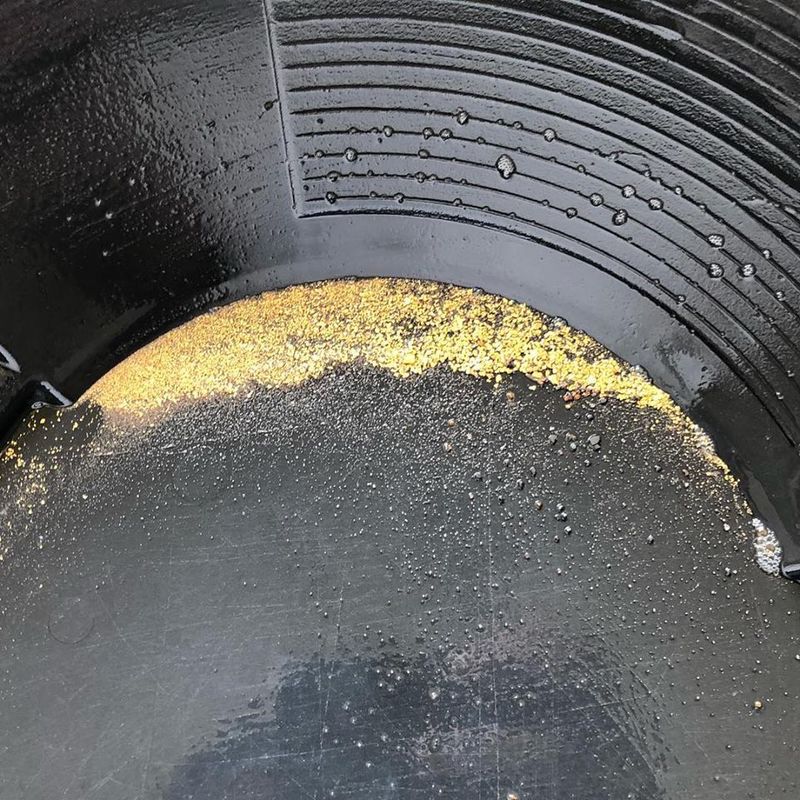
Gold does not scatter randomly through a creek. It follows specific patterns dictated by water velocity, streambed geometry, and the weight of the metal itself.
Understanding those patterns is what separates a productive hour of panning from a frustrating one. Gold settles where the current slows, making the inside of bends and the downstream side of large boulders particularly promising spots.
Natural depressions in the streambed collect heavy material over time, and gold frequently rests on or just above a clay layer rather than mixing deep into loose gravel.
The top inch or two of sediment in these low-velocity zones is worth examining carefully.
Soils with a dark or reddish tone often indicate elevated iron content, which can accompany gold-bearing material in this region.
The staff at Coker Creek Gold Camp teach these principles in a practical, creek-side setting.
Brian, the camp host, has a reputation for guiding visitors directly to productive spots and staying with them until they find their first flake.
That kind of hands-on instruction shortens the learning curve considerably and makes the whole process feel far less like guesswork and far more like a skill worth developing.
Trails, Waterfalls, And The Unicoi Turnpike
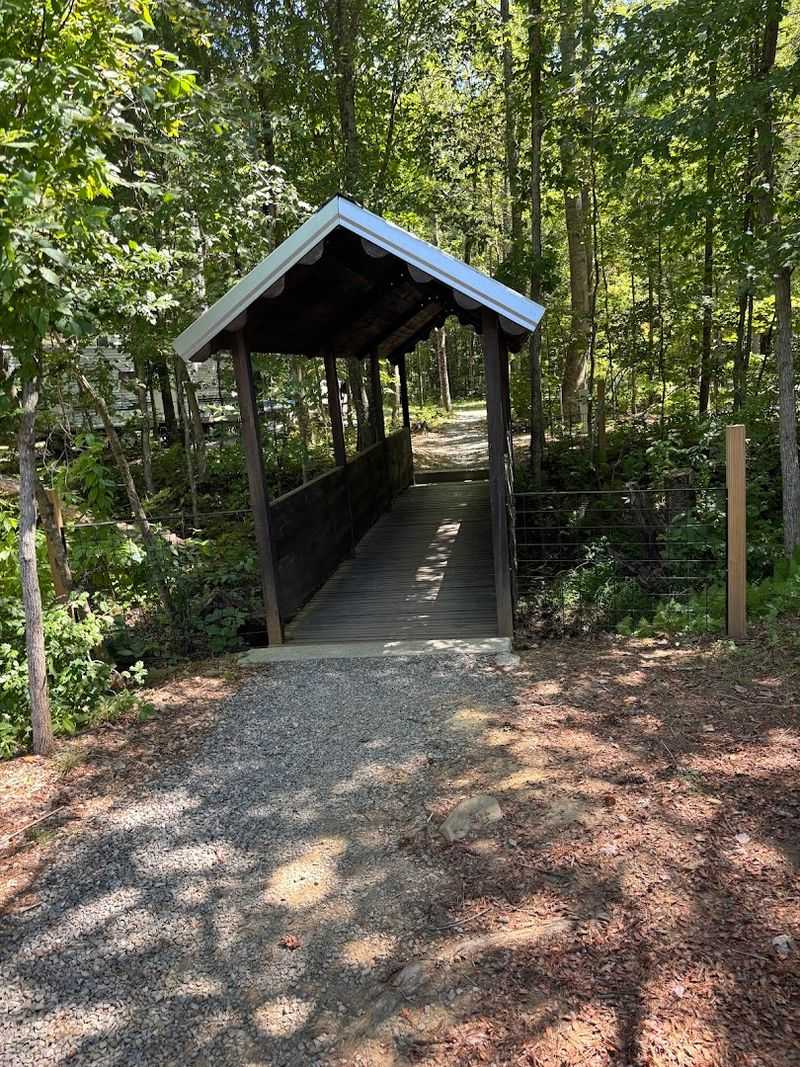
Gold panning draws visitors to Coker Creek, but the surrounding landscape offers far more than a single activity. The Cherokee National Forest and the Unicoi Mountains together create a wilderness setting with genuine range.
Hiking trails of varying difficulty branch outward from the area, leading to cascading waterfalls, elevated ridgelines, and dense forest corridors that feel genuinely remote.
The Coker Creek Falls Trail is a popular route among day hikers, delivering a rewarding destination without requiring technical skill.
For those interested in the layered history of the region, the Unicoi Turnpike Trail follows an ancient travel route that once served as a path during the forced relocation of Cherokee people along what became known as the Trail of Tears.
Walking that trail carries a different kind of weight than most forest hikes.
Fishing is another option in these waters, and the camp’s creek access makes it easy to shift between activities throughout the day. The area functions well as a multi-day base for exploration rather than a single-purpose stop.
Each direction from camp opens onto something worth seeing, making the stay feel productive regardless of how many gold flakes end up in the vial.
Events, Kids Days, And Gold Expeditions
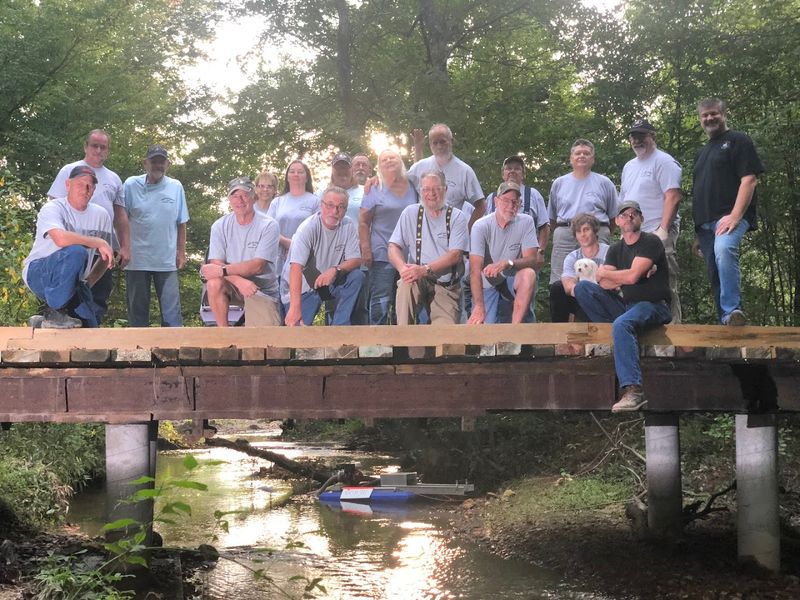
Beyond the standard campground experience, Coker Creek Gold Camp occasionally hosts organized events that bring additional structure and energy to the site.
Gold expeditions and Kids Days have both been offered in the past, drawing families who want a more guided version of the prospecting experience.
These events tend to fill up, so checking ahead with the camp before planning around one is a practical step.
Kids respond particularly well to the activity because the outcome is tangible. Finding an actual gold flake, however small, produces a reaction that no screen-based entertainment can replicate.
The camp staff are attentive to younger visitors and take care to make sure children leave with both gold and a sense of accomplishment.
Parents tend to get pulled into the process too, which makes for a genuinely shared experience rather than a supervised one.
Rumors circulating among regular visitors suggest a restaurant may be opening nearby, and a powwow event has also been mentioned as a possibility.
The camp continues to grow and develop its offerings, with updates to facilities and programming happening on an ongoing basis.
For families seeking an outdoor trip with more dimension than a standard campsite, this location delivers consistently.
Why This Creek Keeps Drawing People Back
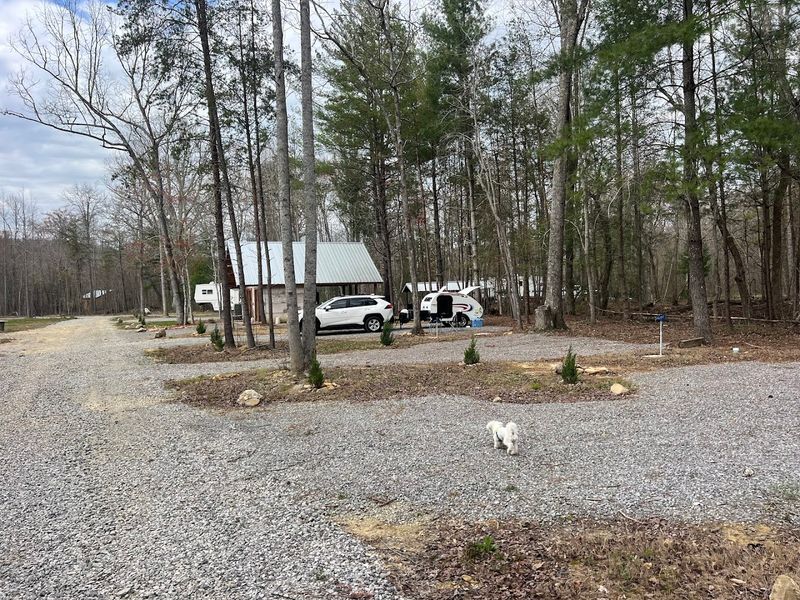
There are campgrounds across Tennessee that offer clean facilities, friendly staff, and attractive surroundings. Coker Creek Gold Camp has all of those things, but the creek itself is what creates the repeat visits.
People come once out of curiosity and return because the experience stays with them in a way that passive outdoor recreation rarely does. Finding gold, even a tiny flake, produces a memory with a specific texture.
The camp draws visitors from Florida, Las Vegas, and states well beyond Tennessee, which says something about its reach.
Word travels through the prospecting community, and the camp has built a reputation for honest instruction and genuine access to gold-bearing material.
The host staff’s willingness to stay in the water with visitors until they find their first piece is a detail that comes up repeatedly in conversations about the place.
The combination of historical weight, natural beauty, practical amenities, and a skill-based outdoor activity creates something that is increasingly rare in recreational travel.
A visit to 12451 TN-68, Tellico Plains, TN 37385 does not feel like a packaged experience.
It feels like time spent in a place that has its own reasons for existing, independent of tourism, and that authenticity is what keeps the creek calling people back.