
This Tennessee Mountain Town Is So Remote That Most Locals Have Never Visited
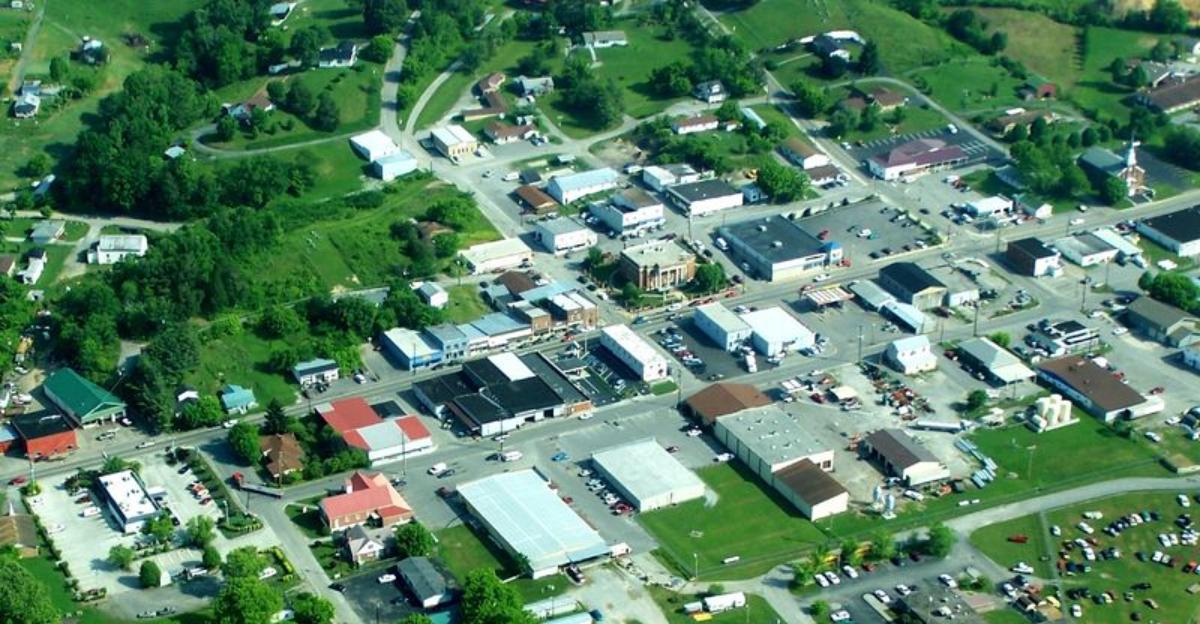
Tennessee is full of surprises, but some of them take real effort to find. Certain towns sit so far off the map that even lifelong residents have never made the trip.
This is one of them. Getting there means winding through ridge after ridge of Appalachian backcountry, where the roads twist more than they straighten and the signal on your phone gives up before you do.
It feels less like driving to a town and more like driving into another era entirely. The mountains close in around you, the farms stretch wide between the hollows, and the whole place moves at a pace that most of the state forgot existed.
Tourists don’t come here. There are no crowds, no parking lots full of out-of-state plates, no lines. Just a real Appalachian community living exactly the way it always has, deep in a valley that most Tennesseans have never seen with their own eyes.
The Only Road In Tells You Everything You Need To Know
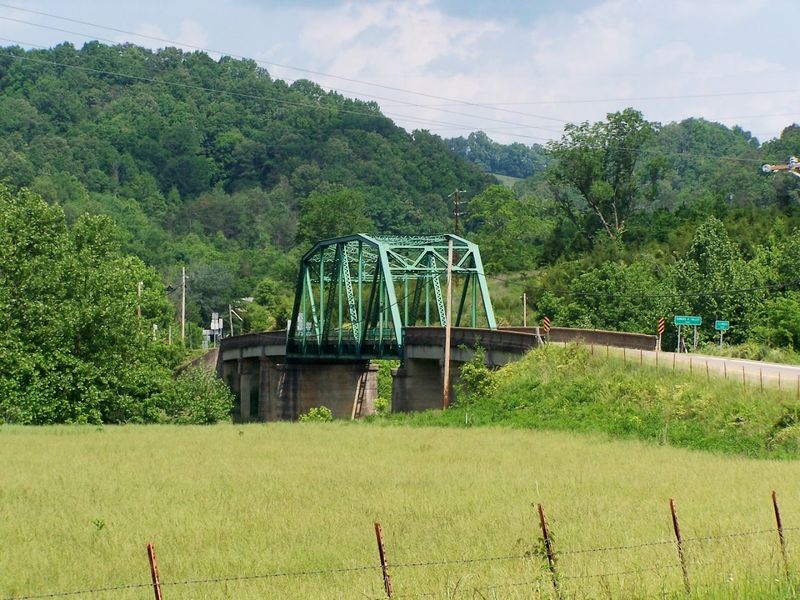
Ask someone from Knoxville how to get to this town and watch their face. Most will pause, squint, and eventually say something like, “You can’t really get there from here.” That phrase, repeated by locals with casual certainty, is not an exaggeration.
This county seat of Hancock County sits in one of the most geographically isolated pockets of the entire state.
There is essentially one practical road in and out of town. That single route winds through ridgelines and hollow valleys that have kept the outside world at a comfortable distance for generations.
The terrain does the talking. Steep grades, sharp turns, and limited signage greet anyone willing to make the drive. For residents, this is simply Tuesday. They know these roads by feel, by season, and by the particular way morning fog settles across the Clinch River corridor.
For a first-time visitor, the drive itself becomes the experience. The road does not invite casual detours or accidental arrivals.
You come to this place on purpose, or you do not come at all. That kind of intentionality gives the town a rare, quiet dignity that most American small towns lost decades ago.
Hancock County Holds The Title Of Tennessee’s Most Isolated
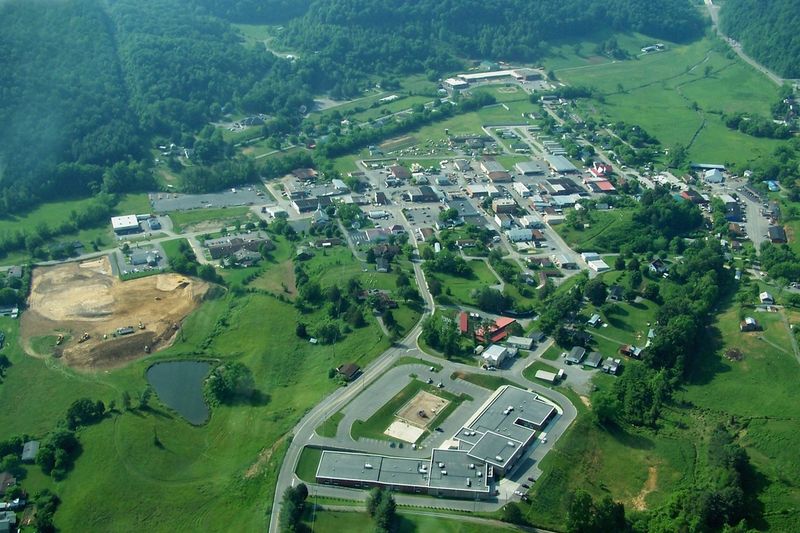
Hancock County is not merely rural. It occupies a category of its own, consistently ranking among the most economically and geographically isolated counties in the entire southeastern United States.
Sneedville sits at the heart of this isolation, surrounded by ridges that effectively function as natural walls.
The county has no interstate access, no commercial airport, and limited public transportation infrastructure. Approximately 90 percent of working residents drive alone to their jobs, and many commute to neighboring counties because local employment options remain scarce.
The average commute stretches around 29 minutes each way, a notable figure for a town covering just 2.3 square miles.
Schools and healthcare facilities represent the largest employers in the area, which gives the community a particular internal cohesion. People here depend on each other in practical, daily ways that larger towns rarely experience.
That interdependence has shaped a culture of self-reliance and neighborly familiarity that visitors often notice immediately.
Hancock County may not appear on many travelers’ itineraries, but its combination of raw geography and tight community life makes it genuinely unlike anywhere else in Tennessee.
The Clinch River Runs Through Town Like A Quiet Backbone
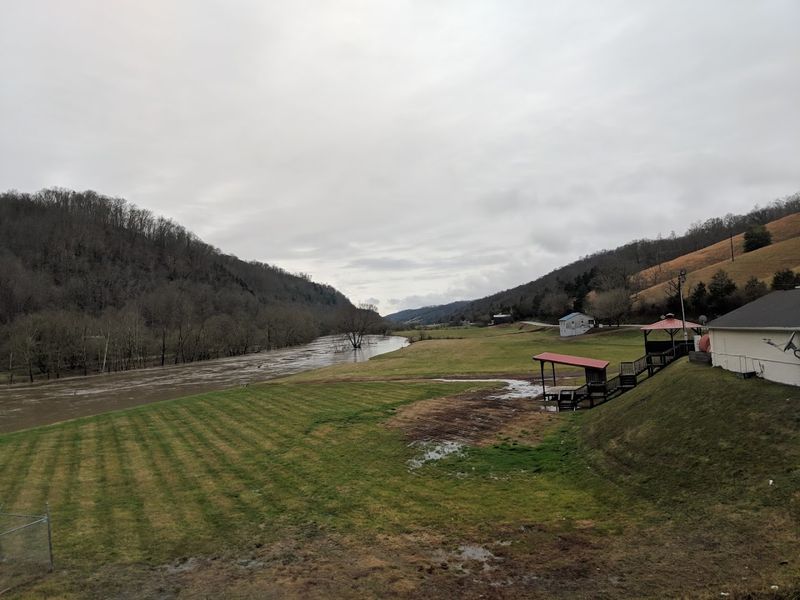
Water defines a place more than most people realize. In Sneedville, the Clinch River moves through town with the unhurried confidence of something that has been there far longer than any building or road.
It is not a dramatic river in the way that postcards demand, but it carries a steady, reliable presence that locals have organized their lives around for generations.
The Clinch is ecologically significant in ways that extend well beyond Sneedville. It supports one of the highest concentrations of freshwater mussel and fish biodiversity in North America, a fact that draws biologists and conservationists even when tourists stay away.
The river’s relative health is a direct product of the county’s low industrial activity, which is itself a consequence of its isolation.
Standing at the riverbank on a weekday morning, you are unlikely to share the view with anyone. A heron might pass. The water moves. The ridgelines hold their position in the background with practiced stillness.
There is something restorative about a place where nature has not been asked to compete with development. The Clinch River in Sneedville offers exactly that, and it does so without any fanfare whatsoever.
A Population Of 1,282 People Who All Know Your Name
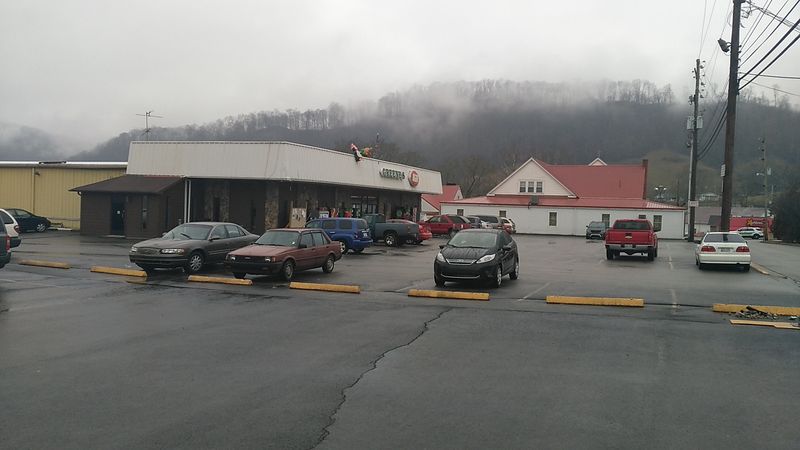
The 2020 census counted 1,282 people living in Sneedville. That number is small enough that the concept of anonymity essentially does not apply.
When you walk into a local diner or a hardware store, the person behind the counter is not performing friendliness. They are genuinely curious about who you are and why you came.
This quality of social life has a specific texture that larger towns manufacture and sell as an experience but rarely deliver authentically. In Sneedville, it is simply the default mode of human interaction.
Neighbors track each other’s routines, look after each other’s properties, and show up without being asked when something goes wrong.
Outsiders sometimes interpret this closeness as insularity, and to some degree that reading is fair. Communities shaped by geographic separation tend to develop strong internal bonds alongside a measured wariness toward the unfamiliar.
But most visitors who spend more than a few hours in Sneedville report that the wariness dissolves quickly once residents sense genuine interest rather than curiosity of the condescending kind.
The town is small, yes. But the people in it carry a fullness of character that no census figure can adequately represent.
Melungeon Heritage Gives Sneedville A History Unlike Any Other
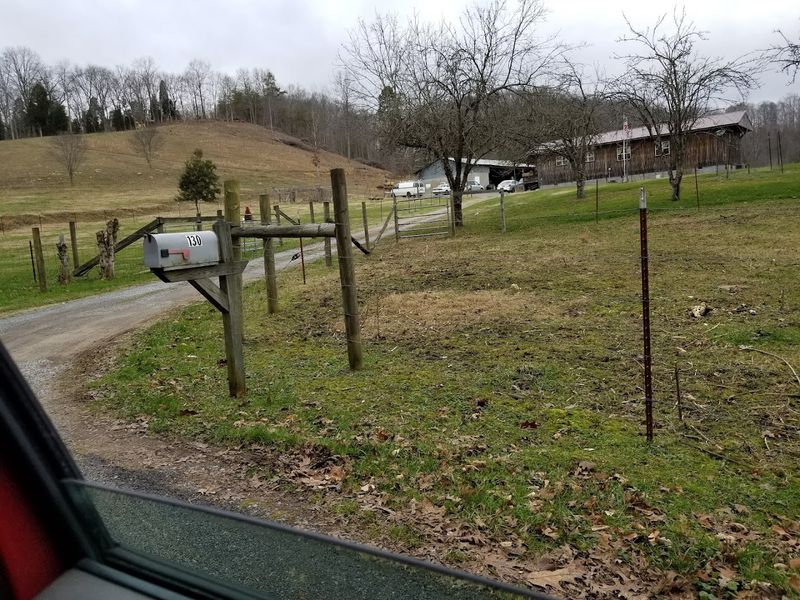
Few American towns carry a cultural history as layered and contested as Sneedville’s.
The area sits at the geographic center of Melungeon heritage, a term referring to a mixed-ancestry population of Appalachian people whose origins have been debated by historians, geneticists, and community members for well over a century.
The Melungeons were documented in Hancock County long before the Civil War, described variously as mysterious, independent, and difficult to categorize within the racial classifications of their era.
Modern genetic studies suggest a mixture of sub-Saharan African, European, and possibly Native American ancestry, though the conversation remains active and nuanced. Sneedville and the surrounding Newman’s Ridge area are central to this story.
The Melungeon Heritage Association holds annual gatherings that draw researchers, descendants, and curious visitors from across the country. These events bring a rare kind of energy to a town that otherwise moves at its own pace.
Understanding this history adds considerable depth to any visit. Sneedville is not simply remote by accident. Its geography attracted people who needed or wanted to exist outside the boundaries that mainstream American society kept drawing around them.
That history is alive in the landscape and in the faces of the people who still call it home.
Newman’s Ridge Looms Over The Town With Quiet Authority
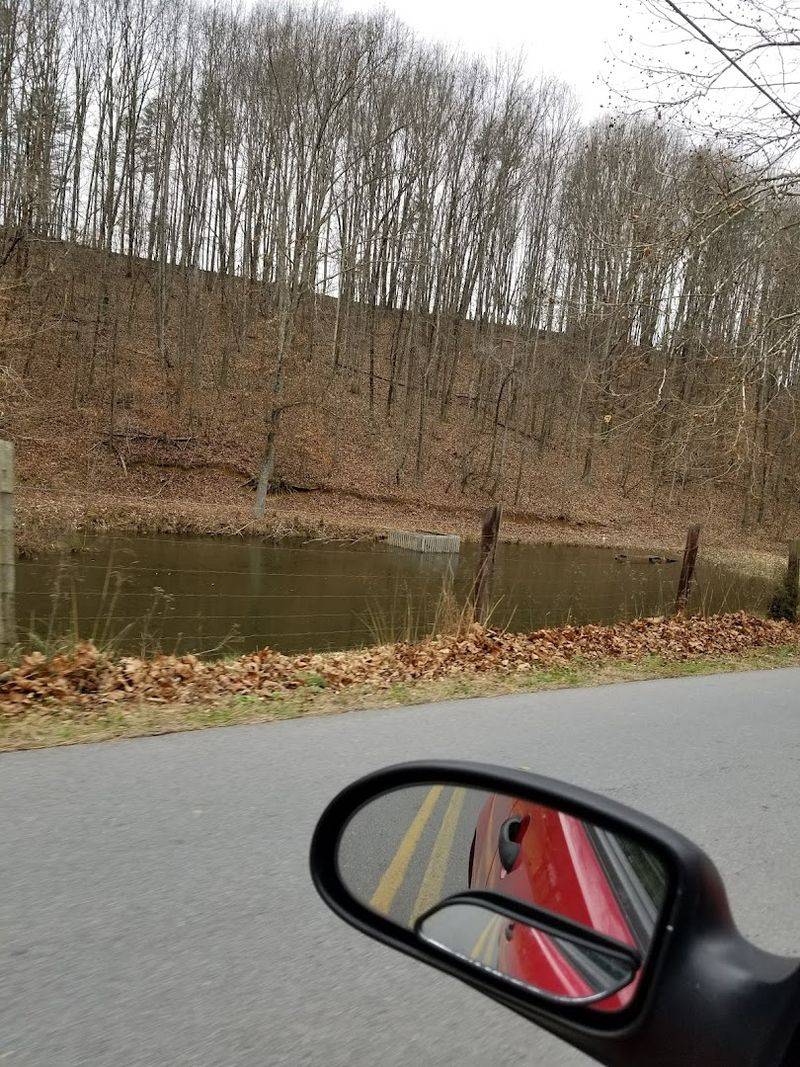
Newman’s Ridge rises above Sneedville with the kind of presence that makes you look up instinctively.
It is not the tallest feature in the region, but its long, unbroken profile and the density of its forest give it a commanding quality that local residents acknowledge with a familiarity born of daily proximity.
Historically, Newman’s Ridge served as a refuge. The Melungeon communities who lived along its slopes in the 18th and 19th centuries chose the elevation deliberately, seeking distance from the legal and social pressures of the valley communities below.
The ridge became associated with independence, privacy, and a particular brand of Appalachian self-sufficiency that has never entirely faded.
Today the ridge offers hiking and seasonal hunting, though formal trail infrastructure remains minimal. That lack of development is precisely what makes it worth the effort.
Reaching the upper slopes means navigating unmarked terrain through second-growth hardwood forest, with occasional clearings that open to views of the valley and the town below.
Sneedville from above looks even smaller than its census numbers suggest, a handful of rooftops surrounded by an enormous quantity of green.
The ridge puts the town’s scale into honest perspective in a way that a map simply cannot.
Local Schools And Clinics Anchor The Entire Community’s Daily Life
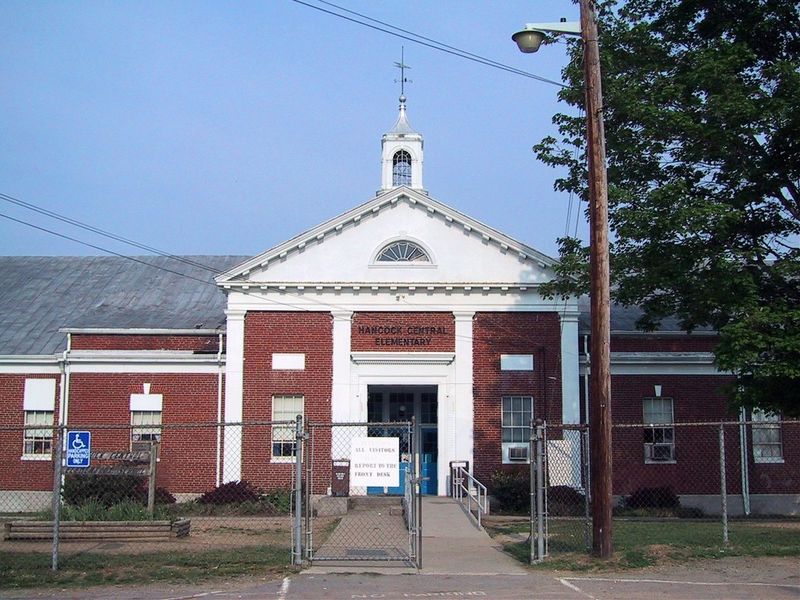
In towns where the private sector offers limited footing, public institutions carry a disproportionate social weight.
Sneedville’s schools and healthcare facilities are not just services. They are the primary economic engines of Hancock County, employing a significant share of the local workforce and providing a daily structure that the broader community organizes itself around.
Hancock County High School functions as a genuine community hub. Friday night football games draw crowds that represent a meaningful percentage of the town’s total population.
The school building is one of the largest and most consistently maintained structures in the area, a visible investment in continuity that speaks to local priorities.
Healthcare access, on the other hand, presents ongoing challenges. Residents requiring specialized medical attention typically travel considerable distances to reach facilities in Rogersville or Morristown.
This reality shapes how people think about health, planning, and self-reliance in practical, daily ways.
Local clinics do important work within their resource constraints, and the staff members who choose to practice medicine in Hancock County tend to develop deep, long-term relationships with their patients.
That continuity of care, rare in many American communities, is one of the quiet advantages of living somewhere that most people have never visited.
Getting There Requires Commitment And A Full Tank Of Gas
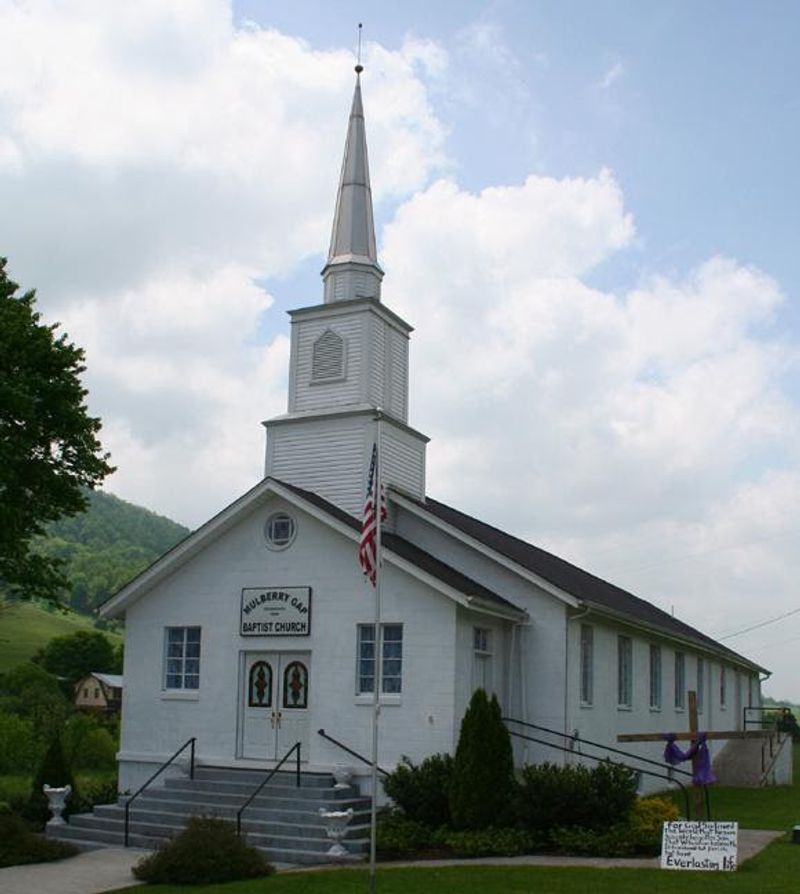
Sneedville does not reward impulsive detours. The town sits roughly 75 miles northeast of Knoxville, but the drive time stretches well beyond what that distance implies on a standard map.
The roads connecting Sneedville to the broader highway network wind through mountain terrain that demands patience, attentiveness, and a genuine appreciation for the process of getting somewhere.
State Route 31 and State Route 33 serve as the primary arteries into town. Both routes pass through landscapes that have changed very little over the past several decades.
Pastures, creek beds, church steeples, and weathered farmhouses mark the progress of the drive in a way that feels more like reading a book than covering miles.
Cell service becomes unreliable well before you reach the town limits, which functions as an informal announcement that you have entered a different kind of place. Download your directions before you leave.
Carry a physical map if you own one. Bring more water and snacks than you think you need. These are not dramatic precautions. They are the sensible preparations of someone who respects the terrain.
Sneedville, Tennessee 37869, rewards exactly that kind of respect with scenery and solitude that are genuinely difficult to find anywhere else in the state.
Why This Town’s Obscurity Is Actually Its Greatest Strength
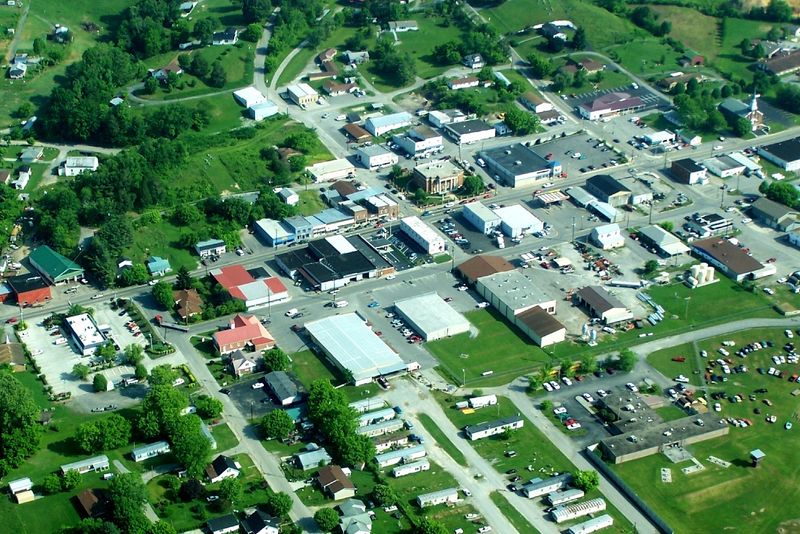
There is a particular kind of place that survives precisely because it was never discovered. Sneedville belongs to that category, and the longer you spend there, the more you understand why its obscurity functions as preservation rather than neglect.
The town has not been softened by tourism dollars or reshaped to meet outside expectations. What remains is something increasingly rare in American life: a community that exists primarily for the people who live in it.
The stores stock what locals need. The conversations at the counter are not performed for anyone’s benefit. The pace of daily life reflects the actual rhythm of the place rather than a curated version designed to attract Instagram engagement.
Travelers who find Sneedville tend to leave with a specific kind of quiet satisfaction that is hard to articulate but easy to recognize. It is the feeling of having seen something genuine in a world that increasingly stages its own authenticity.
The mountains do not move for you. The river does not speed up. The people do not pretend to be a destination.
And somehow, in all of that honest indifference, Sneedville becomes one of the most memorable places in Tennessee. The ones who never visit are, in a certain sense, the ones missing out the most.