
This Tennessee Museum Celebrates The State’s Farming Roots In A Sweetly Nostalgic Way
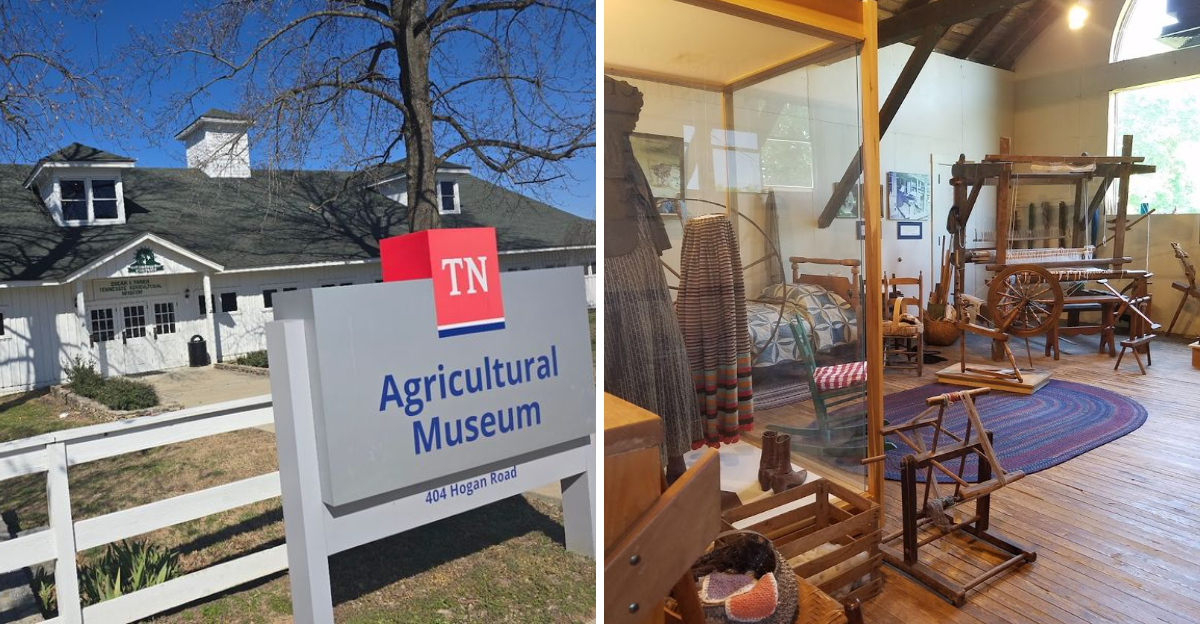
Tennessee was built on the land. Before the music, before the tourism, before the hot chicken and the honky tonks, there were farmers.
Hardworking, resourceful, deeply rooted Tennessee farmers who shaped this state from the ground up. There is a museum that honors every single one of them in the most wonderfully nostalgic way imaginable.
Old tools. Antique farm equipment.
A way of life carefully preserved and beautifully displayed for anyone willing to slow down and pay attention. Have you ever wondered what Tennessee looked like before the highways and the high-rises?
This place will show you. It is quiet.
It is genuine. It is an experience that makes you feel something unexpectedly deep.
A Renovated Barn That Holds More History Than You Might Expect
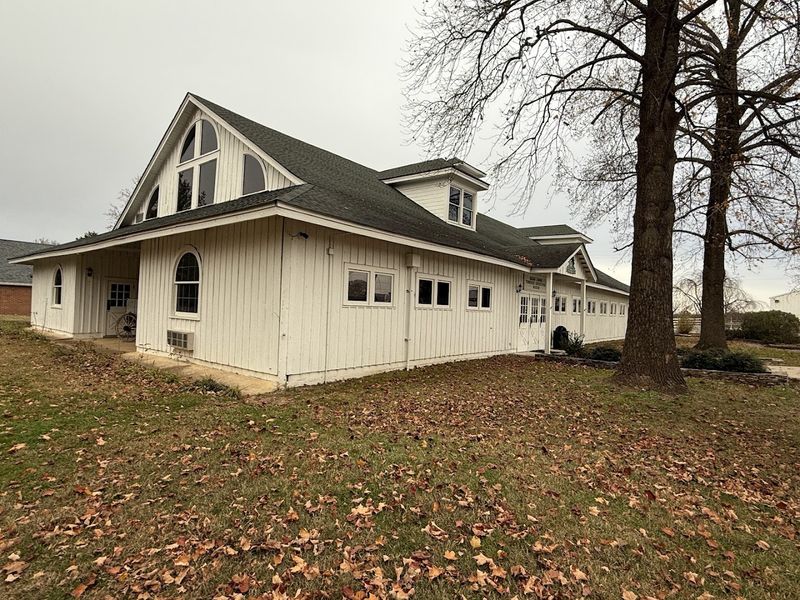
Not every museum announces itself with grand columns or a dramatic entrance. This one makes a quieter impression, housed inside a former horse barn that once belonged to the Brentwood Hall estate, which was owned by financier Rogers Caldwell.
The building itself carries a history before a single artifact was placed inside it.
The barn was transformed into a museum space after the Tennessee General Assembly established the institution in 1957. The building fits its surroundings naturally, blending into the rolling landscape without competing with it.
Two levels of exhibit space greet visitors, with wooden beams overhead and display cases arranged throughout. The atmosphere is calm and unhurried, which suits the subject matter perfectly.
Visitors often describe the experience as similar to walking through a well-organized antique shop, one where every item has a story attached to it. The staff at the front desk are quick to offer guidance and context, making the self-guided tour feel more like a conversation than a solitary wander through old rooms.
Over 4,000 Artifacts Telling The Story Of Tennessee Farm Life
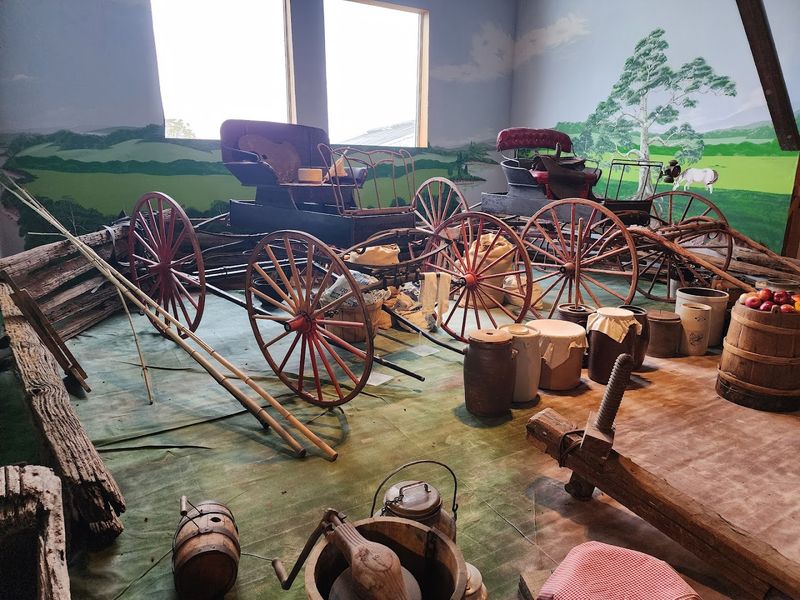
Four thousand artifacts is not a small number. At the Tennessee Agricultural Museum, that collection spans from the earliest days of farming in the state all the way through to the mid-twentieth century, representing a period when rural life operated almost entirely without electricity.
Each object carries the fingerprints of real working people.
The collection includes 19th and early 20th-century home and farm items, rural Tennessee prints, handmade textiles, woodworking tools, buggies and wagons. Also, there’s a McCormick reaper that looks every bit as serious as it must have been in the field.
A Jumbo steam engine draws considerable attention from visitors who appreciate the mechanical ingenuity of earlier generations.
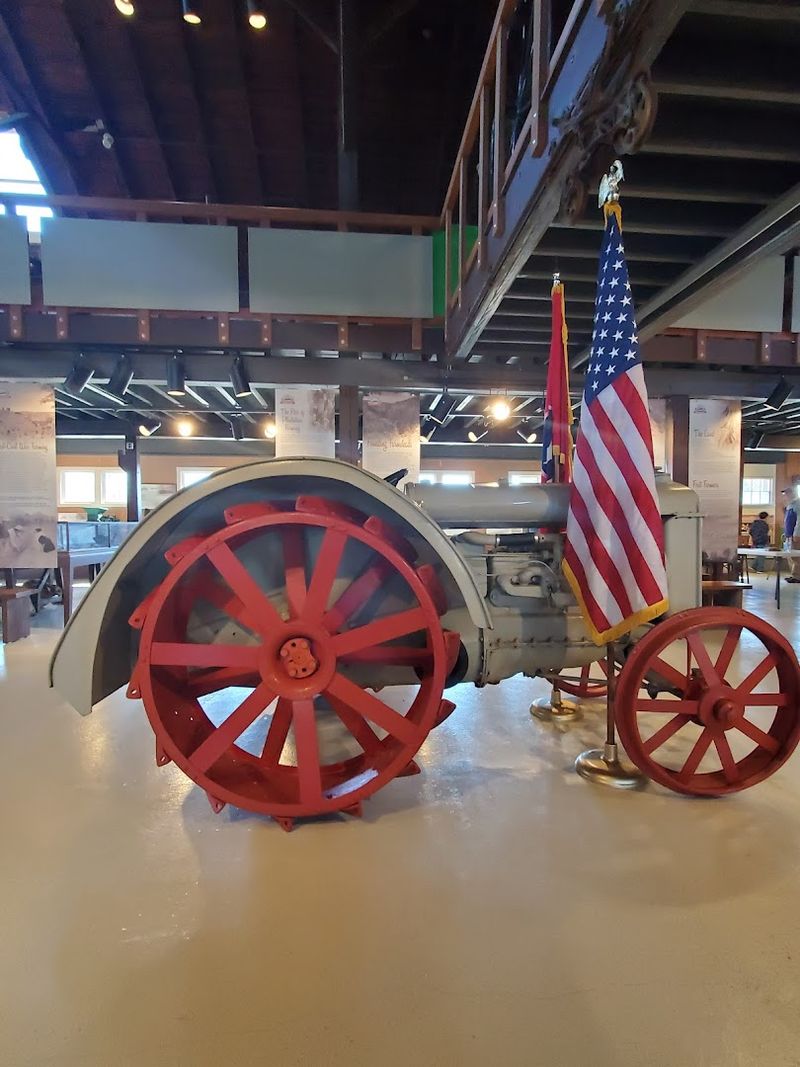
Vintage tractors and mule-drawn farm equipment round out the displays, giving a broad picture of how agricultural technology evolved over time. Some visitors have noted that certain items lack detailed labels, which can leave gaps in the story.
However, the staff are knowledgeable and genuinely enthusiastic, ready to fill in those gaps with firsthand knowledge. For anyone curious about how Tennessee families fed themselves and their communities before modern conveniences arrived, this collection is a remarkably direct window into that world.
Historic Log Cabins That Bring Early Tennessee Living Into Focus
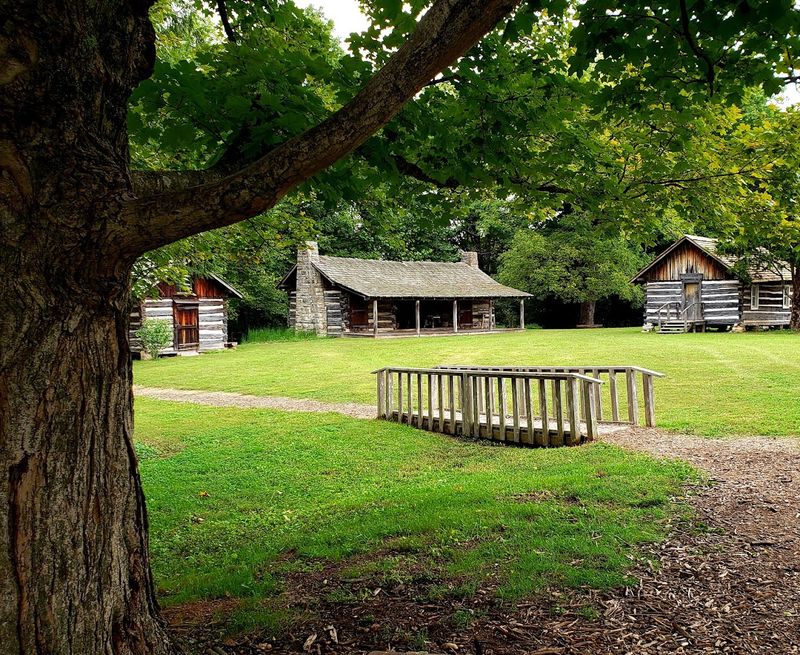
These structures are not replicas built for effect. One of the cabins served as a stable hand’s dwelling from the early 1800s, and the age of those logs shows in every weathered grain.
Children especially respond to the cabins with enthusiasm, according to multiple visitor accounts. There is something about being inside a small, low-ceilinged space and imagining daily life there that sparks curiosity in a way that wall-mounted displays sometimes cannot.
The interiors contain period-appropriate items that visitors are often encouraged to interact with, which adds a tactile dimension to the learning experience.
Another structure on the grounds depicts a one-room schoolhouse known as the Safely School, offering a glimpse into rural education during a time when one teacher managed students of all ages in a single room. These buildings give visitors a fuller sense of how farm life, domestic life, and community life were all bound together in early Tennessee.
The setting at 404 Hogan Rd in Nashville is peaceful and genuinely evocative.
The Heirloom Vegetable Garden Maintained By Master Gardeners
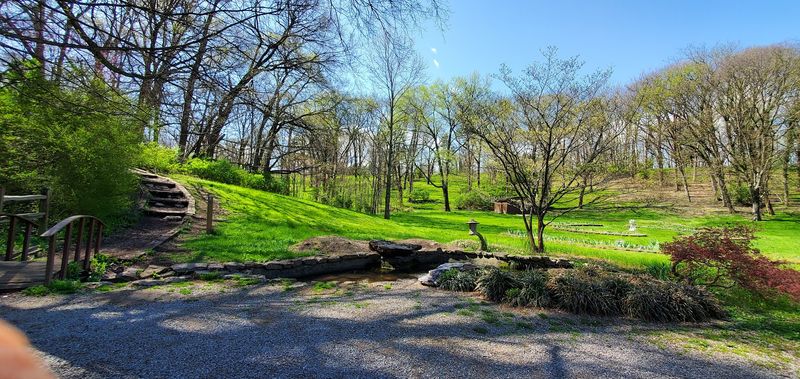
Gardens have a way of grounding a museum visit in something living and present rather than preserved and past. The heirloom vegetable garden here is maintained by the Master Gardeners of Davidson County.
The care they put into it shows clearly in the variety and vitality of what grows there.
Heirloom vegetables are varieties that have been passed down through generations of farmers, often chosen for flavor, resilience, or regional suitability rather than commercial convenience. Seeing them growing in rows alongside heritage flowers gives visitors a tangible connection to the agricultural traditions the museum works to preserve.
It is one thing to read about seed-saving practices; it is another to stand beside the plants themselves.
A kitchen and herb garden also features on the grounds, offering context for how farm families would have grown their own cooking ingredients as a matter of daily necessity. The gardens are well worth the short walk from the main building, and visitors who enjoy plants often linger here longer than anywhere else on the property.
If you are visiting on a weekday between 9 a.m. and 4 p.m., the gardens are accessible as part of the free self-guided experience.
The Tennessee Agriculture Hall Of Fame, Oldest Of Its Kind In The Nation
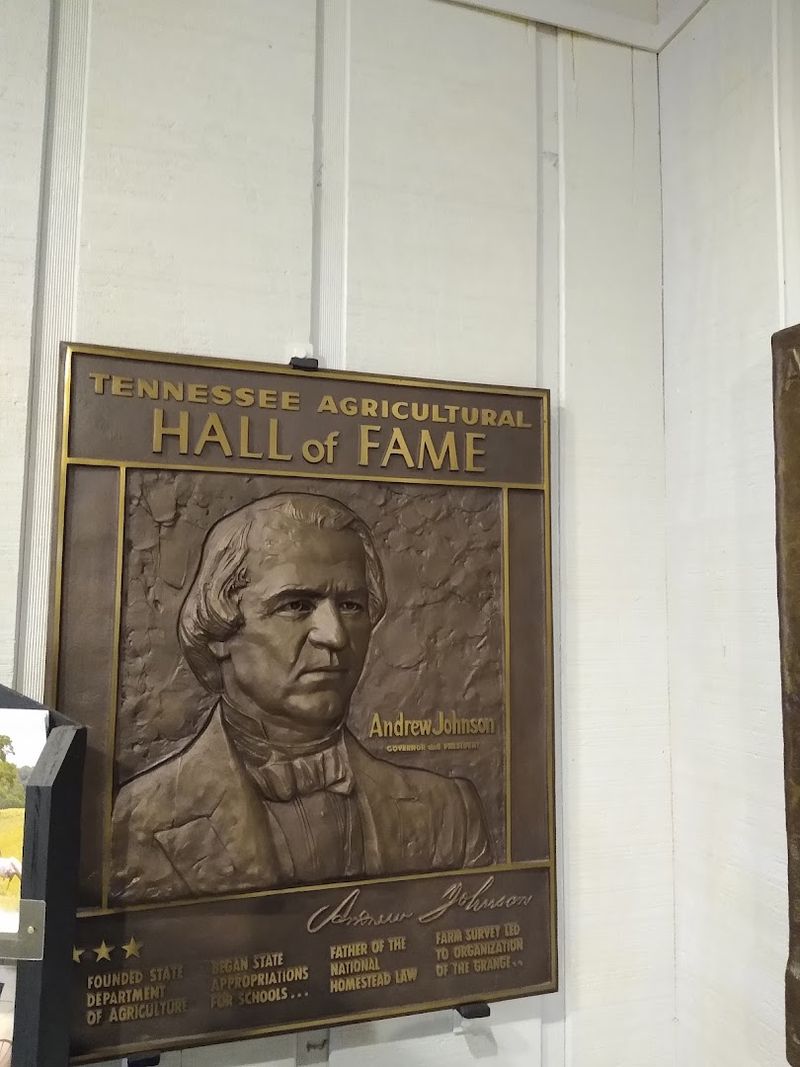
Recognition has a long memory at this museum. The Tennessee Agriculture Hall of Fame holds the distinction of being the oldest such institution in the entire country.
That is not a minor claim, and it says something meaningful about how seriously Tennessee has taken its farming identity over the decades.
The Hall of Fame honors individuals who made significant contributions to the agricultural life of the state. This includes farmers, scientists, educators, and advocates who shaped the way food was grown, processed, and understood.
Seeing names and faces connected to that legacy gives the broader museum narrative a human dimension that pure artifact display cannot always provide.
For visitors with family roots in Tennessee farming, this section of the museum can feel particularly meaningful. There is a quiet pride in the recognition of people who worked hard in fields and barns, often without public acknowledgment, and who built the agricultural foundation that the state still rests on today.
The Hall of Fame is a reminder that history is not just about objects and events but about the specific people who made choices and showed up every day to do difficult, necessary work.
The Historic Rural Life Festival Every May
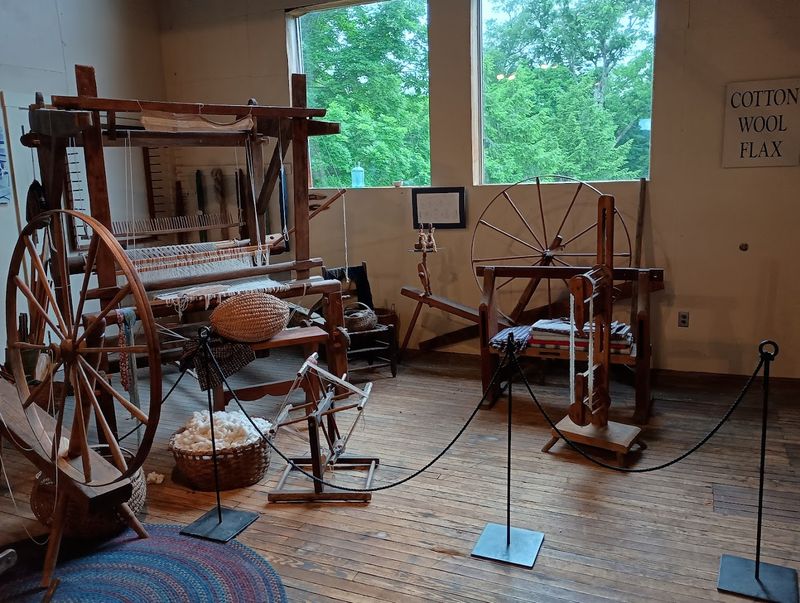
Once a year in May, the Tennessee Agricultural Museum shifts from quiet observation into active participation. The Historic Rural Life Festival draws visitors who want to do more than look at old tools behind glass.
They want to try their hand at the skills those tools were built for.
Blacksmithing, weaving, butter churning, woodworking, spinning, beehive observation, and sheep shearing are among the hands-on activities offered during the festival. Each demonstration is led by people who actually know how to do these things, which makes the experience feel authentic rather than theatrical.
Watching a blacksmith work a piece of metal at a forge, or seeing wool transformed through spinning, connects visitors to processes that sustained communities for centuries.
Families with children find the festival particularly rewarding because the activities are designed for participation rather than passive watching. The event draws thousands of visitors annually and has built a loyal following among people who return each spring specifically for it.
It adds a layer of engagement to the museum experience that is genuinely hard to replicate on a regular visiting day. Check the museum website at tnagmuseum.org for current scheduling details.
Heritage Craft Classes That Teach Forgotten Skills
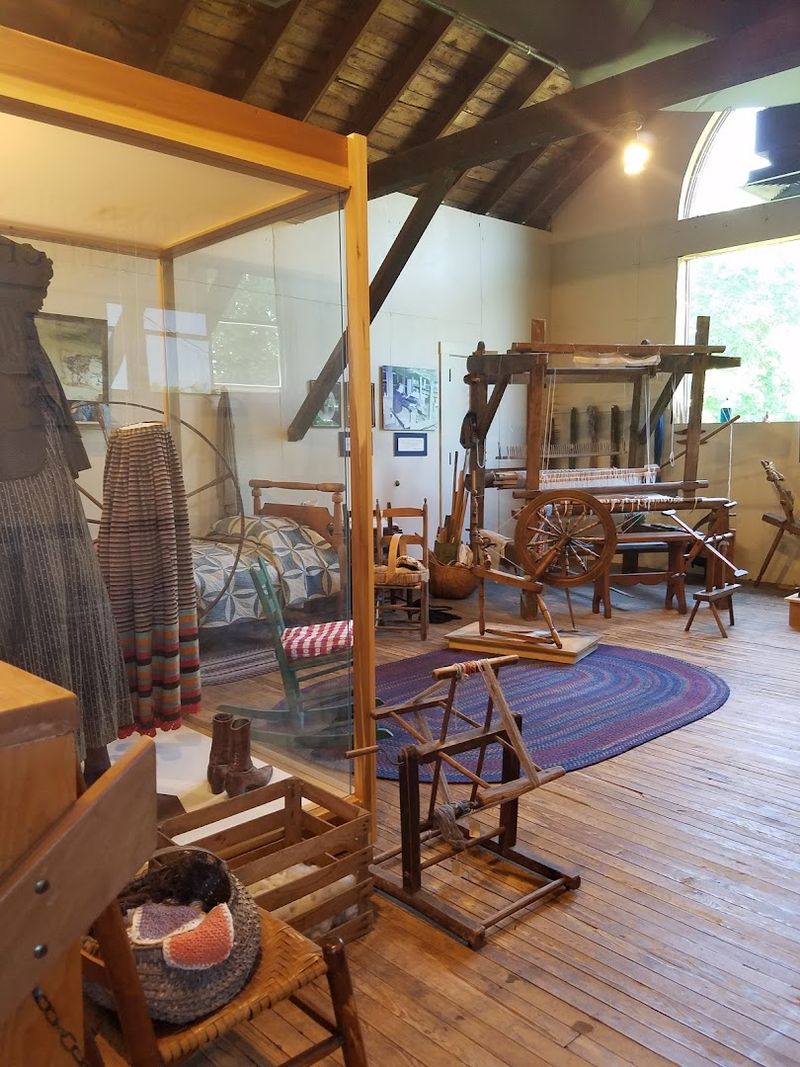
Basket-making, tatting, cast-iron skillet cooking, and felting are not skills that most people learn in school anymore. The Tennessee Agricultural Museum offers heritage craft classes that bring these traditional techniques back into practice, taught by instructors who have genuine experience with each discipline.
Tatting, for those unfamiliar with the term, is a form of lacework created using a small shuttle and thread, producing intricate patterns that were once common in rural households. Learning the specific techniques used by farm families before modern stoves changes the way you think about that heavy pan sitting in your kitchen cabinet.
These classes serve a purpose beyond nostalgia. They preserve practical knowledge that would otherwise disappear from living memory, passing it from one generation to the next through direct instruction rather than written description.
Participants often report that the experience of making something by hand, using methods developed long before industrial shortcuts existed, produces a satisfaction that is difficult to find elsewhere. The museum positions these classes as part of its broader educational mission.
This ensures that the skills represented in its artifact collection do not remain frozen in display cases but continue to live in the hands of people willing to learn them.
Free Admission That Makes History Accessible To Everyone

Free admission is a straightforward fact about the Tennessee Agricultural Museum, but it carries more weight than it might initially seem. Museums that charge nothing to enter send a clear message about who they believe history belongs to, and in this case, the answer is everyone.
Self-guided tours run Monday through Friday from 9 a.m. to 4 p.m., giving visitors the freedom to move at their own pace through the collection. Some people complete a thorough visit in about an hour.
Others find themselves still wandering after two hours without any sense of having exhausted what the museum offers.
The donation-only model means that visitors who want to contribute to the museum’s upkeep can do so voluntarily, and many do. School groups, families, solo travelers, and history enthusiasts all find their way here.
The museum is straightforward to reach and genuinely worth the detour from the city’s more heavily promoted attractions.
The Nature Trail And Outdoor Grounds Worth Exploring
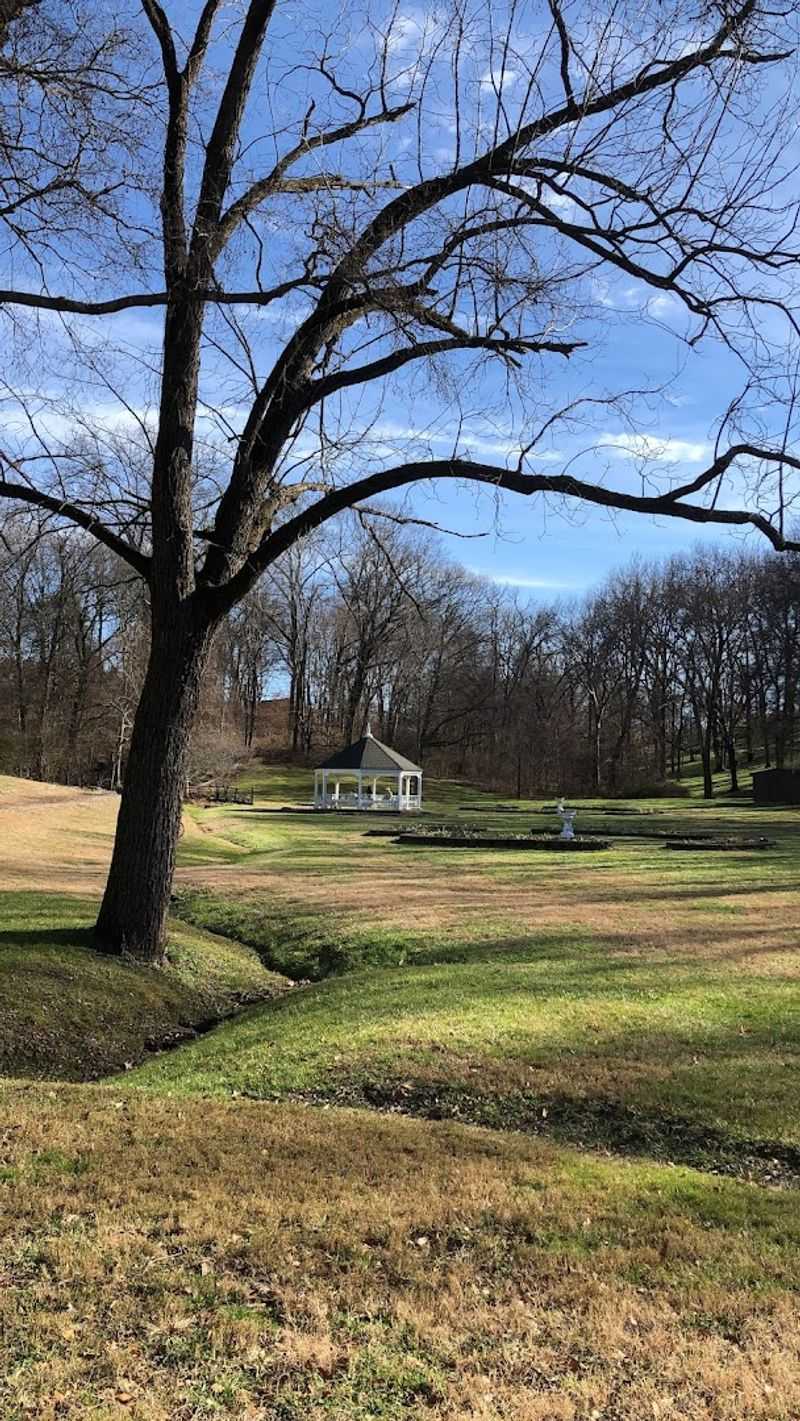
The museum building is only part of what the Ellington Agricultural Center has to offer. The Rogers Trail, which winds through the surrounding property, provides a relaxed and genuinely pleasant walk that several visitors have singled out as an unexpected highlight of their time at the site.
Staff members have been known to recommend the trail enthusiastically, particularly during fall when the foliage along the path reaches its most vivid state. The trail is calm, shaded in sections, and long enough to feel like a real walk rather than a brief loop around a parking lot.
It adds a natural dimension to what is otherwise an indoor-focused museum experience.
A perennial garden also features on the grounds, complementing the heirloom vegetable and herb gardens that are maintained with care by volunteer gardeners. A gazebo provides a resting point during the walk, and visitors have described sitting there as one of the more quietly satisfying moments of the visit.
The combination of historic buildings, cultivated gardens, and wooded trail makes the Tennessee Agricultural Museum a place that rewards unhurried exploration. Arriving with a little extra time to spare makes a considerable difference in the overall experience.
Knowledgeable Staff Who Make Every Visit More Meaningful
A museum is only as good as the people who bring it to life. At the Tennessee Agricultural Museum, the staff have earned repeated and specific praise from visitors across years of reviews.
The team is described consistently as passionate, knowledgeable, and generous with their time. For a museum that operates on a modest scale without the resources of larger institutions, that human element becomes the defining quality of the visitor experience.
If you arrive with questions about specific artifacts, the history of the building, or the broader story of Tennessee agriculture, the staff are well-prepared to engage with all of it. Talking to them before or after your self-guided tour, rather than skipping past the front desk, is one of the simplest ways to get more out of a visit to this Nashville institution.