
This Tennessee Museum Is The Only One Of Its Kind In The World And You Should Totally Visit It
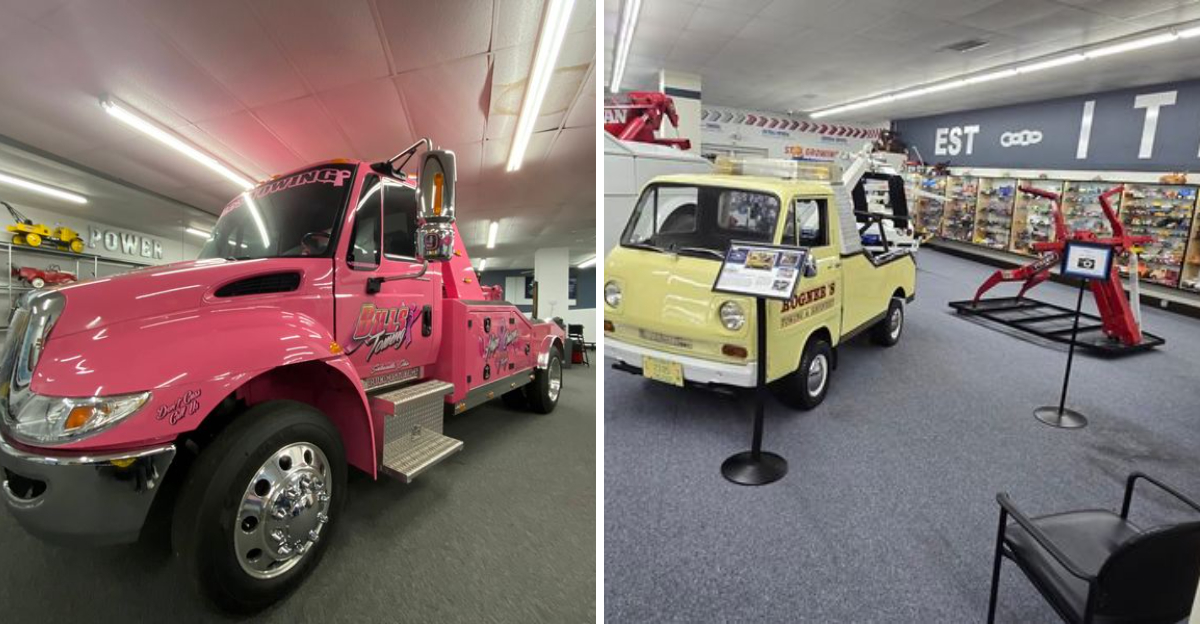
Most museums are easy to explain in a sentence. This one takes a little more effort.
Tennessee is home to a place so unusual that it is the only museum of its kind anywhere in the world. Inside, visitors find a collection built around an industry most people rarely think about until they need it.
That may sound oddly specific, but the history behind it is surprisingly fascinating. Vintage vehicles, old equipment, memorabilia, and stories reveal how a practical invention grew into something much bigger.
The displays range from serious history to quirky pieces that are simply fun to see up close. It is the sort of attraction that makes you wonder how you never heard about it sooner.
Even people who know nothing about the subject can find plenty to enjoy here.
The Chattanooga Garage Where The Tow Truck Was Born
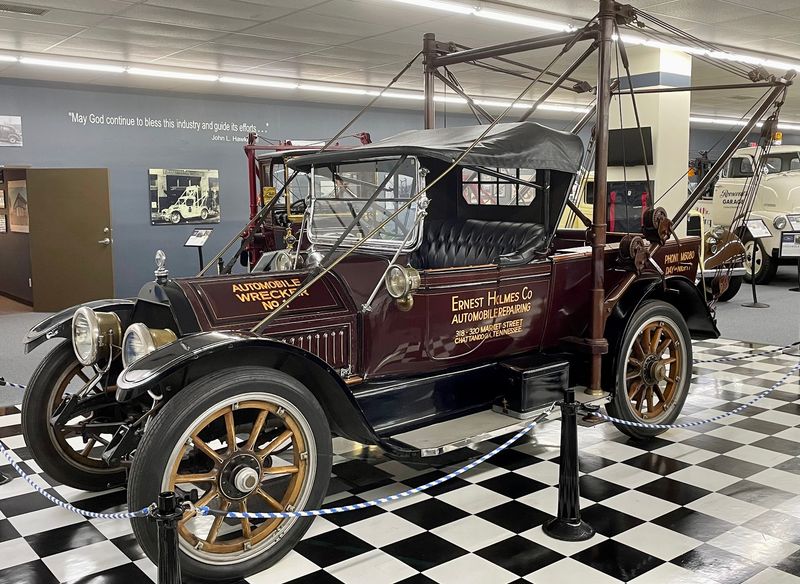
In 1916, a Chattanooga garage owner named Ernest Holmes Sr. got tired of using ropes, poles and half a dozen men to drag a wrecked car out of a creek. His solution was a wooden boom and a set of pulleys bolted onto a Cadillac chassis.
That single piece of problem solving became the world’s first tow truck, and every wrecker rolling down a highway today traces its family tree back to his workbench.
The museum sits only a short drive from where Holmes worked, which gives the whole place a satisfying sense of standing on the right ground.
A short film near the entrance lays out the story in about seven minutes, and it does a surprisingly good job of explaining why this invention mattered so much.
Cars in the early 1900s broke down constantly. Roads were rough and unpaved. Getting a vehicle home again was a genuine ordeal until Holmes solved it.
Learning that history first makes everything that follows click into place.
By the time you walk into the main gallery, the machines stop looking like old iron and start looking like chapters in one long, stubborn engineering conversation.
Rows Of Restored Wreckers Spanning More Than A Century
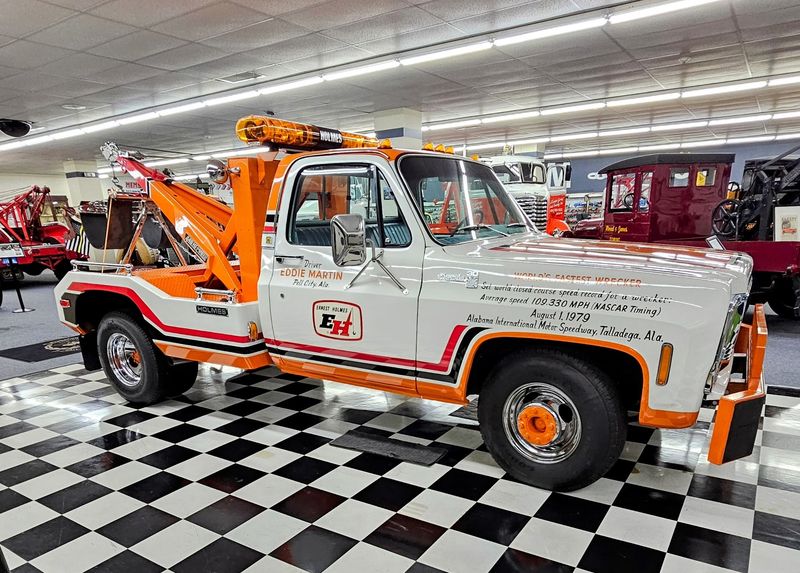
Dozens of fully restored wreckers fill the galleries at International Towing & Recovery Museum, parked close together like a family reunion that got out of hand.
The oldest date back to the earliest years of the trade. The newest show off hydraulics, wheel lifts and rotators that can pick up a loaded semi.
Walking the aisles in order turns into an accidental engineering lesson. Wooden booms give way to steel.
Hand cranks give way to power take-offs. Chains give way to soft straps that will not scratch a bumper.
Paint jobs deserve their own mention. Many of these trucks were restored by towing companies and family operations who clearly poured serious hours into them, and the results gleam under the lights.
One truck carries the title of World’s Fastest Wrecker, which is exactly the kind of detail that makes people stop and reread the placard twice.
The space at 3315 Broad Street in Chattannog is compact, so the vehicles sit shoulder to shoulder rather than spread across a warehouse floor. That density actually works in its favor.
You can compare a 1930s rig with a modern heavy-duty unit in a single glance and see a hundred years of clever thinking laid out side by side.
Standing Quietly At The Wall Of The Fallen
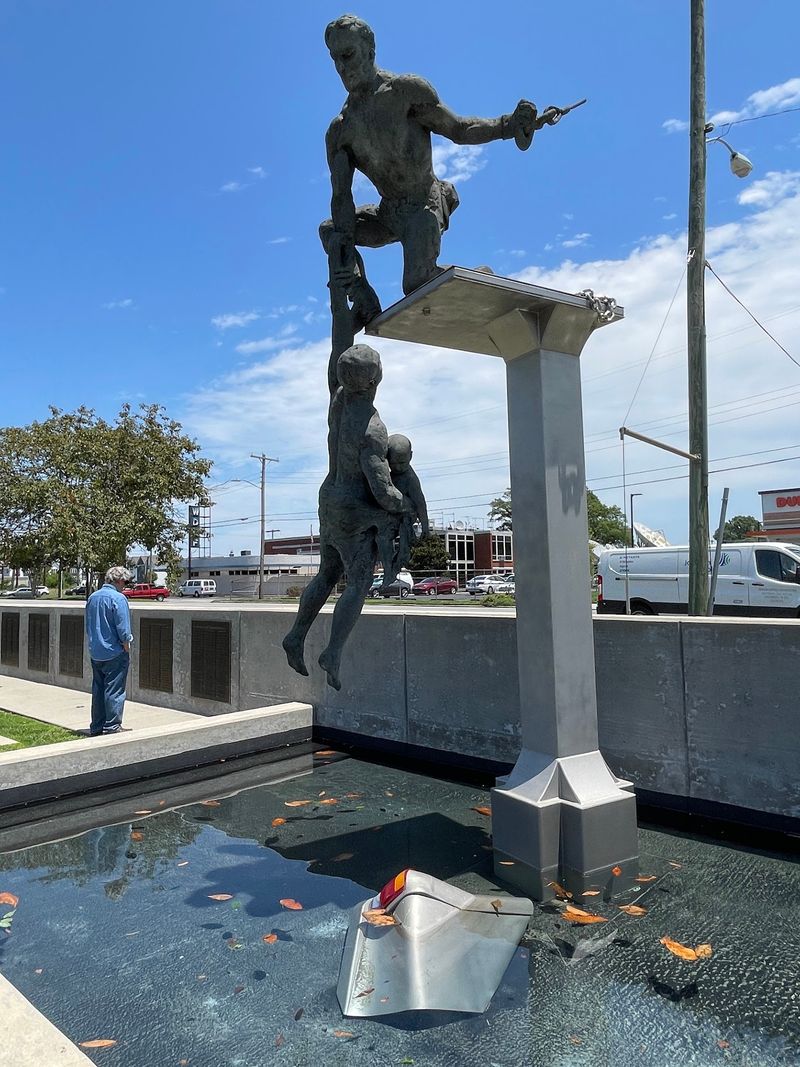
Outside the building, the mood changes completely.
The Wall of the Fallen honors tow operators who passed away while working the roadside, and their names are engraved on granite panels that curve around a reflecting pool.
At the center stands a bronze figure caught mid-rescue, reaching out. Beneath the surface of the water, a single automobile taillight appears to be sinking away. It is a simple image and it lands hard.
Names are added every year, which is the detail most people carry home with them.
Roadside recovery remains one of the more dangerous jobs in the country, largely because passing drivers do not slow down or move over.
Reading those panels reframes something ordinary. The truck with the flashing amber lights on the shoulder of the interstate is somebody’s parent, sibling or neighbor, standing a few feet from traffic doing seventy.
Indoors, the Hall of Fame continues the human thread, recognizing people from across the world who shaped the industry through invention, training and plain generosity. Their stories sit alongside photographs and personal items.
Give yourself a few unhurried minutes at the memorial. It is the part of the museum that stays with you longest.
The World’s Largest Hoard Of Toy Tow Trucks
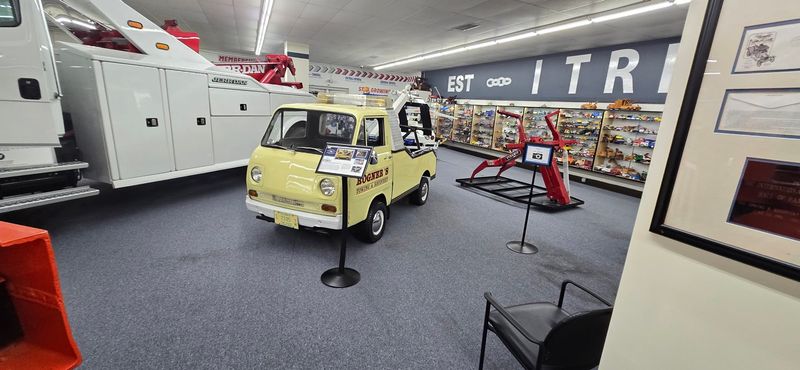
Somewhere between the heavy iron and the history panels, the International Towing & Recovery Museum takes a delightful turn toward the miniature.
Glass cases hold what is billed as the world’s largest collection of toy tow trucks, and the number is genuinely difficult to process until you are standing in front of it.
Tin wind-ups from the 1940s. Die-cast models in every scale. Plastic knockoffs, promotional giveaways, oddities from overseas manufacturers.
Pedal cars line up nearby, along with vintage gas pumps and signs that once stood outside filling stations. Together they show how deeply this industry worked its way into everyday American life, right down to the toy box.
Kids tend to press their faces against the glass here. Adults tend to spot the exact model they owned in second grade and then talk about it for the next ten minutes.
Outside the ticketed area sits a real truck nicknamed Tater Tot, which children can climb on and operate the boom, free of charge. It is a small touch that reveals the character of the place.
The gift shop, right by the entrance, is unusually large and stocked with far more than truck souvenirs, so budget a browse.
How A Traveling Exhibit Found A Permanent Address
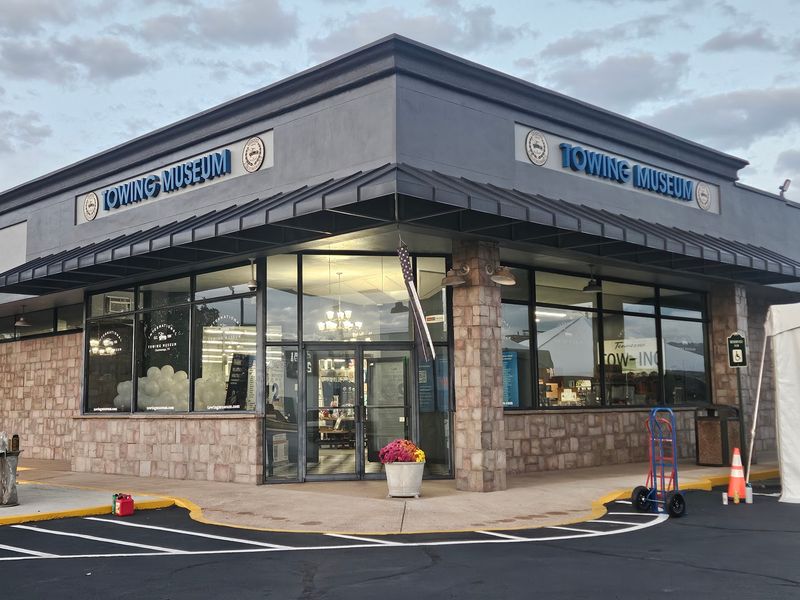
For years, this collection had no home. Pieces of it traveled from trade show to trade show, packed up and hauled around by people in the industry who believed the story deserved telling.
In 1995, the museum opened its doors on Broad Street and finally stopped moving. Funding came largely from towing companies, associations and individual operators, which explains the personal feel of the exhibits.
Signage out front is modest enough that drivers occasionally pass by without noticing what they missed.
Broad Street here runs toward the base of Lookout Mountain, and the building sits in an area of workshops and warehouses rather than tourist storefronts.
Once inside, though, the scale surprises people. Two main galleries, a theater room, the Hall of Fame and the shop fill more space than the exterior suggests.
Doors open at 9 in the morning and close at 5, seven days a week, which makes planning easy. Admission runs around twelve dollars with a discount for seniors, and parking sits right there on site.
Staff at the counter tend to know the collection inside out and will happily point you toward other spots worth seeing around town.
Machines Built For Jobs Most People Never Imagine
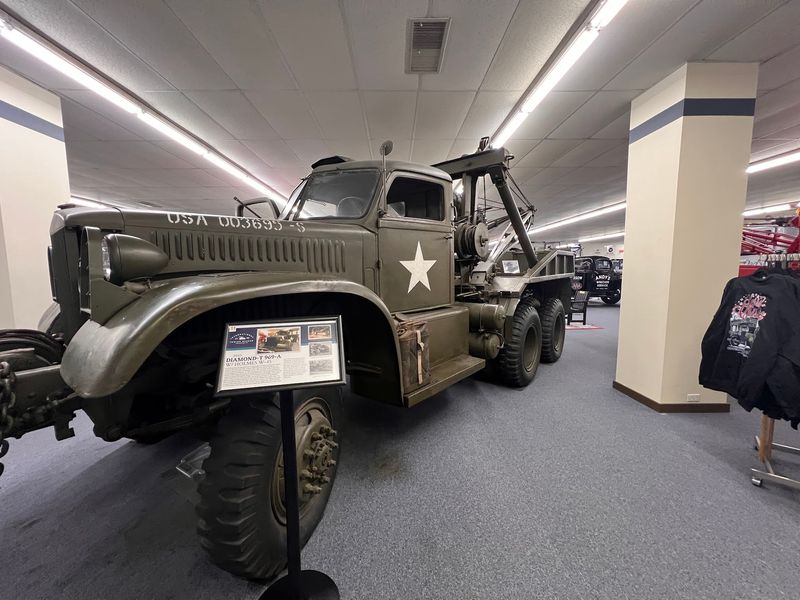
Recovery work goes far beyond a car with a flat battery. Displays here cover overturned tankers, buses in ravines, tractor-trailers wedged under bridges and equipment pulled out of rivers.
Photographs and rigging diagrams explain the math behind those jobs. Weight, angles, ground conditions, anchor points, all calculated on the spot while traffic backs up for miles.
Tools hang alongside the trucks, and some of them look almost medieval. Snatch blocks, chains, spades, hand winches.
Others gleam with modern engineering, including remote-controlled booms and rotating cranes that lift from any angle.
Seeing both extremes in one room drives home how much skill this trade demands. Operators are part mechanic, part rigger, part physicist, working under pressure with expensive consequences for guessing wrong.
There is a quiet lesson in the training materials on display too. Much of the industry’s progress came from operators sharing hard-won knowledge so the next person would not repeat a dangerous mistake.
Plenty of people arrive expecting a room full of old trucks and leave with a completely rearranged opinion of the profession. The machinery is impressive. The thinking behind it is the part that genuinely sticks.
An Easy Stop For Families With Restless Kids
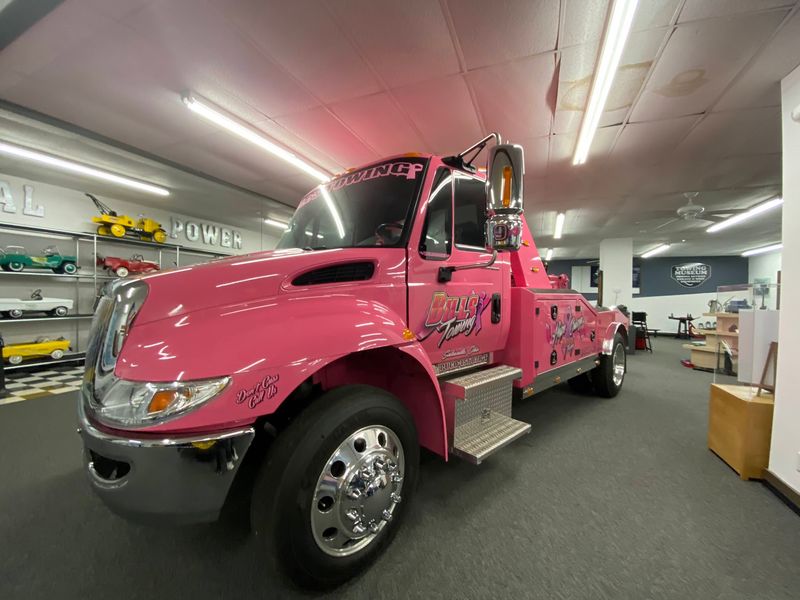
Parents traveling with children will appreciate how forgiving this place is. The route through the galleries is self-guided, so you can move fast or linger, and nobody is herding you along on a schedule.
The film at the start runs only a few minutes, short enough to hold young attention spans. After that, it is wide aisles, big colorful trucks and plenty of things to point at.
Interactive moments break up the reading. Tater Tot, the climb-on truck near the entrance, lets kids work the boom and pretend they are hauling something enormous.
Restrooms are clean, the floors are flat and accessible for anyone using a wheelchair or walker, and there is a pressed penny machine that children treat as a highlight in its own right.
Most groups spend somewhere between an hour and two hours, depending on how much of the text they read. Truck-obsessed kids will stretch that comfortably.
Because doors stay open every day of the week from 9 until 5, it slots neatly into a Chattanooga itinerary without much planning. A rainy afternoon suits it perfectly, and it costs considerably less than most attractions in town.
Pairing The Museum With The Rest Of Broad Street
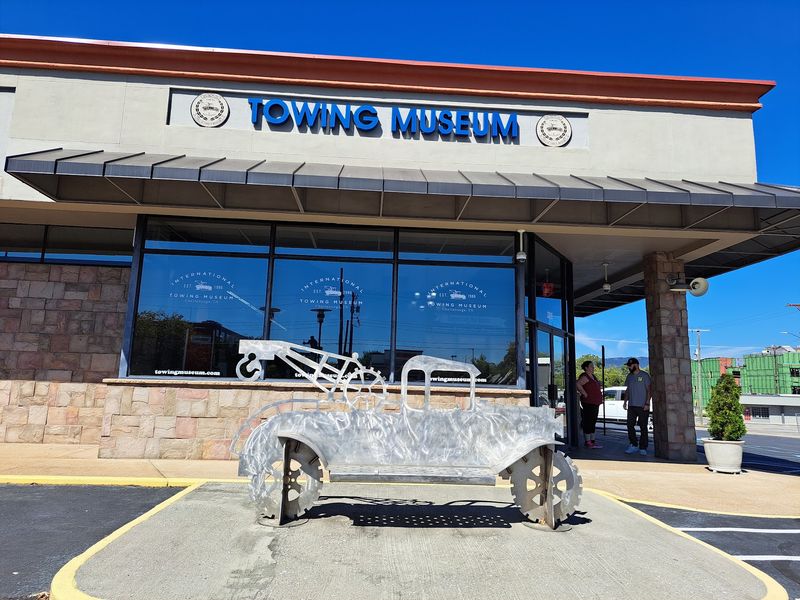
Location works in this museum’s favor more than the plain exterior suggests.
Broad Street runs like a spine through the south end of downtown Chattanooga, connecting the aquarium district with the foot of Lookout Mountain.
Turn one direction and you reach the Incline Railway, Ruby Falls and Point Park within minutes. Turn the other and you land among riverfront restaurants, art galleries and the Tennessee Aquarium.
Slotting the towing museum in between makes for a well-balanced day. Big scenery in the morning, an hour of unexpected industrial history around lunchtime, dinner near the water afterward.
Restaurants sit close enough that you will not need to drive far to eat. Parking at the museum itself is on site and straightforward, which is not always true elsewhere downtown.
Anyone with a connection to the trade should treat it as a required stop, and many do, traveling considerable distances to see a relative’s name in the Hall of Fame.
Everyone else gets something different out of it. A story about invention, risk and the people who show up when your car quits at midnight. That is worth an hour of anybody’s vacation.