
This Tennessee River Is So Clear, It Feels Like A Peaceful Paradise
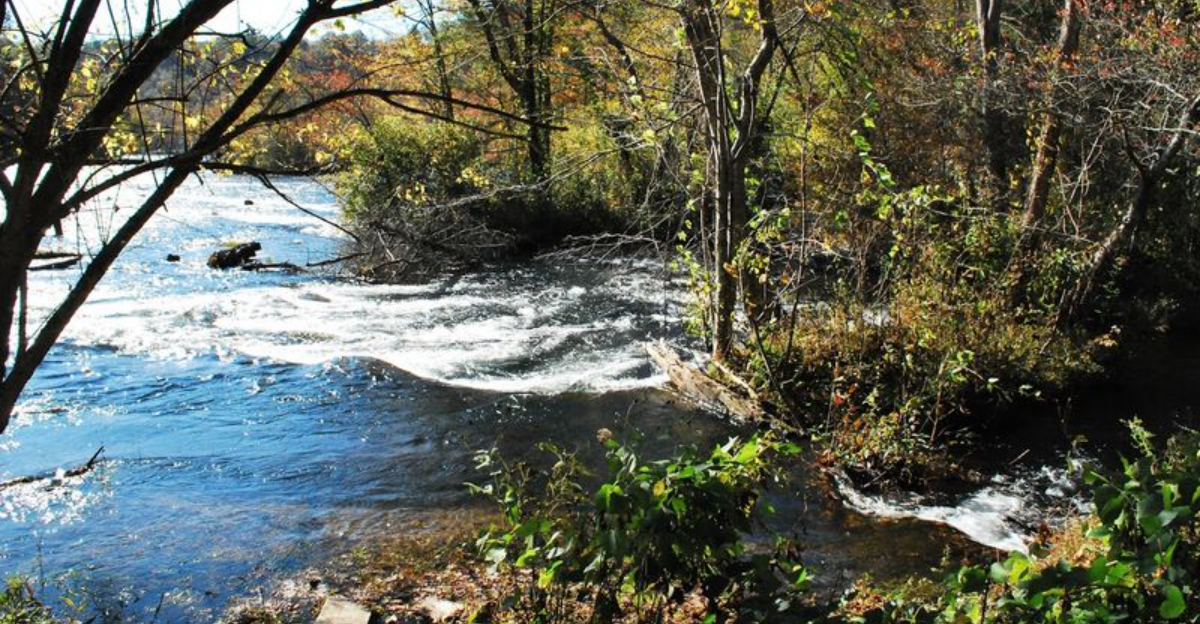
Clear water has a way of stopping you in your tracks. One glance and you instantly slow down, watching sunlight shimmer across the surface like moving glass.
In Tennessee, this remarkable river offers exactly that kind of moment. The water runs so clean and transparent that rocks, fish, and gentle ripples are easy to see as they drift past beneath the current.
Kayakers glide quietly along the bends while anglers stand patiently in the shallows, surrounded by peaceful mountain scenery. The air feels fresh, the pace feels calmer, and the entire setting invites you to pause for a while and simply enjoy the rare beauty of Tennessee’s great outdoors.
The Crystal-Clear Waters That Define The Hiwassee Experience
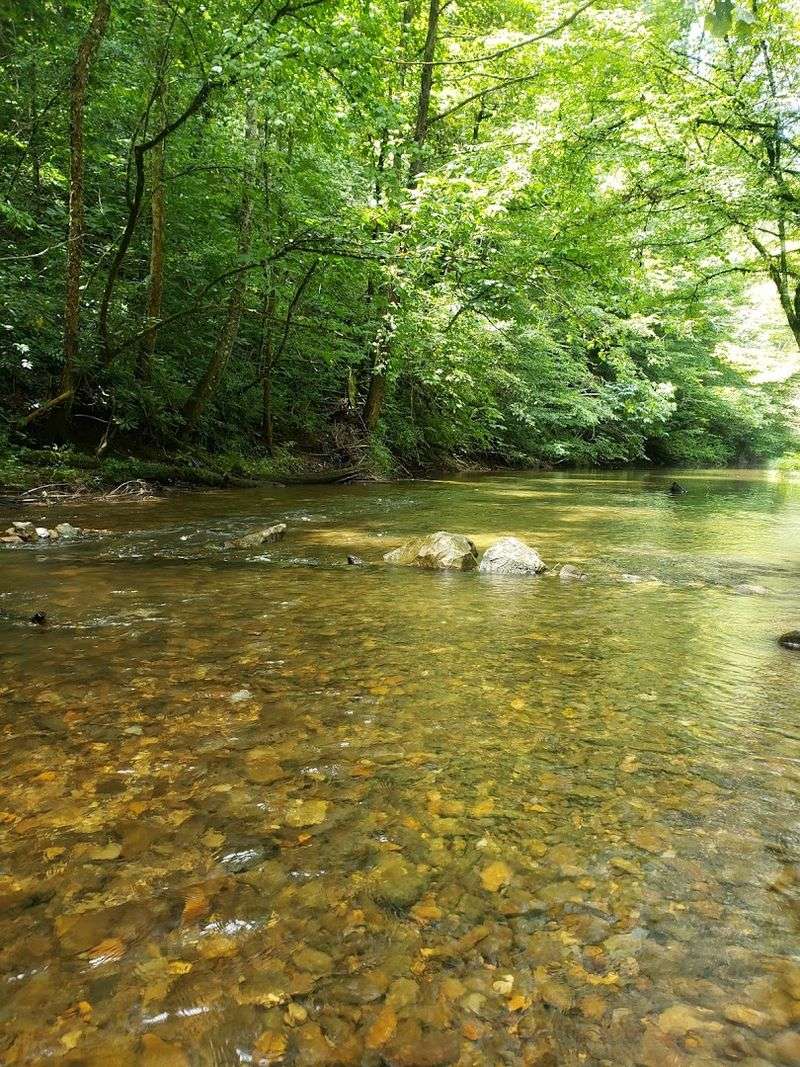
Few rivers in the southeastern United States offer the kind of transparency that this one delivers on an ordinary Tuesday afternoon. Standing on the bank, you can trace the outline of every submerged rock, watch small fish navigate the current, and see the sandy riverbed shift in slow motion beneath a thin sheet of moving water.
The clarity comes from several natural factors working together. The river draws from cold mountain springs and flows through the Cherokee National Forest, where minimal agricultural runoff and limited development keep the water remarkably clean.
The surrounding forest acts as a natural buffer, filtering sediment before it ever reaches the channel.
Water temperature stays cool even in peak summer, which also helps maintain visibility and oxygen levels that support healthy aquatic life. Anglers appreciate this clarity because it lets them spot trout before casting, making the whole experience feel more intentional.
For swimmers, the ability to see the bottom at all times provides both comfort and confidence. This river does not merely look clean.
It is clean, and the difference between those two things becomes obvious the moment you step in.
Kayaking And Canoeing Along A River Built For Paddlers
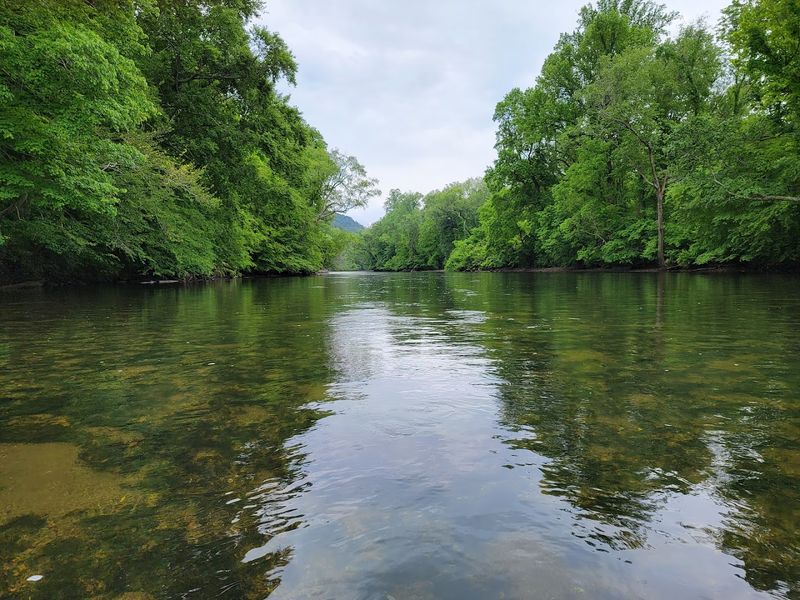
The stretch of the Hiwassee River near Reliance, Tennessee has quietly earned a loyal following among paddlers who return season after season. The river moves at a pace that rewards attention rather than adrenaline, with long gliding sections interrupted by small rapids that add just enough energy to keep things interesting without demanding expert-level skills.
Beginners find the Hiwassee genuinely approachable. The current is steady but forgiving, and the channel stays wide enough to read ahead and make adjustments.
Families with younger children regularly complete full-day trips without incident, which speaks to the river’s overall character. That said, a few technical spots do require awareness, and staying center-left on certain rapids improves the ride considerably.
Outfitters in the Reliance area rent canoes, kayaks, and tubes, and most also offer shuttle services so you do not need to arrange your own return transportation. Paddling the Hiwassee in autumn adds an entirely different dimension, with color-changing hardwoods lining both banks and cooler air sharpening every detail.
Spring brings higher water levels and a slightly faster pace. Each season presents its own version of the same river, and none of them disappoint.
World-Class Trout Fishing In A Tennessee Tailwater
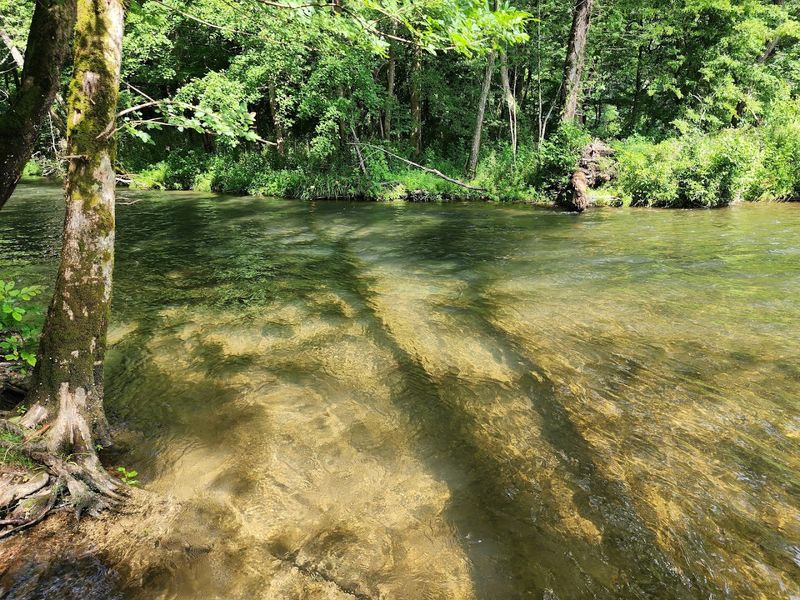
Among fly fishing communities across the southeast, the Hiwassee River holds a reputation that extends well beyond state lines. The Tennessee Valley Authority manages water releases from Apalachia Dam, and those cold, oxygen-rich tailwaters create ideal conditions for rainbow and brown trout to thrive year-round.
Anglers have pulled fish measuring over 27 inches from these waters, which is the kind of detail that travels fast in fishing circles.
The TVA lake info app has become something of an essential tool for serious anglers visiting the Hiwassee. Water discharge schedules directly affect fishing conditions, and checking release times before heading out can mean the difference between a productive morning and a frustrating one.
The river fishes differently at various flow levels, so understanding that relationship gives visiting anglers a real advantage.
Wading is the preferred method for most fly fishers, and the clear water allows sight fishing in certain sections, which adds a focused, almost meditative quality to the experience. Guides familiar with the Hiwassee operate out of nearby towns and can help newcomers navigate the best pools and runs.
For anyone serious about trout fishing in Tennessee, this river belongs near the top of the list.
The Cherokee National Forest Setting That Frames Everything
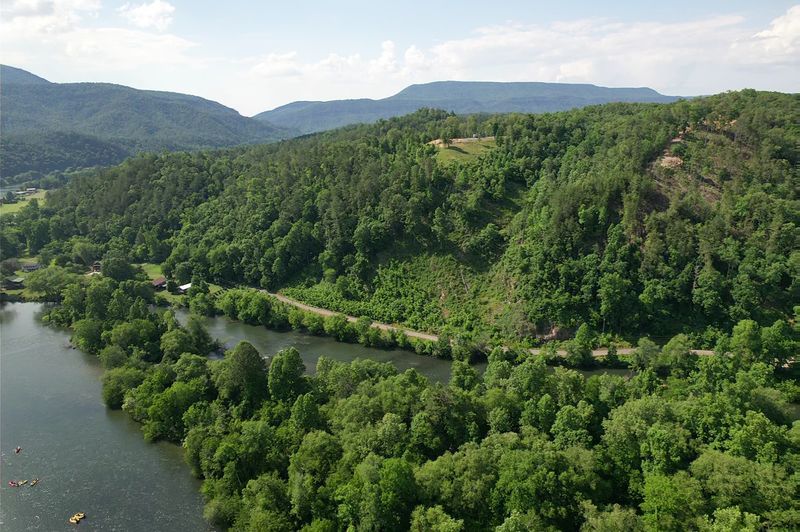
The Cherokee National Forest covers roughly 640,000 acres across eastern Tennessee, and the Hiwassee River runs through one of its most scenic corridors. The forest canopy along the riverbanks creates a natural tunnel of shade during warmer months, keeping temperatures noticeably cooler than surrounding areas.
Visitors from nearby Hamilton County often mention the temperature drop as one of the first things they notice on arrival.
Wildlife sightings along this stretch are common and varied. Great blue herons stand motionless in the shallows, otters occasionally surface near bends in the river, and white-tailed deer appear at the water’s edge during early morning hours.
The forest itself supports a diverse range of plant communities, from rhododendron thickets to mature hardwood stands that turn spectacular shades of orange and red each October.
The combination of river and forest creates an environment where sound itself changes. Road noise fades, replaced by moving water, birdsong, and wind moving through the tree canopy above.
Cell signal disappears in many sections of the river corridor, which most visitors consider an unexpected benefit rather than an inconvenience. The Hiwassee River area sits within Tennessee ZIP code 37308, making it accessible from Chattanooga in roughly an hour.
Swimming Holes And River Access Points Worth Knowing About
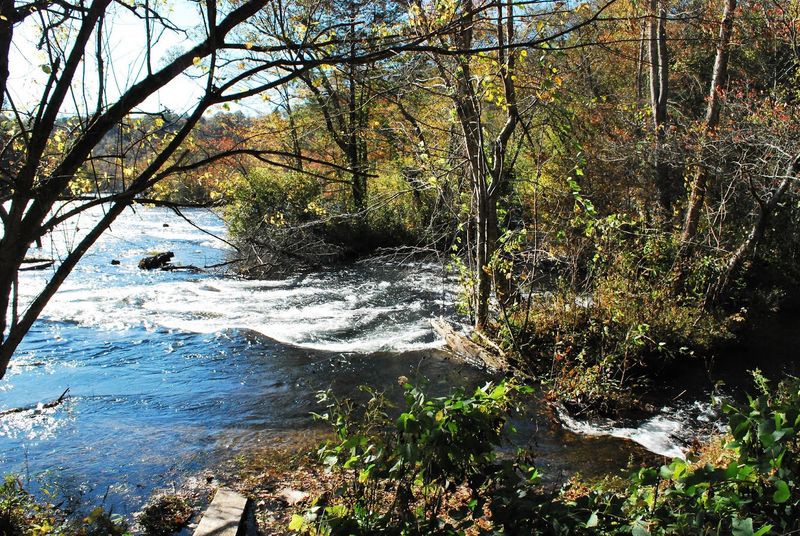
Swimming in the Hiwassee River is one of those experiences that earns its own category. The water runs cold even in July, which comes as a genuine shock to first-time visitors who expect something warmer given the Tennessee summer heat.
That chill, however, is precisely what makes an afternoon swim feel restorative rather than simply refreshing.
Several natural access points along the river offer flat rocky banks ideal for wading in gradually, which is especially useful for children or anyone who prefers not to plunge straight in. The riverbed stays visible throughout, and the absence of murky water removes the uncertainty that often accompanies swimming in unfamiliar rivers.
Parents frequently cite this visibility as one of the primary reasons they feel comfortable bringing young children to the Hiwassee.
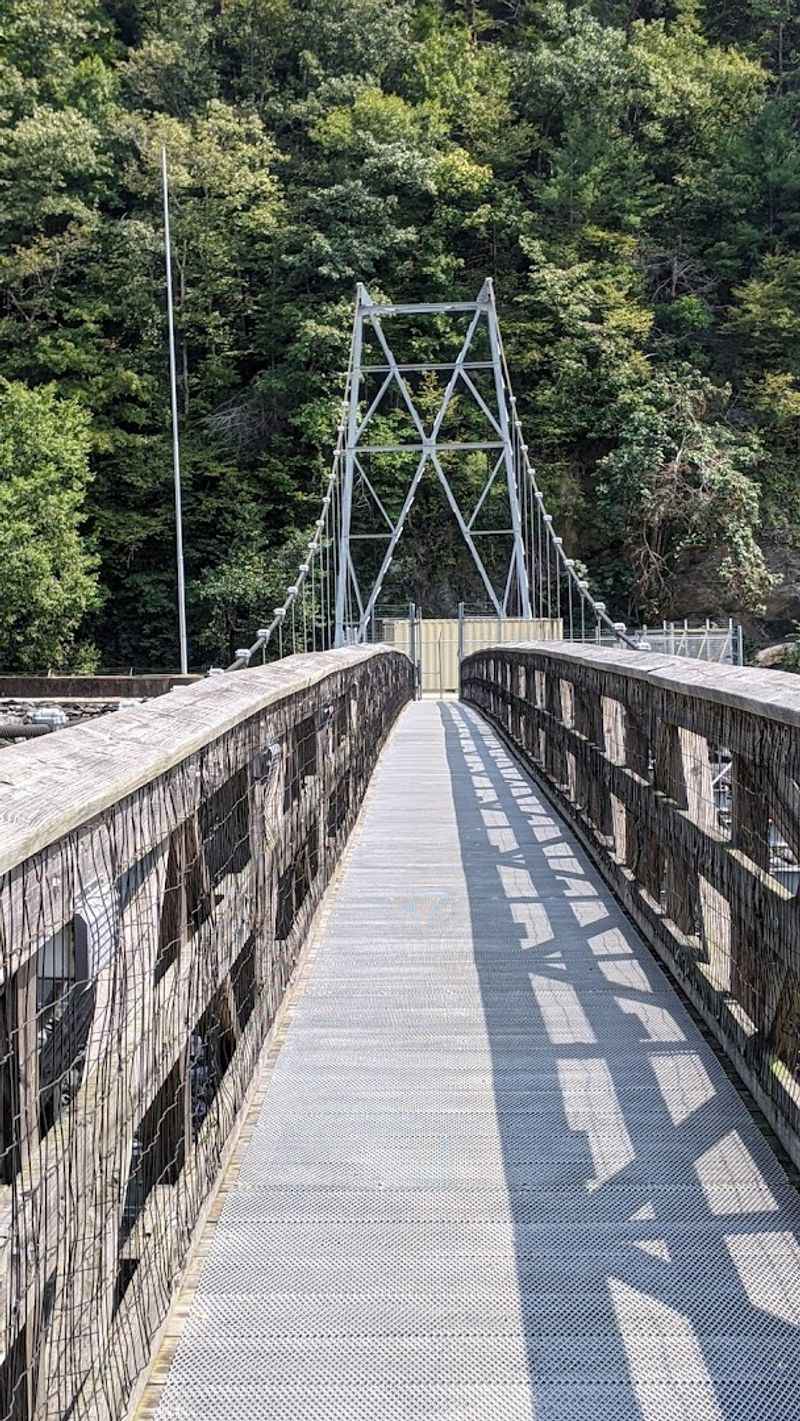
A pedestrian bridge near one of the popular access points leads to the opposite bank, where a walking path runs between railroad tracks and a series of small waterfalls. The combination of clear river swimming and nearby waterfall exploration makes for a full day without needing to travel far.
Arriving early on summer weekends is advisable, as parking areas fill up quickly and popular swimming spots attract steady crowds by late morning.
Hiking Trails That Follow The River Through Wild Country
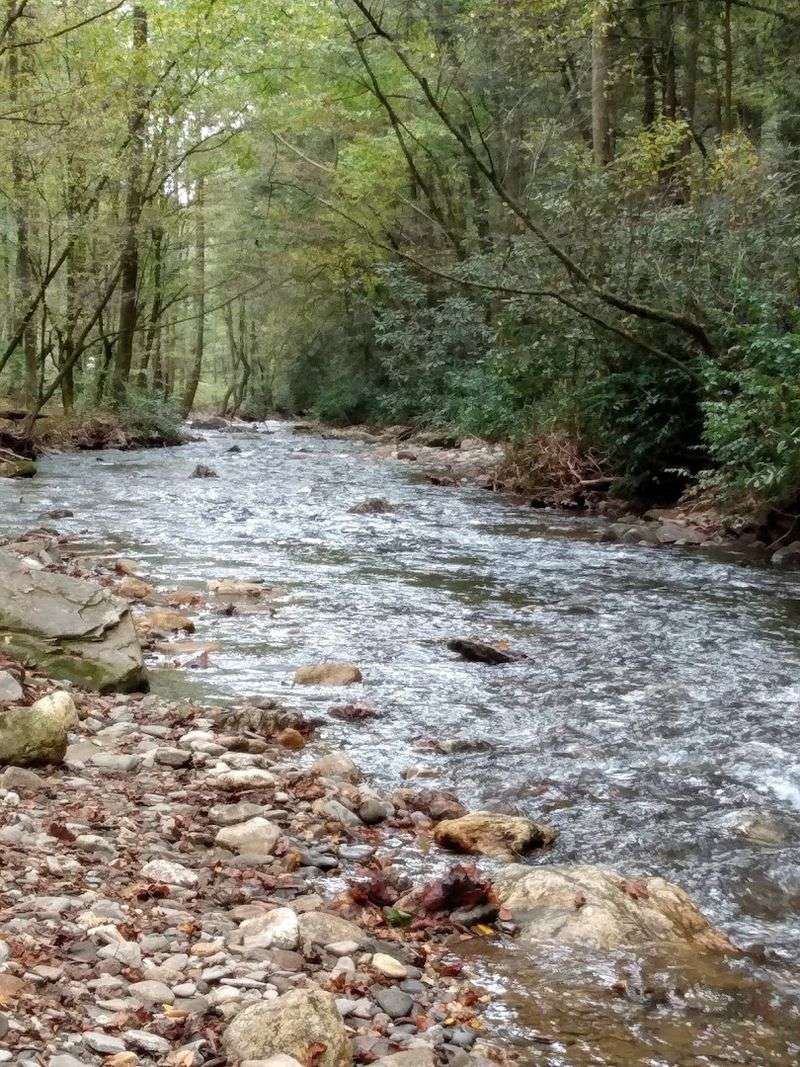
The river corridor offers more than water-based recreation. A network of hiking trails winds through the Cherokee National Forest alongside the Hiwassee, giving walkers consistent views of the river while moving through varied terrain.
Some sections of trail stay close to the water, allowing hikers to step off the path and access the river directly at multiple points throughout the day.
The John Muir Trail in this region follows the Hiwassee River for a notable stretch, passing through old-growth forest sections and crossing several tributary streams along the way. This trail sees less traffic than more famous routes in the Smokies, which means quieter mornings and a stronger sense of solitude even on weekends.
The pace here tends to be unhurried, and the trail rewards those who take time to stop and observe rather than simply cover distance.
Footwear matters on these trails. Roots, rocks, and occasional muddy sections after rain require sturdy shoes rather than casual sneakers, particularly on steeper segments away from the river.
Bringing water is obvious advice, but the temptation to drink directly from the Hiwassee is real. Treat any river water before drinking regardless of how clean it appears, and carry enough supply to last the full planned route.
Tubing Down The Hiwassee On A Warm Afternoon
Tubing on the Hiwassee River occupies a specific and beloved place in Tennessee summer traditions. The activity requires almost no skill, very little equipment, and a willingness to let the current do all the decision-making for a few hours.
Rental outfitters near Reliance provide tubes and shuttle services, so the logistics are about as simple as outdoor recreation gets.
The river moves at a pace that allows tubers to hold conversations, observe the forest passing on both sides, and occasionally spin in slow circles without any particular consequence. Small rapids add moments of mild excitement, enough to produce genuine laughter without causing concern.
The water temperature provides constant relief from summer heat, and the combination of cold water and warm sun creates a sensory balance that is genuinely difficult to replicate elsewhere.
One practical note worth considering: the river current, while generally gentle, can create hazards around submerged trees and debris after heavy rainfall. Checking conditions before heading out is always worthwhile, and staying aware of your surroundings remains important even on calm stretches.
The Hiwassee rewards attentive visitors. Groups that treat the river with respect consistently report better experiences than those who approach it casually without preparation or basic safety awareness.
Camping Along The River For An Overnight Stay
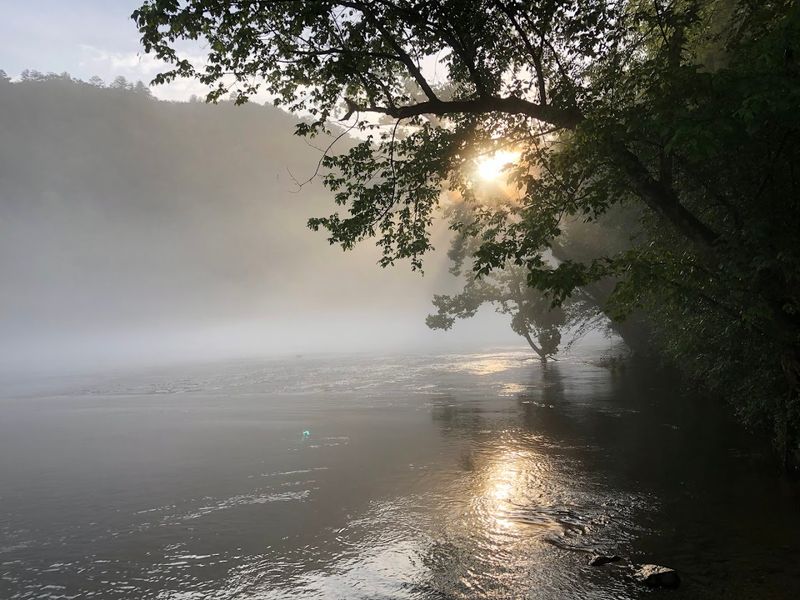
Spending a night along the Hiwassee River changes the entire character of the experience. The sounds that feel pleasant during a day visit become something richer after dark.
Moving water, distant owls, and the occasional splash of a fish breaking the surface at night create an ambient backdrop that most campgrounds simply cannot manufacture.
Camping options in the area range from developed sites within the Cherokee National Forest to more private RV lots situated directly on the riverbank. Some visitors have purchased permanent lots along the river, drawn by the combination of quiet, clean surroundings, and consistent access to one of Tennessee’s finest waterways.
The demand for riverside accommodations in this corridor has grown steadily as word of the Hiwassee’s qualities spreads beyond regional circles.
Morning along the river arrives with a particular kind of light. Mist sits low over the water in cooler months, and the first hour after sunrise offers conditions that photographers and early-rising anglers both appreciate deeply.
Bringing layers is practical advice regardless of season, since river valleys retain cool air longer than surrounding terrain. Planning meals around a campfire beside the Hiwassee, with the sound of moving water just a few steps away, represents one of the simpler pleasures that Tennessee outdoor life consistently delivers.
Wildlife And Bird Watching Along The Hiwassee Corridor
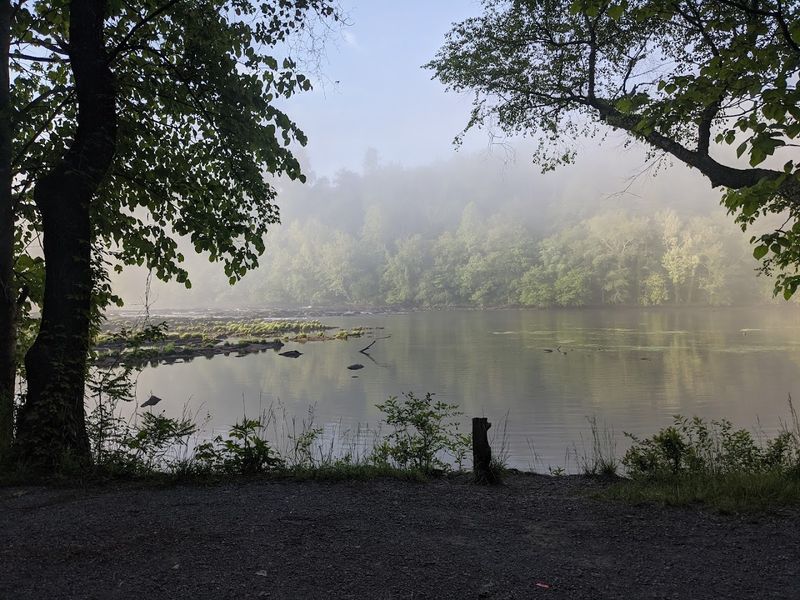
The Hiwassee River corridor supports a concentration of wildlife that rewards patient observers. Great blue herons are perhaps the most reliably visible, standing with extraordinary stillness in the shallows and striking with sudden precision when a fish passes within range.
Watching one hunt from a distance is a genuinely absorbing way to spend twenty minutes that passes like two.
Bird diversity along the river is considerable. Belted kingfishers patrol the water’s surface from low-hanging branches, their rattling call announcing their presence before they come into view.
Warblers move through the riparian vegetation during migration seasons, and the forest canopy above the river holds breeding populations of species that prefer undisturbed woodland. The Hiwassee corridor, protected within the Cherokee National Forest, provides exactly that kind of stability.
River otters have been documented in this stretch of the Hiwassee, though sightings require early morning visits and a degree of patience. White-tailed deer regularly appear at the water’s edge during dawn and dusk hours.
Black bears range through the Cherokee National Forest and occasionally cross the river or appear on surrounding ridgelines. Carrying binoculars adds considerable value to any visit, and a lightweight field guide to southeastern birds and mammals turns casual observation into something more purposeful and memorable.
Planning Your Visit To The Hiwassee River In Tennessee
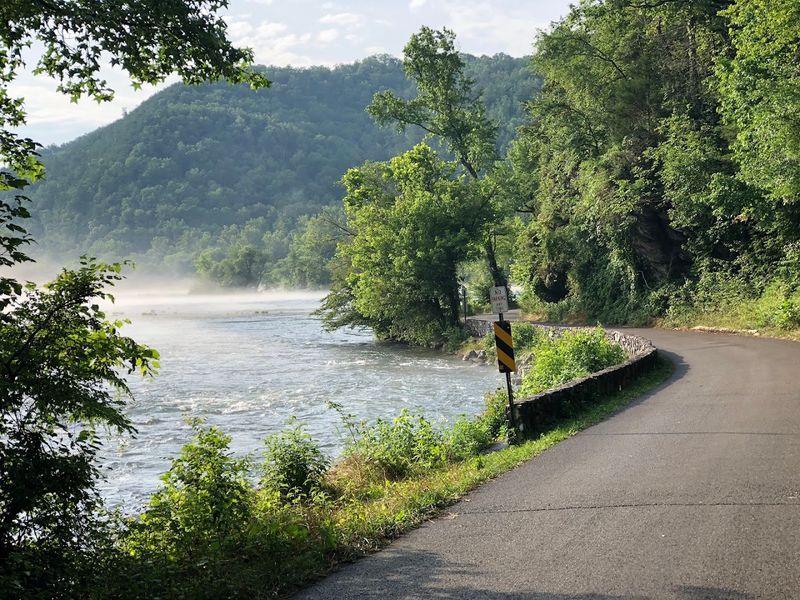
Getting to the Hiwassee River is straightforward from most of eastern Tennessee. The river corridor sits within Tennessee ZIP code 37308, and the town of Reliance serves as the most common base for river activities.
From Chattanooga, the drive takes roughly an hour along routes that pass through small towns and increasingly forested terrain before the river comes into view.
Timing a visit involves a few practical considerations. Summer weekends bring the largest crowds, particularly to popular swimming and tubing sections.
Arriving on a weekday or planning an early morning start on weekends significantly improves the experience. Autumn offers arguably the most visually impressive conditions, with fall foliage reflecting in the clear water and cooler temperatures making hiking and paddling more comfortable.
Spring is the season for higher water flows and stronger current, which experienced paddlers often prefer. Winter visits are quiet and atmospheric, with fewer visitors and the possibility of seeing the river in a more raw, unfiltered state.
Regardless of when you go, checking TVA water release schedules is genuinely useful, especially for anglers and paddlers who benefit from knowing what the river will be doing before they arrive. The Hiwassee rewards visitors who come prepared and leave with plans to return.