
This Tennessee Salvage Yard Is A Decorator’s Dream Come True In 2026
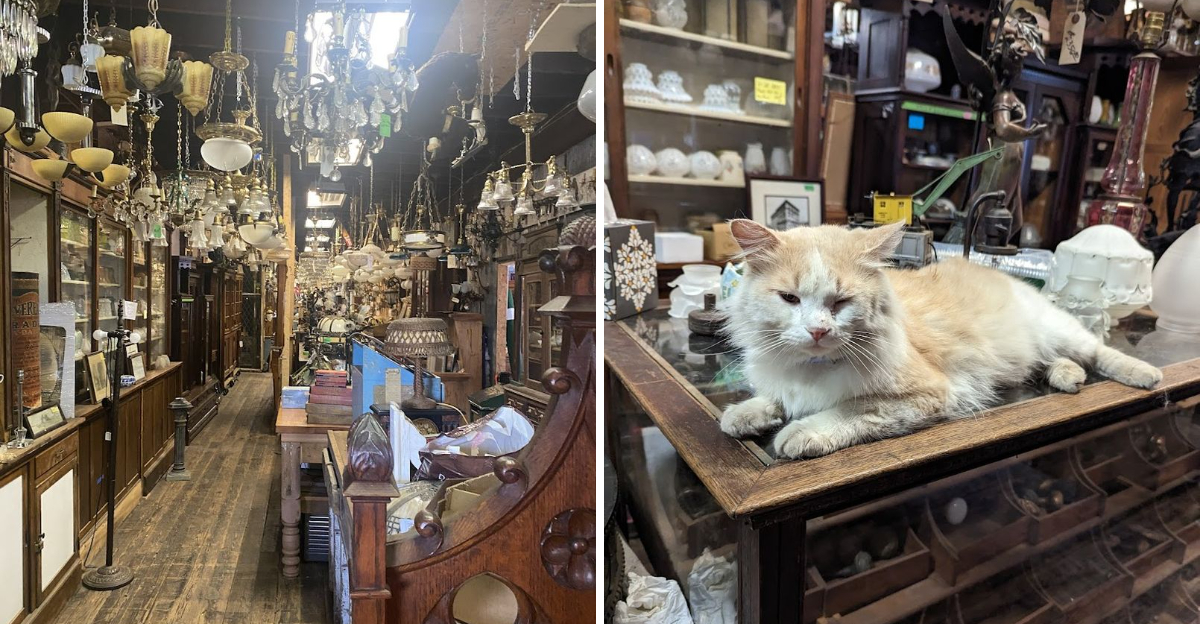
Some places make old doors, iron gates, vintage lights, and weathered wood feel more exciting than anything brand-new. In Tennessee, one architectural salvage spot is packed with the kind of pieces that can completely change a room.
Need a clawfoot tub with character? A fireplace mantel with history?
A set of antique windows that could become wall art, garden décor, or the start of a weekend project? This is the sort of place where ideas show up fast.
Every aisle brings something different, from worn-in building materials to statement pieces with real personality. Designers, DIY fans, old-house lovers, and curious shoppers can all find reasons to slow down and look twice.
For anyone planning a home refresh in 2026, this Tennessee salvage yard feels like a treasure hunt with serious style.
A 38,000-Square-Foot Space
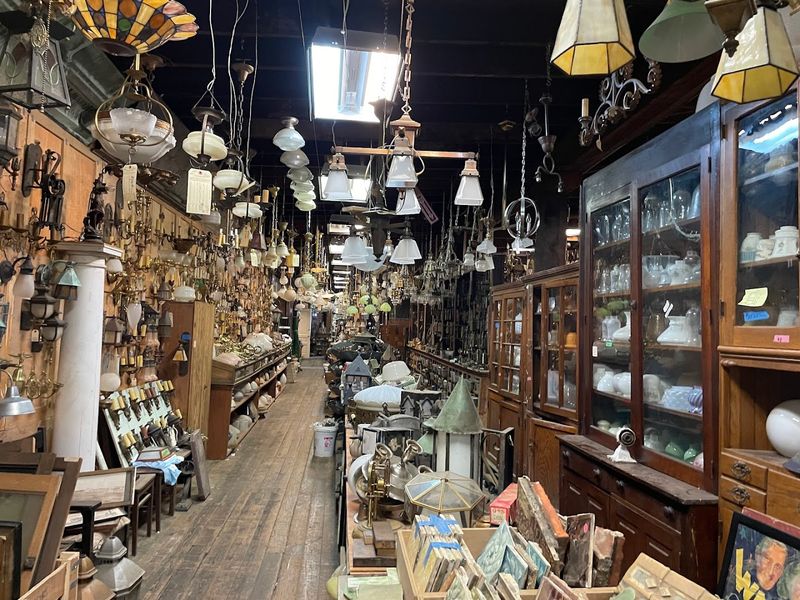
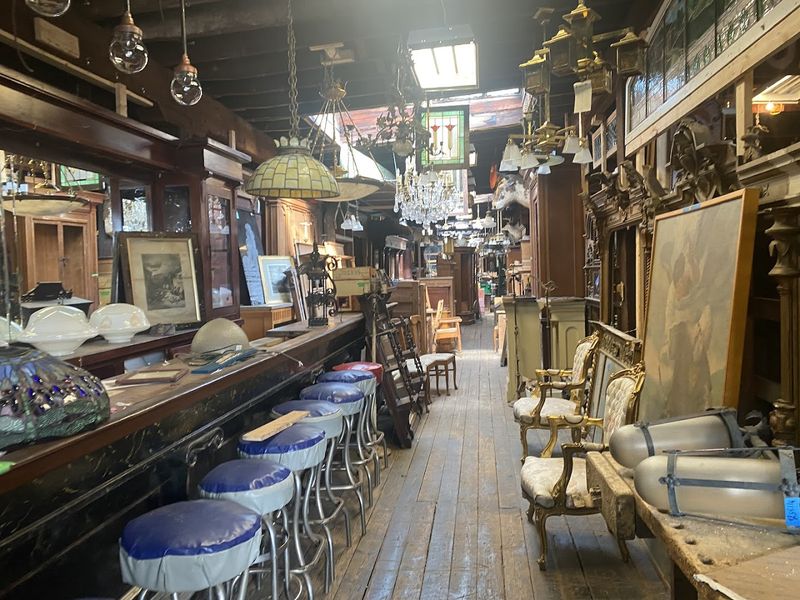
The space covers 38,000 square feet across multiple buildings and multiple floors, which means a single visit can easily stretch into several hours without covering everything.
Reviewers consistently mention the sense of awe that hits upon entry. One customer described it as “stepping through time,” while another said you simply have to see it to understand it.
That reaction makes sense when the inventory spans cast iron bathtubs, Victorian fireplace mantels, antique lighting, tin ceilings, decorative glass, and back bars.
The sheer volume of items can feel overwhelming at first, but that feeling fades quickly once curiosity takes over. The staff is knowledgeable and genuinely engaged with helping visitors articulate their vision.
Doc Keys, the owner, has built something that functions part retail, part preservation archive, and part inspiration lab. Plan accordingly, bring snacks as the owner himself has suggested, and leave room in your vehicle.
Cast Iron Bathtubs And Sinks That Outlast Every Trend
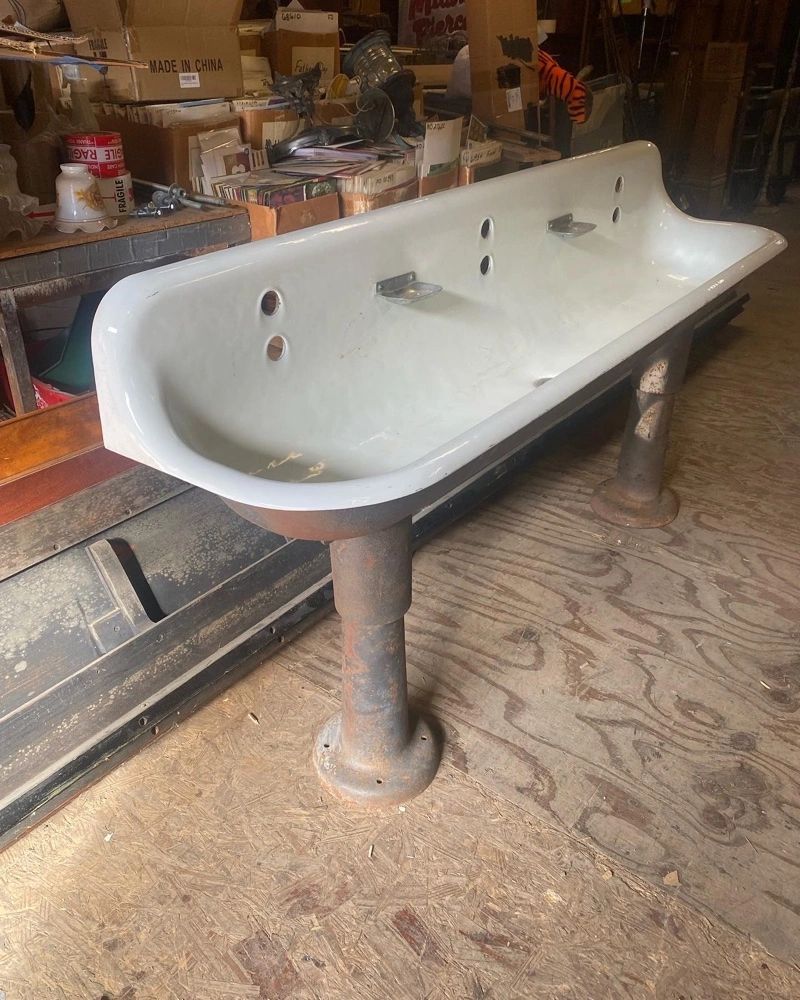
There is a particular kind of satisfaction that comes from installing a cast iron bathtub that was made before your grandparents were born. These pieces were built to last centuries, and the ones at Doc’s Architectural Salvation prove exactly that.
Heavy, durable, and finished with a craftsmanship that modern manufacturing rarely replicates, they represent a category of home fixture where old simply outperforms new.
Cast iron holds heat far longer than acrylic or fiberglass alternatives, making antique tubs genuinely functional rather than just decorative. A clawfoot tub sourced from Doc’s brings immediate visual character to a bathroom without any additional styling effort.
The same applies to antique sinks, whose proportions and detailing reflect an era when builders took genuine pride in functional objects.
Doc’s crew travels the country to reclaim these pieces from historic structures before demolition claims them permanently. That sourcing process means each tub or sink arrives with a real origin story.
Some pieces even carry tags identifying where they came from, which transforms a bathroom renovation into something closer to preservation work. For homeowners building forever homes, that kind of permanence carries real value beyond aesthetics.
Victorian Fireplace Mantels That Anchor Any Room Instantly
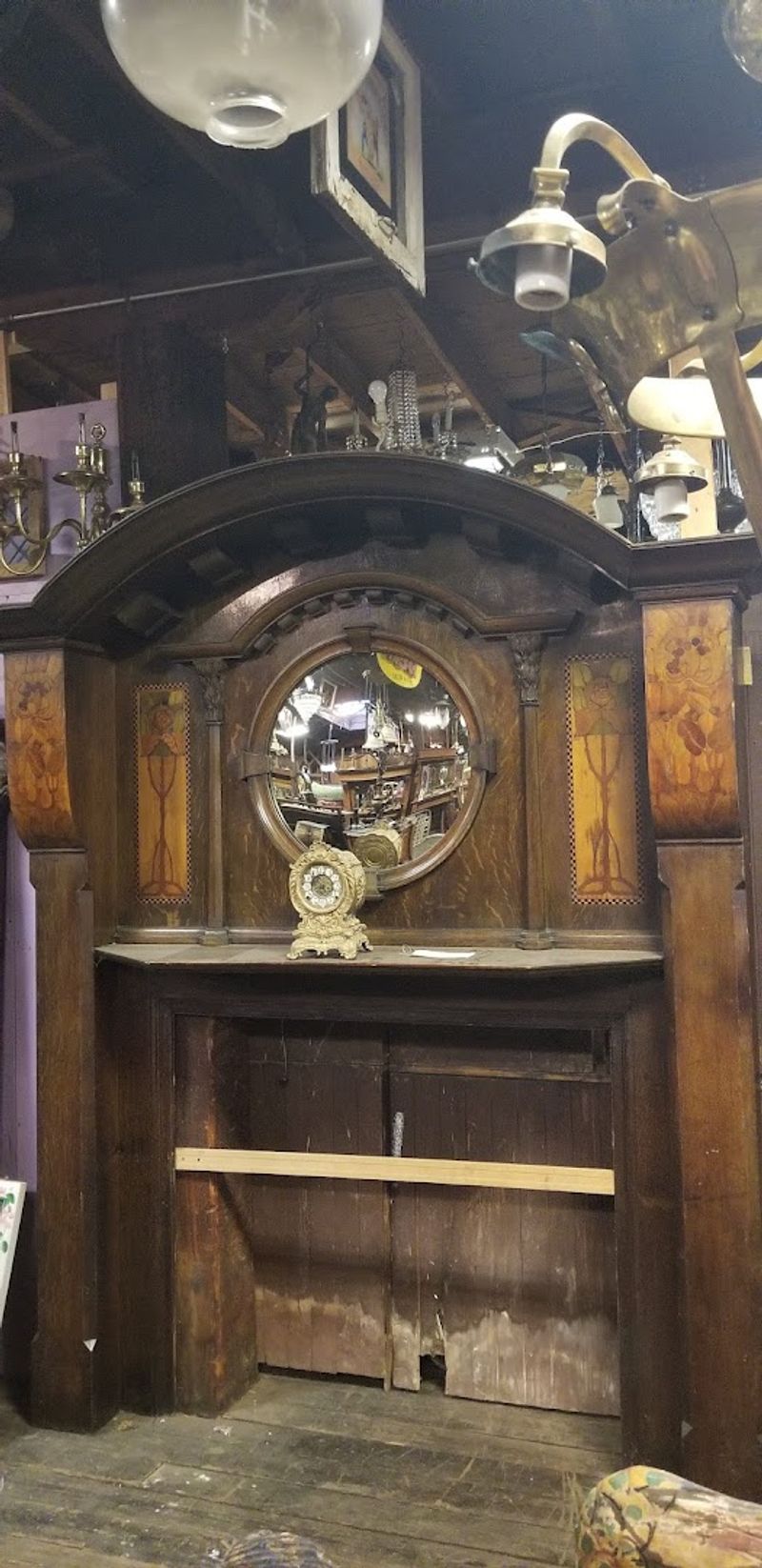
A Victorian fireplace mantel does something that a modern surround simply cannot replicate: it commands the room without demanding attention.
The proportions are generous, the carving is deliberate, and the material quality reflects an era when a mantel was considered a centerpiece of domestic life rather than an afterthought.
Doc’s Architectural Salvation carries a selection that ranges from modest parlor styles to elaborate carved specimens worthy of a grand hallway.
These mantels are salvaged from homes and buildings that faced demolition, meaning each one has survived decades of real use. That survival itself is a form of quality assurance.
Antique mantels were built with old-growth wood that is denser and more stable than most lumber available today. That density shows in their condition even after a century or more of service.
Designers who work with Doc’s frequently cite mantels as one of the most impactful single purchases a client can make. Install one in a new construction home and the room immediately reads as established, considered, and layered.
For anyone renovating an older property, matching period-appropriate mantels to existing architecture creates a coherence that reproduction pieces rarely achieve at any price point.
Antique Doors That Can Last Hundreds Of Years More
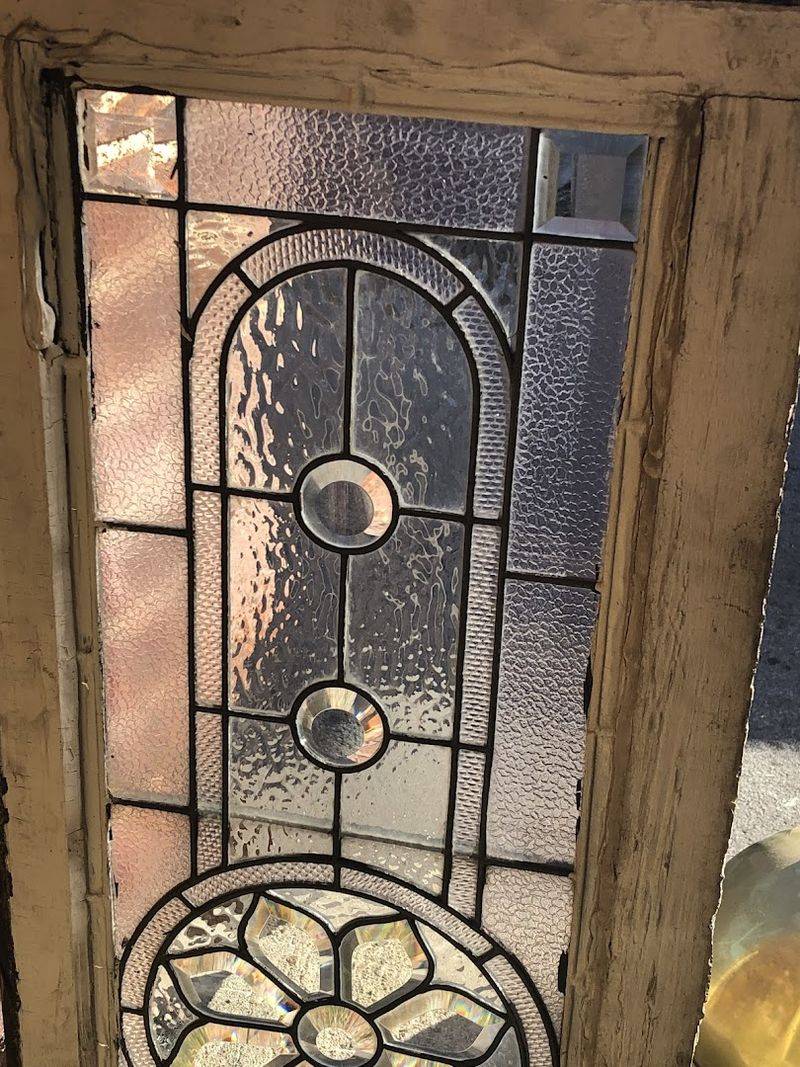
Doc’s Architectural Salvation has a particular reputation for doors, and that reputation is thoroughly earned. Multiple reviewers single out the door inventory as the standout category in a space already packed with standout categories.
The selection spans styles, eras, and dimensions, from narrow Victorian passage doors to wide panel entries with their original mortise hardware still intact and functional.
Doc Keys has spoken openly about the longevity of antique doors, noting that a well-made antique door can last hundreds of years with basic maintenance. That claim is not marketing language.
Old-growth wood, which formed the raw material for most pre-1940s doors, is significantly denser than contemporary lumber cut from younger trees. The grain is tighter, the wood is harder, and the joinery techniques used before mass production were designed for permanence.
Some customers have repurposed doors as tabletops, room dividers, or decorative wall panels, which speaks to the visual richness of these pieces even outside their original function.
The staff at Doc’s is particularly strong in this category, taking time to understand a customer’s project before making recommendations.
One reviewer described the team as people who genuinely work to understand your vision, which is a quality worth seeking out in any specialty retailer.
Tin Ceilings And Decorative Glass That Change A Space Completely
Pressed tin ceiling panels were the standard finish for commercial and residential interiors from roughly the 1880s through the 1930s, and their appeal has never actually faded.
They add texture, depth, and a period-appropriate quality to spaces that flat drywall ceilings simply cannot achieve.
Doc’s Architectural Salvation at 200 E 9th Ave in Springfield carries reclaimed tin ceiling sections that can be installed in kitchens, dining rooms, bars, or retail spaces with dramatic results.
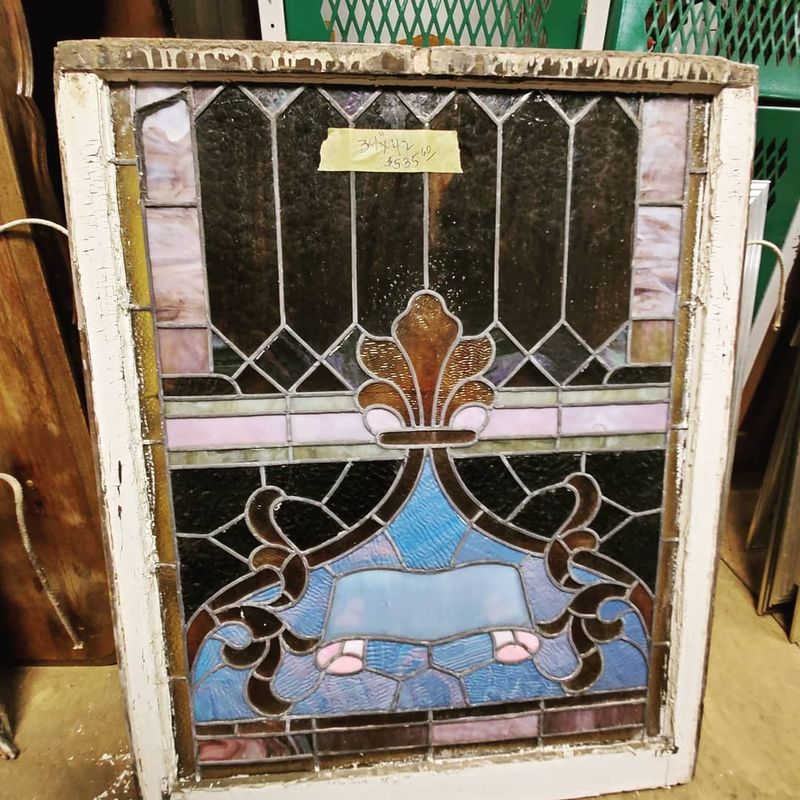
Decorative glass is another category where the salvage yard pulls well ahead of modern suppliers. Antique leaded glass, stained glass panels, and etched glass windows carry a warmth and irregularity in their glazing that contemporary reproductions never quite match.
That slight imperfection is actually the point. It catches light differently throughout the day and creates an atmosphere that feels genuinely aged rather than artificially distressed.
Both tin ceilings and decorative glass are items that set dressers and production designers have sourced from Doc’s for television and film work, including the show Nashville 911. That professional endorsement reflects the authenticity of the inventory.
When productions need something that reads as genuinely historic on camera, they turn to places like Doc’s rather than prop houses stocked with replicas.
Antique Lighting That Sets A Mood No Fixture Catalog Can Match
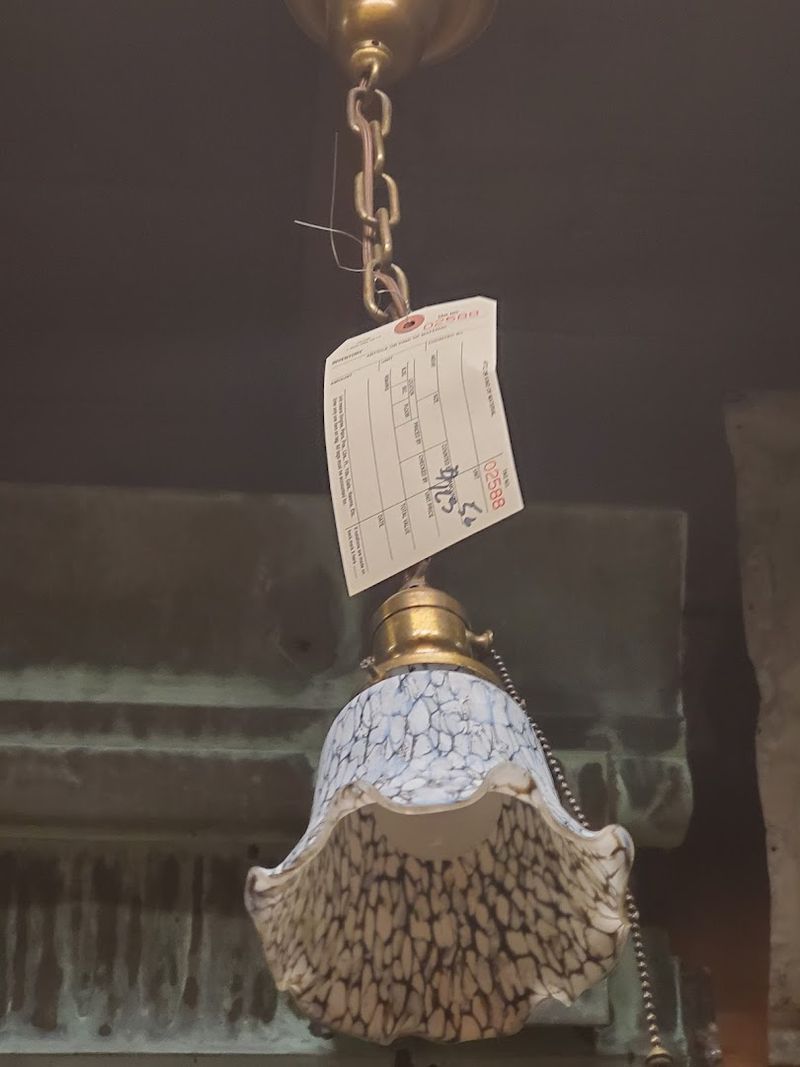
Lighting is the detail that separates a well-designed room from a merely furnished one, and antique fixtures carry an atmospheric quality that new pieces consistently fail to replicate.
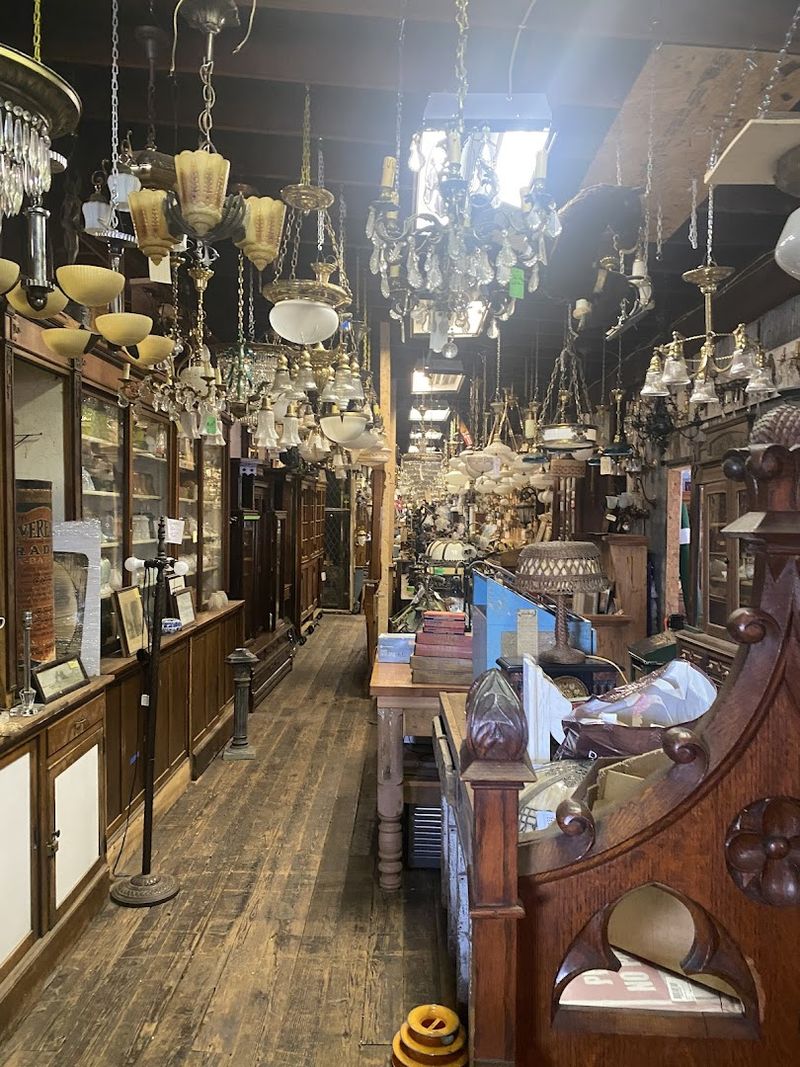
Doc’s Architectural Salvation stocks a broad range of antique lighting, from ornate chandeliers with original glass shades to industrial pendant fixtures.
The variety reflects decades of sourcing from buildings across the country. Each fixture arrives with a provenance that adds meaning beyond its visual appeal.
A chandelier salvaged from a 19th-century hotel ballroom brings a different energy to a dining room than anything purchased from a lighting showroom.
The weight, the patina, the quality of the metalwork, these are characteristics that accumulate over time and cannot be manufactured on demand.
Doc’s also offers in-store repurposing of light fixtures, which means a piece that arrives in non-functional condition can often be rewired and restored on site.
That service significantly expands the range of available inventory because pieces that might otherwise be decorative-only become fully usable lighting solutions.
For designers working on residential or commercial projects, that combination of selection and service makes Doc’s a genuinely efficient sourcing stop rather than just an interesting browse.
Back Bars And Architectural Woodwork That Tell The Story Of Old America
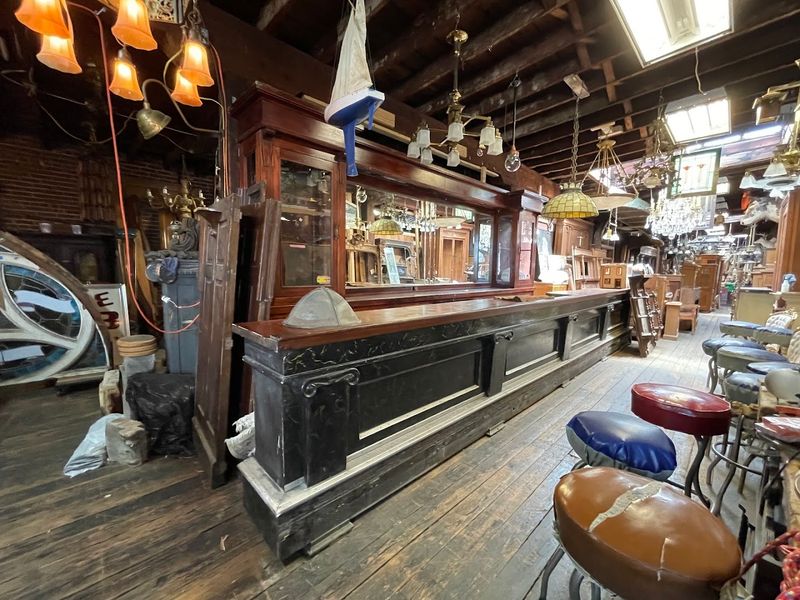
Back bars occupy a specific category of American architectural history that is simultaneously underappreciated and irreplaceable.
These structures combined cabinetry, mirror work, carved columns, and decorative molding into single unified pieces of functional furniture.
The craftsmanship involved was considerable, and the materials used, solid hardwoods, beveled glass, hand-cut moldings, reflect an era of genuine investment in commercial interiors.
Doc’s Architectural Salvation carries back bars that range from modest tavern pieces to elaborate multi-section structures that would anchor a large room with authority.
Designers and homeowners alike have installed these pieces in home libraries, dining rooms, home bars, and even as room dividers in open-plan spaces.
Their scale and visual complexity make them the kind of acquisition that defines a room rather than merely furnishing it. The broader architectural woodwork inventory at Doc’s follows a similar logic.
Carved newel posts, decorative brackets, built-in cabinet sections, and ornamental millwork all represent the kind of detail that new construction rarely includes at any budget level.
Sourcing these elements and incorporating them into a renovation or new build is one of the most cost-effective ways to achieve interiors that feel genuinely considered and historically grounded.
Global Shipping And Online Stores That Bring Springfield To The World
Doc’s Architectural Salvation operates well beyond the boundaries of Robertson County.
The business maintains active stores on eBay and Etsy, a dedicated website at docsarchitecturalsalvage.com, and a presence on Facebook Marketplace.
Items from this Springfield, Tennessee address have shipped to Norway, Japan, and Dubai, which is a remarkable geographic footprint for a salvage operation of any size.
That international reach reflects both the rarity of the inventory and the confidence Doc Keys has in the condition of what he sells.
Shipping antique architectural pieces across oceans requires careful packing and a reputation that holds up under scrutiny from buyers who cannot inspect items in person.
The fact that Doc’s has built a global customer base through online channels speaks directly to the reliability of that process.
For buyers who cannot make the drive to Springfield, the online stores offer a meaningful alternative. Browsing the eBay or Etsy listings before visiting in person is also a practical strategy for understanding what categories Doc’s currently carries in depth.
The physical inventory shifts constantly as new sourcing trips bring fresh material in, so the online presence provides a useful, if partial, window into what awaits on the floor.
Restoration And Refinishing Services That Complete The Picture
Buying an antique piece is one thing. Bringing it to a condition suitable for installation is another matter entirely, and that gap is where many salvage purchases stall.
Doc’s Architectural Salvation addresses this directly by offering in-store furniture and wood stripping, repurposing of furniture, and full restoration of antiques and architectural salvage. That service list transforms the yard from a passive inventory source into an active renovation partner.
Reviewers have mentioned watching staff members strip doors on site, with one customer describing the experience as completely changing their approach to a home restoration project.
Seeing the process in person, observing how layers of old paint come away to reveal original wood grain and joinery, carries a persuasive quality. It also builds confidence in the quality of what is being purchased.
The restoration services are particularly valuable for buyers who find pieces in rough condition but recognize the underlying quality.
A back bar with peeling finish, a door with hardware frozen by decades of paint buildup, or a chandelier with corroded fittings can all be returned to functional, attractive condition.
Doc’s operating hours run Tuesday through Saturday, 10 AM to 4 PM, making weekday visits entirely practical for most buyers.
Pieces Salvaged From Historic Structures That Carry Real Cultural Weight
Some of what fills the floor at Doc’s Architectural Salvation carries a weight that goes beyond decorative value.
The business has preserved pieces salvaged from the East End United Methodist Church in Nashville after a tornado destroyed the structure.
Owning a piece of that building is participating in its preservation rather than simply decorating a room.
Doc Keys and his crew approach sourcing with a deliberate awareness of historical significance. They travel the country to reclaim materials from structures facing demolition, working with pickers to access buildings before the wrecking equipment arrives.
That process requires knowledge, speed, and a genuine commitment to the idea that older materials carry value worth protecting from landfill.
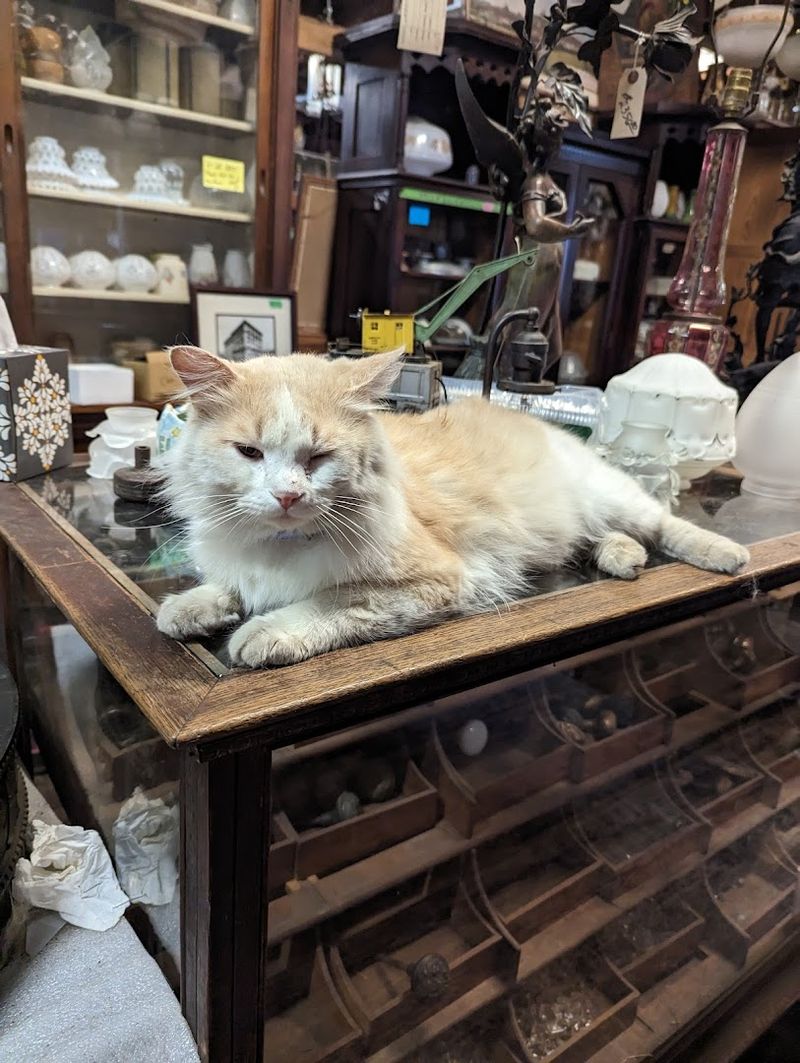
Many pieces at Doc’s arrive with tags identifying their origin, which customers have described as transforming a shopping trip into a kind of treasure hunt with history attached.
That provenance documentation is not common practice across the salvage industry, and it reflects an ownership philosophy centered on transparency and education.
For buyers who care about where their materials come from, Doc’s offers a level of traceability that adds meaning to every purchase.