
This Tennessee Town Is Known As The Waterfall Capital Of The World And It’s So Worth A Day Trip In 2026
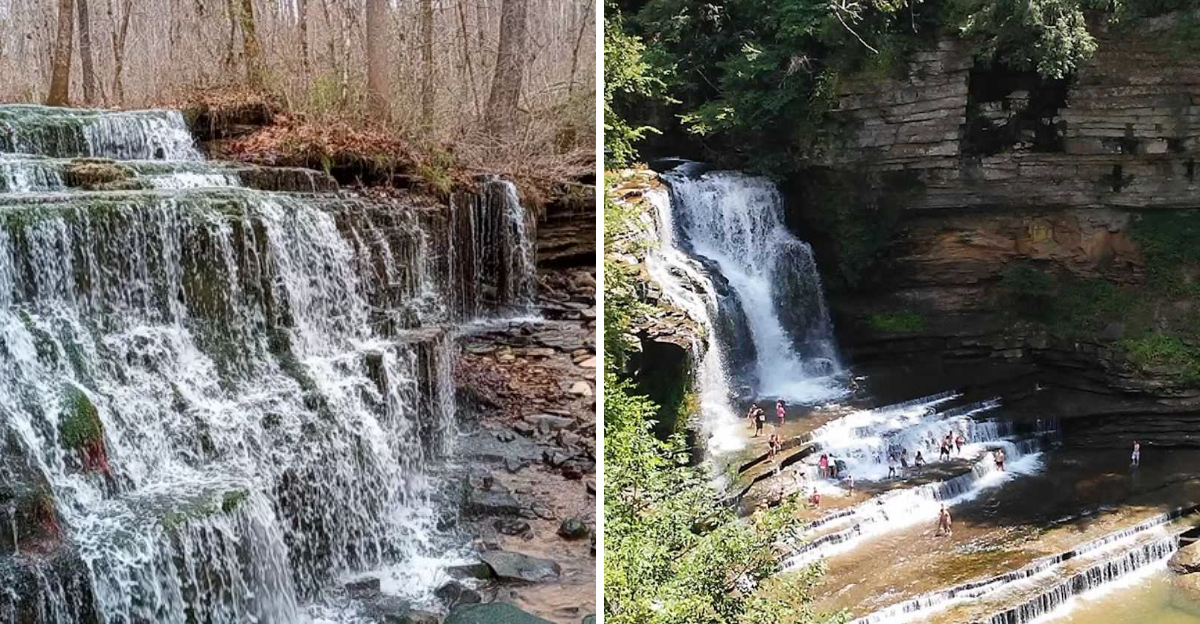
Water seems to appear around every corner here, sometimes loud and powerful, sometimes calm and steady. It quickly turns a simple day trip into something far more memorable.
Tennessee is home to a town known for its incredible number of waterfalls, each one offering a different view and a reason to keep exploring. Short walks lead to scenic overlooks, while longer trails bring you closer to the rushing water.
The setting feels peaceful, yet never dull. With so much to see in a single area, it is easy to spend the day moving between spots and still feel like there is more waiting.
Cummins Falls State Park
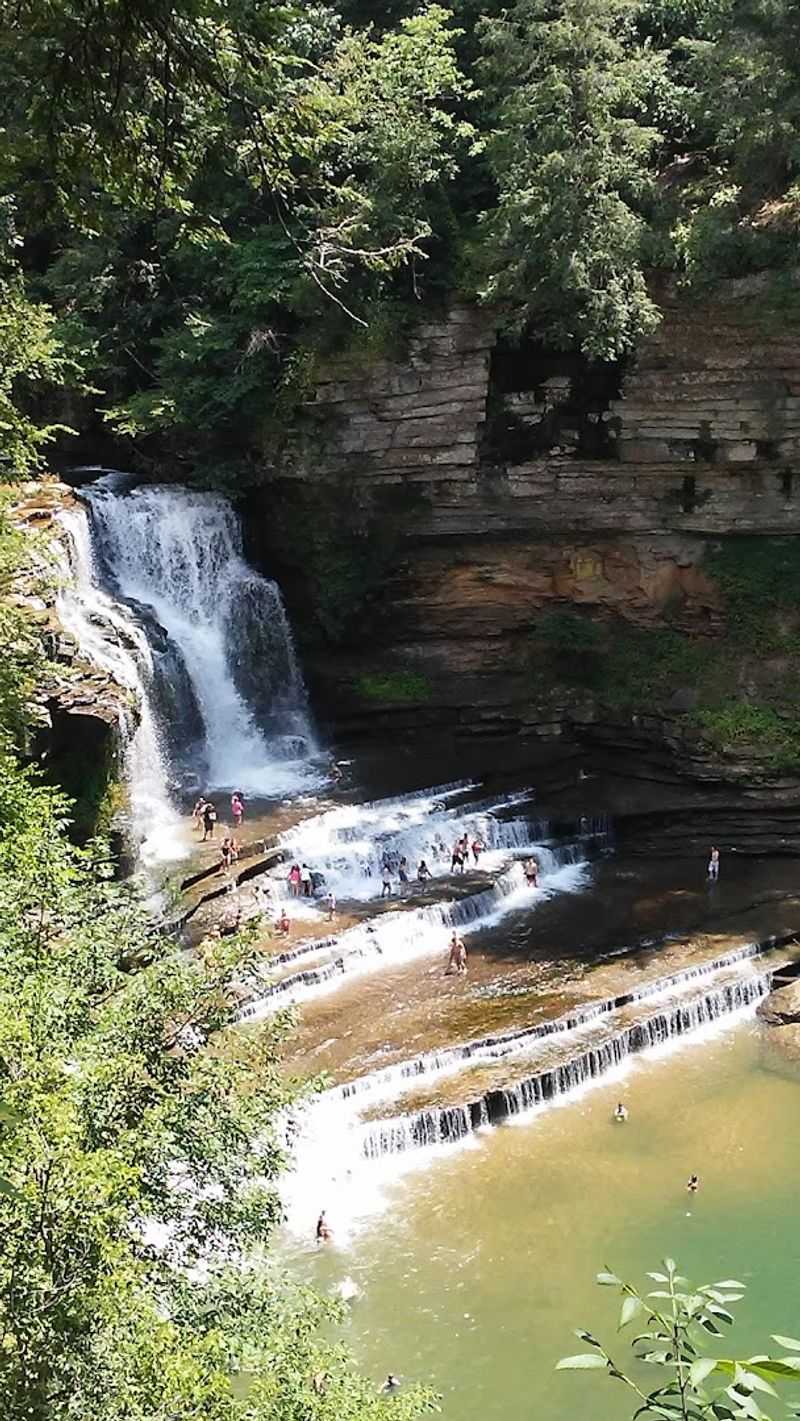
Standing 75 feet tall and roaring with enough force to rattle your chest, Cummins Falls is the kind of waterfall that makes you forget you had a to-do list. It is recognized as Tennessee’s eighth largest waterfall by volume, and every drop of that statistic becomes real the moment you round the last bend of the trail and see it for yourself.
Reaching the base requires a Gorge Access Permit, which visitors can secure online before arrival. The hike down is moderately strenuous, involving slippery rocks and stream crossings that will almost certainly get your boots wet.
Wear shoes you do not mind soaking, and bring a dry bag for your phone and wallet.
For those who prefer a drier experience, an accessible overlook provides a commanding view of the falls from above without requiring any technical hiking. Cummins Falls State Park sits at 390 Cummins Falls Lane in Cookeville and is open year-round, though spring visits reward hikers with the most dramatic water volume.
Summer draws swimmers eager to cool off in the natural pool at the base, making early morning arrivals the smartest move for anyone hoping to beat the crowds.
Burgess Falls State Park
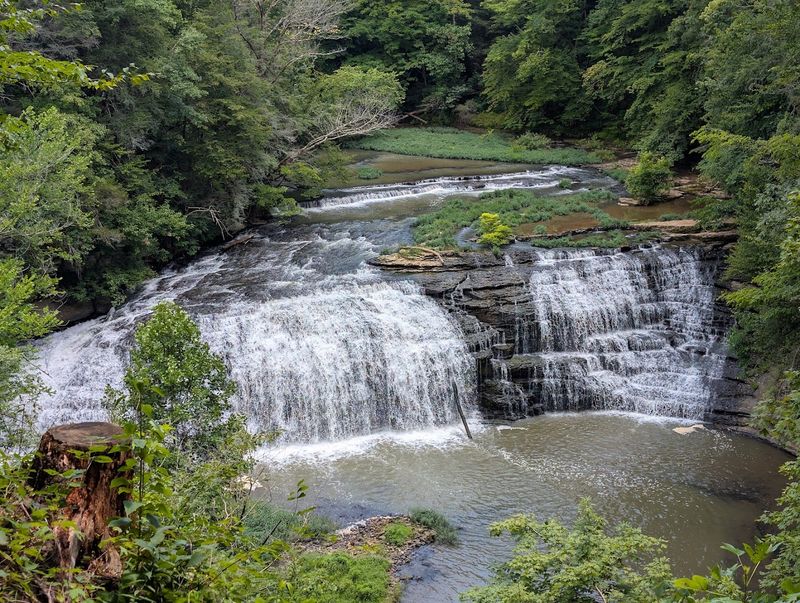
Not every great waterfall experience is about a single dramatic drop. Burgess Falls State Park earns its reputation through a sequence of cascades that builds anticipation with every quarter mile of trail.
Starting with the 20-foot Falling Water Cascades, the path progresses through the 30-foot Upper Falls and Middle Falls before arriving at the main event: a 136-foot plunge that stops most hikers mid-sentence.
The shaded trails here are well-maintained and genuinely pleasant, offering relief from summer heat and a golden canopy during autumn. Storm damage in 2018 closed the trail that once led to the base of the main falls, so the overlook is currently the primary vantage point.
Kayakers have found an alternative route to the base, which adds an adventurous option for those with the equipment and experience.
Burgess Falls State Park is located at 4000 Burgess Falls Drive in Sparta, roughly 20 miles from downtown Cookeville. Admission is free, and parking fees are minimal.
The park rewards visitors in every season, from the muscular spring flows to the delicate ice formations that occasionally frame the falls during January and February. Plan for at least two hours to walk the full trail comfortably.
Fall Creek Falls State Park
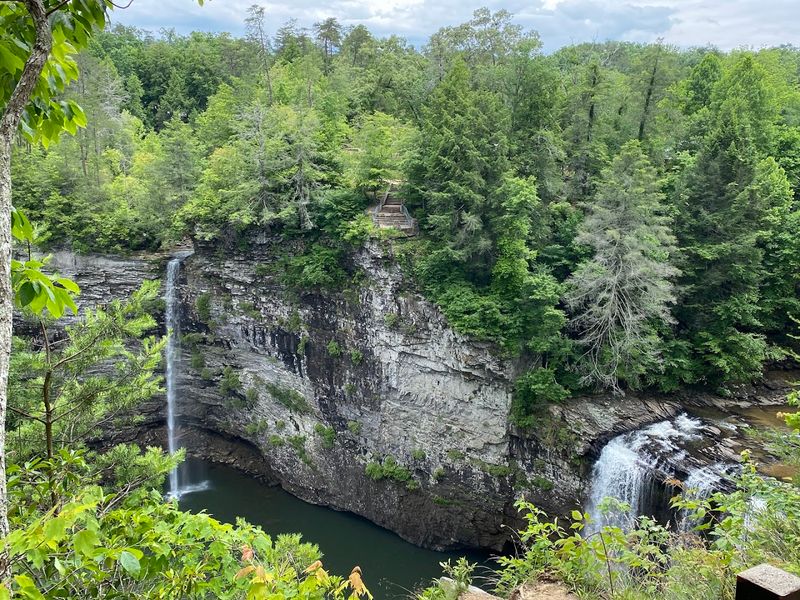
At 256 feet, Fall Creek Falls does not merely impress, it redefines what a visitor expects from a Tennessee waterfall. Recognized as one of the highest waterfalls in the entire eastern United States, this landmark draws hikers, photographers, and nature enthusiasts from across the country every single year.
The main falls are easily accessible, meaning the payoff does not require expert-level fitness.
Located about an hour south of Cookeville, Fall Creek Falls State Park sits within a broader landscape of gorges, cascades, and forest trails that could fill an entire weekend. The park also features Cane Creek Falls, Cane Creek Cascades, and Piney Creek Falls, giving visitors multiple waterfall experiences within a single visit.
A suspension bridge near the main overlook offers a perspective that photographs cannot fully replicate.
The park has overnight cabins and camping facilities for anyone who wants to extend their trip beyond a single day. Fall Creek Falls State Park is at 2009 Village Camp Road in Spencer, Tennessee.
Visiting in spring guarantees the most powerful flow, while fall foliage frames the gorge in warm amber and red tones that make the drive down equally rewarding. This is a destination that consistently exceeds expectations on every visit.
Window Cliffs State Natural Area
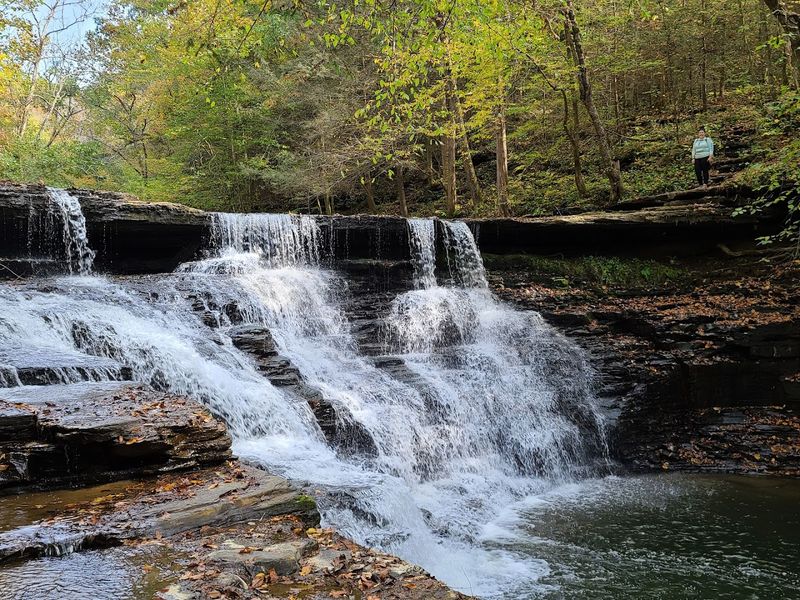
Some natural formations defy easy explanation. Window Cliffs State Natural Area, located just outside Cookeville, features a series of distinctive rock bridges that arch naturally above Falling Water Creek, creating openings in the stone that frame the forest and sky beyond.
Geologists credit the Cumberland Plateau’s unique sandstone and limestone composition for producing these formations over thousands of years.
The trail leading to the cliffs is about two miles round trip and is rated moderate, with some sections requiring careful footing along creek banks. The reward is a series of views that feel genuinely rare, the kind that appear in travel photography but are even more striking in person.
Morning light filtering through the rock windows creates a natural spectacle worth waking up early to see.
Window Cliffs is managed by the Tennessee State Parks system and carries no admission fee. The area is accessed via Burgess Falls Road, and parking is limited, so arriving before 9 a.m. on weekends prevents the frustration of a full lot.
Wildflowers bloom along the trail in April and May, adding color to the already layered scenery. This site pairs well with a morning visit to Burgess Falls, as both are within a short drive of each other and complement the same half-day itinerary.
City Lake Natural Area
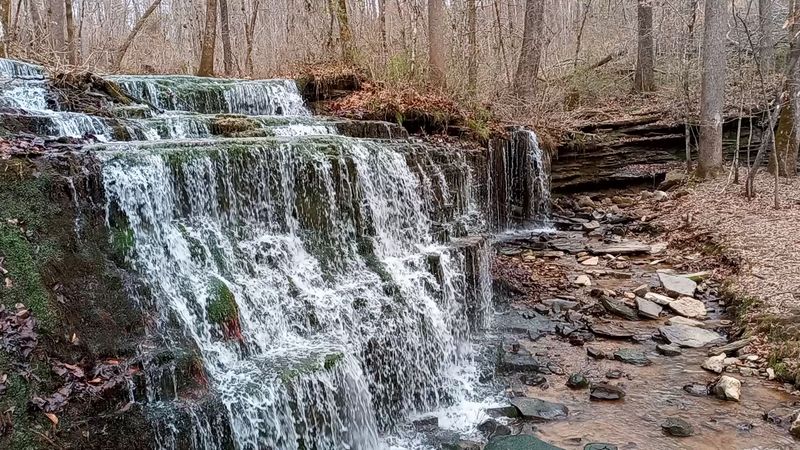
Not every waterfall requires a permit, a dry bag, or a signed liability waiver. City Lake Natural Area, located within Cookeville city limits, offers a completely different kind of waterfall experience: calm, accessible, and genuinely enjoyable for visitors of all ages and fitness levels.
The centerpiece is a 6-foot waterfall reachable via a 0.6-mile round-trip trail that most families can complete in under 30 minutes.
Beyond the falls, the natural area includes a tranquil lake that draws anglers, bird watchers, and picnickers throughout the year. The setting has a relaxed, unhurried quality that makes it an ideal starting point for a day of exploration, particularly for families traveling with young children or visitors new to hiking.
The trail surface is manageable for most footwear, though sneakers are always preferable to sandals.
City Lake Natural Area is located at 2010 Bridgeway Dr in Cookeville and is free to visit. It opens early in the morning and provides a pleasant contrast to the more dramatic gorge hikes available elsewhere in the region.
Locals treat it as a neighborhood escape, which means the atmosphere is relaxed and genuine rather than touristy. Visiting on a weekday morning offers the quietest experience and the best chance of spotting wildlife along the trail.
Downtown Cookeville

A waterfall day trip that skips lunch in downtown Cookeville is a missed opportunity. The downtown corridor has developed into a genuinely appealing collection of independent restaurants, coffee shops, and boutiques that reflect the personality of the surrounding region without trying too hard to imitate larger cities.
Soul Craft Coffee has earned a loyal following among locals and visitors alike, offering well-prepared espresso drinks in a relaxed setting that invites lingering.
Meg’s Bread has become a local institution, with fresh-baked loaves and pastries that pair perfectly with a mid-morning break between waterfall hikes. Father Tom’s Pub offers a more substantial meal option, with a menu and atmosphere that lean comfortably toward the casual end of the spectrum.
Antique shops and local boutiques fill the gaps between restaurants, making downtown Cookeville worth an hour of unhurried walking.
The downtown area is centered around the Cookeville Depot Museum on Cedar Avenue, which provides a brief but interesting look at the region’s railroad history. Prices throughout downtown remain reasonable by any standard, which is refreshing compared to tourist-heavy destinations of similar natural appeal.
Cookeville is the county seat of Putnam County and functions as the economic and cultural hub of the Upper Cumberland region, a role its downtown reflects with quiet confidence.
The Cumberland Plateau Geology
More than 150 waterfalls within a 50-mile radius is not an accident. The Cumberland Plateau, which forms the geological backbone of the Cookeville region, is a raised tableland composed of alternating layers of resistant sandstone and soluble limestone.
Over millions of years, rivers and streams have carved through these layers, creating the gorges, cliffs, and cascades that define the landscape visitors see today.
The plateau sits roughly 1,000 to 2,000 feet above the surrounding valleys, which means streams gain significant elevation quickly before dropping over resistant rock edges. That combination of geology and topography is responsible for the unusual concentration of waterfalls that earned Cookeville its title as the Waterfall Capital of the World.
It is a distinction rooted in measurable fact rather than marketing enthusiasm.
Understanding the geology also helps visitors appreciate why different waterfalls look so distinct from one another. Burgess Falls drops over layered limestone in a series of steps, while Cummins Falls plunges through a sandstone gorge in a single dramatic fall.
Each site reflects a slightly different expression of the same underlying landscape. For visitors with even a passing interest in natural science, this geological variety adds an educational dimension to what is already a compelling outdoor itinerary.
Seasonal Visits To Cookeville

Cookeville’s waterfall landscape is not static. Each season offers a genuinely different version of the same trails and cascades, which means the destination rewards repeat visits in a way that few day-trip destinations can match.
Spring brings the most powerful water flow, fueled by snowmelt and April rains, making waterfalls like Burgess Falls and Cummins Falls roar with a volume that summer simply cannot replicate.
Summer shifts the appeal toward swimming and recreation. The natural pool at the base of Cummins Falls becomes a popular destination for families and young adults seeking relief from Tennessee heat.
Trails are fully accessible, wildflowers have faded into full green canopy, and the longer daylight hours allow for ambitious multi-waterfall itineraries without rushing.
Autumn is the season that surprises most first-time visitors. The Cumberland Plateau’s hardwood forests turn in late October and early November, draping the gorges in orange, red, and gold that frame every waterfall with remarkable color.
Winter visits are quieter and less crowded, occasionally rewarding patient visitors with partially frozen cascade formations that transform familiar trails into something entirely new. Checking local trail conditions before a winter visit is always advisable, as ice can make certain paths unsafe.
Every season in Cookeville brings something worth the drive.
Planning Your Cookeville Day Trip

A well-planned day trip to Cookeville covers more ground and delivers more satisfaction than an improvised one. The drive from Nashville takes roughly 80 miles east along Interstate 40, placing Cookeville comfortably within reach for an early departure.
Leaving Nashville by 7 a.m. allows visitors to arrive at Cummins Falls before the morning rush, secure a Gorge Access Permit at the trailhead kiosk, and complete the hike before temperatures peak in summer months.
Waterfall hikes in the region are mostly free or require only minimal parking fees, keeping the overall cost of a day trip impressively low. Packing a lunch reduces the need for a midday stop, though downtown Cookeville’s dining options are worth building into the schedule for an afternoon break.
Comfortable hiking shoes, a change of clothes, and a waterproof phone case cover the essential gear considerations for most trails.
Gorge Access Permits for Cummins Falls are best reserved online before arrival, particularly on weekends between May and September when demand is highest. The Tennessee State Parks website provides current trail conditions and permit availability for all state-managed sites.
Cookeville, Tennessee is located at approximately 36.1625 latitude, 85.4988 longitude, and the city’s visitor information is available at cookeville-tn.org for anyone building a detailed itinerary.