
This Tennessee Waterfall Is Unlike Anything You’ve Ever Seen
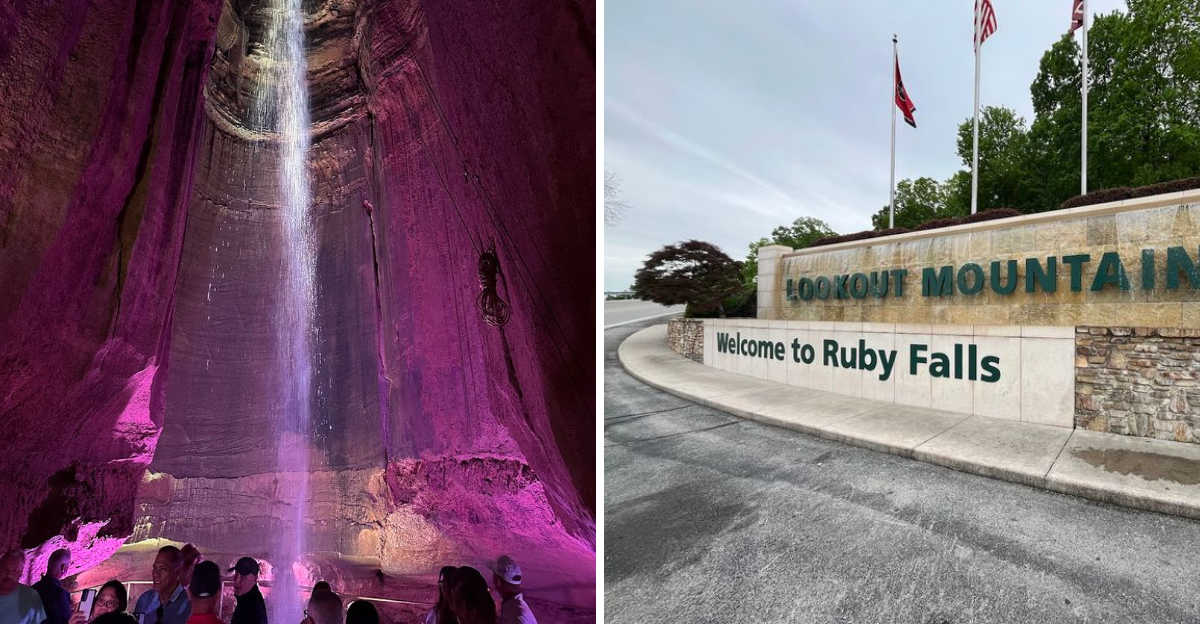
Most waterfalls follow the same script. Water falls, mist rises, you take a photo and move on. Tennessee has one that breaks that script completely.
This one is underground. You don’t hike to it through a forest or spot it from a scenic overlook. You descend into the earth, walk through a cave full of wild rock formations, and then hear it before you see it.
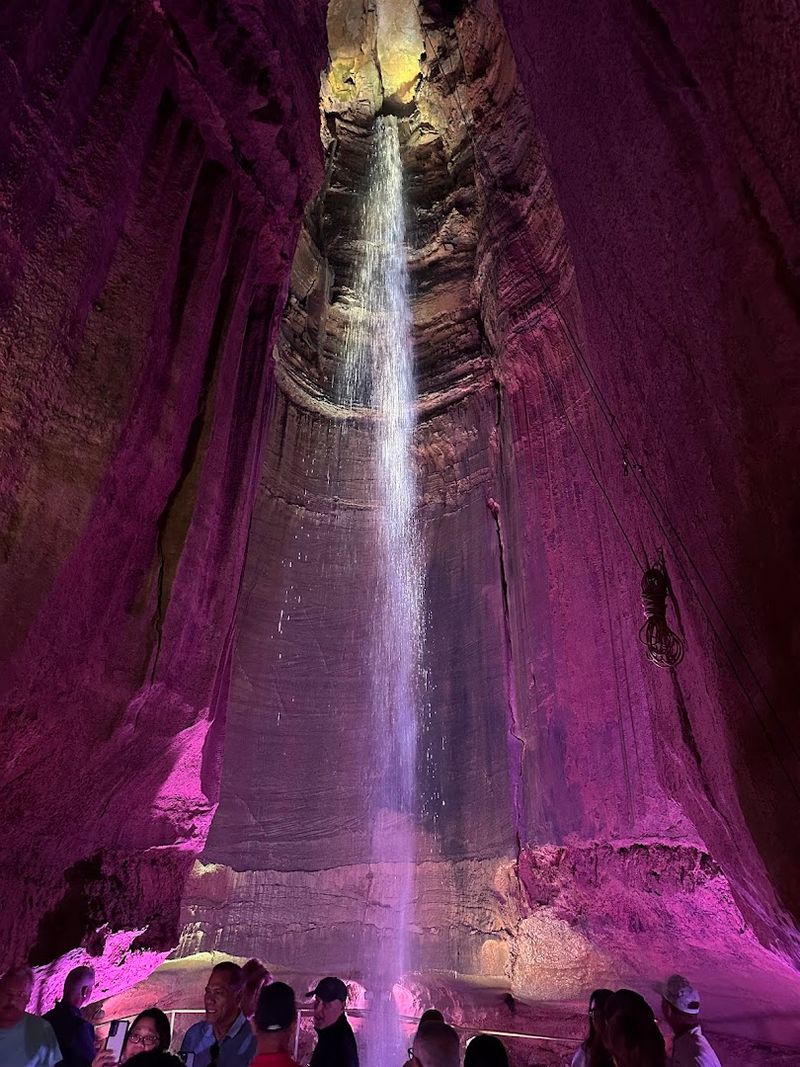
A 145-foot waterfall, roaring in the dark, deep inside a mountain. It’s the tallest underground waterfall open to the public in the entire country. And it sits right here in Tennessee, which still feels a little unreal when you’re standing in front of it.
No outdoor waterfall quite prepares you for the moment the cave opens up and this thing comes into view. It’s loud. It’s stunning. It doesn’t look like anything you’ve seen above ground. Some places earn their reputation. This one absolutely has.
The Remarkable Story Behind The Falls
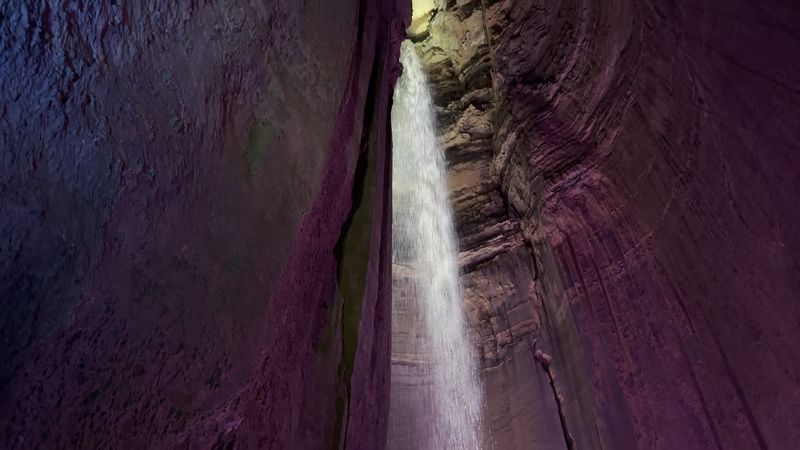
In 1928, a man named Leo Lambert was drilling an elevator shaft into Lookout Mountain with the goal of reopening an old cave system for tourism. What he found instead stopped him cold.
Roughly 260 feet below the surface, his crew broke through into a passage that no one had mapped, recorded, or even suspected.
Lambert explored the passage and eventually reached a waterfall cascading 145 feet inside a limestone cavern. He named it Ruby Falls, after his wife Ruby.
The story carries a certain quiet romance to it, the kind that feels more like fiction than geology.
Ruby Falls officially opened to the public in 1930 and has welcomed visitors ever since. The Ruby Falls Cavern Castle, built using limestone excavated from that original elevator shaft, was later added to the National Register of Historic Places in 1985.
The attraction holds the distinction of being the tallest and deepest underground cave waterfall open to the public in the entire United States. That title was earned by accident, which makes it all the more interesting.
Descending Into Lookout Mountain On The Glass Elevator
The tour begins before you ever see a single stalactite. Stepping into the glass-front elevator at Ruby Falls, you descend 260 feet into Lookout Mountain, and the ride itself sets the tone for everything that follows.
It takes under a minute, but the sensation of dropping deep into solid rock is genuinely memorable.
The elevator walls give you a brief glimpse of the mountain’s interior as you descend, layered limestone passing by in shades of gray and tan.
By the time the doors open, you are standing approximately 1,120 feet beneath the mountain’s surface, and the temperature has already dropped to a steady 60 degrees Fahrenheit, which the cave maintains year-round regardless of the season outside.
Visitors who book the early morning tours, particularly the 8 AM slot, consistently report smaller group sizes and a more relaxed pace through the cave.
The attraction opens daily at 8 AM and offers several tour options beyond the standard Cave Walk, including Geology, History, and Lantern Tours for those who prefer a slower, more detailed experience.
Purchasing tickets online in advance is strongly recommended to avoid delays at the entrance.
Walking Through A Living Limestone Cavern
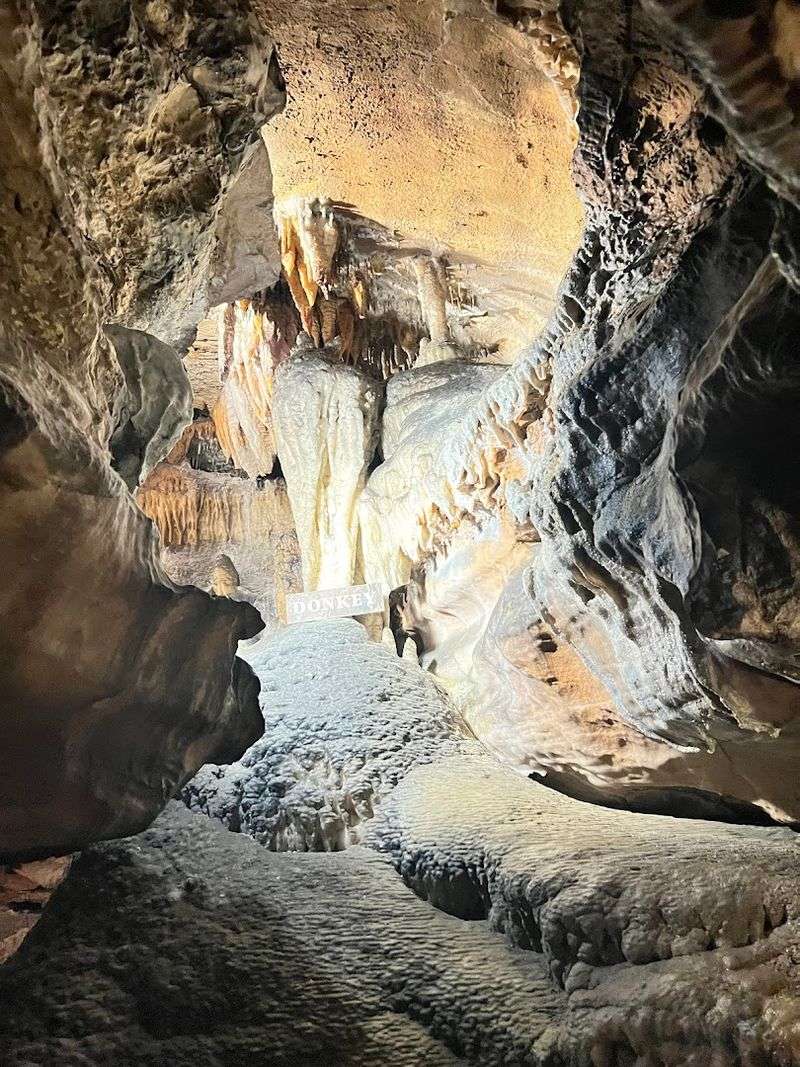
The walk to the waterfall covers roughly half a mile each way through a cavern system that took millions of years to form.
Along the route, the cave reveals an impressive collection of speleothems, which include stalactites hanging from the ceiling, stalagmites rising from the floor, columns where the two have merged, flowing drapery formations, and smooth stretches of flowstone along the walls.
The cave is lit with multi-colored LED lighting that highlights the formations without feeling theatrical. Visitors regularly describe the effect as beautiful rather than gimmicky, and the steady 60-degree temperature makes the walk comfortable even in summer.
Wearing non-slip shoes is genuinely useful, as some sections of the path can be damp and slightly slippery.
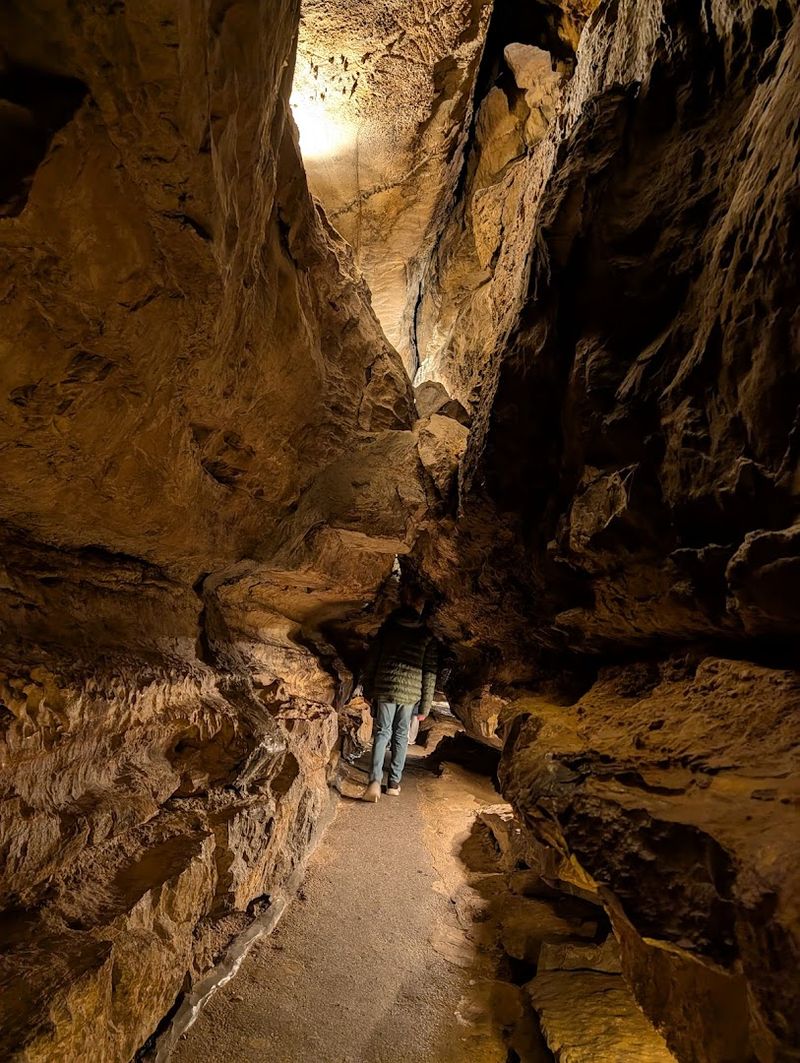
Tour groups typically range from 20 to 30 people, and the cave path is narrow in places, sometimes just six or seven feet across. The pace is generally steady, with brief stops at notable formations along the way.
Guides vary in style, and several have developed strong followings among repeat visitors. Plan for 90 to 120 minutes for the full experience, including the elevator ride and the return walk.
What Makes The Underground Waterfall So Visually Striking
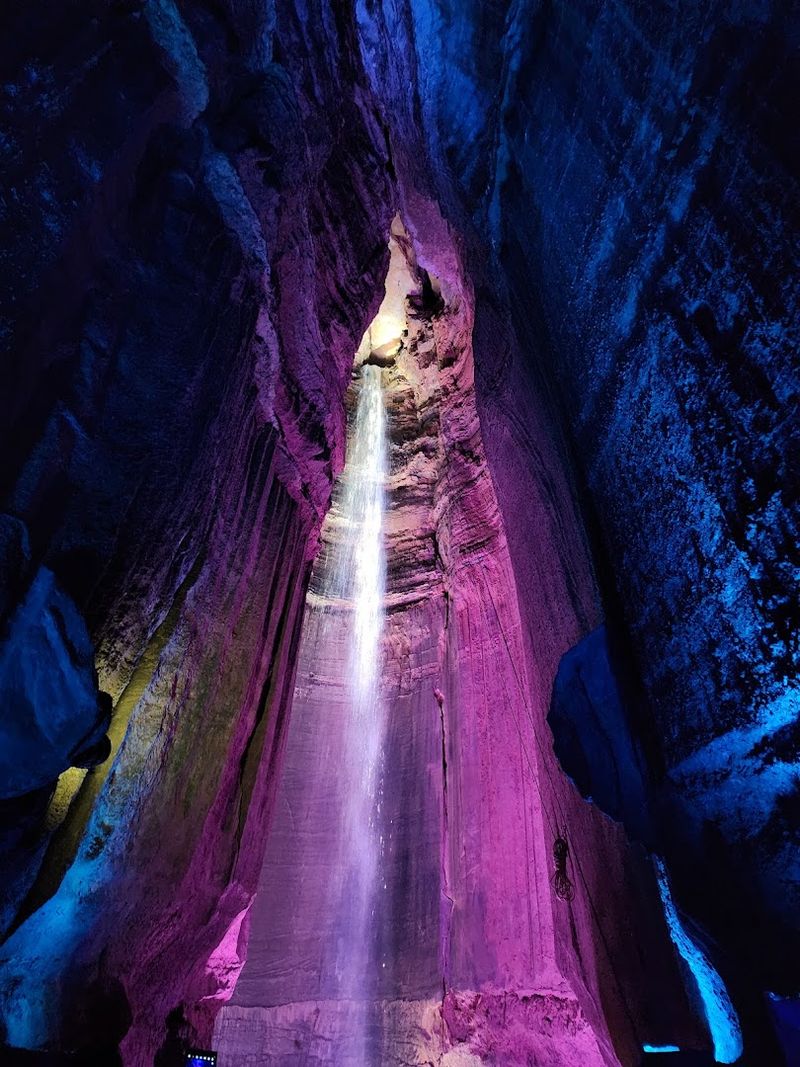
Standing in front of a 145-foot waterfall is already an impressive experience. Doing so underground, inside a mountain, surrounded by limestone walls and choreographed lighting, is something most people do not have a frame of reference for until they see it firsthand.
Multiple visitors have noted that photographs simply fail to capture the scale or atmosphere of the moment.
The waterfall is fed by meteoric water, specifically rainwater that percolates through the surface and filters down through the cave system over time. The water collects in a pool on the cave floor before eventually making its way to the Tennessee River.
Pumps are used to maintain consistent flow year-round, ensuring visitors see an active waterfall regardless of seasonal rainfall patterns.
The specialty lighting and accompanying music create a viewing experience that feels deliberately paced, though the time spent at the falls is one of the most commonly discussed aspects of visitor feedback.
Standard tours allow roughly five minutes at the waterfall, which some find sufficient and others find brief.
Visitors who want extended time at the falls should consider booking one of the Specialty Tours, which offer smaller groups and a more generous viewing window at the main attraction.
Understanding The Geology That Created This Underground World
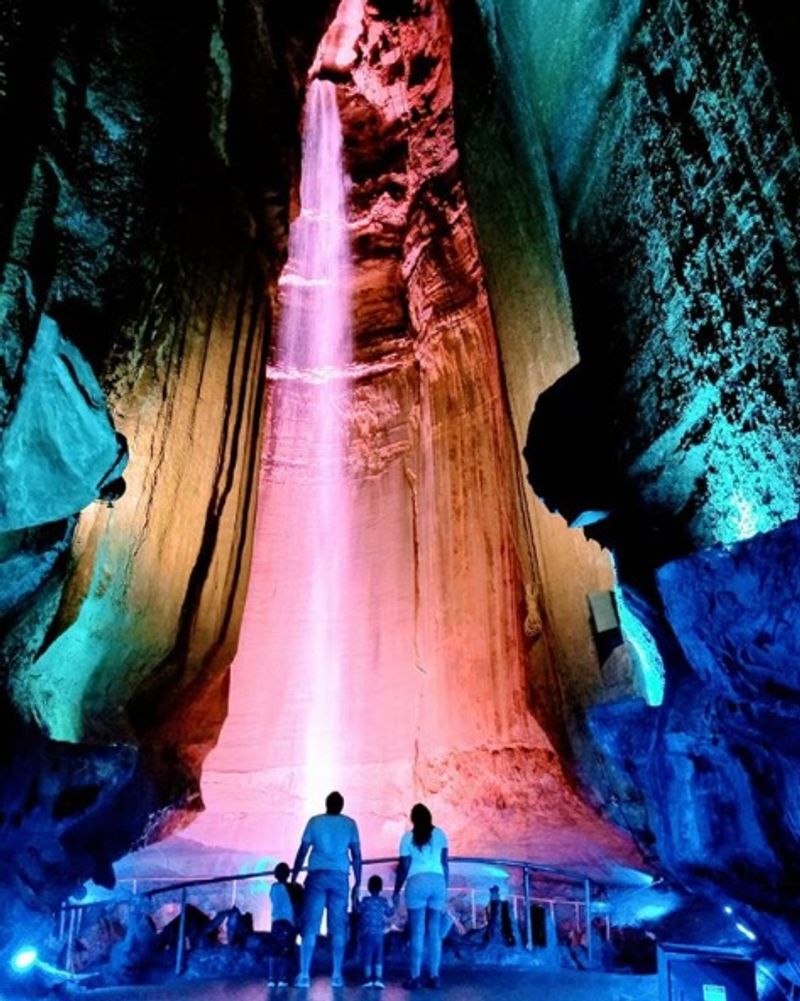
Limestone is the foundation of everything at Ruby Falls. The entire cave system was shaped over millions of years by water erosion and the slow chemical dissolution of limestone rock.
Rainwater absorbs carbon dioxide as it moves through soil, forming a mild carbonic acid that gradually dissolves the rock and carves out passages, chambers, and eventually the cavern visitors walk through today.
The speleothems found throughout the cave formed through a separate but related process. Mineral-rich water drips slowly through cracks in the ceiling, depositing calcium carbonate one thin layer at a time.
Over thousands of years, those deposits build into the stalactites, stalagmites, columns, and drapery formations that make the cave visually striking at nearly every turn.
Ruby Falls offers a dedicated Geology Tour for visitors who want a more detailed explanation of these processes. The tour features a smaller group, a slower pace, and guides focused specifically on the science behind the formations.
For anyone with a genuine interest in earth science or natural history, this option provides considerably more context than the standard Cave Walk. The cave itself functions as a working classroom, one that took an extraordinary amount of time to build.
Tour Guides Who Genuinely Shape The Experience
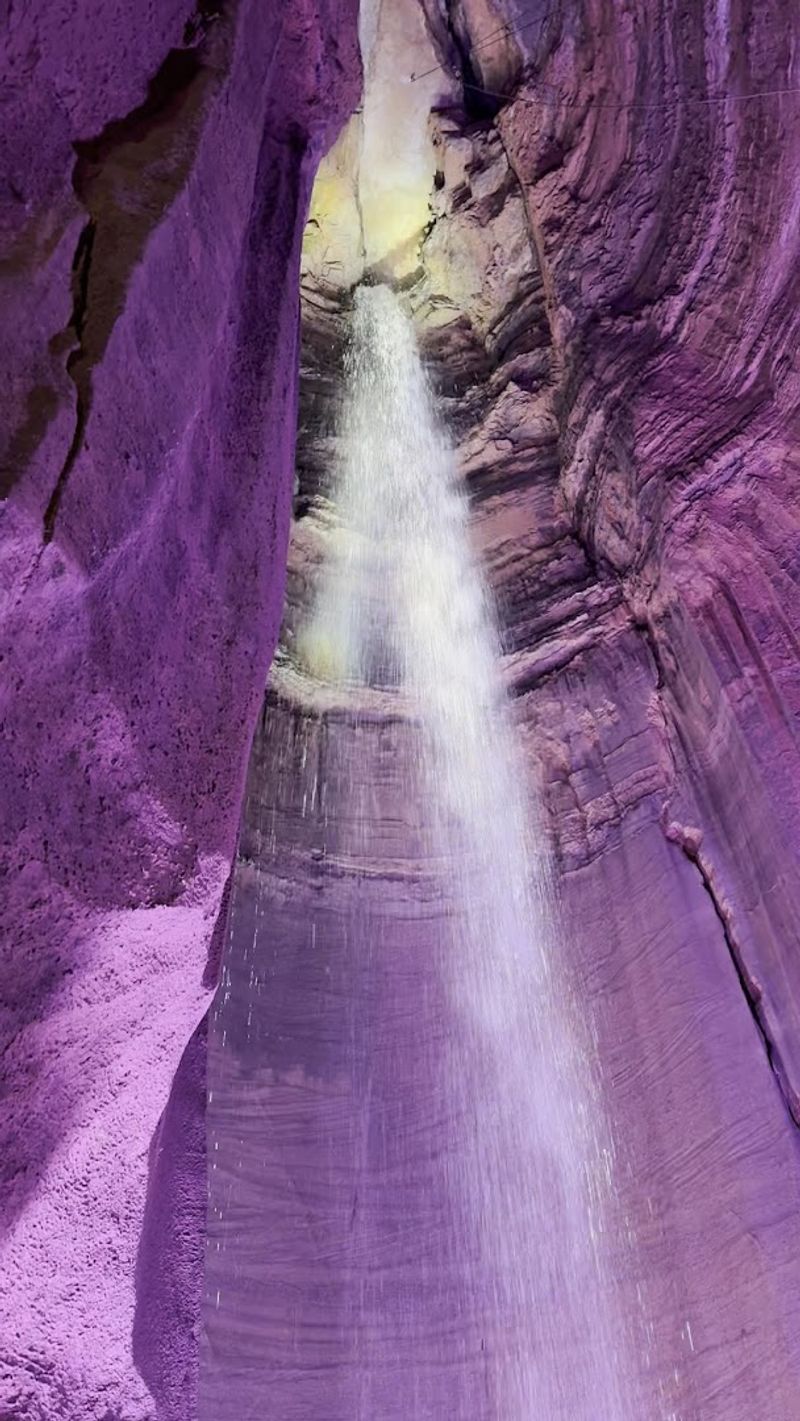
A guided tour lives or dies by the person leading it, and Ruby Falls has developed a reputation for guides who bring real personality to the job.
Visitor reviews frequently mention specific guides by name, and the enthusiasm those guides bring to the cave walk clearly leaves a lasting impression on the groups they lead.
Guides have been described as knowledgeable, funny, and genuinely engaged with the material they present. One visitor noted that their guide was on only his seventh tour and still delivered a confident, well-paced experience.
Another praised a guide for going out of his way to take individual photos of visitors at the waterfall, a small gesture that turned into a memorable one.
The quality of a tour can vary based on group size, time of visit, and the individual guide assigned, so some experiences will naturally feel more personal than others.
Booking specialty tours such as the Lantern Tour or History Tour tends to produce more intimate group dynamics and allows guides to spend more time answering questions.
If a particular guide makes the experience exceptional, the Ruby Falls team actively encourages guests to share that feedback, and they respond to reviews consistently and thoughtfully.
Planning Your Visit For The Best Possible Experience
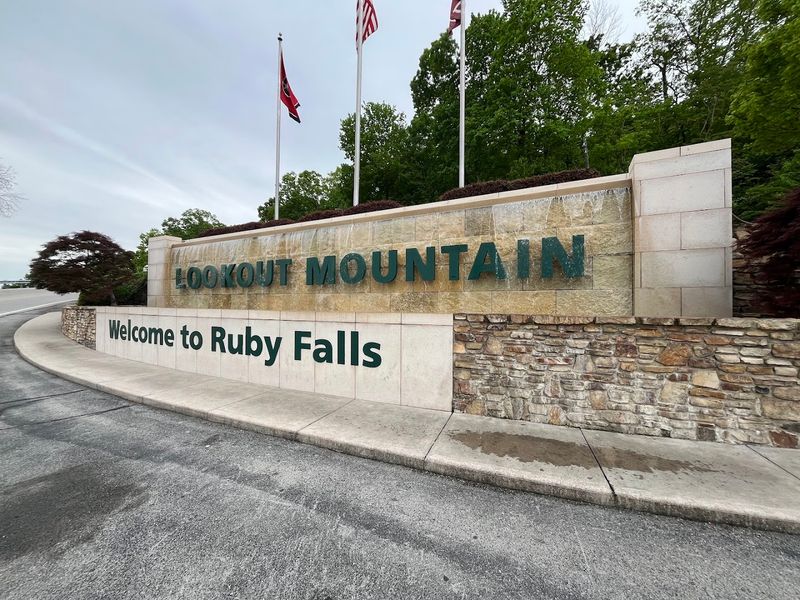
Timing matters more at Ruby Falls than at most attractions. The cave path is narrow, and the viewing area at the waterfall is limited in space, which means large crowds during peak periods can significantly affect the quality of the visit.
Holiday weekends and spring break season bring the heaviest foot traffic, and several reviews describe those periods as noticeably rushed.
The most consistent advice from repeat visitors is to book the earliest available tour, ideally the 8 AM slot, and to purchase tickets online in advance rather than on arrival. Weekday visits during non-holiday periods offer a calmer pace and smaller groups.
The attraction is open daily from 8 AM to 8 PM, and the standard adult ticket runs approximately 30 dollars, with various specialty tours available at different price points.
Ruby Falls is located at 1720 Scenic Hwy, Chattanooga, TN 37409, and can be reached by phone at 423-821-2544. Parking is easy to navigate, and the facility includes a cafe, gift shop, and restrooms for those waiting between tours.
Comfortable, non-slip footwear is genuinely recommended, not as a formality but because the cave floor can be damp in sections. Allow between 90 and 120 minutes for the full experience.
The Cavern Castle And Its Place In Tennessee History
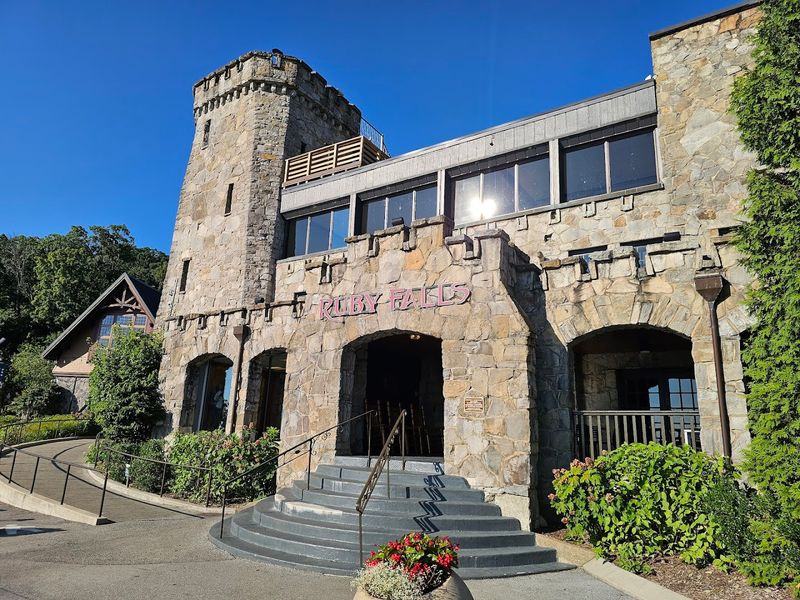
Before visitors ever reach the elevator, they pass through the Ruby Falls Cavern Castle, a structure with its own story worth knowing.
Built using limestone excavated during the original drilling of the elevator shaft in the late 1920s, the castle was constructed as the entrance building for the attraction.
Its stone walls carry the same geological material found hundreds of feet below ground.
The Cavern Castle was added to the National Register of Historic Places in 1985, a recognition that reflects both its architectural character and its role in the broader history of tourism on Lookout Mountain.
The building houses a restaurant with a full menu, a gift shop, and visitor services.
From the nearby Lookout Mountain Tower, guests can take in panoramic views of the Tennessee River after completing the cave tour.
The castle sits at the corner of Lookout Mountain’s public-facing attractions and gives the site a grounded, permanent quality that purely modern visitor centers rarely achieve. It is the kind of building that communicates history without requiring a sign to explain it.
For visitors interested in architecture or regional history, spending a few minutes observing the exterior before or after the tour adds a layer of context to the overall Ruby Falls experience.
Why Ruby Falls Remains A Landmark Worth Experiencing
Ruby Falls has been drawing visitors since 1930, and that kind of longevity does not happen by accident.
The combination of geological rarity, human discovery story, and the simple visual impact of a waterfall underground has given the attraction a staying power that outlasts trends and tourism cycles.
The experience is not without its imperfections. Large group sizes during peak periods, limited time at the waterfall on standard tours, and a narrow cave path can make the visit feel crowded if the timing is not carefully chosen.
Those issues are real and worth planning around rather than dismissing.
At its best, Ruby Falls delivers something genuinely uncommon: a natural wonder that exists entirely out of sight, formed over millions of years, discovered by chance, and accessible to anyone willing to step into an elevator and descend into a mountain.
The cave walk, the formations, the temperature drop, and that final reveal of a 145-foot waterfall in a cavern chamber add up to an experience that resists easy comparison.
Some places are worth seeing once. Ruby Falls, for most people, qualifies without reservation.