
This Tennessee Wildlife Refuge Draws Thousands Of Sandhill Cranes Every Winter
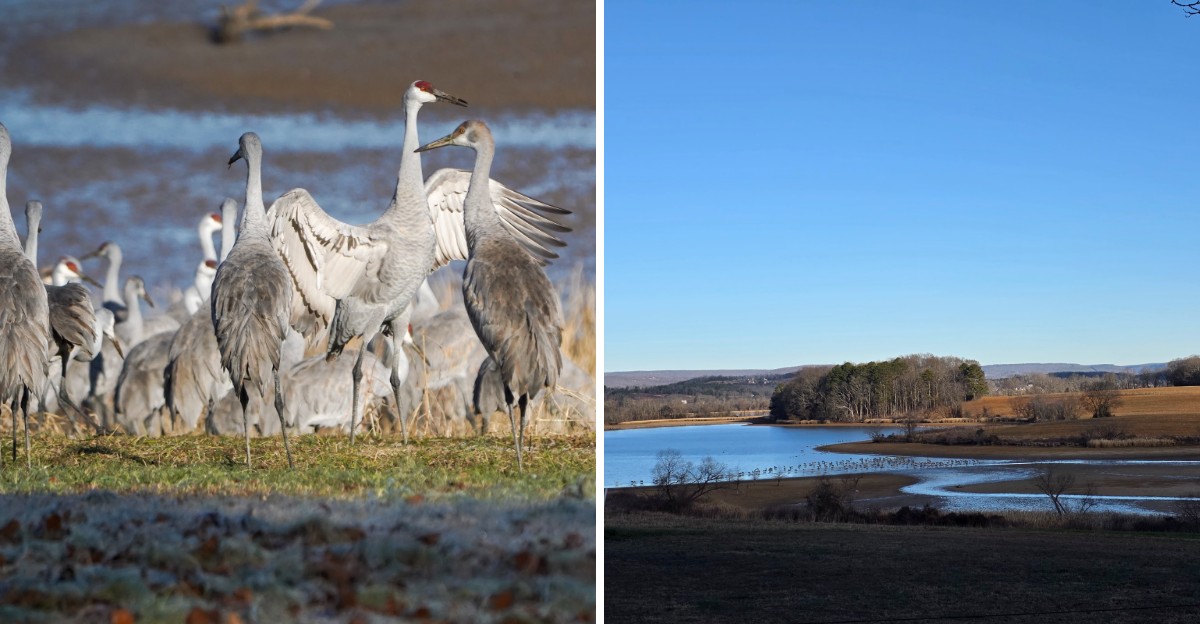
Up to three-quarters of the eastern sandhill crane population has been estimated to pass through or spend time in one corner of Tennessee during migration and winter.
Peak counts have topped 35,000 birds on a single December day.
That’s a lot of gray feathers and long legs in one place. These cranes belong to an ancient species, with fossils dating back about 2.5 million years.
The best part is that you can watch them for free from a viewing platform. I have to admit, a sky full of rattling, bugling cranes sounds like the kind of winter morning worth leaving a warm bed for.
Wildlife managers even plant corn, wheat, and millet to keep the birds well fed. Find out why do so many cranes pick this exact spot, and how do you get the best look?
Thousands Of Cranes Pick This River Spot For A Reason
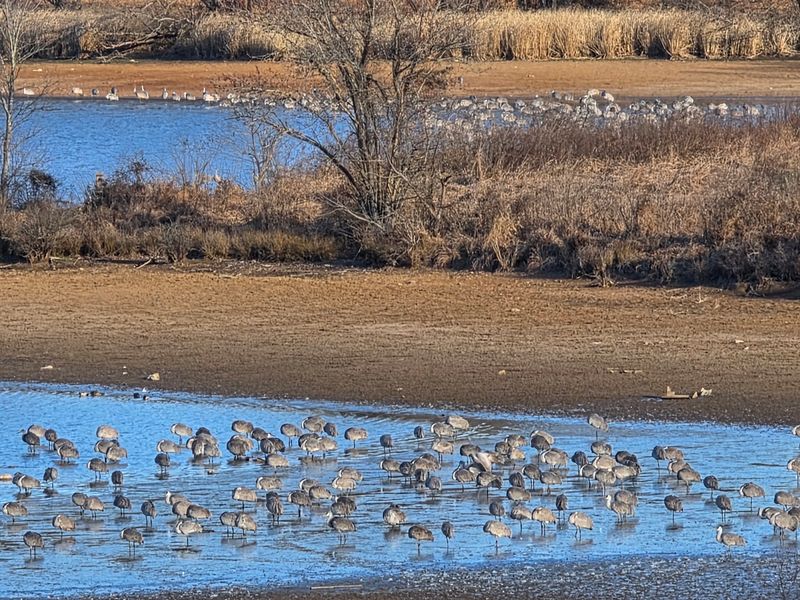
Cranes are picky travelers, and Hiwassee Wildlife Refuge checks every box on their wish list. The refuge sits on Chickamauga Lake where the Hiwassee and Tennessee Rivers meet.
Shallow wetlands give the birds safe places to roost at night. Nearby fields give them plenty to eat once the sun comes up.
The numbers here are wild for the Southeast. Counts often top 10,000 birds, and an estimated 12,000 stay the entire winter.
The Tennessee Wildlife Resources Agency once reported a five-year average of about 29,000 cranes overwintering here. The record peak hit 35,505 birds on December 15, 2016.
Outside of Florida, few places in the Southeast can compete. Hiwassee ranks among the largest wintering and staging areas for sandhill cranes in the region.
That makes this refuge a big deal for the eastern population. Up to 75 percent of those cranes may pass through or stay here.
So when you look out over the fields, you’re seeing something special. It’s one of the biggest crane gatherings east of the Mississippi, right here in Tennessee.
Think of it as a winter resort, minus the room service. The cranes clearly approve.
Your Best Seat In The House Is The Viewing Platform
Good news for budget birders. Watching the cranes here costs nothing, since no fees are required at the viewing areas.
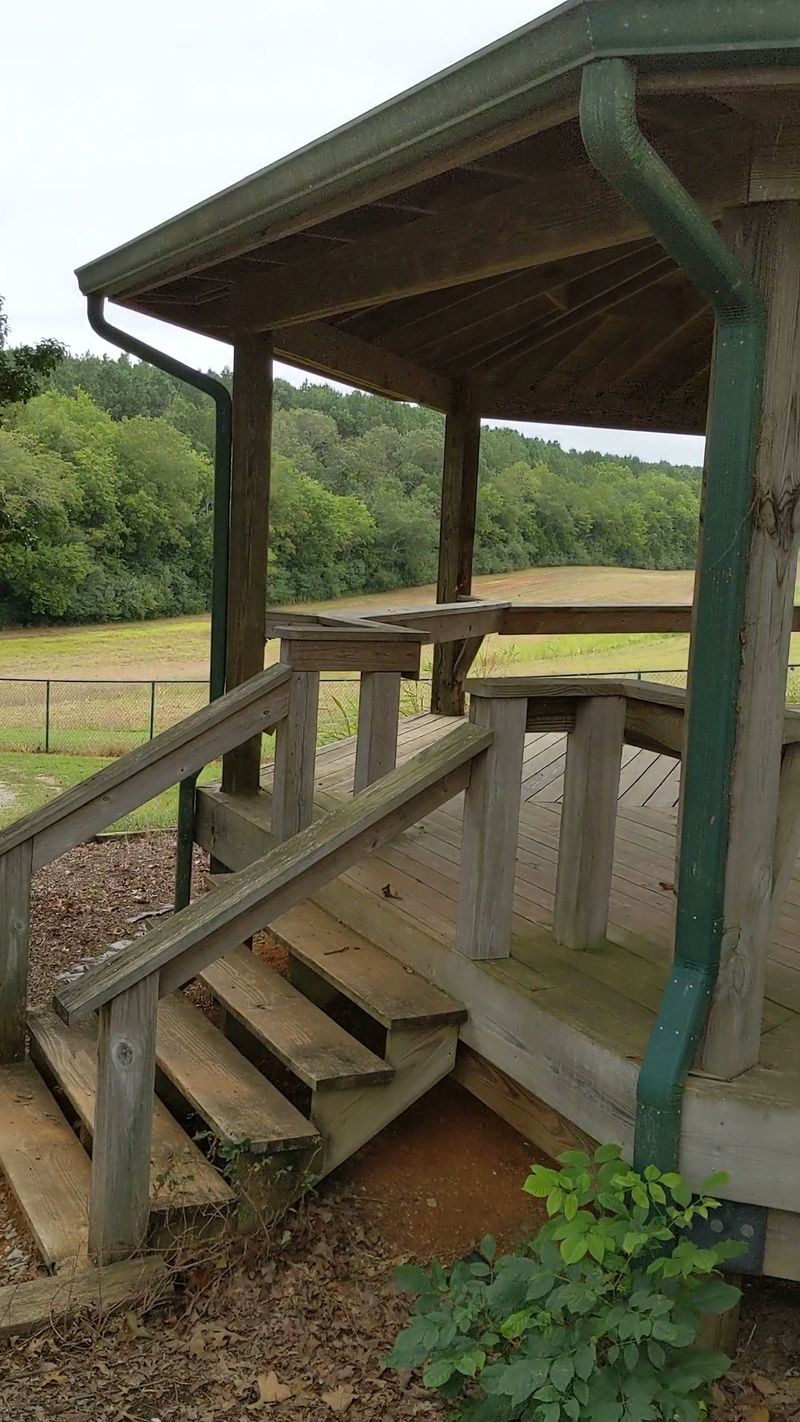
The Wildlife Observation Platform is the star attraction for visitors. It stays open year-round during daylight hours, even when other refuge lands close.
The main refuge lands shut to public entry from November 15 through the last day of February. That protects the birds during their busiest and most sensitive season.
The platform overlooks open fields where cranes gather and feed. Some days the birds stand close, while other days they stay farther out.
Binoculars make a huge difference here. A spotting scope or a camera with a long zoom lens is even better.
Winter amenities are pretty basic, so plan ahead. A porta-john is typically available at the platform during the colder months.
Dress in warm layers, because open fields and lake breezes can feel chilly. Gloves and a hat will help you stay out longer.
Patience pays off at this spot. Flocks lift off, circle, and drop back down, so the show keeps changing all morning.
Timing Your Trip Can Make All The Difference
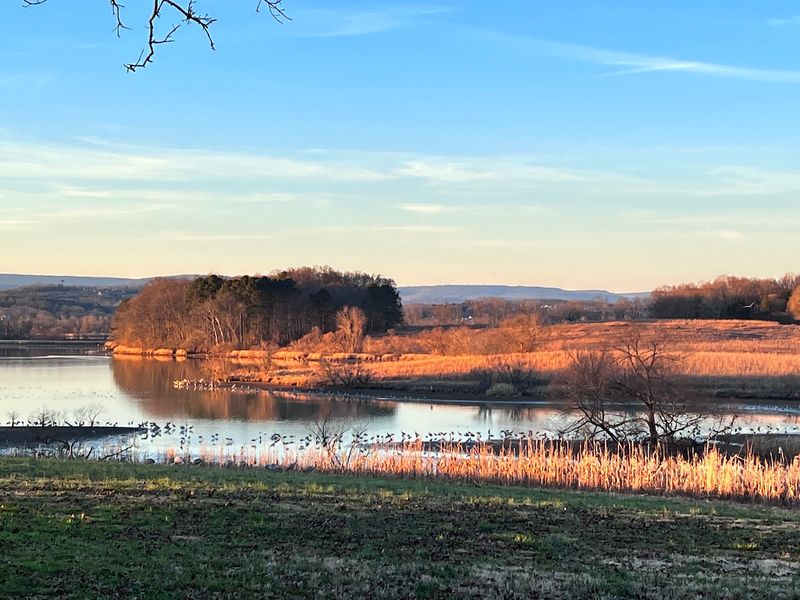
Mid-October is when the first cranes start showing up around Hiwassee. They usually hang around through February, and sometimes into March.
Fall migration runs from late October to late December. Spring migration kicks off in mid-February and lasts through late March.
Want the biggest crowds of birds? January is usually the sweet spot, with peak numbers often recorded around late December too.
December 28 has been a common date for high counts. That means a holiday-week trip could line up nicely with the action.
Early morning and late afternoon tend to bring lots of movement. Cranes fly between roosting areas and feeding fields as the light changes.
Planning around weather helps too. A clear, crisp day often makes for better views than a foggy, drizzly one.
Leaving the crane season? You’ll still find wildlife at Hiwassee Wildlife Refuge year-round, though the big gray flocks head north for summer nesting.
Mark your calendar early if crowds of birds are your goal. A January Saturday morning could easily become your new favorite winter tradition.
Just remember the coffee. Cranes wake up early.
A Free Festival Celebrates The Big Arrival
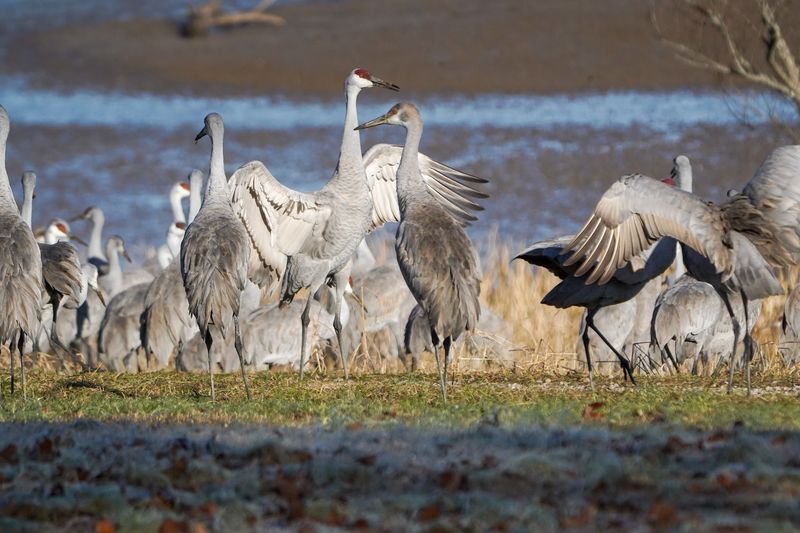
Every January, the cranes get their own party. The Tennessee Sandhill Crane Festival celebrates their return with a weekend of free fun.
The 2026 festival was set for January 17 and 18. The 2027 event is scheduled for January 16 and 17.
Activities run from 8 a.m. to 4 p.m. Eastern time.
The action spreads across the refuge, Cherokee Removal Memorial Park, and the Birchwood Community Center.
Admission is free, which is always a nice surprise. Experts set up spotting scopes and help you find birds you might miss.
The lineup also includes educational programs and live music. Author readings, vendors, and children’s activities round out the schedule.
Breakfast and lunch are available for purchase at the community center. That’s handy after a cold morning of bird spotting.
Parking works differently during festival weekend. During the festival, parking at the refuge is restricted to vehicles displaying a valid disability parking placard.
Instead, check the festival’s updated parking instructions before arriving, then use the free shuttle service to reach the refuge. It runs to the refuge and the memorial park.
It’s a great first visit for families. Kids get the experts, and grown-ups get someone else doing the driving.
Keep Your Eyes Peeled For A Rare White Visitor
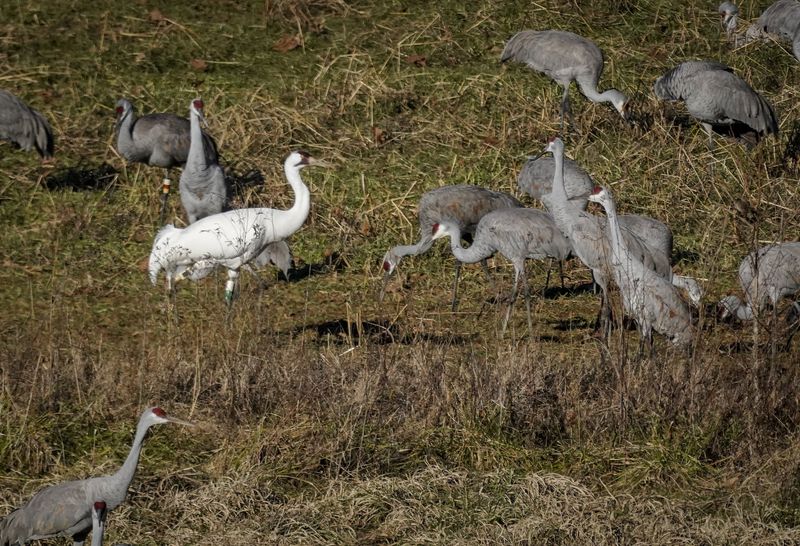
One tall white bird can steal the whole show. Endangered whooping cranes occasionally appear among the sandhill flocks at Hiwassee.
The refuge serves as a vital staging area for these rare birds. Spotting one feels a bit like winning a nature lottery.
Whooping cranes stand out thanks to their bright white bodies. Sandhills, by comparison, wear gray feathers with a red patch on the head.
Scanning slowly across a big flock is the best approach. A white shape in a sea of gray is easier to notice than you’d think.
Bald eagles add even more excitement. Hiwassee ranks among the top five places in Tennessee for wintering bald eagles.
A pair even nests on the refuge, with others nearby. Golden eagles are rare, but they do show up once in a while.
Bring a field guide or a birding app on your phone. It makes identifying unfamiliar visitors a lot more fun.
Be sure to keep your distance from all wildlife. The fences and closures exist so these birds can rest and feed in peace.
Ducks, Pelicans, And Herons Want In On The Fun
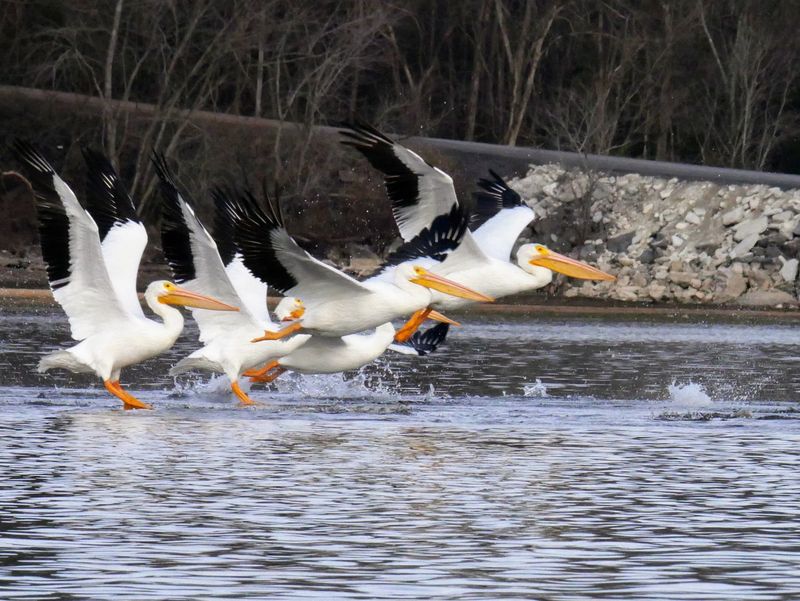
Cranes may get top billing, but the supporting cast is huge. Wintering waterfowl crowd the water at Hiwassee Wildlife Refuge.
Look for mallards, American black ducks, and northern shovelers. Gadwalls, canvasbacks, and ring-necked ducks often join the mix too.
Great blue herons show up in large numbers during winter. So do Bonaparte’s gulls and ring-billed gulls.
American white pelicans can appear as well. Seeing those giant white birds on a Tennessee lake is a fun twist.
Some residents stay put all year. Barred owls and belted kingfishers call the refuge home in every season.
That variety makes the refuge a solid stop for beginners. You can practice spotting shapes, colors, and behaviors in one place.
A pocket notebook is a fun way to track sightings. Kids especially enjoy checking off new species during a visit.
Deer and squirrels sometimes wander through as well. Not everything here has feathers, after all.
Bring a thermos and settle on the platform for a while. The longer you watch, the more birds seem to appear out of nowhere.
Farm Fields Here Double As A Crane Buffet
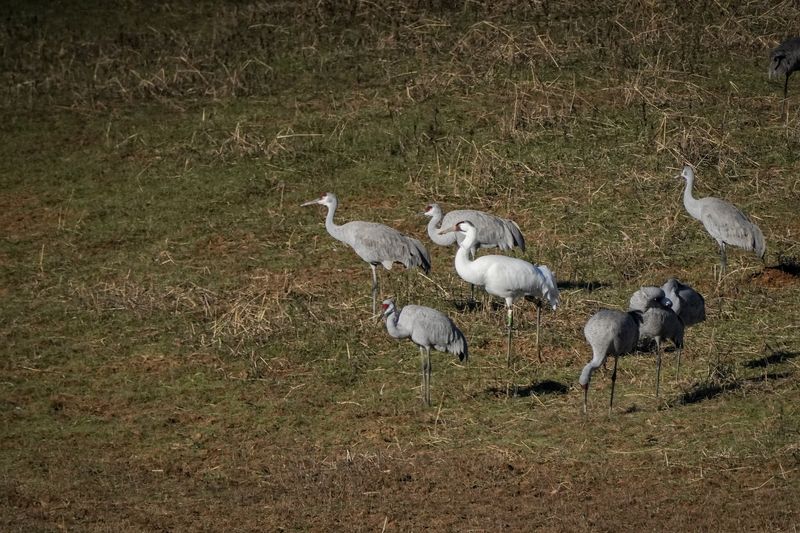
Those fields aren’t just pretty scenery. Wildlife managers plant them on purpose to feed hungry birds all winter.
The Tennessee Wildlife Resources Agency grows corn, wheat, and soybeans here. Milo, millet, and buckwheat are also part of the menu.
That food supply is a major reason the cranes keep coming back. A steady meal plan makes the long flight worth it.
TWRA has managed the refuge for more than 60 years. Eastern sandhill cranes started using it consistently in the early 1990s.
The farming effort helped attract them in the first place. In a way, the refuge built a winter diner, and the cranes became loyal customers.
Protection matters just as much as food. Hunting restrictions help make the refuge a true safe haven.
Sandhill cranes have quite a comeback story too. Habitat loss and overhunting in the 1800s nearly wiped them out.
Today, places like Hiwassee help keep their numbers strong. Every flock you see is a small win for conservation in Tennessee.
Not bad for a few rows of millet. Farming rarely looks this graceful.
Deep History Surrounds The Island And Shoreline
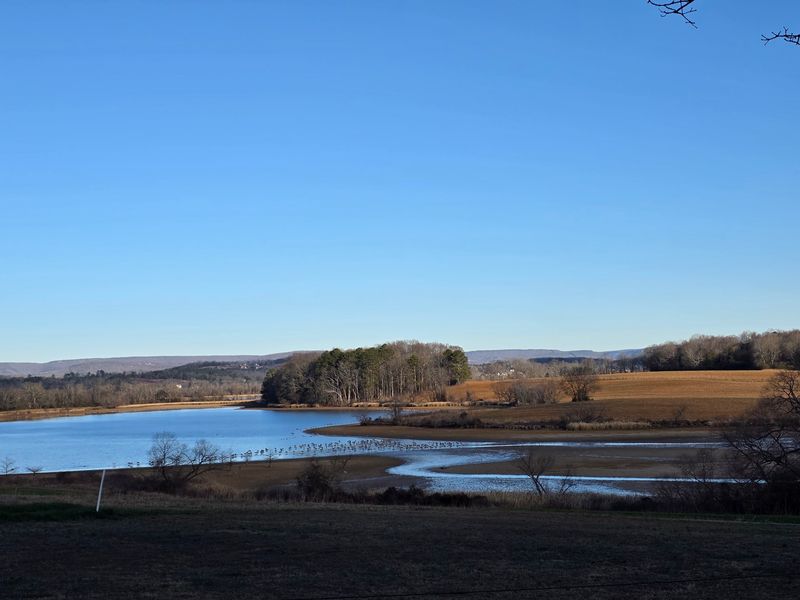
People lived on Hiwassee Island for thousands of years before any birders arrived. The 400-acre island sits inside the refuge.
Mississippian culture villages dotted the island as early as the 11th century. Later, a 19th-century Cherokee village stood there.
Sam Houston, the famous Texas leader, once lived in that Cherokee village. It’s a surprising bit of history for a crane-watching trip.
Close by, Cherokee Removal Memorial Park sits at Historic Blythe Ferry. It honors one of the departure points of the Trail of Tears.
The memorial offers a quiet, meaningful place to reflect. Pairing it with your crane visit adds real depth to the day.
During the crane festival, shuttles run to the memorial park too. That makes it easy to see both spots in one outing.
Families can turn the trip into a living history lesson. Kids learn about birds and the people who called this land home.
Take your time reading any signs and markers you find. The land holds stories that reach far beyond the winter flocks.
Watch Your GPS On The Drive In
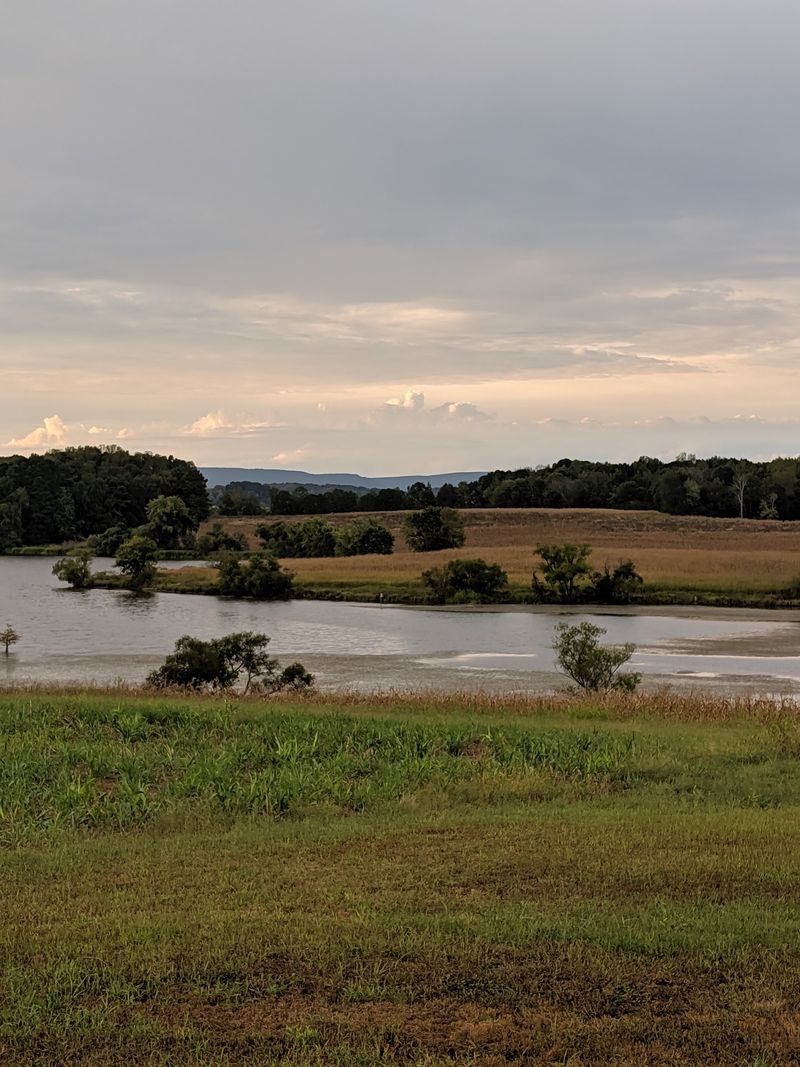
Directions can get a little tricky around here. Some GPS routes send drivers to a road that the lake interrupts.
The refuge is listed at 545 Priddy Rd, Birchwood, TN 37308. It’s in Meigs County, Tennessee, near the edge of Chickamauga Lake.
A reliable route starts on I-75 at exit 25 in Cleveland. From there, take Highway 60 north through Birchwood.
Turn right on Shadden Road, then right on Blythe Ferry Road. Finally, turn left on Priddy Lane and follow the refuge signs.
Writing these steps down is smart. Cell service and map apps don’t always cooperate in rural areas.
The drive itself winds through open countryside. It’s a peaceful warmup before the birds start stealing the show.
Pack snacks, water, and warm clothes before you leave. Services right at the platform are limited in winter.
Once you arrive at Hiwassee Wildlife Refuge, the hard part is over. Now all you have to do is look up and listen.