
This Tennessee Wildlife Sanctuary Is Home To Rescued Bald Eagles You Can See Up Close
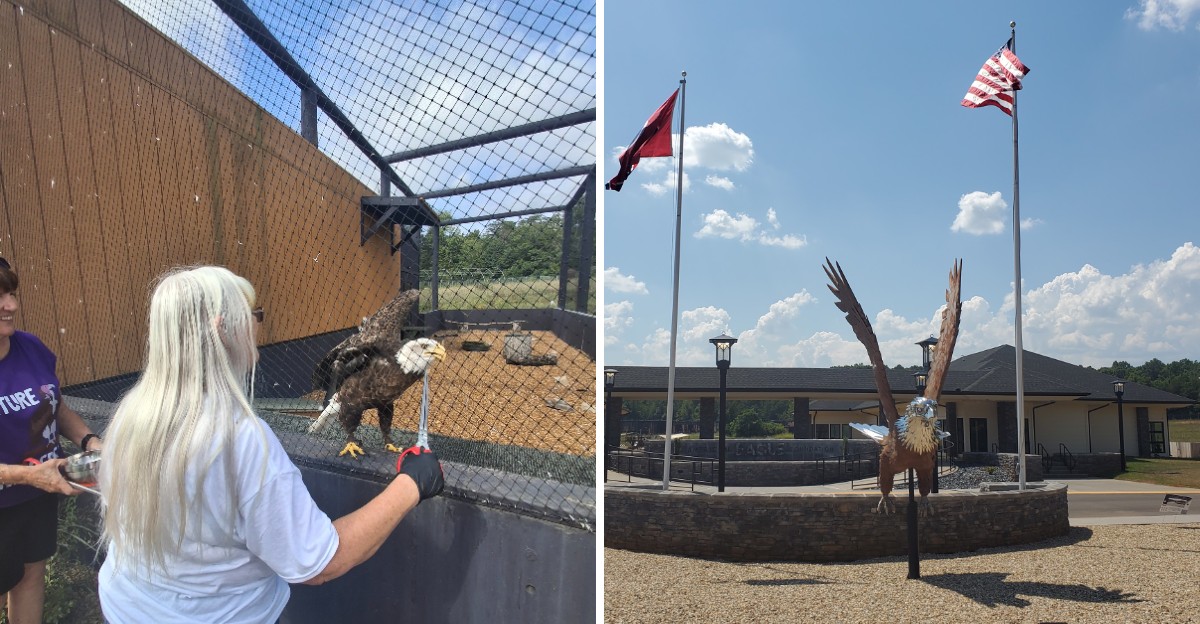
Seeing a bald eagle in the wild usually means looking high into the sky and hoping for a lucky glimpse. At one Tennessee sanctuary, you can get much closer.
The property gives visitors a chance to see rescued bald eagles along with hawks, owls, falcons, and other raptors that cannot return to the wild.
Large outdoor aviaries let you slow down and really study the birds, which makes the experience feel more personal than spotting one for a few seconds at a distance.
There is plenty to learn too. Many of the resident birds have permanent injuries or other conditions that make release impossible, so the sanctuary focuses on care, education, and conservation.
That makes every visit about more than photos. In Tennessee, this is a rare chance to see powerful birds up close while learning what it takes to protect them.
A Mountain Campus Built For Birds Of Prey
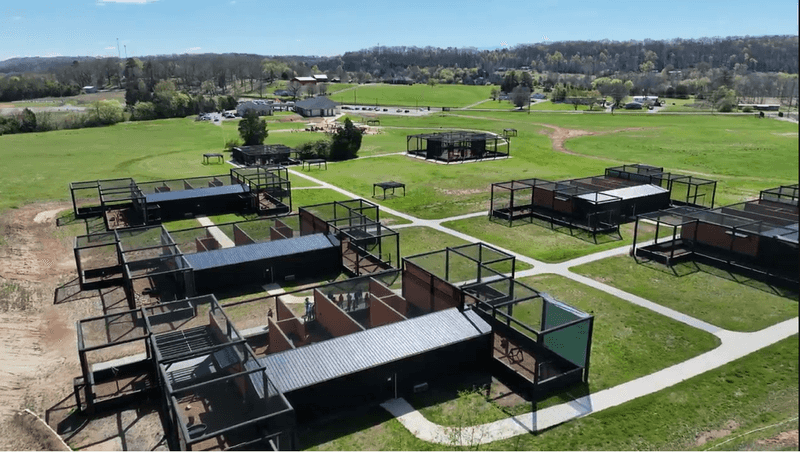
Big birds need big spaces, and this campus delivers. The American Eagle Foundation sits on a sprawling 57-acre property in the foothills of the Great Smoky Mountains.
You can find it at 510 Kodak Rd, Kodak, TN 37764, just a short drive from Sevierville.
Newness is part of the charm here. The educational campus opened in 2023, so the buildings and aviaries feel fresh and thoughtfully planned.
For years, many of these birds lived at Dollywood, so double check your map and head to Kodak instead.
Mission matters more than scenery, though the scenery is lovely. The foundation is a nonprofit focused on protecting bald eagles and other raptors.
Its work rests on three pillars: conservation, education, and care for birds that cannot return to the wild.
Timing your trip is simple. The campus usually opens at 10 AM Monday through Friday and closes at 3 PM. Saturday hours run from 10 AM to 2 PM, and Sundays are closed.
Planning ahead pays off in small ways. Much of the path between aviaries is outdoors with limited shade.
Bring water, sunscreen, and maybe a small umbrella on bright summer days. Comfortable shoes are a smart pick too. You will cover plenty of ground, and the birds are worth every step.
The Largest Group Of Non-Releasable Bald Eagles In The Country
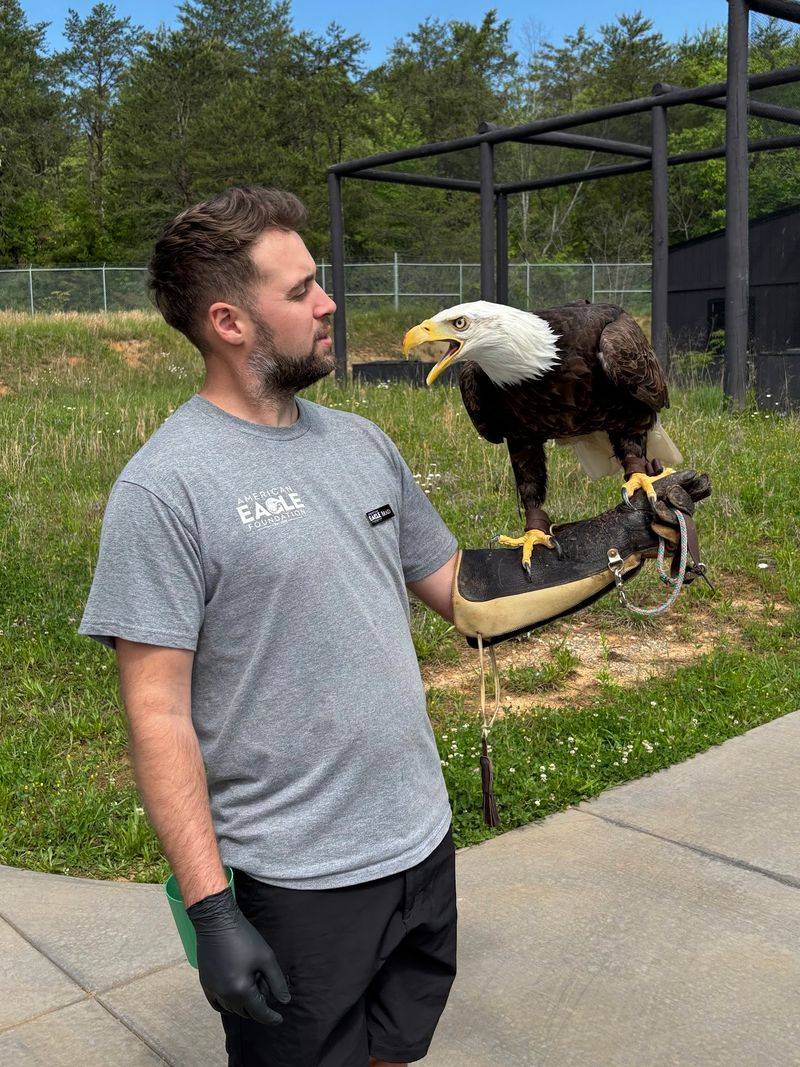
Count the white heads and you might lose track. The American Eagle Foundation houses the largest collection of non-releasable bald eagles in the United States.
That makes it one of the best places anywhere to study these birds up close.
Every eagle here has a reason for staying. Some have permanent injuries, like a damaged wing that will never support long flights.
Others were imprinted on humans when young, so they never learned how to live on their own.
Safety in the wild depends on sharp skills. An eagle must hunt, defend itself, and handle bad weather without help.
When a bird cannot do those things, a sanctuary becomes its best option for a long, healthy life.
Watching them feels surprisingly personal. Each eagle has its own habits and moods, from calm sitters to curious head tilters.
Given enough time, you start to notice the small differences in their feathers and faces.
Fun fact alert: bald eagles do not get their famous white heads until they are about five years old. Younger birds look mostly brown and speckled.
Keep an eye out for that mix of ages as you stroll. Spotting the difference between a young eagle and an adult is a fun challenge for kids and grownups alike.
Owls, Hawks, Falcons, And A Few Surprise Stars
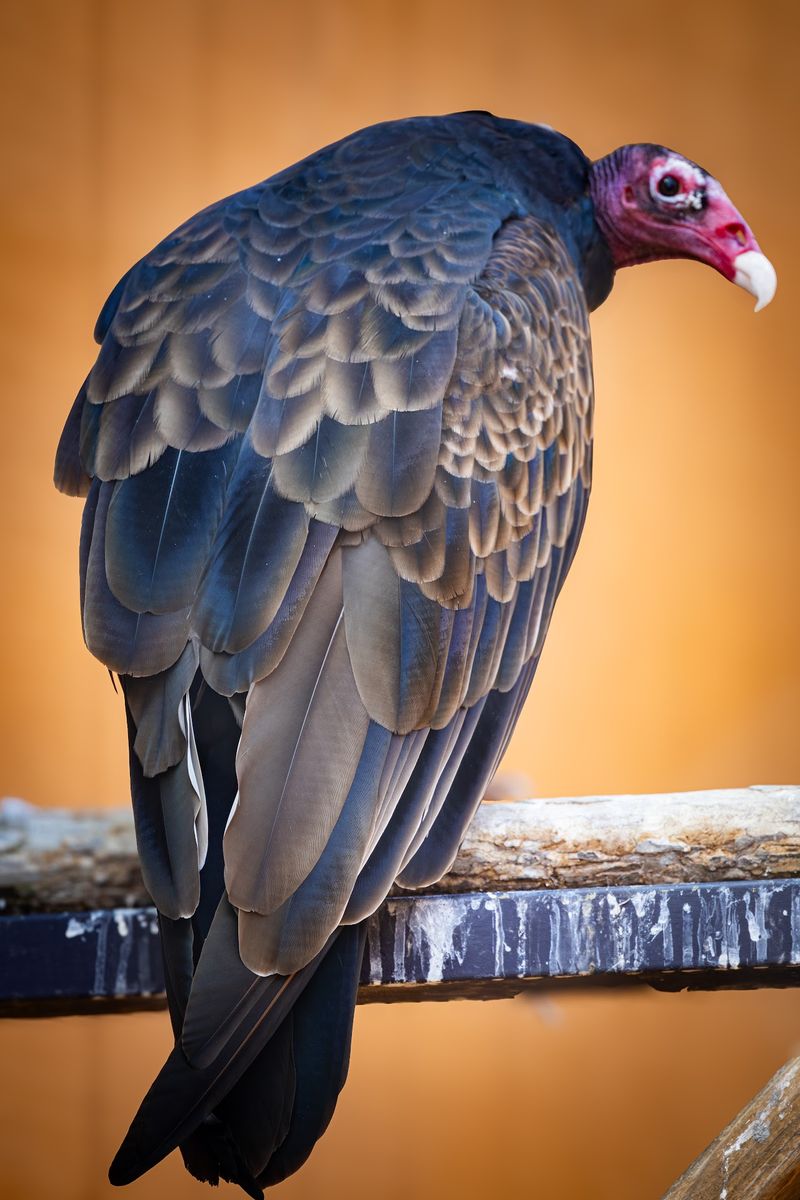
Eagles may grab the headlines, but the supporting cast steals plenty of hearts. More than 40 other non-releasable birds of prey live on the grounds.
You will meet golden eagles, falcons, hawks, owls, and vultures.
Vultures might just become your new favorite. Many people arrive thinking these birds are gross, then leave as fans.
Vultures clean up nature by eating what other animals leave behind, which helps stop the spread of disease.
Owls bring a quieter kind of magic. Their soft feathers let them fly almost without sound, which helps them sneak up on prey at night.
Seeing those big round eyes in daylight is a real treat.
Falcons are the speed demons of the group. The peregrine falcon can dive faster than 200 miles per hour, making it one of the fastest animals on Earth.
Next time you complain about slow traffic, think of that.
Hawks round out the lineup with sharp eyes and strong feet. Their vision is several times sharper than ours, so they can spot a mouse from high above a field.
Each species teaches something different about survival. By the end of your stroll, you will understand that every raptor has a special job in nature.
Feeding An Eagle With Talons And Tidbits
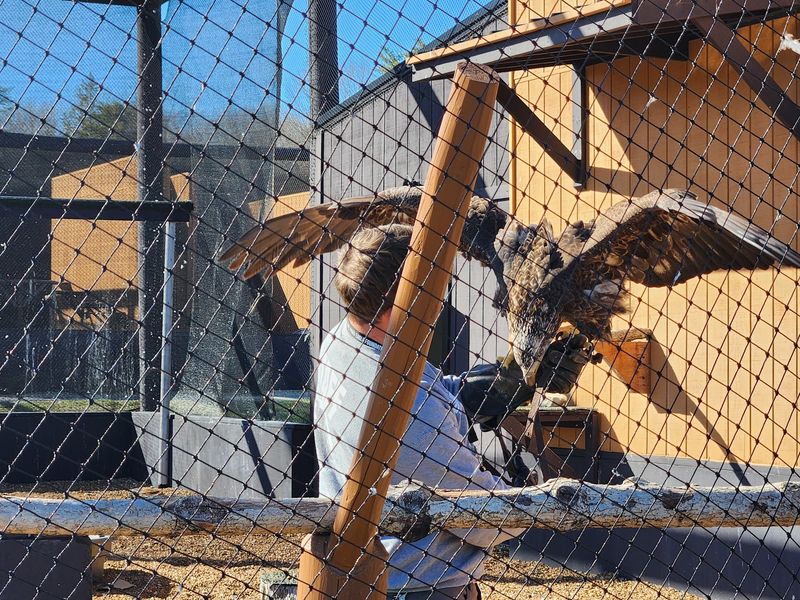
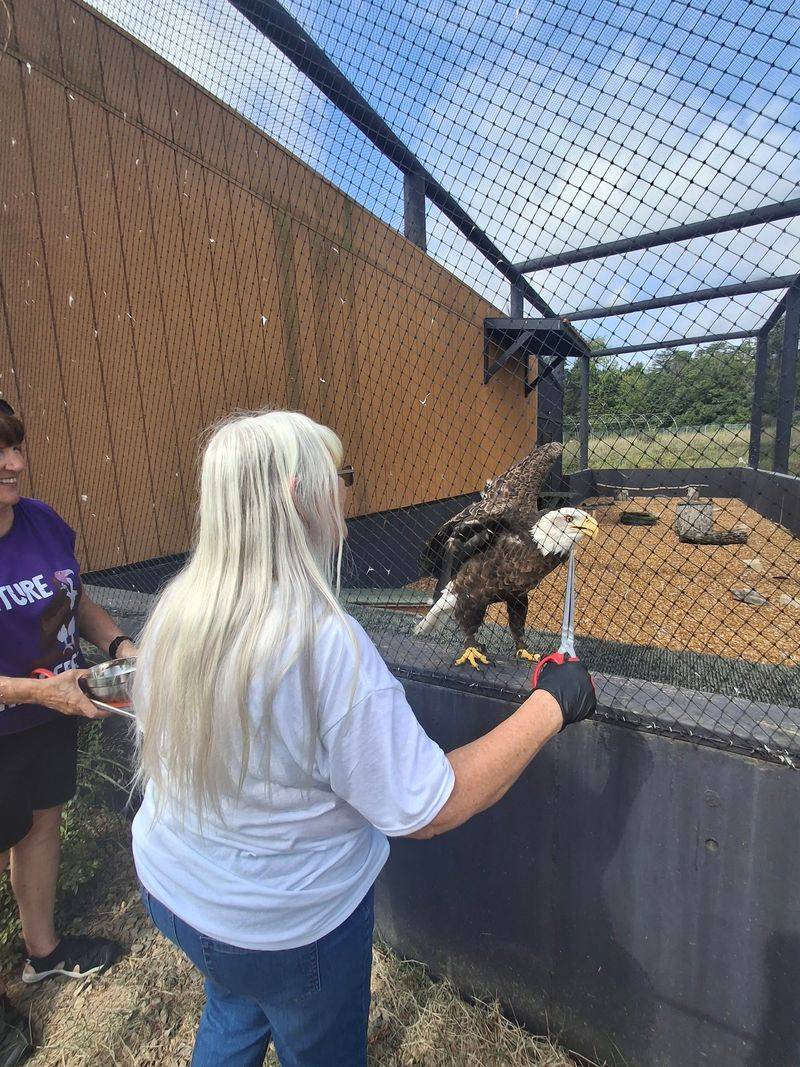
Few people can say they have served lunch to a national symbol. The Talons and Tidbits program, launched in 2025, makes that possible.
You use tongs to offer food to some of the resident birds while trained handlers guide you.
Nerves are normal at first. An eagle has strong talons and a sharp beak, so the team walks you through every step.
Their calm instructions help the moment feel safe and exciting at the same time.
Learning comes packed into the experience. The program includes a guided walk where handlers share stories about each bird.
The full tour and feeding often lasts about 90 minutes. Booking ahead is the smart move. Spots can be limited. The official website lists current options.
Photos are a big part of the fun. Ask a family member to snap pictures while you focus on following directions.
Watching an eagle grab food from tongs is something you will want to remember.
Families often call it a bucket list item, and it is easy to see why. Feeding an eagle turns a normal day into a story you will tell for years.
A Museum That Measures Your Wingspan
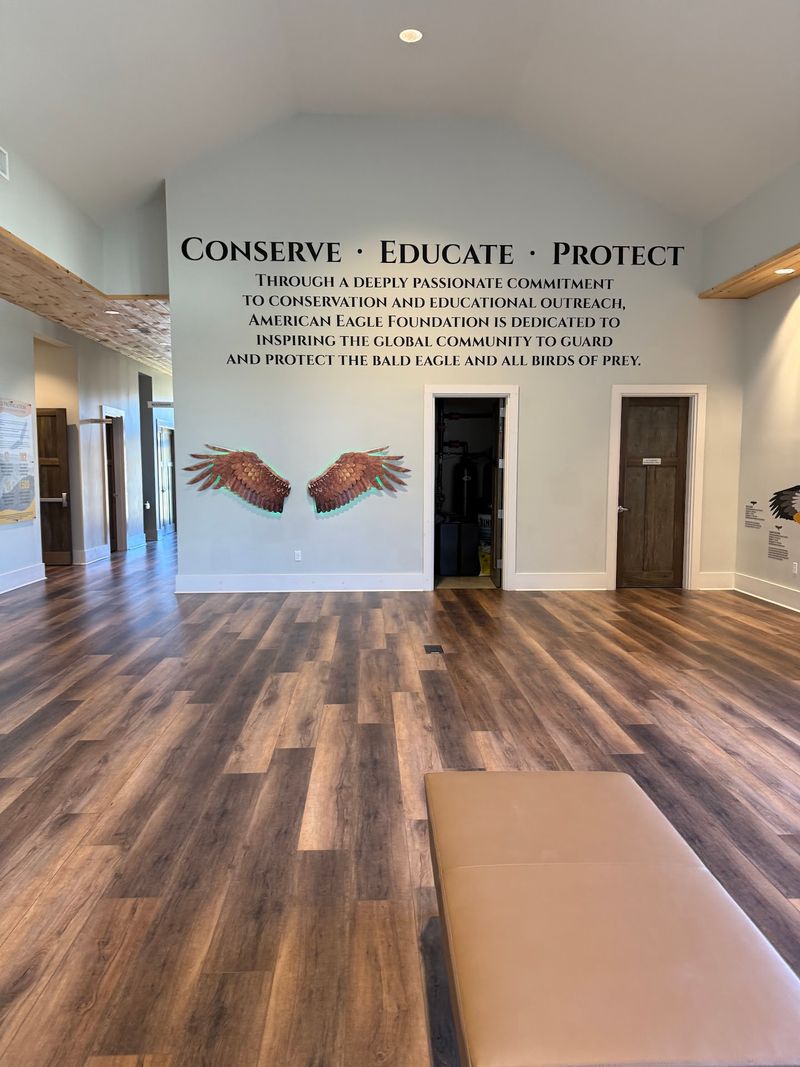
Stretch your arms wide and see how you stack up against a golden eagle. That playful challenge waits inside the Birds of Prey Museum.
It is one of the most popular stops for kids and curious adults.
History comes alive in these exhibits. You can learn about famous bald eagles like Challenger and Osceola, who became symbols of the foundation.
Challenger has flown at major stadiums and national events over the years.
Raptor facts fill the walls in easy, fun ways. You can discover how eagles build nests, why their eyes are so sharp, and how they find food. The displays make tricky science simple to understand.
Indoor time is also a nice break. After strolling past sunny aviaries, the museum gives you a cool place to rest and learn. Grab a seat, read a panel, and let your feet recover.
Here is a quirky bit to share at dinner: bald eagle nests can weigh more than a ton. Some pairs add sticks to the same nest year after year.
Tech lovers will enjoy the helpful app too. It shares details about each bird and its story. Use it alongside the museum to get the most from your day.
Raptor Roost Playscape For Little Explorers
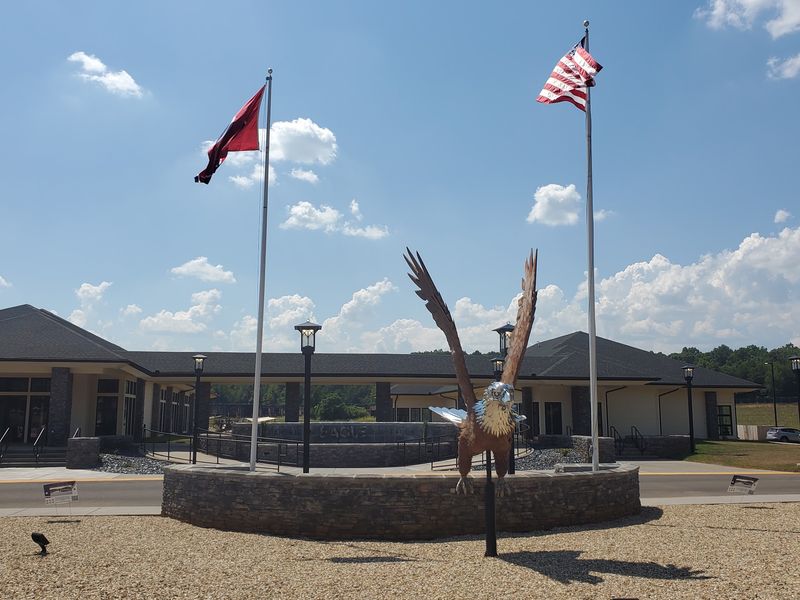
Kids have energy to burn, and the Raptor Roost is ready for it. The playscape at the American Eagle Foundation turns bird facts into playtime.
It features a giant eagle nest, a zip line, and a wing-shaped obstacle course.
Play and learning mix well here. Climbing into a nest helps children picture how eaglets grow up high above the ground.
Racing across the wing course gives them a feel for how big these birds really are.
Parents will appreciate the timing too. After a long stroll past the aviaries, little ones often need to wiggle. A quick break at the playscape keeps moods bright for the rest of the day.
Hands-on events sometimes add even more fun. Special days like International Owl Awareness Day have included crafts and building owl boxes with community partners. Check the website for upcoming family events.
Sun protection is still a good idea here. Hats and water bottles help kids stay comfy while they play outdoors.
Memories made in play often last longest. A child who zips across an eagle-themed course may grow up caring deeply about wildlife.
That is exactly the kind of spark the foundation hopes to create.
Guides Who Know Every Bird By Name
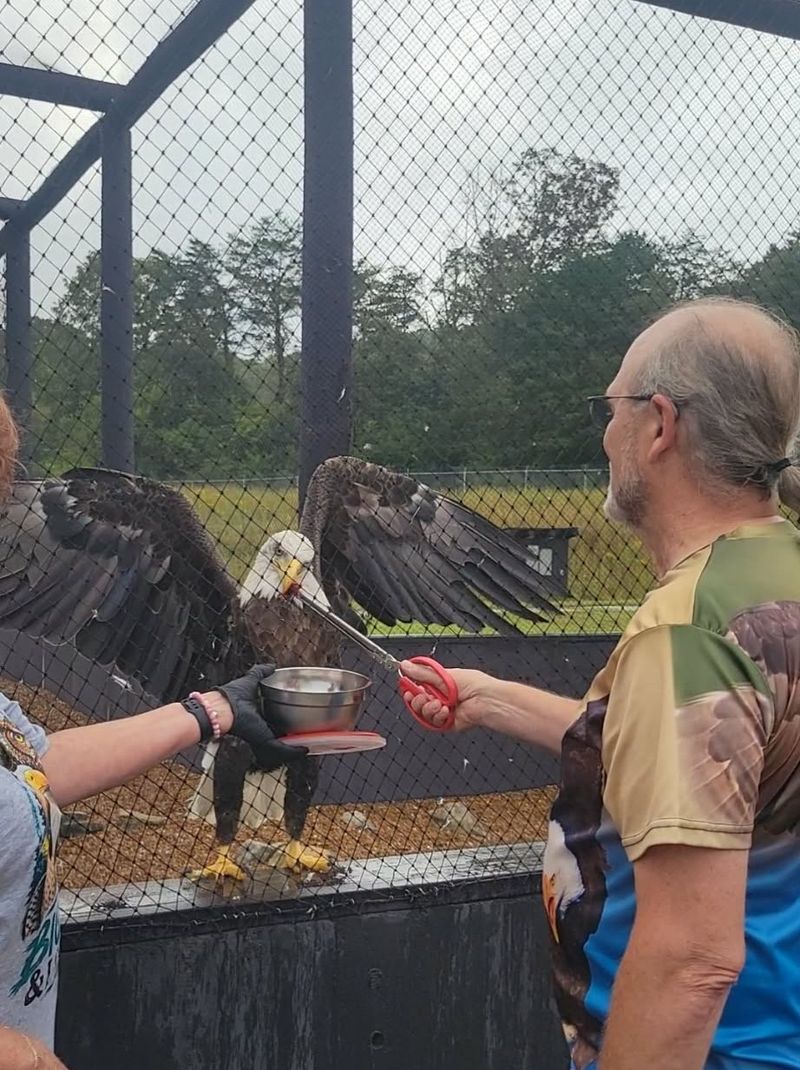
Every bird has a biography, and the guides know them by heart. Staff and volunteers at the American Eagle Foundation share stories about each raptor.
They explain where the bird came from, why it stays, and what makes its personality unique.
Two ways to explore keep things flexible. You can take a self-guided stroll at your own pace with the app. You can also join a guided tour for deeper stories and answers to your questions.
Guided tours tend to bring the birds to life. Handlers notice little habits you might miss on your own. They can tell you which bird loves bath time or which one gets chatty in the morning.
Care happens every single day behind the scenes. The birds get fresh food and water daily.
Each eagle also receives a full physical exam once a year while its enclosure gets inspected and refreshed.
Curious minds are welcome here. Ask about diets, feathers, or how long eagles live, and you will get clear answers.
School groups love this part too. Field trips are offered for K-12 students, homeschool families, co-ops, and summer camps.
Lessons focus on behavior, adaptations, and conservation in a fun, hands-on way.
A Legacy Soaring Far Beyond Kodak
Some success stories can be measured in wingbeats. For more than three decades, this organization has worked to bring bald eagles back across the country.
Its efforts helped the species recover in Tennessee and beyond.
Douglas Lake plays a starring role in that story. Through 2020, the foundation released more than 180 bald eaglets and 11 golden eaglets from a hack tower there. Overall, it has released more than 400 bald eagles into the wild.
Research gets a boost as well. A bald eagle grant program awards around $100,000 each year to support scientific study. That money helps experts learn how to keep eagle populations healthy.
Outreach stretches the mission even further. The Wings of America show at Dollywood features free-flying raptors and reaches about 150,000 people a year.
The team also brings birds to schools, parks, and veteran groups.
Clean water matters to eagles, since they eat plenty of fish. The foundation partners with Keep Sevier Beautiful and Keep the Tennessee River Beautiful on waterway cleanups.
Home viewers can join in from anywhere. Live HD nest cams stream eagle families around the clock from places like Northeast Florida and California.
It is a wonderful way to keep the connection going after your trip.