
This Tiny Arizona State Park Is So Beautiful, It’s Impossible To Keep Secret
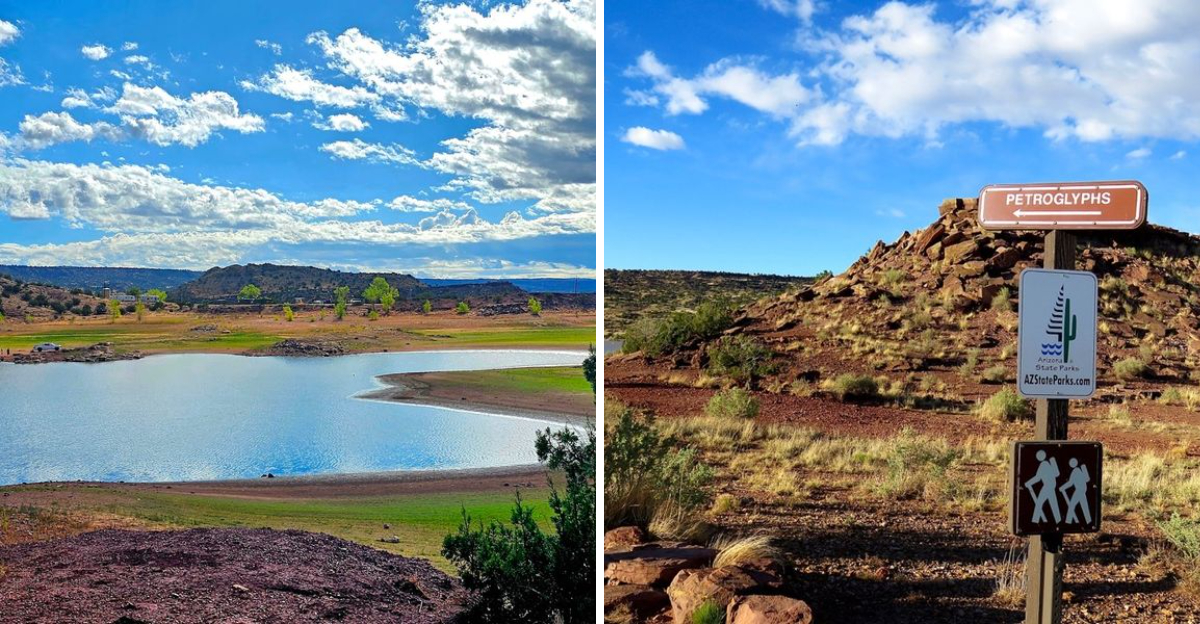
Most people chasing Arizona’s scenery never expect to find a quiet lake waiting in the high desert, but that’s exactly where this place changes the story. Lyman Lake State Park sits in northeastern Arizona, well away from the busy routes that pull in the crowds.
Set at 6,000 feet, this 1,200-acre reservoir blends open water, striking desert views, and traces of ancient history in a way that feels refreshingly different. Visitors come here for peaceful surroundings, strong fishing, and a slower, more grounded experience that skips the noise of Arizona’s more commercial hotspots.
Lyman Lake State Park: A Hidden Gem In Northeast Arizona
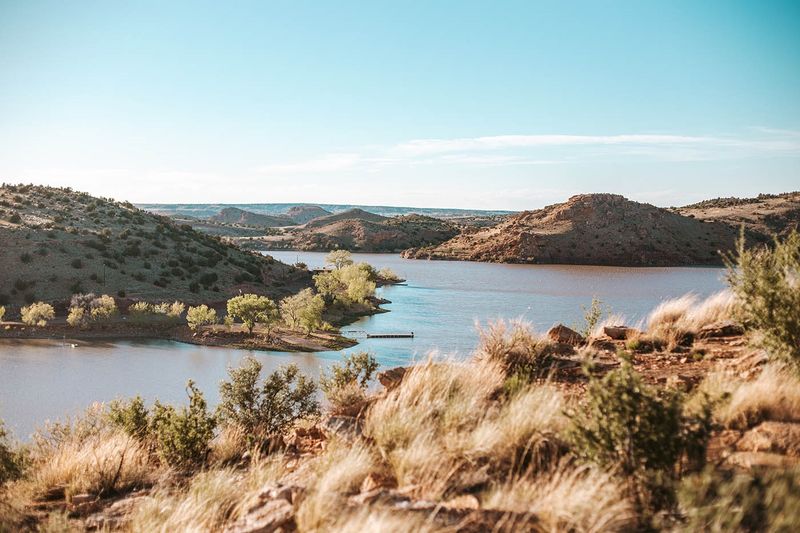
Located at 11 US-180 in St Johns, this state park operates around the clock and welcomes visitors year round. The reservoir stretches across 1,200 acres of high desert terrain, creating an unexpected oasis where water meets arid landscape.
Summer temperatures hover comfortably in the 80s and 90s, making the elevation a welcome relief from lower desert heat.
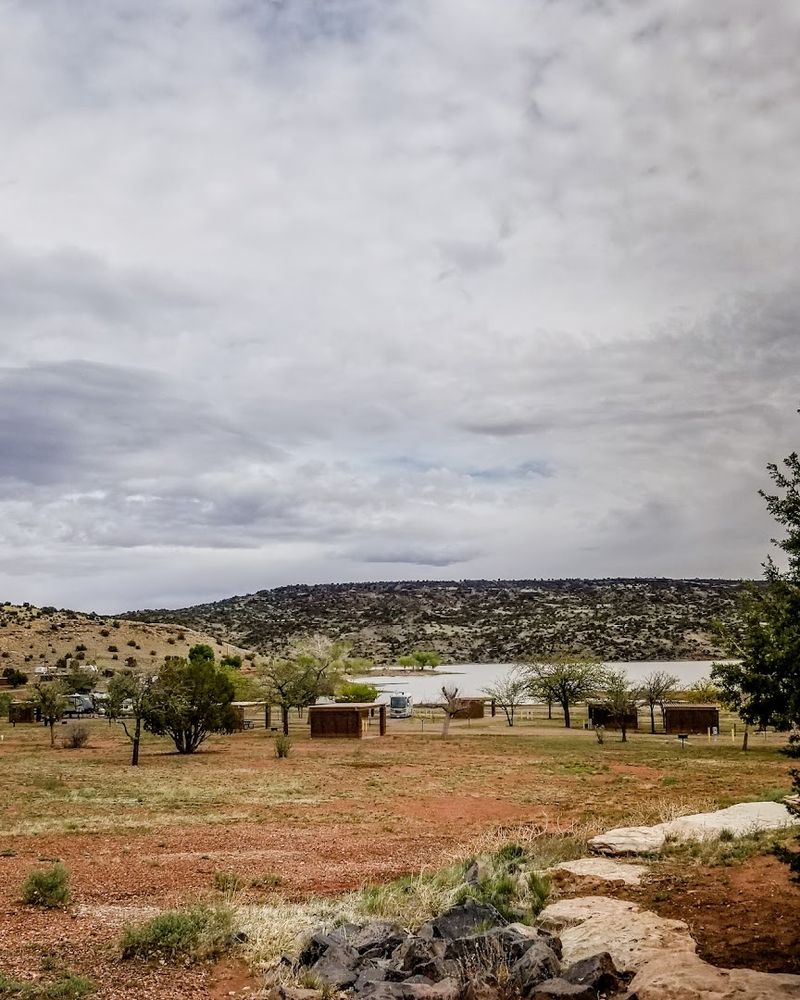
The park maintains clean facilities including cabins, campsites, and a well-stocked shop that sells bait and essential supplies. Rangers provide friendly service and keep the grounds immaculate, checking restrooms every two hours throughout the day.
Visitors consistently praise the cleanliness and maintenance standards.
Unlike crowded Arizona parks that require advance reservations months ahead, Lyman Lake often has availability even during peak season. The remote location in Apache County keeps visitor numbers manageable while preserving the natural character that makes this spot special.
Families find plenty of space to spread out, and solo travelers enjoy the peaceful atmosphere that encourages genuine relaxation rather than rushed sightseeing.
The Water Activities That Make Lyman Lake A Must-Visit Destination
Boating enthusiasts appreciate the absence of size restrictions on watercraft, allowing everything from kayaks to large powerboats. The marina rents jet skis and boats for those traveling without their own equipment.
Tubing behind a boat provides entertainment for families, and the calm water conditions suit beginners learning water sports.
Swimming happens here despite the sticky mud along some beach areas and fluctuating water levels. The cool, crisp water offers genuine relief during hot afternoons when temperatures climb into the 90s.
Parents supervise children easily in the shallow areas near designated beach zones.
Water skiing finds ideal conditions on this reservoir, with enough open space for long runs and smooth turns. The high elevation keeps the water temperature refreshing without being uncomfortably cold during summer months.
Visitors who arrive early claim the best spots along the shoreline before afternoon crowds gather.
The combination of reliable water access and minimal regulations creates freedom that water sports enthusiasts rarely find at more regulated Arizona lakes.
Explore Ancient Rock Art With The Peninsula Petroglyph Trail
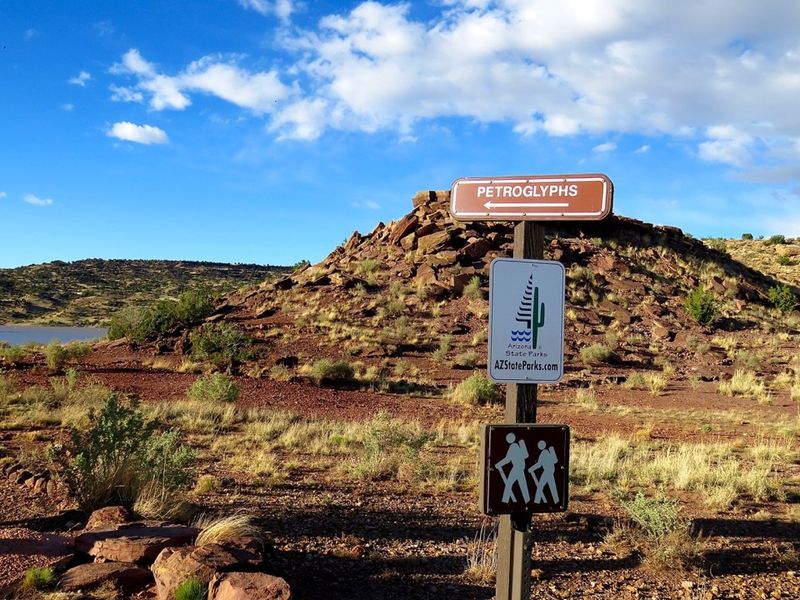
Ancient artists carved symbols and figures into rock surfaces centuries ago, leaving messages that modern visitors can still examine today. The Peninsula Petroglyph Trail provides direct access to these archaeological treasures without requiring strenuous hiking or special permits.
Rangers lead interpretive tours that explain the cultural significance of various symbols and the people who created them.
The trail itself remains relatively flat and accessible for most fitness levels, making this historical experience available to families with young children and older adults. Shade proves scarce along the route, so morning visits work best during warmer months.
Photography enthusiasts find endless subjects as light changes throughout the day, casting shadows that emphasize the depth and detail of carved images.
Dogs enjoy accompanying their owners on this trail, as one visitor noted their pet particularly loved the combination of exercise and water access nearby. The petroglyphs represent one of the park’s most distinctive features, offering cultural enrichment that typical reservoir parks cannot match.
This connection to ancient inhabitants adds depth to a visit beyond simple recreation.
Fishing In Lyman Lake: A Tranquil Experience For Anglers
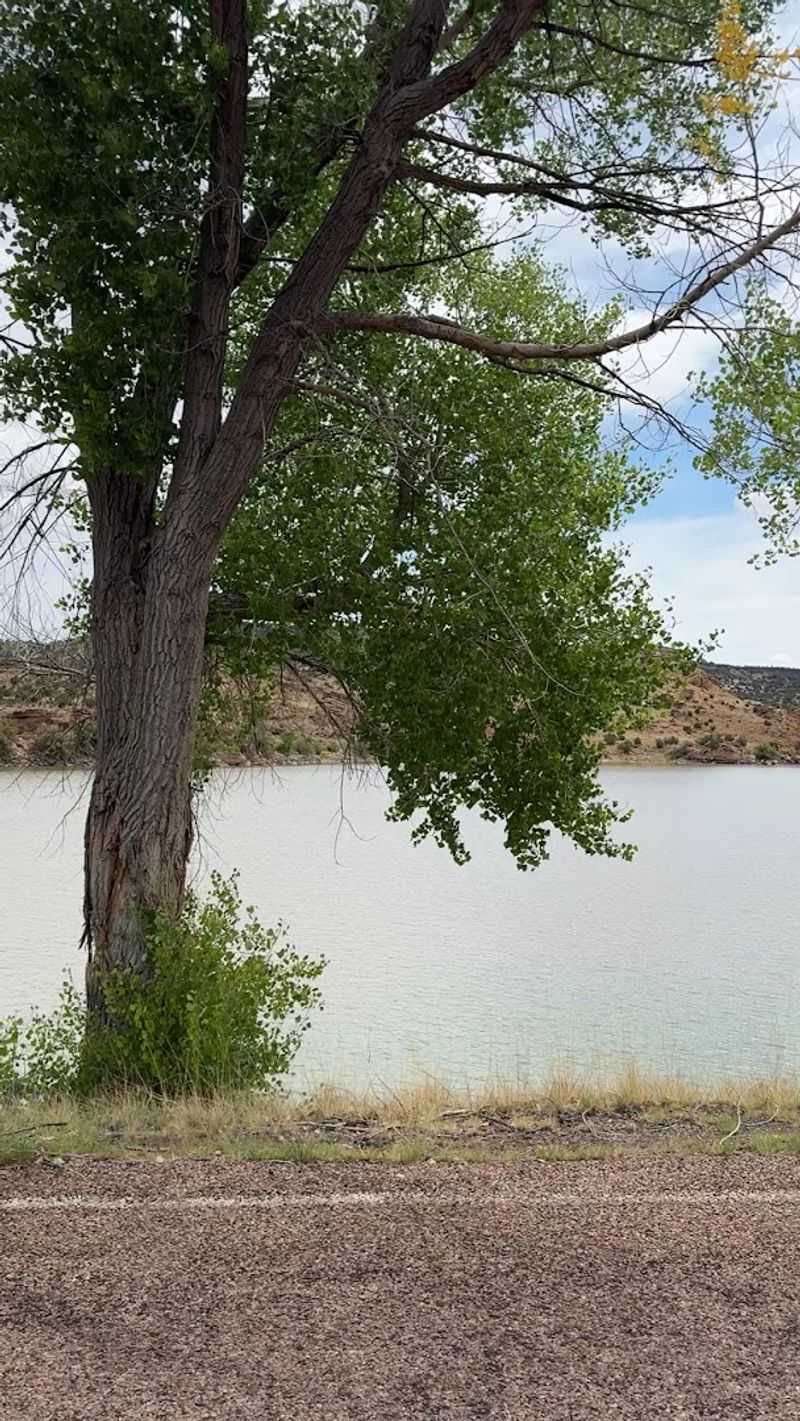
Largemouth bass, channel catfish, walleye, and carp populate the waters, giving anglers multiple target species depending on season and preference. The marina sells live bait and basic tackle for those who arrive unprepared or need to restock supplies.
Fish appear regularly on depth finders even when they refuse to bite, confirming healthy populations throughout the reservoir.
Shore fishing produces results along various access points around the lake, while boat anglers explore deeper structures and drop-offs. The tranquil atmosphere appeals particularly to those who fish for relaxation rather than competition.
Early morning and evening hours typically produce the best action when temperatures moderate and fish feed actively.
Nearby smaller lakes offer additional fishing opportunities for those willing to explore the region beyond Lyman Lake itself. This concentration of fishable water within a reasonable driving distance makes the area valuable for anglers planning multi-day trips.
The combination of decent fish populations and uncrowded conditions creates an experience increasingly rare in accessible Arizona waters.
Patient anglers who learn the lake’s patterns consistently catch fish throughout the season.
Lyman Lake’s Unique Desert And Water Landscape
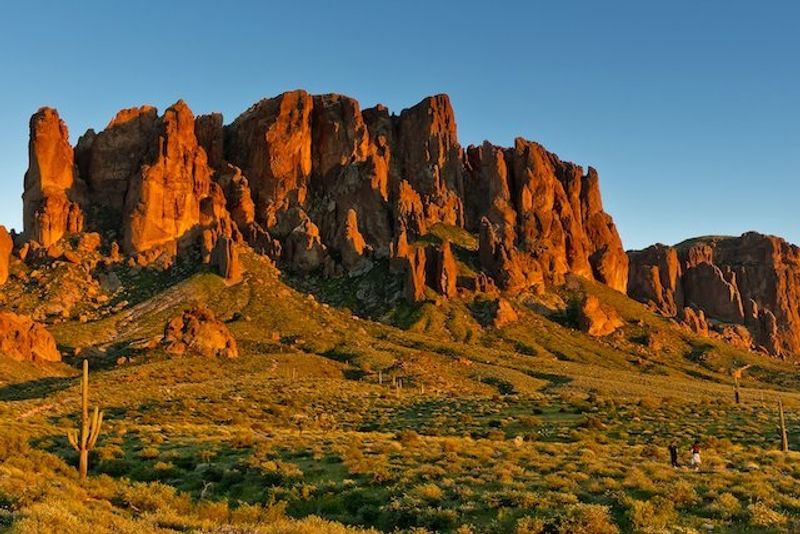
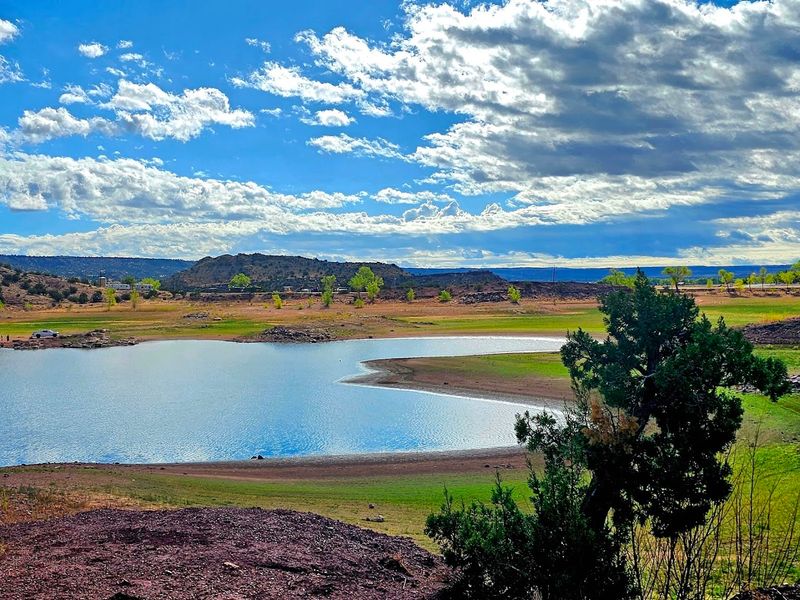
The 6,000-foot elevation creates a landscape distinct from typical Arizona desert environments found at lower altitudes. Red rock formations frame the blue water, producing color contrasts that photographers find irresistible throughout the day.
Sparse vegetation adapted to high desert conditions dots the hillsides surrounding the reservoir, demonstrating nature’s resilience in challenging environments.
Water levels fluctuate seasonally based on snowmelt and irrigation demands, changing the shoreline character and exposing different geological features. These variations create new exploration opportunities with each visit as previously submerged areas become accessible.
The desert climate means minimal humidity even near the water, keeping conditions comfortable during activities.
Sunsets paint the sky in colors that reflect off the lake surface, doubling the visual impact for anyone positioned correctly. The remote location far from major cities ensures dark skies after sunset, revealing stars that urban dwellers rarely see.
This combination of water and desert creates an environment that feels uniquely Arizona while offering recreational opportunities typically associated with more temperate climates.
The landscape rewards those who take time to observe rather than rush through their visit.
Why Lyman Lake Is The Perfect Spot For A Quiet Weekend Getaway
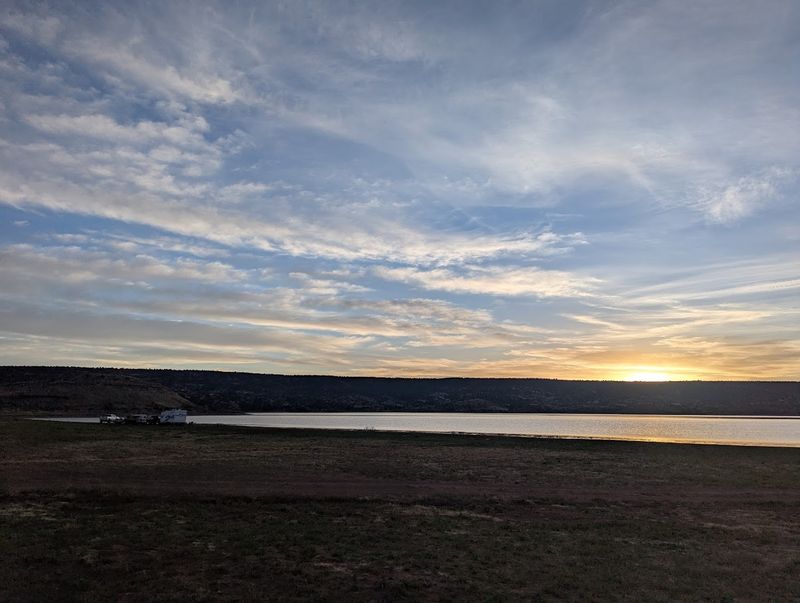
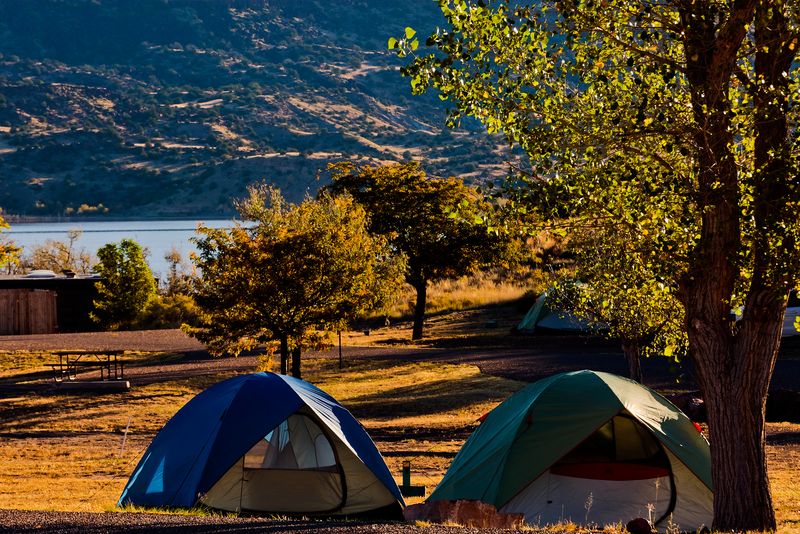
Distance from major population centers filters out casual day-trippers, leaving primarily overnight guests who appreciate the park’s peaceful character. Campsites offer adequate spacing that provides privacy without complete isolation from other visitors.
The constant hum from electrical panels affects only specific sites near infrastructure, and choosing locations wisely eliminates this concern entirely.
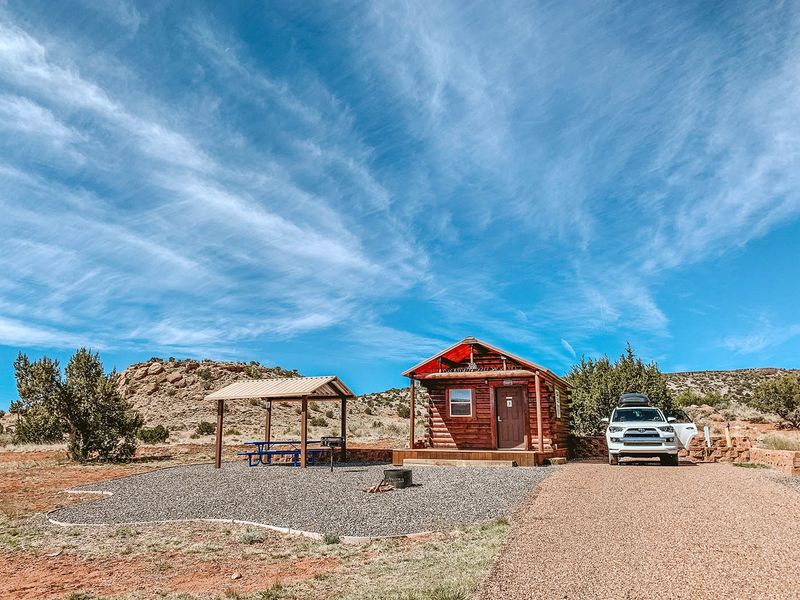
Cabins provide comfortable sleeping arrangements with air conditioning and heating for those preferring amenities over traditional tent camping. While cabins lack running water inside, nearby facilities remain clean and accessible within short walking distances.
Water spigots positioned throughout the camping areas supply fresh water for cooking and cleaning needs.
The 24-hour operation means no strict gate hours that restrict evening activities or early morning departures. Families establish their own schedules without coordinating around park closures or ranger station hours.
Cell service proves spotty in this remote location, which some visitors consider a feature rather than a drawback. The absence of constant connectivity encourages genuine relaxation and conversation.
Weekend stays provide enough time to explore petroglyphs, fish multiple spots, and simply enjoy the water without feeling rushed to maximize every minute.
Lyman Lake’s Stunning Beauty: A Photographer’s Dream
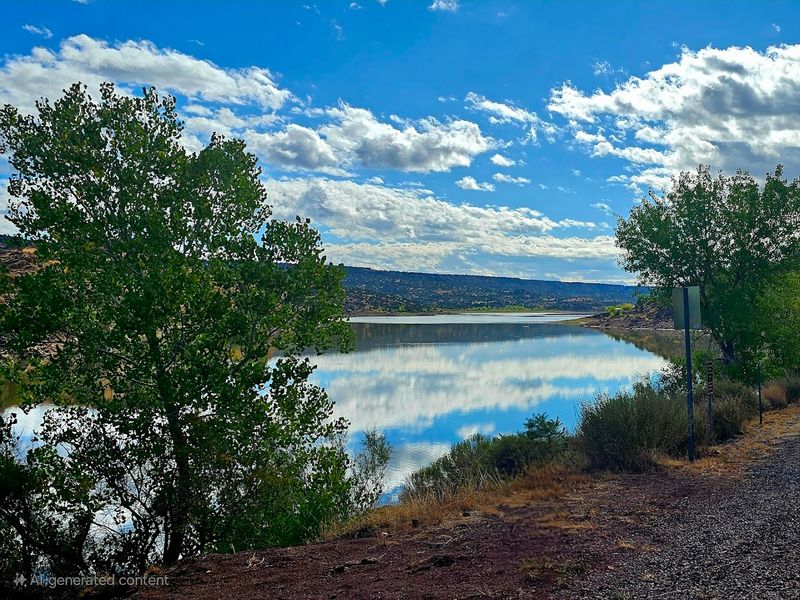
Golden hour light transforms the ordinary into the extraordinary as warm colors saturate the desert landscape and water surface. The high elevation atmosphere provides clarity that sharpens distant details and intensifies color saturation in ways lower elevations cannot match.
Photographers working in various genres find subjects ranging from landscapes to wildlife to cultural artifacts within the park boundaries.
Reflection photography works beautifully during calm morning hours when the lake surface mirrors surrounding terrain and sky. The contrast between blue water and red rock creates natural color theory that requires minimal post-processing to achieve striking images.
Ancient petroglyphs offer cultural photography opportunities that add human history to natural beauty.
Changing water levels reveal different compositions throughout the year, preventing the location from becoming photographically stale after repeated visits. Bird species provide action subjects for wildlife photographers patient enough to observe feeding and nesting behaviors.
The relatively uncrowded conditions mean photographers can work without strangers constantly walking through frames or creating unwanted distractions.
Sunrise and sunset happen at predictable times, allowing proper planning for optimal light without competing with crowds for prime positions along the shoreline.
A Birdwatcher’s Paradise At Lyman Lake
Water attracts diverse bird species to this high desert environment, creating concentrations that birdwatchers rarely encounter in purely terrestrial habitats. Migratory patterns bring seasonal visitors that use the reservoir as a stopover point during long journeys between breeding and wintering grounds.
Resident species maintain year-round presence, offering reliable sightings regardless of visit timing.
Shoreline areas provide habitat for wading birds that feed in shallow water, while open water sections attract diving species pursuing fish. Raptors patrol from elevated perches, scanning for prey in the transition zones between water and desert.
The variety of available habitats within a compact area allows observers to document multiple species without extensive travel between locations.
Early morning hours produce the highest activity levels as birds feed after overnight fasting. Patient observers who remain still and quiet witness natural behaviors that fleeing birds never display.
Binoculars and field guides enhance the experience, though naked eye observation still yields satisfying encounters. The combination of water, desert, and elevation creates conditions that support species diversity exceeding what either habitat type alone could sustain.
Serious birders add numerous species to their life lists during extended visits.
A History Lover’s Delight: Exploring Lyman Lake’s Ancient Past
Indigenous peoples inhabited this region long before modern recreation facilities existed, leaving tangible evidence of their presence carved into permanent rock surfaces. The petroglyphs represent communication, spiritual expression, and record-keeping methods that archaeologists continue studying for deeper cultural understanding.
Rangers share knowledge accumulated through research and consultation with descendant communities who maintain connections to ancestral lands.
The preservation of these cultural resources within a state park ensures protection while allowing public access under managed conditions. Visitors gain perspective on human adaptation to challenging environments by observing where ancient peoples chose to leave their marks.
The juxtaposition of modern recreation and ancient history creates educational opportunities that pure natural areas cannot provide.
Families teach children about cultural respect and historical awareness through direct exposure to authentic artifacts rather than museum reproductions. The physical act of walking trails where ancestors walked centuries ago creates connections that textbooks alone cannot establish.
Photography of petroglyphs should follow ethical guidelines that prevent damage while documenting these irreplaceable resources.
This historical dimension elevates Lyman Lake above typical recreational reservoirs, offering intellectual engagement alongside physical activities.
Lyman Lake: Your Gateway To Outdoor Adventure In Arizona
Multiple activity options within one destination eliminate the need to drive between separate locations for fishing, hiking, water sports, and cultural exploration. Families with diverse interests find something for each member rather than compromising on a single activity type.
The manageable park size allows experiencing several activities during a single day without exhausting travel between zones.
Proximity to other small lakes in the region positions Lyman Lake as a base camp for exploring northeastern Arizona’s water resources. Road conditions and distances make day trips feasible for ambitious visitors wanting to maximize their outdoor experiences.
The elevation and climate provide comfortable conditions during months when lower desert areas become unbearably hot.
Equipment rentals reduce the gear requirements for visitors traveling from distant locations without boat trailers or watercraft. The well-stocked shop ensures forgotten items or unexpected needs get addressed without abandoning the park for distant stores.
Rangers provide current information about conditions, recent fish activity, and trail status that helps visitors plan their time effectively.
This combination of accessibility, variety, and support services creates an outdoor adventure hub that works for beginners and experienced recreationists equally well throughout the year.