
This Tiny Florida Seafood Shack Is Giving Every Chain In Town Serious Competition
Big seafood chains spend millions making sure you recognize the sign before you even see the menu. Then a tiny Florida shack comes along, serves one seriously good plate of seafood, and suddenly that familiar logo down the road feels a lot less tempting.
The state may be famous for waterfront restaurants and big-name seafood stops, but small kitchens can still steal the whole conversation. Here, the appeal starts with food that feels personal, portions that make the table look crowded, and the sort of casual atmosphere where nobody cares much about fancy presentation.
Florida has a lot of seafood bragging rights, but this little place is giving the state another reason to talk. And judging by the attention it gets, the chains nearby might want to start paying attention too.
A Seafood Market That Grew Its Own Restaurant
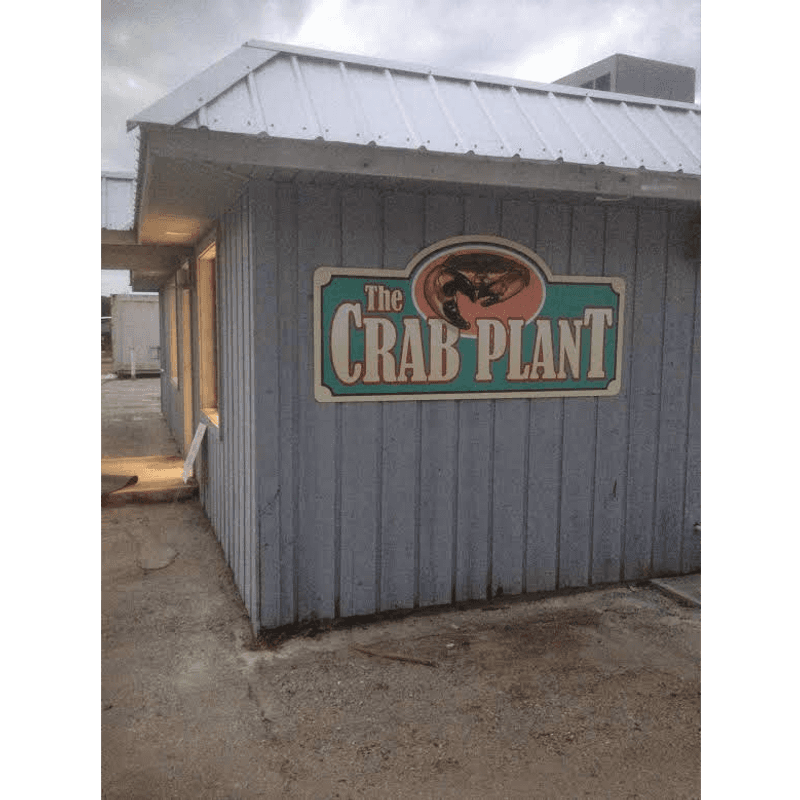
Most restaurants buy their fish from somewhere else. The Crab Plant sits right beside a working seafood market, which shortens that journey considerably.
That setup explains a lot about the food. Fish and crab get prepared close to where they are sold, so freshness is not a marketing promise here.
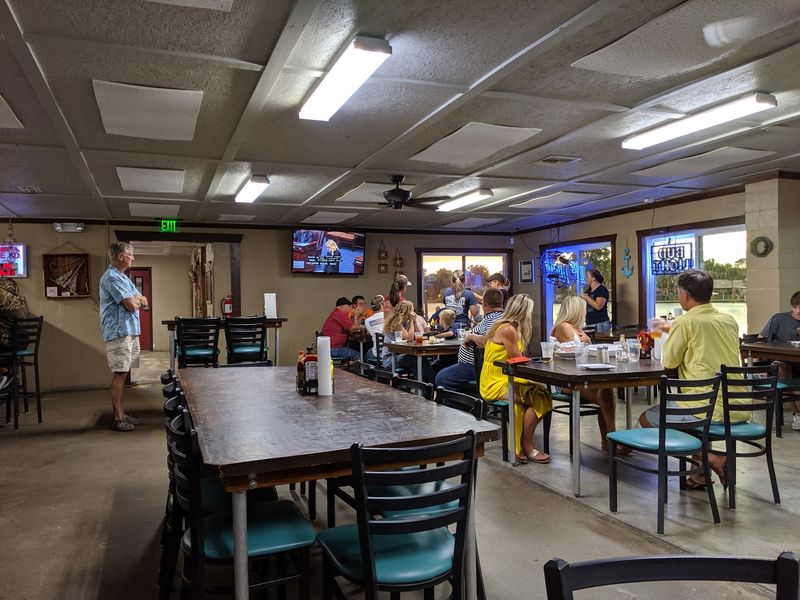
The dining room keeps things simple on purpose. No frills, no theme decor, no gimmicks pulled from a corporate playbook.
Chain restaurants often build atmosphere first and worry about the kitchen later. Here the priority runs in the opposite direction.
You will find the address at 201 NW 5th Street in Crystal River, a short hop from the boat ramps. The building itself does not try to impress anyone from the road.
Inside, the smell of a genuine seafood house greets you immediately. Some people love it, and honestly, that scent is a fair warning of what is coming.
The market connection also means daily specials shift with what comes in. Menus that change slightly are usually a good sign.
Consider it proof that plain buildings sometimes hide the best cooking.
Stone Crab That Earns Its Reputation
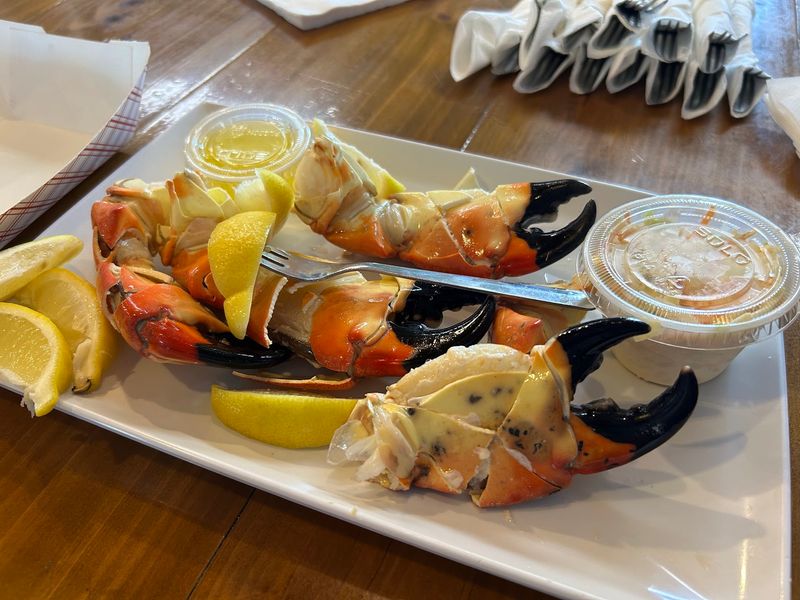
Florida stone crab is a seasonal treasure, and this kitchen treats it with respect. Served cold, the claws come out sweet and firm without heavy sauces hiding the flavor.
Stone crab has an unusual story behind it. Harvesters take only the claws, and the animal regrows them over time, which makes the fishery unusually sustainable.
That means availability shifts through the year. Asking about the day’s catch is smarter than assuming everything on the menu is ready.
Cracking claws is messy work, and nobody here expects elegance. Bibs, mallets and a small pile of shells are all part of the routine.
Chain seafood spots rarely bother with stone crab because it costs more and requires real handling. That gap is exactly where a small operation shines.
Pair the claws with mustard sauce and a cold soda while watching birds work the water outside. The view does half the entertaining.
Portion sizes lean generous rather than dainty. Bring an appetite and a willingness to use your hands.
It is the kind of dish that turns a meal into an event.
Blue Crab Chowder Worth Ordering Twice
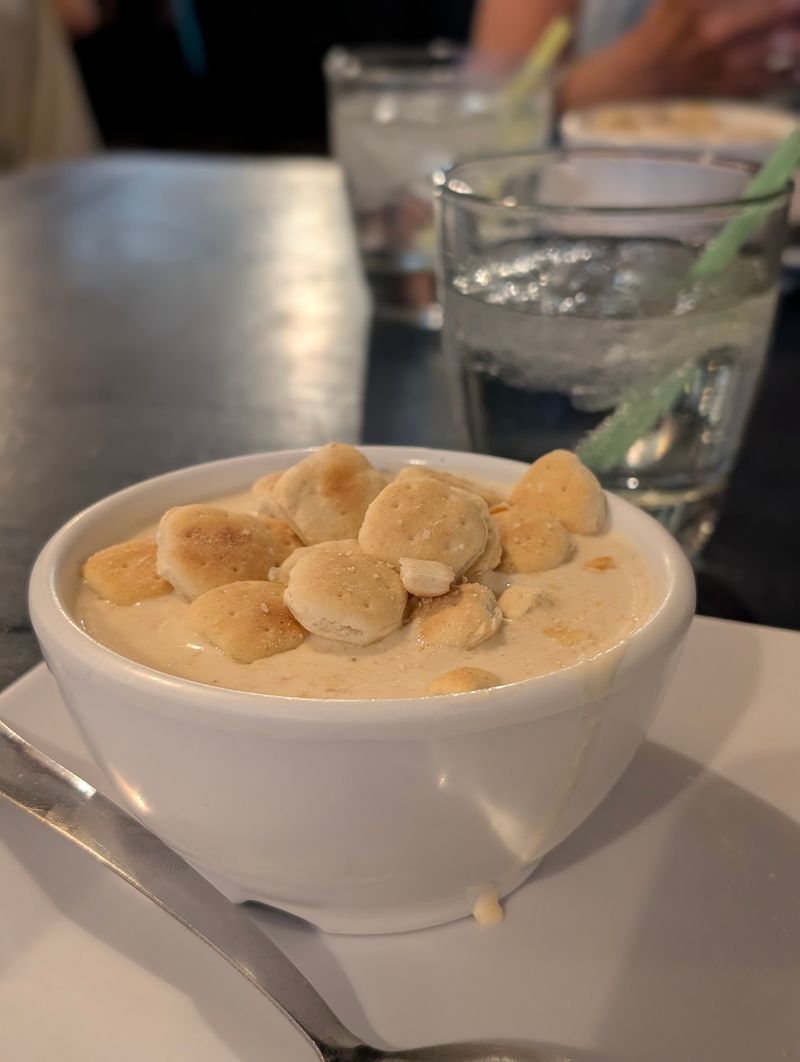
Ask around about this place and one soup keeps coming up. The blue crab chowder has become something of a signature, and repeat orders happen often.
Rich, creamy and loaded with crab, it works as a starter or a light meal. A cup is usually enough to decide whether you want a bowl next time.
Chowder is a tricky dish to fake. Thin broth or too much flour shows up immediately, and neither problem lands in this bowl.
Clam chowder also appears on the menu for anyone who prefers the classic version. Both lean toward comfort rather than cleverness.
Soup at a chain restaurant tends to arrive from a bag. Here the crab flavor tastes like it came from actual crab, which sounds obvious but rarely is.
Order it early in the meal, before the steamer plates arrive. Once the boils land on the table, attention drifts fast.
Cool weather makes it even better, though nobody in this part of the state waits for a cold snap.
Simple food, done carefully, keeps people coming back.
Cash Only, And They Really Mean It
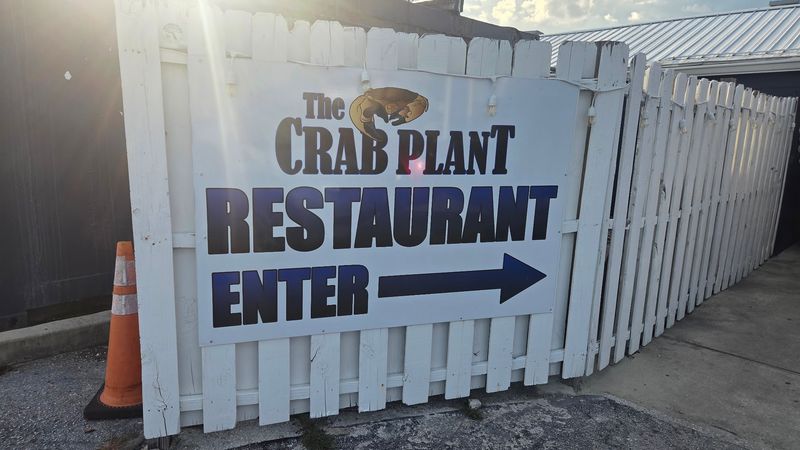
Here is the detail that trips up more people than anything else. The Crab Plant does not take cards, and the signs outside make that clear in large letters.
An ATM sits inside for anyone caught off guard. It charges a small fee, usually a few dollars, so planning ahead saves money.
Cash-only policies feel old-fashioned in a tap-to-pay world. They also keep costs down, which shows up in reasonable pricing on fresh seafood.
Stopping at a bank before dinner is the easy fix. Figure roughly what a table of four might spend, then add a little cushion.
Groups sharing steamer platters can reach a hundred dollars or more without much effort. Fresh Gulf seafood carries a real price tag anywhere.
Splitting the bill works better when everyone brings bills instead of cards. Sorting that out beforehand keeps the mood light.
Chain restaurants would never dare skip credit cards. This spot has managed just fine for years.
Treat it as part of the character rather than an inconvenience, and the evening goes smoothly.
Window Tables With A Working Water View
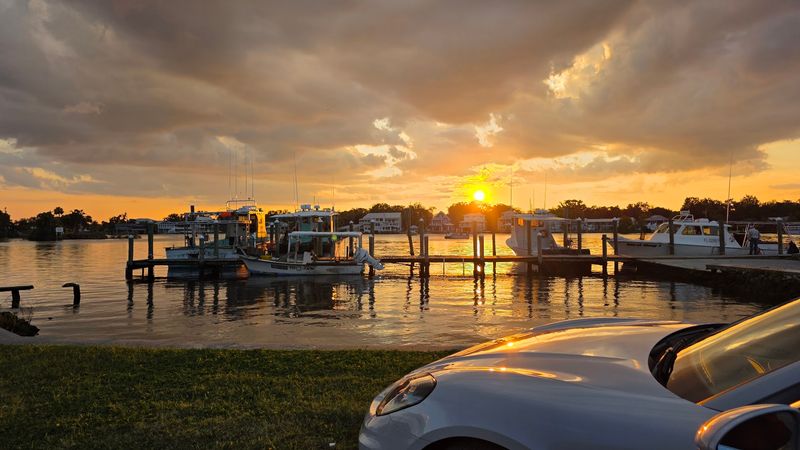
Tall windows run along the water side of the dining room, and they change the whole meal. Pelicans, herons and the occasional splash provide free entertainment between courses.
Seating works on a help-yourself system. Arriving a little early improves your odds of claiming a spot by the glass.
The view looks out over the bay, close enough to watch boats come and go. Sunset light through those windows is genuinely lovely.
Families with restless kids benefit most from the wildlife show. Watching birds hunt beats staring at a phone screen.
Bar seating offers a solid backup when the room fills up. Solo diners often get seated there quickly.
Weekends around midday bring the biggest crowds. Weekday afternoons feel calmer and quieter, if quiet matters to you.
Noise levels do climb once the room fills. Conversation works fine, though whispering will not.
Bring a camera or just enjoy the moment. Either way, the scenery costs nothing extra.
Few chain dining rooms can offer birds fishing outside the window while your food cooks.
Grouper Prepared The Way Locals Expect
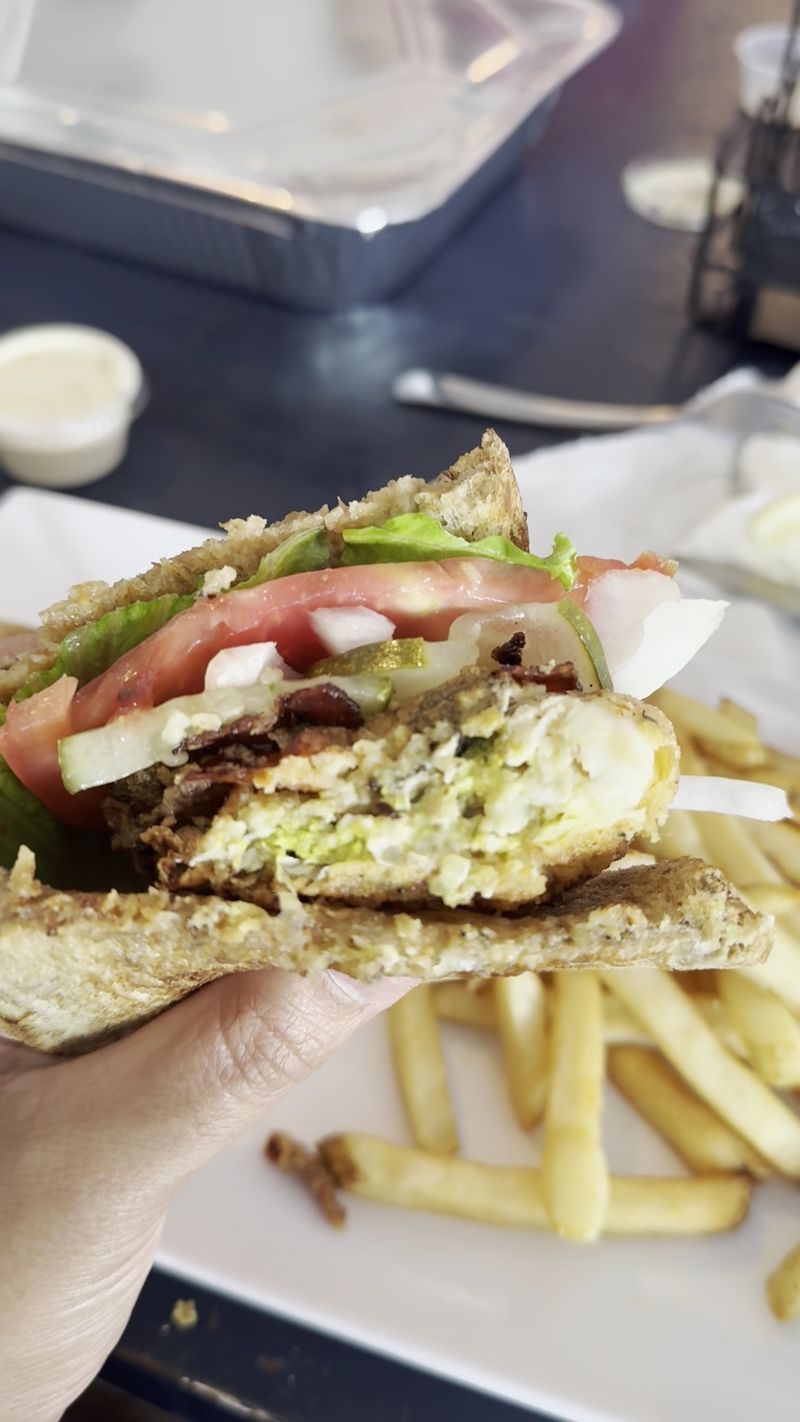
Grouper is the fish of choice along this stretch of coast, and the kitchen handles it well. Ordered as a sandwich or a platter, it comes out flaky rather than dried out.
Seasoning gets real attention here. Nothing arrives burnt, and the fish tastes like fish instead of breading.
Fishing captains in the area send guests this direction regularly. That kind of recommendation carries weight in a working port town.
Grouper grows slowly and lives in deep Gulf waters, which explains the price. Fresh fillets never come cheap.
Grilled and fried versions both appear on the menu. Grilled lets the flavor speak, while fried satisfies the crunch craving.
Hogfish and snapper also show up depending on the day. Asking what came in recently is always worth doing.
Sides lean traditional, so keep expectations focused on the fish. That is where the money goes.
Chain menus tend to list generic white fish without naming it. Specific species on a menu signals a kitchen that actually shops.
Order the grouper once and the comparison becomes obvious.
Outdoor Seating With Cornhole And Connect Four
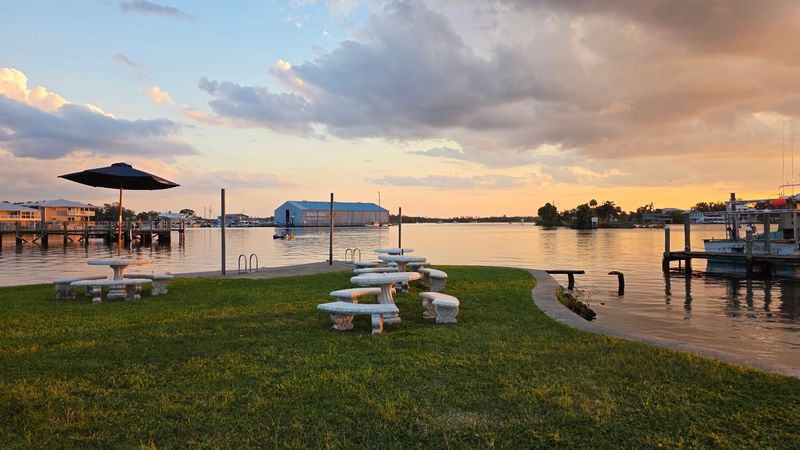
Out back, the patio turns dinner into something closer to a backyard gathering. Cornhole boards and a giant Connect Four keep hands busy while food cooks.
Dedicated servers work the outdoor area, so nobody feels forgotten. The space also has its own restrooms, which parents appreciate.
Water views extend to the outdoor tables too. Breeze off the bay makes warm afternoons pleasant.
Rain closes the patio, and that happens quickly in this part of the state. Having a backup plan for indoor seating helps.
Games make waiting painless during busy stretches. Kids especially stop asking when food will arrive.
Groups traveling together fit better outside than at indoor tables. Larger parties should aim for the patio first.
Bug spray is never a bad idea near the water at dusk. A hat helps with the afternoon sun.
Casual clothes suit the setting perfectly. Nobody dresses up for shellfish and lawn games.
Corporate patios rarely include a cornhole board. That small detail says plenty about the personality of the place.
Low Country Boils And Steamer Platters For Sharing
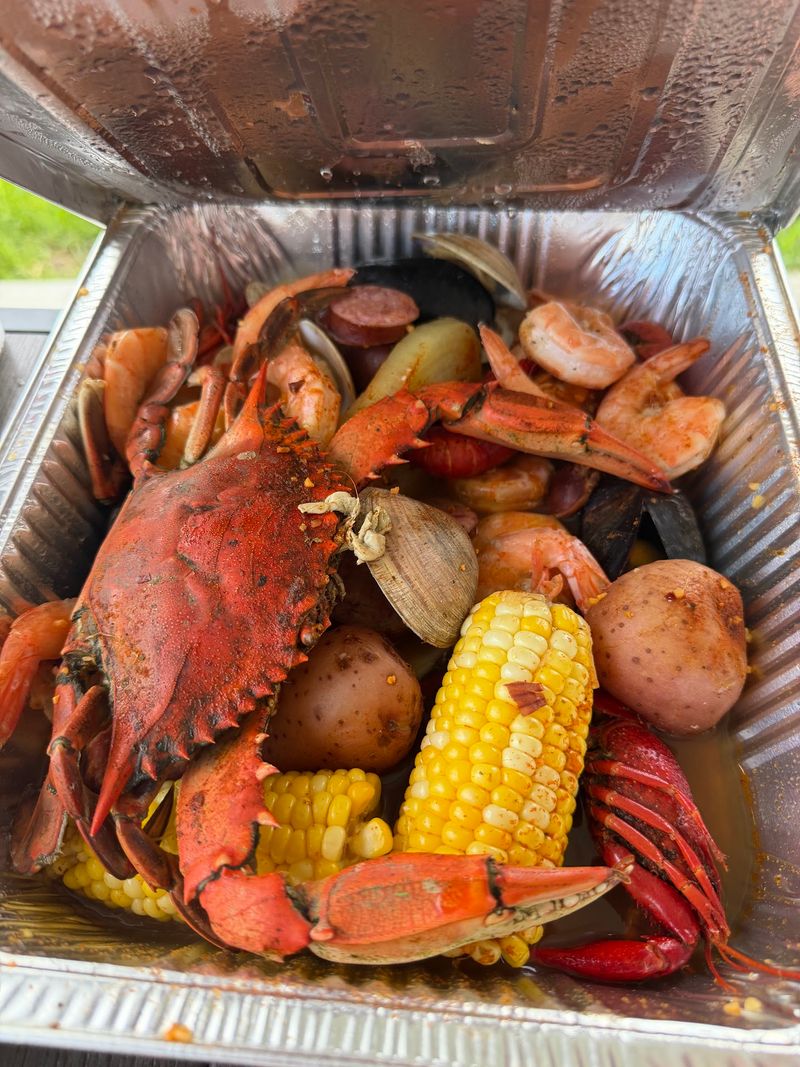
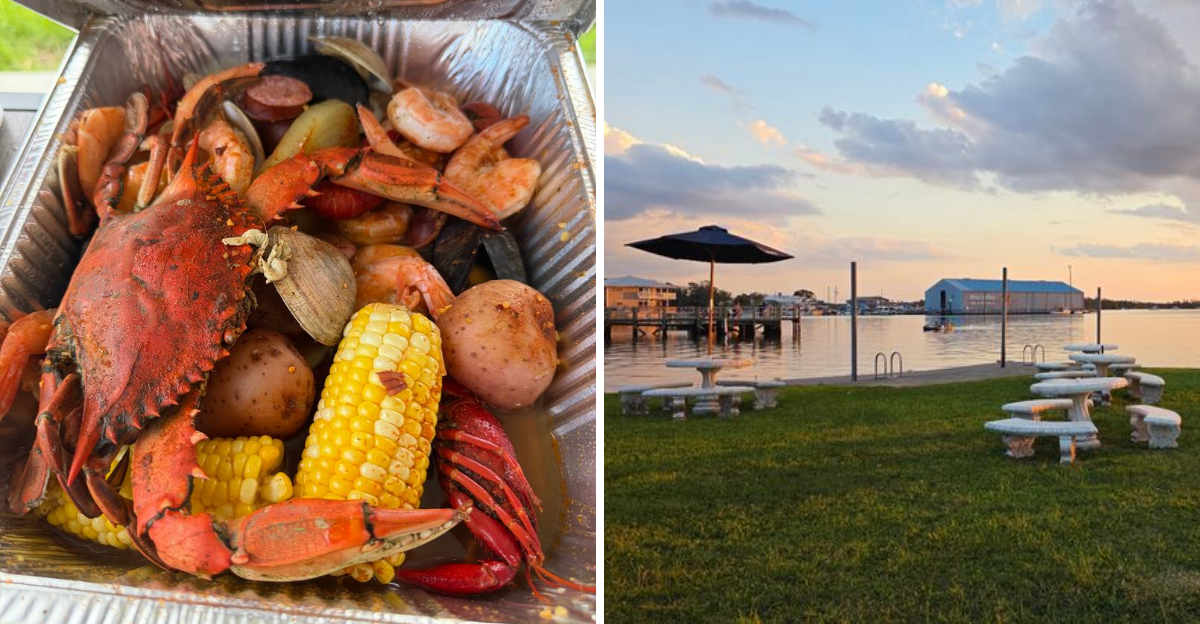
Sharing food changes the mood at a table, and the steamer options here are built for exactly that. Low country boils arrive piled with shrimp, potatoes, corn and sausage.
Crawfish show up as well, cooked with real attention. Peeling them takes practice, and half the fun is the learning curve.
Blue crabs appear seasonally, though supplies run out. When they do, the kitchen has been known to add extra shrimp instead.
Boils work best with a group of three or more. Ordering a couple of platters beats everyone getting separate entrees.
Steamed shrimp comes by the half pound for anyone wanting something simpler. Grilled shrimp is the pick for people who prefer a little char.
Honey garlic shrimp and Cajun red shrimp give the menu range. Both lean flavorful rather than timid.
Napkins disappear fast, so grab extras early. Wet hands are guaranteed.
Nothing about this style of eating is tidy, and that is the appeal. The Crab Plant leans into the mess with confidence.
Menu Surprises Beyond The Usual Suspects
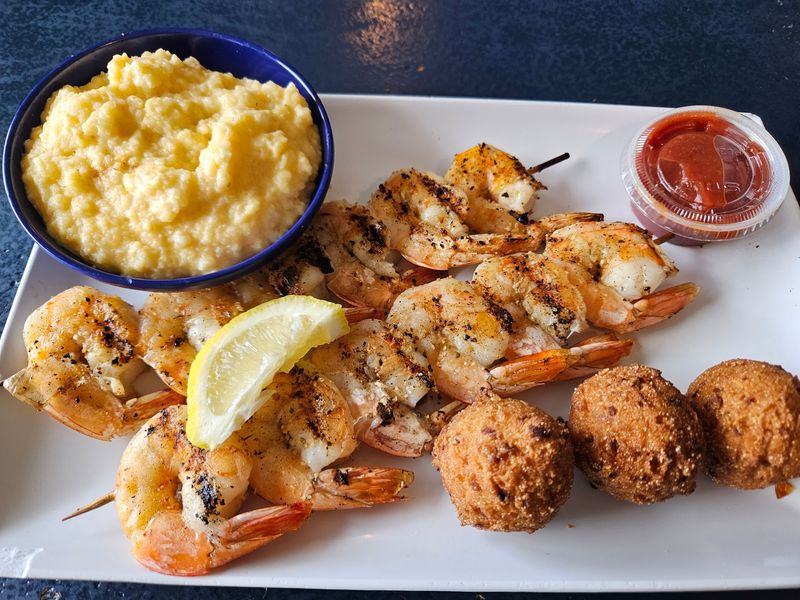
Just when you expect a short list of fried baskets, the menu widens considerably. Lobster rolls, crab cakes, jambalaya and shrimp with grits all make appearances.
Conch fritters come out crisp outside and soft inside, with a mild kick. Gator bites bring the same well-seasoned treatment, which surprises first-timers.
Mullet dip is a regional classic worth trying. Smoky, creamy and made for crackers, it disappears faster than expected.
Snapper tacos give the menu a lighter option. Salads here also arrive fresh rather than tired.
Jambalaya works as an appetizer portion, which makes tasting several things easier. Splitting starters is the smart move for curious eaters.
Steak sandwiches exist for anyone at the table who does not eat seafood. Nobody gets stranded without options.
Daily specials sit alongside the regular list. Reading the board before ordering usually pays off.
Chains stick to safe, predictable choices nationwide. A menu with gator bites and lobster rolls side by side belongs to one place only.
Variety like this rewards return trips.
Timing Your Trip Around The Hours And Crowds
Planning matters more here than at a chain that never closes. Doors open at 11 AM Tuesday through Saturday and close at 8:30 PM.
Sunday and Monday are closed days. Building a trip around those two facts prevents disappointment.
Earlier dinners work better than late ones since the kitchen stops before many spots nearby. Nobody rushes you, but the clock is real.
Popular items sometimes sell out later in the evening. Arriving before the rush improves your odds of getting the crab you came for.
Manatee tours and boat trips fill the mornings in Crystal River. A late lunch after the water fits perfectly.
Busy periods stretch service times. Patience makes the wait easier, and the food justifies it.
Bring cash, arrive hungry, and skip the reservation search since seating is first come. That covers nearly everything.
Small kitchens with real limits usually reward the people who plan ahead.