
This Tiny Maine Fishing Village Looks Almost Exactly Like It Did 70 Years Ago
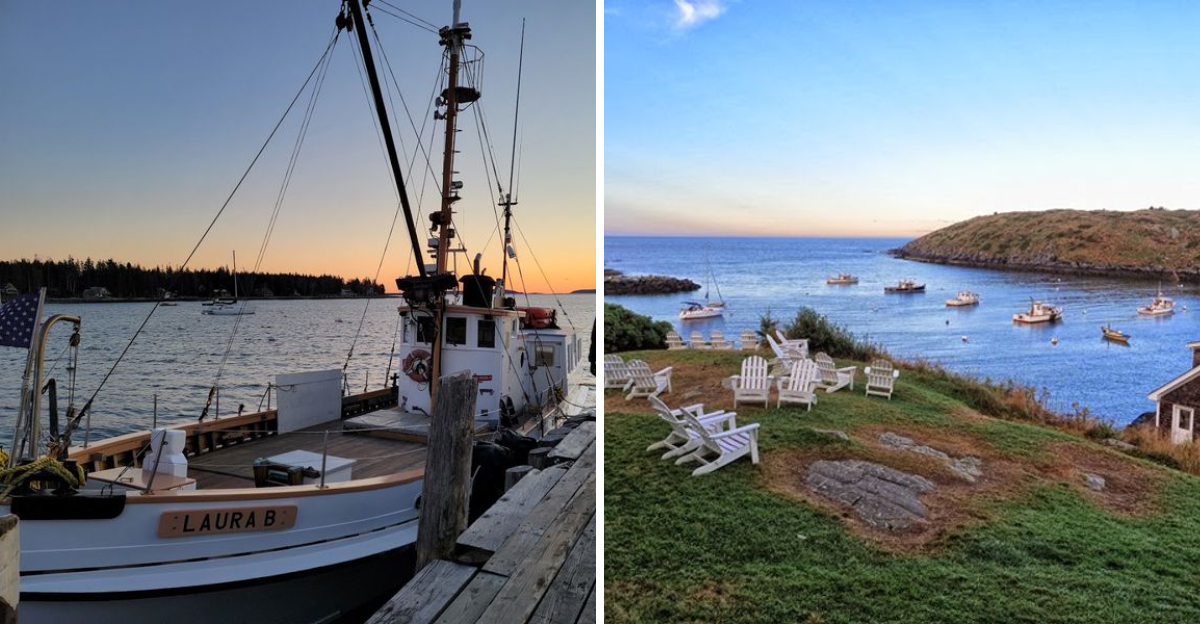
Some places change so slowly that arriving there feels almost impossible. The first time I heard about this tiny Maine fishing village, I assumed the stories had been exaggerated.
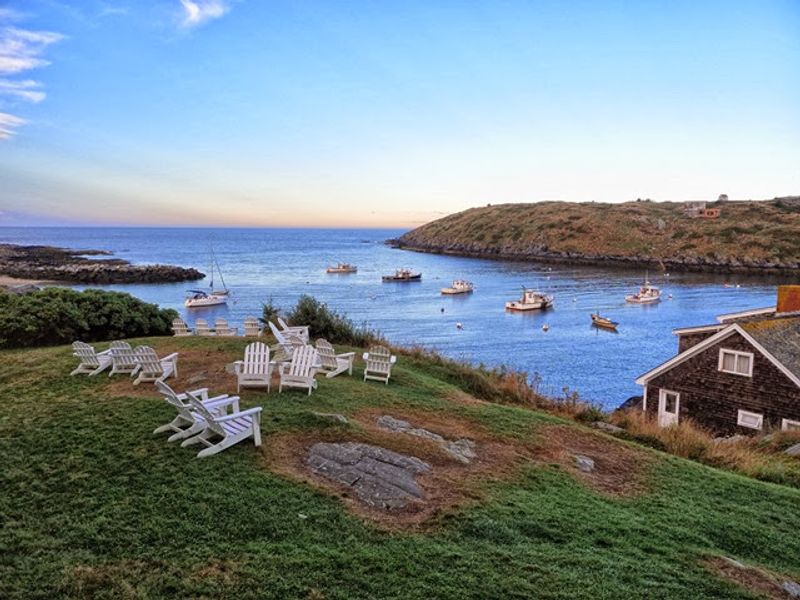
Then I saw the weathered houses, quiet harbor, gravel paths, and lobster boats rocking beside old wooden docks. It looked less like a modern destination and more like a photograph taken 70 years ago.
There are no traffic lights, crowded streets, or rows of chain stores competing for attention. Daily life still follows the sea, the weather, and traditions passed down through generations.
Only a small number of people remain throughout the year, which makes every path feel personal and every view strangely untouched. Maine has plenty of coastal towns, but this one feels different.
It has resisted the noise and speed found elsewhere in the state. Somehow, this small corner of the state still feels completely real.
You’re Looking At A Fishing Village That Barely Changed In 70 Years
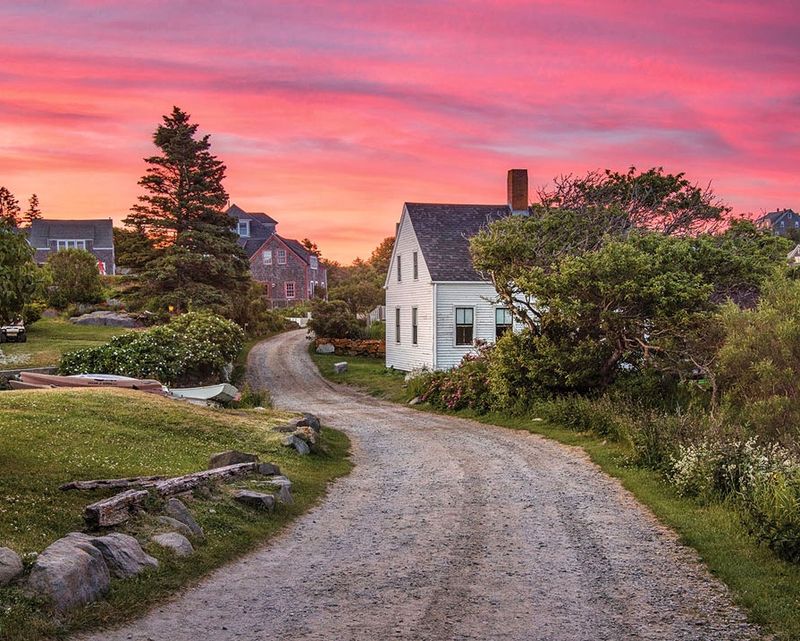
The twenty-first century never quite caught the ferry over. The compact village clusters around the harbor exactly as it has for generations.
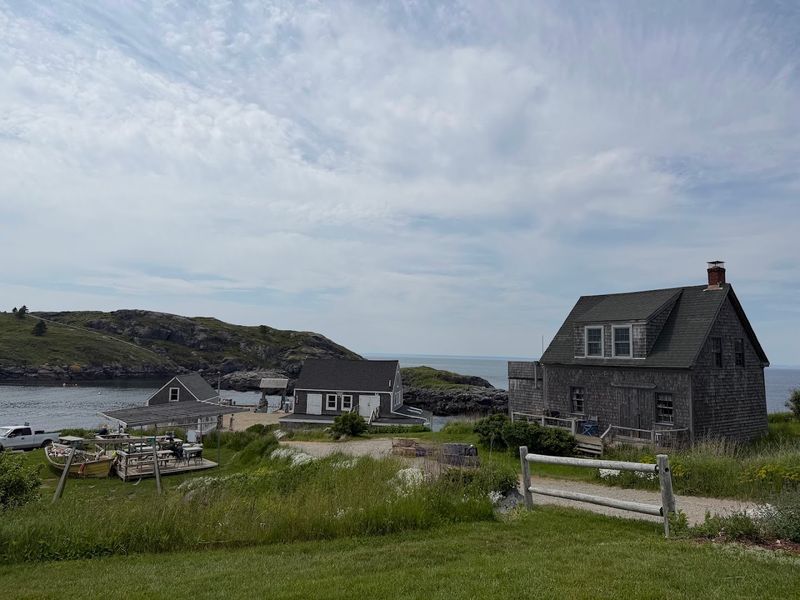
Traditional fish houses line Fish Beach where lobstermen still mend their traps and prepare their gear.
No paved roads interrupt the landscape, just gravel paths worn smooth by countless footsteps. The sounds that fill the air aren’t car engines or traffic noise but the crunch of gravel underfoot, seabirds calling, and waves lapping against wooden docks.
The island covers barely 0.85 square miles, measuring about 1.7 miles long and 0.7 miles wide. Every building, every path, every view feels intentionally preserved.
Visitors from places as far as Ohio often remark that they’ve never experienced anything quite like this deliberate rejection of modern development.
The island’s one-room schoolhouse still functions, and the general store provides essentials just as it always has, creating an atmosphere of purposeful simplicity that defines daily life here.
An Island Legacy Shaped By Generations Of Artists
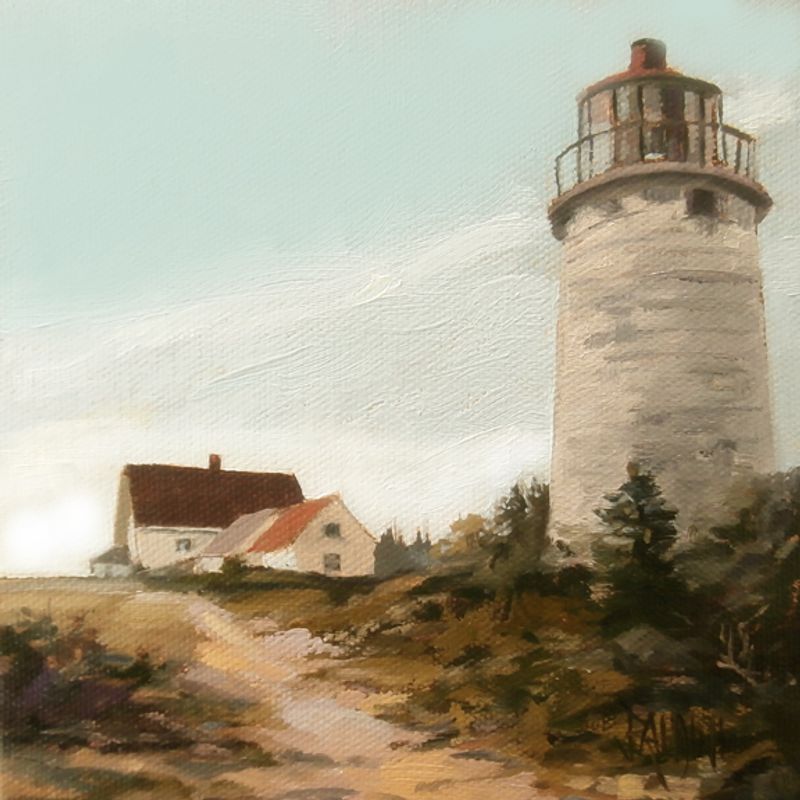
Monhegan has attracted America’s finest painters for over a century, earning its reputation as one of the nation’s oldest and most influential artist colonies. Edward Hopper, George Bellows, Rockwell Kent, Robert Henri, and Jamie Wyeth all found inspiration in these dramatic landscapes.
The island’s unchanged character explains why artists keep returning generation after generation. The same views that captivated painters in the 1900s remain virtually identical today, offering timeless subjects that transcend passing artistic trends.
Walking the island trails, I regularly encountered artists at their easels, capturing the interplay of light on cliffs and ocean exactly as their predecessors did decades ago. Local galleries and studios open to visitors, with schedules posted on community bulletin boards throughout the village.
The Lupine Gallery and Edison Studio represent just a fraction of the artistic venues scattered across this tiny island. For people traveling from places like Ohio where historic preservation often means museums, Monhegan offers something rarer: a living, working artist community operating in unchanged surroundings.
The Remote Maine Island Where Cars Never Took Control
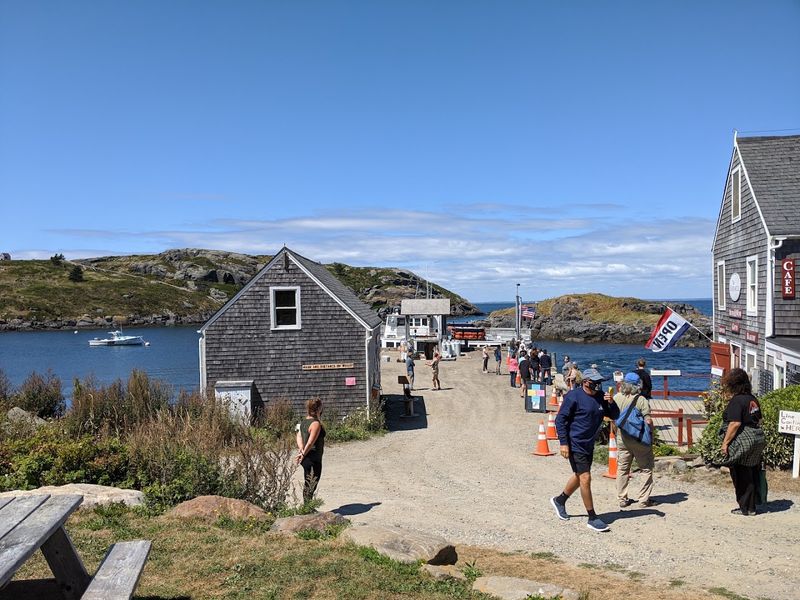
There’s no green initiative behind Monhegan’s lack of cars, no marketing angle either. Vehicles simply never became part of island life, and residents have fiercely protected this characteristic for decades.
When you arrive, you leave your car at the mainland parking lots in Port Clyde, New Harbor, or Boothbay Harbor. Everything you need on the island is accessible by foot within minutes.
This absence of motorized transportation creates an atmosphere that visitors from car-dependent places like Ohio find almost surreal. The quiet becomes something you can feel, not just hear.
Children play freely on paths without worrying about traffic.
Islanders transport supplies using hand carts and wheelbarrows, moving at a human pace that allows for spontaneous conversations and genuine community connection. The lack of vehicles also means no parking lots, no gas stations, no traffic lights, and none of the infrastructure that typically clutters modern towns.
This transportation philosophy preserves not just the island’s physical appearance but its entire social rhythm and character.
Traditional Lobstering Grounds Still Worked By Local Families
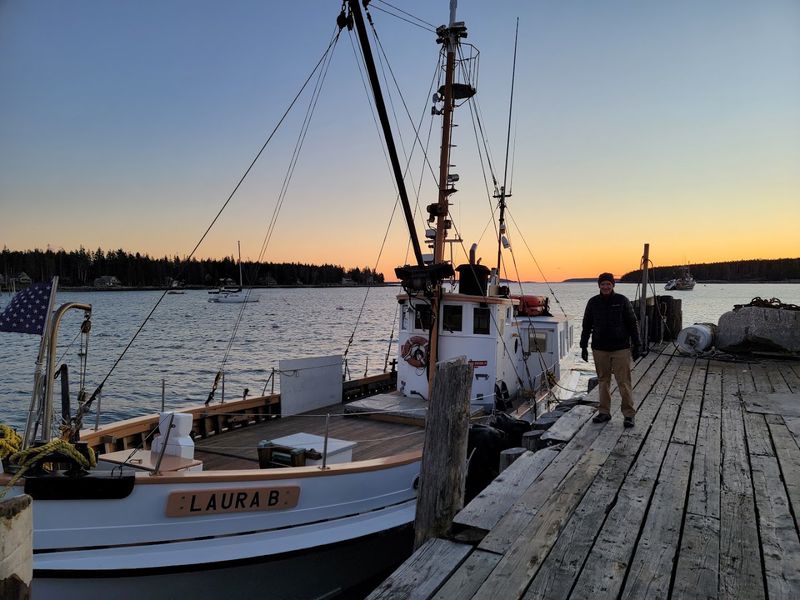
The island oversees Maine’s sole lobster conservation zone, following a rulebook that’s outlasted plenty of trends and kept the fishery intact for generations. Lobstering season runs from October 1 through June, a restricted period that allows the lobster population to thrive during summer months.
Walking past the fish houses along Fish Beach, I watched lobstermen working exactly as their fathers and grandfathers did. These weathered wooden structures serve as workshops where traps are repaired, buoys are painted, and gear is maintained with practiced hands.
The conservation approach reflects wisdom passed down through families who’ve fished these waters for over a century. Unlike the industrial fishing operations found elsewhere, Monhegan’s lobstermen maintain a sustainable harvest that ensures future generations can continue this traditional livelihood.
Visitors from inland states like Ohio rarely witness this kind of working waterfront anymore. The island’s economy still genuinely depends on fishing rather than just performing it for tourists, creating an authenticity that’s increasingly rare along America’s coastlines.
A Wild Island Landscape Protected For Future Generations
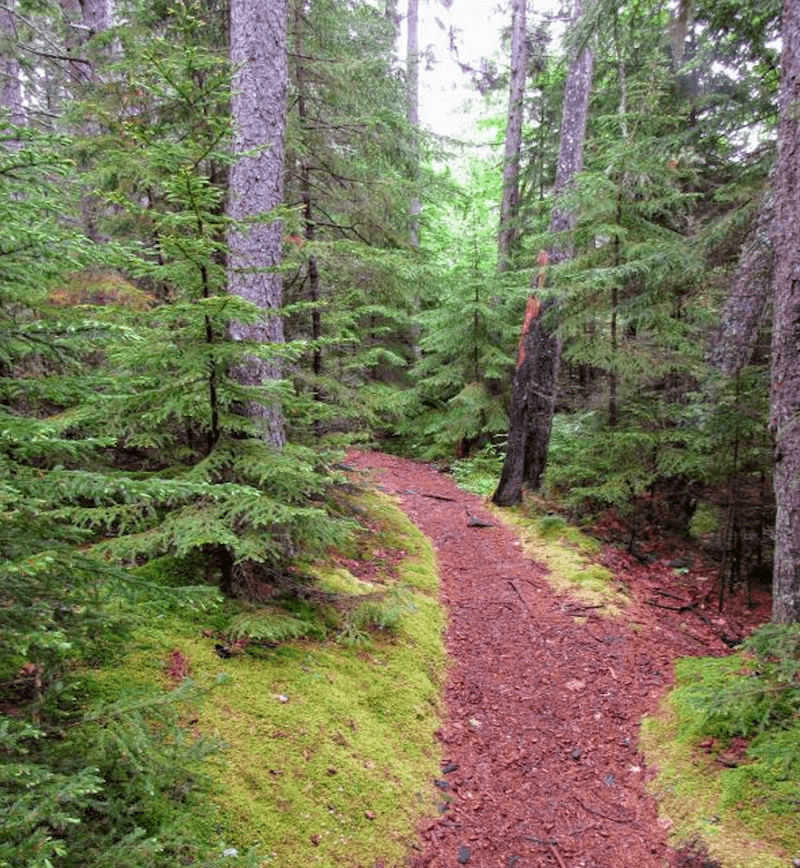
Theodore Edison, son of the famous inventor, established Monhegan Associates, Inc. in 1954 as a land trust dedicated to preserving the island’s wild character. This organization protects between two-thirds and three-quarters of Monhegan’s land, encompassing 350 to 480 acres designated to remain “forever wild.”
The trust maintains 12 to 17 miles of hiking trails that wind through diverse terrain, from dense spruce-fir forests to open meadows and dramatic clifftop paths. Some trails challenge even experienced hikers with steep, rocky sections requiring sturdy footwear.
Cathedral Woods stands out as a particularly magical destination, where moss carpets the forest floor and tree branches arch overhead like natural architecture. The island earned National Natural Landmark designation in 1966, recognizing its environmental significance.
This protective approach ensures that visitors from Ohio or anywhere else will find Monhegan essentially unchanged for generations to come. The trust’s work represents one of America’s earliest and most successful conservation efforts, predating the modern environmental movement by decades.
Dramatic Coastal Cliffs Rising High Above The Atlantic
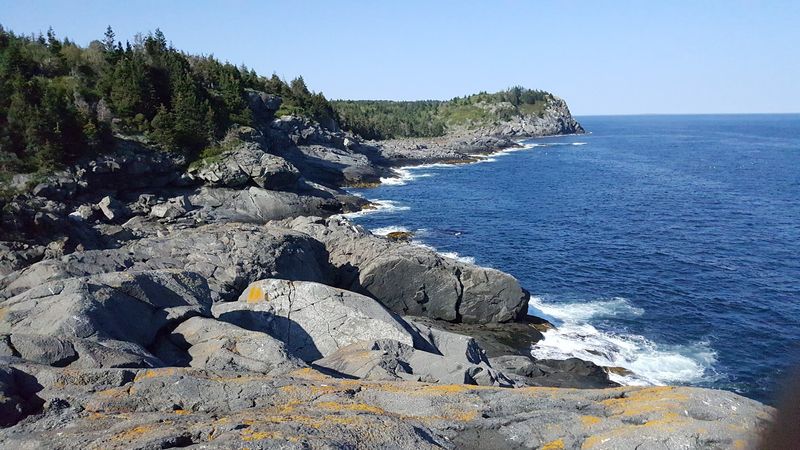
The cliffs here don’t ease into the water. They rise 130 to 160 feet above the Gulf of Maine and hold some of the best coastal views New England has to offer.
These towering formations define the island’s wild eastern and southern shores, where Atlantic waves crash against ancient rock with primal force.
Hiking the clifftop trails offers breathtaking panoramas that seem unchanged since the first European explorers arrived in the early 1600s. The perspective from these heights makes you understand why artists have been drawn here for over a century.
Visitors need to exercise caution along these trails, as the terrain can be challenging and weather conditions change rapidly. The cliffs are exposed to full ocean winds, and the rock can be slippery, making proper footwear essential.
Standing at these heights, watching waves explode against rock far below, I felt transported to a time before coastal development transformed most of America’s shoreline. People from landlocked states like Ohio often describe these cliffs as their first experience of truly wild ocean coastline.
The Historic Lighthouse That Has Guided Mariners Since 1824
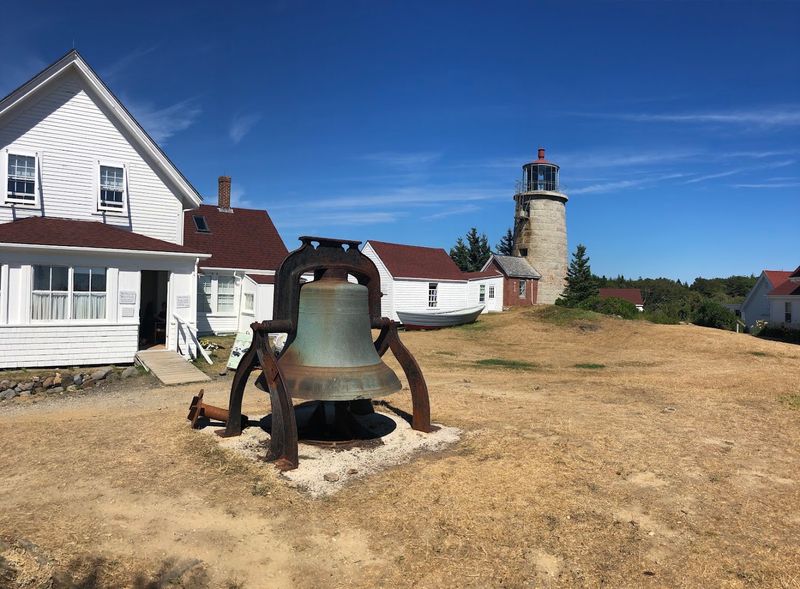
Perched on the island’s highest point, Monhegan Lighthouse has guided mariners since 1824, with the current tower dating to 1850. Though automated since 1959, this beacon remains a defining landmark visible from throughout the village and surrounding waters.
The lighthouse grounds offer sweeping panoramic views encompassing the compact village below, the busy harbor where ferries arrive from the mainland, and neighboring Manana Island across the narrow channel. These vistas explain why this spot has attracted photographers and painters for generations.
The former keeper’s residence now houses the Monhegan Museum of Art & History, featuring exhibits on the island’s rich cultural heritage, natural history, and artistic legacy. The assistant keeper’s house serves as an additional art museum showcasing works by Monhegan artists past and present.
Walking up to the lighthouse feels like visiting a monument that has witnessed everything from sailing ships to modern ferries, yet the view itself remains remarkably unchanged. Visitors from Ohio often comment that this lighthouse embodies the timeless quality that makes Monhegan so special.
A Remarkable Birding Haven Along The Atlantic Flyway
The Atlantic Flyway runs straight through Monhegan, turning the island into a essential checkpoint for birds migrating along the eastern seaboard. Over 200 bird species have been documented here, making it one of New England’s premier birdwatching destinations.
Spring and fall migrations bring spectacular concentrations of raptors, warblers, and other species that use the island as a resting point during their long journeys. Serious birders from across the country, including Ohio, plan their visits around these migration windows when rarities regularly appear.
Puffin-watching cruises operate between June and August, taking visitors to nearby nesting colonies where these charismatic seabirds raise their young. The Ice Pond, once used for harvesting ice until 1974, now provides a peaceful inland spot for observing waterfowl and forest birds.
The island’s diverse habitats support over 500 varieties of wildflowers as well, creating a complete ecosystem that has remained largely undisturbed for decades. This ecological richness adds another dimension to Monhegan’s timeless character.
Daily Island Life Without Cars Or Many Modern Conveniences
There’s no mainland power line to Monhegan. Electricity comes from local generators, internet is scarce, and cell service barely counts as service.
Air conditioning is essentially nonexistent, and many buildings rely on traditional heating methods unchanged for decades.
The island’s general store stocks essential supplies, but selections are basic compared to mainland supermarkets. Residents and visitors alike adapt to this simplicity, finding that life functions perfectly well without constant connectivity and modern conveniences.
“Monhegan Midnight” informally arrives at 8 PM, when islanders observe quiet hours that help preserve the peaceful atmosphere. This custom reflects a community-wide commitment to maintaining the island’s traditional character and respecting neighbors in close quarters.
For visitors accustomed to Ohio’s suburban conveniences, these limitations initially seem challenging but quickly become part of Monhegan’s charm. The absence of digital distractions creates space for genuine human interaction and deeper connection with the natural environment.
This deliberate simplicity isn’t poverty or hardship but a conscious choice to prioritize community values and environmental preservation over modern ease.