
This Tiny Massachusetts Town In The Berkshires Is Absolutely Stunning
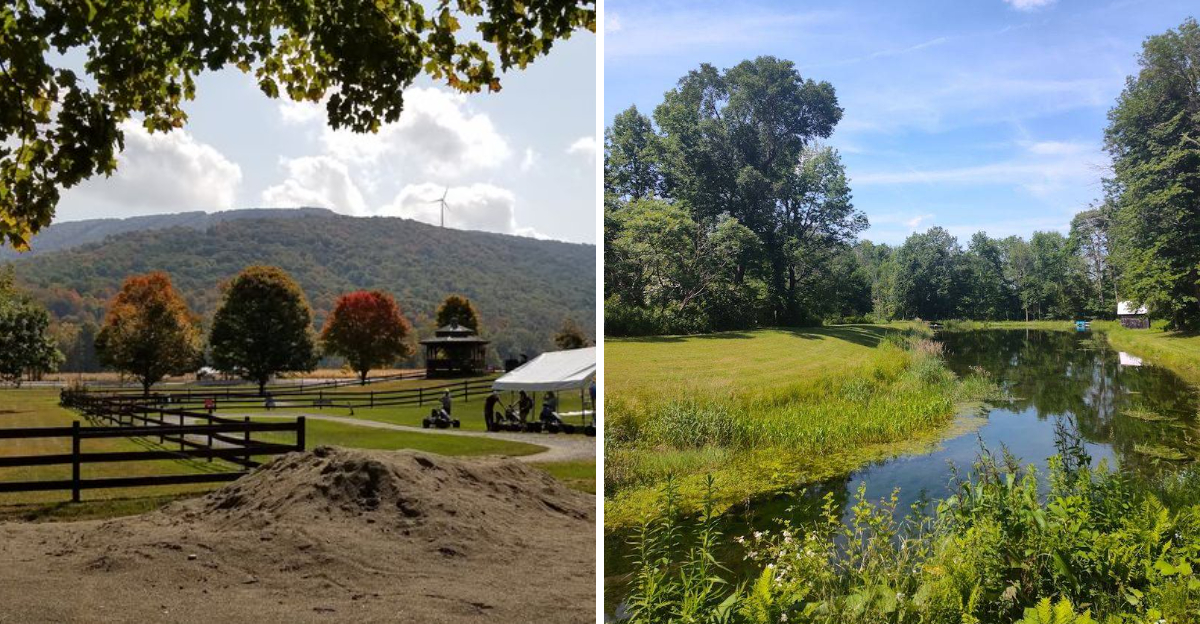
Some towns in Massachusetts don’t need a big sign to prove they belong on your bucket list. This one sits high in the Berkshires, surrounded by mountains that seem to change color every hour.
Morning brings soft fog over the hills. By afternoon, the light turns gold and everything looks like a painting.
Fewer than a thousand people call this place home, and that quiet is part of the charm.
There are no crowds pushing past you, no traffic to fight through. Just open roads, old farmhouses, and views that stop you mid step.
Skiers know the area for its slopes. Hikers know it for trails that wind through untouched forest.
Have you ever stood somewhere so peaceful you forgot to check your phone? That’s what a visit here feels like. Massachusetts holds plenty of surprises, but this corner of the Berkshires might be one of its finest.
A Scenic Welcome In The Berkshire Hills
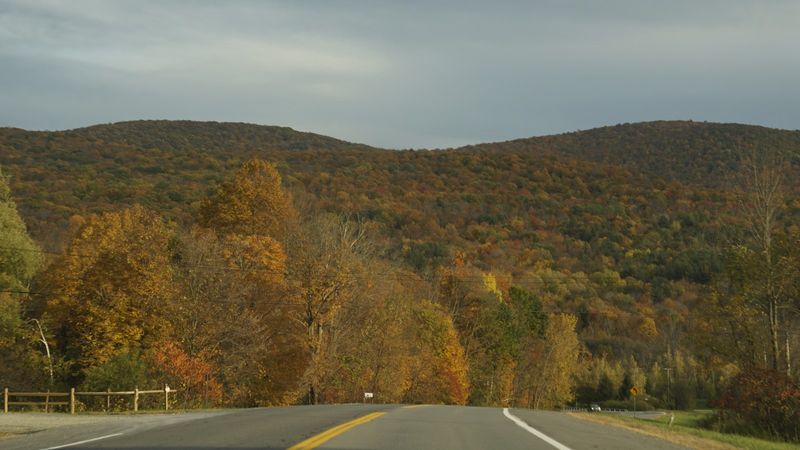
The first impression of this Massachusetts town arrives before you even reach the town center.
The road climbs and curves through the Berkshire Hills, revealing broad, open vistas that shift with every bend.
Farmland stretches across valley floors, and the hills rise in layered shades of green, gold, and amber depending on the season.
Hancock sits in Berkshire County at coordinates 42.54 degrees north, placing it firmly in the heart of one of New England’s most celebrated landscapes.
The town is part of the Pittsfield Metropolitan Statistical Area, yet it carries none of the urban energy that phrase might suggest.
Instead, it holds a quiet, self-assured character shaped by elevation, open land, and long winters that demand genuine resilience from its residents.
Spring and summer bring a softness to the hills, with wildflowers edging country roads and birdsong filling the morning air. Autumn transforms the entire region into something almost theatrical in its color.
Even winter has its particular beauty, when snow settles across the fields and the hills take on a stark, clean silhouette. Hancock greets every season with the same unhurried composure.
Shaker Legacy And Enduring Craftsmanship
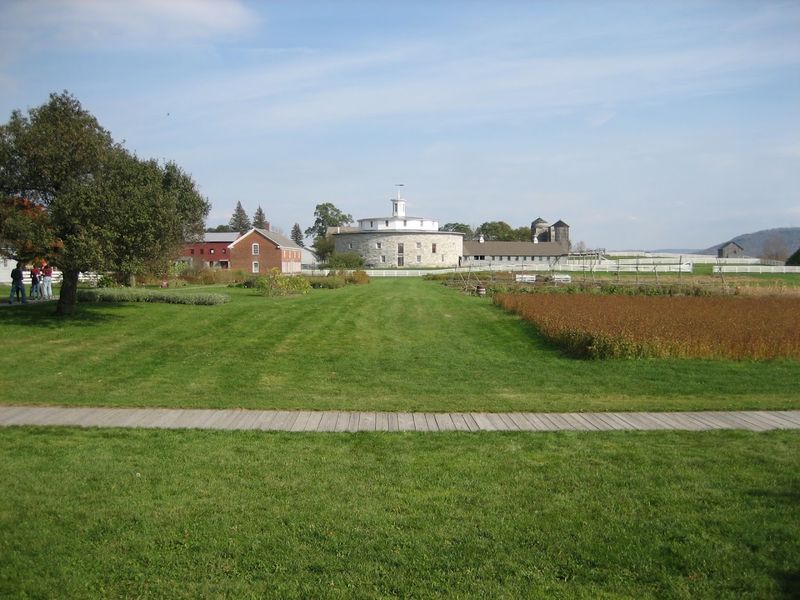
Few towns of Hancock’s modest size can claim a cultural inheritance as distinct and internationally recognized as the Shaker movement.
The Hancock Shaker Village stands as one of the most complete surviving examples of a Shaker community in the United States.
Founded in 1783, it operated as a working Shaker settlement for nearly two centuries.
The Shakers were known for their extraordinary commitment to simplicity, order, and functional beauty. Their furniture, architecture, and agricultural systems reflected a philosophy that valued craftsmanship above ornamentation.
Every object made by Shaker hands was designed to serve a purpose, and that discipline produced objects of remarkable elegance that continue to influence designers today.
The round stone barn, completed in 1826, remains the most iconic structure on the property.
Its circular design allowed a single farmhand to feed an entire herd of cattle from a central position, a practical innovation that still impresses modern engineers.
Walking through the village, you sense a community that took its work seriously and found genuine meaning in daily labor. That spirit has not entirely left the grounds.
Mountain Adventures For Every Season
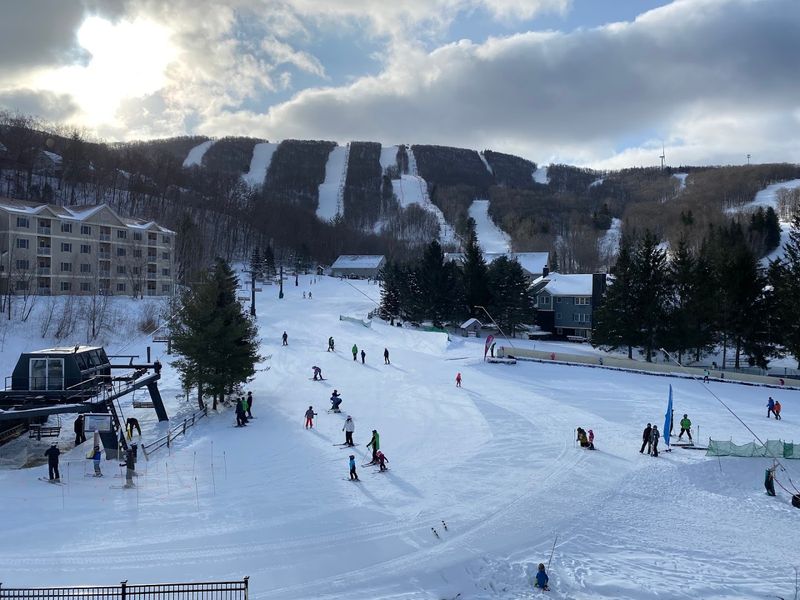
Hancock is home to Jiminy Peak Mountain Resort, one of New England’s larger ski destinations, located on Corey Road.
The resort draws enthusiasts from across the region, offering a range of terrain that accommodates beginners and experienced skiers alike.
Snowboarders, tubers, and families all find something suited to their pace here.
What makes Jiminy Peak particularly interesting is its commitment to renewable energy. The resort installed a wind turbine that generates a significant portion of its electricity, making it a notable example of sustainable resort management in the Northeast.
That combination of outdoor recreation and environmental awareness reflects a broader sensibility present throughout the Berkshires.
When snow melts, the mountain transitions smoothly into a warm-weather destination. Mountain biking trails wind through the forested slopes, and the aerial adventure park attracts those who prefer their thrills at canopy level.
The resort also hosts outdoor concerts and seasonal events that bring a festive energy to the surrounding area.
Year-round, Jiminy Peak functions as an anchor for outdoor activity in Hancock, giving the town a recreational identity that extends well beyond its small population and quiet roads.
Farmland Traditions And Bumper Harvests
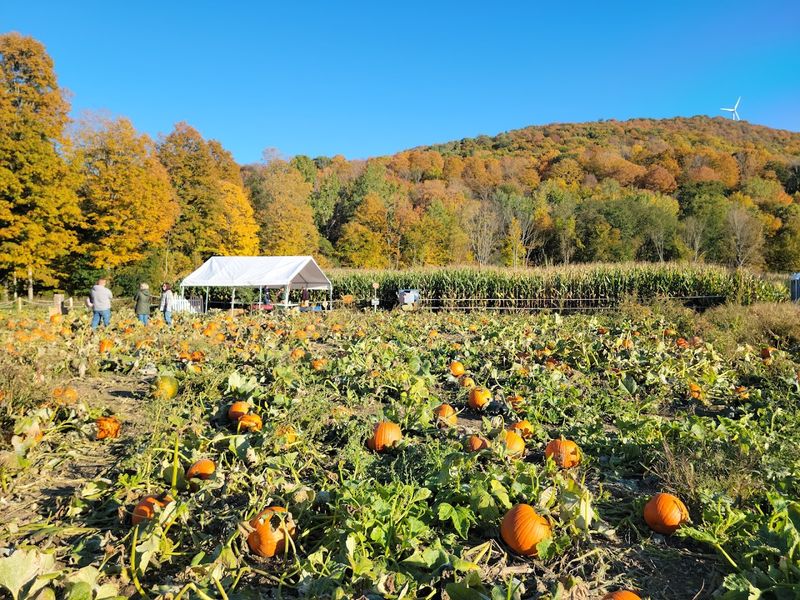
Agriculture has shaped Hancock since its earliest settlement, and the land still reflects that long relationship between community and cultivation.
The town’s wide valley floors and hillside clearings were carved out by generations of farmers who understood the rhythms of Berkshire County soil.
That knowledge did not disappear with industrialization; it adapted and persisted.
Small-scale farming operations continue to define the visual character of Hancock today. Cattle graze on open pastures, and seasonal crops mark the passage of the year with predictable reliability.
The presence of working farms gives the town an authenticity that many rural New England communities have struggled to maintain as development pressures intensify in surrounding areas.
The agricultural heritage of Hancock also connects directly to the Shaker legacy.
The Shakers were innovative farmers who introduced new seed varieties, developed efficient irrigation methods, and sold packaged seeds commercially at a time when such practices were unusual.
Their influence on local farming culture left a lasting imprint.
Today, the fields surrounding the historic village serve as a reminder that productive land and thoughtful stewardship can coexist across centuries without losing their essential character or practical purpose.
The Rhythm Of Rural Seclusion
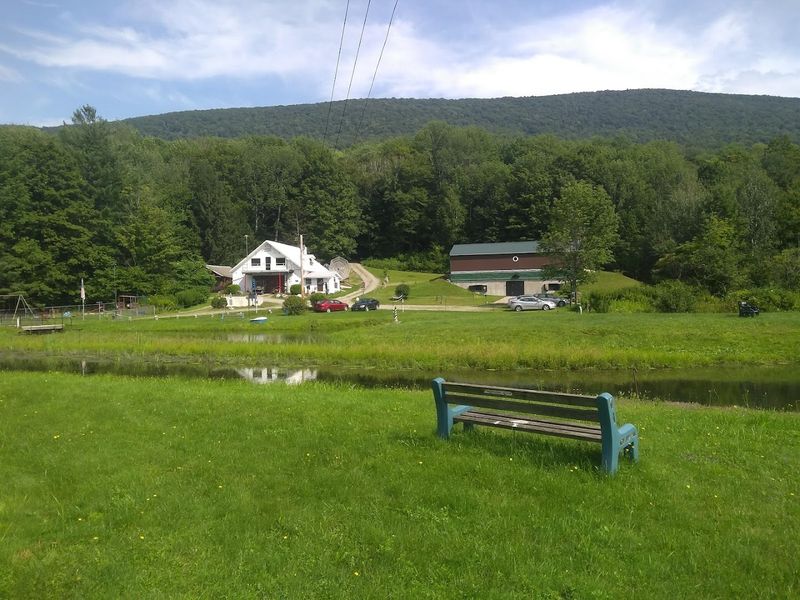
With a population of 757 recorded at the 2020 census, Hancock is not a place that rushes.
The pace of life here follows a different clock, one calibrated to seasons, weather, and the natural cycles that govern small agricultural communities.
That slowness is not a deficiency; it is the town’s defining quality.
Roads through Hancock pass farmhouses set well back from the pavement, stone walls built by hands long gone, and woodlands that press close on either side. There is very little commercial noise here.
The absence of strip malls, chain restaurants, and traffic congestion is not an accident; it reflects the choices a small community makes when it values its character over convenience.
For those accustomed to urban or suburban life, that quietude can feel almost disorienting at first. Then it becomes restorative.
The mind adjusts to the slower input, and ordinary details begin to register with unusual clarity: the sound of wind moving through tall grass, the particular quality of late afternoon light on a hillside, the smell of woodsmoke on a cold morning.
Hancock offers that recalibration without ceremony or instruction, simply by being exactly what it is.
Taconic Peaks And Trailblazing Paths
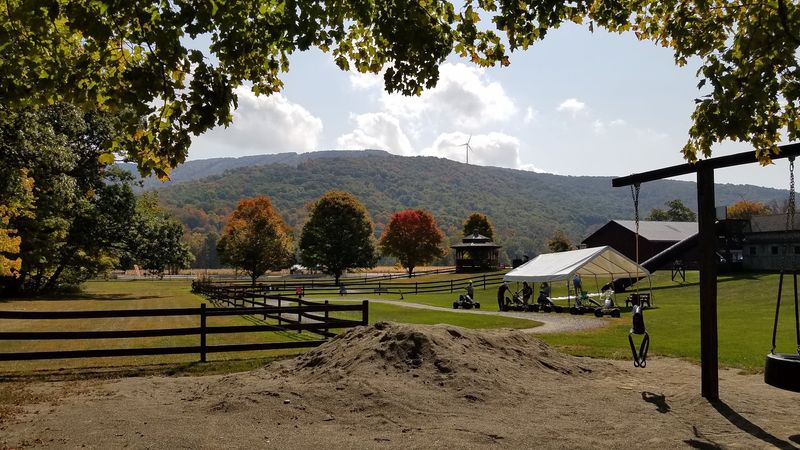
The Taconic Range forms the western boundary of Massachusetts and rises dramatically near Hancock, giving the town a rugged, elevated backdrop that draws hikers and naturalists throughout the warmer months.
These mountains are older than the Appalachians in geological terms, shaped by forces that predate most of the landforms familiar to modern geography.
Trails in this area range from moderate woodland walks to more demanding ridge routes that reward effort with panoramic views stretching into New York State and Vermont.
The Taconic Crest Trail, which passes through the region, is particularly valued for its sustained elevation and relatively undeveloped character.
It offers a genuine backcountry experience within reasonable distance of populated areas.
Wildlife is abundant along these routes. Black bears, white-tailed deer, wild turkeys, and numerous raptor species inhabit the forests and open ridgelines of the Taconic Range.
Birdwatchers find the area especially productive during spring migration, when songbirds move through in impressive numbers.
The trails near Hancock connect to a broader network of conservation land that protects thousands of acres of intact forest.
This ensures that the mountain character of this corner of Massachusetts remains accessible and largely unaltered for future generations.
Watersheds And Woodlands Revealed
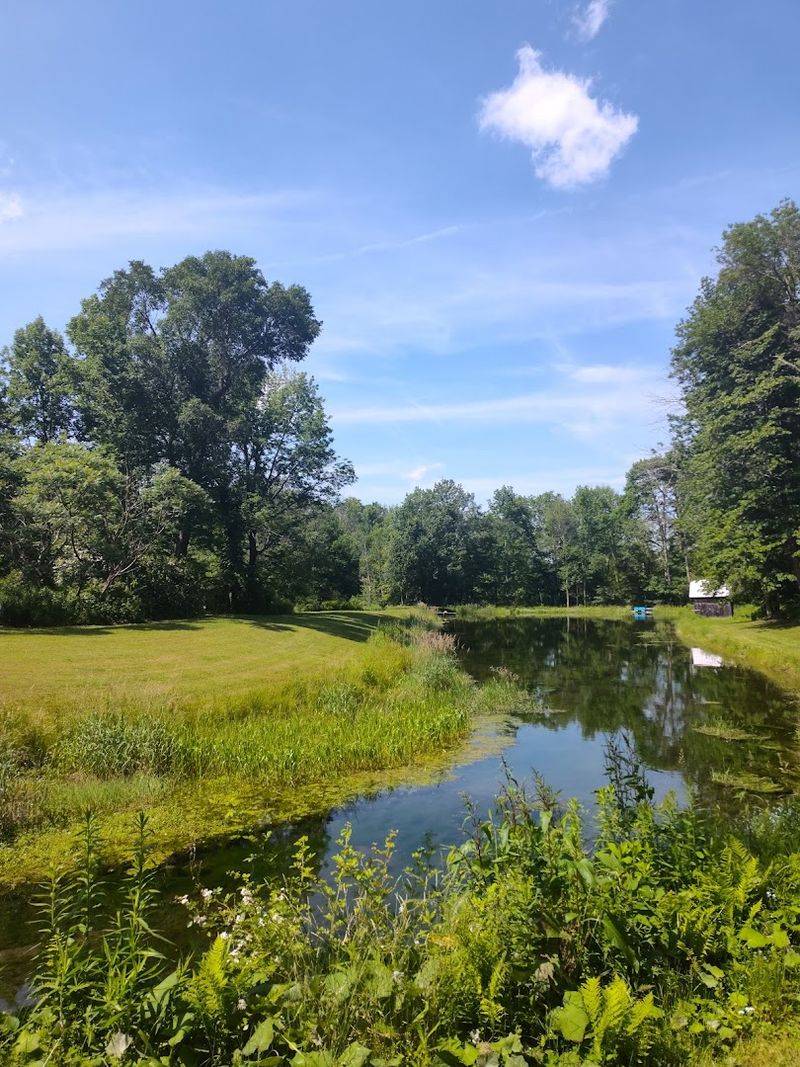
Water moves through Hancock in ways that reveal the underlying geography of the Berkshires with unusual clarity.
Streams originating in the Taconic Range and the Berkshire uplands converge and flow through the town’s valleys, feeding wetlands and small ponds that support a rich diversity of aquatic and terrestrial life.
The watershed here is not a background feature; it is central to the town’s ecological identity.
The woodlands surrounding these water systems are composed primarily of northern hardwoods, with stands of maple, beech, birch, and oak dominating the canopy.
Hemlock groves appear along stream corridors, creating shaded, cool microhabitats that persist even through dry summer months.
These forests provide habitat for species that require large, connected areas of intact woodland to survive and reproduce successfully.
Conservation organizations have been active in Hancock and the surrounding region for decades, working to protect critical parcels of land from development.
The result is a landscape that retains much of its pre-industrial character, particularly in the upper elevations where human activity has always been limited by terrain and climate.
Walking through these woodlands, the density and age of the trees communicate something about the patience required to allow a landscape to fully recover and express itself.
Architectural Marvels In Stone And Timber
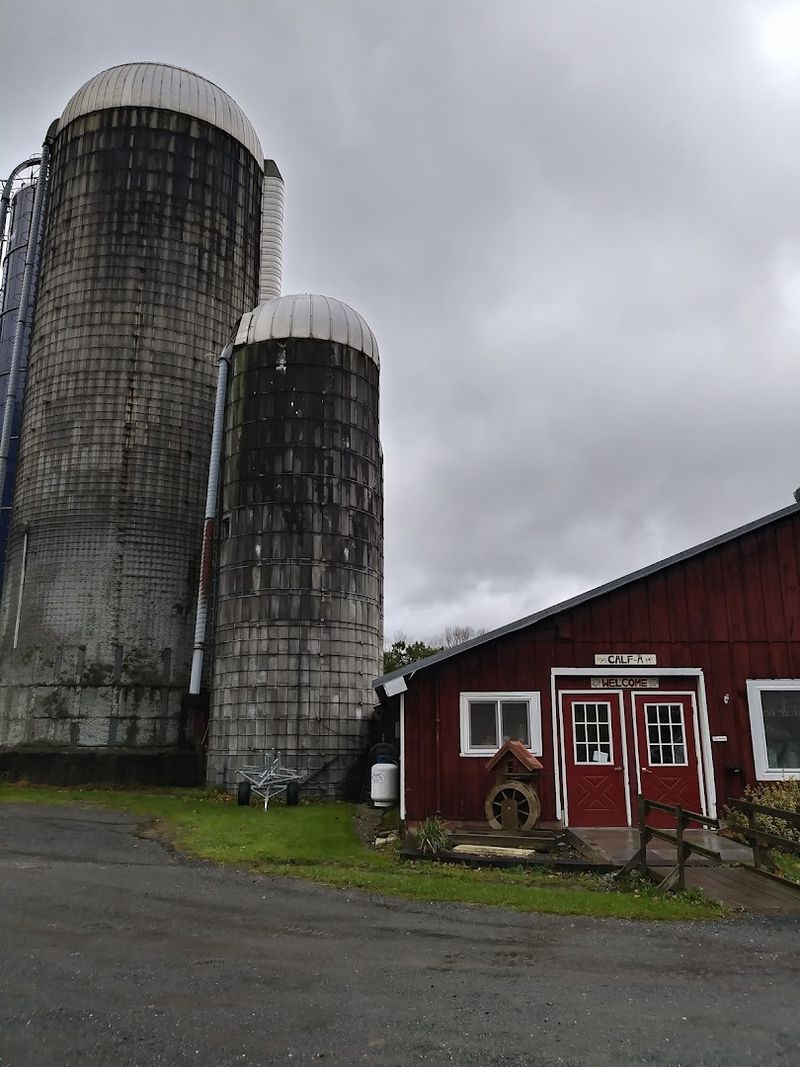
Architecture in Hancock tells the story of two very different building traditions existing in close proximity.
The Shaker structures at Hancock Shaker Village represent one of the most coherent and philosophically driven architectural programs in American history.
Every building was designed according to principles of utility, spiritual discipline, and communal function, producing a built environment of spare, powerful beauty.
The dwelling house, the laundry and machine shop, the ice house, and the various barns and outbuildings at the village each demonstrate a mastery of traditional construction materials.
Stone foundations support timber-framed structures that have endured for nearly two centuries, a testament to the quality of workmanship applied even to utilitarian buildings.
The Shakers believed that making something well was itself a form of prayer, and their buildings carry that conviction in every joint and beam.
Beyond the Shaker village, Hancock’s rural landscape includes farmhouses and outbuildings that reflect the vernacular building traditions of western New England more broadly.
These structures, many dating to the nineteenth century, were built with local materials by local craftsmen who understood the demands of Berkshire winters.
Together, the Shaker and vernacular buildings of Hancock form an architectural record that rewards careful observation and genuine curiosity about how people once built to last.