
This Tiny Nevada Town Still Shows Off Its Million Dollar Courthouse For Free
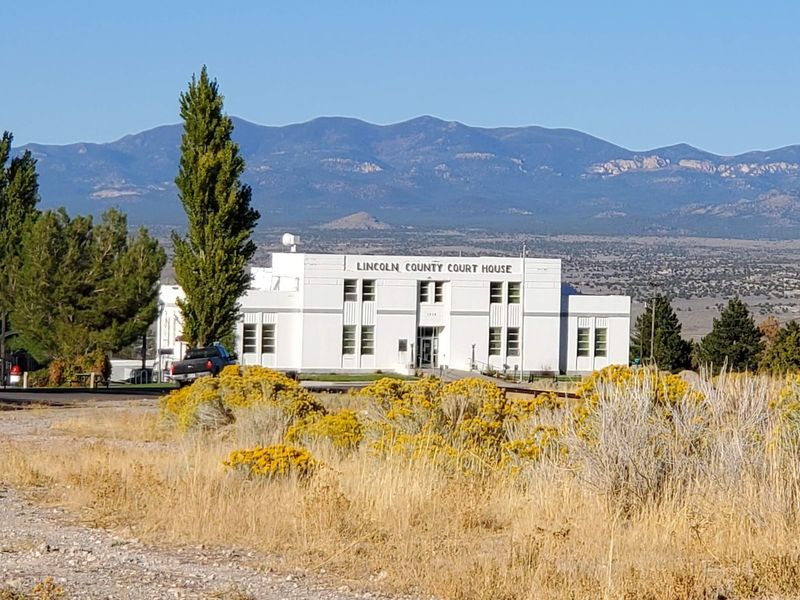
Nevada has a way of hiding its best stories down two-lane highways where the gas stations are far apart and the scenery does most of the talking. On one of those drives, a red-brick building on a hillside turned a quick stretch-your-legs stop into a two-hour detour.
It looks like an ordinary old county building until you learn what it cost, and the number still makes people blink. Best part for anyone watching a budget: walking through the front door costs nothing at all.
A Hillside Town in Lincoln County
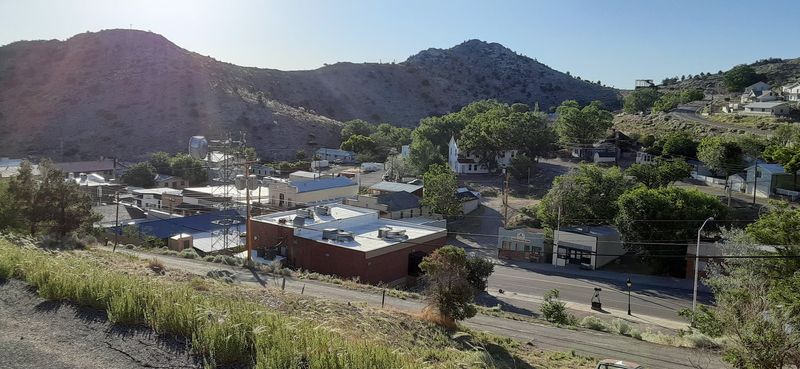
Pioche sits in Lincoln County, tucked against a hillside in eastern Nevada roughly 180 miles northeast of Las Vegas. U.S.
Route 93 is the main road in, slipping past the town center just to the east, while State Routes 321 and 322 drop you straight onto the main street.
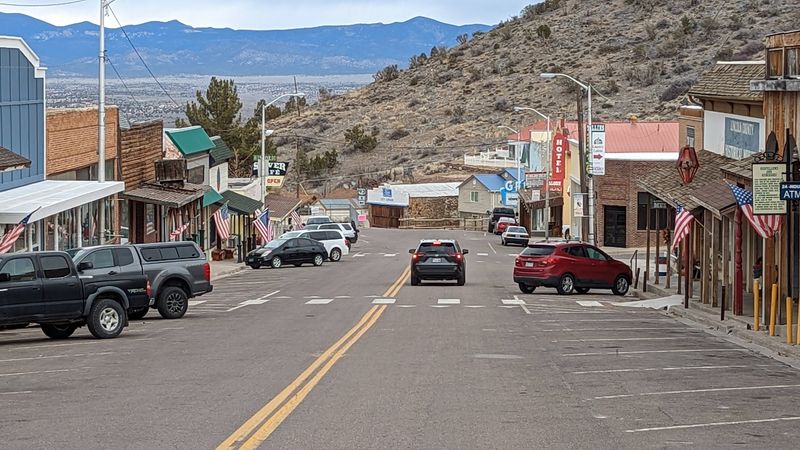
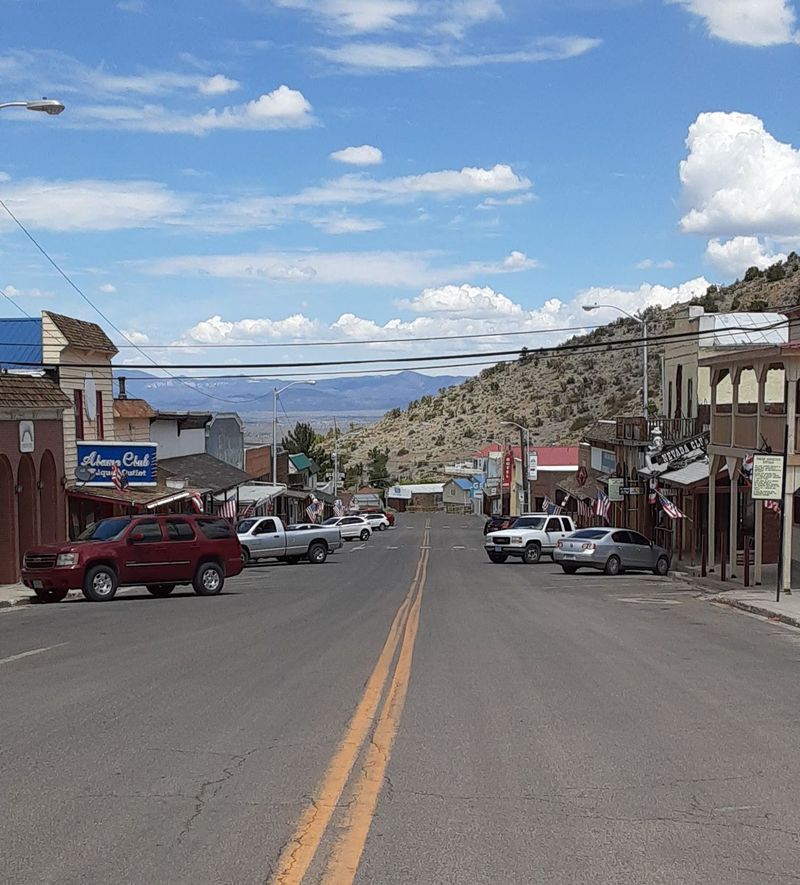
Small is an understatement. Pioche is an unincorporated town, the kind of place where you can park once and see everything on foot, and where the loudest sound on a weekday afternoon is often the wind moving through sagebrush.
What pulls travelers off the highway is a two-story brick building known across the state as the Million Dollar Courthouse. Officially it was the Lincoln County Courthouse, built in 1872 during a silver boom, and today it operates as a museum.
For Nevada families and retirees mapping out a low-cost day, the appeal is straightforward. You get a real piece of frontier history, a genuinely strange money story, and no admission fee waiting at the door.
The drive itself is part of the experience, all open country and long views before the town finally appears on the slope ahead.
How a $26,000 Building Became a Million Dollar Legend
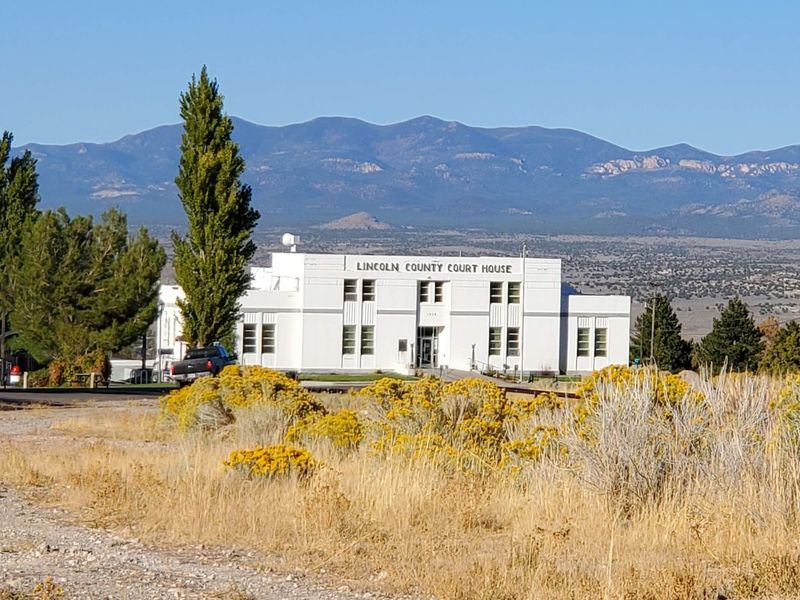
Twenty-six thousand dollars. That was the original construction budget approved for the Lincoln County Courthouse, a figure that sounded perfectly reasonable in the early 1870s.
What happened next reads like a cautionary tale in county finance. Bonds were sold at a discount, costs ran far beyond estimates, management was poor, questionable kickbacks entered the picture, and interest piled up year after year with nothing ever quite getting paid down.
By the end of the 1800s, the county’s debt on the building had climbed past $800,000. The obligation dragged on for decades, and by the time the debt was finally settled in 1938, total costs tied to the project approached a full million dollars.
Here is the detail that sticks with visitors: the debt was not retired until a replacement courthouse was already under construction. Lincoln County was still paying for one building while putting up another.
The nickname wrote itself. Nevada loves a good boom-and-bust story, and this one has the rare quality of being about paperwork rather than pickaxes.
Standing in the entryway, it is hard not to do the math in your head and shake it off.
Brick Front, Rubble Stone Sides: Reading the Architecture
Walk around the outside before you go in, because the building tells on itself. The front is dressed in brick, formal and symmetrical, the face a young county wanted the world to see.
Turn the corner and the sides are rubble stone masonry, rougher and more practical. That contrast between the public front and the working sides is one of the more honest architectural details you will find in a Nevada town this size.
Designed by T. Dimmock and Thomas Keefe and completed in 1872, the two-story structure follows the Italianate style that was fashionable in the era, with the proportions and window treatments that go along with it.
Architecture buffs will spend a while here. Everyone else will still notice how sturdy the thing looks for a building that spent nearly four decades sitting empty and neglected.
Photographers tend to do best in morning light, when the brick warms up and the hillside behind the courthouse catches the sun.
It is a modest footprint by big-city standards, which makes the financial story attached to it even harder to square.
Inside the Preserved Courtroom
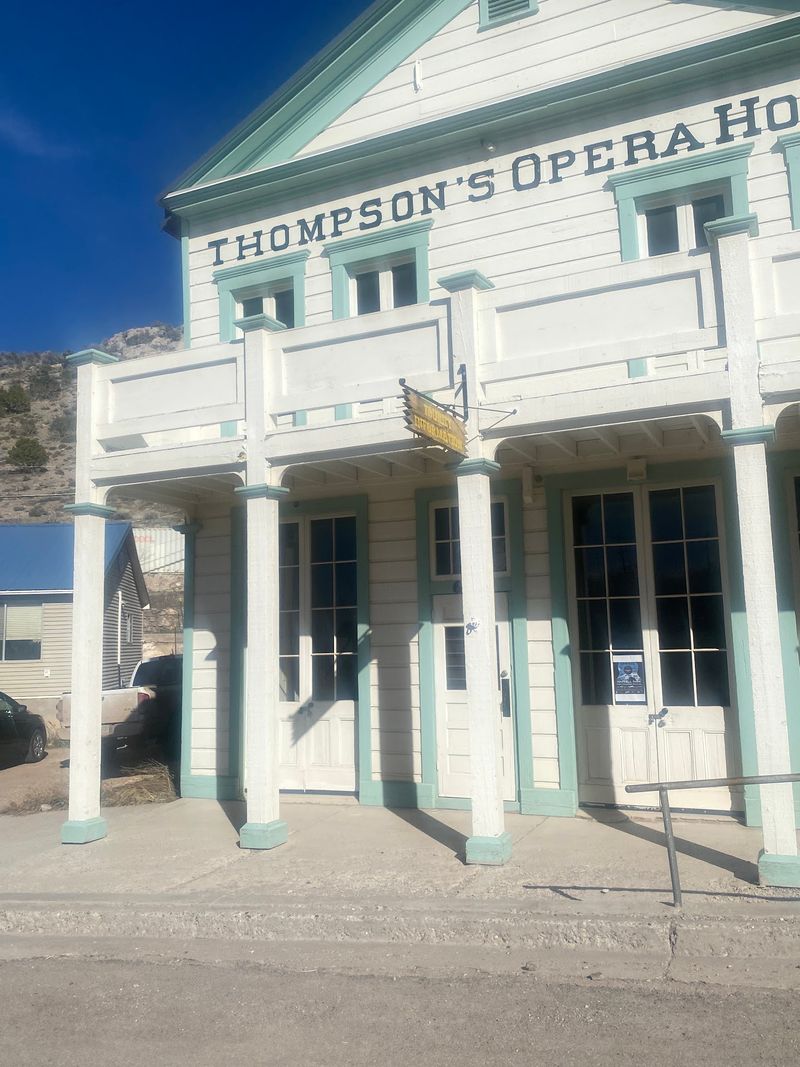
Push open the door to the courtroom and the first thing you register is how quiet it is, and then how small. Frontier justice did not require much square footage.
Mannequins occupy the judge’s bench and the jury box, dressed for the period and frozen mid-proceeding. It sounds a little offbeat on paper, and it is, but the effect works: the room stops feeling like a display case and starts feeling like a place where decisions actually got made.
Kids usually take to it immediately. Adults tend to linger longer, studying the woodwork and the layout and imagining the arguments that once filled the space.
Preservation here is the point. The room has been kept rather than reimagined, so what you see reflects how the courtroom functioned in a silver mining town at full tilt.
Give yourself time to sit for a minute. There is no crowd pressure on a typical weekday, and the room rewards a slow look.
If you are traveling with grandchildren, this is the stop that usually gets the most questions on the ride home.
The Original Cells Behind the Building
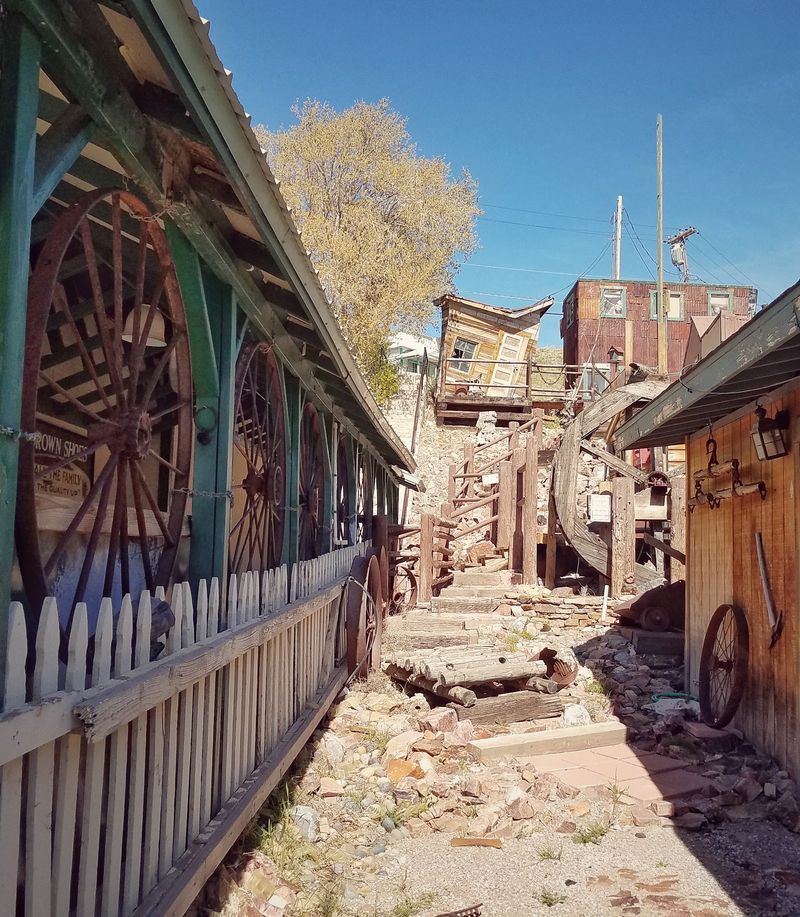
Behind the main structure, reached from the second floor, sit the building’s original cells. They are small, plain, and absolutely the part of the tour people describe first when they get home.
Iron and stone do not need interpretation. Standing at the bars, you get an immediate sense of what holding facilities looked like in a mining town that had a reputation as one of the roughest in the American West.
The access route is part of the oddity. Rather than a separate building, the cells connect through the courthouse itself, which tells you something about how tightly law and administration were stacked together in 1872.
Younger visitors treat it as an adventure. Older ones tend to stand quietly and take in the scale of the rooms compared to anything modern.
Photography is easy here, though the light is dim, so steady hands help.
Nothing about the space is dressed up or dramatized. It is simply preserved, and that restraint is what makes walking through it land.
Mining Artifacts and Everyday Relics
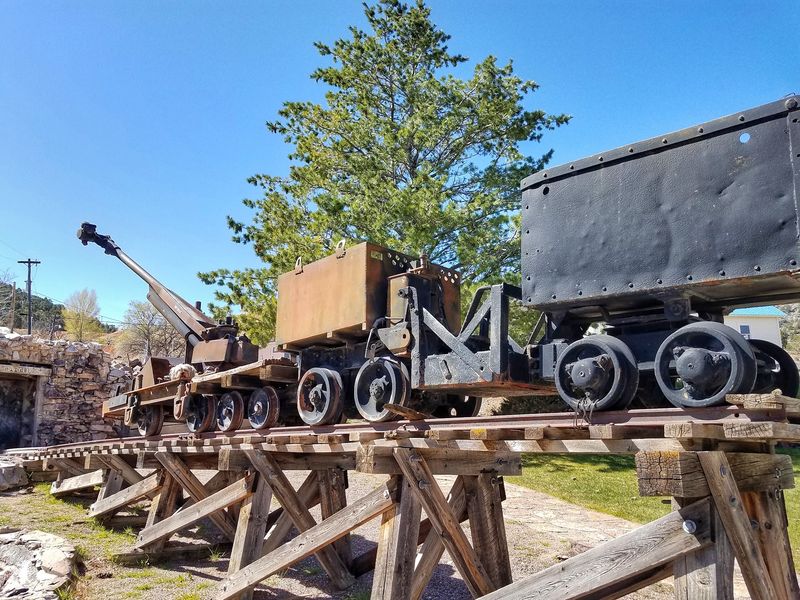
Silver built Pioche, and the museum displays make sure you understand that. Beyond the courtroom, exhibit cases hold mining artifacts alongside relics from daily life in the boom years.
Tools, equipment, and assorted objects from the town’s past fill out rooms that once handled county business. The collection chronicles a community that grew fast, spent freely, and left behind more stories than buildings.
What makes these displays worth slowing down for is context. Seeing a courthouse that cost a fortune, then seeing the ore-driven economy that was supposed to pay for it, connects two halves of the same story in one afternoon.
Families with curious kids get decent mileage here. There is enough variety that nobody is stuck reading long placards for an hour.
Budget travelers will appreciate that the whole collection is included, because everything inside the building carries the same price as the front door: nothing.
Plan on wandering rather than marching through. The rooms are compact, and the objects reward a second glance more than a quick pass.
Forty Years of Neglect and a 1970s Comeback
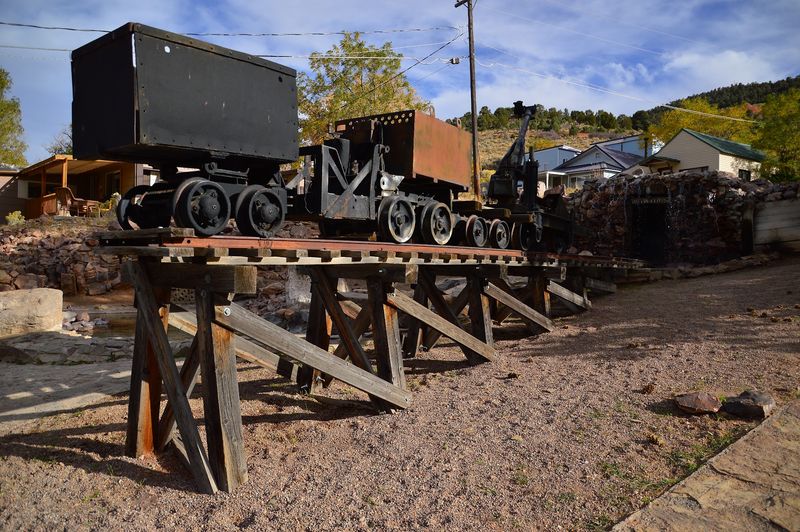
Deemed too dilapidated for use, the courthouse was abandoned and left to the weather for close to forty years. For a long stretch, this famous building was simply an empty shell on a hillside.
Nevada is full of structures that never came back from that. Boards go up, roofs give way, and eventually there is nothing left to save.
Pioche got a different ending. Restoration work in the 1970s brought the building back into usable shape, and in 1978 it was listed on the National Register of Historic Places, which locked in protection for its future.
Knowing the gap in its timeline changes how the place reads. The floors you walk on and the courtroom you photograph exist because a small community decided the story was worth the effort and expense.
That preservation history is also why donations matter here, even though admission stays free.
For anyone who likes second chances, this is the rare Nevada landmark that was written off and then talked back into service.
Free Admission, With a Donation Box Nearby
Zero dollars. That is the admission price to tour the Million Dollar Courthouse, which is a satisfying twist given the building’s nickname.
A family of four can walk in, see the courtroom, the cells, and the artifact displays, and walk out without spending anything. On a fixed income or a tight travel budget, that kind of arithmetic matters.
Donations are welcomed and encouraged, and they go toward preserving and protecting the site. Even a few dollars from each visitor helps keep an 1870s building standing in high desert conditions.
Restrooms are available on-site, a small convenience that becomes a large one when you are driving long distances between towns in eastern Nevada.
There is no pressure at the door and no ticket booth routine. You show up during open hours, step inside, and take your time.
For Nevada travelers building a day around low-cost stops, this is the kind of anchor that makes the whole route work. Free entry plus a real story is a combination that does not turn up often.
Hours and Timing Your Stop
Daily from 10 a.m. to 3 p.m. is the window, which gives you a five-hour stretch to work with and rules out early-bird or late-afternoon arrivals.
That schedule shapes how you plan the drive. Coming from Las Vegas, roughly 180 miles away, leaving early in the morning puts you in town comfortably inside the open hours with room to spare.
Hours in small Nevada towns can shift with seasons, staffing, and holidays, so calling ahead or checking before you commit to the drive is simply good practice. Nobody wants to cover that distance and find a locked door.
A thorough walk-through often runs under an hour, though history-minded visitors stretch it longer without trying.
Arriving closer to opening tends to mean quieter rooms and better light through the windows for photos.
If you are pairing the courthouse with other stops around Lincoln County, slot it mid-morning and leave the rest of the afternoon flexible. The building sets the clock, and everything else in town can bend around it.
Getting There From Las Vegas or Reno
U.S. Route 93 does the heavy lifting.
It is the main route to Pioche and bypasses the town center just to the east, with State Route 321 and State Route 322 providing direct access into town.
From Las Vegas, the trip covers approximately 180 miles northeast, an easy half-day run on open road. Coming from northern Nevada means a considerably longer haul, so most Reno-area travelers fold Pioche into a multi-stop loop rather than a single-day out-and-back.
Fuel up before the empty stretches. Services thin out fast in this part of the state, and planning your tank around the distance between towns is standard operating procedure out here.
Parking in town is uncomplicated. There are no meters, no garages, and no hunting for a spot on a typical day.
Once you are out of the car, the layout is walkable, and the courthouse sits where you cannot really miss it.
Bring water, sunglasses, and a camera. The drive alone, all wide horizons and rolling high desert, makes a decent argument for the trip before you ever reach the front door.
The Atmosphere of a Town That Slowed Down
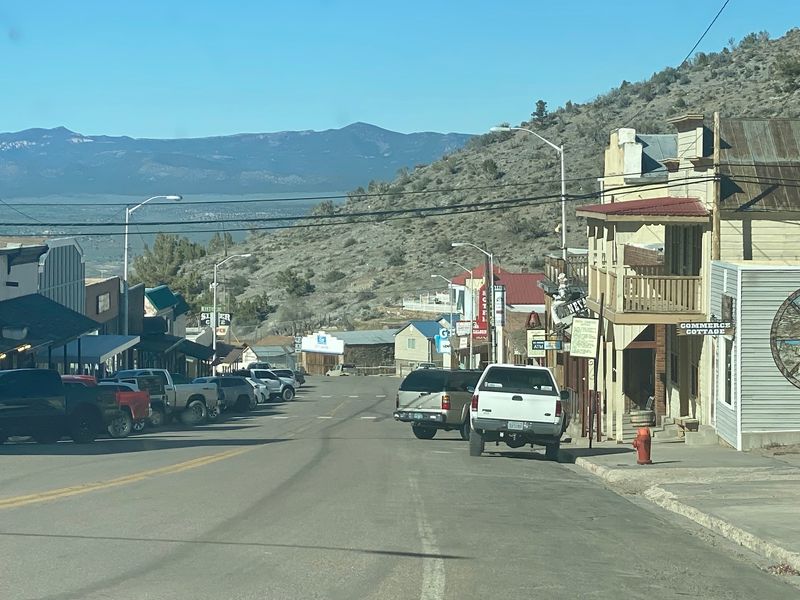
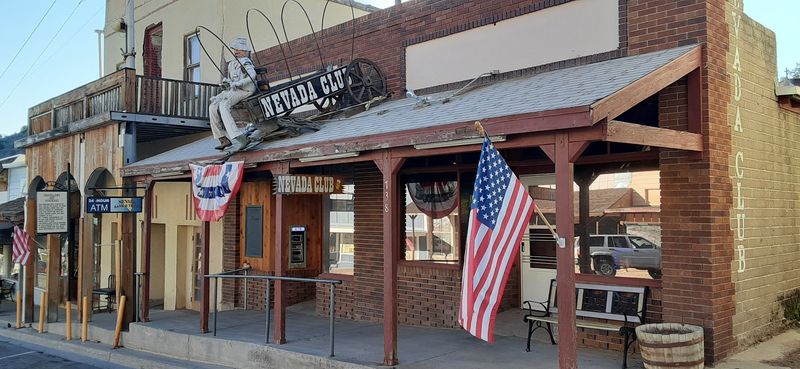
Quiet is the default setting. Pioche today runs at a pace that has nothing to do with the silver rush that built it, and that contrast is half the charm.
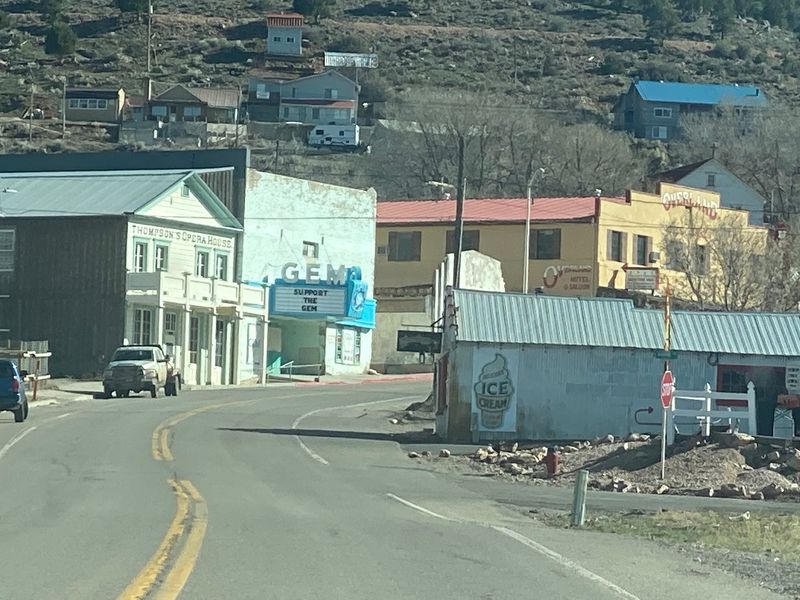
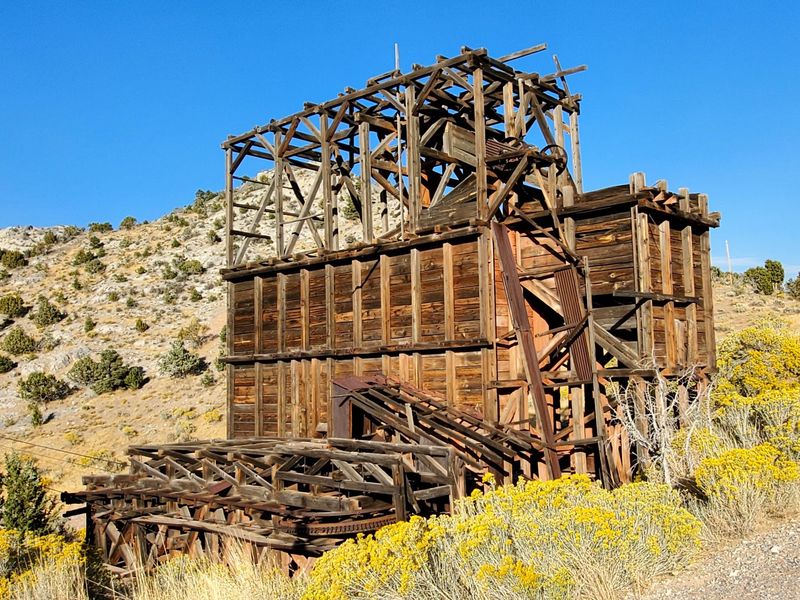
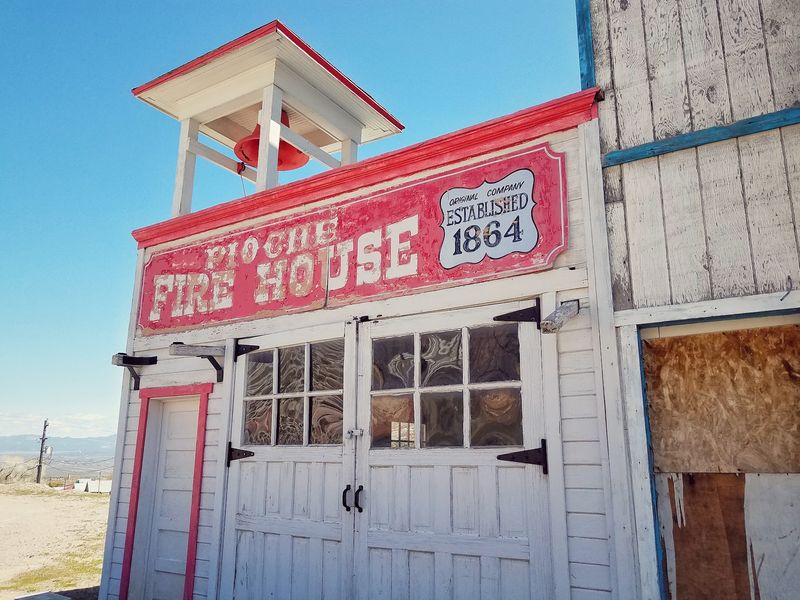
Old buildings stand along the slope, the hillside rises behind town, and the horizon stretches out in every direction once you look past the rooftops. There is no traffic to speak of and no crowd management to navigate.
Visitors often describe the experience as stepping out of the current century for an hour or two. The courthouse amplifies that feeling, but the whole town contributes.
For retirees who prefer their sightseeing without noise and lines, the setting fits neatly. For families, it offers space to let kids move around without constant corralling.
Elevation and open desert mean sun exposure is real even on cool days, so hats earn their keep.
What stays with people is the sense of a place that had a loud chapter and then settled into something calmer, keeping its most expensive mistake standing as the main attraction.
Who Gets the Most Out of This Stop
History-minded travelers are the obvious fit, especially anyone drawn to Nevada’s mining era and the strange administrative tangles that came with it.
Budget-conscious families do well here too. With free admission, restrooms on-site, and a visit that fits inside an hour, the cost of the stop is essentially the gas to get there.
Grandparents traveling with kids tend to hit the sweet spot. The mannequin courtroom and the cells give younger visitors something concrete to react to, while the financial backstory keeps adults engaged.
Road trippers on U.S. 93 who need a real reason to stretch their legs get more than a rest area. Photographers find good material in the brick and stone contrast and the hillside backdrop.
Who might pass? Anyone looking for a large, polished museum experience with cafes and gift shops.
That is not what this is, and the building makes no pretense about it.
Pair it with a picnic and a slow walk through town, and a modest stop stretches into a genuinely full Nevada afternoon without straining anyone’s wallet.
Worth the Miles for the Story Alone
Some landmarks impress through size. This one earns attention through a number that never should have happened, attached to a building you can walk through in under an hour.
A $26,000 plan that spiraled toward a million, a debt not cleared until 1938, a replacement already going up before the first bill was settled: that is a story you will retell. Seeing the actual rooms where it played out gives the numbers weight.
Add the preserved courtroom, the original cells, the mining relics, and a 1970s restoration that saved the place from collapse, and the stop justifies the drive from Las Vegas without much effort.
Free entry removes the last hesitation. Drop something in the donation box if you can, since that is what keeps the doors open.
Confirm the hours before you go, since schedules in remote Nevada towns can change without much notice.
Then take the exit, park on the quiet street, and give an unassuming brick building on a hillside the hour it has spent 150 years earning.