
This Tiny New York Cafe Has Been Serving Locals Since 1927 And It’s Legendary
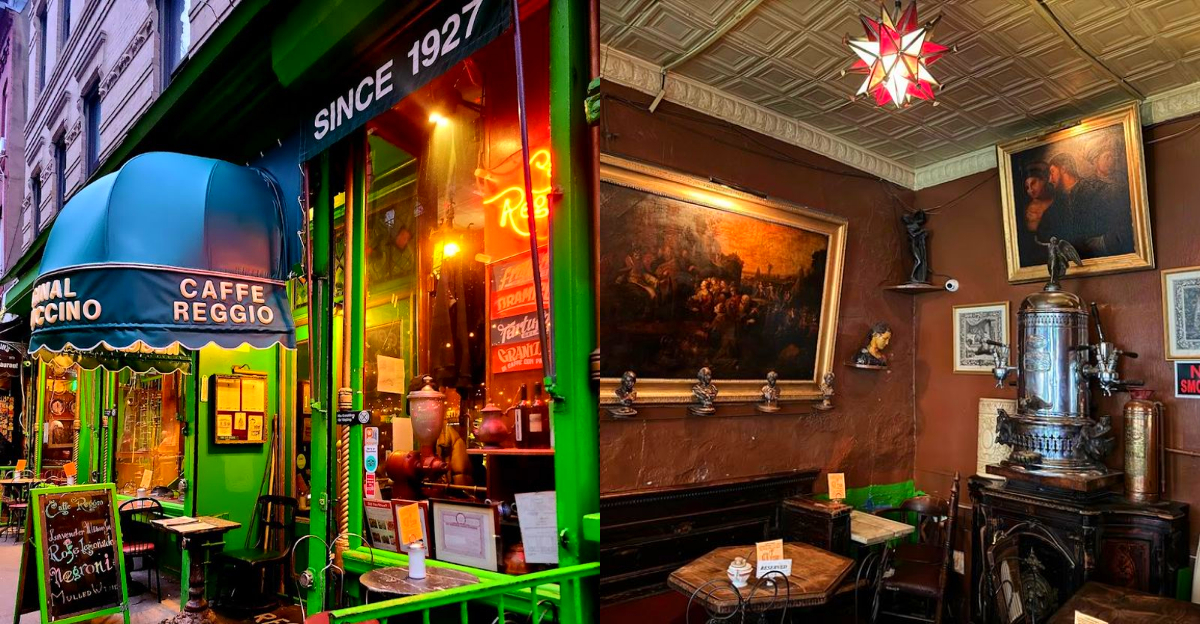
Nearly a century of serving the same community is not a marketing angle. It is an extraordinary achievement, and this tiny New York cafe has earned every year of it with warmth that makes the legendary reputation feel completely justified.
The coffee is good. The history behind it is remarkable.
The combination of both is genuinely worth seeking out in 2026. Places this old and this loved do not stay that way by accident.
They stay that way because generation after generation walks through the door and finds exactly what they came for without exception. New York has a deep and layered food culture and this cafe has been part of it since 1927 in the most authentic and most unpretentious way possible.
The Kind Of Place That Changes How You See A City
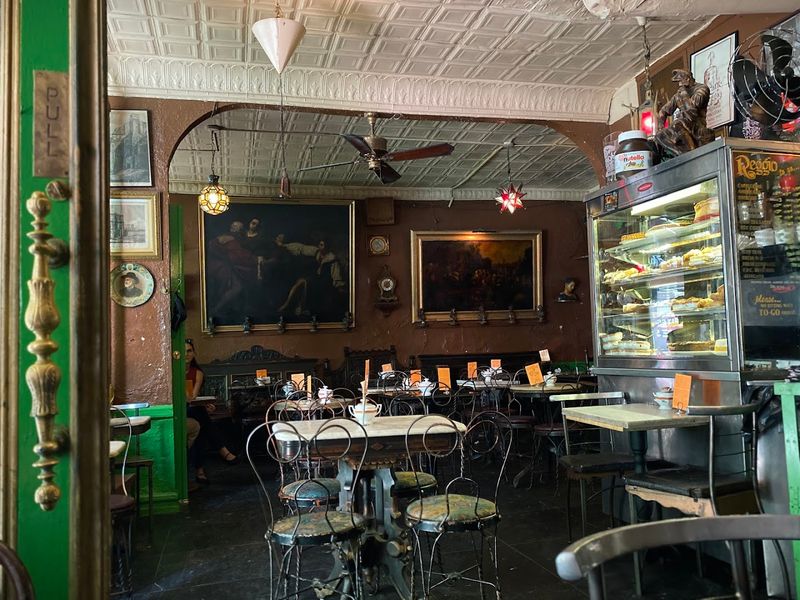
Every so often, a place comes along that quietly resets your expectations. Not through grand gestures or polished branding, but through sheer, unfiltered character.
A cafe like that does not need to announce itself. You feel it the moment you cross the threshold.
Classical music hums softly in the background. The lighting is warm and low, casting everything in a golden glow that makes even a simple cup of coffee feel ceremonial.
There is no rush here, no frantic energy, no trendy playlist pushing you out the door.
People come and stay. Students read.
Friends talk. Visitors sit quietly and absorb the room.
The cafe holds all of them without strain, offering each person exactly what they need from a great coffee house: space, warmth, and a sense that the world outside can wait a little longer. Few places earn that kind of loyalty.
Fewer still keep it for nearly a hundred years.
Caffe Reggio At 119 MacDougal Street Is The Real Deal
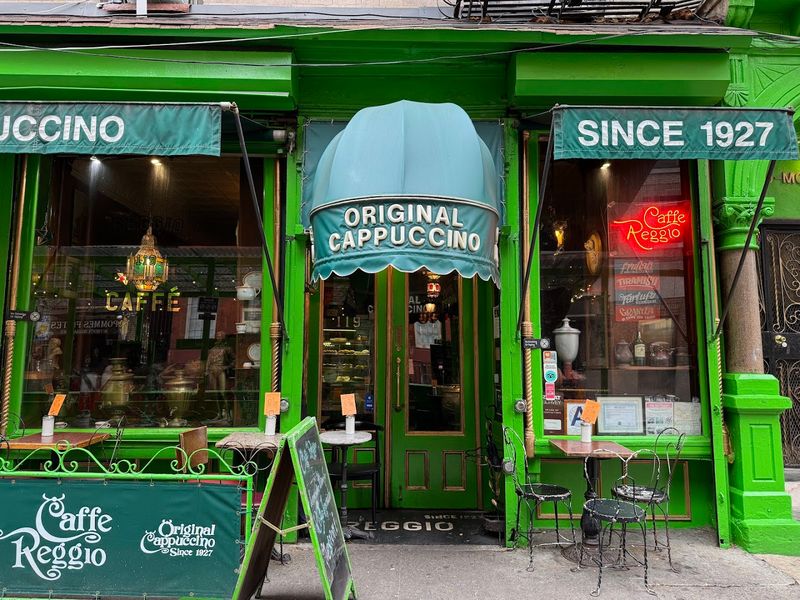
Caffe Reggio at 119 MacDougal Street in Greenwich Village opened its doors in 1927, founded by Italian immigrant Domenico Parisi. Before it was a cafe, it operated as a barber shop where Parisi served espresso to clients waiting for a shave.
The coffee was so popular that the scissors eventually gave way to the steam wand.
Parisi is also credited with bringing the cappuccino to America. He introduced the drink in the early days of the cafe, making Caffe Reggio a genuine piece of American coffee history.
That is not a marketing claim. That is a fact backed by nearly a century of continued operation.
The cafe holds a 4.3-star rating, and it stays open until three in the morning most nights. For a place that has been around since the jazz age, that kind of staying power speaks volumes about what Caffe Reggio gets right every single day.
A Coffee Machine Worth A Thousand Words And A Thousand Dollars
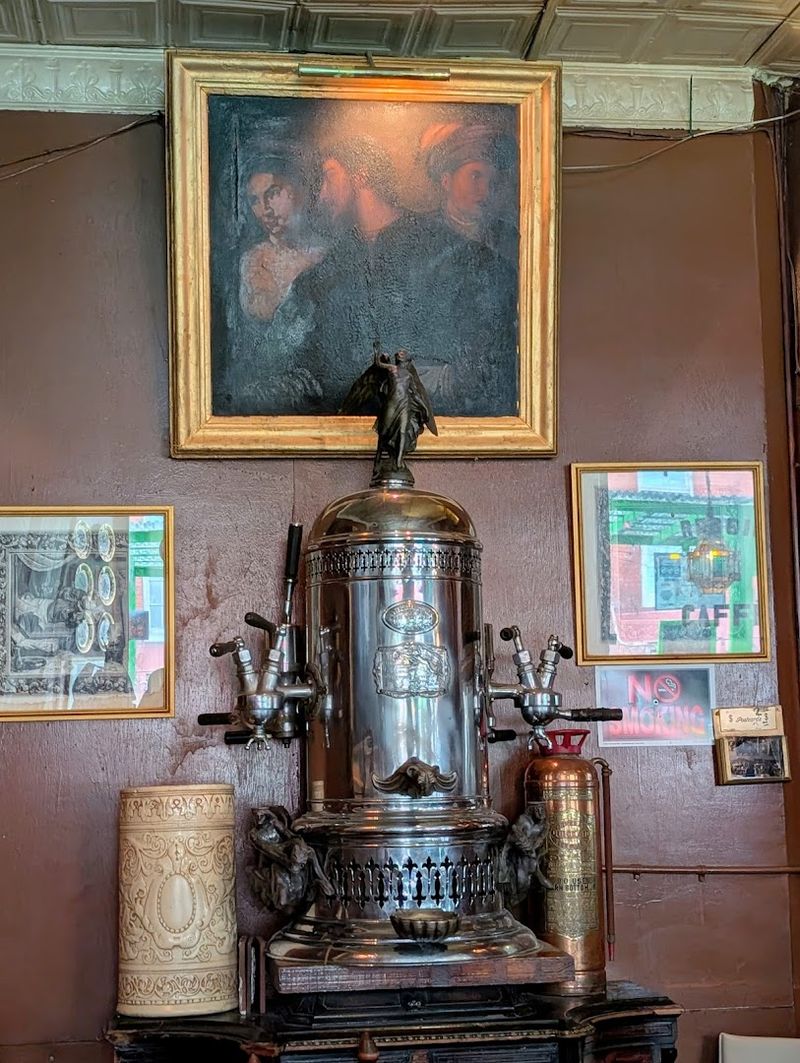
Domenico Parisi paid one thousand dollars for an espresso machine made in 1902, and it is still sitting inside the cafe today. That purchase, made in the early days of Caffe Reggio, was not just a business decision.
It was a statement about how seriously Parisi took his craft.
The machine is no longer in operation. It has not been used since the early 1990s.
But it remains on full display, a gleaming, ornate artifact that draws the eye the moment you scan the room. It is one of those objects that carries genuine weight without needing a plaque to explain why.
Visitors regularly stop to admire it. Some photograph it.
Others simply stare, trying to connect the dots between a century-old machine and the cup of cappuccino sitting in front of them. The connection is real and direct.
That machine helped establish the cappuccino as an American staple.
Few cafes anywhere in the world can point to a single object and say it changed how an entire country drinks coffee. Caffe Reggio can make that claim with complete confidence.
The machine is not just decor. It is evidence of a legacy that started long before most people’s grandparents were born.
Art On Every Wall, History On Every Surface
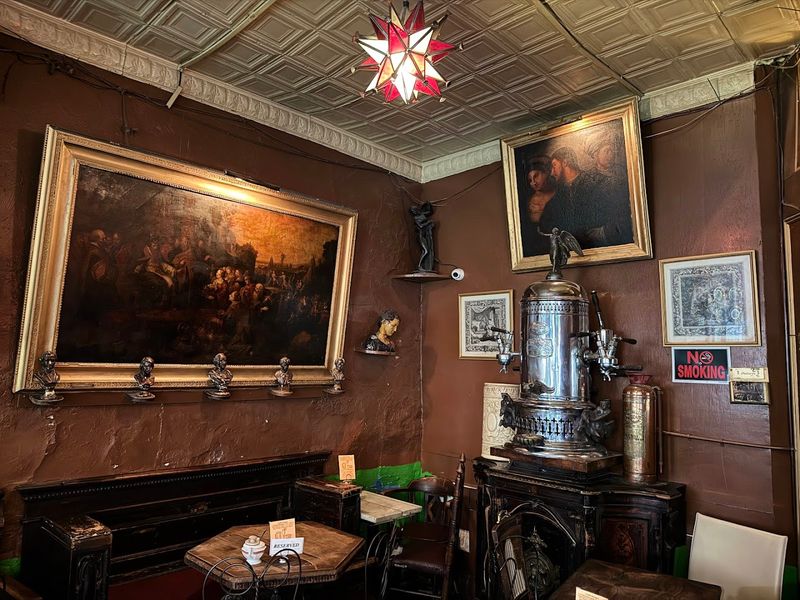
Most cafes hang a few prints and call it decorated. Caffe Reggio took a different approach entirely.
The walls are lined with original 16th and 17th-century prints alongside a painting from the school of Caravaggio. It is not a gallery.
It is a cafe. But the distinction starts to blur the longer you sit there.
The Caravaggio-school piece is a genuine conversation starter. Its dark tones and dramatic composition feel almost theatrical against the warm, low-lit interior.
Visitors who know art will recognize the style immediately. Those who do not will simply feel the weight of it without being able to explain why.
Beyond the paintings, there are Italian furnishings throughout the room that have been in place for decades. Nothing feels staged or recently sourced for aesthetic effect.
The decor accumulated over time the way a well-lived life does, through choices made with care and kept without apology.
Every surface in Caffe Reggio tells part of the story. The tin ceiling, the marble tables, the iron chairs, and the artwork all belong to the same long sentence about what this cafe stands for.
New York moves fast, but inside this room, everything slows to a pace that lets you actually look at what surrounds you.
The Bench That Once Belonged To The Medici Family
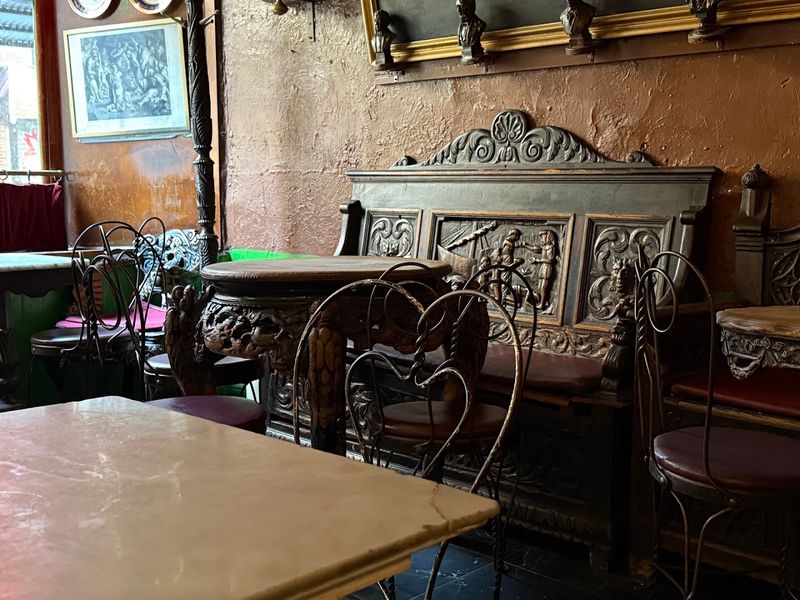
Somewhere between the espresso machine and the Caravaggio painting, there is a bench. Not just any bench.
A Renaissance-era antique piece believed to have come from a palazzo once associated with the Medici family of Florence, complete with their family crest carved into the wood.
Patrons are welcome to sit on it. That detail alone sets Caffe Reggio apart from any museum you have ever visited.
A piece of furniture tied to one of the most powerful families in European history is available for anyone who walks in and orders a cappuccino. The informality of that arrangement is quietly remarkable.
The Medici family shaped the Italian Renaissance through their patronage of artists, architects, and thinkers. Their crest appearing in a small Greenwich Village cafe is the kind of detail that sounds made up until you see it with your own eyes.
History has a funny way of ending up in unexpected places.
Sitting on that bench with a warm drink in hand is one of those small, specific experiences that New York occasionally offers to people willing to pay attention. It does not cost extra.
It does not require a reservation. It simply requires showing up at 119 MacDougal Street and taking a seat.
Famous Faces And A Presidential Speech Outside The Door
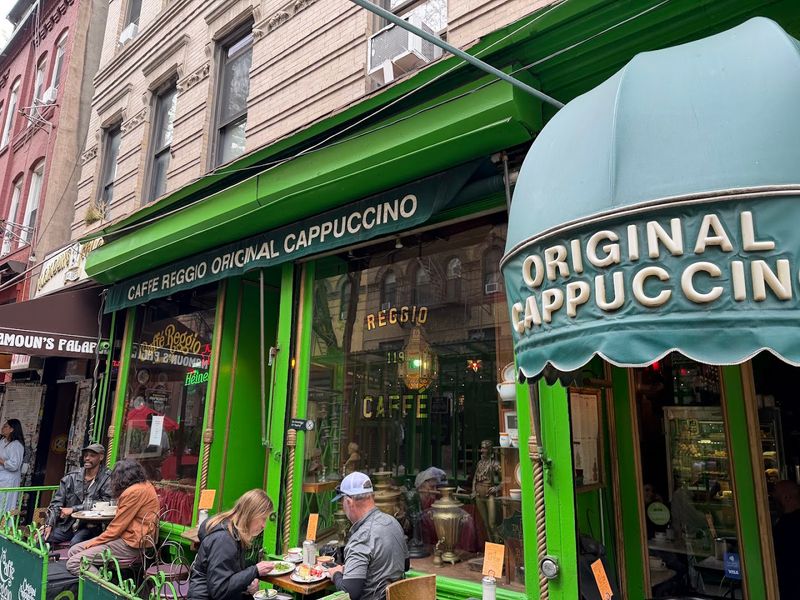
John F. Kennedy delivered a speech outside Caffe Reggio in 1959 while campaigning for the presidency.
That moment alone would be enough to cement the cafe’s place in American history. But the list of notable connections does not stop there.
The cafe has appeared in several major films over the decades. Audiences have seen its interior in The Godfather Part II, Shaft, Serpico, and Inside Llewyn Davis.
Each appearance captured something true about the space, its old-world texture and the sense that real life happens inside its walls.
Poets Jack Kerouac and Gregory Corso were regulars during the Beat Generation era, drawn to the cafe’s energy and its position at the center of Greenwich Village’s creative community. Writers and artists have always found their way to Caffe Reggio, and the cafe has always made room for them.
In 2010, the Greenwich Village Society for Historic Preservation recognized the cafe with a Village Award, acknowledging its role as a cultural anchor in the neighborhood. That kind of recognition does not come from marketing.
It comes from nearly a century of showing up, staying open, and being exactly what the community needs. Very few places earn that distinction.
Caffe Reggio did.
Cappuccino Done The Old Way, The Right Way
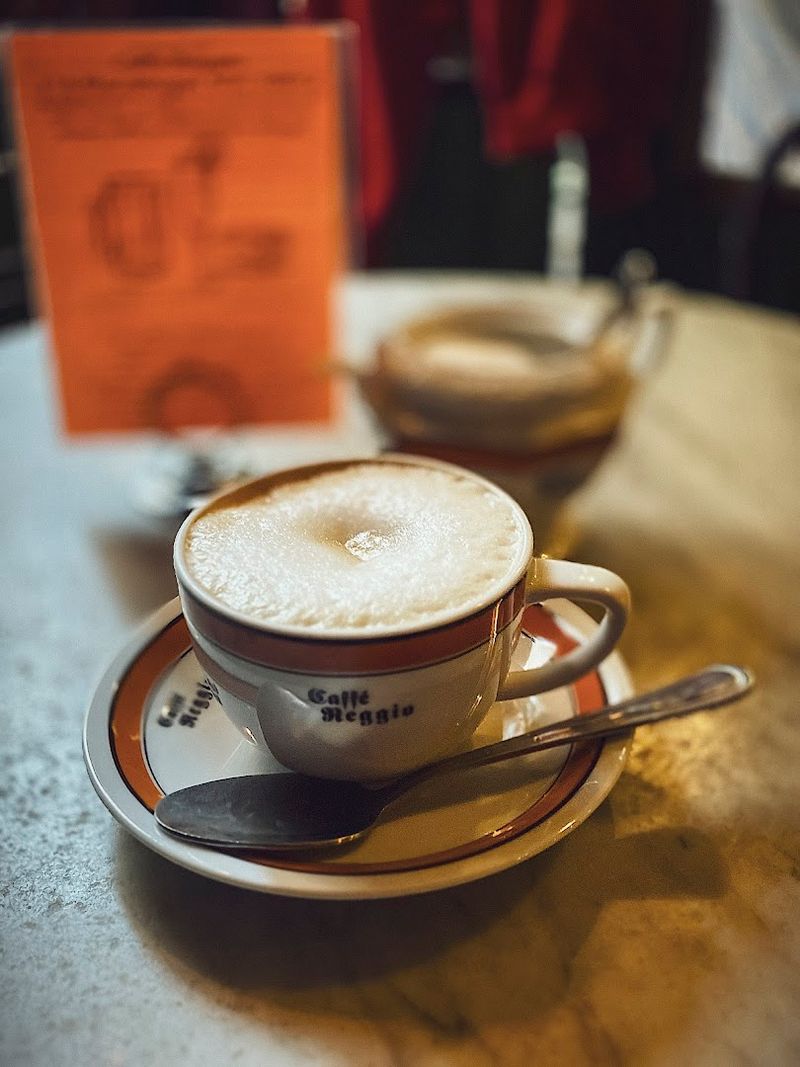
Ordering a cappuccino at Caffe Reggio carries a certain weight. The cafe is credited with introducing the drink to the United States, which means every cup served here is a small nod to that original moment.
That context does not make the coffee taste different, but it does make you drink it more slowly.
The cappuccino arrives with a thick, creamy foam that takes a second to give way on the first sip. The espresso beneath it is strong and direct, the kind that reminds you why the drink became popular in the first place.
It is not complicated. It is just done with attention and care.
The cafe serves a full menu of Italian-style drinks alongside its coffee offerings. Hot chocolate, lattes, and seasonal warm beverages round out the options for those who want something different.
The granola yogurt has drawn its own following among regulars who stop in for breakfast.
Desserts include tiramisu, cannoli, Italian cheesecake, and pecan pie, among other options. The tiramisu and pecan pie in particular have earned strong praise from those who have tried them.
For a late-night stop after dinner, the cafe’s dessert spread paired with a good coffee is a combination that Greenwich Village has relied on for generations.
Late Nights, Loyal Crowds, And The Village Energy
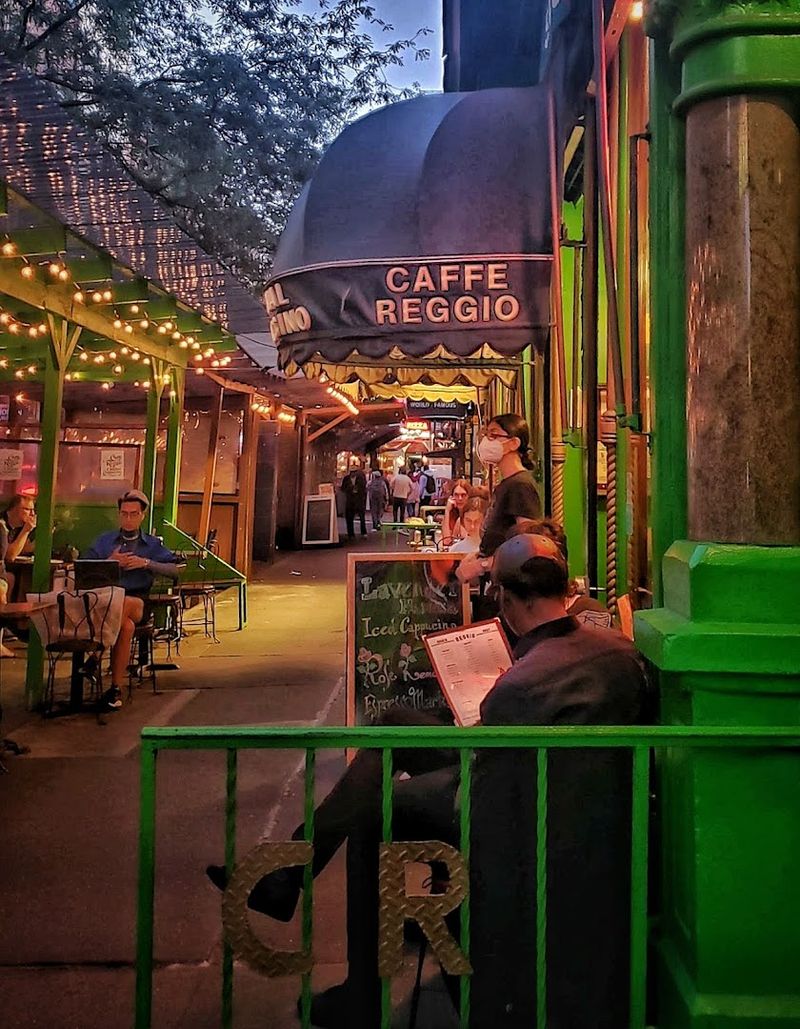
Most cafes close early and leave the night to the bars. Caffe Reggio keeps the lights on until three in the morning on weeknights and until four on Fridays and Saturdays.
That decision alone says something meaningful about the cafe’s relationship with its neighborhood.
Late-night visitors tend to be a particular kind of crowd. Students with laptops, friends finishing long conversations, night-shift workers looking for a quiet corner.
The cafe absorbs all of them without losing its character. The energy at midnight is calmer than at noon, but the warmth of the room stays constant.
Greenwich Village has always been a neighborhood that operates on its own schedule. The creative types, the students from nearby universities, and the long-time New York residents who treat MacDougal Street as an extension of their living rooms all find a home at Caffe Reggio.
The cafe earns that loyalty by never making anyone feel rushed.
Outdoor seating is available for those who prefer the street-level buzz of the Village over the intimate interior. Both experiences are worth having.
The cafe also has a restroom, which sounds like a minor detail until you have spent hours exploring the neighborhood and need somewhere to land. Caffe Reggio is always ready to welcome you back in.
Why A Place Like This Cannot Be Replaced
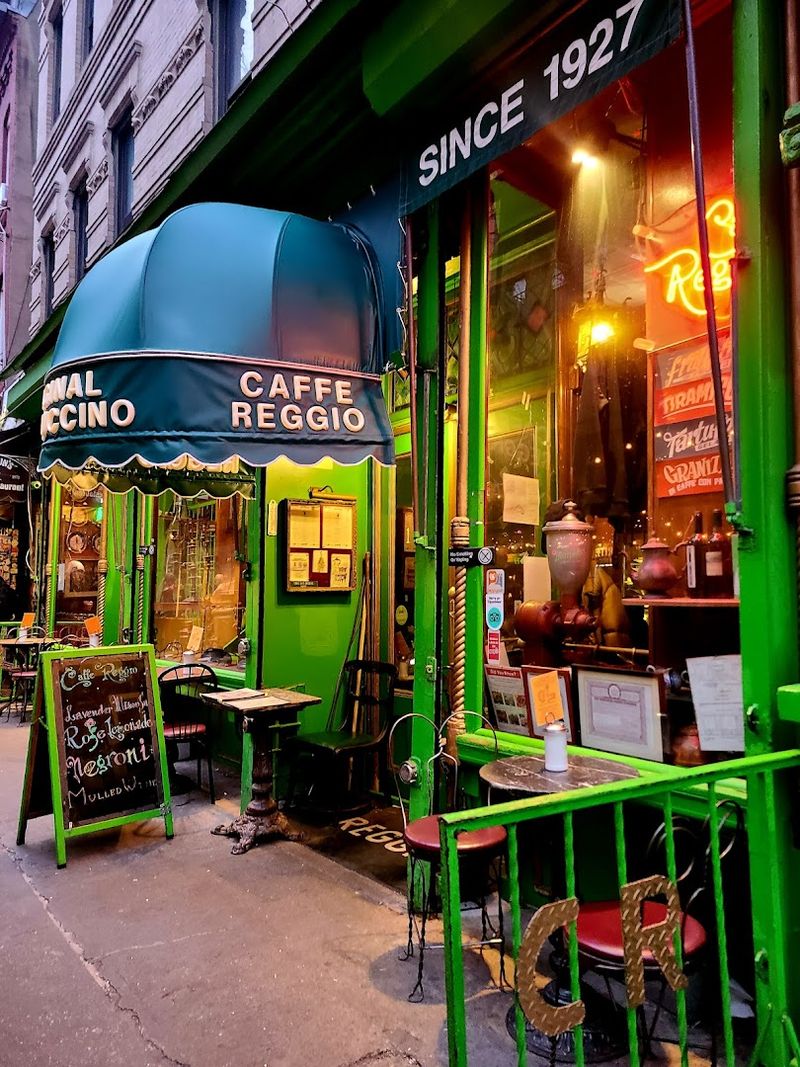
New York has a reputation for constant reinvention. Storefronts change, neighborhoods shift, and beloved institutions quietly disappear between one visit and the next.
Caffe Reggio has watched all of that happen from the same address on MacDougal Street for nearly a hundred years without flinching.
The owners have made a deliberate choice to preserve rather than update. The tin ceiling stays.
The antique furniture stays. The artwork stays.
In a city where renovation is practically a competitive sport, that kind of restraint is its own form of courage. The cafe does not chase trends because it never needed to.
What Caffe Reggio offers is increasingly rare in any major city. It is a place with a genuine backstory, a consistent identity, and a loyal community that spans generations.
Tourists discover it and return on every subsequent trip to New York. Locals treat it as a fixed point in a city that refuses to stand still.
The cafe is open daily starting at nine in the morning. You can reach them at 212-475-9557 or visit caffereggio.com for more information.
Prices are reasonable, the staff is welcoming, and the experience is one that holds up long after the coffee is finished. Some places earn their legend.
Caffe Reggio built its one cup at a time.