
This Tiny New York Park Is Proof That Good Things Come In Small Packages
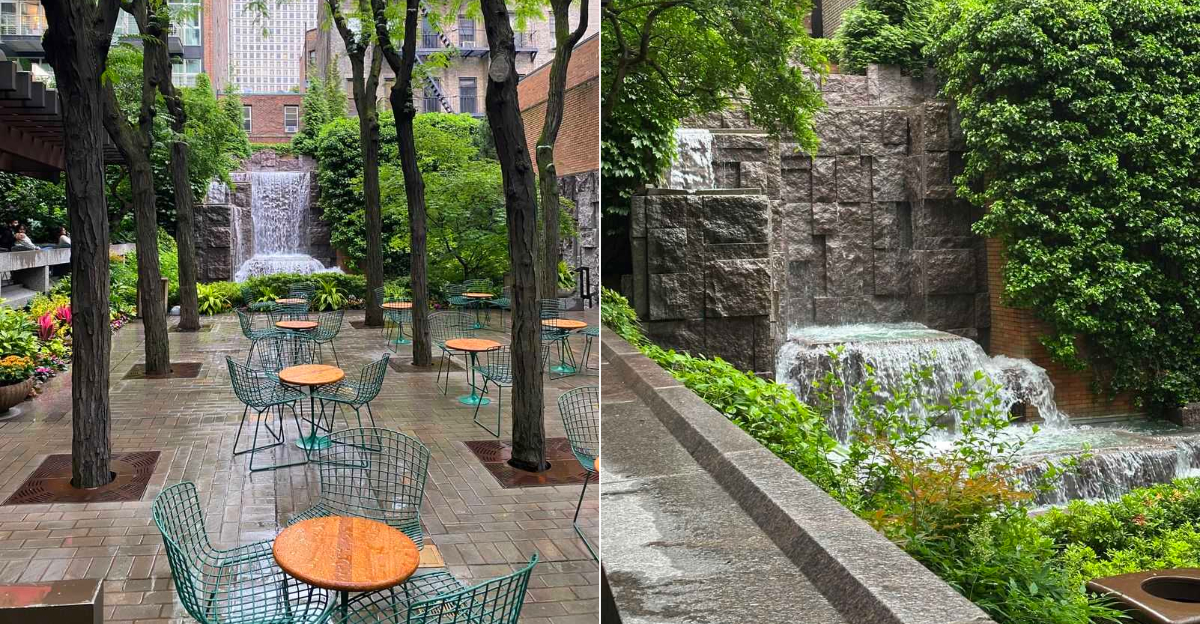
You feel it immediately when you step closer.
One moment you are dodging Midtown foot traffic on East 53rd Street, the next you are wrapped in the steady rush of water and a surprising sense of calm. Paley Park does not ask for much. A seat.
A pause. A few minutes where your shoulders drop without you noticing. The waterfall fills the space, muting the city just enough to let other details surface.
Dappled light. Quiet conversations. The simple relief of sitting still.
Its size is part of the charm. Nothing sprawls. Nothing competes for attention.
You become more aware of sounds, textures, and passing moments because there is nowhere else to look.
Stay a little longer than planned. In a city built on momentum, this small pocket proves how powerful slowing down can be.
A Quiet Entrance That Changes The Day
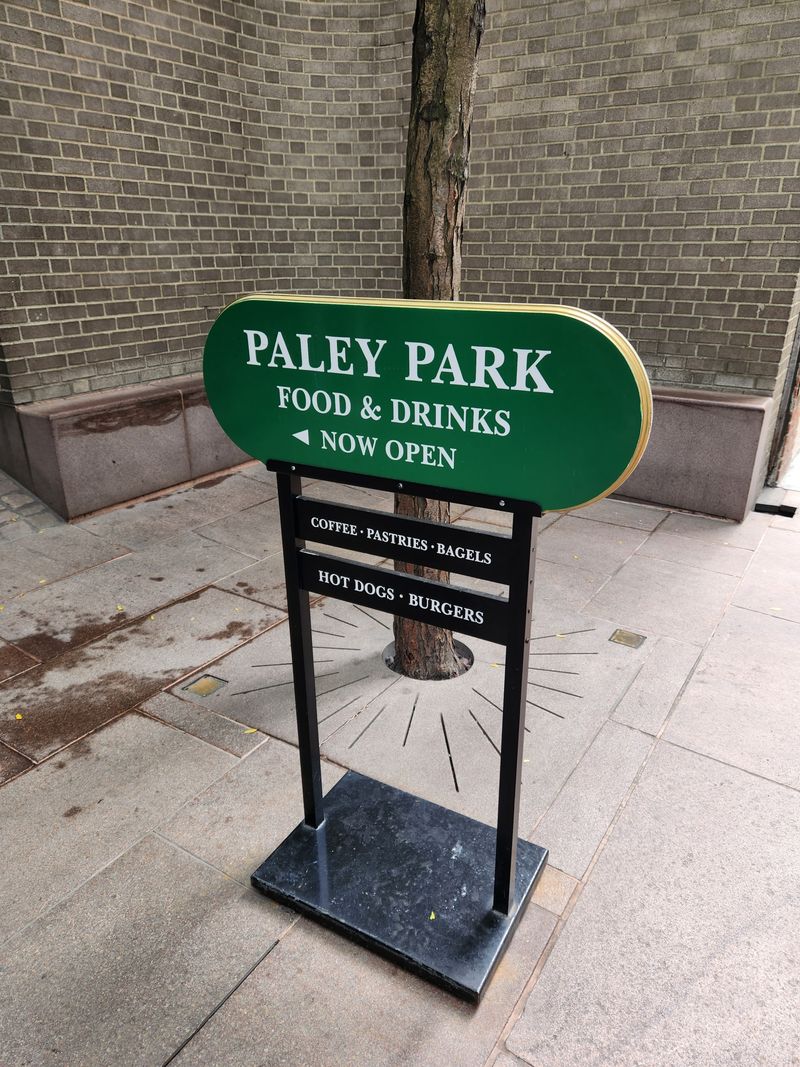
The gate on East 53rd Street is not grand, which is precisely why it works. You slip through and feel the city’s anxious rhythm slow by a notch, then another, until conversation becomes a low murmur under the water’s steady voice. Chairs appear like a helpful suggestion rather than a command, and the narrow proportions settle the eye.
Beyond that modest threshold, the design clarifies the experience. Granite pavers, dappled by honey locust shade, lead you straight to the waterwall without hurry. The layout offers an instinctive logic, gently encouraging you to choose a seat, set down your bag, and let the moment arrange itself.
There is no ceremony about it, just a courteous invitation to pause. The entrance frames Midtown like a footnote you can reference when needed, while the park claims your attention calmly. Within steps, you move from busyness to focus, an easy trade that feels earned.
Café Whispers And A Steady Lunch Rhythm
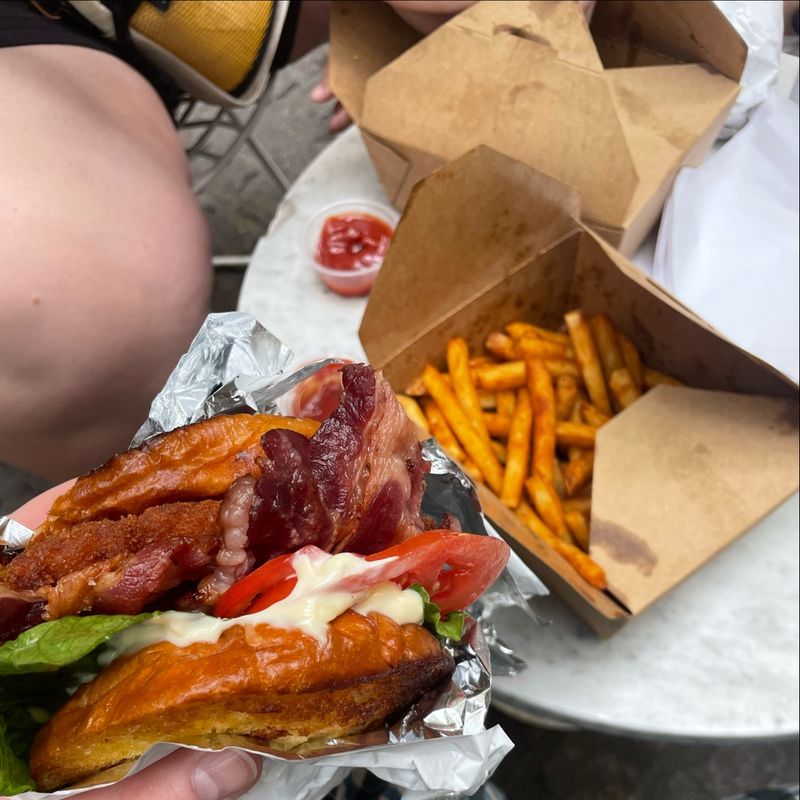
First impressions arrive on the nose. You catch cumin from a nearby soup, lemon zest escaping a plastic lid, and espresso drifting from a pocket-sized cart that appears like a friendly rumor. The park does not host a café, yet lunches hum with a comforting cadence, containers becoming little stages for thoughtful bites.
You nudge a chair, unwrap a sandwich, and join a quiet choreography that feels both unplanned and precisely timed.
Then the soundtrack deepens. Forks rest, phones hush, and conversation falls into a rounder register that respects the water’s consonants. You notice how people linger, not out of laziness, but because digestion pairs beautifully with small talk.
Even the pigeons seem mannerly, stepping around crumbs like seasoned waiters taking last orders.
Street Noise Tamed By Thoughtful Edges
From the curb, Midtown roars like an unedited sentence. Inside, the punctuation returns, thanks to brick-height boundaries and a curtain of water that breaks honks into harmless syllables. Edges do the heavy lifting.
Low walls frame the room without swagger, guiding breezes and glances in equal measure, until your ears recalibrate to a finer grain.
Listen long enough and the street becomes a distant rumor. Voices in the park adopt an indoor volume that suits confidences and quick check-ins. You notice how corners invite pauses, not loitering, and how sightlines stitch the space into one calm paragraph.
The city remains, but its grammar improves.
The Waterwall’s Confident Murmur
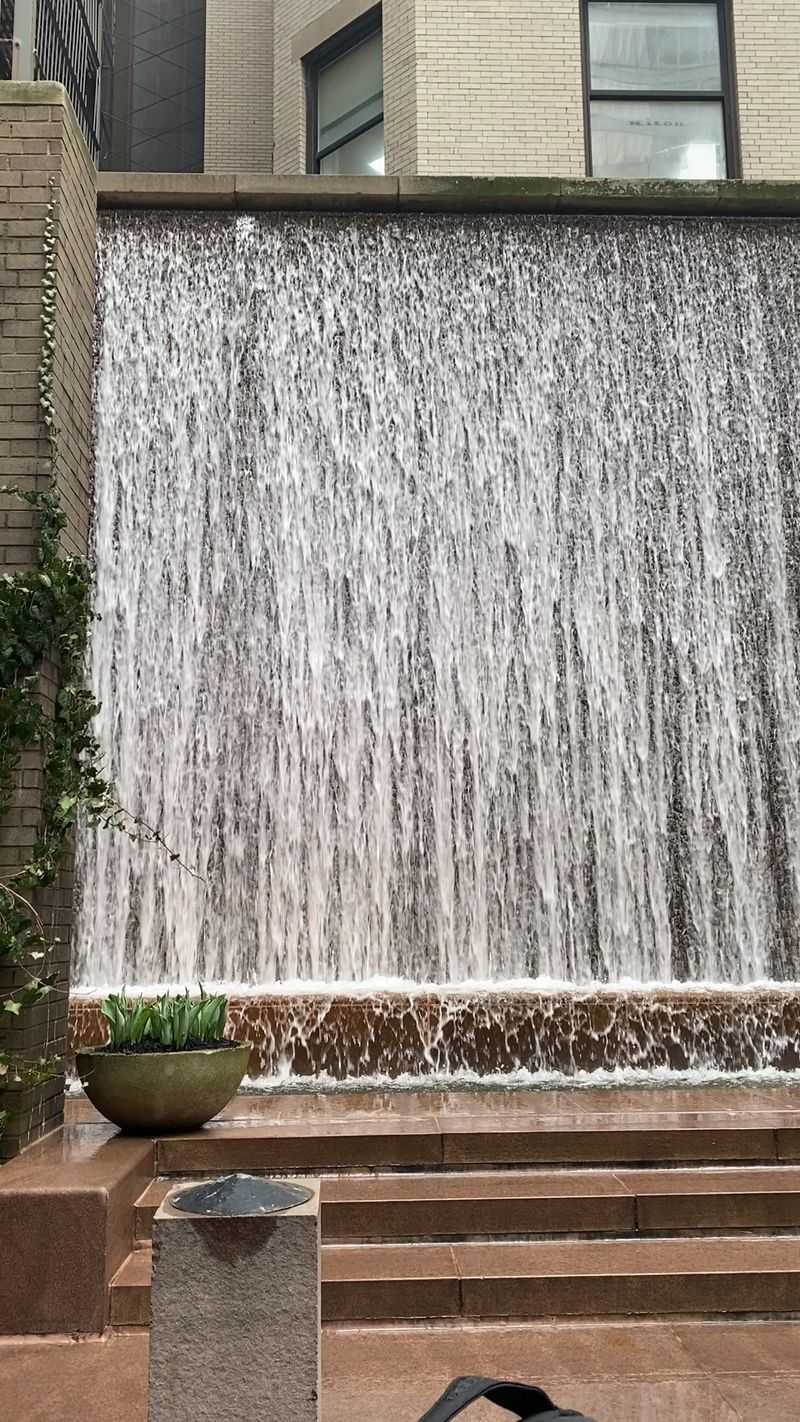
The waterwall at the back does more than please the eye. Its consistent roar sets the room’s tone, masking horns and chatter without turning the park into a vacuum. You hear the city still, but it becomes context rather than command, a background beat behind the park’s steadier rhythm.
Stand near the trough and you will notice a cool drift of air, a small climate drawn by motion. The surface reads like a curtain of rippled glass, precise yet somehow relaxed. Photographs try to catch it, but the sound does the heavy lifting, creating both privacy and ease.
From a table halfway back, the water fills your field of view with motion that does not demand attention. You can read, talk, or simply watch for a few quiet minutes, and the world beyond the gate cooperates. The wall’s job is simple and essential: keep company with whoever sits here.
Honey Locust Light And Seasonal Shade
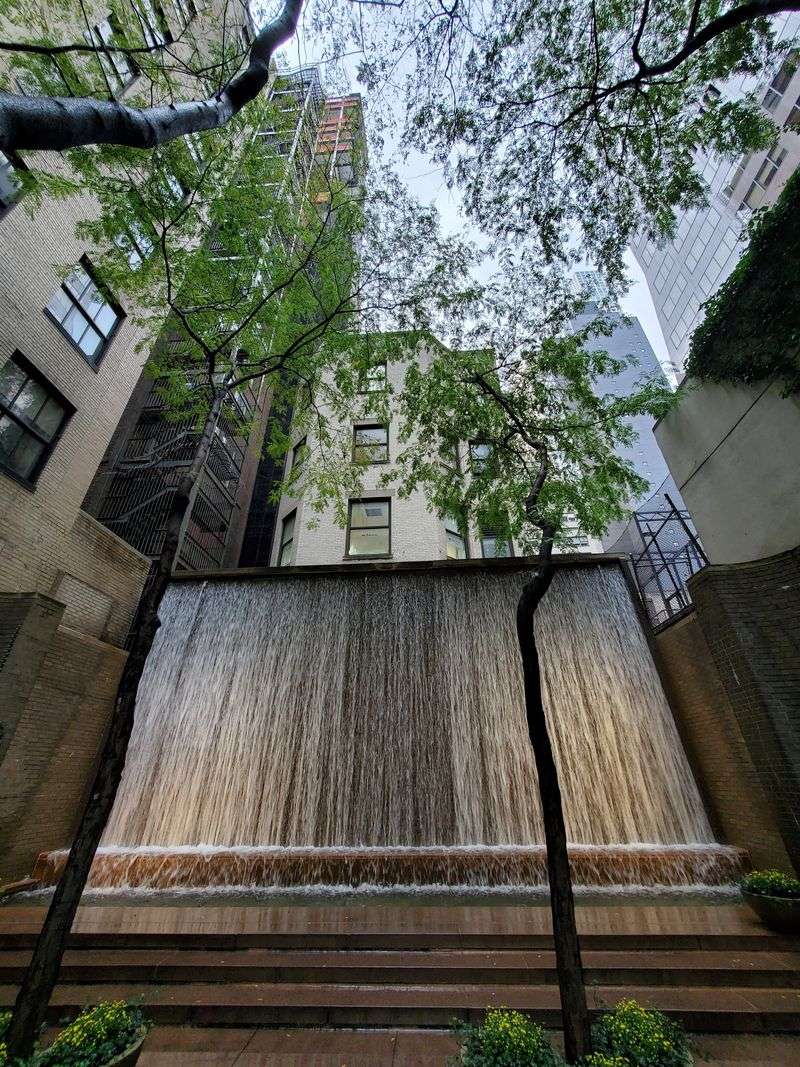
The choice of honey locusts proves both graceful and practical. Their fine leaves sift sunlight into patterns that read as gentle texture rather than hard shadow. Even in summer, the canopy keeps the space tempered, and in autumn, the light takes on a cleaner, cooler character.
Sit long enough and the canopy becomes a clock. The shade slides slowly across the pavers, passing over shoes and chair legs, reminding you that Midtown time can be elastic when you allow it. Winter pares the branches down, and the park trades dapple for clarity without losing warmth of purpose.
There is pleasure in the details the trees encourage you to notice. A breeze lifts the leaves and the water answers, a quiet duet you can feel more than describe. Few places in Manhattan make sunlight feel so considered, especially in a space this compact.
Chairs, Tables, And The Art Of Staying
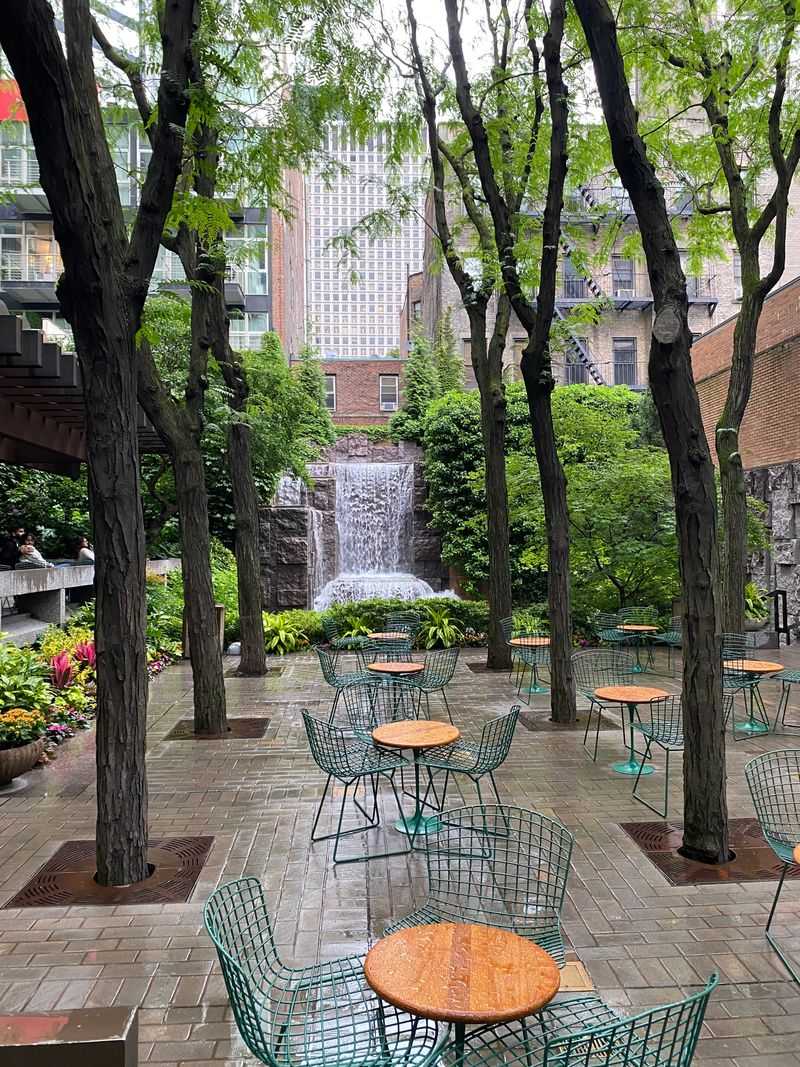
Movable chairs change everything here. You pick up a seat, shift a few inches for light or privacy, and the park quietly accommodates the mood. Nothing feels precious, yet the arrangement reads as deliberate, giving lunch, a sketch, or a short phone call an appropriate stage.
The tables sit at a height that encourages unhurried posture. You angle toward the water or turn to the gate, and the conversation finds its own volume. Strangers share proximity without friction, reinforced by a layout that trusts people to manage their own space.
This light touch is the park’s hospitality. Rather than fixed benches and strict lines, there is permission to compose your setting, and that small agency builds comfort quickly. You come for ten minutes and stay for thirty, which says more about the furniture than most guidebooks admit.
Design Origins And A Measured Legacy
Opened in 1967 as a memorial from William S. Paley to his father, the park distilled a mid-century belief in human-scale urbanism. Zion Breen Richardson Associates shaped the site with proportion and restraint, proving that small can be generous when the essentials are right.
The result aged steadily rather than stylishly, and that steadiness still reads as confidence.
Urban observers took notice early. William H. Whyte singled out the park’s social intelligence, seeing how people moved, lingered, and returned.
His work helped codify what this place demonstrates daily: careful design invites use rather than demands it.
Standing near the address at 3 East 53rd Street, you sense the lineage. Many pocket parks borrowed lessons from this one, though few match its clarity. The legacy is not nostalgic; it is practical, visible in the way visitors adopt the space as if it were theirs.
Midtown Context Without The Clamor
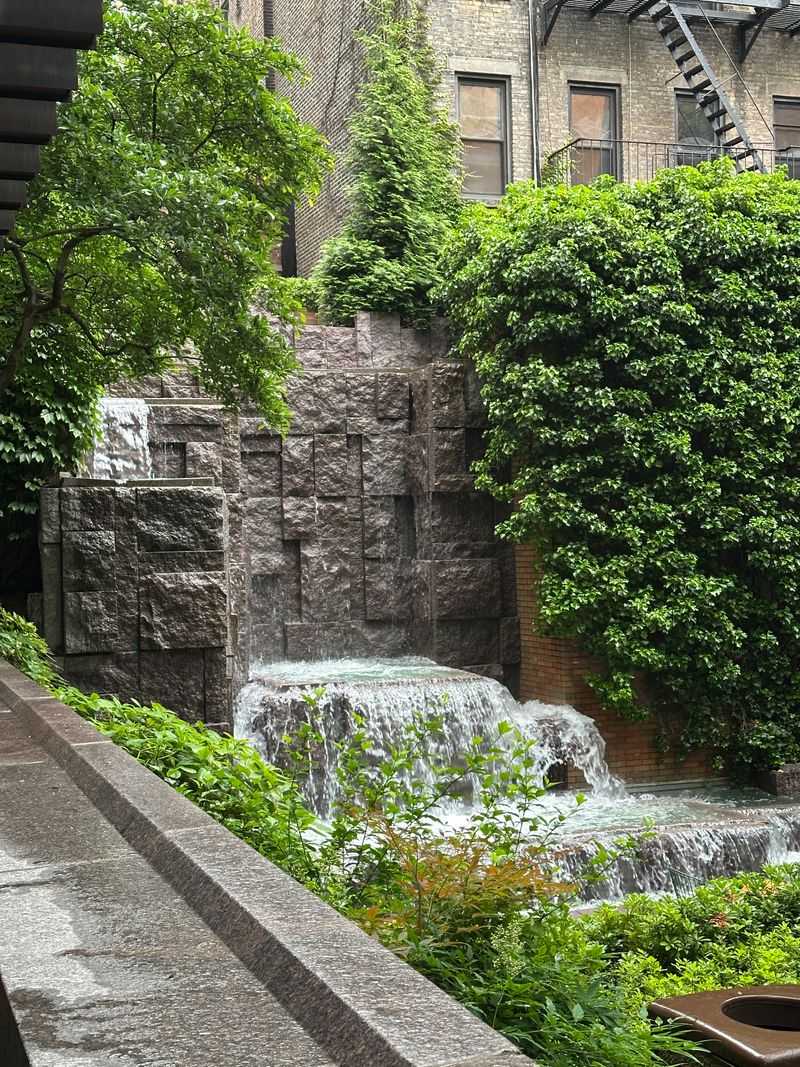
Step back to the sidewalk and you feel the volume jump. Traffic pushes, voices stack, and deadlines announce themselves in brisk footsteps. Return inside and the whole scene softens, the water pressing the city’s sharp edges into a workable blur that keeps urgency at bay.
This contrast does not scold the city for its energy. It shows how a modest room of trees and stone can recalibrate attention. The park’s borders are thin, yet the difference is substantial enough to reset a lunch hour or rescue a late afternoon.
You see it in faces that lose their tightness after a minute or two. You hear it in conversations that level out, as if the park hands each visitor a longer breath. Few urban rooms offer such a reliable adjustment, and that reliability becomes its own quiet draw.
Textures Underfoot And In The Hand
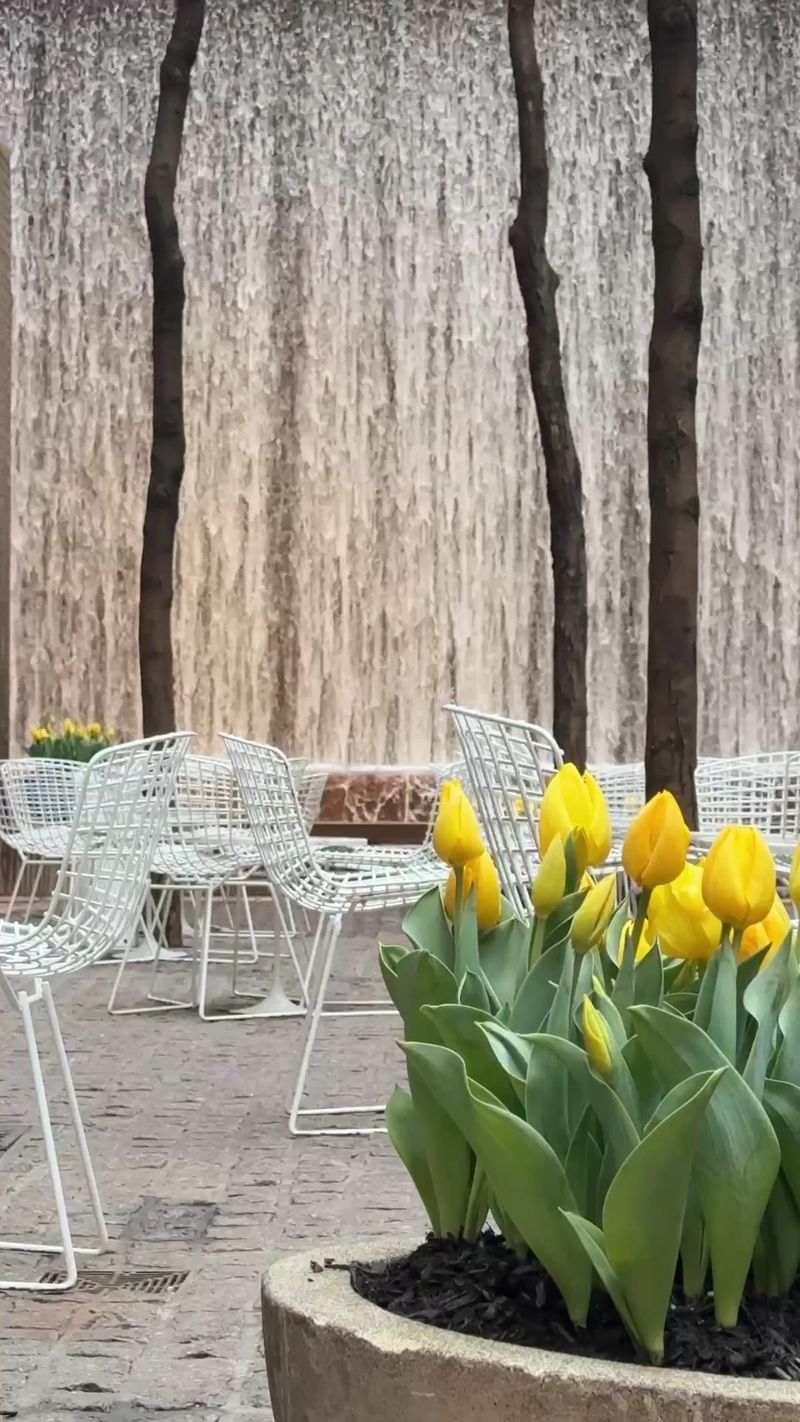
Underfoot, the gravel performs a soft percussion that politely announces every step. Chair arms are cool in the shade, warming quickly as the sun slides between branches, while tabletops hold a faint memory of past coffees. Touch becomes a tour guide here.
You run your fingers over metal, wood, and stone, and each material answers with its own temperature and timbre.
Across the wall, ivy stitches green onto gray, turning masonry into a patient tapestry. Light freckles the ground, a reminder that trees can be generous without flaunting it. You lean back, palms on the chair’s rails, and feel the design argue calmly for durability.
Nothing shouts, yet everything speaks.
Practical Notes For An Unhurried Visit
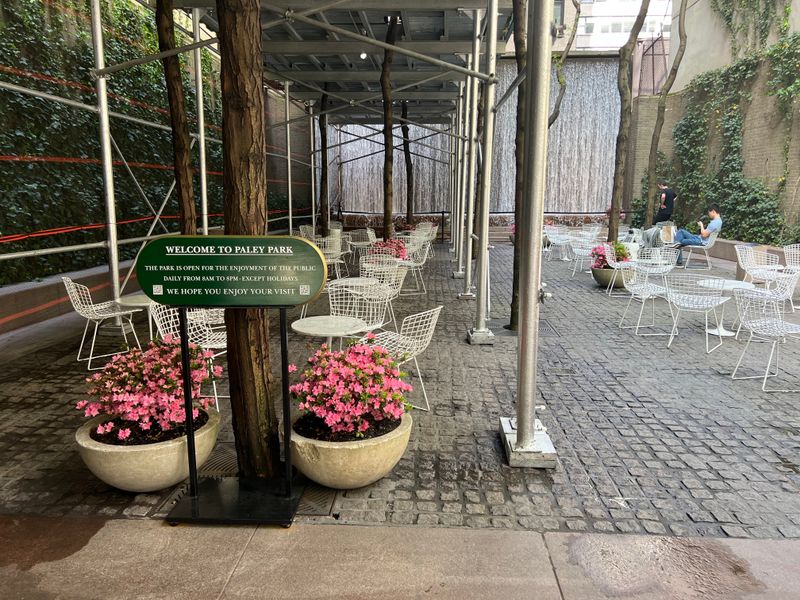
Arrive early if you like spacious calm; the park opens at 8 AM on most weekdays and Saturdays, with hours posted seasonally. Late morning brings a considerate buzz, and lunchtime fills the tables with sandwiches, notebooks, and the occasional sketchbook. Even brief visits feel worthwhile if you plan around your own pace.
The address is simple to remember: 3 E 53rd St, New York, NY 10022, a short walk from Fifth Avenue and nearby museums. Bring a coffee, keep your phone on low, and let the water carry the rest. Photography plays well here, provided you give neighbors a little room.
Small courtesies keep the place functioning smoothly. Move a chair, then return it, and leave the pavers as you found them. Do that and the park repays you with minutes that feel longer than the clock suggests.