
This Tiny Queens, New York Art Museum Was Just Named One Of The Best In America
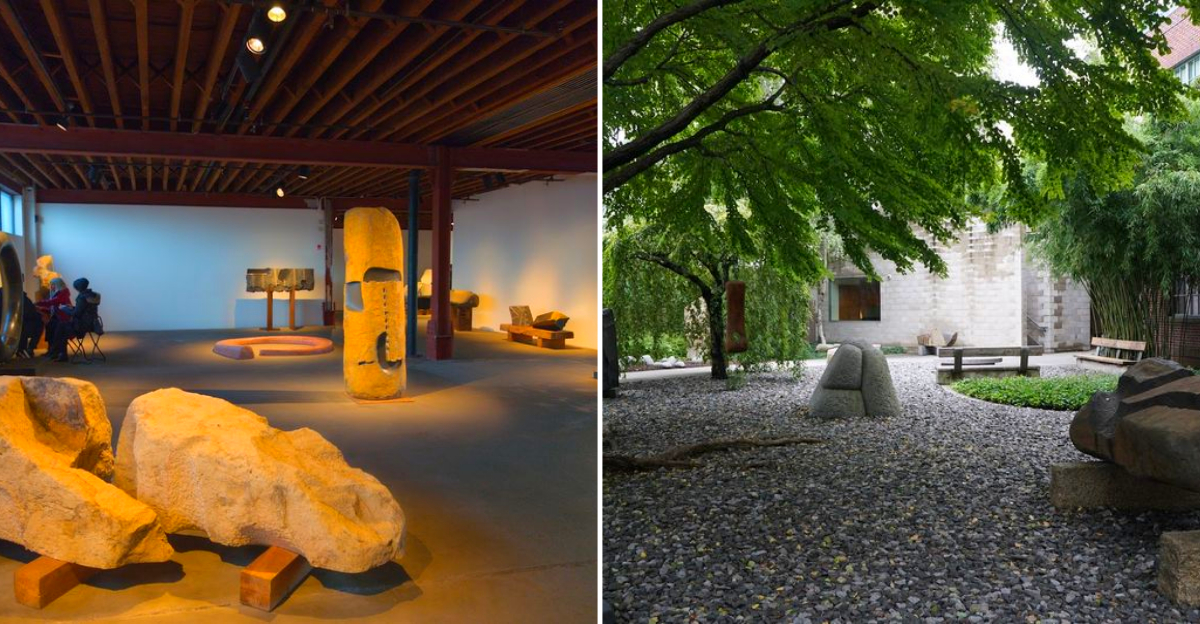
Small buildings rarely earn national bragging rights, yet one tiny museum in Queens, New York just proved size means nothing. Recognition arrived recently, placing this modest gallery among the best in the entire country.
Exhibits pack real punch despite limited square footage. Visitors often walk in expecting a quick stop and leave an hour later, surprised by how much impact fits inside such a small space.
Museums usually need grand entrances and sprawling wings to earn real respect, but this one skipped that formula completely. Local artists get featured alongside more familiar names, creating a mix that feels personal instead of predictable.
Staff greet visitors like regulars, even on a first trip. National recognition rarely lands on places this size, which makes the honor feel even more deserved.
A Museum That Rewrites What Small Can Mean
Most people assume the best museums are always the biggest ones. The Noguchi Museum challenges that idea at every turn.
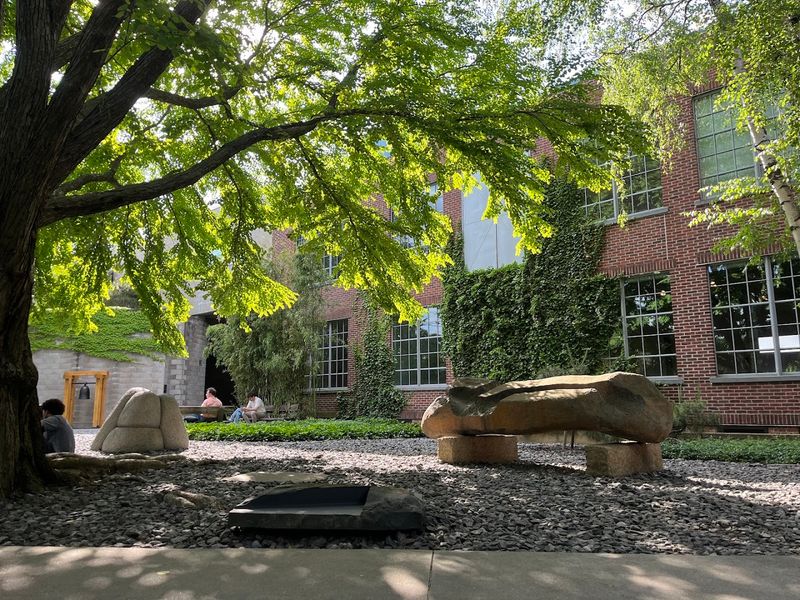
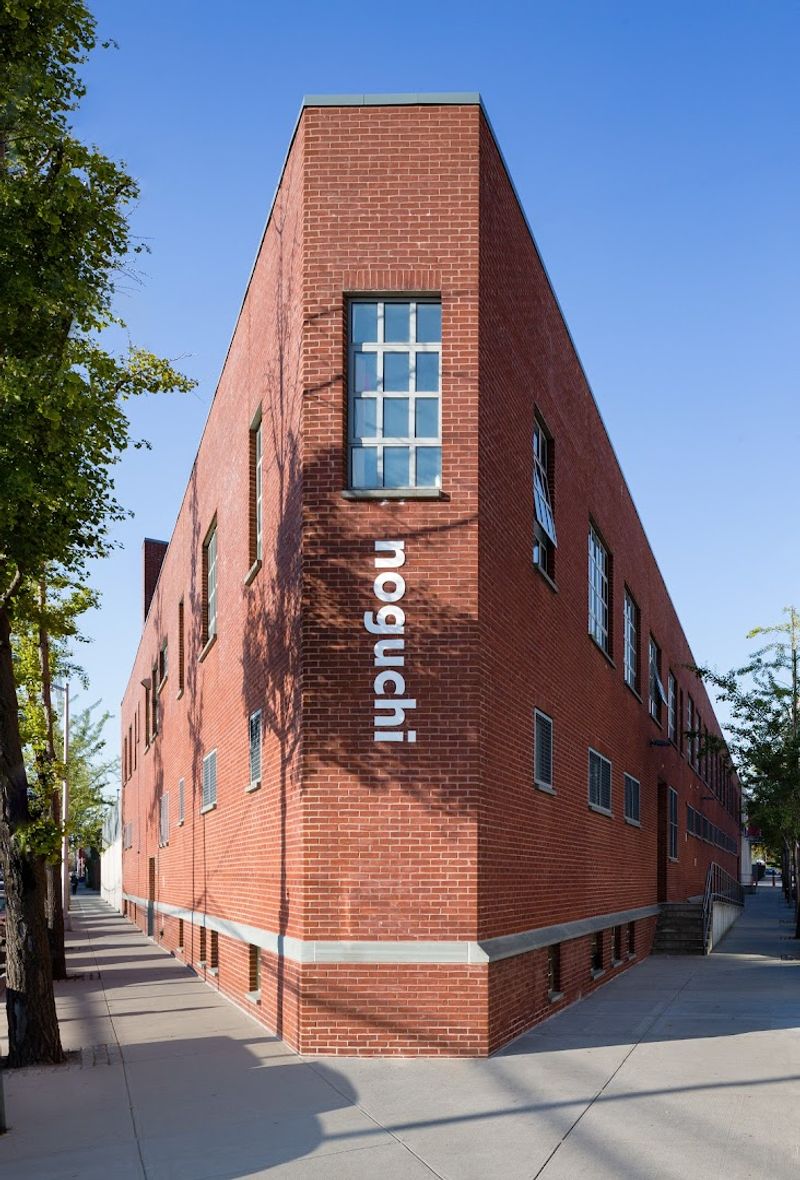
From the outside, the two-story red brick building looks almost modest, like a well-kept factory that has seen better decades. But the moment you cross the threshold, the space opens up in ways that feel genuinely surprising.
The museum spans roughly 27,000 square feet of indoor and outdoor exhibition space. That is a serious amount of room packed into a building that appears deceptively compact from the street.
The layout flows naturally between gallery rooms and the outdoor sculpture garden, creating a rhythm that feels less like a tour and more like a personal walk through an artist’s mind.
Art lovers who visit often say the intimacy of the space is its greatest strength. There are no towering vitrines or sterile display cases here.
Each sculpture breathes freely in its environment. The museum earns its national recognition not through sheer scale but through the quality of every deliberate inch of its design.
Queens, New York has a real gem on its hands.
The Noguchi Museum And The Vision Behind It
Isamu Noguchi was a Japanese American sculptor born in 1904 who spent his career bridging Eastern and Western artistic traditions. He was the kind of artist who did not just create objects.
He created entire environments. When he purchased a 1920s photogravure plant and gas station in Long Island City back in 1974, he had a clear vision in mind.
The museum at 9-01 33rd Rd, Astoria, NY 11106 became the first institution in the United States founded, designed, and personally installed by a living artist to showcase their own work. That distinction alone makes it historically significant.
Noguchi wanted visitors to experience his sculptures without barriers, without glass, and without unnecessary distance.
The museum opened on a limited basis in 1985 and underwent major renovations before reopening fully in June 2004. Today it holds the largest and most comprehensive collection of Noguchi’s sculptures anywhere in the world.
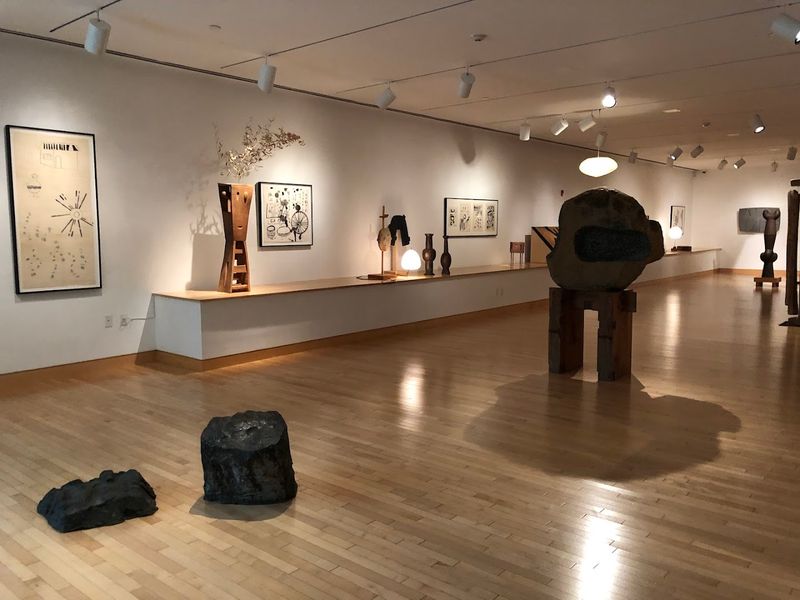
His work spans stone, metal, wood, ceramic, furniture design, stage sets, and the iconic Akari lamps that have influenced designers for generations. Visiting feels less like attending an exhibition and more like spending time inside a deeply considered thought.
The Garden That Slows Time Down
Every great museum has at least one moment that stops visitors in their tracks. At the Noguchi Museum, that moment often happens the first time you step into the outdoor sculpture garden.
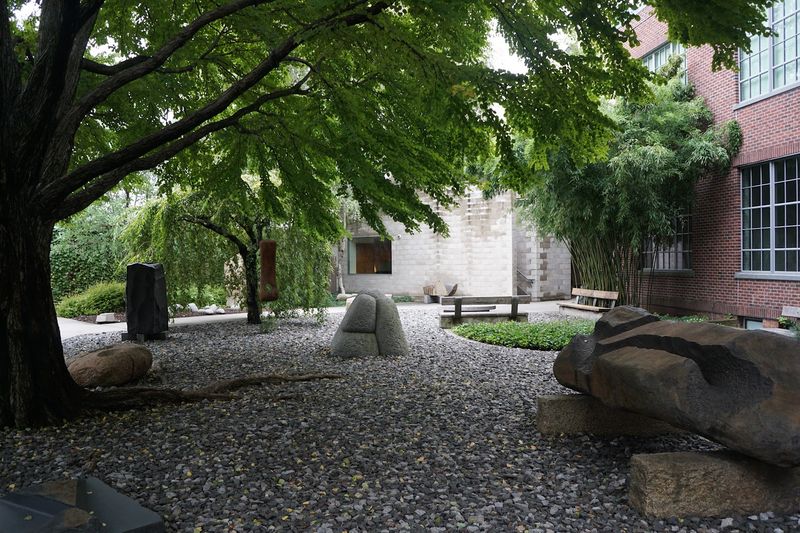
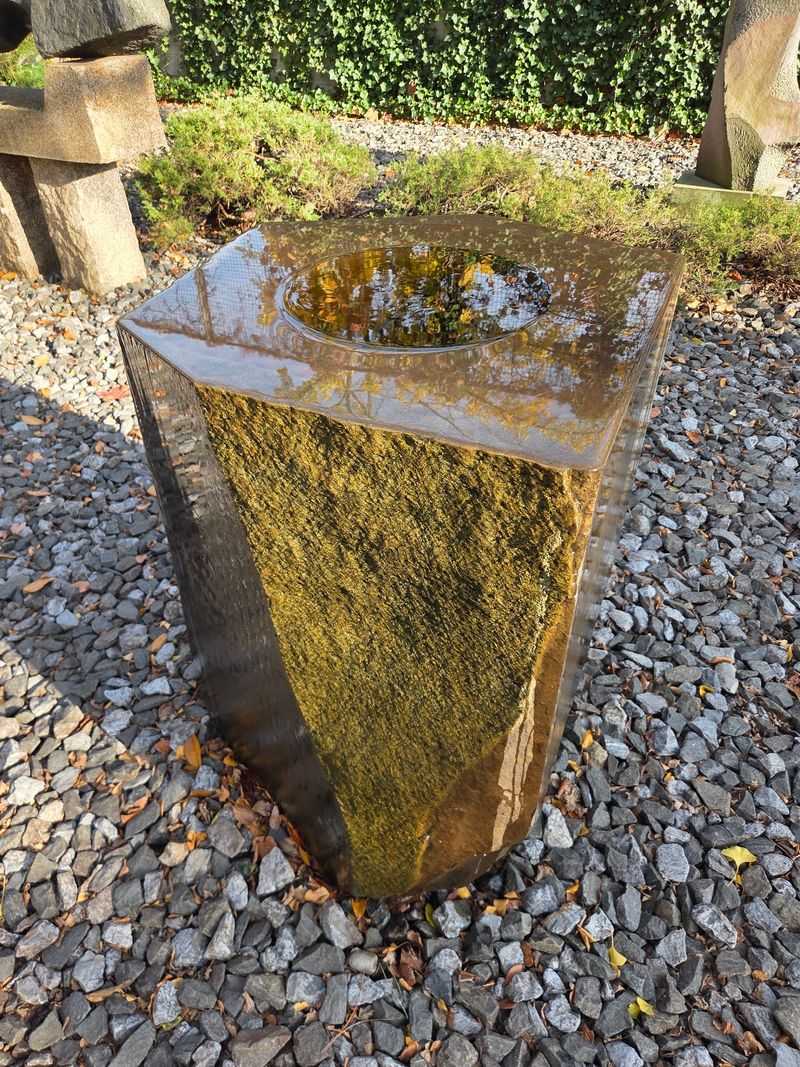
The space is quiet in a way that feels earned rather than forced. Stone forms rise from carefully maintained ground, and the surrounding flora native to the East Coast gives the garden a grounded, seasonal personality.
Noguchi designed the garden with Japanese principles in mind. Winding paths encourage slow movement and deliberate observation.
The arrangement of each sculpture within the landscape was not accidental. Every placement invites a specific relationship between the viewer, the object, and the surrounding space.
Visitors frequently describe the garden as meditative. On a warm afternoon, the light shifts across the stone surfaces in ways that change how each piece looks from hour to hour.
Some of the trees in the garden were personally planted by Noguchi himself, which adds a layer of living history to the experience. The best seasons to enjoy the garden fully are spring and summer, though the space carries a certain quiet dignity even in the colder months.
Plan to linger here longer than you expect.
Forty Years Strong And Still Making History
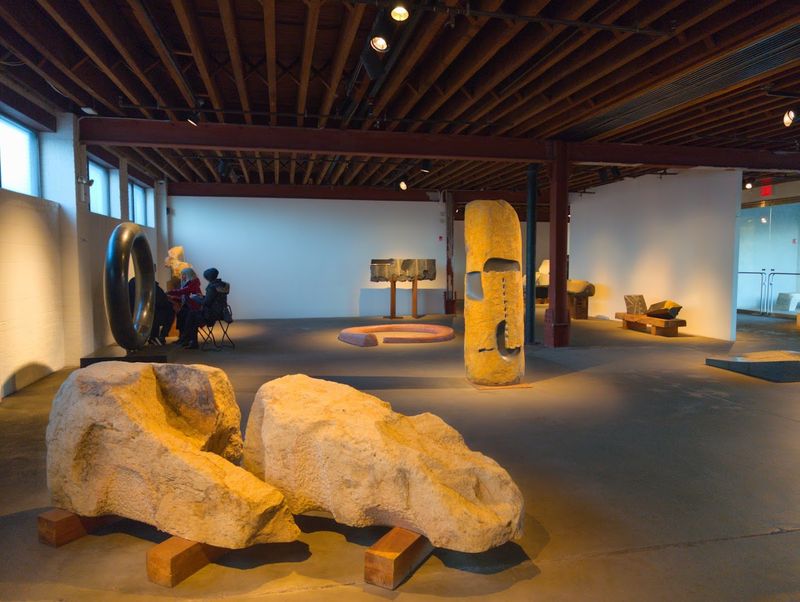
Reaching a 40th anniversary is a milestone worth celebrating, and the Noguchi Museum is doing exactly that in 2025. The special exhibition titled Against Time: The Noguchi Museum’s 40th Anniversary Reinstallation is running through September 14, 2025.
It reimagines the original 1985 second-floor installation in a way that feels fresh rather than nostalgic.
The show traces Noguchi’s work from early abstractions in the 1920s all the way through his later granite and basalt pieces. Connections emerge across decades of material, form, and intention.
The museum does not present the work as a frozen archive. Instead, Against Time frames Noguchi’s output as a living conversation that continues to evolve with each new generation of visitors.
For anyone who visited the museum in its early years, the anniversary reinstallation offers a meaningful reunion with familiar works seen in a new context. For first-time visitors, it serves as the ideal introduction to an artist whose range was genuinely staggering.
Noguchi designed public parks, theater sets, furniture, and lamps alongside his purely sculptural practice. Seeing all of those threads woven together in one carefully considered space makes the scope of his contribution feel both personal and enormous.
What The Collection Actually Holds
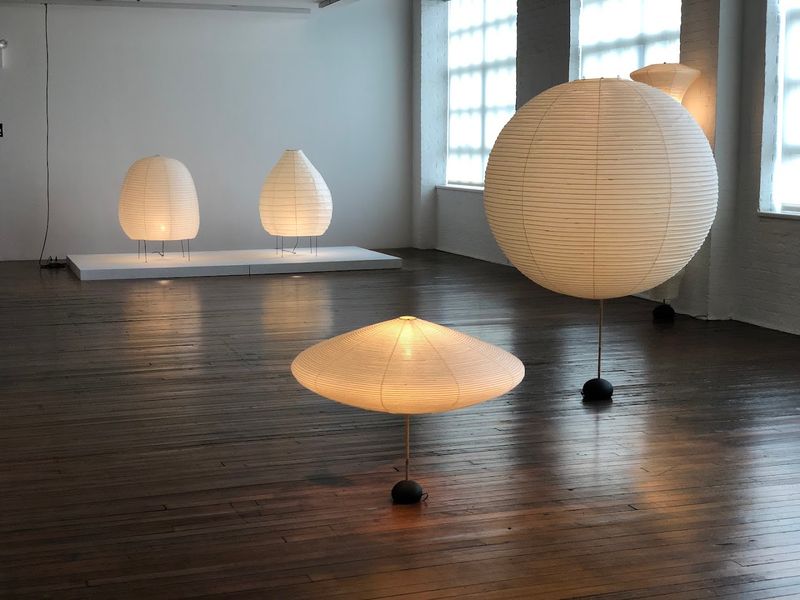
A lot of art museums present work behind ropes and inside cases that keep you at a careful distance. The Noguchi Museum operates on a different philosophy entirely.
The collection here spans sculpture in stone, wood, metal, and ceramic alongside architectural models, stage set designs, drawings, and furniture pieces. The famous Akari lamps, made from washi paper and bamboo, are among the most recognizable items on display.
The Akari lamps are a fascinating chapter in Noguchi’s story. He designed more than 200 variations over his lifetime, and they remain in production today.
Seeing them in the context of his broader practice makes their elegance feel less like a design product and more like a natural extension of his sculptural thinking.
The stage set designs on display reveal another side of Noguchi that many visitors do not expect. He collaborated closely with choreographer Martha Graham over several decades, creating abstract set pieces that transformed the stage into a sculptural environment.
Models of his public park designs show how he applied the same spatial intelligence to community spaces. The collection rewards curiosity.
The more time you spend with each category of work, the more the connections between them become clear and genuinely exciting.
Free Tours And Friendly Faces
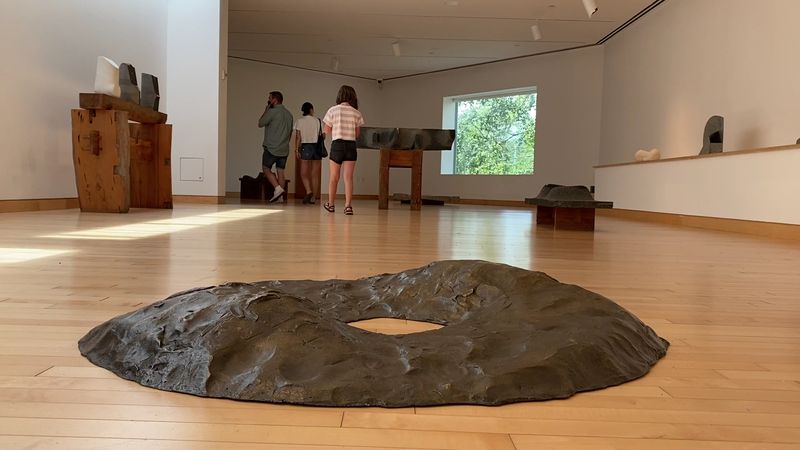
Good art is better with good context. The Noguchi Museum offers free guided walks at 2 PM and 4 PM on open days, and they are genuinely worth joining.
Each tour lasts about an hour and covers key works across both the indoor galleries and the outdoor sculpture garden. The guides bring knowledge and enthusiasm that makes even abstract pieces feel accessible and engaging.
Staff members throughout the museum are known for being warm and approachable. Visitors frequently comment on how pleasant the overall atmosphere feels, from the front desk to the gallery attendants.
That kind of hospitality is not always a given in serious art institutions, and it makes a real difference in how comfortable people feel spending time with challenging work.
Weekday visits tend to be quieter, which allows for a more personal pace through the galleries. If you prefer to have a room mostly to yourself while you sit with a particular sculpture, a Wednesday or Thursday afternoon is your best option.
The museum is open Wednesday through Sunday from 11 AM to 6 PM and is closed on Mondays and Tuesdays. Arriving close to opening time gives you the best chance of experiencing the space at its most calm and unhurried.
The Gift Shop That Actually Delivers
Museum gift shops have a reputation for being an afterthought. The Noguchi Museum’s shop breaks that pattern with real confidence.
The selection is carefully curated to reflect the spirit of Noguchi’s work rather than just slapping his name on generic merchandise. You will find miniature Akari lamp replicas, ceramic pieces, art books, small bells, and design objects that feel genuinely worth owning.
The shop operates as an extension of the museum experience rather than a separate commercial detour. Everything on display connects back to Noguchi’s aesthetic sensibility, which means even the practical items feel considered.
Visitors frequently leave with something they did not plan to buy, which is the mark of a shop that understands its audience.
Prices lean toward the higher end, which is worth knowing before you browse. The quality of the items tends to justify the cost, but it helps to go in with a budget in mind.
Art books about Noguchi’s life and work are among the most popular purchases and serve as a lasting reminder of the visit.
If you are the kind of person who collects meaningful objects rather than tourist trinkets, the Noguchi Museum shop will feel like a small reward at the end of a very good afternoon.
Why This Museum Belongs On Every Art Lover’s List
Some places earn their reputation through marketing. Others earn it through the genuine and repeated experience of everyone who walks through their doors.
The Noguchi Museum holds a 4.7-star rating across nearly 1,800 reviews, which is not an accident. People return, and they bring others with them.
That kind of loyalty says more than any award title ever could.
The museum received $4.5 million in capital funding in 2022 for the restoration of Noguchi’s original studio space and the construction of an adjacent building for its collection and archives.
That investment signals a long-term commitment to preserving and expanding what Noguchi built.
The annual Isamu Noguchi Award, presented since 2014, continues to recognize individuals who share his spirit of innovation and cross-cultural exchange.
For art lovers who feel like they have seen everything New York has to offer, the Noguchi Museum is a productive correction to that assumption. It is specific, personal, and quietly radical in the way it presents art as something you live alongside rather than simply observe.
Admission is $16, the hours run Wednesday through Sunday from 11 AM to 6 PM, and the experience tends to stay with visitors far longer than the afternoon they spend inside it.