
This Tiny Tennessee Town Tucked In The Smoky Mountains Is Absolutely Stunning
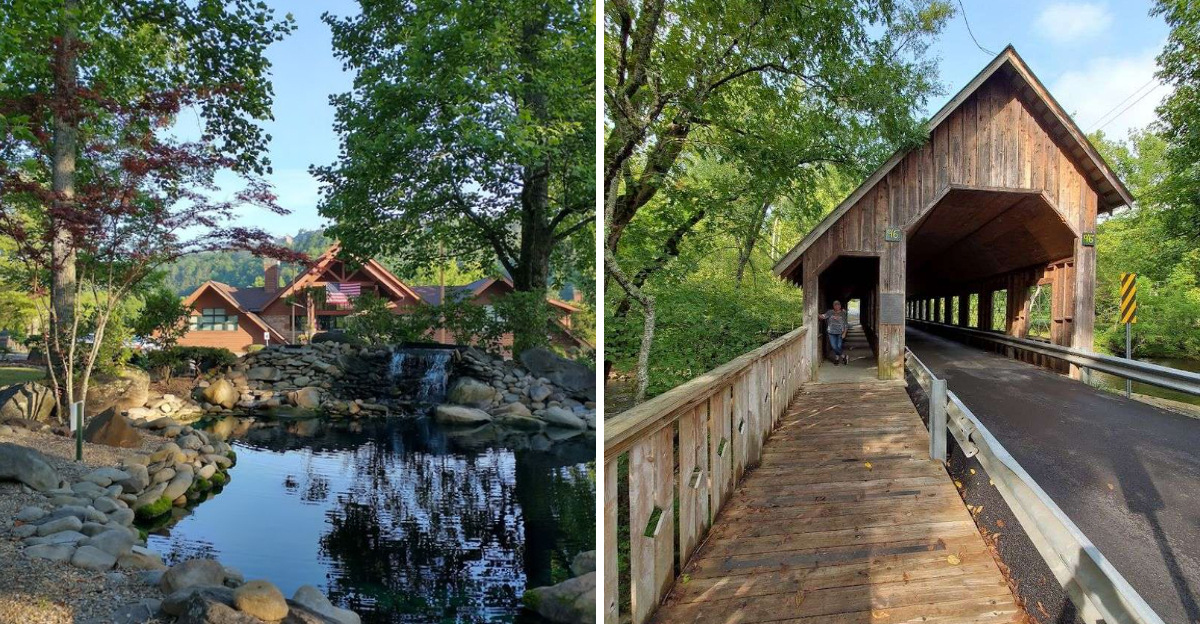
Ever driven past a town so small you almost missed it, only to realize it might be the prettiest stop on your whole trip? Tennessee has one of those towns, and it’s easy to overlook if you’re not paying attention.
With only a handful of square miles and a population you could count without losing track, this place feels more like a postcard than a destination. Mountains rise up on nearly every side, framing the town in green ridges and soft morning fog.
Life here moves slowly, and that’s exactly the point. You won’t find crowded sidewalks or bustling traffic, just quiet roads and peaceful views.
Locals seem to know this is something special, even if the rest of the world hasn’t caught on yet. Every turn reveals another angle worth stopping for.
Tennessee has plenty of famous mountain towns, but this one holds its own kind of magic. Sometimes the smallest places leave the biggest impression.
The Silent Story Of Emert’s Cove
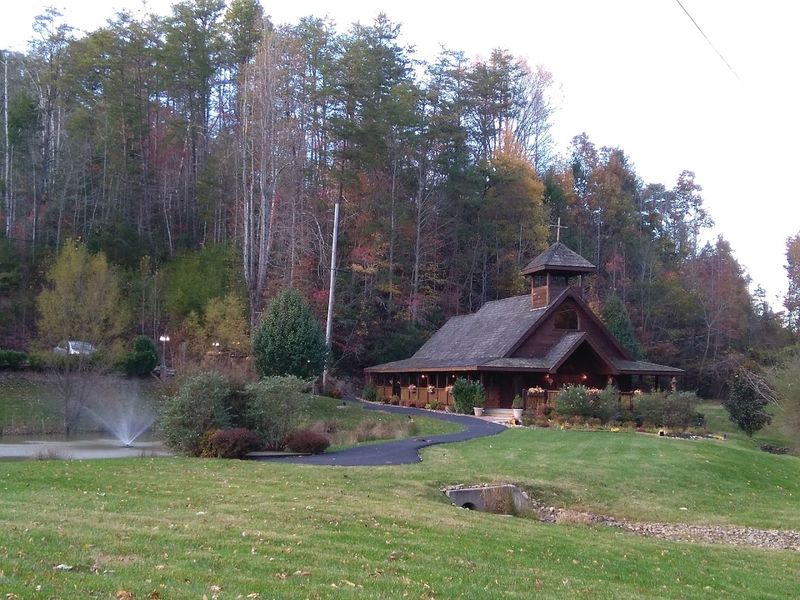
Long before anyone called it Pittman Center, this stretch of East Tennessee went by a different name entirely.
Emert’s Cove took its identity from Frederick Emert, a Revolutionary War veteran who arrived in 1784 and planted roots on land that Cherokee people had long used as hunting grounds.
The region was ceded to the United States following the 1785 Treaty of Dumplin Creek. Through the 1800s, rough terrain and poor roads kept the community fairly isolated.
Life moved at a pace dictated by seasons and soil rather than schedules.
A major turning point came in 1920 when Dr. John Burnett, a Methodist minister, established the Pittman Community Center.
It functioned as a settlement school, delivering education, healthcare, and essential services to mountain families who had few other options.
The center honored Reverend Eli Pittman, whose fundraising made the whole effort possible.
The community formally incorporated in 1974, choosing to carry the name Pittman Center forward as a tribute to that founding institution.
Today, the town covers roughly six square miles and maintains a population of around 500 residents who continue to live by the rhythms their predecessors established generations ago.
Gateway To The Greenbrier Wilderness
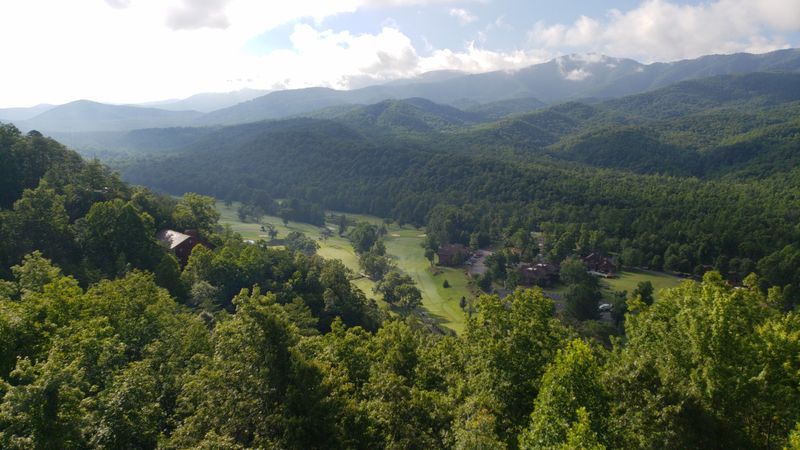
Right at the edge of town, a road opens up into something extraordinary.
The Greenbrier entrance to Great Smoky Mountains National Park sits within Pittman Center’s own borders, making the park practically a neighbor rather than a destination requiring a long drive.
This section of the park draws people who prefer their wilderness without the crowds. Wildflowers carpet the forest floor in spring, painting the understory in shades of white, violet, and yellow.
The trails here range from easy riverside walks to more demanding climbs that reward the effort with sweeping views.
The Little Pigeon River runs through this area with a calm persistence that makes it a natural gathering point. Picnic areas along its banks offer shaded spots where the sound of moving water replaces every other distraction.
The elevation in this part of the park climbs from around 1,700 feet near the town to peaks exceeding 4,500 feet deeper into the mountains.
That dramatic range in elevation means the landscape shifts noticeably as you move upward. Hardwood forests give way to spruce and fir.
The air cools. The views open. It is the kind of place that earns its reputation without any help from marketing.
Heritage Day And The Traditions That Bind
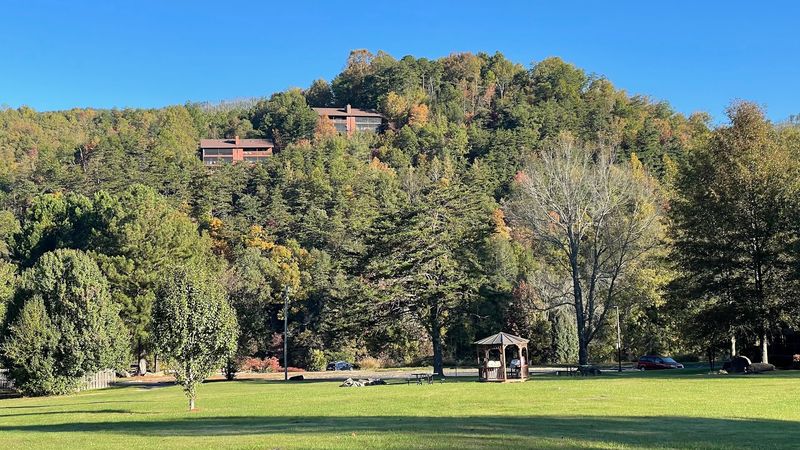
Every third Saturday in September, Pittman Center puts its history on full display.
Heritage Day is not a tourism spectacle but a community event, one that has grown from a genuine desire to keep local traditions alive rather than let them fade quietly into the past.
The festival features musicians playing traditional mountain tunes on fiddles, banjos, and dulcimers. Dancers perform in styles passed down through generations.
Storytellers share accounts that would otherwise disappear with the people who lived them. The atmosphere carries a warmth that formal exhibitions rarely manage to produce.
Local artisans set up markets where handmade crafts reflect skills that predate mass production. Quilts, woodwork, and pottery made by community members sit alongside genealogical records and historical photographs.
Families often use the occasion to research their own ancestral connections to the area.
The town’s guiding motto, Maintaining Our Mountain Heritage, is not just a phrase printed on a sign. Heritage Day is where that motto becomes action.
For anyone curious about Appalachian culture as it actually exists rather than how it is often portrayed, this annual gathering offers a rare and grounded perspective on what community memory looks like when people actively choose to protect it.
The Little Pigeon River And Its Quiet Rewards
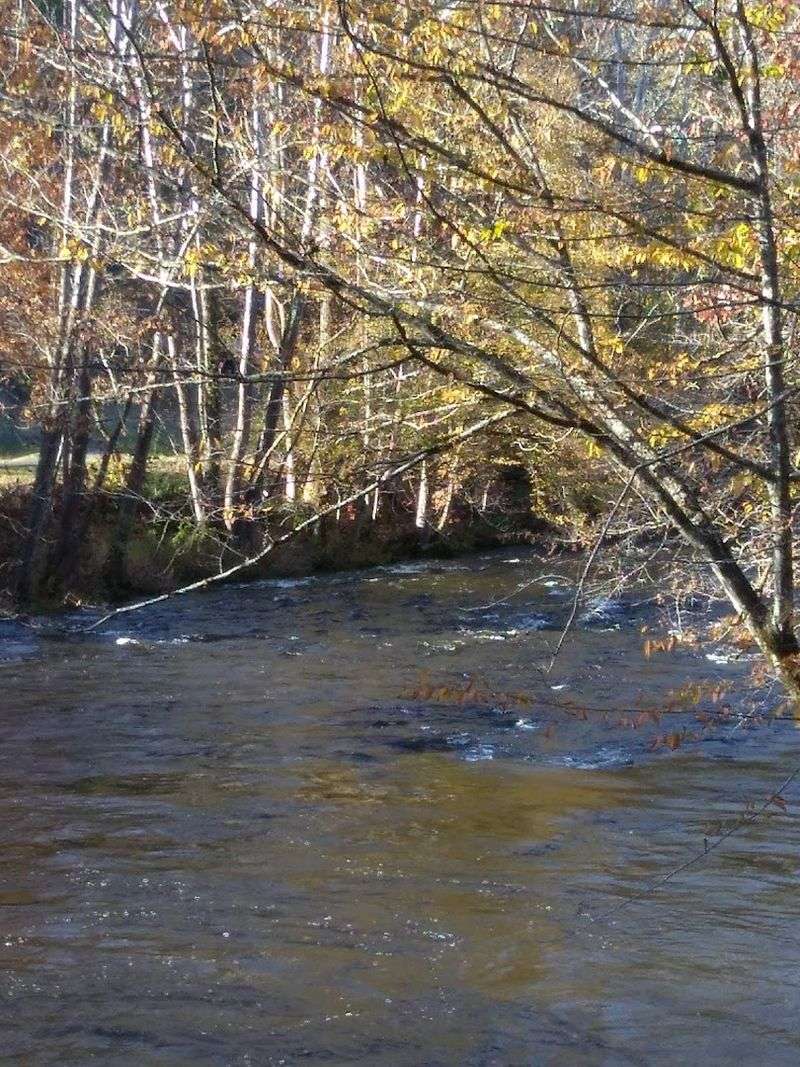
The Little Pigeon River does not announce itself loudly. It moves through Pittman Center with the steady confidence of water that has been following the same path for centuries, shaping rocks and banks with unhurried persistence.
Fishing along its stretches is a reliable pleasure for those who enjoy the meditative quality of standing in moving water and waiting.
The river holds trout in its cooler sections, and the surrounding forest provides enough shade to make the experience comfortable even on warmer days.
Beyond fishing, the riverbanks offer simple pleasures that do not require any equipment at all.
Sitting beside the water, watching the current break around stones, listening to the particular sound a shallow river makes over gravel, these are the kinds of experiences that reset something in a person.
The Spring Branch Walking Trail runs nearby and adds another dimension to the area’s outdoor appeal.
Along this trail, community members and passersby occasionally encounter Bethlehem Ham, the town’s resident donkey, who has developed a notable reputation for friendliness and an enthusiastic interest in snacks.
He has become something of an unofficial ambassador for the area, greeting people with an energy that is difficult not to appreciate.
A Covered Bridge That Carries History
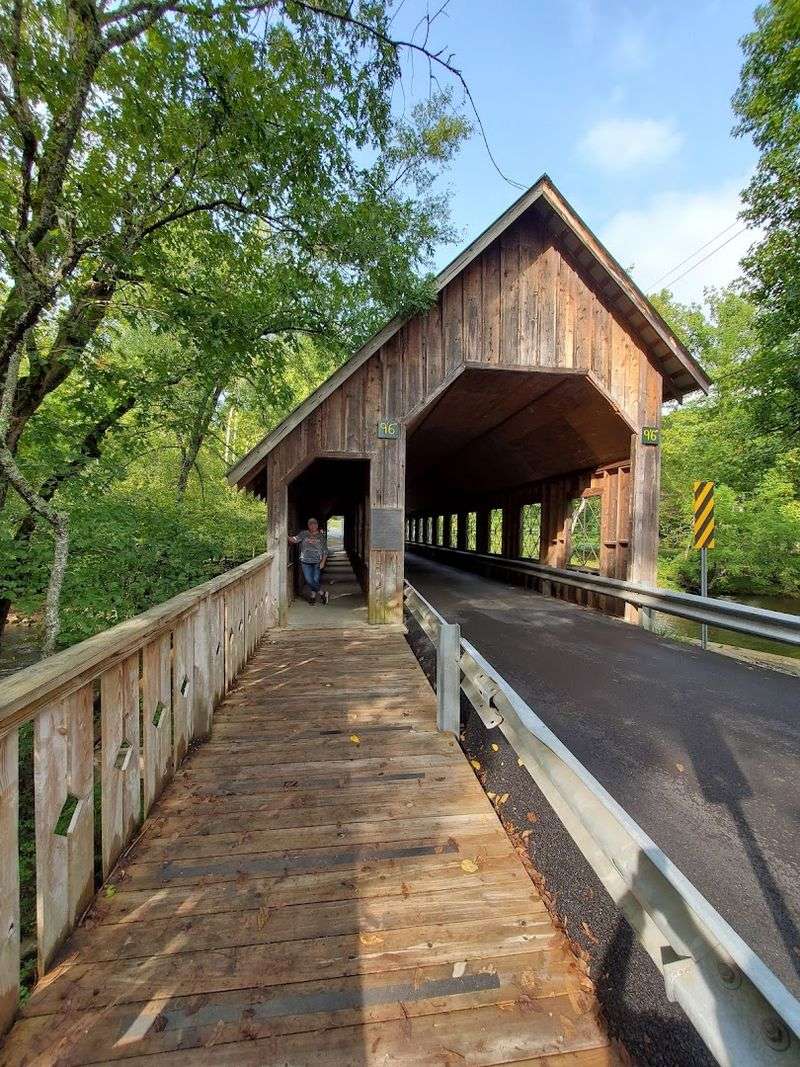
Not every town gets a covered bridge, and fewer still build one as a deliberate act of remembrance.
The Emert’s Cove Covered Bridge was constructed in 2000, designed not for heavy traffic but for the kind of slow crossing that invites you to pause and look at the water below.
It spans a scenic waterway and has become one of the most photographed spots in the area.
The structure carries the name of the original settlement, keeping Emert’s Cove alive in the community’s daily landscape even as the official name changed decades ago.
Photography enthusiasts find it particularly rewarding in autumn when the surrounding trees shift into deep reds and oranges. The light in late afternoon catches the wooden beams in a way that feels almost composed, like a painting someone forgot to frame.
Morning visits offer a different quality entirely, with mist occasionally drifting across the water beneath.
The bridge functions as a quiet anchor for the community, a physical reminder that where a place comes from shapes what it becomes.
Standing on it for a few minutes, watching the current move below, is one of those simple experiences that stays with you longer than expected.
The Glenn Cardwell Heritage Museum And Local Memory
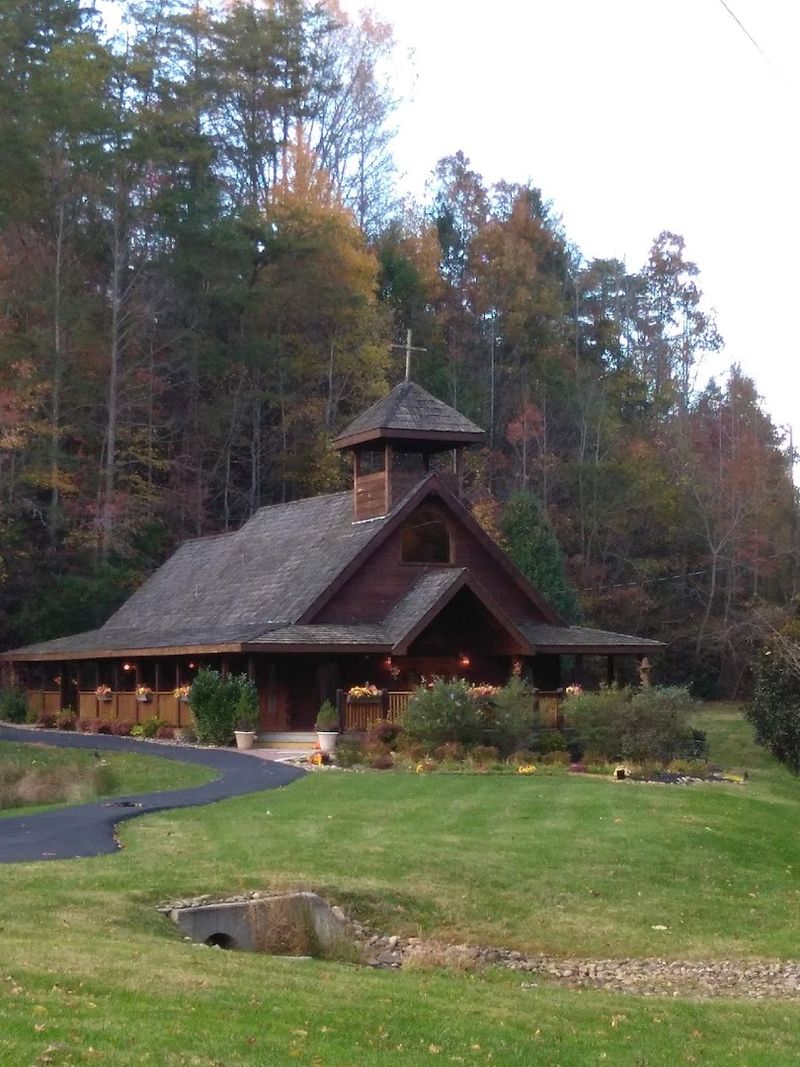
Local history often lives in boxes in someone’s attic until a community decides to do something more permanent with it.
The Glenn Cardwell Heritage Museum in Pittman Center made that decision, gathering photographs, artifacts, written records, and personal narratives into a space dedicated to preserving the area’s layered past.
The collection reflects the full arc of the community’s story, from the earliest settler days through the founding of the Pittman Community Center and into the town’s modern era.
Photographs show faces and landscapes that would otherwise exist only in fading memory.
Artifacts ground those images in the physical reality of daily life as it was actually lived.
For anyone with ancestral ties to Sevier County or the broader East Tennessee region, the museum offers a starting point for deeper research.
The records held there complement the genealogical work that happens during Heritage Day, creating a year-round resource rather than a once-a-year opportunity.
The museum also serves as an educational space for younger generations growing up in the community. Understanding where a place comes from gives residents a more complete sense of where they stand.
That kind of rooted knowledge, quietly preserved in a small building on a mountain road, carries a significance that is easy to underestimate until you spend time with it.
City Hall And The School That Started It All
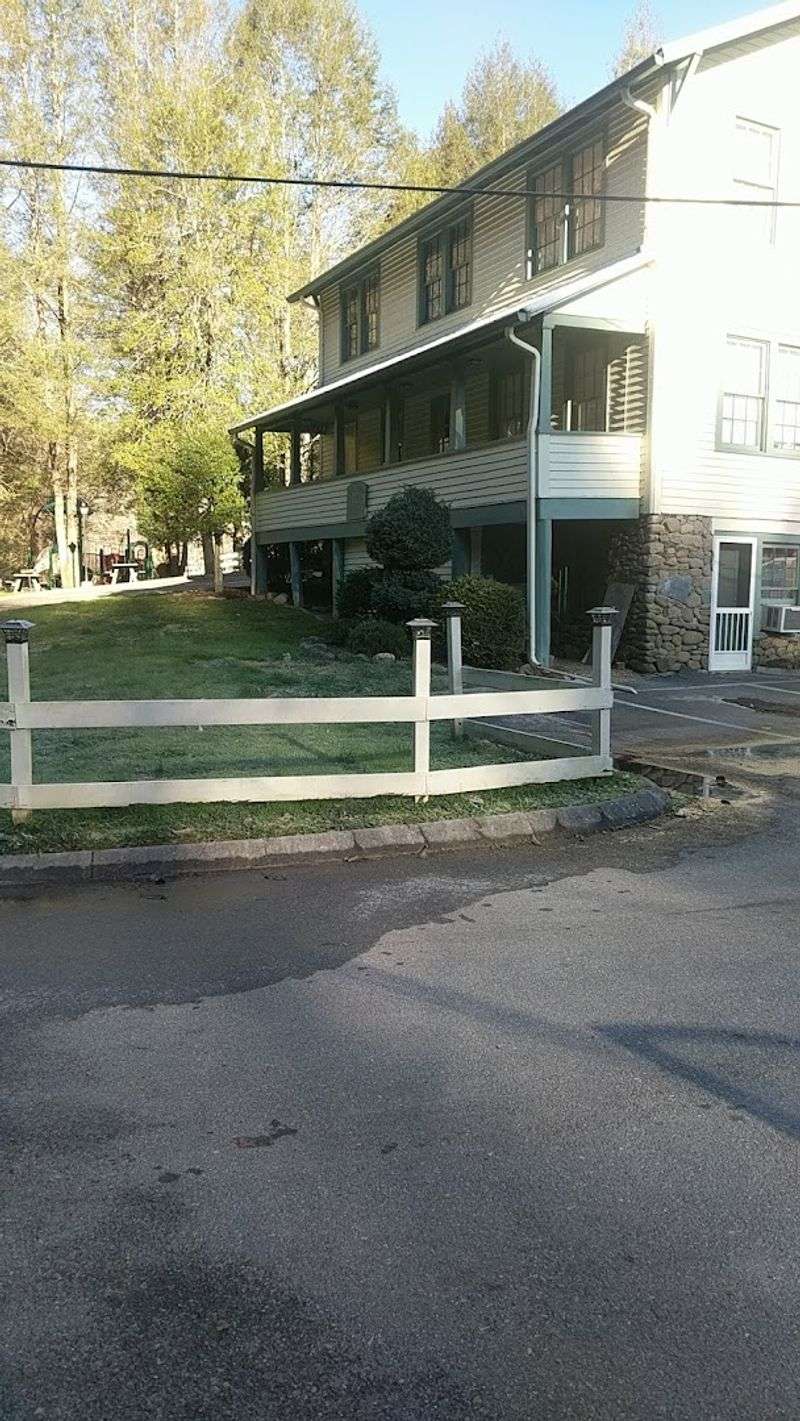
Most city halls are forgettable buildings chosen for function over meaning. Pittman Center’s is different.
The structure that now serves as the town’s municipal center was originally the Home Economics building of the Pittman School, the settlement school that Dr. John Burnett established in 1920 to serve the isolated mountain community.
It is the only remaining building from that original campus, and its survival feels significant.
The National Register of Historic Places recognized it as such, adding the kind of formal acknowledgment that confirms what the community already knew: this building matters beyond its square footage.
Walking past it on U.S. Route 321, you might not immediately register its importance. The exterior is modest, as settlement school buildings tended to be.
But knowing what it once housed, classrooms where mountain children received an education that connected them to opportunities beyond the ridge lines, changes how the structure reads in the landscape.
The decision to repurpose it as City Hall rather than demolish it says something about the town’s priorities. Preserving the physical evidence of where you came from is a choice, and Pittman Center makes that choice consistently.
The building stands as a quiet argument for the idea that history is not something you memorialize once and move on from.
Eight Miles From Gatlinburg, A World Apart
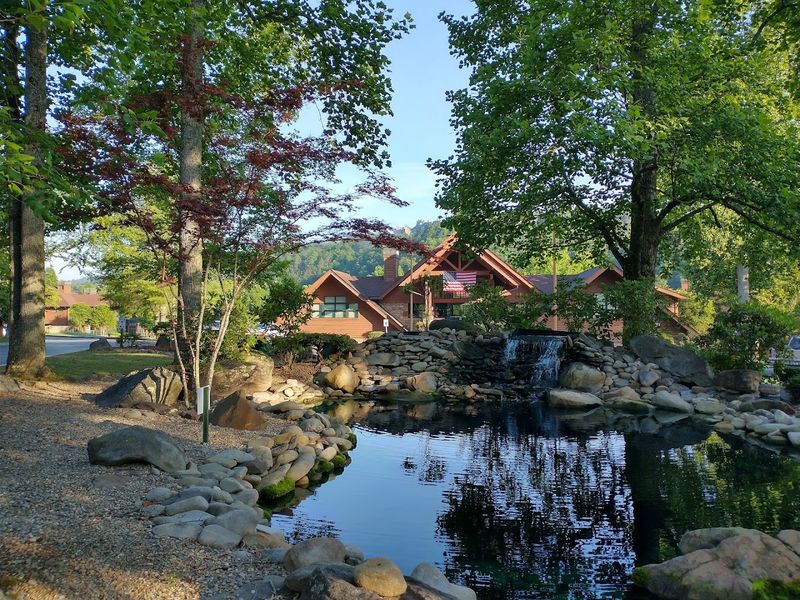
The math is straightforward. Pittman Center sits eight miles east of Gatlinburg along U.S.
Route 321 in Sevier County. On a map, that distance looks negligible. In practice, it represents a considerable shift in atmosphere, pace, and character.
Gatlinburg has its charms, but it also has its crowds, its neon, and its particular brand of mountain-adjacent entertainment. Pittman Center has none of that.
What it offers instead is the actual mountain, unmediated and unhurried, with a community that has chosen preservation over development at nearly every turn.
The town’s average elevation exceeds 1,700 feet, with the terrain climbing dramatically toward the national park boundary. That elevation brings cooler temperatures, cleaner air, and the kind of light that photographers chase.
Mornings arrive with a clarity that feels earned.
For those planning time in the Smokies region, Pittman Center functions well as a quiet base rather than a brief stop.
Its proximity to the Greenbrier entrance of Great Smoky Mountains National Park means serious hikers and nature enthusiasts have immediate access to some of the most rewarding terrain in the eastern United States.
The town itself, with its preserved history, river access, and genuine community spirit, provides more than enough reason to stay longer than originally planned.