
This Town In New York Has Homes Under $100,000, And People Are Slowly But Surely Moving There
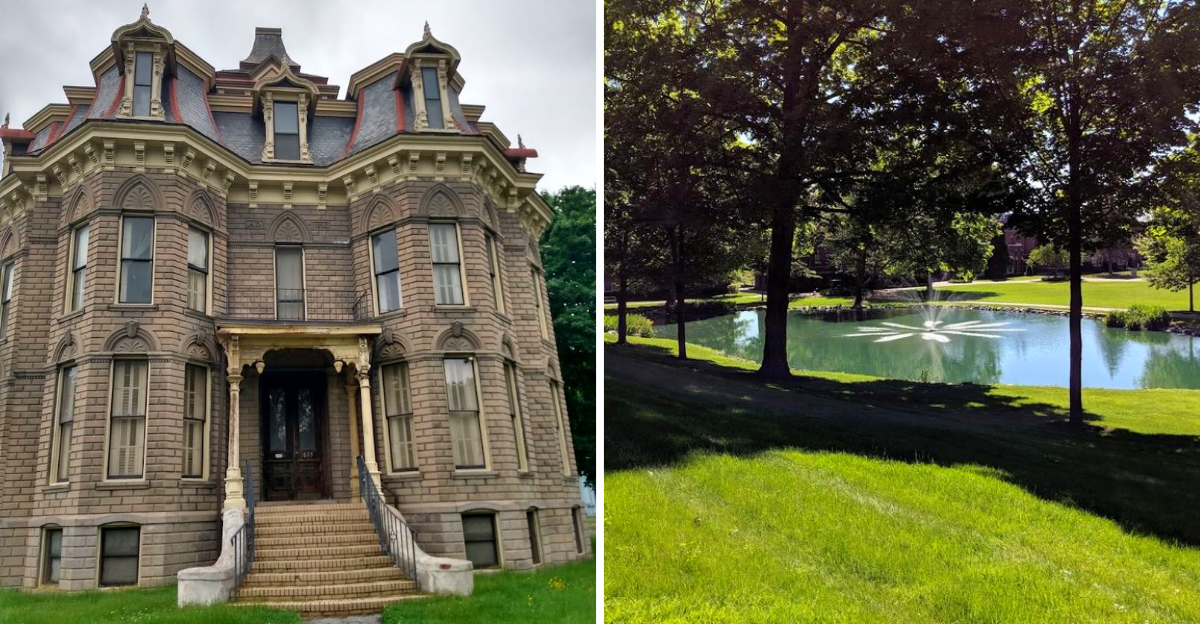
Finding an affordable home in New York can feel almost impossible, which is why this small town has started to catch people’s attention. Somewhere in the state’s biggest and busiest areas, it offers something that feels increasingly rare: houses with price tags that still sit under $100,000.
That kind of affordability is quietly drawing interest from buyers looking for a fresh start, a slower pace of life, or simply a place where their money stretches a little further. Life here moves at a comfortable rhythm, with local shops, familiar faces, and a strong sense of community.
As more people discover what the town has to offer, the idea of settling down here is becoming harder to ignore.
A City That Earns Its Reputation Quietly
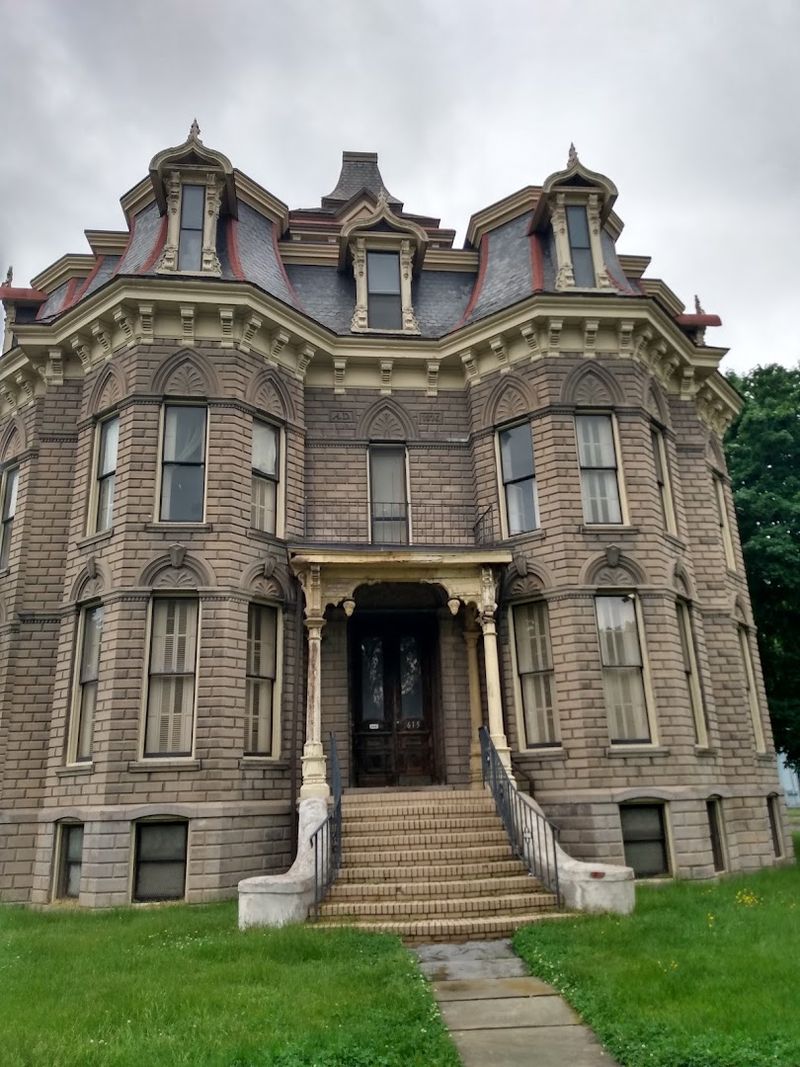
Not every place that deserves attention announces itself loudly. Elmira sits along the Chemung River in the Southern Tier of New York, carrying more than two centuries of history within its neighborhoods, churches, and public buildings.
The city moves at a pace that feels unhurried and deliberate, which suits the people who have chosen to build their lives here.
Mark Twain once spent his most productive summers in Elmira, completing major works in a small octagonal study that still stands today. That kind of cultural depth runs through the city in ways both visible and subtle.
Visitors who expect a worn-down postindustrial town often find themselves recalibrating their assumptions within the first few hours.
The architecture alone tells a compelling story. Victorian homes with wide porches and ornate woodwork line residential streets, many of them available at prices that would not cover a parking space in Manhattan.
Elmira rewards the curious traveler and the practical homebuyer in equal measure, offering a version of New York life that prioritizes substance over spectacle.
Elmira New York And The Homes That Started The Conversation
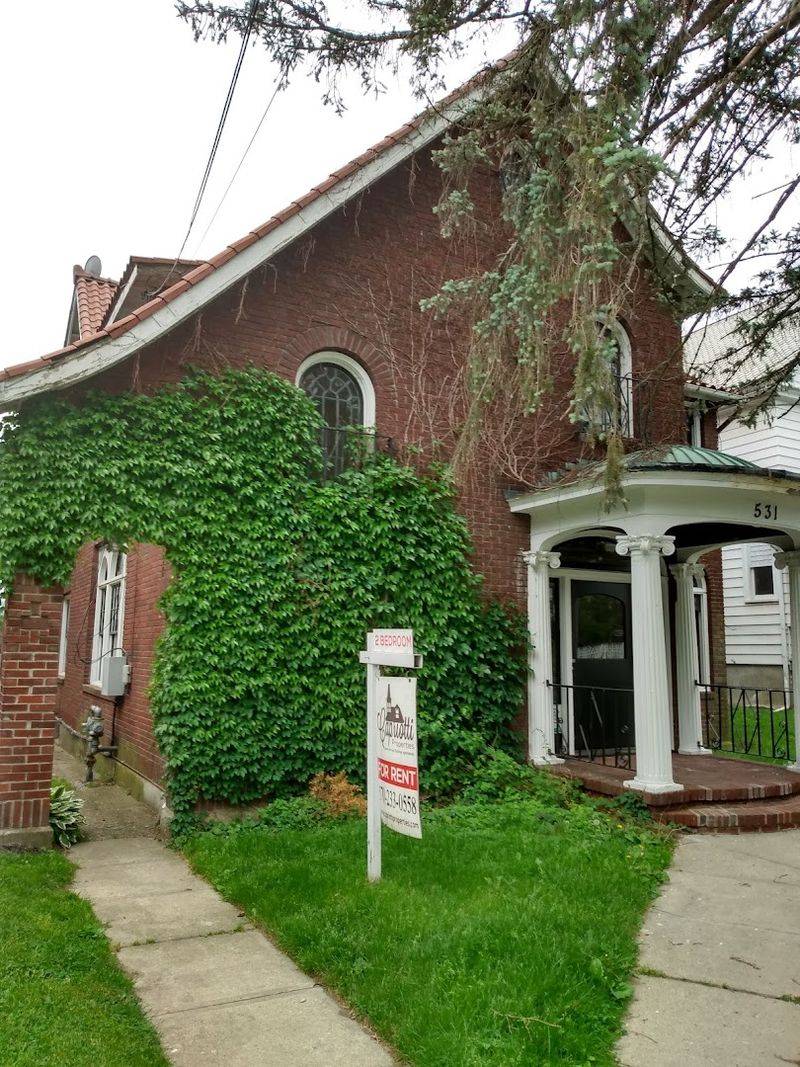
The numbers are what first catch people off guard. Elmira has become one of the few cities in New York State where a buyer with a budget under $100,000 can find a structurally sound, move-in-ready home with a yard, multiple bedrooms, and room to grow.
That kind of affordability has not existed in most of the state for a very long time.
Three-bedroom homes have appeared on the market in the $60,000 to $90,000 range, drawing interest from first-time buyers, retirees looking to downsize, and remote workers who no longer need to live within commuting distance of expensive metro areas. The math simply works in Elmira in a way it does not in most comparable cities.
Located at the heart of Chemung County, Elmira sits roughly 90 miles from both Syracuse and Binghamton, making it accessible without being swallowed by urban sprawl. The city website at cityofelmira.net provides updated resources for new residents exploring the area.
For buyers tired of being outbid in overheated markets, Elmira offers a refreshing and entirely practical alternative worth serious consideration.
The Cost Of Living That Changes The Entire Calculation
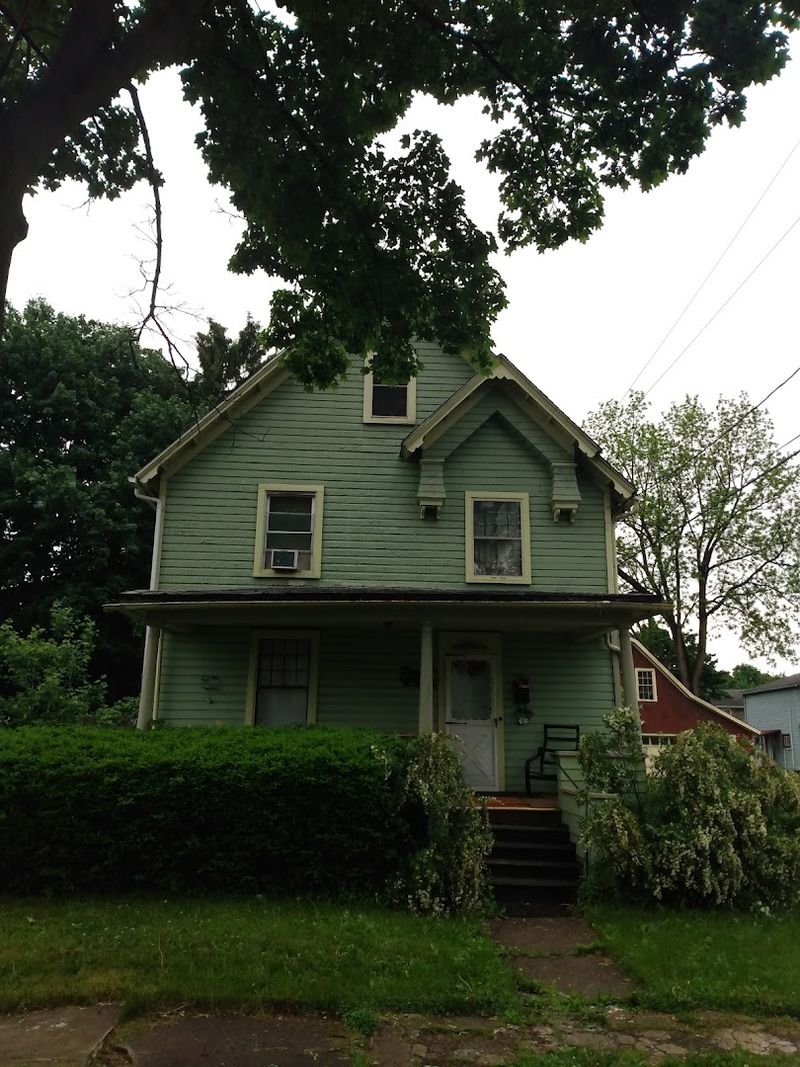
Buying a home is only part of the financial picture, and Elmira understands that. The overall cost of living in the city sits meaningfully below the New York State average, which means that once residents put down roots, they tend to find their monthly budgets stretching further than expected.
Groceries, utilities, and local services all reflect the economic character of a smaller city rather than a metropolitan hub.
Property taxes in Chemung County, while present as they are anywhere in New York, are offset considerably by the low purchase prices that make initial entry into the market so approachable. A buyer spending $85,000 on a home carries a very different financial burden than one spending $400,000, and that difference compounds meaningfully over years and decades.
Local employers in healthcare, education, and manufacturing provide steady employment for residents who choose to work locally rather than remotely. Arnot Health, one of the region’s major healthcare systems, anchors a significant portion of the local economy.
The combination of low housing costs and accessible employment makes Elmira genuinely functional for working families, not just an affordable address on paper.
History Written Into Every Corner Of The City
Few American cities of Elmira’s size carry as much documented literary and historical weight. Samuel Clemens, better known as Mark Twain, spent more than twenty summers in Elmira at the home of his in-laws, the Langdon family.
He completed “Adventures of Huckleberry Finn” and “The Adventures of Tom Sawyer” largely within the city’s borders, and his writing study has been preserved and relocated to the campus of Elmira College.
Elmira College itself, founded in 1855, holds the distinction of being one of the first institutions in the United States to grant degrees to women on equal terms with men. That kind of progressive history gives the city a character that goes beyond its modest size.
The campus adds a lively academic energy to the local atmosphere throughout the academic year.
The Woodlawn Cemetery, where Mark Twain is buried alongside members of the Langdon family, draws visitors from across the country who come specifically to pay their respects at his gravesite. Standing there among the quiet headstones, it becomes clear that Elmira is not simply a place people pass through.
It is a place that has genuinely mattered to American culture in ways that deserve wider recognition.
Outdoor Life Along The Chemung River

The Chemung River runs through Elmira like a steady, unhurried companion, offering residents a natural corridor for recreation that larger cities spend millions trying to manufacture. The river supports fishing, kayaking, and casual walking along its banks, drawing locals outdoors throughout the warmer months without requiring any elaborate planning or expensive equipment.
Eldridge Park, a historic recreational area within the city, has undergone significant restoration efforts in recent years and now features a beloved antique carousel that operates seasonally, drawing families from across the region.
The park represents the kind of community investment that signals genuine civic pride rather than hollow promotional effort.
A restored carousel in a small city says something meaningful about what its residents value.
Nearby Newtown Battlefield State Park commemorates the 1779 Battle of Newtown and offers hiking trails through forested terrain with views of the surrounding valley. Harris Hill Soaring Center, located just outside the city, is one of the premier glider and soaring sites in the northeastern United States.
For residents who find satisfaction in outdoor pursuits, Elmira provides a surprisingly full menu of options within a short drive of the front door.
What Remote Work Has Done For Elmira’s Appeal

The widespread adoption of remote work over the past several years fundamentally altered how Americans think about where they can afford to live.
Cities like Elmira, which had long been overlooked in favor of proximity to major employment centers, suddenly became viable options for professionals whose daily commute now ends at a home office door rather than a downtown skyscraper.
A software engineer earning a New York City salary while paying $75,000 for a three-bedroom house in Elmira is not living a compromise. That person is making a financially sophisticated decision that previous generations of workers simply did not have access to.
The math produces a standard of living that would be genuinely difficult to replicate in any major metropolitan area at comparable income levels.
Elmira’s internet infrastructure has improved in recent years, with providers expanding service availability across residential neighborhoods to meet growing demand. The city also sits within reasonable driving distance of regional airports in Elmira-Corning Regional Airport, which handles regular commercial flights and keeps residents connected to larger hubs when travel is necessary.
For remote workers evaluating their options with clear eyes, Elmira presents a case that holds up well under scrutiny.
Local Food, Arts, And The Culture Worth Staying For

A city’s cultural life is often measured by the quality of its restaurants, galleries, and performance spaces, and Elmira holds its own with quiet confidence in all three categories.
Downtown has seen renewed activity in recent years, with independent restaurants and small businesses occupying storefronts that tell the story of a commercial district finding its footing again after decades of economic transition.
The Clemens Center for the Performing Arts serves as the city’s primary venue for live theater, music, and touring productions, hosting a calendar that regularly surprises visitors with its range and ambition. For a city of its size, the programming is genuinely impressive and reflects the taste of a community that takes culture seriously.
Attending a performance there feels less like a local event and more like a proper night out.
The Arnot Art Museum, one of the older art museums in the state, houses a permanent collection that includes European and American works spanning several centuries.
Admission is accessible, the galleries are well-maintained, and the experience of moving through the collection in a building with real architectural character is one of those pleasures that money cannot fully manufacture.
Elmira’s cultural offerings reward the resident who takes the time to explore them properly.
Why People Who Move Here Tend To Stay

Relocation statistics for smaller American cities often tell a story of transience, with residents treating affordable markets as temporary stops rather than permanent homes. Elmira breaks that pattern more often than one might expect.
People who arrive with a trial mindset frequently find themselves extending their timelines and eventually abandoning the idea of leaving altogether.
The reasons are not dramatic or easily packaged into a promotional slogan. Residents describe a combination of factors: the affordability that removes chronic financial stress, the pace that allows for genuine rest, the community scale that makes personal investment feel meaningful, and the natural surroundings that provide consistent access to outdoor life without requiring a long drive or a permit.
Those qualities accumulate quietly over time.
New York State’s ongoing investment in affordable housing programs, including the MOVE-IN NY initiative and substantial tax credit allocations for housing development, signals that communities like Elmira are part of a broader strategy for sustainable regional growth.
That kind of policy support adds a layer of long-term stability to the practical appeal of buying in the city.
For buyers who approach the decision with patience and genuine curiosity, Elmira has a way of making the case for itself without needing to try particularly hard.